

The way we think about protein is about to change forever. Picture walking into a grocery store in a few years and finding perfectly marbled steaks that never came from a farm, or protein-packed energy bars made from ingredients that would make most people squirm. This isn’t science fiction anymore. Plant-based meat analogues, edible insects, and cultured meat are promising major meat alternatives that can be used as protein sources in the future, and they’re quietly revolutionizing what’s on our plates.
The question isn’t whether these foods will arrive – it’s which ones will capture our hearts, minds, and taste buds first. From lab-grown chicken nuggets bigger than your palm to cricket flour sneaking into your favorite snacks, the future of food is already here. Some of these alternatives might surprise you with how close they taste to the real thing, while others are taking completely different approaches that could redefine what we consider “meat” altogether.
Lab-Grown Meat Is Making Giant Leaps Forward
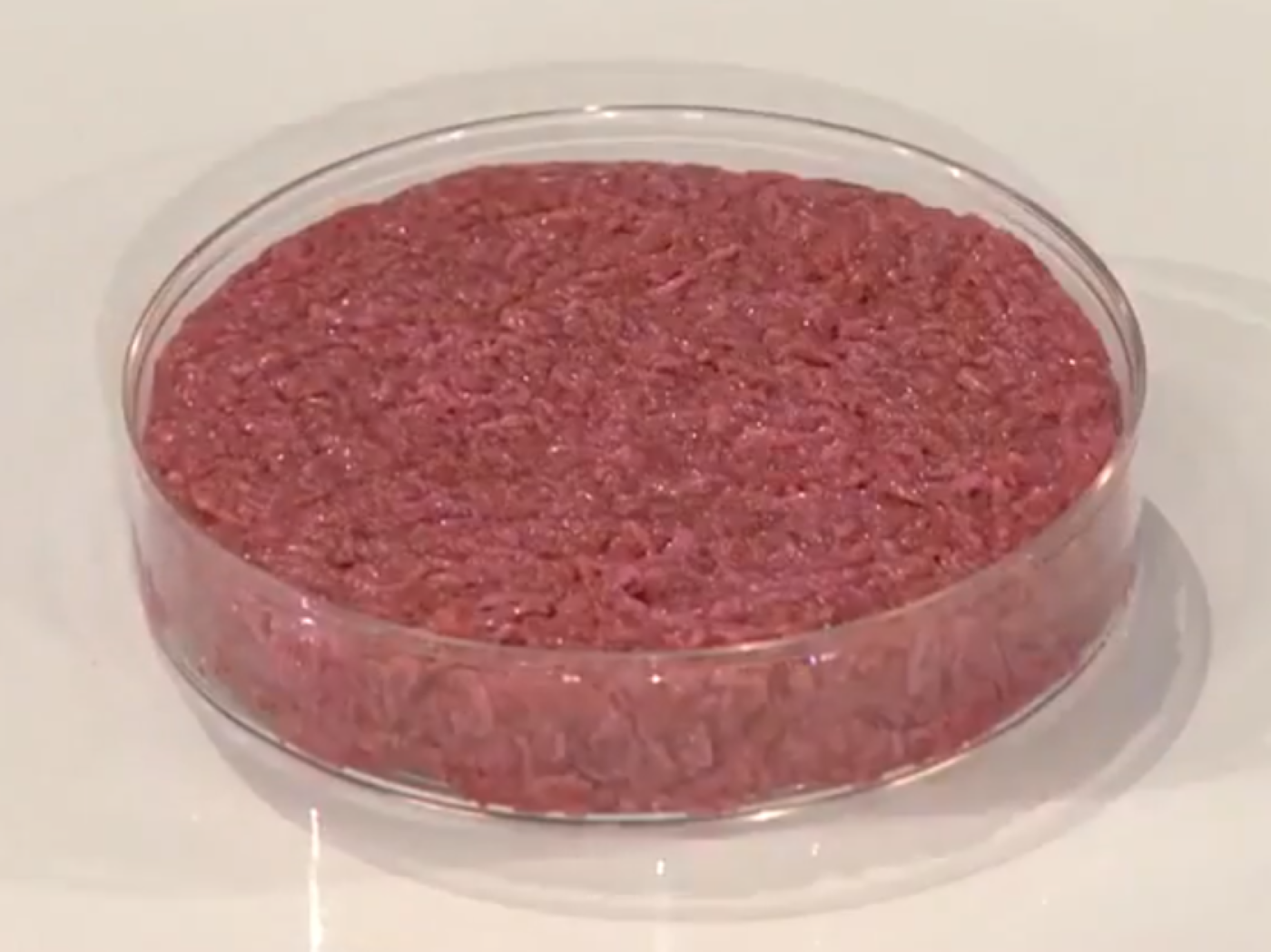
Scientists have officially cracked the code on growing meat without animals, and the results are getting seriously impressive. By suspending chicken cells in a gel and using a specialized device to turn them into chunks of edible tissue, researchers in Japan have recently succeeded in producing chicken nuggets – without the chicken. At 2.8 inches (7 centimeters) wide and 0.8 inches (2 centimeters) thick, the square of chicken is believed to be the largest single piece of lab-grown meat.
The technology behind cultivated meat has matured dramatically. Mosa Meat gained international recognition for producing the world’s first cultured beef burger in 2013, and it continues to lead the industry with innovations in cost reduction and sustainability. By replacing expensive growth factors like fetal bovine serum (FBS) with plant-based serum alternatives, the company has reduced production costs by up to 80%. This breakthrough means that what once cost hundreds of thousands of dollars to produce might soon compete with traditional meat prices.
Regulatory Approvals Are Opening Market Doors Worldwide
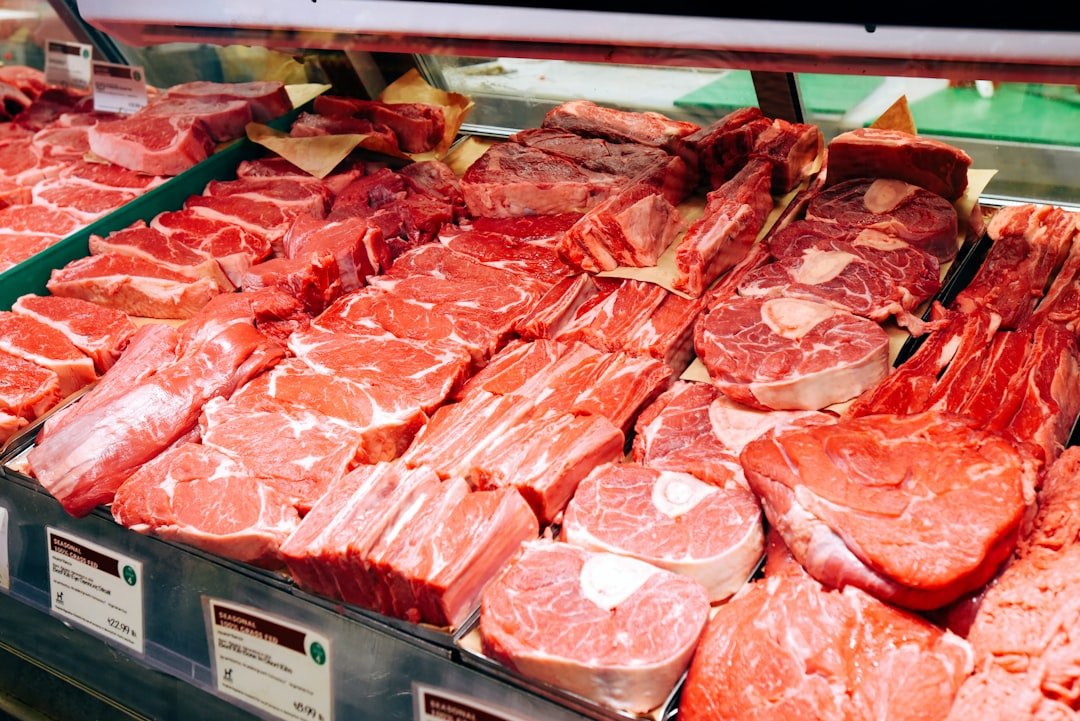
Australia is expected to potentially approve the sale of cultivated meat in the near future. Sydney-based Vow had launched its Japanese-inspired quail in Singapore in 2024 and regulatory approval from Food Standards Australia New Zealand (FSANZ) would allow it to enter its home market. This represents a significant expansion from the early days when only Singapore had given the green light to lab-grown meat.
The regulatory landscape is shifting rapidly across the globe. Additional cultivated meat products are currently under regulatory review in ten countries or regions, including the United States, the European Union, Singapore, Israel, Australia and New Zealand, Switzerland, the United Kingdom, Thailand, and South Korea. However, not all governments are welcoming this technology with open arms – some regions are actively fighting against it for economic and cultural reasons.
Plant-Based Meats Are Getting Smarter and More Convincing

The plant-based meat sector has learned from its early mistakes and is becoming incredibly sophisticated. In time, meat analogues will become more widely available because they are perceived by consumers as “better for you” and “better for the planet”, plant-based goods are becoming increasingly well known. Companies aren’t just throwing vegetables together anymore – they’re using advanced food science to create products that truly mimic meat’s texture, flavor, and even how it bleeds.
The review also reveals the recent development in the integration of novel proteins and processing techniques that have significantly improved sensory attributes and physiochemical characteristics of plant-based meat alternatives. This means the weird, mushy texture that turned people off from early plant-based products is becoming a thing of the past. Modern plant proteins can now hold together like real meat when cooked and provide similar chewing experiences.
Hybrid Products Are Bridging the Gap
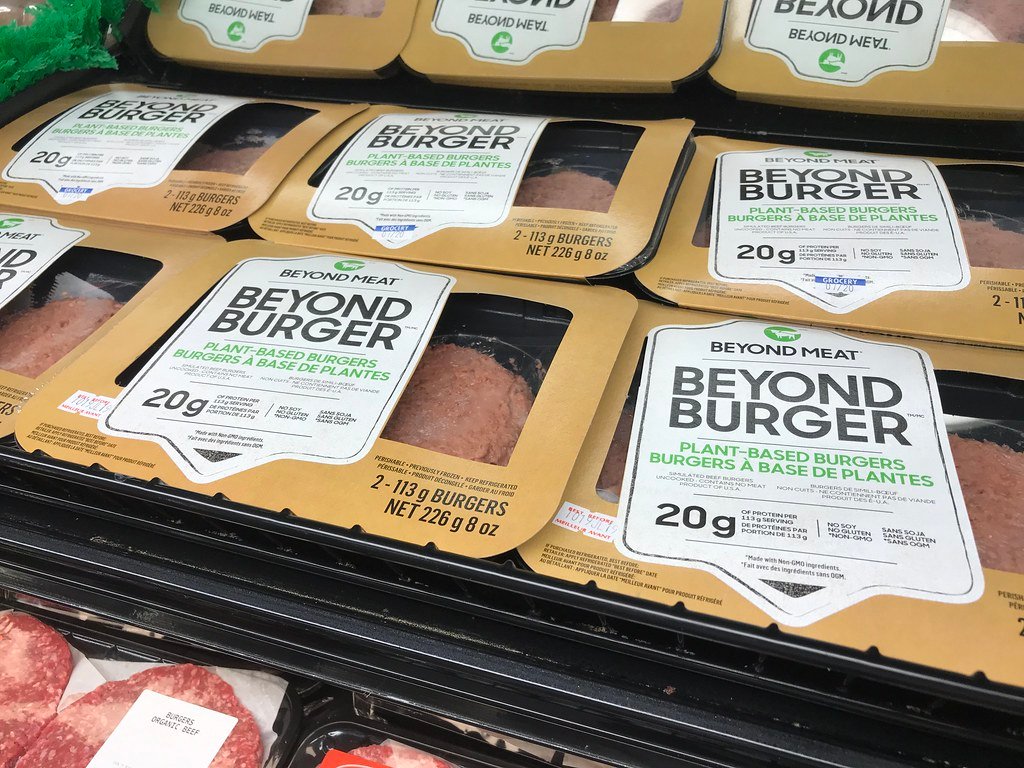
One of the most intriguing developments in food technology isn’t about replacing meat entirely – it’s about combining traditional and alternative proteins in creative ways. Plant-based pioneer Impossible Foods sent shocks through the sector when its CEO Peter McGuinness revealed he’d be open to launching a hybrid meat and plant-based burger. McGuinness told the Wall Street Journal that if Impossible were to capture a “sizeable portion” of the flexitarian market with hybrids, it could quadruple the company’s revenue.
One interesting trend I see is products that mix alternatives and traditional meats, for instance, in blended burgers or nuggets. That may be a quicker way to scale than relying on purely non-animal products. This approach makes perfect sense – it reduces environmental impact while maintaining familiar tastes and textures that consumers love. It’s like training wheels for the future of food.
Insect Protein Is Quietly Conquering the Market
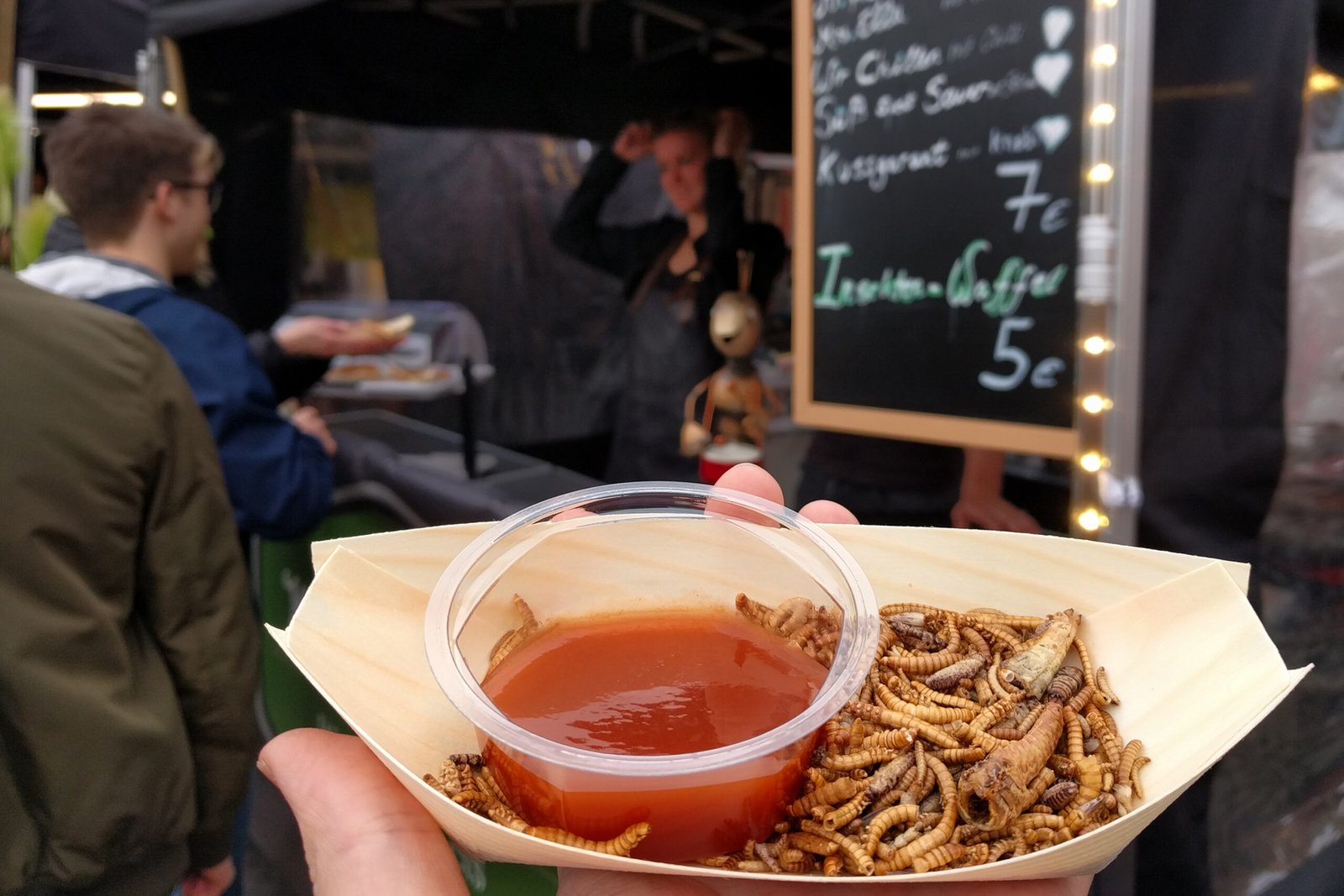
While people might squirm at the thought, edible insects are experiencing explosive growth as a protein source. The insect protein market is valued at USD 834.38 million in 2025 and is projected to reach USD 4,079.82 million by 2035, expanding at a CAGR of 17.2%. These numbers represent serious money flowing into what many consider the ultimate sustainable protein.
Farmed edible insects are considered a potential resource to help address food security concerns toward the year 2050. The sustainability (e.g., lower environmental impact), nutritional (e.g., high-quality proteins, essential amino acids, fiber, unsaturated fats, vitamins, and minerals) and health (e.g., antioxidant, antihypertensive, anti-inflammatory, antimicrobial, and immunomodulatory) benefits are the main reasons for the rise in interest for insects as alternative protein sources for food and feed production. From a nutritional standpoint, insects pack a remarkable punch in a tiny package.
Crickets and Mealworms Are Leading the Insect Revolution
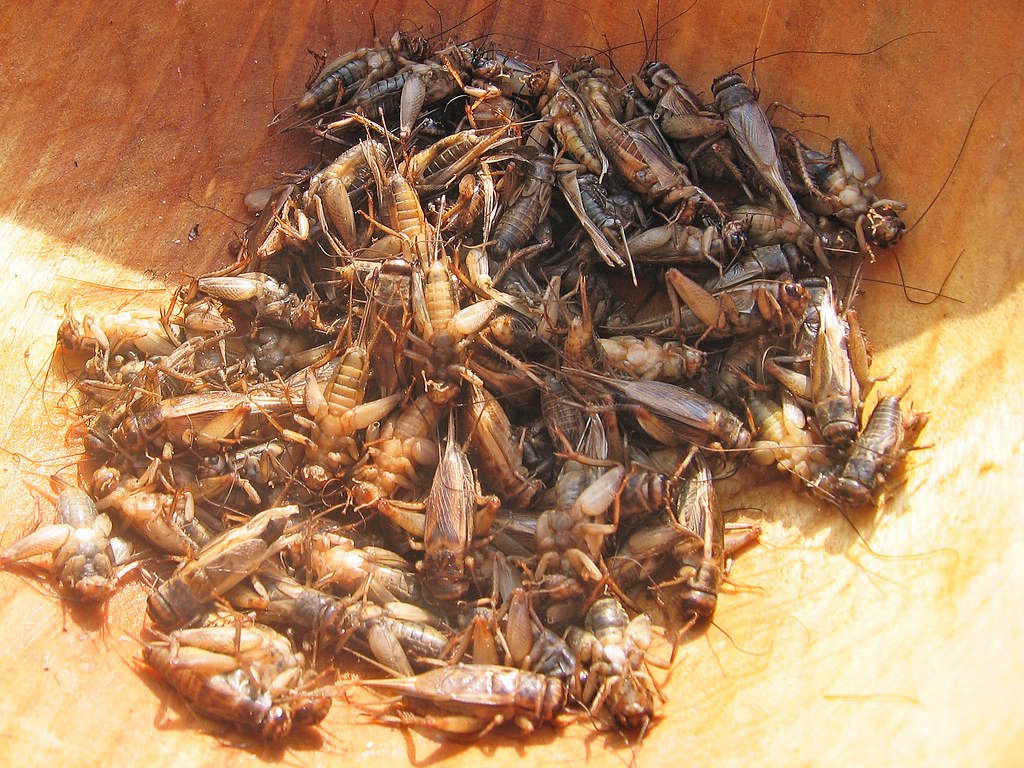
In terms of insect type, the grasshoppers, locusts, and crickets lead the insect protein market, holding over 35% of the share. These particular insects have several advantages – they’re relatively easy to farm, have mild flavors, and can be processed into powders that blend seamlessly into familiar foods. Cricket flour, for example, is already showing up in protein bars, baked goods, and pasta.
The nutritional profile of these tiny creatures is genuinely impressive. For every 100 grams of substance crickets contain 12.9 grams of protein, 121 calories, and 5.5 grams of fat. Beef contains more protein, containing 23.5 grams in 100 grams of substance, but also has roughly triple the calories and four times the amount of fat as crickets do in 100 grams. When you factor in the environmental benefits, insects start looking like nutritional superheroes.
Fermentation Technology Is Creating Unexpected Meat Alternatives

Some of the most promising meat alternatives aren’t coming from plants or labs – they’re emerging from fermentation processes that harness the power of microorganisms. Incorporation of fermentation in plant-based meat production provides products with better sensorial qualities. This technology allows companies to create complex flavors and textures that were impossible with traditional plant-based processing.
Swedish startup Melt&Marble makes yeast-derived fats from precision fermentation as an answer to the plant-based fat conundrum. This approach tackles one of the biggest challenges in creating convincing meat alternatives – replicating the fatty, marbled texture that gives real meat its distinctive mouthfeel and flavor. Precision fermentation could be the secret weapon that makes alternative proteins truly indistinguishable from animal products.
Environmental Impact Is Driving Consumer Adoption
The environmental numbers behind alternative proteins are staggering and increasingly impossible to ignore. We find a substantial reduction in the global environmental impacts by 2050 if globally 50% of the main animal products (pork, chicken, beef and milk) are substituted – net reduction of forest and natural land is almost fully halted and agriculture and land use GHG emissions decline by 31% in 2050 compared to 2020.
Meat substitutes are thought to reduce the carbon footprint of food by up to 75%. For environmentally conscious consumers, these statistics aren’t just numbers – they represent a way to dramatically reduce their personal impact on the planet without giving up the foods they love. This environmental advantage is becoming a major selling point as climate change concerns intensify.
Cultural and Regulatory Barriers Still Present Major Challenges

Despite technological advances, cultural acceptance remains the biggest hurdle for many alternative proteins. “In many parts of the world, entomophagy – the practice of eating insects – is a well-established tradition,” said Kazaks. “However, in the United States, most people view insects as pests or carriers of diseases, and the thought of eating them is met with skepticism, repulsion, and a considerable ‘ick’ factor.”
Government bans are also a factor for cultured meat and are driven by powerful vested interests. Italy’s right-wing government became the first country to ban new cultured meat products in 2023, and many other countries have tabled unsuccessful bans since. These political battles highlight how food isn’t just about nutrition – it’s deeply tied to culture, tradition, and economic interests.
Cost Reduction Is Making Alternative Proteins More Accessible
The biggest barrier to widespread adoption of alternative proteins has always been price, but that’s changing rapidly. For lab-grown meat to become a true alternative to conventional meat, several key developments must occur: Further cost reductions – Price parity with traditional meat is essential. Companies are making significant progress on this front through improved production methods and economies of scale.
Between 2022 and 2024, branded sales dropped by 8.3%. But across six plant-based categories, private label options grew by 6.8%. This trend suggests that consumers want these products but are price-sensitive. As production scales up and costs come down, alternative proteins are becoming accessible to mainstream consumers rather than just affluent early adopters.
The Future Looks Diverse Rather Than Dominated by One Solution

Rather than one alternative protein completely replacing traditional meat, the future appears to be heading toward a diverse ecosystem of protein sources. Nevertheless, these meat alternatives can be a part of our future protein sources while maintaining a complementary relationship with traditional meat. Each alternative has its own strengths and ideal applications.
As we navigate the complexities of a rapidly changing food landscape, plant-based meat alternatives offer a compelling vision of a more sustainable, ethical, and inclusive future. From reducing our environmental footprint and promoting animal welfare to improving public health and fostering culinary innovation, the rise of plant-based meats represents a transformative shift in how we nourish ourselves and our planet. The key will be finding the right combination of technologies and products that work for different consumers, cultures, and applications.
Conclusion

The transformation of our protein landscape is happening faster than most people realize. Lab-grown meat is moving from expensive laboratory curiosities to products you can actually order at restaurants. Plant-based alternatives are becoming virtually indistinguishable from traditional meat. Insect protein is quietly building a multi-billion dollar market. Fermentation technology is creating entirely new categories of food.
What makes this revolution particularly fascinating is how different it is from predictions made just a decade ago. Rather than one technology dominating, we’re seeing a diverse ecosystem emerge where different alternatives serve different needs, preferences, and markets. The future of protein isn’t about replacing meat entirely – it’s about expanding our options in ways that are better for our health, our planet, and our increasingly complex world.
The next time you see a lab-grown burger on a menu or notice cricket flour in your protein bar, remember that you’re witnessing the early stages of one of the most significant food transformations in human history. Will you be surprised by how quickly these foods become normal parts of our diet?