
Step outside in a Louisiana July and the air feels like warm silk – you don’t so much breathe it as wade through it. For people, that heaviness can be punishing, and for many animals it’s a physiological puzzle. Yet some cats, from stealthy bobcats to certain sleek house breeds, not only cope but seem to hit their stride when the air is dense and the nights ring with tree frog choruses. Biologists are piecing together how fur length, ear size, behavior, and even grooming chemistry knit into a survival strategy. The result is a clearer picture of which felines handle the bayou’s steam bath – and why the answer matters for wildlife management and pet care as the Gulf South gets even hotter and stickier.
The Hidden Clues
Here’s the surprise: humidity doesn’t just add discomfort; it changes the physics of staying cool. Cats rely far less on sweating than we do, leaning on shade-seeking, careful activity timing, and the evaporative magic of saliva spread through grooming. In thick, wet air, evaporation slows, so the cats that thrive are the ones with workarounds – short, close coats, big heat-dissipating ears, and habits tuned to dawn and dusk.
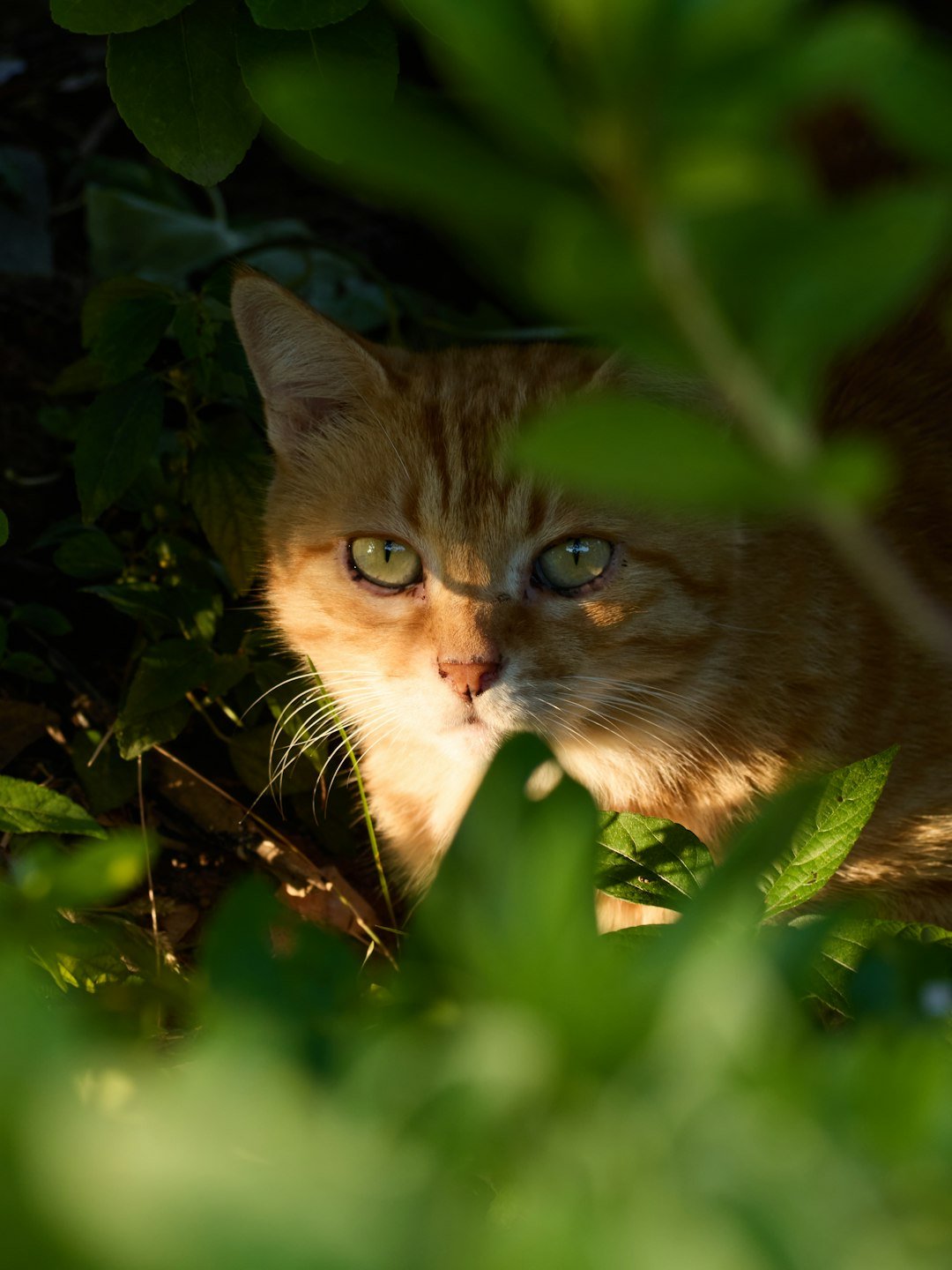
Field researchers first noticed the pattern in camera-trap footage and track counts that spiked at twilight along marsh edges. The story deepened with temperature loggers showing that successful felines hug the coolest microhabitats – breezy levees, live oak shade, and boardwalk undersides – like seasoned marathoners drafting in the wind. In short, the winners are heat economists, spending energy only when the payoff is good.
Meet the Native Survivor: The Bobcat
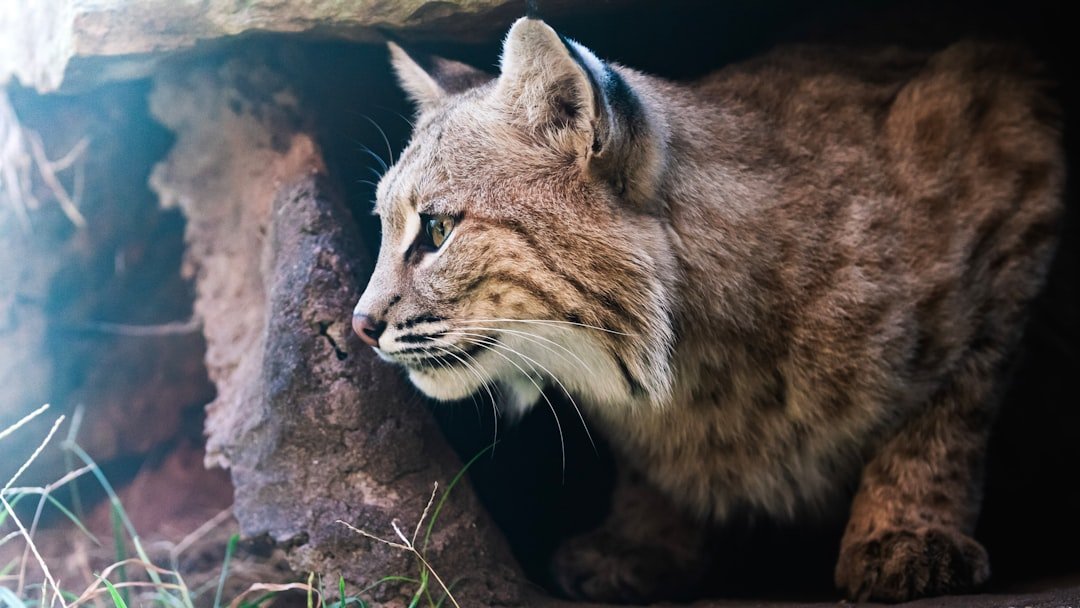
Louisiana’s bobcat is a case study in humid-country resilience. Compact and muscular with a short, weather-shedding coat, it slips through palmetto thickets and cypress knees with a low profile that exchanges less heat with the sauna-like air. Bobcats are surprisingly comfortable around water, and that matters here; a quick wade or a rest on breezy, elevated ground can shave crucial degrees off body temperature.
They also time their lives with precision. Activity peaks when the heat index falls, often deepening after summer storms that cool the surface layer. Rodents, rabbits, and marsh birds form a buffet that doesn’t require long pursuits under a punishing sun, which keeps heat load down and hydration steady.
House Cats in the Bayou
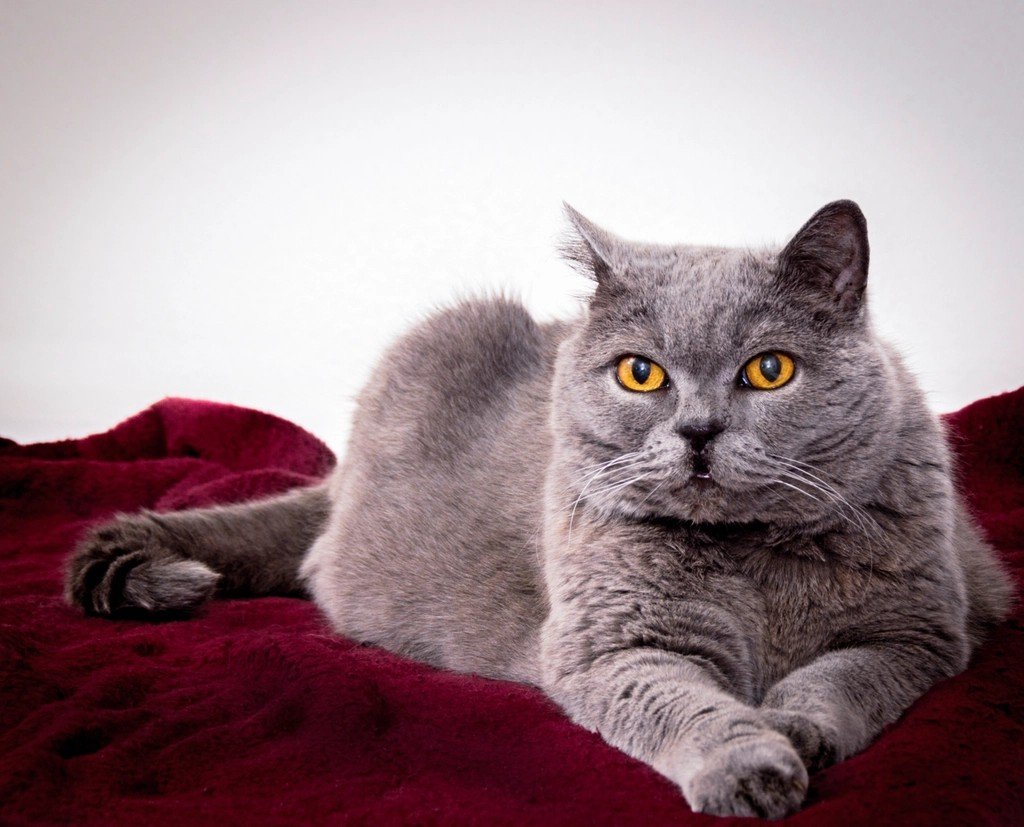
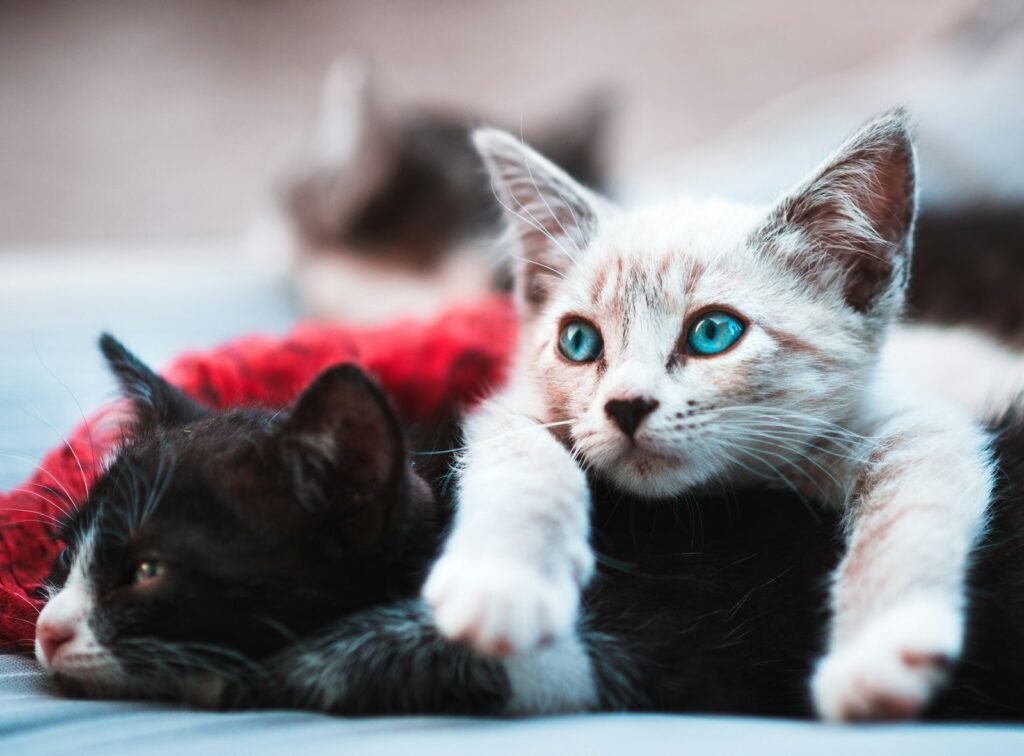
Not all pet cats wilt in the swamp’s embrace. Shorthaired breeds and mixes – think domestic shorthairs, Oriental-type lines, Abyssinians, Bengals, and Siamese/Thai – tend to manage better because their close coats release heat faster and trap less moisture next to the skin. Larger, thin ears act like natural radiators, shedding warmth the way a car’s grille dumps heat on an open road.
Behavior is half the secret. Well-adapted cats nap through the torrid stretch, become social at dusk, and seek tile floors, shaded porches, or under-house crawlspaces where air moves. By contrast, flat-faced, longhaired, or heavy-bodied cats often struggle in sticky air and need tighter management – cool rooms, fresh water, and zero mid-afternoon play marathons.
What Science Says About Fur, Ears, and Heat
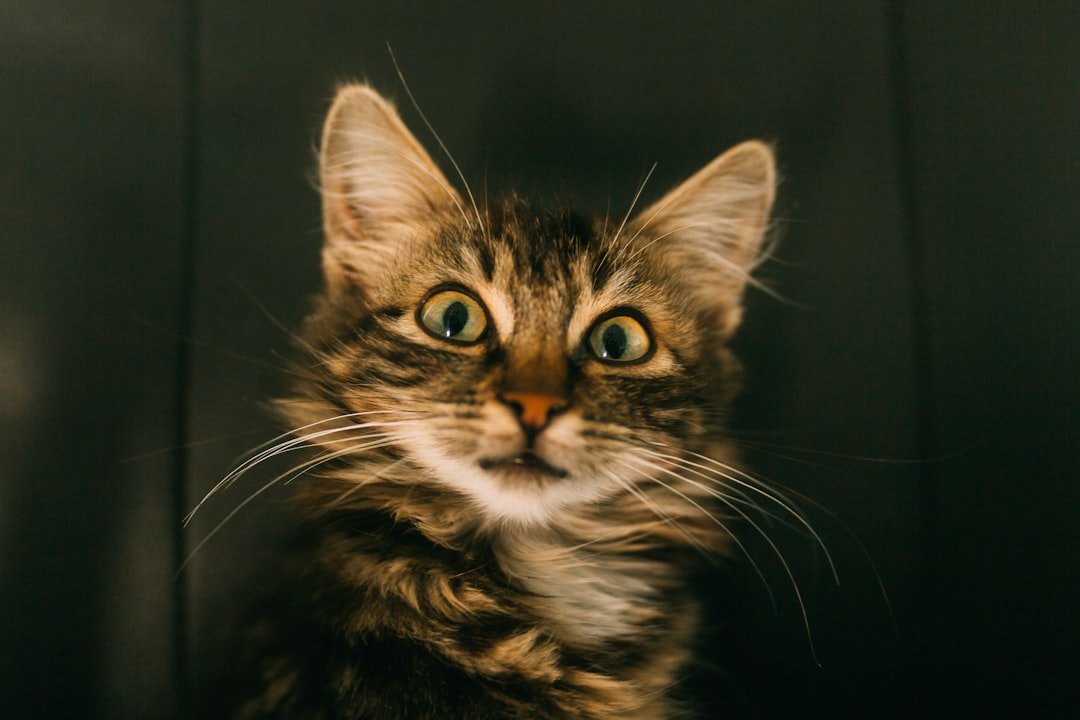
Biology offers a clean logic for the bayou’s feline winners. Short, sleek coats reduce insulation so body heat escapes faster, and humidity can’t cling as easily to hairs. Prominent ears increase surface area, which boosts heat exchange with moving air, an idea that echoes a classic eco-physiology principle: animals in hot places tend to have more body parts that dump heat efficiently.
Grooming adds a chemistry trick. When cats spread saliva, it evaporates to draw heat away – less effective in muggy air, but every bit helps if the coat is thin and clean. The result is a layered system: structural features, smart behavior, and microhabitat choices combining to nudge internal temperature back into a safe band.
From Ancient Tools to Modern Science
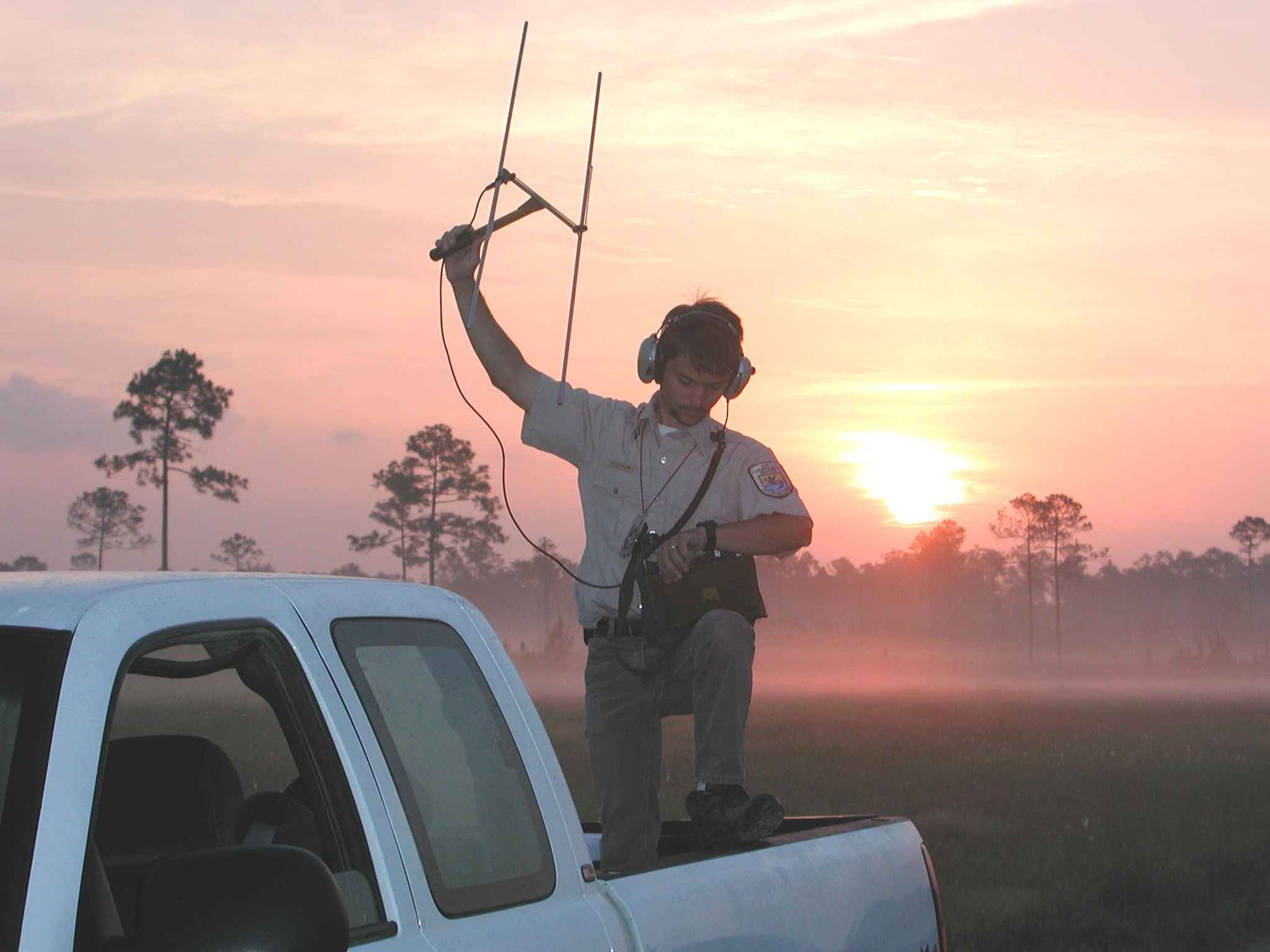
Field craft in Louisiana once meant reading sign – pads stamped in mud, scat on shell banks, claw marks on driftwood. Today, camera traps and acoustic loggers stitch those moments into continuous stories, revealing how felines slide through humid nights and how their routes shift during heat waves. GPS collars, increasingly small and data-rich, add a pulsing line of movement that links behavior to microclimate maps.
Veterinary thermography and ingestible temperature sensors, used ethically under strict protocols, help quantify heat stress risk in domestic cats without guesswork. Add in citizen science – doorbell cameras, backyard sightings, and community vet records – and researchers can track when and where local cats cope best, guiding targeted cooling strategies that actually fit Gulf Coast realities.
– Typical feline body temperature ranges from about 101-102°F, so even small rises can be dangerous in humid heat.
– Peak activity for both bobcats and many outdoor house cats in steamy weather tends to shift toward dusk, night, and dawn.
Why It Matters
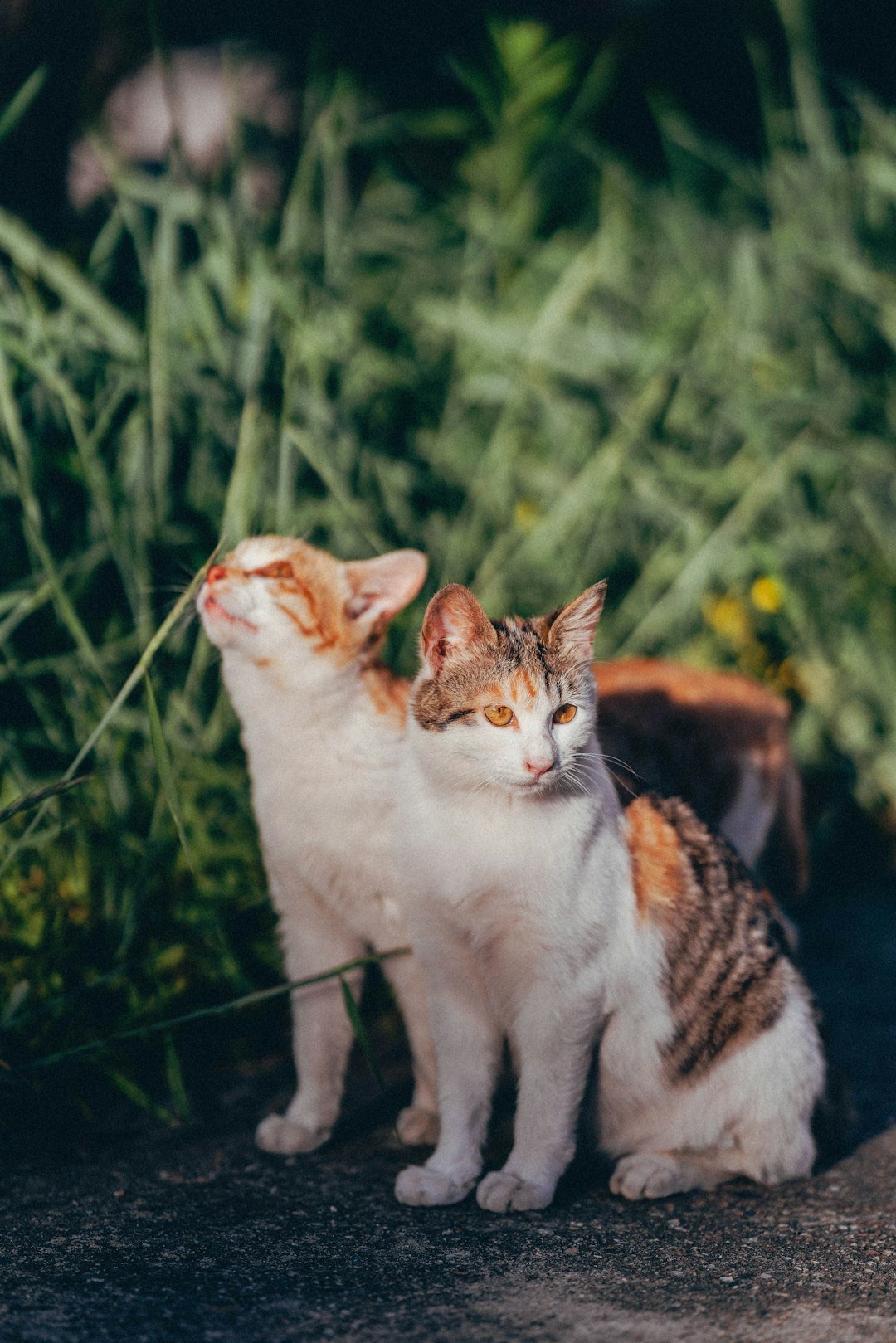
Humidity is the stealthy amplifier of heat risk. When the air is saturated, evaporative cooling stalls, and animals that rely on grooming or panting can hit a thermal ceiling faster than expected. That changes the math for wildlife corridors, urban greening, and pet welfare in places like Baton Rouge and New Orleans, where summer evenings can feel like a sauna turned to high.
It also reframes advice long borrowed from drier climates. A shaded yard isn’t enough if air is still; moving air and constant water access are the real lifelines. For wildlife managers, protecting breezy riparian strips and elevated refuges may pay bigger dividends than blanket habitat rules copied from elsewhere.
Global Perspectives
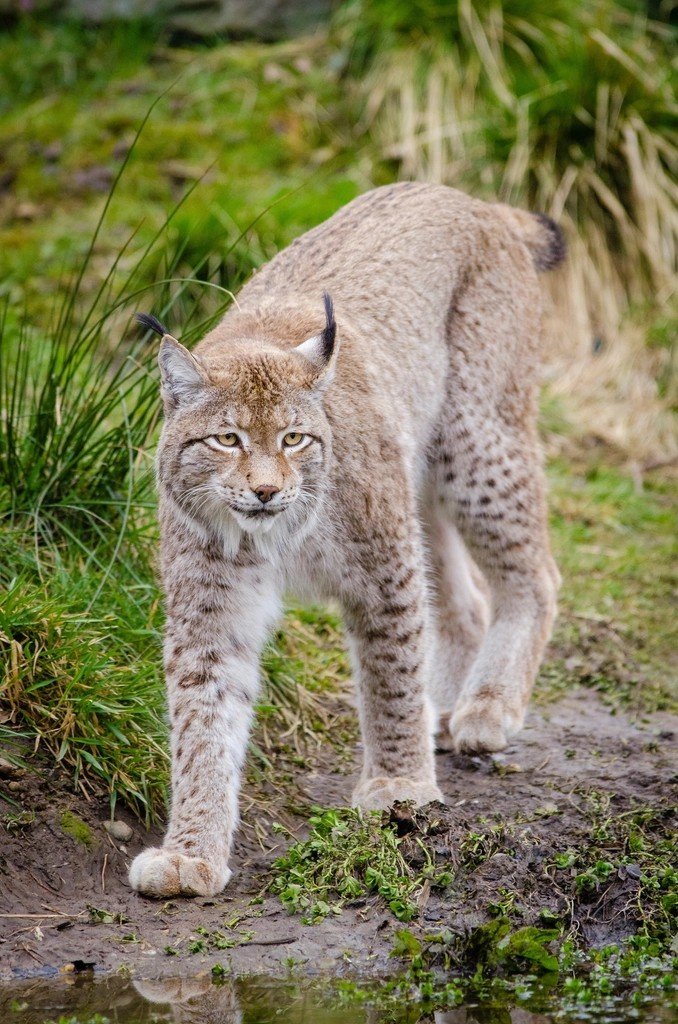
Look beyond the bayou and the pattern repeats. In Southeast Asia’s steamy forests, wild felids with short coats and crepuscular habits dominate the humid hours, while long-chase specialists lean on cooler windows. In coastal Brazil and parts of the Indian subcontinent, cats that hug waterways or wind corridors show similar advantages when the air turns heavy.
Domestic breeds tell the same story at home. Lines that arose in warm regions – sleek, fine-boned, big-eared – tend to tolerate sticky nights better than plush-coated northern types. The lesson is not about pedigree pride but about physics: match the animal’s thermal toolkit to the climate, and stress falls away.
The Hidden Hydration Economy
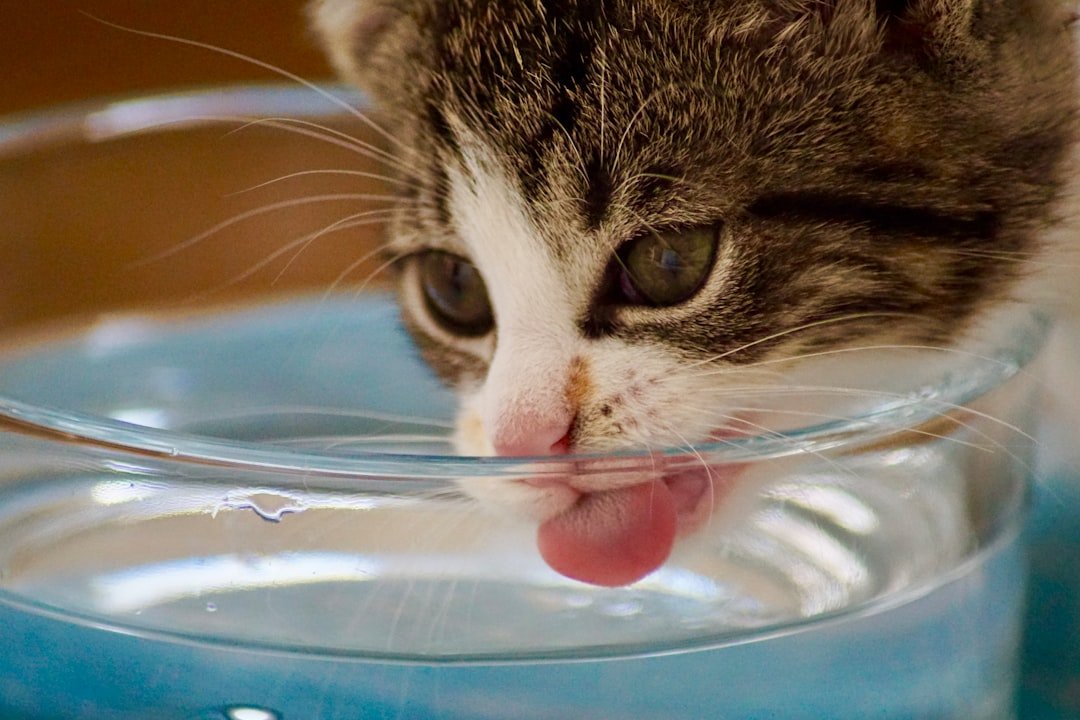
In humidity, water strategy can trump almost everything else. Cats evolved to concentrate urine and sip sparingly, but humid heat can still outpace intake if activity runs high. The most successful bayou cats behave like careful accountants – short bursts of movement, long rests on cool substrates, and frequent, small drinks.
For pets, simple tweaks change outcomes. Multiple bowls in drafty spots, wet food during heat waves, and access to shaded, well-ventilated rooms keep internal cooling on budget. Even feral cat caretakers see cleaner coats and calmer behavior when airflow and hydration are prioritized.
The Future Landscape
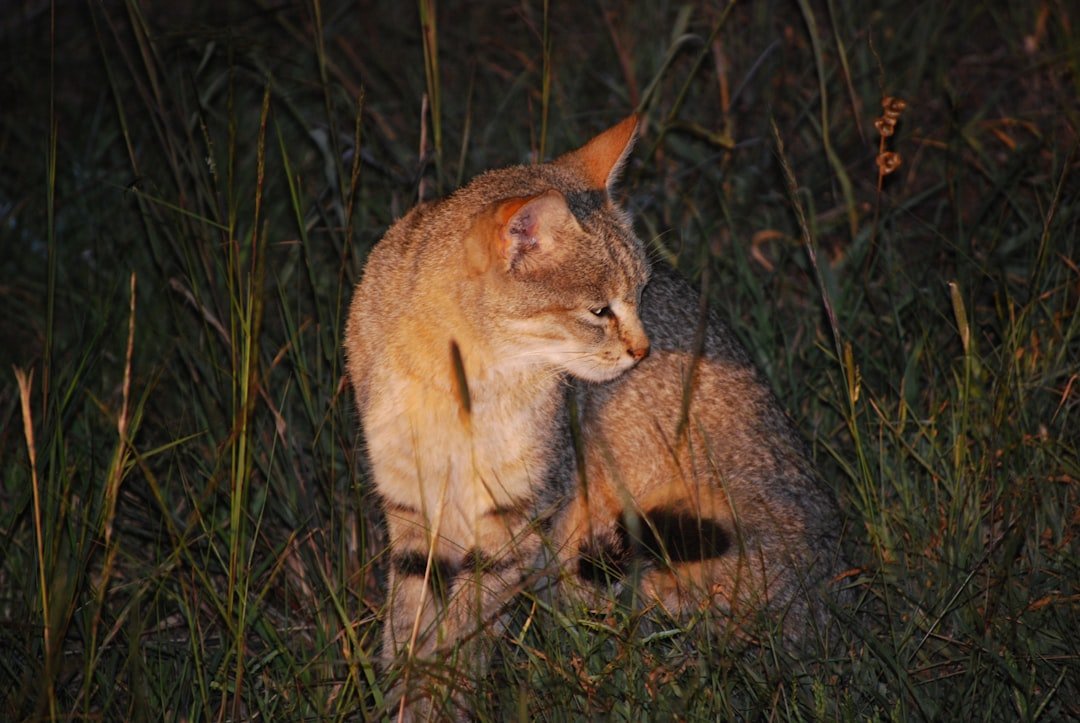
As Gulf Coast nights warm and dew points climb, humidity will remain the unsung challenge for animals and people alike. Expect researchers to lean on high-resolution microclimate mapping, machine learning that predicts heat-stress hotspots, and lightweight wearables that track feline movement without hampering it. Shelters and rescue groups are already experimenting with low-energy cooling, from reflective roof coatings to passive wind scoops.
But the hurdles are real. Stronger storms can erase shaded refuges, and urban infill can steal the breezes cats depend on. Solutions will need to be hyperlocal – corridors that breathe, housing that vents, and backyard habitats that treat air movement like a scarce resource.
Call to Action
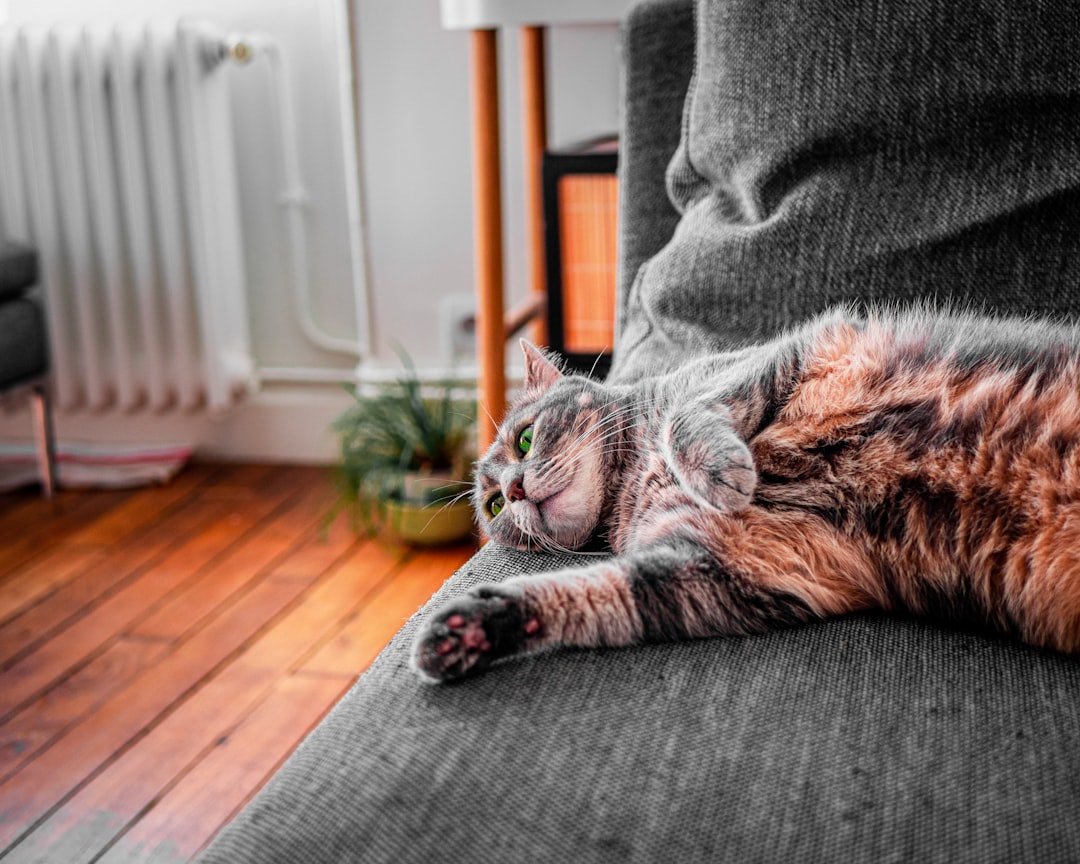
If you live with cats in the Gulf South, think like a heat strategist. Offer moving air, cool surfaces, and fresh water in more than one spot, and shift playtime to dusk. Skip midday outdoor time, especially for flat-faced or longhaired pets, and watch for red flags like drooling, glassy eyes, or sudden lethargy.
For wildlife, support efforts that protect breezy riparian buffers and elevated refuges, and report bobcat sightings to local biologists so maps stay current. If you manage community cats, prioritize shade structures with cross-ventilation and wet-food days during heat spikes. Small changes add up fast when the air itself feels like warm water – your choices can make the difference between strain and ease for the cats sharing Louisiana’s humid world.
Suhail Ahmed is a passionate digital professional and nature enthusiast with over 8 years of experience in content strategy, SEO, web development, and digital operations. Alongside his freelance journey, Suhail actively contributes to nature and wildlife platforms like Discover Wildlife, where he channels his curiosity for the planet into engaging, educational storytelling.
With a strong background in managing digital ecosystems — from ecommerce stores and WordPress websites to social media and automation — Suhail merges technical precision with creative insight. His content reflects a rare balance: SEO-friendly yet deeply human, data-informed yet emotionally resonant.
Driven by a love for discovery and storytelling, Suhail believes in using digital platforms to amplify causes that matter — especially those protecting Earth’s biodiversity and inspiring sustainable living. Whether he’s managing online projects or crafting wildlife content, his goal remains the same: to inform, inspire, and leave a positive digital footprint.