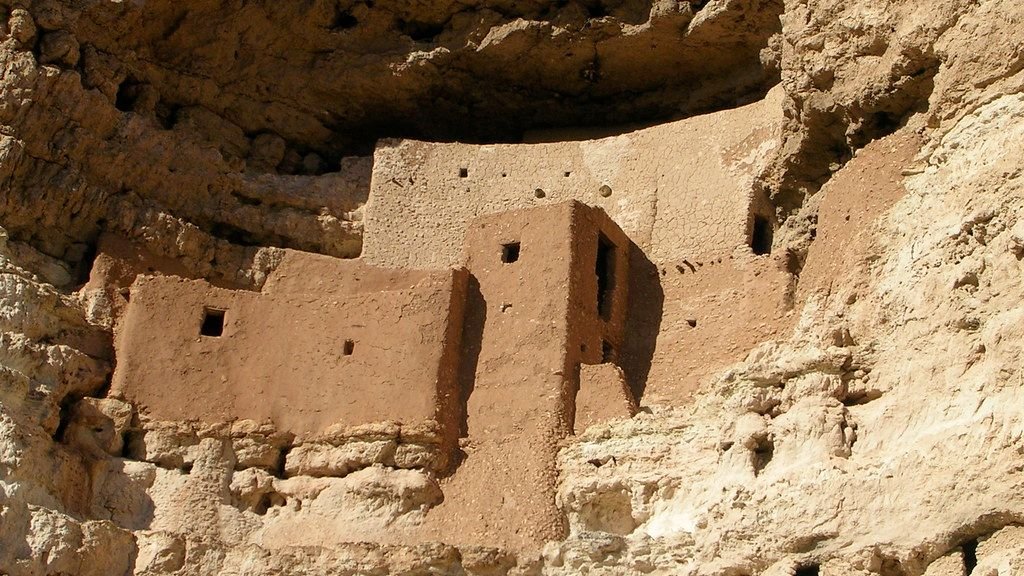

There is something deeply unsettling about standing in front of a structure built a thousand years ago, knowing that the people who built it left no written word explaining why. No instruction manual. No manifesto. Just stone, earth, and silence. Across the American continent, from the cliff faces of Colorado to the river plains of Illinois, ancient structures quietly hold their mysteries – towering over the landscape like unfinished sentences in a language we are still struggling to decode.
You might think of ancient ruins as something belonging to Egypt or Rome. But here’s the thing: you do not have to travel across an ocean to encounter civilizations that rival those legends in their ambition, their spiritual complexity, and their baffling disappearance. The Americas are full of them. Some have been studied for centuries; others were only rediscovered decades ago using satellites and laser scanning technology. All of them have something to say. Let’s dive in.
Mesa Verde: Cities in the Sky
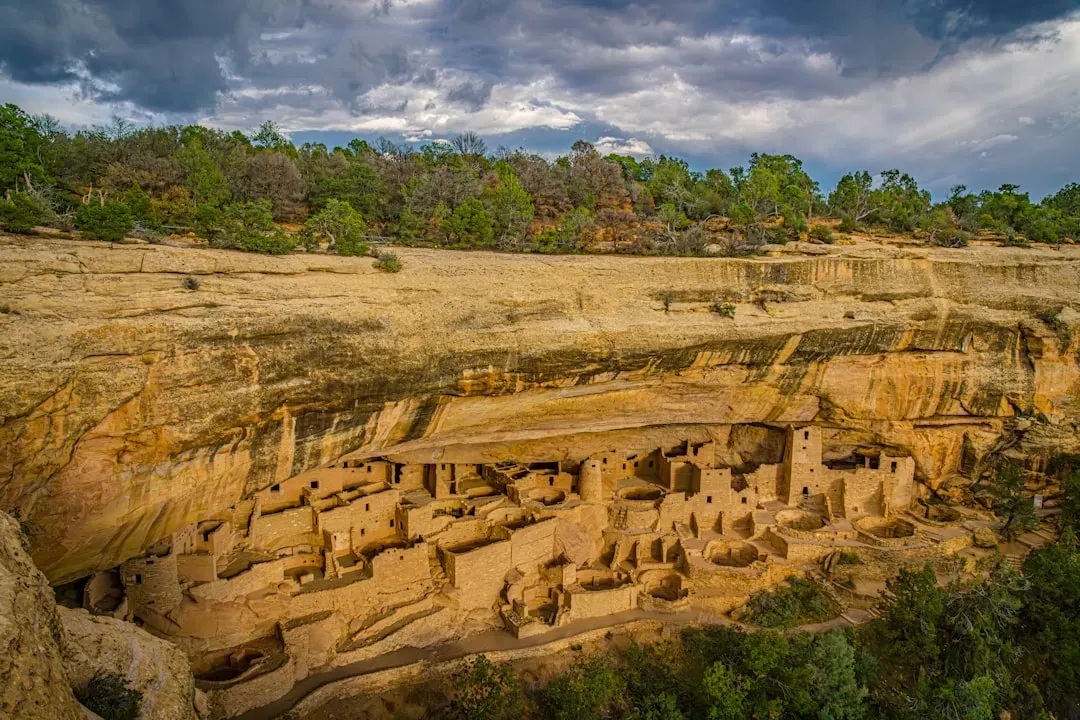
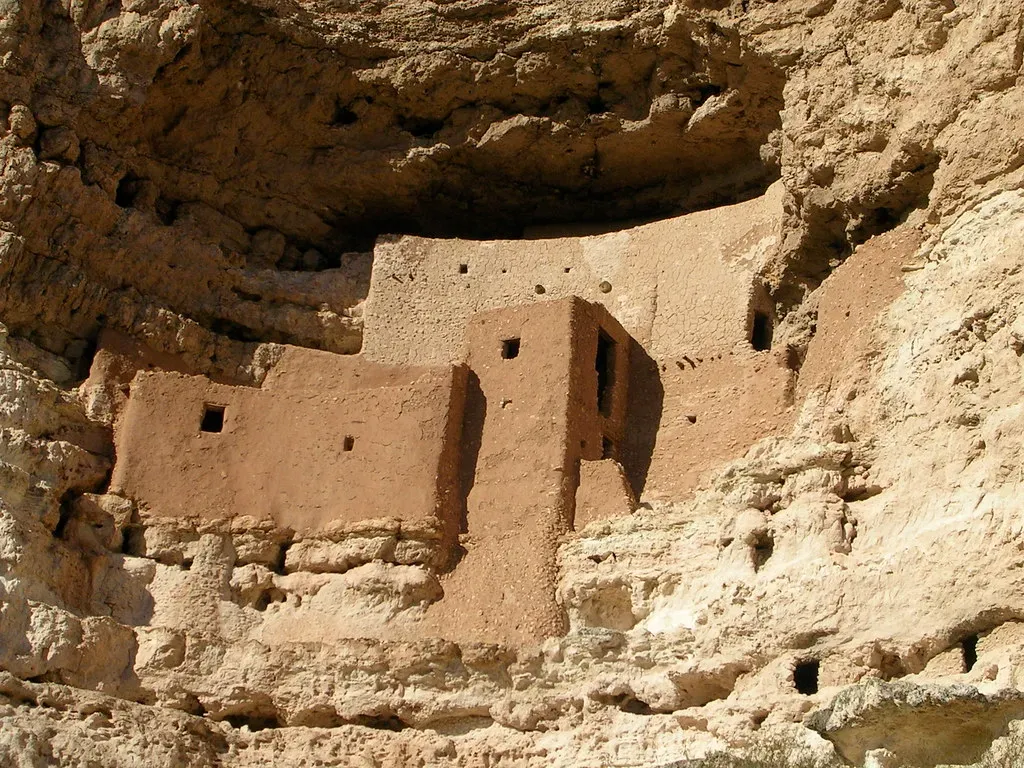
Imagine a city built not on flat ground, but tucked into the vertical face of a cliff like a drawer sliding into a mesa. That is exactly what you encounter at Mesa Verde National Park in Colorado. Mesa Verde was the first national park designated with the express purpose of preserving “the works of man,” specifically the remnants of sixth through twelfth century Ancestral Puebloans, as exemplified by more than four thousand known archaeological sites.
At Mesa Verde, over six hundred cliff dwellings tell the story of the Ancestral Pueblo people who lived here for more than seven hundred years, with the Cliff Palace – the largest-known cliff dwelling in North America – built between 1190 and 1280 CE. Walking through those corridors today, you get the strange sensation of being an uninvited guest in someone else’s home, a home that was abandoned without warning centuries ago.
Experts think the last Puebloan residents of the area were forced out when a booming population eventually exhausted natural resources and was torn apart by internal strife. Honestly, that sounds familiar. It is the kind of collapse story that transcends any era. The architecture that remains is extraordinary – not just structurally, but spiritually. Religious rituals that the Anasazi performed in kivas, round and underground rooms, were used for spiritual ceremonies that are still not fully understood even today.
Chaco Canyon: A Desert Calendar Written in Stone
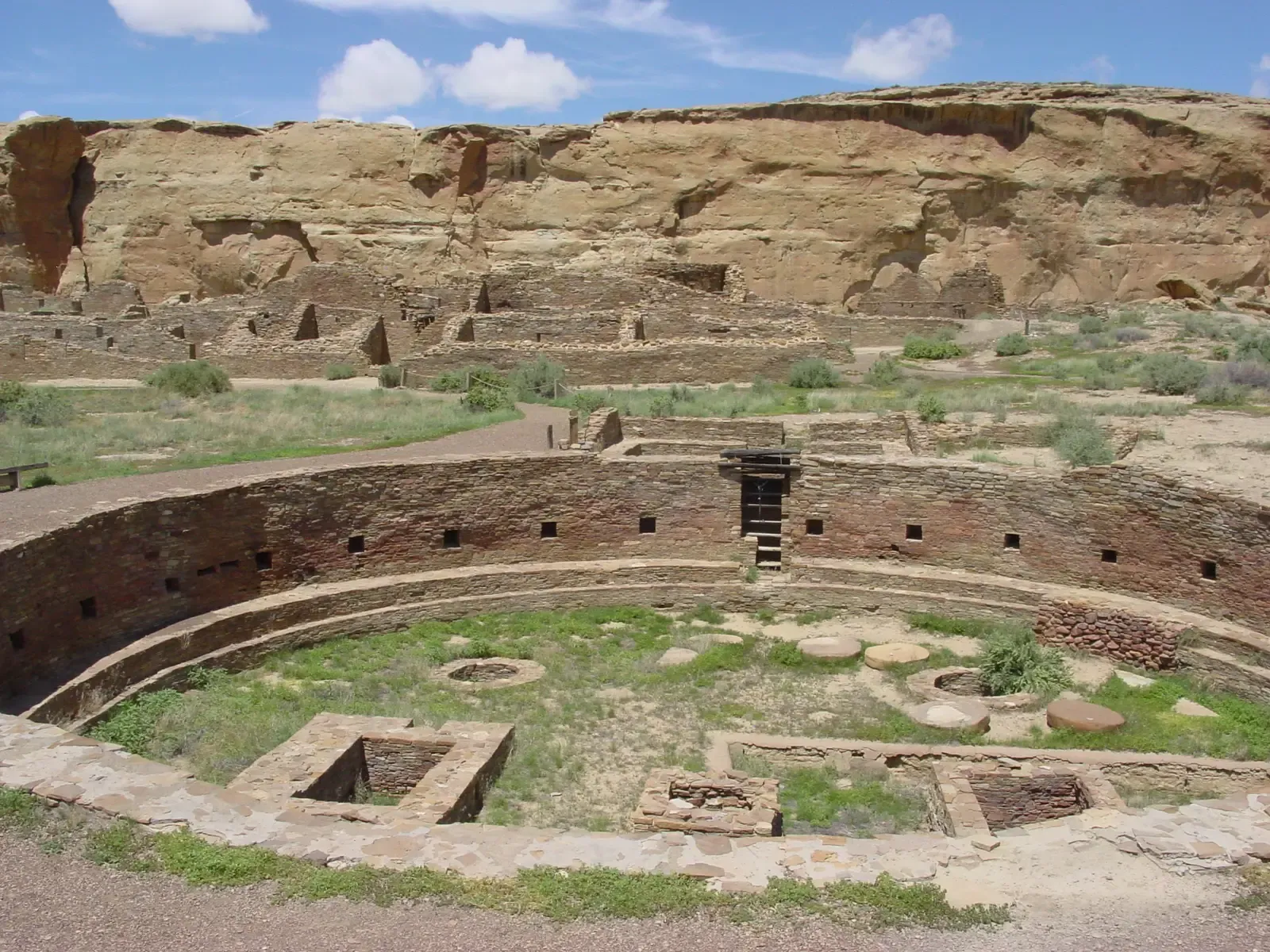
If you have ever tried to figure out what time it is without a clock, imagine engineering an entire city to do it for you – accurately, for centuries. Chaco Canyon in New Mexico was a hub of Ancestral Puebloan civilization from 850 to 1250 AD, known for its complex celestial alignments and advanced astronomical knowledge. This is not a loose interpretation. The precision is documented, measured, and genuinely mind-blowing.
Chacoans quarried sandstone blocks and hauled timber from great distances, assembling fifteen major complexes that remained the largest buildings ever built in North America until the nineteenth century. Think about that. Largest buildings on the continent – and yet they were built without wheels, without steel, and without written blueprints. Chaco Canyon features massive buildings constructed using over two hundred thousand transported timbers, reflecting a precise alignment pattern that mirrors the yearly cycle of the sun and the nineteen-year cycle of the moon.
The site’s “Sun Dagger” petroglyph on Fajada Butte, which bisects a spiral on the summer solstice, is one example of the Chacoans’ sophisticated understanding of celestial patterns. To me, that is less like primitive survival and more like an obsession with the cosmos. Without writing, this civilization wrote the story of their cosmology in the alignments of their buildings with the Sun and Moon. There is poetry in that which no textbook fully captures.
Cahokia Mounds: America’s Forgotten Metropolis
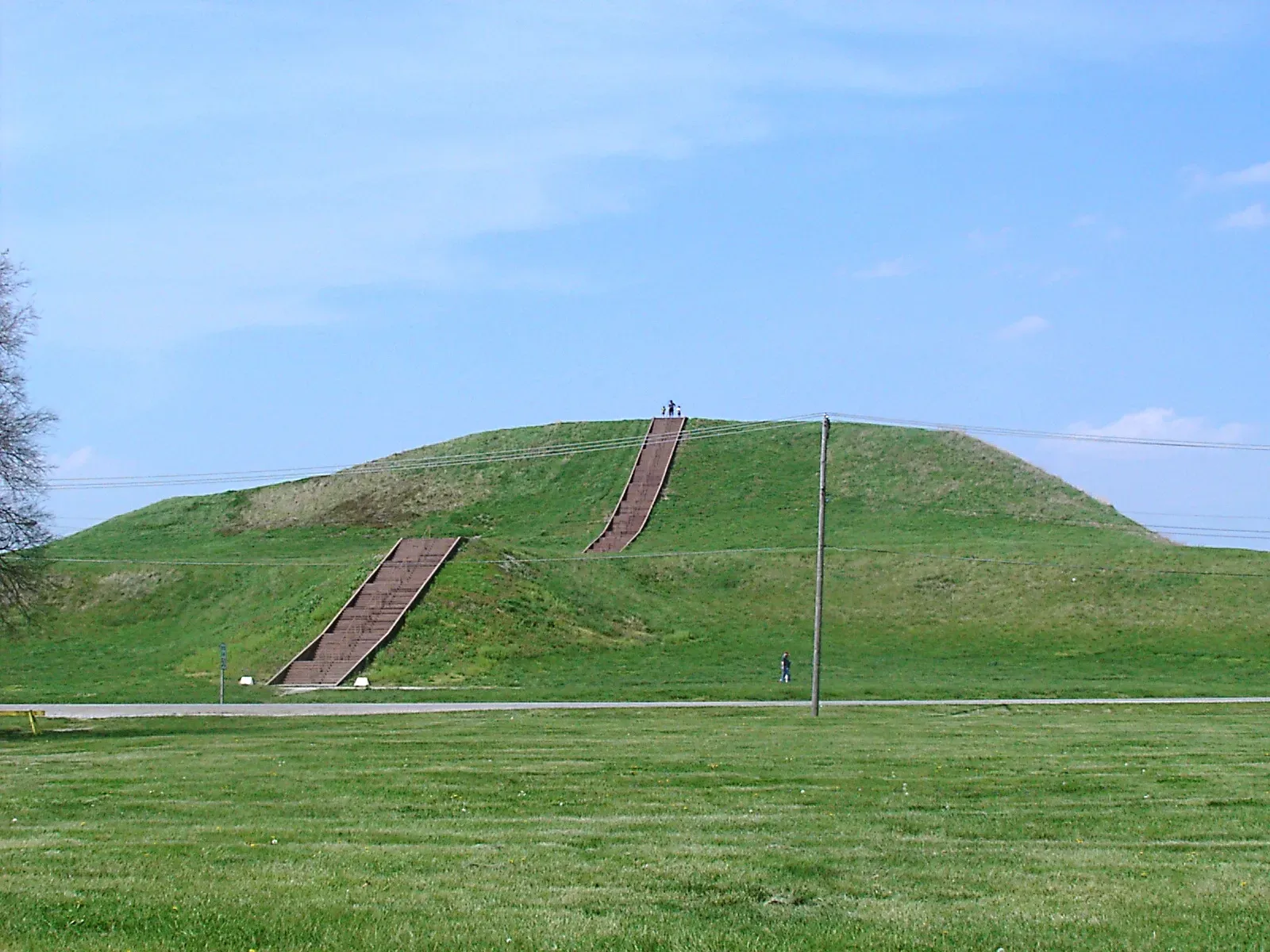
Here is something that will genuinely stop you in your tracks. Before Philadelphia was the largest city in America, before New York was anything more than farmland, there was Cahokia. At its apex around 1100 CE, the city covered about six square miles, included about one hundred and twenty earthworks in a wide range of sizes, shapes, and functions, and had a population of between fifteen thousand and twenty thousand people.
Spread across the fertile Mississippi River floodplain known as the American Bottom, Cahokia became the political, economic, and ceremonial hub of the Mississippian culture, whose influence stretched across much of what is now the eastern United States. The city’s landscape was dominated by massive earthen pyramids, broad ceremonial plazas, and woodhenges – vast circular arrays of timber posts believed to have been used to track the sun’s movements and mark seasonal rituals.
The city’s built landscape, including major mounds, a causeway, and woodhenge, all enacted a cosmology based on celestial alignments, sacred materials, and burial practices. What is even more striking is how Cahokia’s decline unfolded. Research found that climate change in the form of back-to-back floods and droughts played a key role in the thirteenth century exodus of Cahokia’s Mississippian inhabitants. Sound familiar? It should.
The Great Serpent Mound: Mystery in Plain Sight
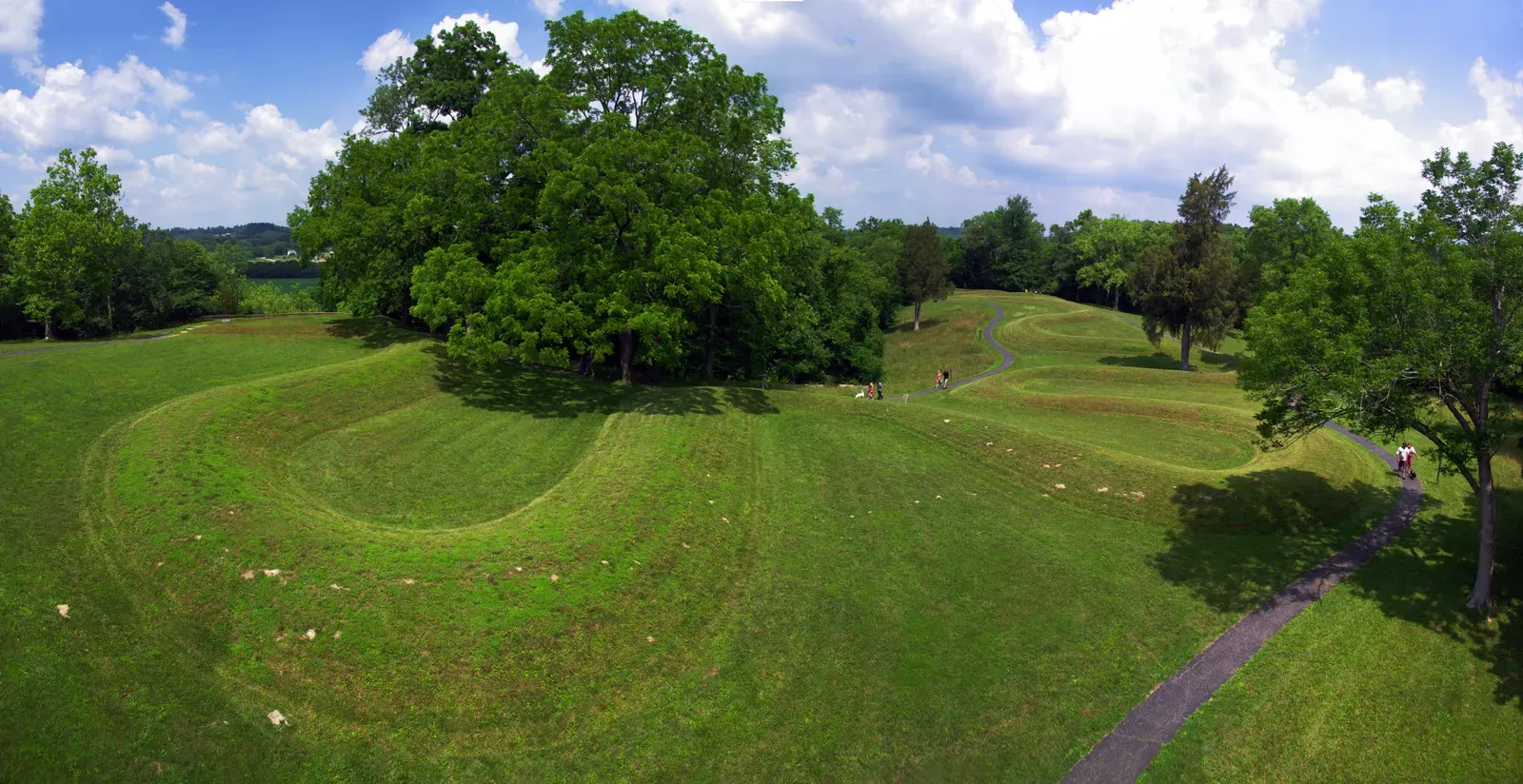
You would think that the largest serpent effigy on earth would be impossible to miss. Yet for a long time, people walked right over it without realizing what lay beneath their feet. The largest serpent effigy on earth measures one thousand three hundred and forty-eight feet long and resides in Peebles, Ohio. Nobody is sure what culture the Great Serpent Mound belongs to, but there are burial mounds nearby from the Adena culture, circa 800 BC to 100 AD.
Let’s be real, a snake-shaped earthwork of that scale is not a casual weekend project. It required organized labor, coordinated planning, and a reason compelling enough to move mountains of soil. It is thought that the pattern was used to predict astronomical events such as the summer solstice, though the truth remains something of an enigma. That word – enigma – gets used a lot with these sites. It is a polite way of saying that the smartest people in archaeology still do not know exactly what happened here.
Two of the cultures associated with the area were the Adena culture, which were responsible for two nearby burial mounds, and the Fort Ancient culture, which built a third mound nearby. The sheer number of hands involved in creating something like this, across generations, tells you that whatever this serpent meant to its creators, it mattered. It mattered enormously.
Aztec Ruins: Not Aztec at All
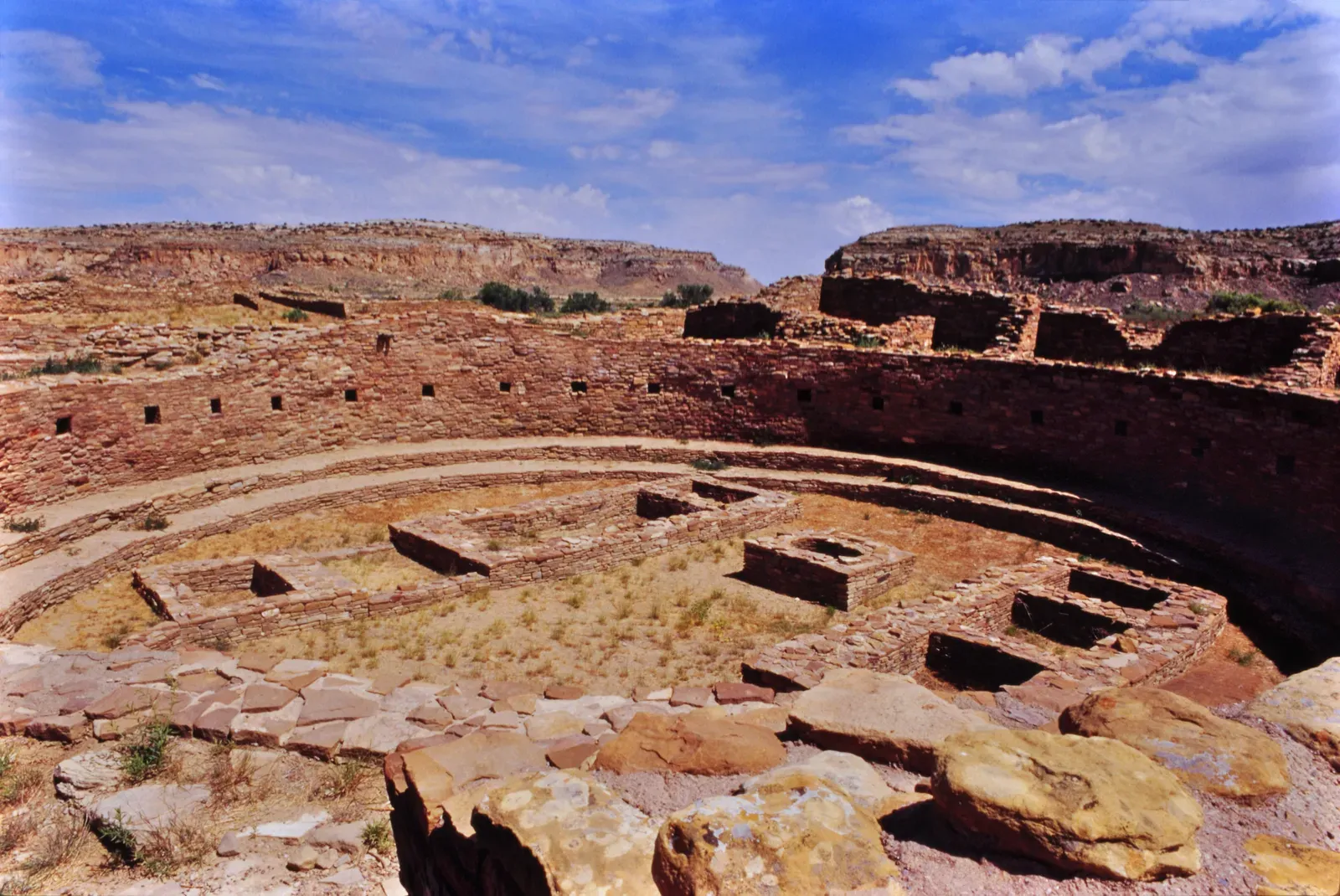
The name is a spectacular piece of historical mislabeling, and once you know it, you cannot unknow it. Early white explorers initially mistakenly identified the buildings on-site as traces of the Mexican Aztec culture, rather than the work of even older indigenous peoples, and the site still bears the original, ill-gotten title. The actual builders had nothing to do with the Aztecs. They were Ancestral Puebloans, and their work is extraordinary.
The monument is an important place for Ancestral Puebloans, its ancient “great houses” and associated “kivas” – ceremonial chambers – serving as testament to the legacy of its old inhabitants. The scale of craftsmanship preserved here is almost surreal. This national monument has well-preserved remnants of original masonry buildings that stand three stories tall, and many of the buildings still have their original nine-hundred-year-old wood roofs intact.
Artifacts discovered in the ruins have included food remnants, clothing, tools, and jewelry, offering a glimpse at the way Ancestral Puebloans used natural resources and traded with other peoples. Think of it like an open archive. Every object left behind is a sentence in a story told without words. It is painstaking work to read, but once you start, you cannot stop.
Moundville: The Big Apple of the 14th Century
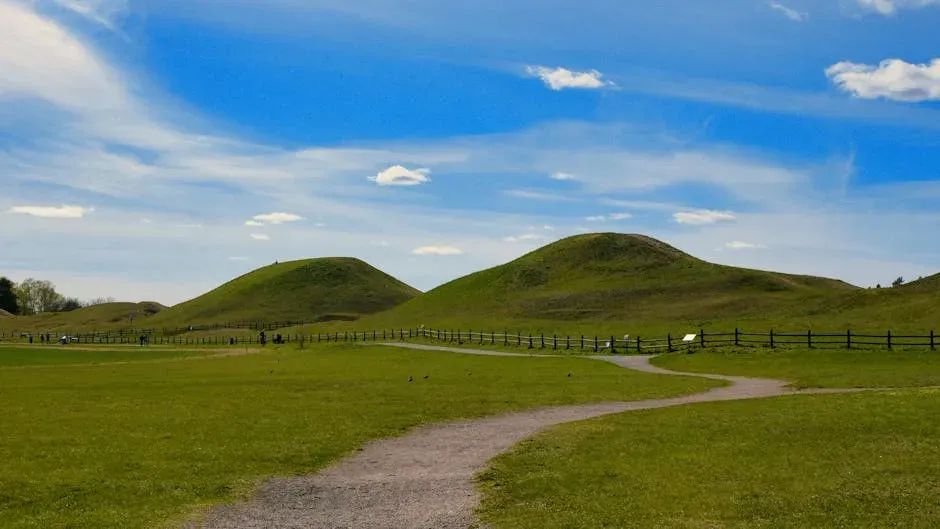
Alabama may not be the first place you think of when the conversation turns to ancient civilizations. That is precisely the problem, and precisely why Moundville deserves your attention. Stepping back into the fourteenth century at Moundville Archaeological Park in Alabama reveals a site described as the “Big Apple” of its time. This sprawling site features twenty-nine flat-topped mounds arranged around an extensive central plaza.
The archaeological park, on the Black Warrior River near Tuscaloosa, preserves three hundred and twenty-six acres of grounds, where visitors can follow a nature trail that weaves around the mounds, which were once topped with the homes of the local nobility and ceremonial structures. It was, in every sense of the word, a city. Not a camp. Not a village. A city with social stratification, political hierarchy, and religious infrastructure.
What strikes me about Moundville is how completely it has been overlooked in popular culture. Visitors can wander the grounds and then visit the onsite museum to view ancient artifacts, including the stone Rattlesnake Disk, one of the most famous works of art from the Native American Mississippian culture. That disk alone – with its intricate carvings and symbolic complexity – is worth an entire afternoon of study. Moundville is living proof that lost civilizations do not only belong to distant continents.
Poverty Point: A 3,400-Year-Old Earthwork Wonder
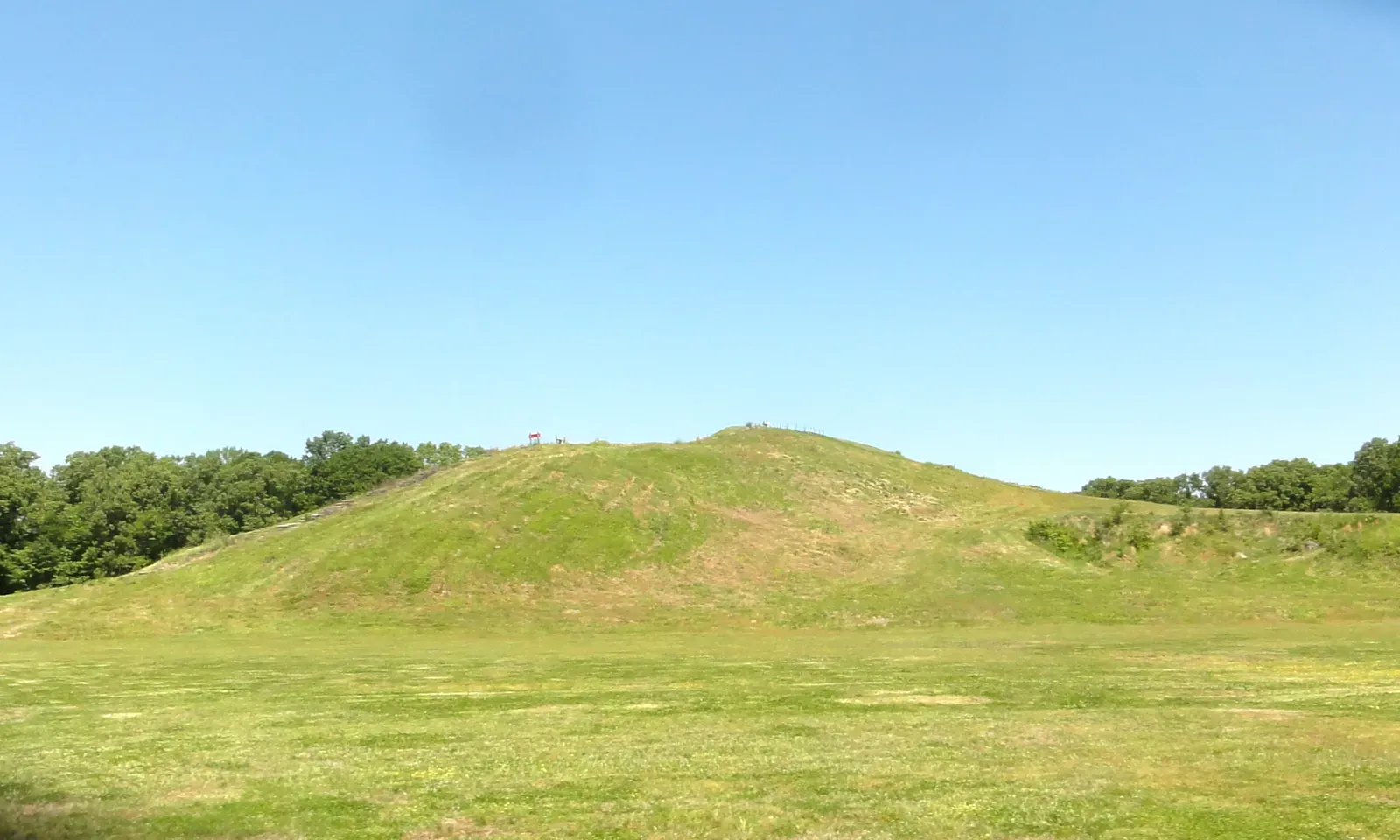
If Stonehenge gets all the credit for mysterious ancient earthworks, then Poverty Point in Louisiana deserves to be in that same conversation. The earthen mounds at Poverty Point dwarf most of their peers in size and also in age. Constructed roughly three thousand four hundred years ago, long before the pyramids of the Maya were even dreamed of, this site challenges everything you think you know about early American cultures.
Hopewellian peoples, made up of various Native American groups, gathered around the grassy mounds and enclosures for ceremonies ranging from feasts to funerals. The mounds, built around two thousand years ago, contain structures up to one thousand feet wide, and are preserved across six separate locations in the park. The sheer organizational effort required to build something on this scale – without a centralized state, without metal tools – is the kind of thing that forces you to completely reconsider what ancient peoples were capable of.
It is hard to say for sure what motivated the builders of Poverty Point to invest so heavily in earthworks of this magnitude. The site was likely a major regional hub for trade, ceremony, and social gathering. Explorers and archaeologists have revealed mysterious ceremonial sites with complex alignments and symbolic carvings, where the precision and scale suggest a deep knowledge of astronomy, engineering, and social organization, far beyond what we usually attribute to these early cultures. Poverty Point fits that description perfectly.
New Discoveries Rewriting the Story
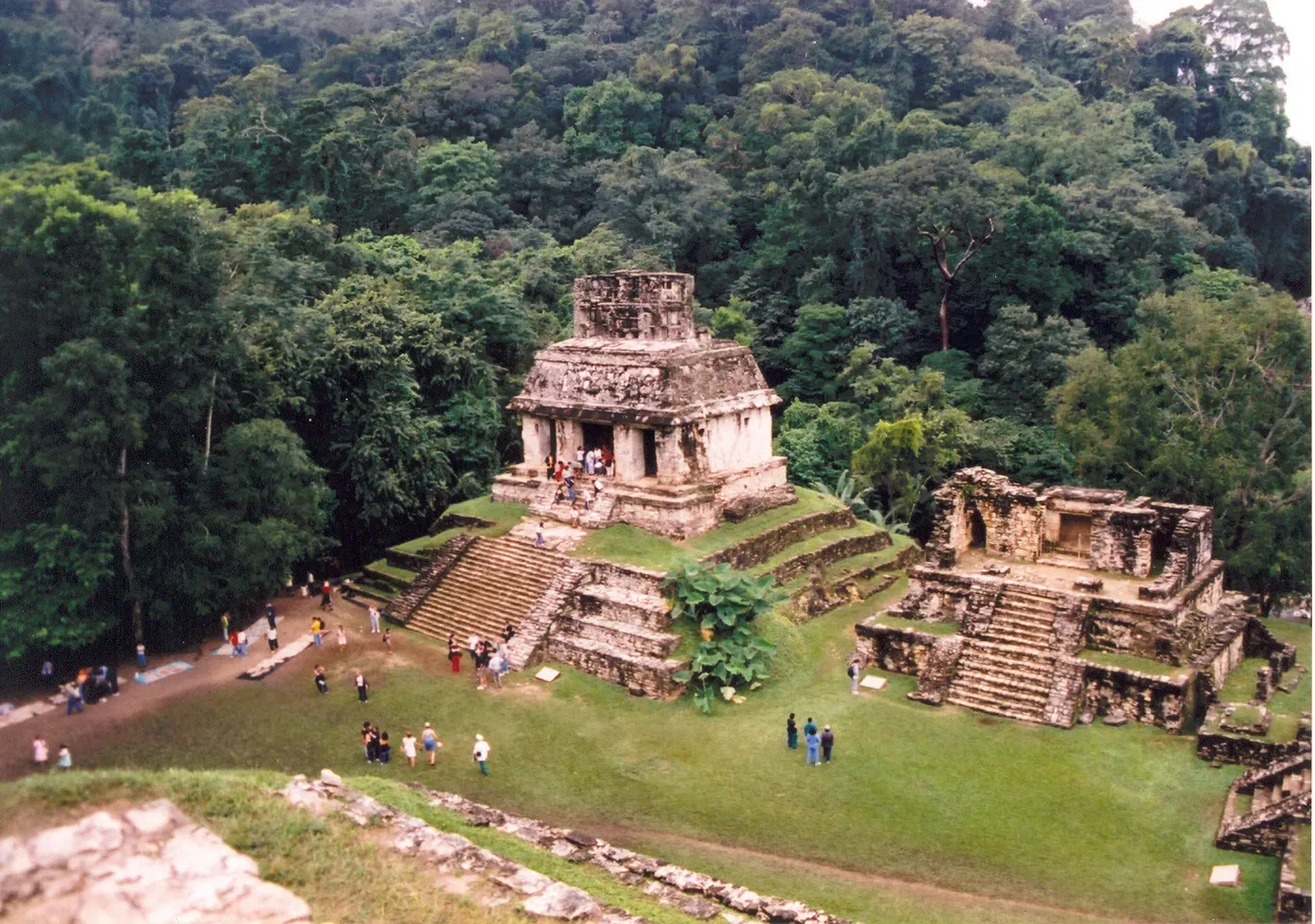
Here is the most exciting part of all this: the story is not finished. Not even close. In May 2025, a joint archaeological mission from Slovakia’s Comenius University and the Guatemalan Ministry of Culture identified a large Mayan urban complex in the Petén jungle of northern Guatemala. Primarily dated to the Middle Preclassic period, the site consists of an “urban triangle” formed by three distinct centers. Covering an area of approximately six square miles, the complex represents an early example of sophisticated architectural planning and socio-political organization in the Maya lowlands.
Such discoveries confirm that large, permanent communities with organized labor and social structure were forming earlier than experts once thought, long before the rise of famous pyramids. They reinforce the idea that significant architectural and social complexity developed gradually, starting not from powerful kings, but from shared community projects. That is a revolutionary idea. Civilization as a collective act, not a top-down decree.
Remote jungles and deserts have given up their secrets thanks to cutting-edge LiDAR scanning. Entire lost cities and ceremonial complexes have emerged from beneath the foliage, revealing urban layouts and architectural sophistication that rival civilizations we thought were more “advanced.” The technology is accelerating everything, and what has been found so far is only a fraction of what remains buried. From the shores of the Baltic Sea to the depths of the Caribbean, from ancient Troy to medieval England, these discoveries remind us that countless secrets still lie buried beneath our feet, waiting to tell their stories.
Conclusion: The Stones Are Still Speaking
Every one of these ancient American structures is a monument not just to stone and labor, but to human ambition, spiritual longing, and communal will. You do not build a city of twenty thousand people in the middle of a floodplain, or carve a home into the face of a cliff, or move two hundred thousand timbers across a desert, without a profound reason to do so. These cultures had reasons. We are still figuring out what they were.
What is perhaps most humbling is that the more we discover, the more questions arise. These sites offer a unique opportunity to study the evolution of human societies in North America, tracing the development of various cultural groups over centuries. By examining the layout of the settlements, the types of tools and pottery used, and the artwork present, historians can piece together a thorough understanding of the past. Yet the picture is always incomplete. Always being revised.
The structures are still standing. The stars they once tracked still move through the same sky. The mounds still rise from the earth. They are not silent – they are waiting for the right questions. The real mystery is not whether these ancient civilizations had secrets. It is whether we are curious enough, patient enough, and humble enough to finally listen. What do you think these structures reveal – and what do you think they are still hiding? Share your thoughts in the comments below.