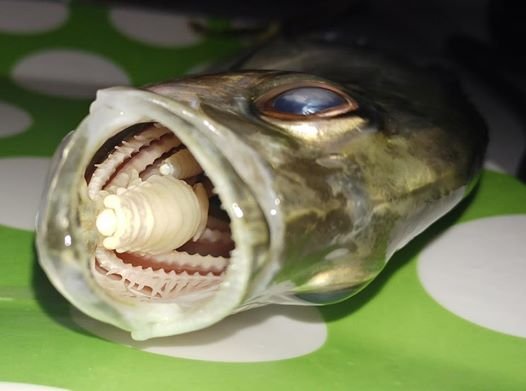

Imagine biting into a sandwich, only to discover your tongue is no longer yours—something else has taken its place. It sounds like a scene from a science fiction movie or a horror novel, but for certain fish, this nightmare is reality. Deep beneath the waves, there lurks a creature so bizarre, so ingenious, and so shocking that it has fascinated scientists and terrified anyone who stumbles across its story: the tongue-eating louse. This is not a legend or a tall tale. It’s a real animal, and its life cycle is stranger than fiction.
The Unsettling Discovery of the Tongue-Eating Louse
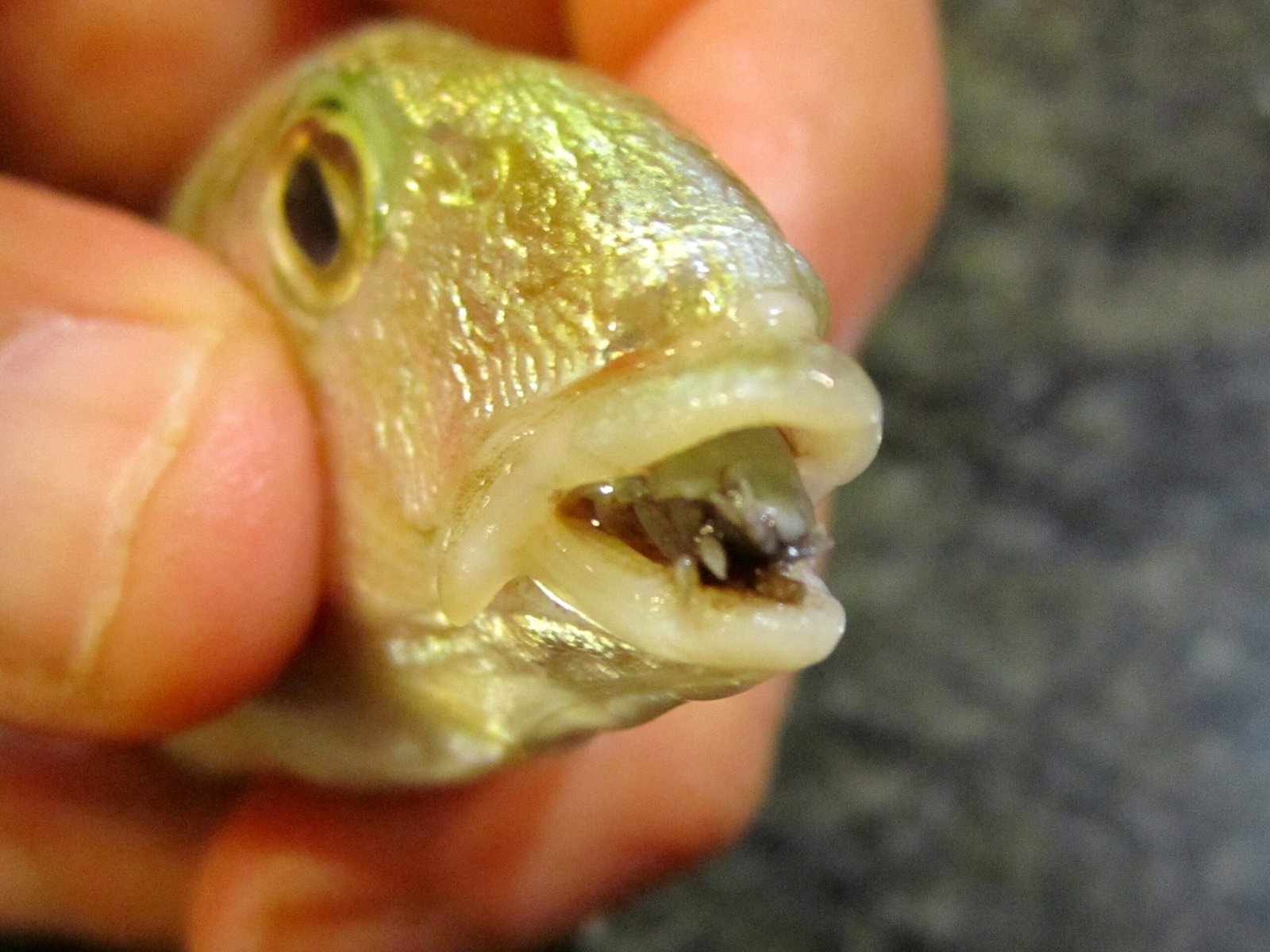
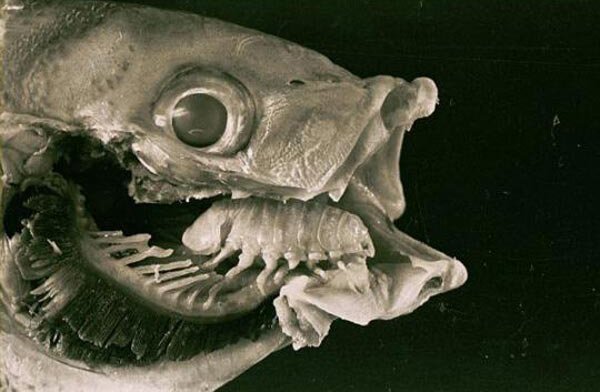
The first time scientists discovered the tongue-eating louse, they could hardly believe their eyes. Nestled inside the mouth of a fish, this small, pale creature looked like something out of a nightmare. Early explorers and fishermen who spotted it were horrified, sometimes convinced they were witnessing a curse or a sign of bad luck. The louse, a type of parasitic isopod, was soon identified as Cymothoa exigua. Its methods for survival are as gruesome as they are fascinating, forever changing how we view the humble fish tongue.
What Exactly Is Cymothoa exigua?
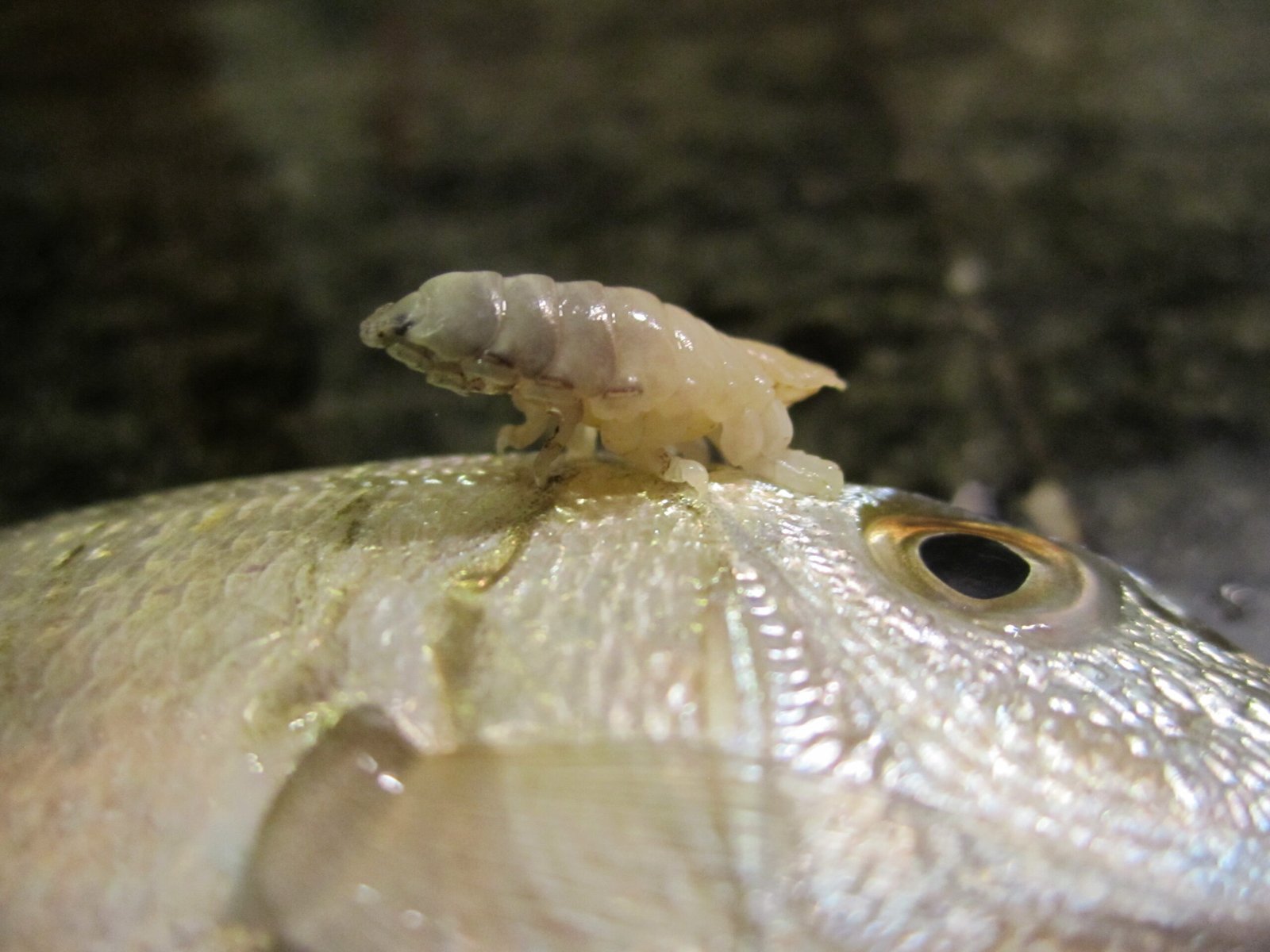
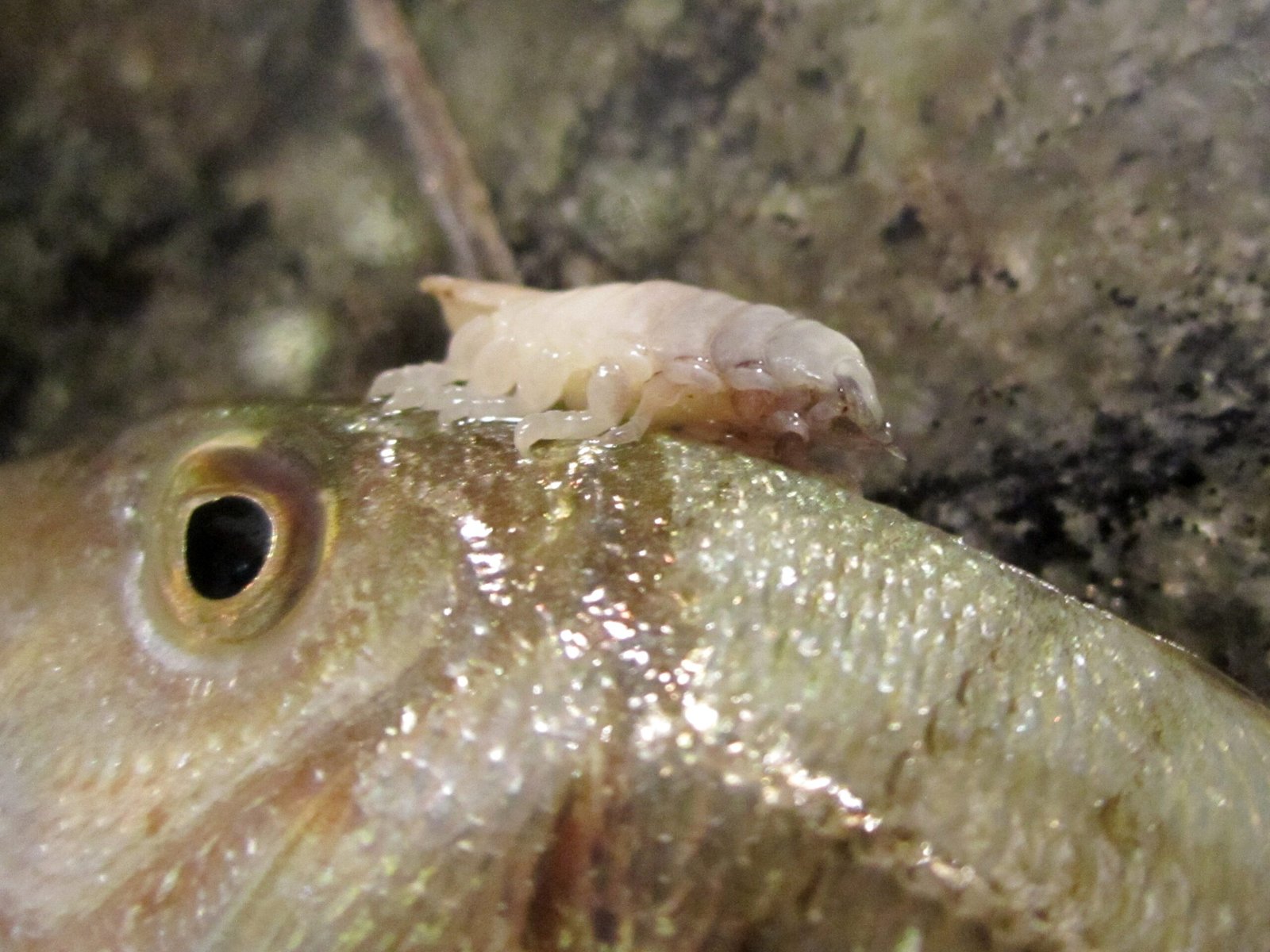
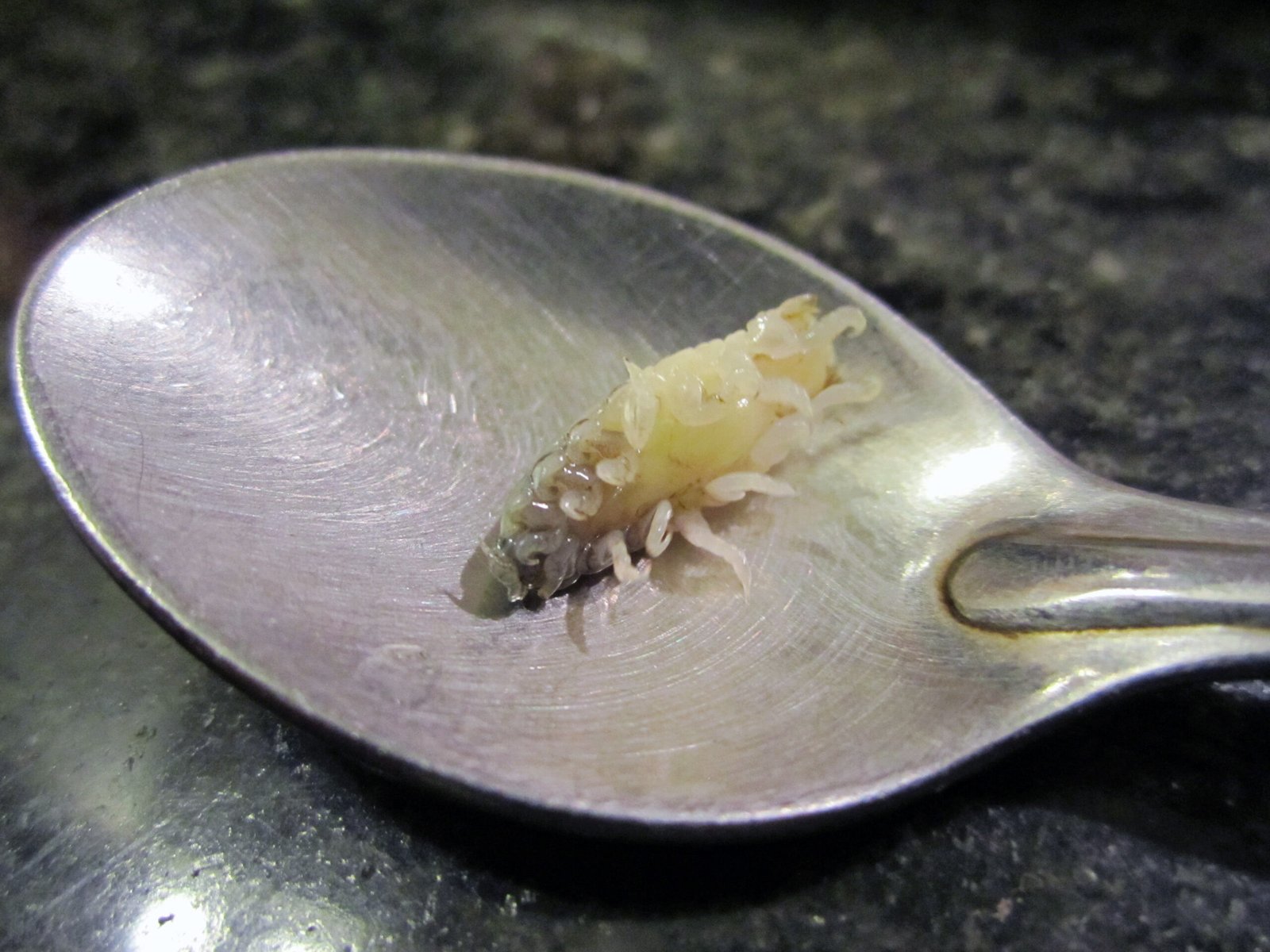
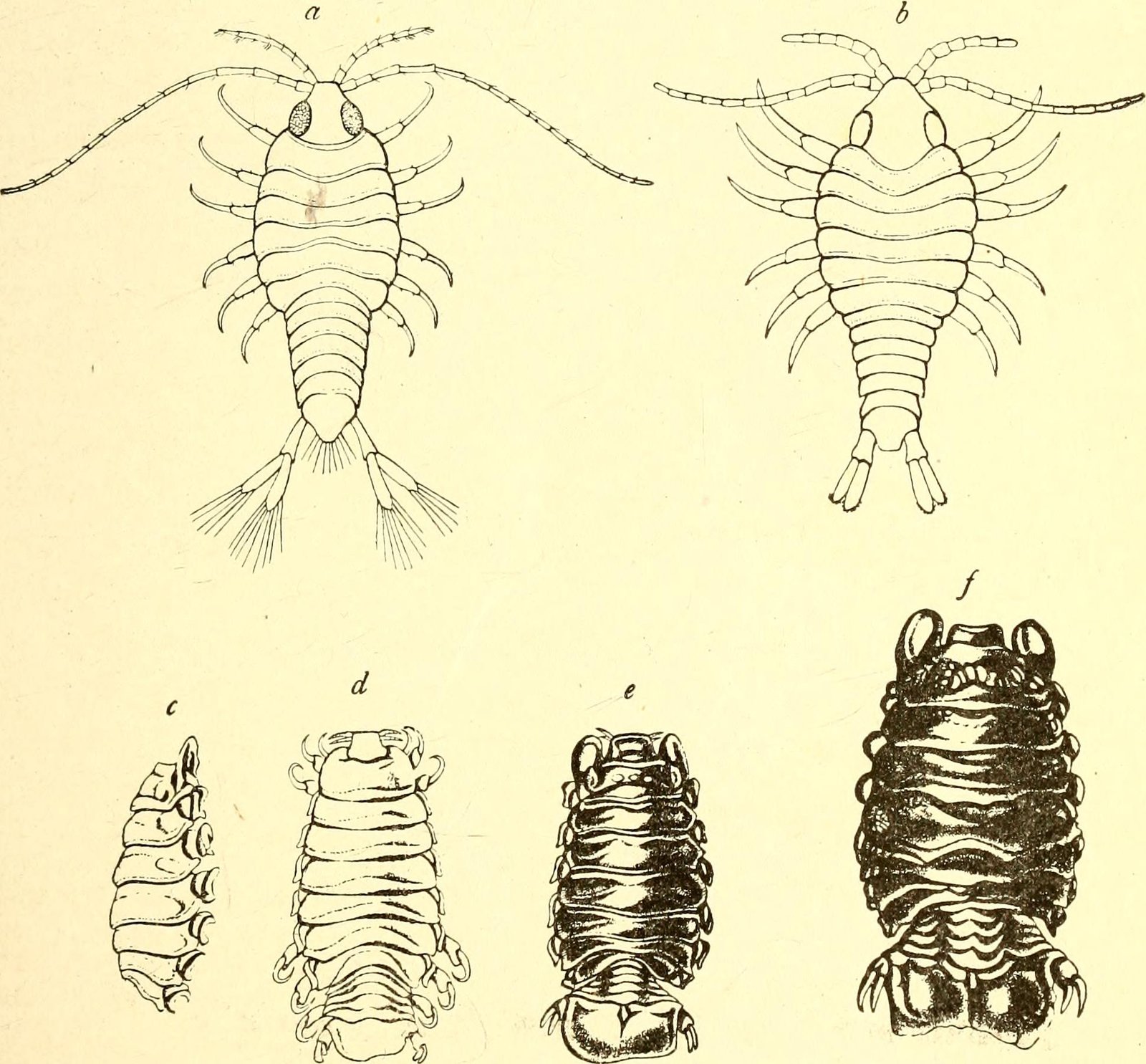
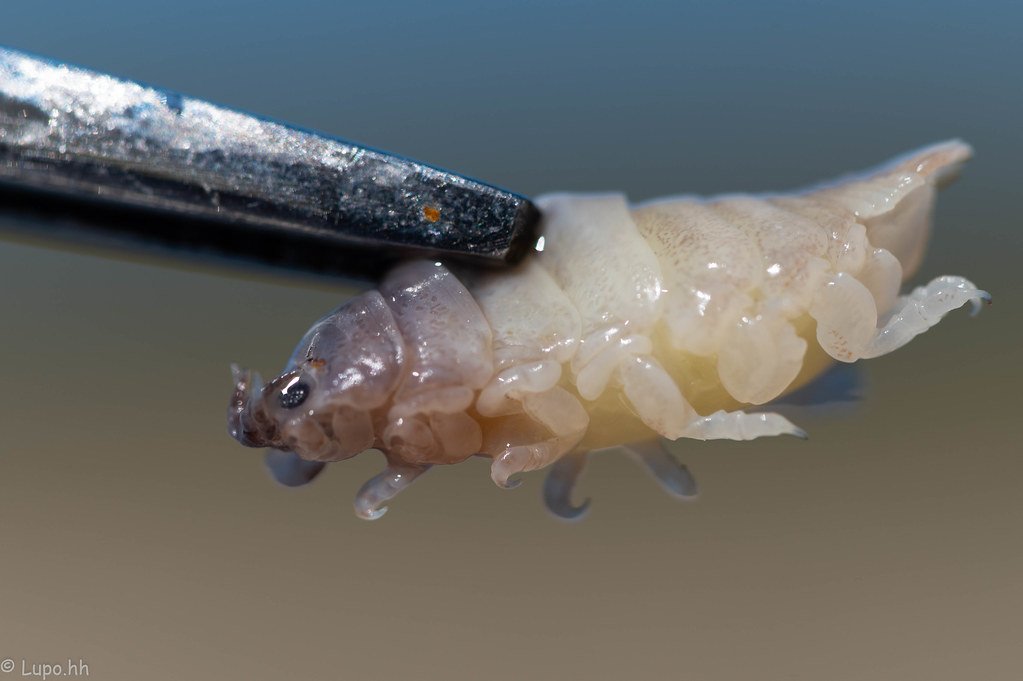
Cymothoa exigua is no ordinary parasite. Belonging to the isopod family, it is a crustacean—like a distant cousin to crabs and shrimp. But unlike its relatives that scuttle around on the sea floor, this creature prefers the dark, moist comfort of a fish’s mouth. Measuring about 3 to 4 centimeters long, it’s big enough to be noticed, but small enough to slip under the radar—until it’s too late for the host. Its pale, segmented body and tiny legs make it look like a cross between a miniature lobster and a pill bug.
A Life Cycle Rooted in Horror and Ingenuity
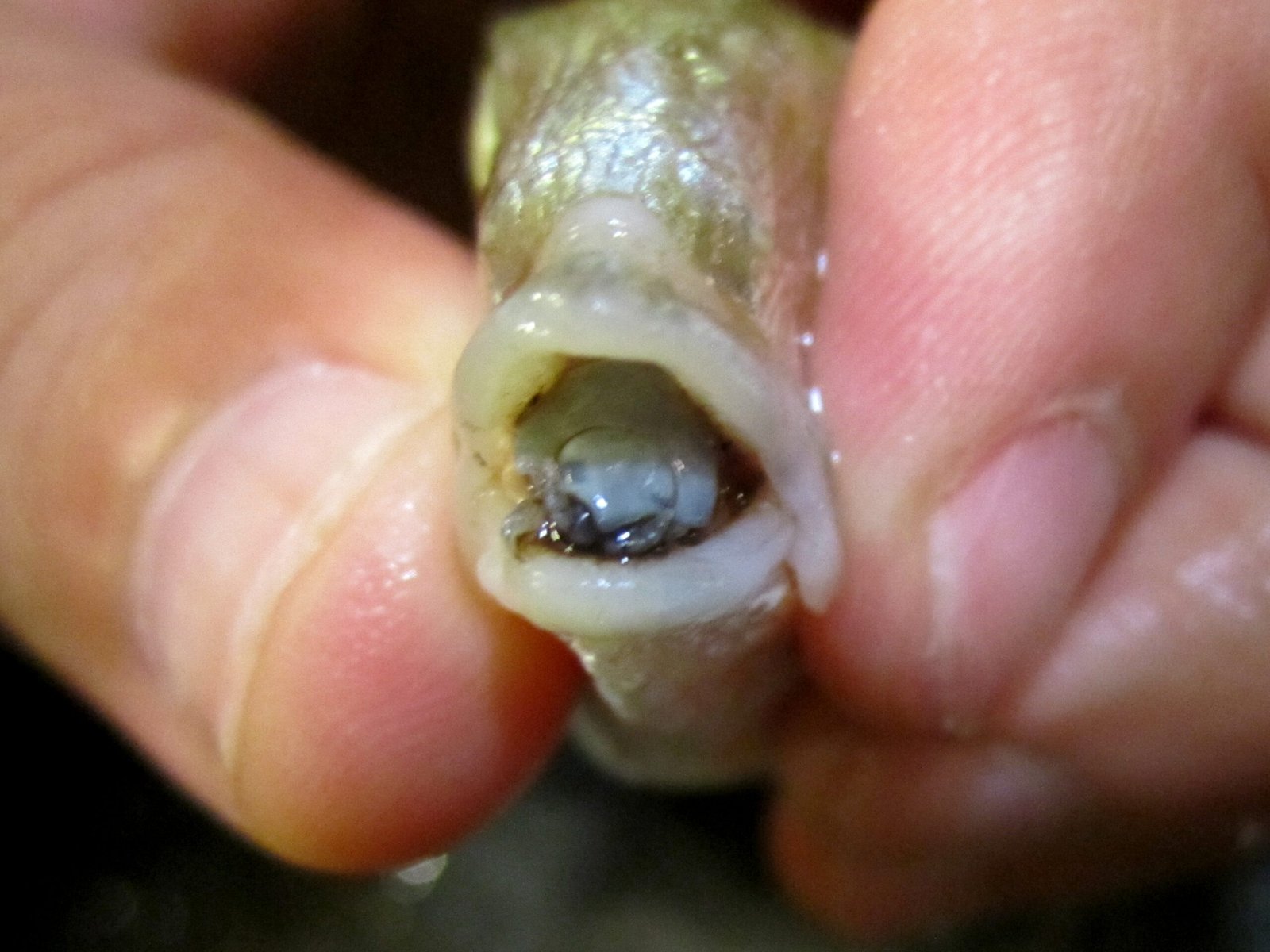
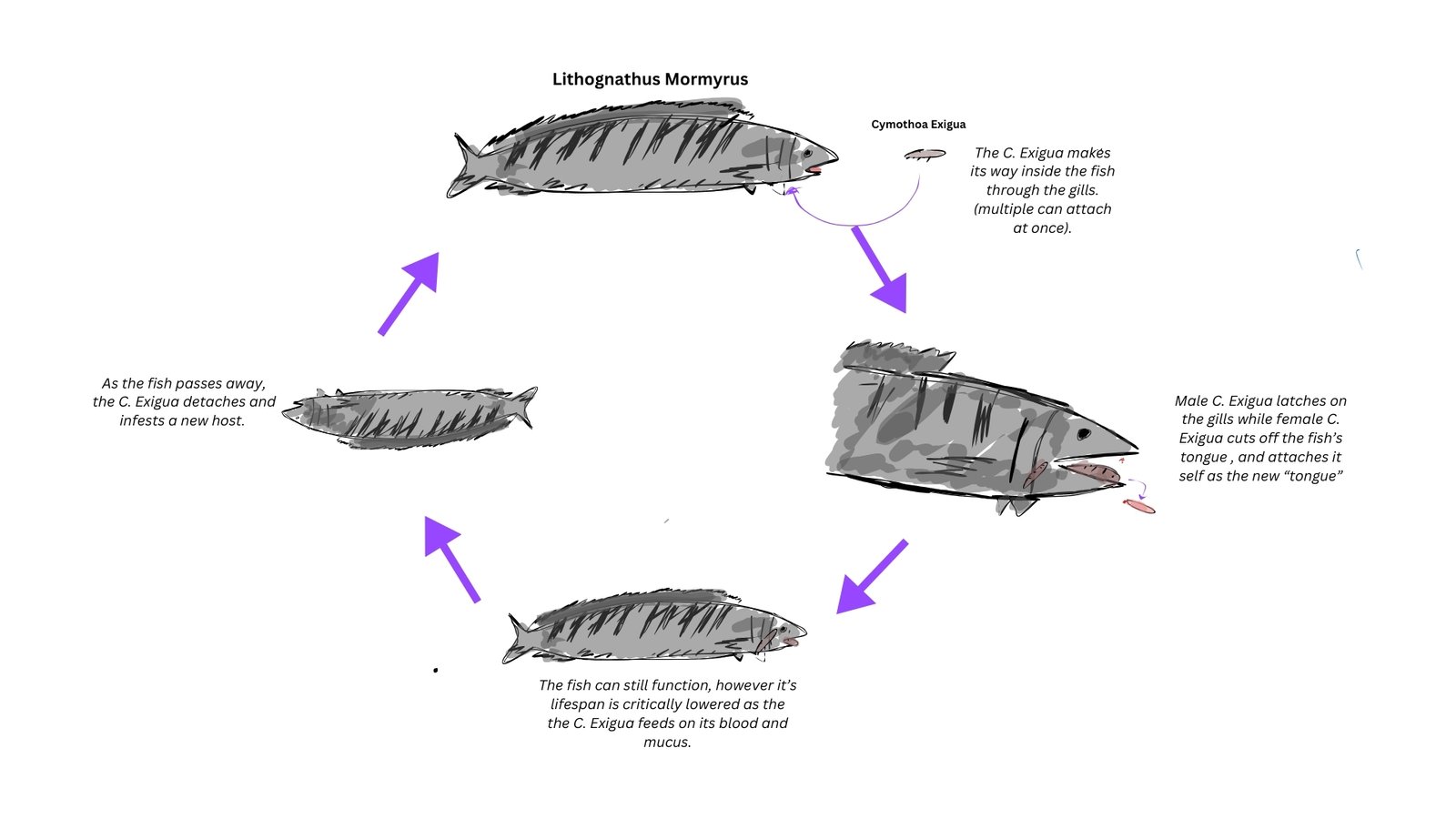
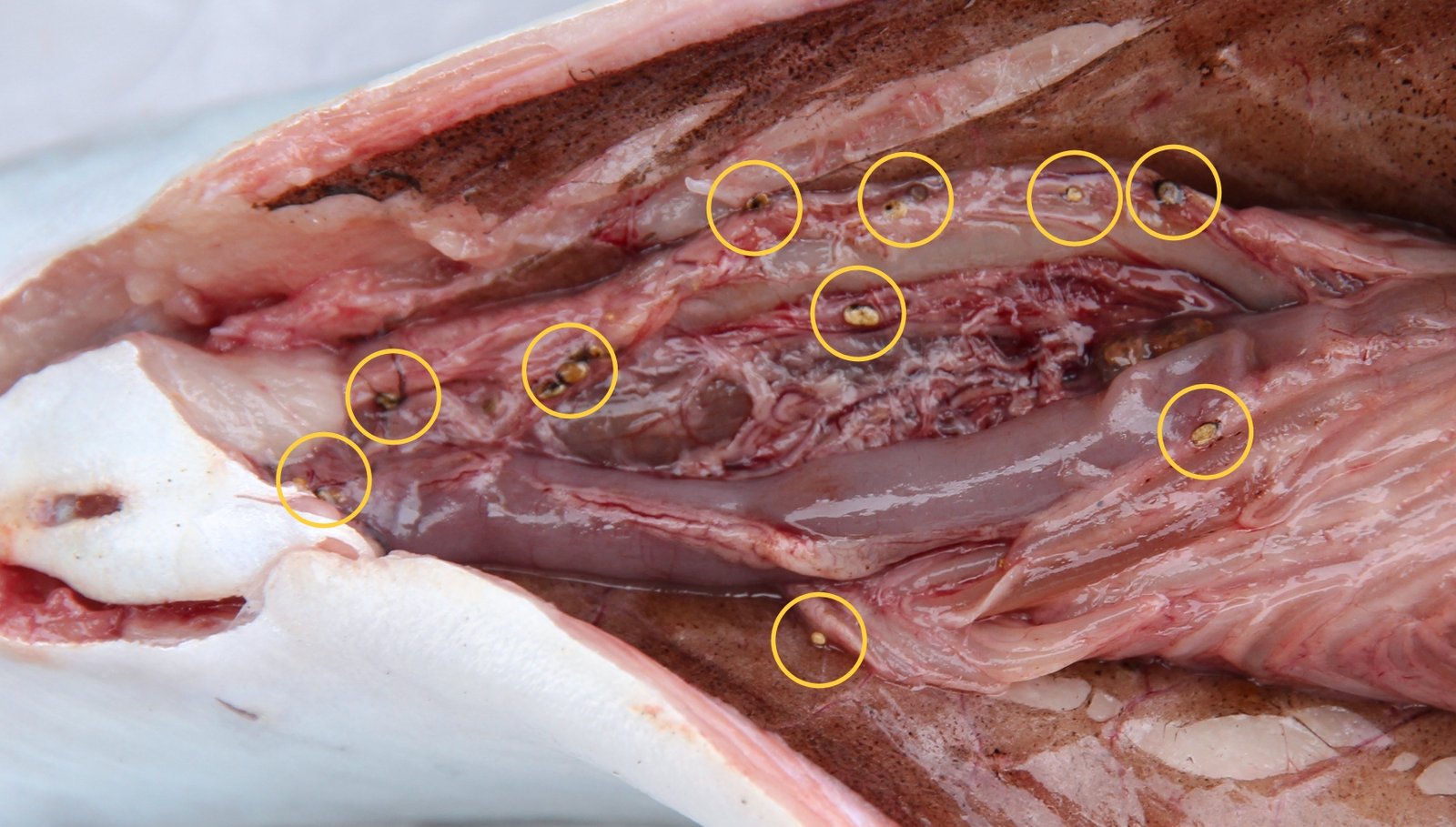
The tongue-eating louse begins its life floating freely in the ocean, searching for a host. Once it finds a suitable fish, usually a snapper or similar species, it enters the gill chamber. At first, it feeds on blood from the gills, growing stronger with every meal. As it matures, it moves forward into the mouth, making its way to the tongue—its final destination. This journey is perilous, but the reward is a unique home that offers endless food and shelter.
How the Louse Replaces the Tongue
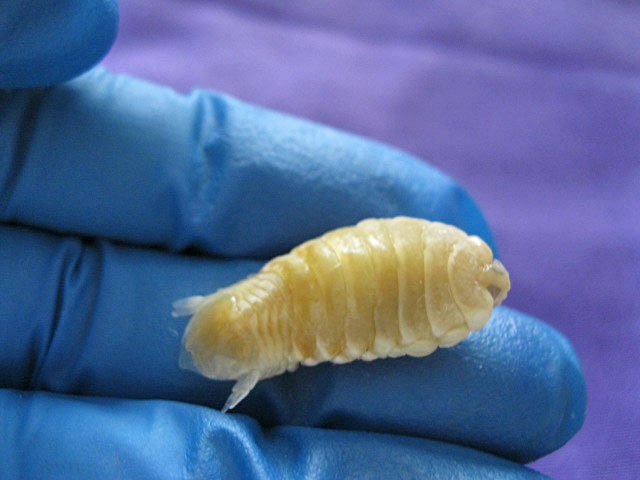
Once Cymothoa exigua reaches the tongue, it clamps onto the organ with its strong, pincer-like legs. It then uses sharp claws to cut off the blood supply, causing the tongue to wither and die. In a gruesome twist, the louse doesn’t just stop there. It attaches itself to the remaining stub, positioning its body to act like a prosthetic tongue. The fish, remarkably, learns to use the louse just as it would its original tongue—moving it to manipulate food and swallow. It’s a biological switcheroo that’s as impressive as it is unsettling.
The Fish’s Surprising Adaptation
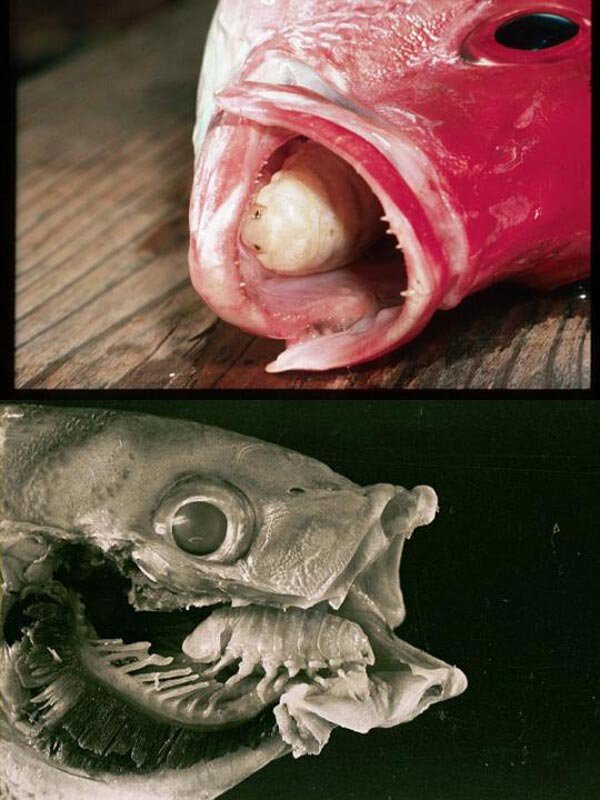
Many people assume the fish would die once its tongue is lost, but that’s not always the case. The fish can continue to live, feed, and even thrive, using the louse as a replacement tongue. In some strange way, the relationship becomes symbiotic—if not for the fish’s comfort, then at least for survival. The fish uses the parasite to crush and push food down its throat, just as it would with a normal tongue. While the fish is certainly worse off, it manages to adapt, proving nature’s resilience in the face of the bizarre.
Why Does Cymothoa exigua Do This?
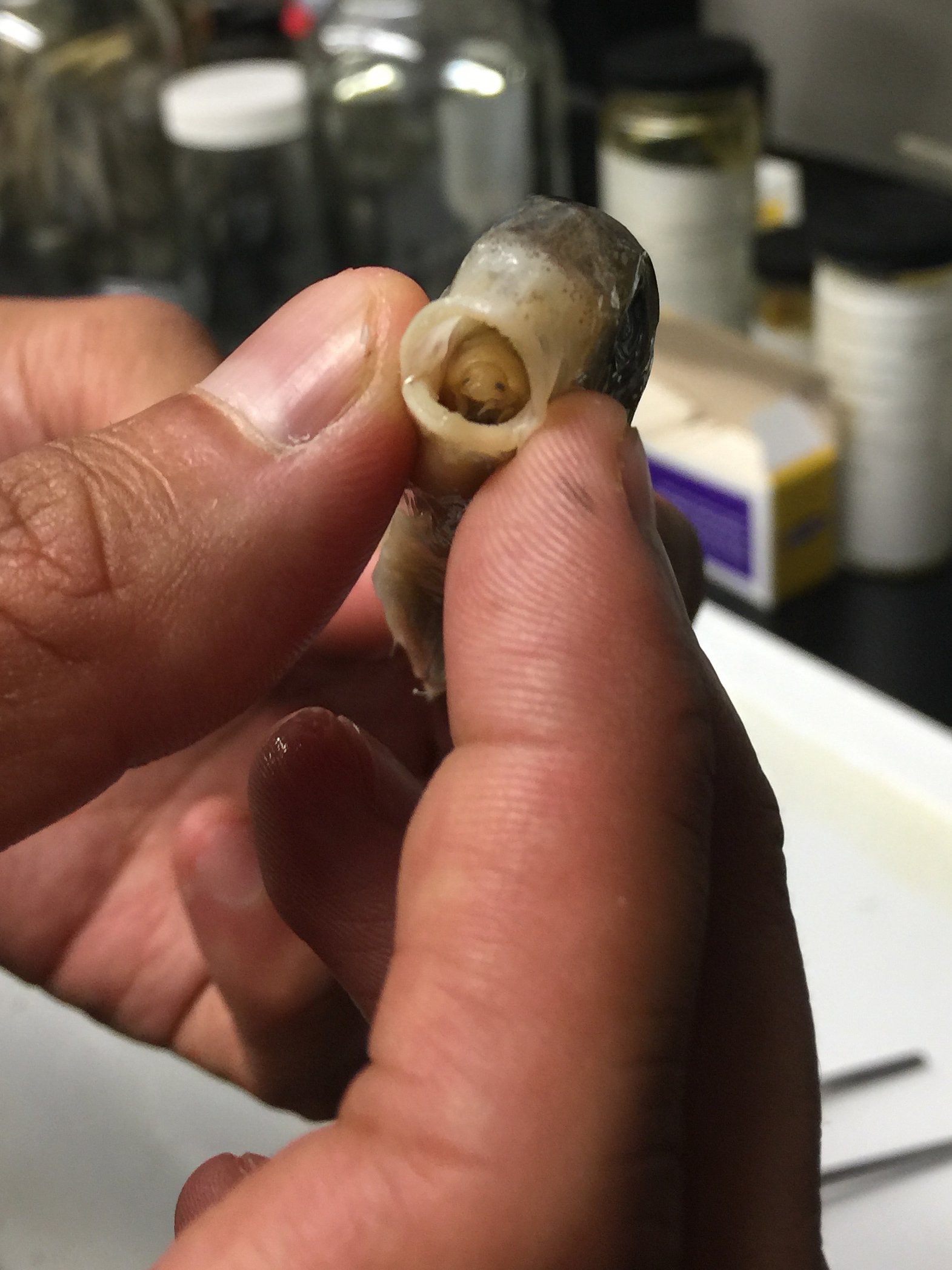
The motivation is simple: survival. By becoming the fish’s tongue, the louse gains a steady supply of blood and mucus to feed on. It is protected from predators, safe inside the mouth, and enjoys a stable environment. Evolution has shaped this odd relationship over millennia, honing the louse’s ability to exploit its host without killing it outright. In the struggle for existence, Cymothoa exigua has found a niche that few other organisms have even attempted.
How Common Is This Parasitic Phenomenon?
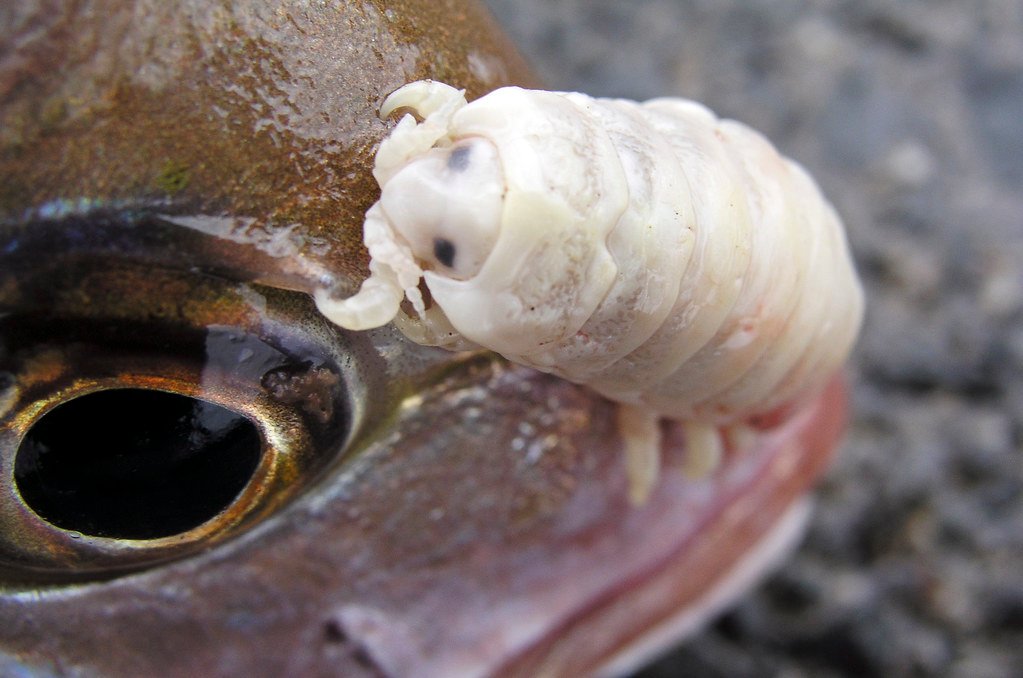
While the tongue-eating louse may sound like a rare monster, it’s surprisingly widespread in certain regions. It primarily targets snapper species in warm coastal waters, especially in the Gulf of California and along the Pacific coast of Central and South America. Fishermen occasionally find infected fish in local markets. While it’s not in every fish, the parasite is common enough to be a regular part of the ecosystem in certain areas.
Impacts on Fish Health and Behavior
Having your tongue replaced by a parasite is no small matter. Fish with tongue-eating lice often show signs of stress and reduced feeding efficiency. Some become lethargic or lose weight, while others display odd swimming patterns. However, many manage to survive and even reproduce, which is a testament to their robustness. Scientists are still studying the long-term effects, but so far, it seems the louse is more of a nuisance than a death sentence.
The Human Reaction: Fascination and Revulsion
For people, the idea of a creature living inside another animal’s mouth is both fascinating and horrifying. Social media posts about the tongue-eating louse often go viral, sparking waves of disgust and amazement. It’s an example of nature’s creativity at its most unsettling, and it challenges our sense of what’s possible in the animal kingdom. The mix of fascination and fear keeps this story alive in our collective imagination.
Not the Only Parasitic Trickster in the Sea
Cymothoa exigua isn’t the only parasite to invade and manipulate its host in bizarre ways. The ocean is full of strange relationships, from barnacles that feminize crabs to worms that take over shrimp brains. Parasitism is a common strategy in nature, and each example reveals something new about survival, adaptation, and evolution. The tongue-eating louse just happens to be one of the most dramatic examples.
Can Humans Be Harmed by Cymothoa exigua?
The good news is that humans aren’t at risk from this parasite. While it might look unsettling, the louse has no interest in people. There are rare stories of them being found in fish purchased at seafood markets, but they pose no direct threat to human health. Some people are understandably squeamish about eating a fish with a louse in its mouth, but cooking or cleaning the fish removes any risk.
The Role of Cymothoa exigua in the Ecosystem
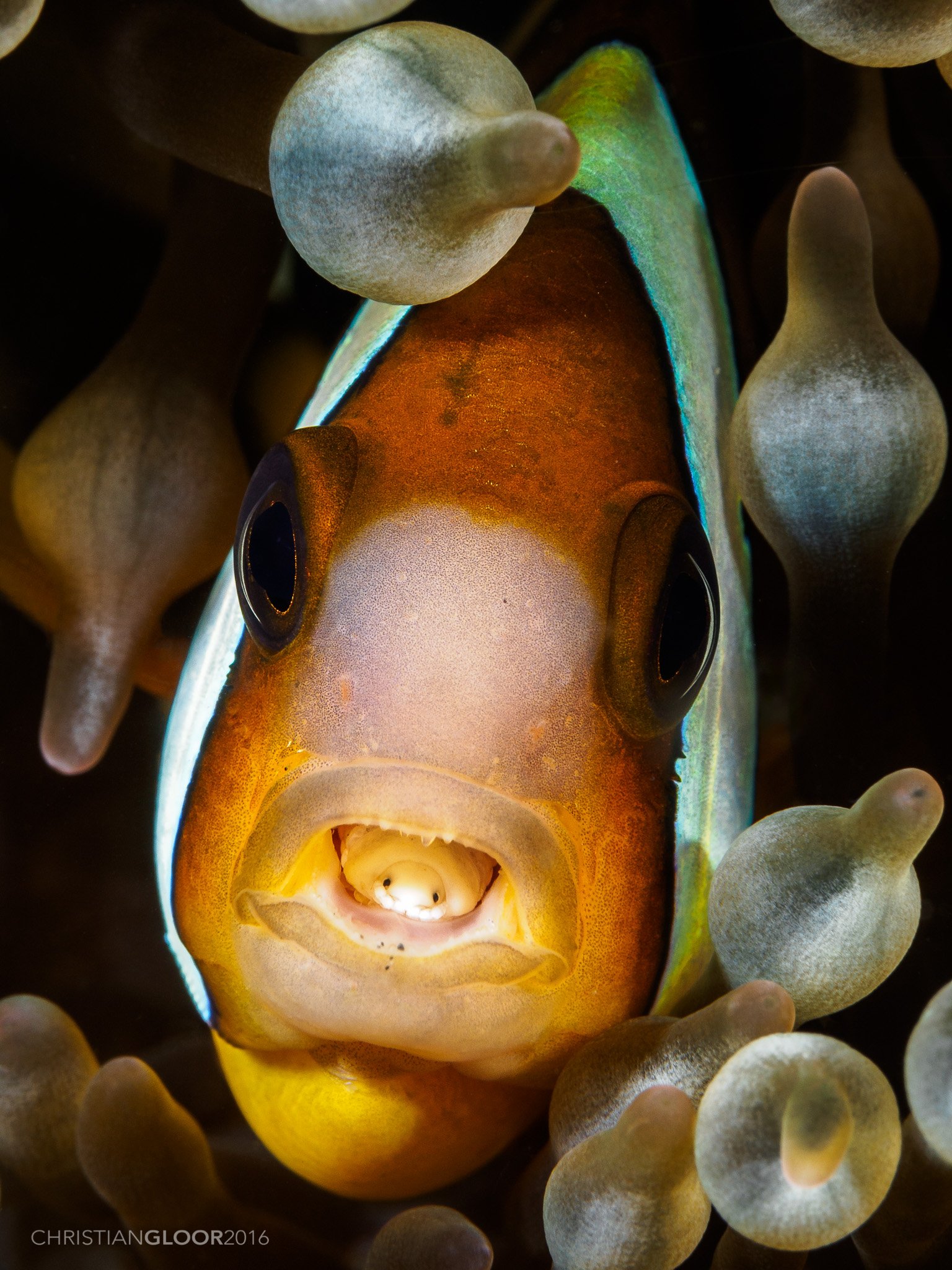
Despite its gruesome habits, the tongue-eating louse plays a role in its ecosystem. By targeting certain fish, it helps control population dynamics and may even influence which species dominate a given area. Predators that eat infected fish might also be affected, creating a web of interactions that stretches throughout the food chain. Every creature, no matter how strange, has a part to play in the tapestry of life.
The Science Behind Parasitic Evolution
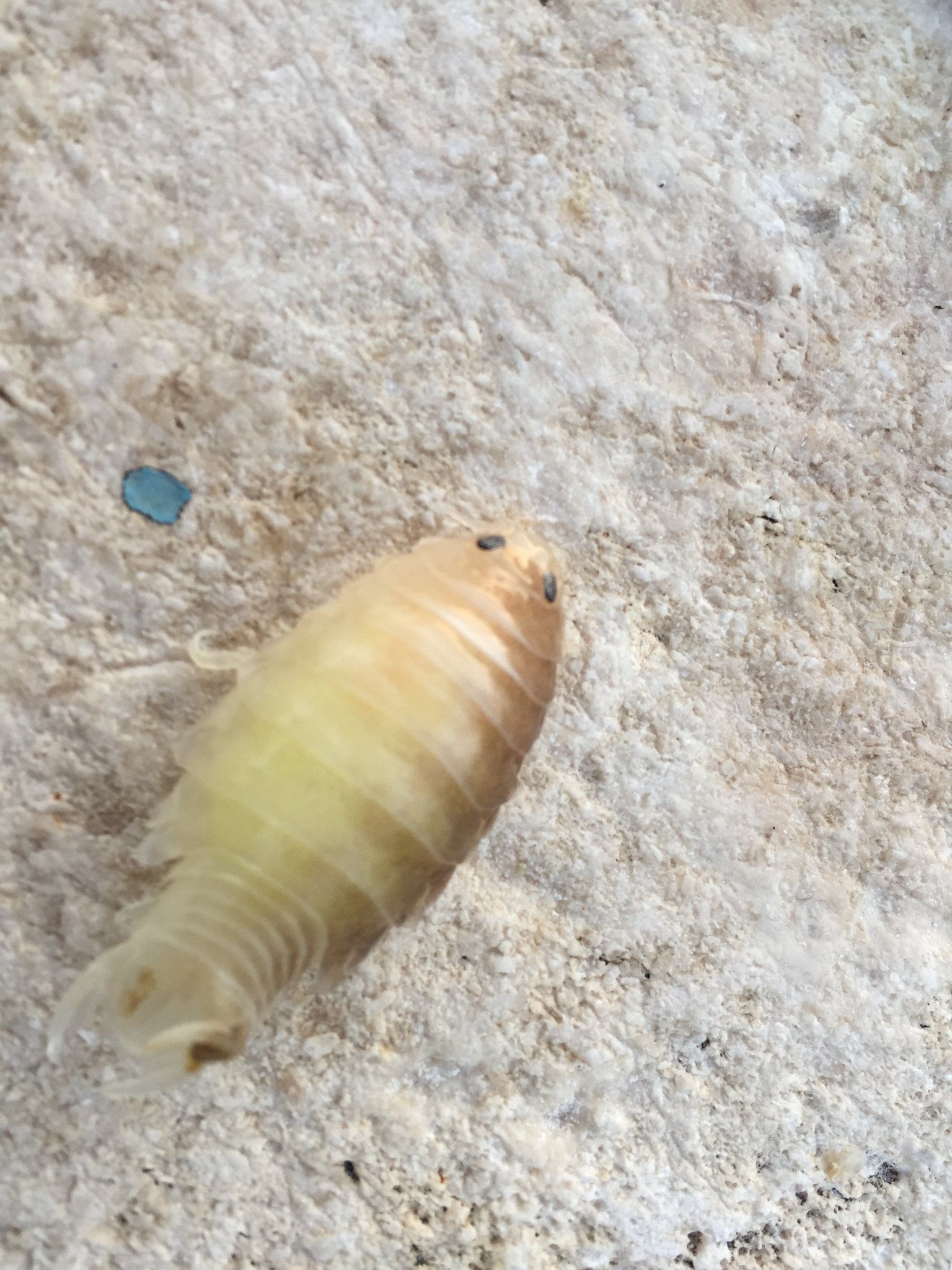
Studying Cymothoa exigua gives scientists valuable insights into how parasites evolve. Its ability to mimic and replace a host’s organ is a stunning example of adaptation. Researchers use genetic and behavioral studies to understand how such a unique life cycle developed. These findings don’t just satisfy curiosity—they also help us understand disease, immunity, and the delicate balance of ecosystems.
Nature’s Most Unbelievable Survival Strategies
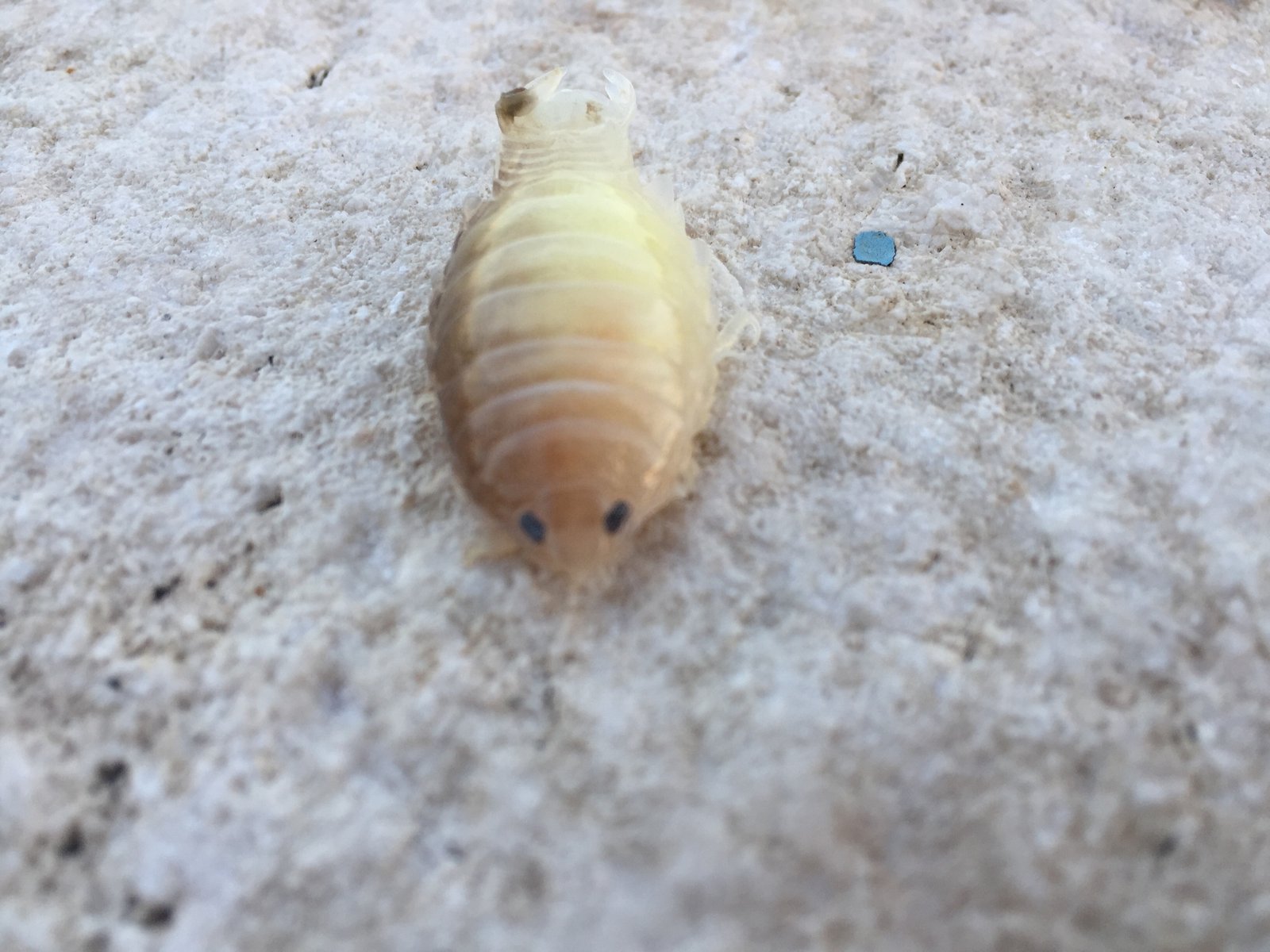
The tongue-eating louse is just one chapter in the book of bizarre survival strategies. Nature is full of surprises, from frogs that freeze solid in winter to birds that mimic the calls of other animals. Each adaptation is a solution to a specific problem, shaped by countless generations of trial and error. Cymothoa exigua may be unsettling, but it’s also a testament to the boundless creativity of evolution.
Can This Parasite Affect Fisheries and the Seafood Industry?
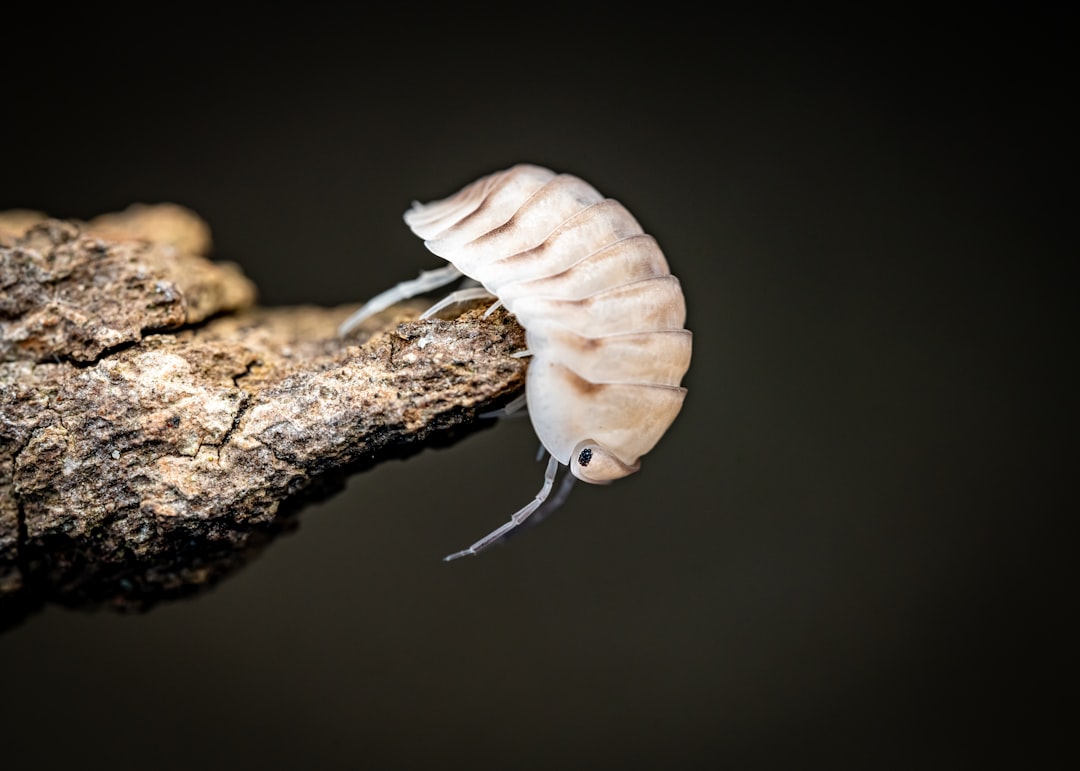
In some regions, the presence of tongue-eating lice has implications for commercial fishing. Fish infected with parasites are less marketable, and some consumers are put off by the idea of eating an animal that has hosted such a creature. While the actual economic impact is limited, fisheries must sometimes take extra care to inspect and clean their catch. Education helps reduce unnecessary fear and keeps the seafood industry thriving.
How Do Fish Try to Defend Themselves?
Fish aren’t totally defenseless in this strange battle. Some species have developed behaviors to shake off or avoid parasites, such as rubbing against rocks or seeking out cleaning stations where smaller fish pick off invaders. The evolutionary arms race between parasite and host continues, with each side developing new strategies to outwit the other. It’s a never-ending contest with no clear winner.
The Odd Symbiosis: Mutual Survival?
In a strange way, the relationship between the louse and its host borders on symbiosis. While the fish is certainly inconvenienced, it’s not usually killed. The parasite gets a home and a steady food supply, while the fish, though handicapped, can still eat and survive. Scientists debate whether this is a true form of symbiosis or just parasitism with a twist, but it’s clear that both parties have adapted to the arrangement.
What Does This Tell Us About Life’s Complexity?
Cymothoa exigua challenges our assumptions about how life works. The idea that an animal can replace another’s organ and both can continue to survive defies conventional wisdom. It’s a reminder that life is messy, complicated, and full of surprises. The more we learn about creatures like the tongue-eating louse, the more we appreciate the incredible diversity of strategies that exist in nature.
What Else Is Out There in the Deep?

If something as bizarre as the tongue-eating louse exists, it’s natural to wonder what else is waiting to be discovered. The ocean is still full of mysteries, with new species and behaviors being found every year. Scientists are only scratching the surface, and the next big discovery could be even stranger than this one. The deep sea remains a frontier of endless possibility.
The Enduring Mystery and Appeal of the Tongue-Eating Louse
The story of Cymothoa exigua sticks with you, lingering in your mind long after you first hear it. It’s shocking, a little bit grisly, and undeniably fascinating. It reminds us that the natural world is bigger, wilder, and more inventive than we often realize. And next time you look at a fish, you might just wonder what secrets it’s hiding in its mouth.