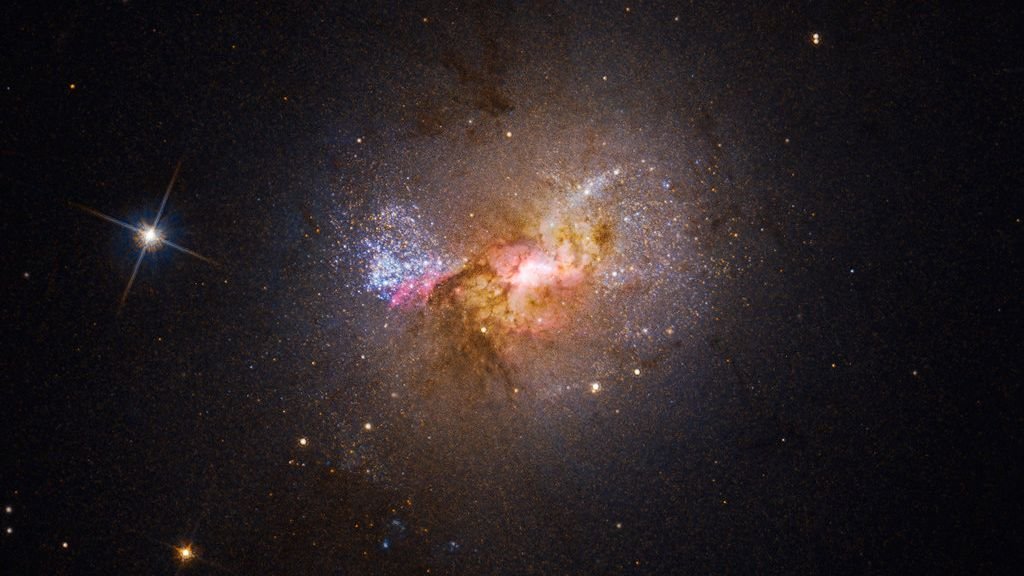

Have you ever stopped to wonder what truly surrounds us? You look up at the night sky, and it seems peaceful, almost predictable. Yet right now, as you read these words, invisible forces are pulling and pushing every galaxy, every star, and every particle in ways scientists are only beginning to understand. The universe is far from empty. It’s full of things we can’t see, can’t touch, and barely know how to explain.
For decades, physicists thought they had the cosmos mostly figured out. They’d mapped the stars. They’d charted the galaxies. Then came discoveries that shook everything. Turns out, the stuff we can actually see makes up only a fraction of what’s really there. The rest? It’s hidden in plain sight. Let’s dive into the strange, invisible architecture that shapes everything you know.
The Hidden Majority That Holds Galaxies Together
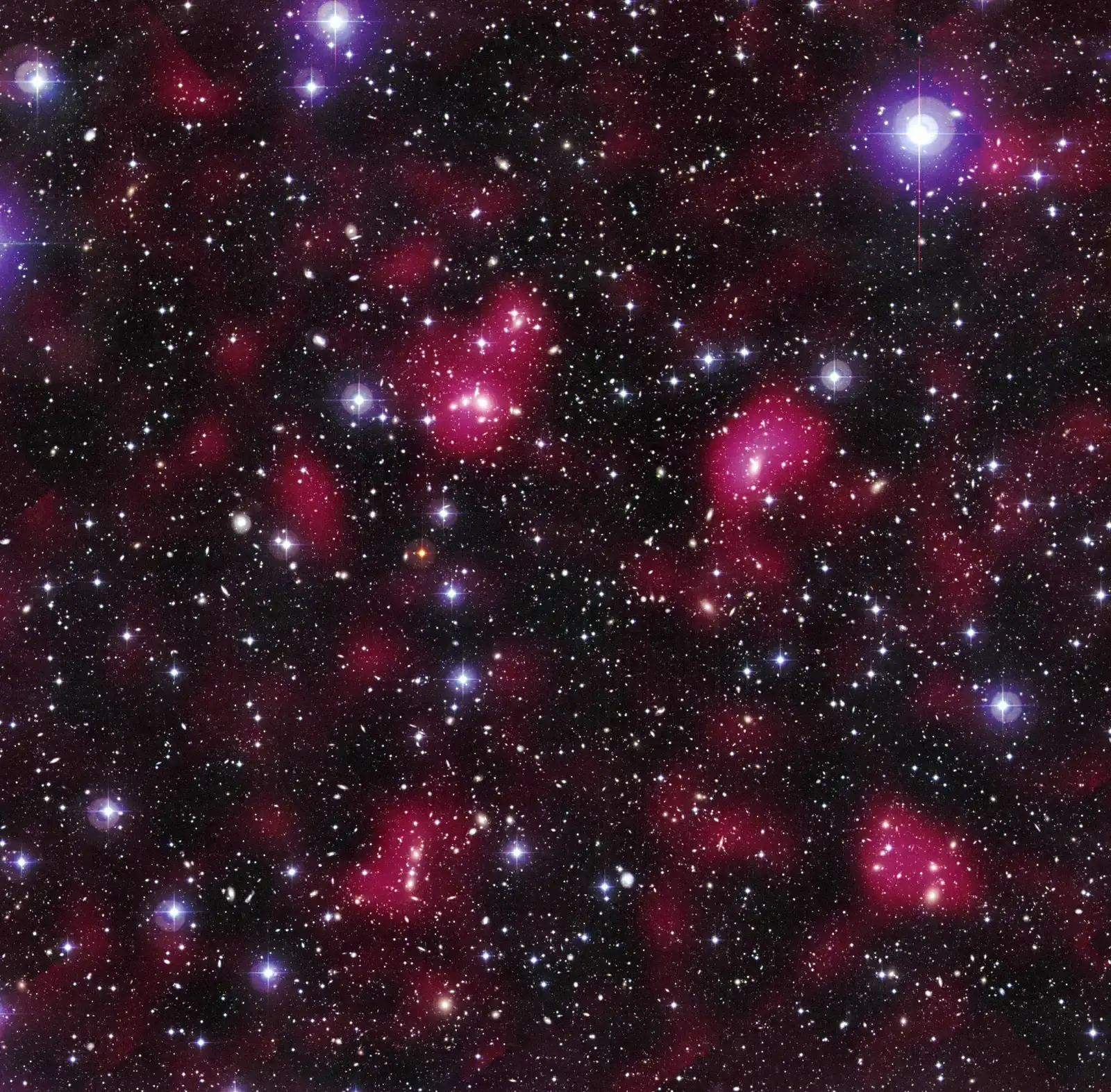
Nearly everything in the universe is made of mysterious dark matter and dark energy, yet we can’t see either of them directly. Think about that for a second. Everything you’ve ever known, every atom in your body, every star visible in the sky, accounts for maybe five percent of reality. The rest belongs to forces and particles that don’t interact with light.
Dark matter makes up most of the mass found in galaxies and galaxy clusters, playing a major role in shaping their structure across vast cosmic distances. Without it, galaxies would fly apart. Stars wouldn’t orbit the way they do. Yet nobody has managed to capture a single particle of this stuff in a lab. It’s like trying to catch smoke with your bare hands.
Energy That Pushes the Universe Apart
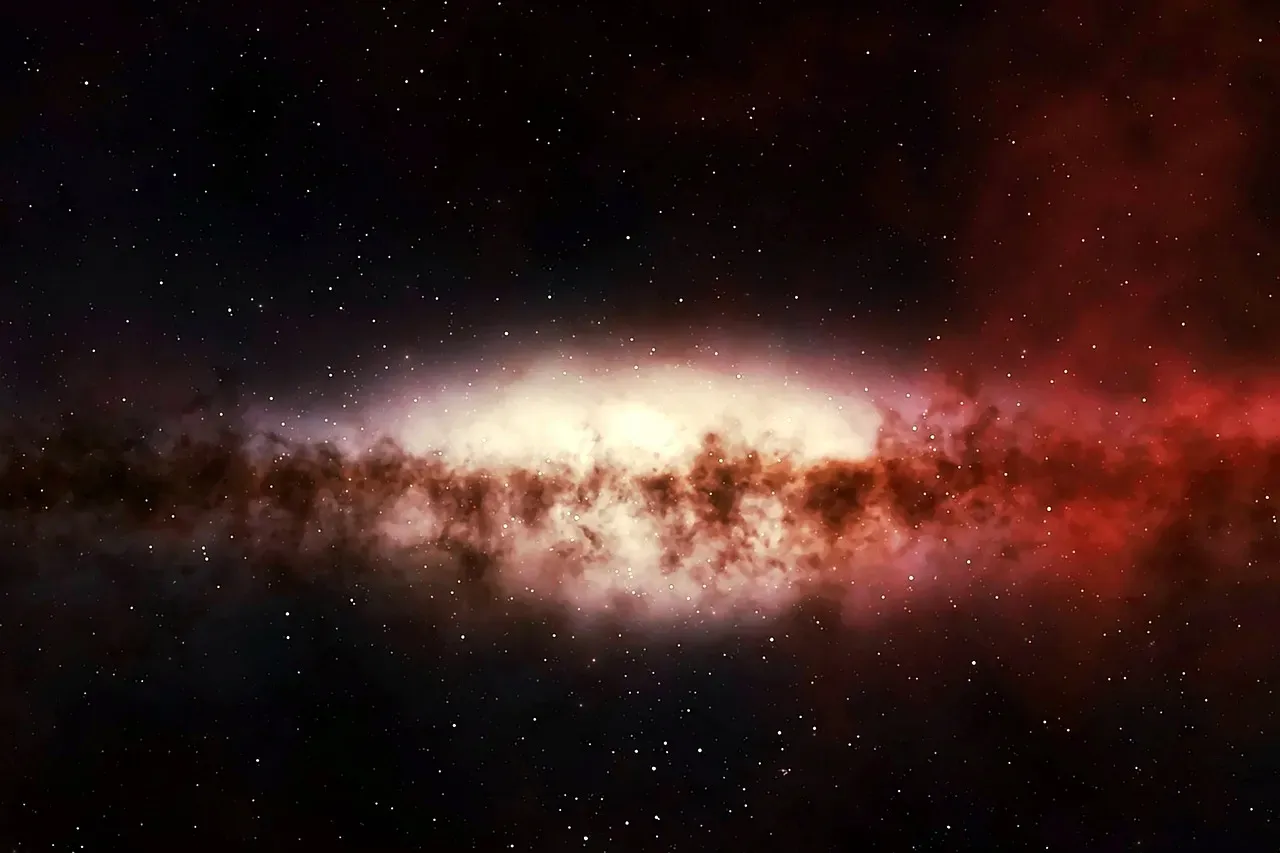
Here’s where things get even stranger. Dark energy is the dominant component, accounting for about 68% of the universe’s total energy, while dark matter contributes roughly 27%. That means the overwhelming majority of existence is made of two things we can’t identify. Dark energy isn’t just sitting there either. The accelerating expansion of the universe is usually explained by an invisible force known as dark energy.
Let’s be real, nobody expected the universe to speed up. Gravity should pull everything together, slowing expansion down over time. Instead, galaxies are racing away from each other faster and faster. Something unseen is overpowering gravity itself on the largest scales imaginable. Honestly, it’s one of the most unsettling discoveries in modern science.
Particles That Barely Talk to Matter
WIMPs (Weakly Interacting Massive Particles) are considered one of the most promising possibilities for dark matter. These hypothetical particles would interact through gravity and the weak nuclear force, which explains why they are so difficult to detect. Imagine billions of these passing through you every second. They could travel through Earth like it’s not even there.
A WIMP could pass through Earth without leaving any sign at all, meaning researchers may need years of data to identify even a single event. Scientists have built detectors deep underground, shielded from cosmic rays and cooled to near absolute zero, just hoping to catch one interaction. Years pass. Nothing. Still, they keep looking because finding one would revolutionize everything we know.
Ripples in the Fabric of Space Itself
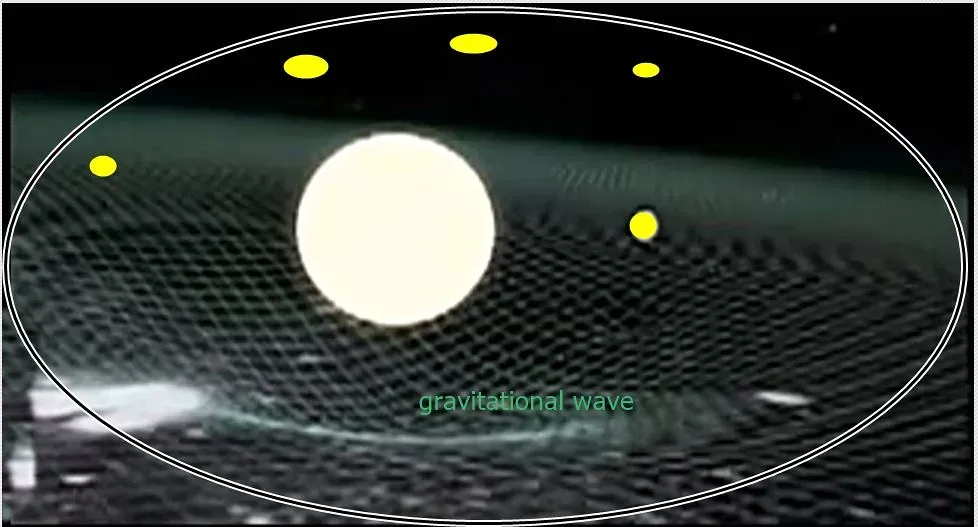
For the first time, scientists have observed ripples in the fabric of spacetime called gravitational waves, arriving at the earth from a cataclysmic event in the distant universe. This confirms a major prediction of Albert Einstein’s 1915 general theory of relativity. Einstein predicted these waves a century ago, but even he doubted we’d ever detect them.
The waves given off by the cataclysmic merger of GW150914 reached Earth as a ripple in spacetime that changed the length of a 1,120 km LIGO effective span by a thousandth of the width of a proton. Picture that: something so tiny it defies imagination, yet it traveled across billions of light years to reach us. These waves carry information about colliding black holes, merging neutron stars, and maybe even events from the earliest moments after the Big Bang.
A Tension That Reveals Unknown Physics
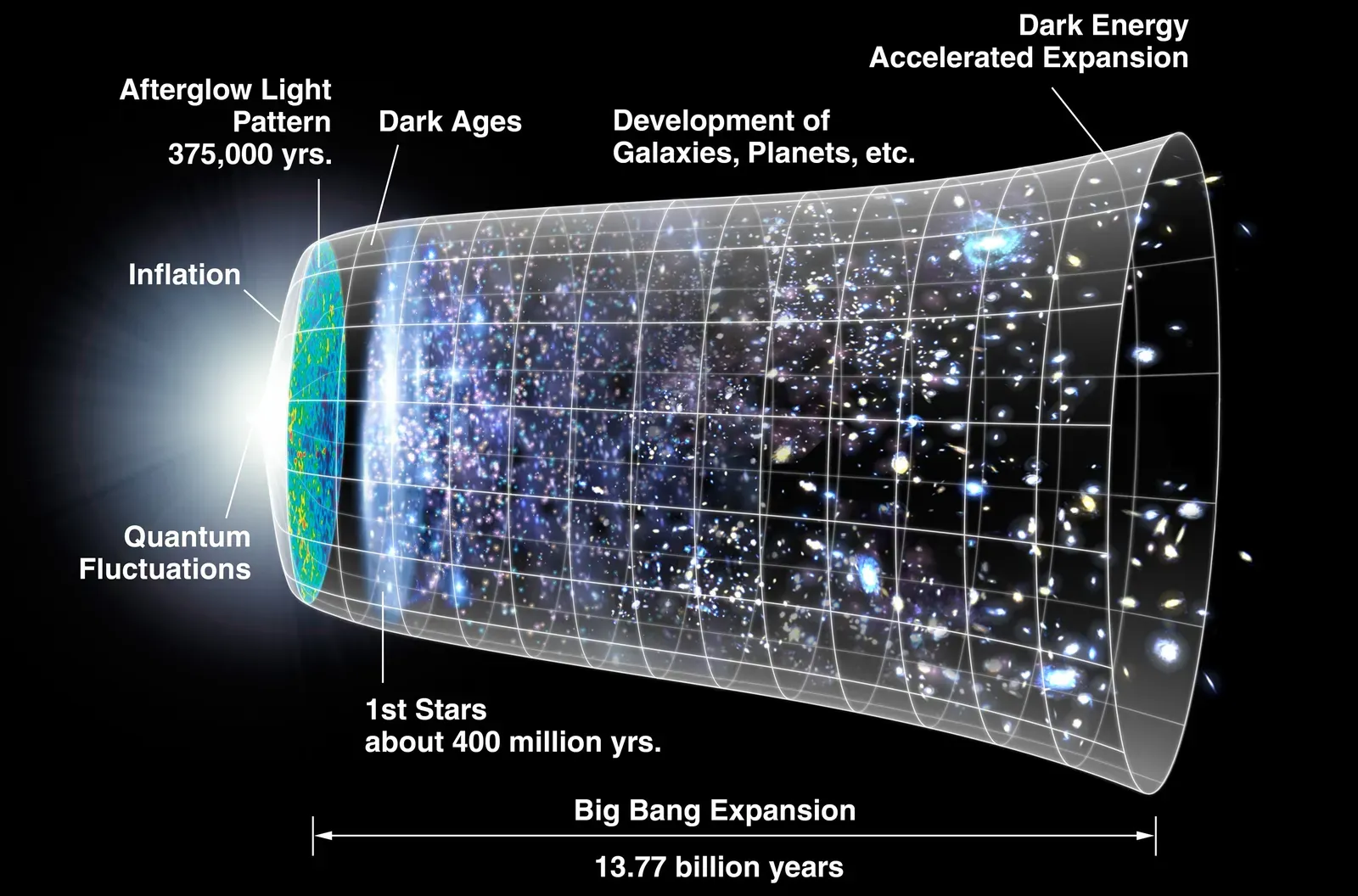
The James Webb Space Telescope has confirmed that this tension is real, rather than a miscalculation or a problem with our equipment. That means there’s something in the underlying physics of our universe that remains a mystery. What’s happening is called the Hubble tension. Scientists measure how fast the universe expands using two different methods, and the answers don’t match.
It centers around the Hubble constant – the measurement of how fast our universe is expanding – which comes out as two different numbers when calculated two different ways, even though those numbers should always match. This isn’t a small error. The discrepancy is significant, and it keeps showing up no matter how carefully researchers check their work. Something fundamental is missing from our understanding.
Alternative Theories Challenging Everything
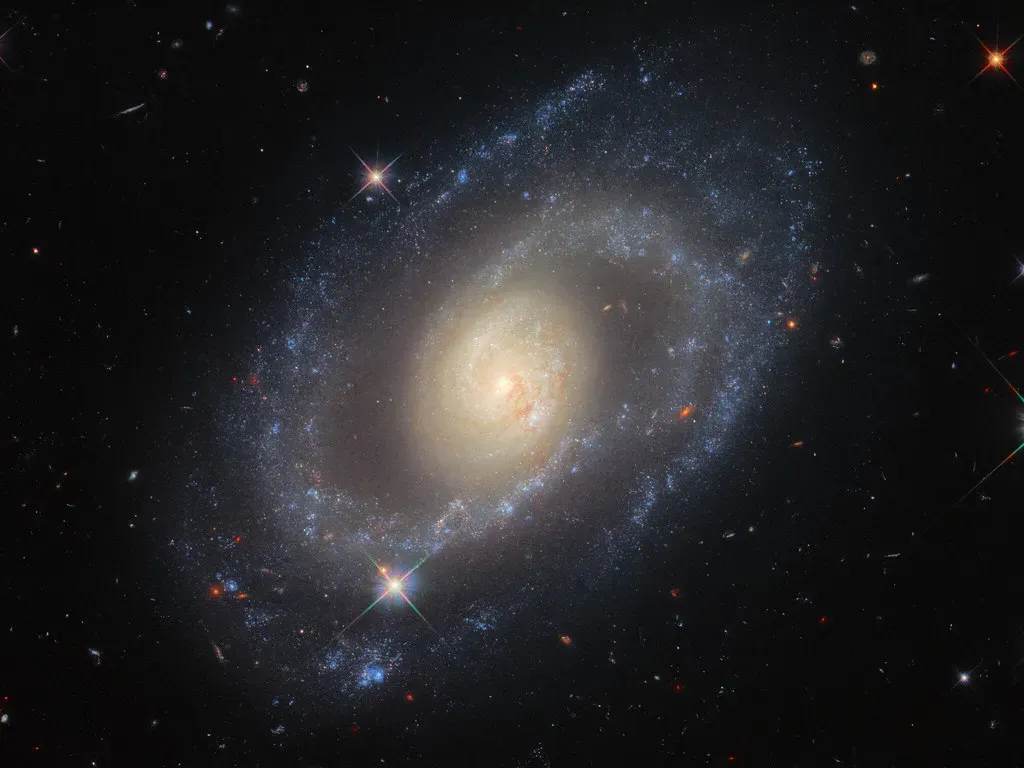
What if dark matter doesn’t exist at all? A bold new theory suggests that dark matter and dark energy might not exist at all – instead, their apparent effects could stem from the universe’s fundamental forces slowly weakening over time. Some physicists now propose that the constants of nature aren’t actually constant. They change as the universe ages.
The effects we attribute to them could arise naturally if the fundamental forces of the universe slowly weaken as it grows older. The study proposes that gradual changes in the strength of nature’s forces over time and space could explain several puzzling cosmic behaviors. If true, this would mean decades of dark matter searches were chasing shadows. It would also mean our equations need a serious overhaul. Still, it’s a reminder that science thrives on questioning even its most sacred assumptions.
Born Hot Rather Than Cold
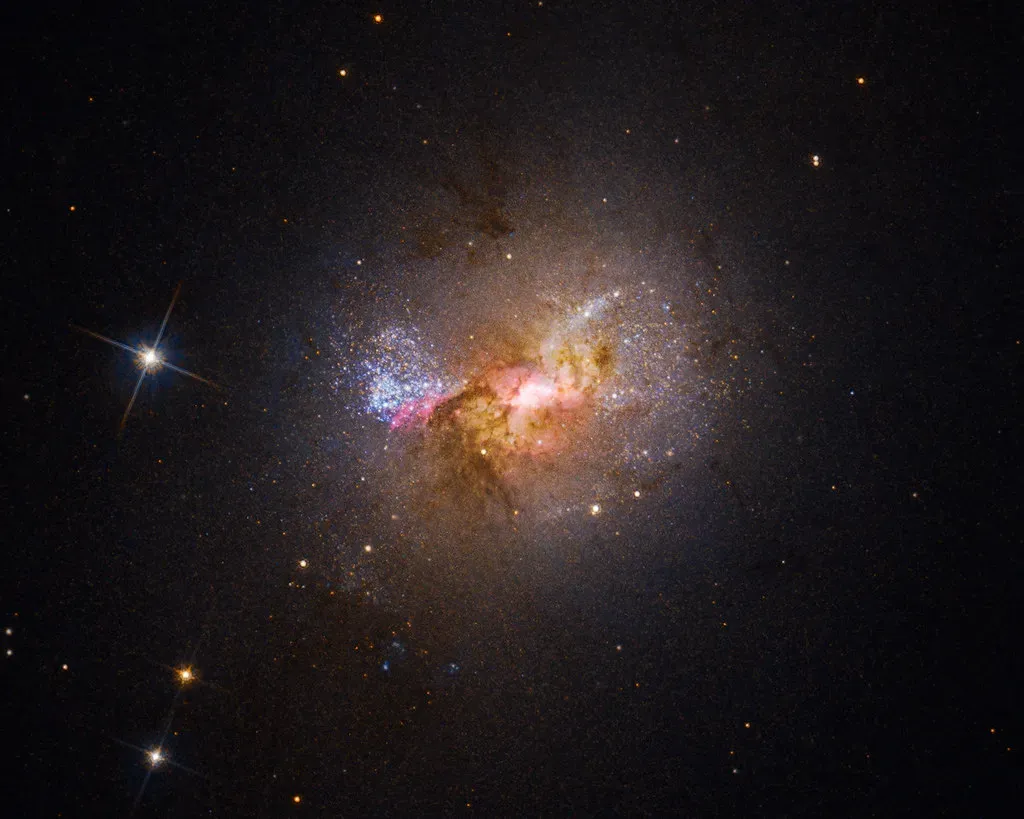
Dark matter, one of the Universe’s greatest mysteries, may have been born blazing hot instead of cold and sluggish as scientists long believed. New research shows that dark matter particles could have been moving near the speed of light shortly after the Big Bang, only to cool down later. For decades, physicists assumed dark matter started cold. That was the only way it could clump together to form galaxies.
By focusing on a chaotic early era known as post-inflationary reheating, researchers reveal that “red-hot” dark matter could survive long enough to become the calm, structure-building force we see today. This changes the timeline. It opens new possibilities for what dark matter actually is. Suddenly, particles that were ruled out years ago are back on the table.
The Quest Continues With Ever Greater Sensitivity
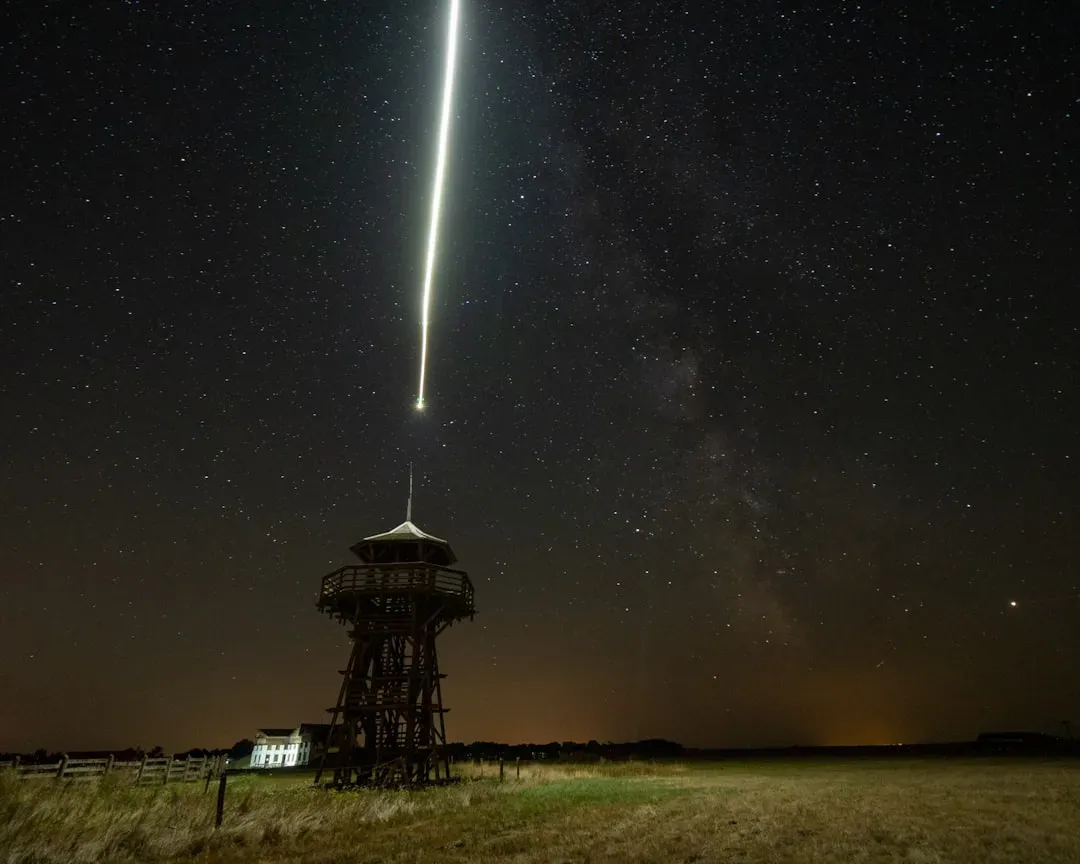
Scientists are developing detectors so sensitive they can spot particle interactions that might occur once in years or even decades. These experiments aim to uncover what shapes galaxies and fuels cosmic expansion. Every year brings new technology, deeper experiments, and bolder theories. Researchers aren’t giving up. They know the answers are out there, hidden in the darkness between stars.
Cracking this mystery could transform our understanding of the laws of nature. It’s not just about filling in a blank on a chart. It’s about rewriting the story of where we came from and where we’re headed. Future detectors like the Einstein Telescope and Cosmic Explorer promise even greater reach. Maybe they’ll catch what current instruments miss. Or maybe they’ll find something nobody predicted.
You’ve probably realized by now that the universe is far stranger than it appears. Most of what exists remains invisible, undetectable, and profoundly mysterious. Dark matter pulls galaxies together. Dark energy tears them apart. Gravitational waves ripple through spacetime, carrying secrets from the cosmos. New theories challenge old assumptions every few months. The more scientists learn, the more questions pile up.
What does all this mean for you? Honestly, it means humility. It means accepting that humans, for all our intelligence and curiosity, still stand at the edge of understanding. There’s an entire universe out there we can’t even see yet. What do you think we’ll discover next?