
Stand on a beach, scoop up a handful of sand, and let it run through your fingers. It feels like an impossible number of tiny grains, a miniature infinity you can barely comprehend. Now imagine being told that the universe holds more stars than all the grains of sand on every beach and every desert on Earth combined.
That claim sounds like a wild exaggeration at first, almost like something people say just to sound poetic. But modern astronomy takes this comparison seriously, and the numbers behind it are honestly more mind‑bending than the metaphor itself. Once you start crunching the estimates, you quickly realize that our sense of scale is hilariously unprepared for the real size of the universe.
The Mind-Blowing Numbers Behind Stars and Sand
When scientists estimate how many grains of sand exist on Earth, they’re not counting one by one, of course. They use measurements of coastline lengths, average beach depth, and grain sizes to reach a rough figure of about ten sextillion grains of sand, meaning a one followed by twenty-one zeros. And that doesn’t even fully account for every grain buried deep under dunes and sea floors.
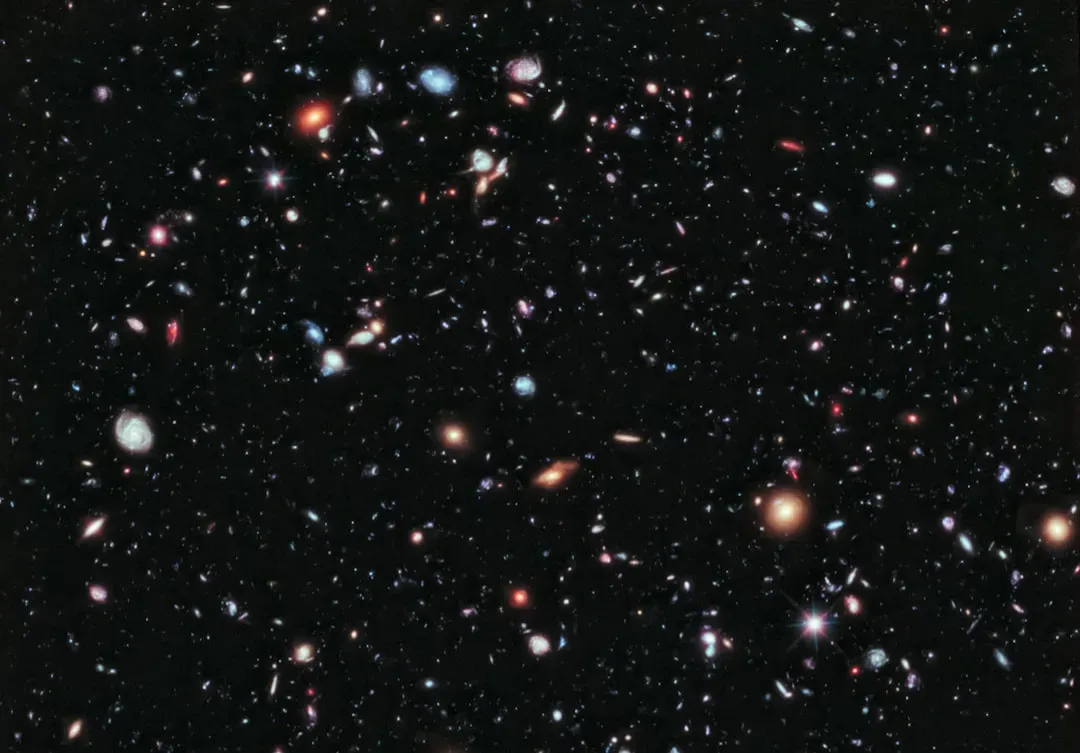
Now take the observable universe, which contains countless galaxies spread across a sphere roughly ninety billion light-years wide. Astronomers estimate there are on the order of one hundred to four hundred billion galaxies, and each typical galaxy holds many hundreds of billions of stars. Multiply that out and you get numbers around ten to the twenty-second or ten to the twenty-fourth stars, which means the stars probably outnumber Earth’s grains of sand by a comfortable margin.
How Astronomers Actually Count the Uncountable
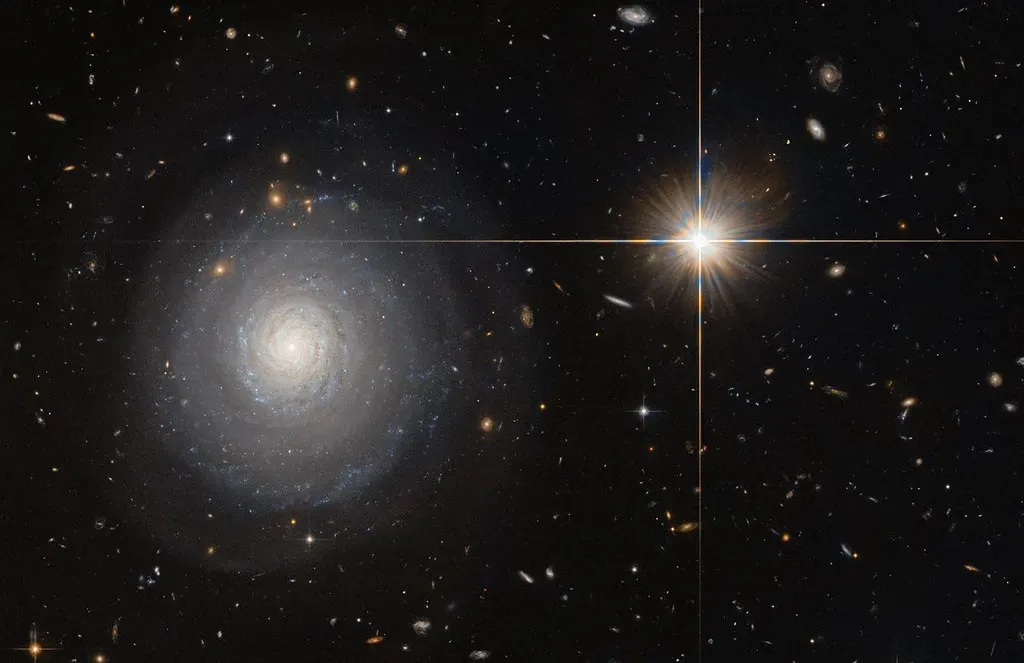
Astronomers don’t have a cosmic abacus where they tick off stars one by one. Instead, they sample patches of the sky using deep observations from telescopes like Hubble, the James Webb Space Telescope, and large ground-based observatories. By looking at how many galaxies appear in a tiny area and how bright they are, they can statistically infer what the full sky might contain if you scaled that patch up.
Something similar happens inside individual galaxies. We can’t count every star in the Milky Way directly, but by measuring the galaxy’s total mass, the distribution of stellar types, and the light output, astronomers can estimate how many stars are likely there. It’s like walking into a crowded stadium: you don’t count every head, but you can look at how many people fill a section and extrapolate to the whole arena.
Why the Sand vs. Stars Comparison Still Shocks Us
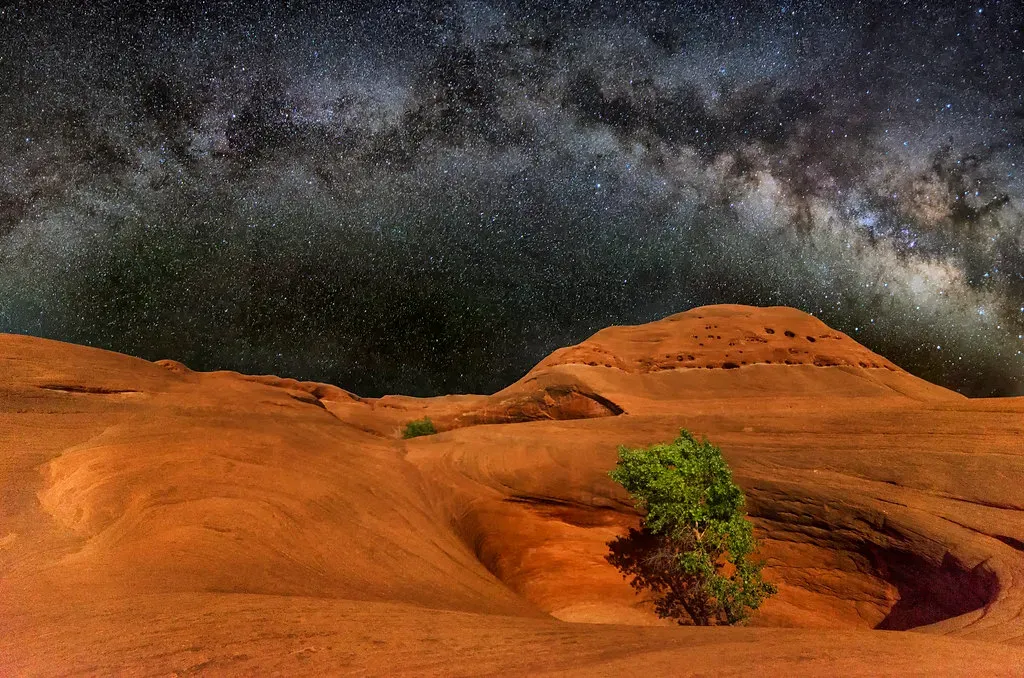
The reason this comparison hits so hard is because sand feels like a symbol of “too many to count” in everyday life. You can see, touch, and even get annoyed by it, but you know deep down you’ll never individually count the grains on even a small patch of beach. It represents a limit to what human intuition can comfortably process.
When scientists say the universe has even more stars than that, it instantly exposes the gap between our everyday scale and the cosmic one. Our brains are wired for village-sized problems, not universe-sized numbers, so we instinctively underestimate anything beyond what we can see and touch. The stars-versus-sand image acts like a bridge between those two worlds, turning raw, alien numbers into something you can picture in your hand.
The Milky Way: Our Tiny Neighborhood in a Vast Ocean
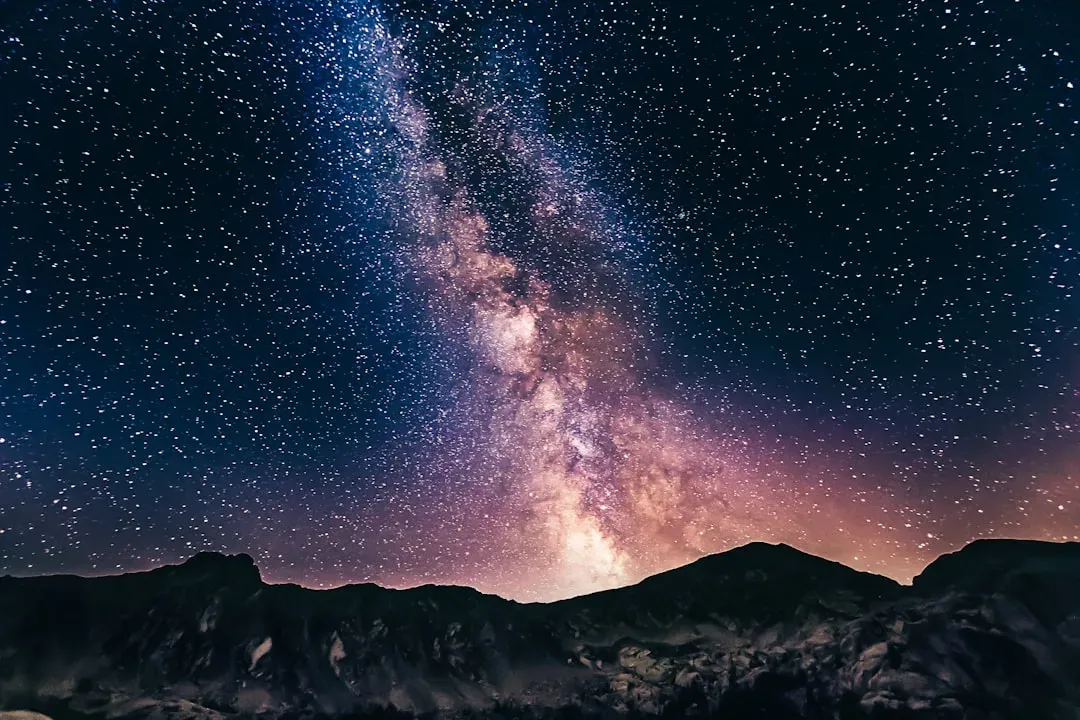
Zooming in for a second, our home galaxy, the Milky Way, is already enormous by human standards. Astronomers estimate it holds somewhere in the neighborhood of a few hundred billion stars, spread across a disk about one hundred thousand light-years wide. If the Sun were the size of a grain of sand, the Milky Way would still be a sprawling disk many kilometers across.
Yet, compared with the entire observable universe, the Milky Way is just one average city of stars among billions of others. It’s a bit like living in a decent-sized town and then discovering that not only are there countless other towns, but also colossal megacities stretching farther than you can imagine. Realizing our galaxy is only a tiny tile in the cosmic mosaic is both humbling and strangely comforting.
Cosmic Scale vs. Human Life: Why It Feels So Unreal
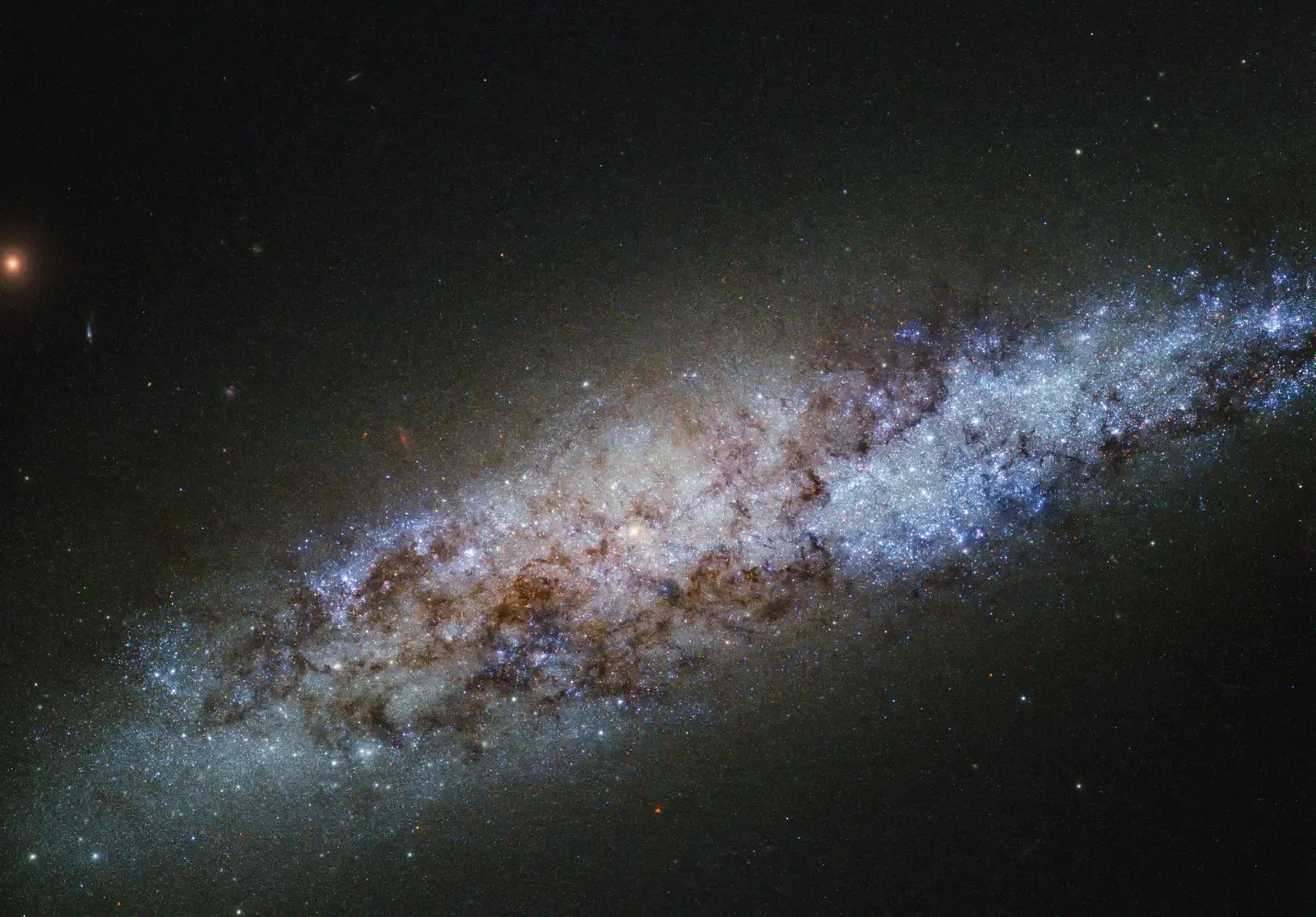
On human scales, a million already feels huge: a million dollars, a million people at a big event, a million seconds. But a million seconds is only about twelve days, which suddenly doesn’t feel that long. Once you start climbing to billions, trillions, and beyond, the numbers balloon so fast that our usual reference points fall apart completely.
The number of stars in the universe lives so far out on that ladder that it stops behaving like a “quantity” in any normal sense. It becomes almost like a texture of reality, a background fact that is simply too enormous to visualize. This is why comparisons to sand, droplets of water, or even cells in your body are helpful: they are little anchors we throw into an ocean that is too deep to see the bottom of.
Why This Comparison Matters More Than It Seems
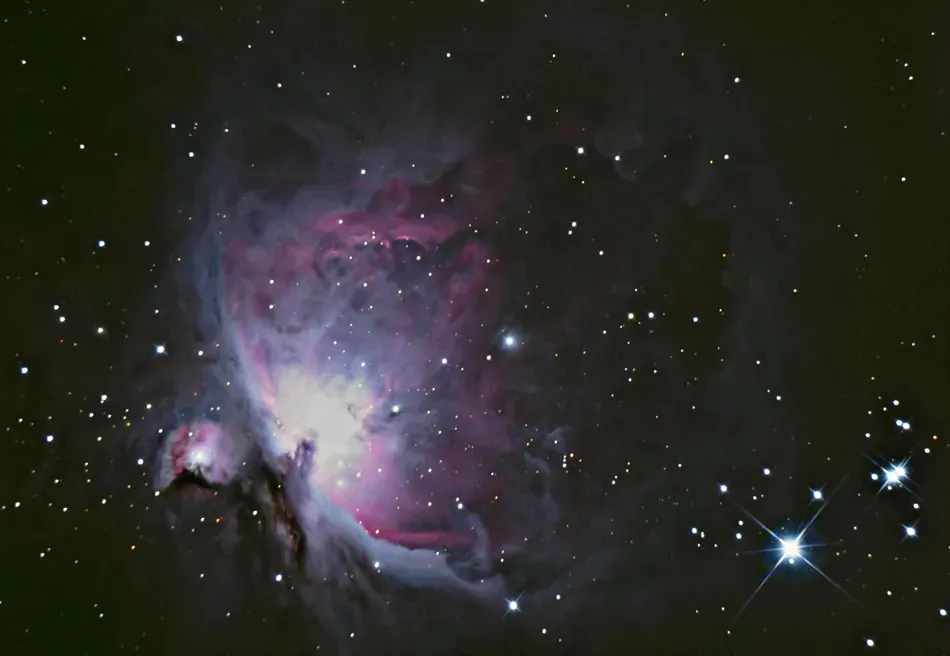
At first glance, saying there are more stars than grains of sand sounds like a fun party fact and nothing more. But tucked inside that idea is a deeper realization about how staggeringly rich and varied the universe must be. If there are that many stars, and a significant fraction of them have planets, then the number of possible worlds out there becomes unimaginably large.
This doesn’t prove that life exists elsewhere, but it does make our planet feel less like a cosmic exception and more like one of many chances the universe has had to try out complexity. For me, this idea takes the edge off the feeling of insignificance; it suggests we’re part of a vast experiment in matter organizing itself into something curious enough to look back at the stars and ask how many there are.
From Beach to Cosmos: A New Way to Look at the Sky
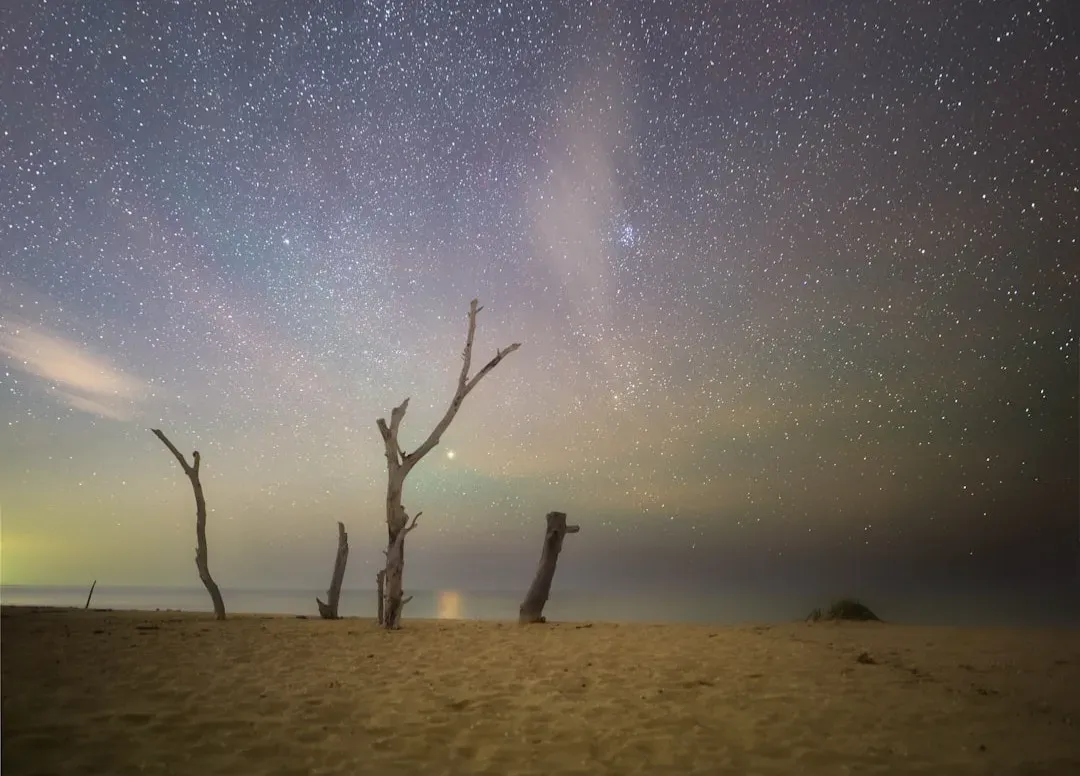
The next time you’re at the shore, try this small mental exercise: grab a pinch of sand and imagine each grain as an entire star system, maybe with its own planets, moons, and who knows what else. Then remember that your pinch doesn’t even scratch the surface of that beach, and that beach is only one among uncounted others on Earth. It’s a quiet, almost private way to feel connected to something larger than your daily routine.
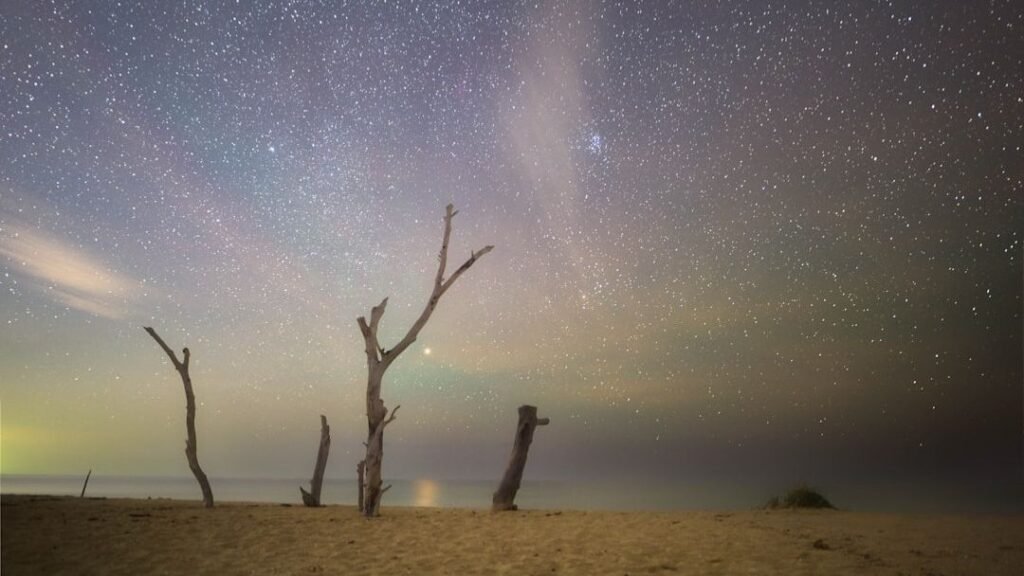
Later, when you step outside on a clear night and look up, you’ll know that the few thousand stars you can see with your eyes are just the tiniest glitter at the edge of a truly colossal storm of light. The stars do not become less beautiful when you realize how many there are; if anything, they become more miraculous because you understand how rare it is that you’re here, on this grain of rock, able to notice them at all.