
Picture holding a pinch of sand between your fingers on a beach. Now imagine every beach on the planet, every desert, every hidden patch of sand at the bottom of the ocean. It already feels impossible to count. Yet astronomers now think the universe holds even more stars than all those grains of sand combined, scattered across space on a scale that almost breaks the human brain.
That comparison isn’t just a poetic line people toss around to sound deep. It’s rooted in real attempts to estimate both the number of grains of sand on Earth and the number of stars in the observable universe. The result is so lopsided in favor of the stars that it silently changes how you look up at the night sky, and maybe how you think about your own place in everything.
The Mind-Bending Numbers Behind Stars and Sand
The claim that there are more stars than grains of sand sounds like an exaggeration at first. Sand is everywhere: beaches, dunes, riverbanks, construction sites, and even the dust under your bed is full of tiny grains. If you took one handful of beach sand, you’d already be dealing with billions of individual grains, far beyond what you could ever count out one by one.
Geologists and mathematicians have taken stabs at the total number of grains of sand on Earth by estimating average grain size and the total volume of sandy areas. Their rough answers typically land around a number followed by about eighteen or nineteen zeros. Astronomers, looking outward instead of downward, estimate that the observable universe holds a number of stars with about twenty-two or twenty-four zeros. It is not even close; the universe wins by a huge margin.
How Astronomers Actually Count the Uncountable
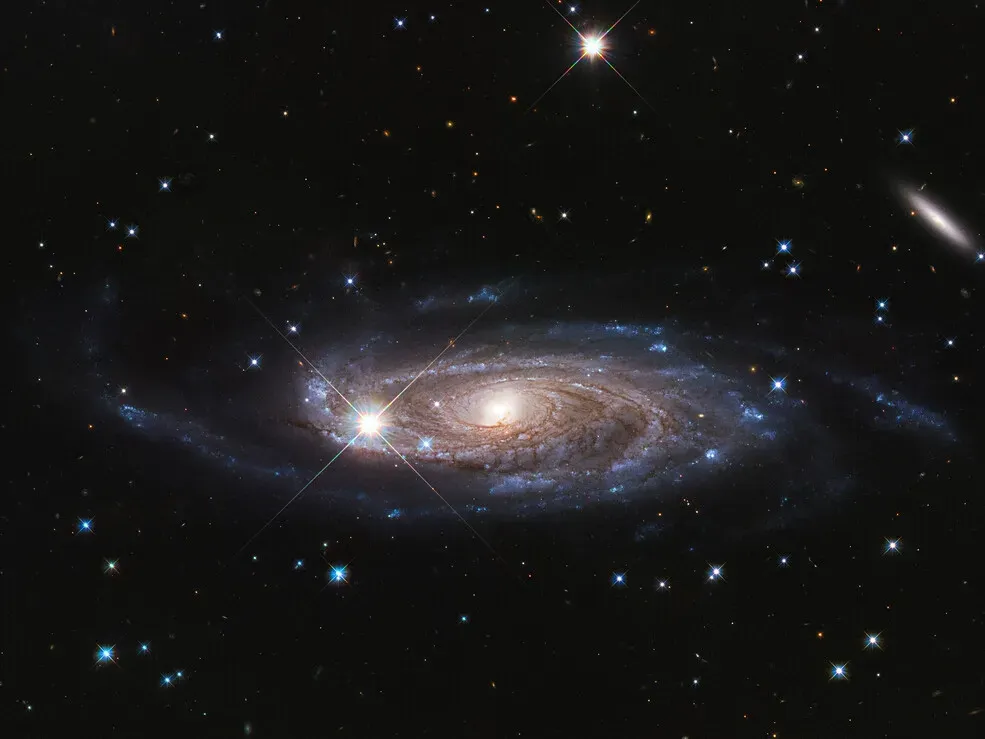
No one is literally counting stars one by one with a cosmic clicker. Instead, astronomers work a bit like people trying to estimate the crowd size at a massive concert. You carefully count how many people are in one small section, then multiply by how many similar sections you can see. With stars, that “section” might be a small area of sky studied in detail with powerful telescopes.
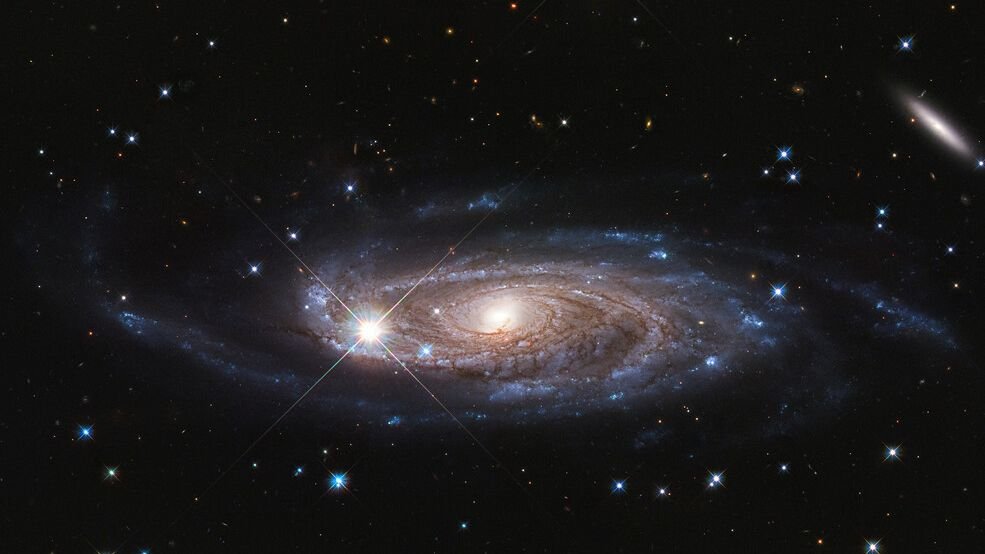
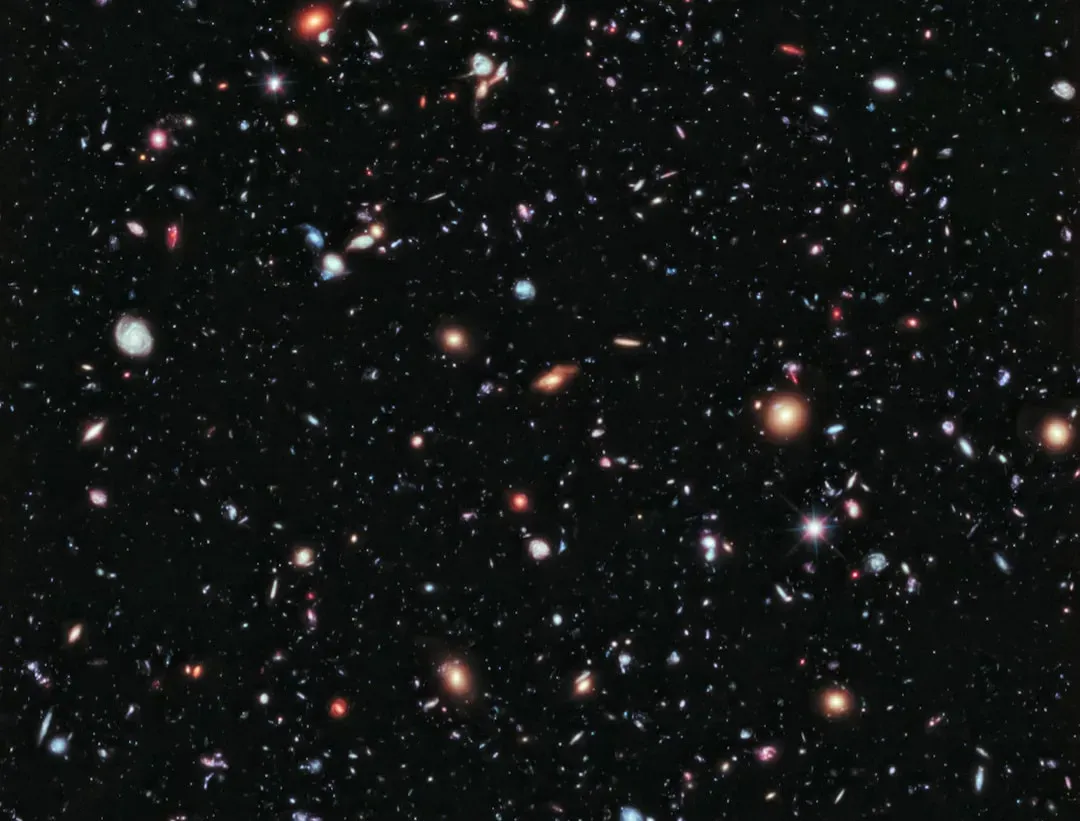
One famous technique involved staring at what looked like an empty patch of sky for many hours and letting the telescope soak in as much light as possible. What showed up was not empty at all, but packed with distant galaxies. Each galaxy contains hundreds of billions of stars, and there are billions of galaxies in the observable universe. When you start multiplying those kinds of numbers together, stars quickly swamp any sandpile Earth can offer.
The Observable Universe vs. Everything Beyond
There’s a quiet but important word hidden in all these estimates: observable. When scientists talk about how many stars are out there, they mean only those within the region of space from which light has had enough time to reach us since the universe began. Anything farther away is still invisible to us, not because it isn’t there, but because its light hasn’t arrived yet.
This means the already ridiculous star count might only be part of the true picture. The universe beyond what we can see could be far larger, maybe even infinite, holding countless more galaxies and stars. So when you hear that stars outnumber grains of sand, remember that the comparison only uses the slice of the universe we can currently observe. The real ratio might be even more extreme than we can realistically imagine.
Why Grains of Sand Are a Perfect Cosmic Metaphor
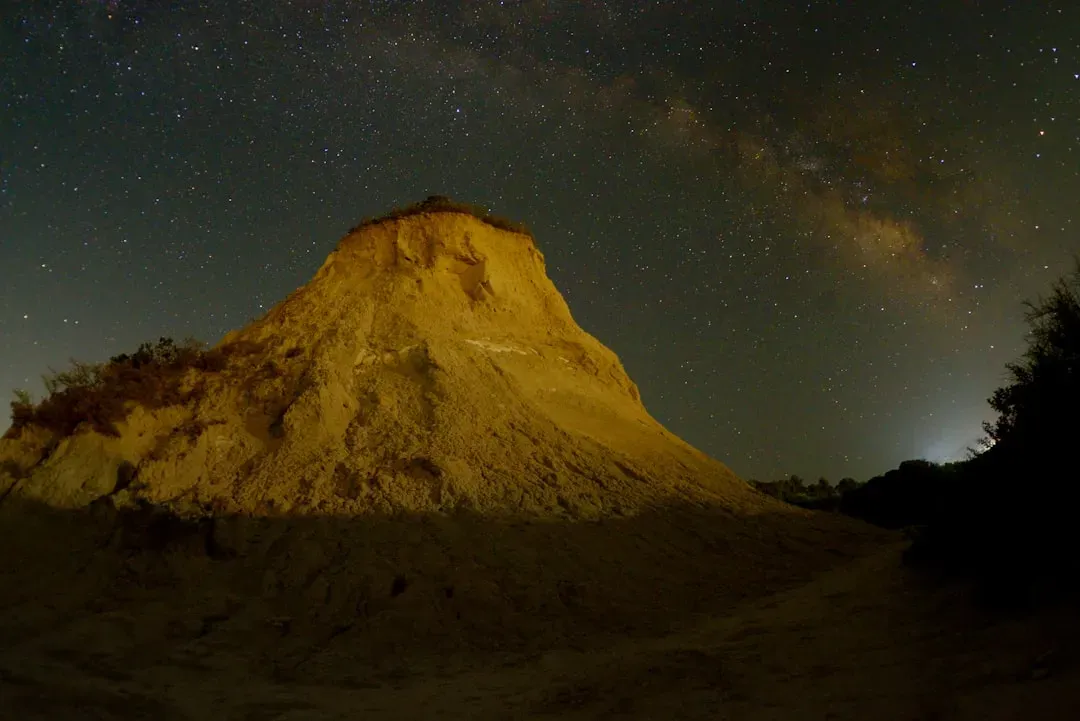
Comparing stars to grains of sand grabs people because sand is so ordinary and tactile. You can feel it in your hands, get it stuck between your toes, watch it slip through your fingers. Each grain is small, almost insultingly insignificant on its own, yet together they build beaches, dunes, and whole coastlines that shape where we live and how we travel.
Stars work the same way at a very different scale. A single star, like our sun, is impressive enough, holding planets in orbit and powering entire climates. But when you step back and look at them collectively, they form vast galaxies, clusters, and filaments of cosmic structure. Sand is our down-to-earth training tool for understanding what “uncountable” really looks like before we apply the idea to the sky.
What This Means for Our Place in the Cosmos
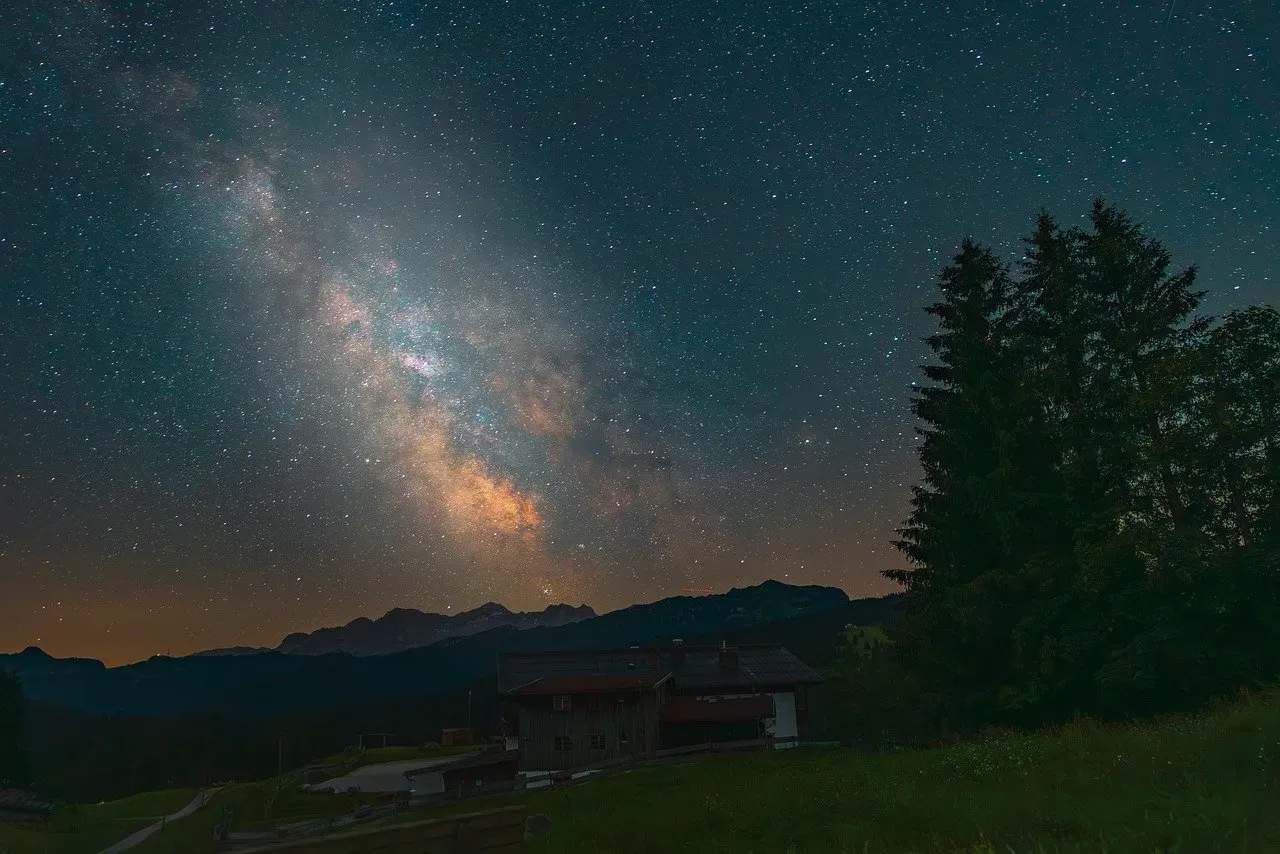
Realizing that stars outnumber grains of sand can be a little unsettling. It shrinks us, at least in our own heads, from main characters into something closer to background extras in a movie so huge we can’t see the edges of the screen. Our planet becomes a speck circling an average star in an unremarkable galaxy, and that galaxy is only one among billions of others.
But there’s a flip side to that feeling. In all of that immensity, we’re part of the tiny sliver of the universe that can look back at itself and ask what it all means. Out of more stars than sand grains, we’re on a world where matter learned to think, argue about coffee temperatures, and point telescopes at the sky. That contrast between our smallness and our ability to understand is part of what makes this comparison so haunting and beautiful.
Stars, Planets, and the Question of Other Life
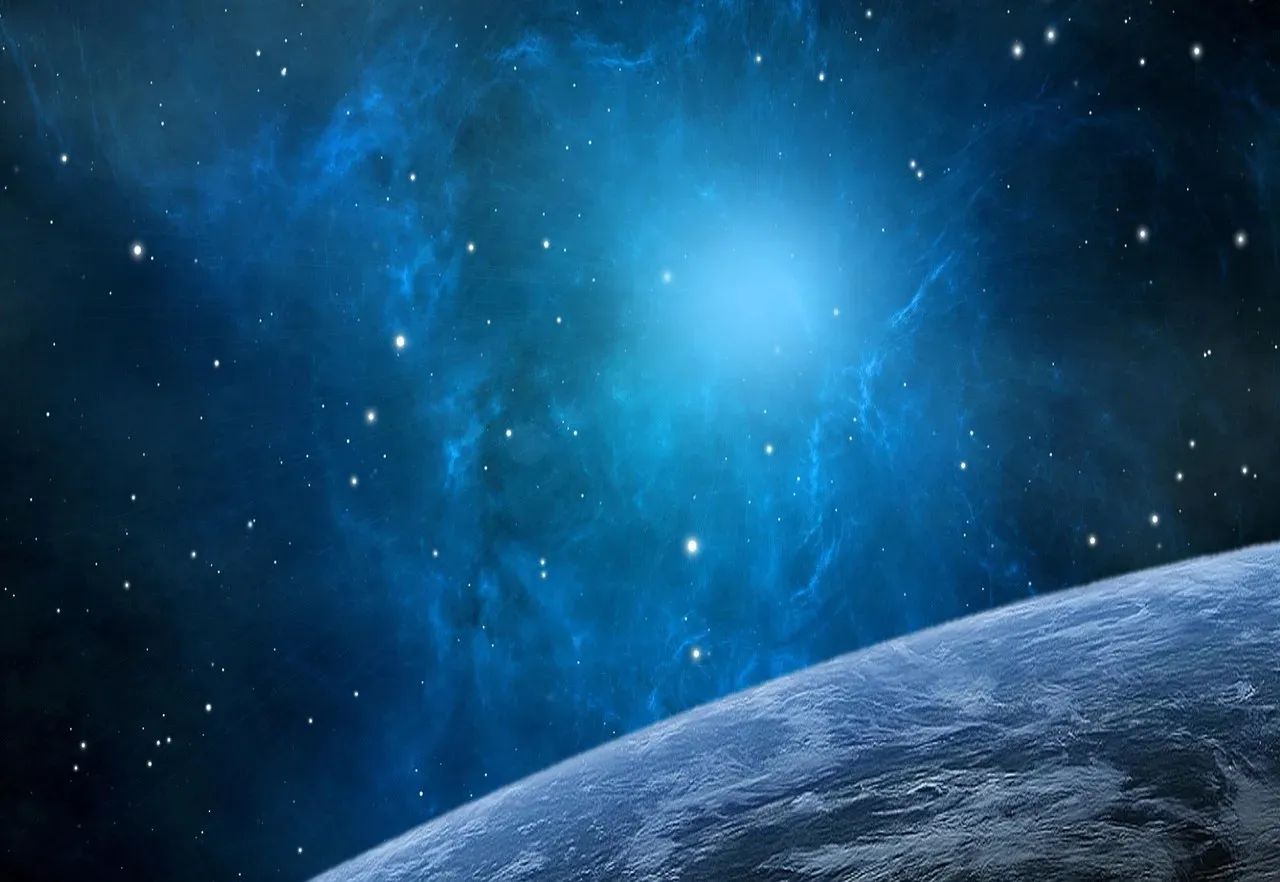
If there are more stars than grains of sand, it’s natural to jump straight to the next question: how many of those stars have planets, and how many of those planets might host life? Observations over the last couple of decades strongly suggest that most stars have at least one planet, and many have whole families of them. That means we are dealing with staggering numbers of worlds, not just stars.
Only a fraction of those planets will sit in the right zones for liquid water or have the conditions we think life might need. Still, even a tiny slice of an astronomically huge number is still huge. The sand-versus-stars idea quietly hints that it might be stranger to imagine we are the only life in the universe than to imagine there are others, even if we never meet them.
How This Changes the Way We Look Up
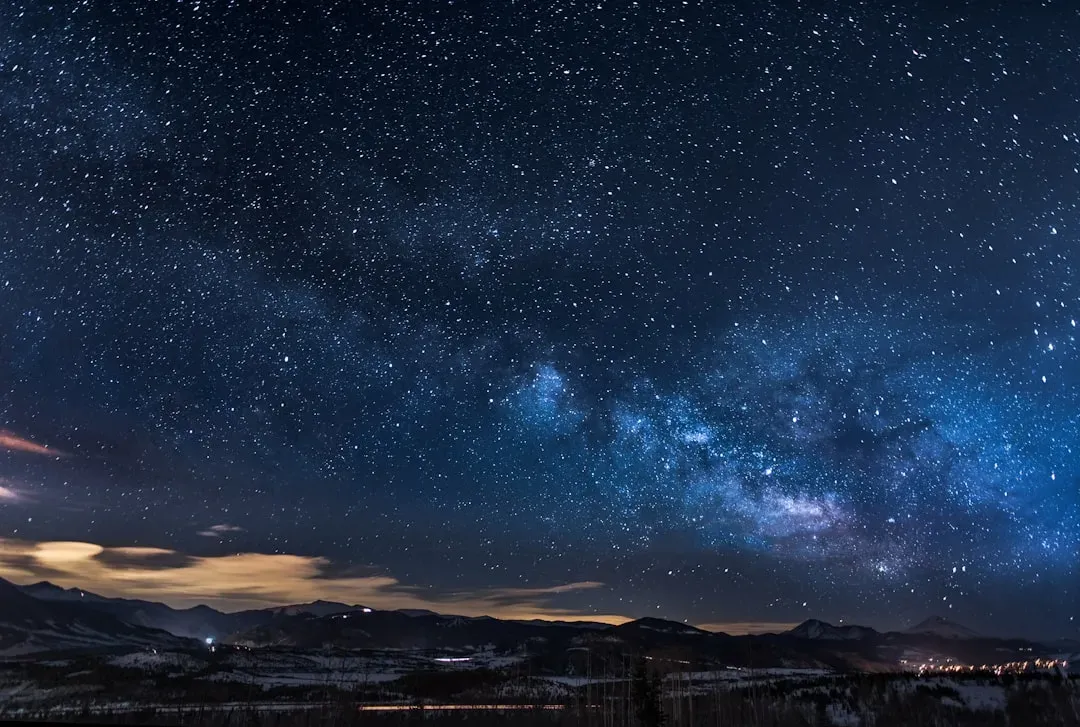
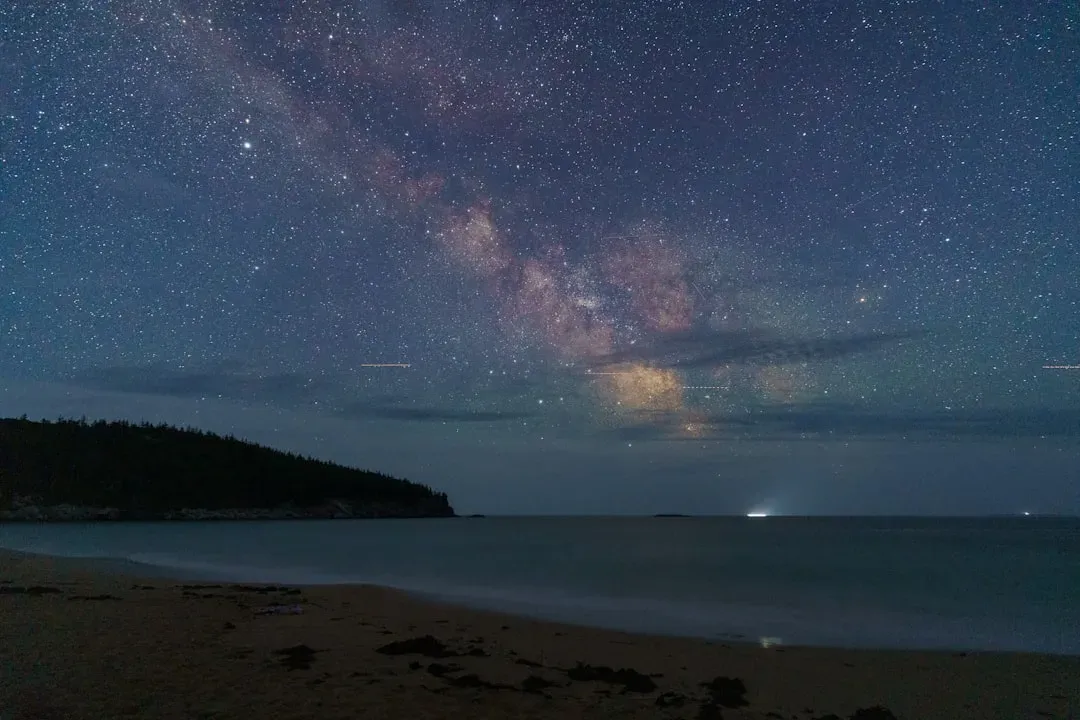
Once you’ve heard the stars-and-sand comparison, it is hard to unhear it. The night sky stops being just a backdrop of random points of light and becomes a hint of a population so large it slips past what language can comfortably describe. Even if you live in a city where light pollution hides most of the stars, the few you can still see are just the nearest dots on a vast, hidden page.
For some people, that realization sparks awe; for others, it may stir up a kind of quiet existential vertigo. Either reaction is honest. What matters is that it nudges you to look a little longer, to sit with the idea that you are on a small world orbiting one star among a number that leaves sand in the dust. In a universe that crowded with suns, the fact that you’re here at all, able to think about it, is its own strange kind of miracle.
Holding the Cosmos in a Handful of Sand
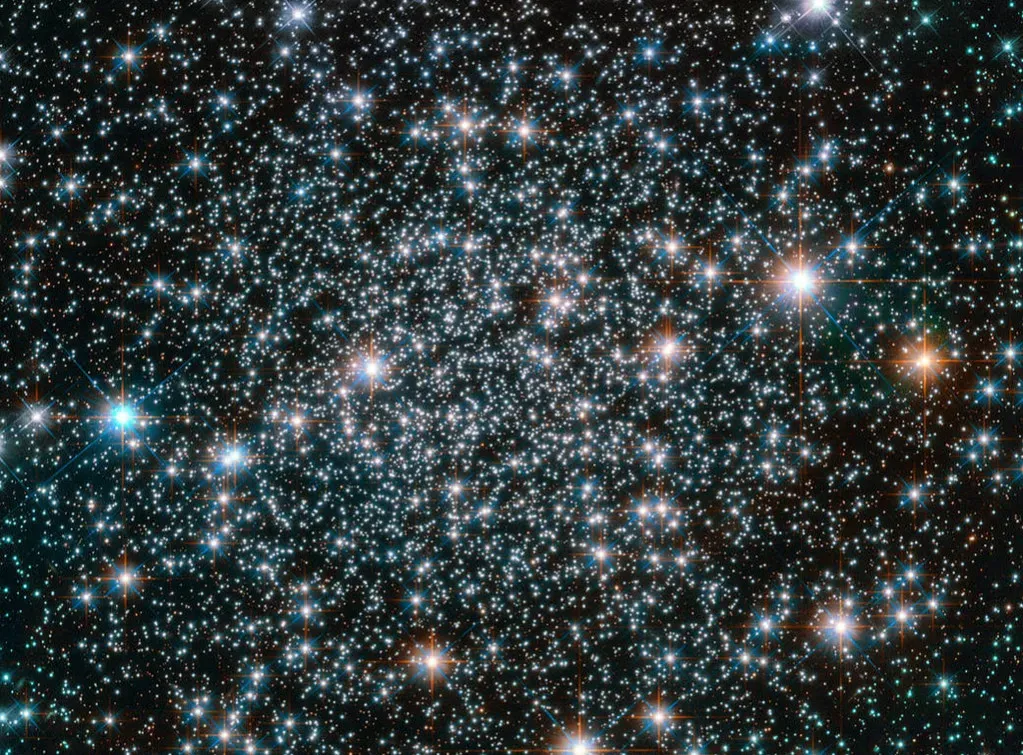
The idea that forces us to confront the true scale of reality. Careful estimates of both sand and stars show that the universe wins by a wide margin, and that’s just considering the part we can see. Beyond the limits of our telescopes, there may be even more galaxies and stars, extending the comparison far beyond what we can comfortably imagine.
Using sand as a metaphor helps bring those dizzying numbers back down to something we can feel and picture, while also reminding us how small and yet how strangely privileged we are. We live on a single planet circling a single star in a universe overflowing with others, and still we’ve managed to notice, measure, and wonder about it. Next time you feel sand slip through your fingers or catch a glimpse of the night sky, will you see it the same way?