Scientists map nature in webs, not horoscopes, yet the old zodiac offers a surprisingly handy metaphor for understanding who hunts, who hides, who cleans up, and who cooperates. Think of it as a storytelling scaffold laid over trophic science, a way to remember the roles that keep ecosystems alive without pretending the constellations pull any strings. s are really networks, and those networks hinge on energy flow, timing, and behavior that we can translate into archetypes. When we visualize predators, prey, scavengers, and symbiotic partners through this lens, patterns jump into focus with fresh clarity. That clarity matters in a warming, crowded world where every misread relationship can tip a system toward collapse.
Predators at the Top: Fire Sign Archetypes
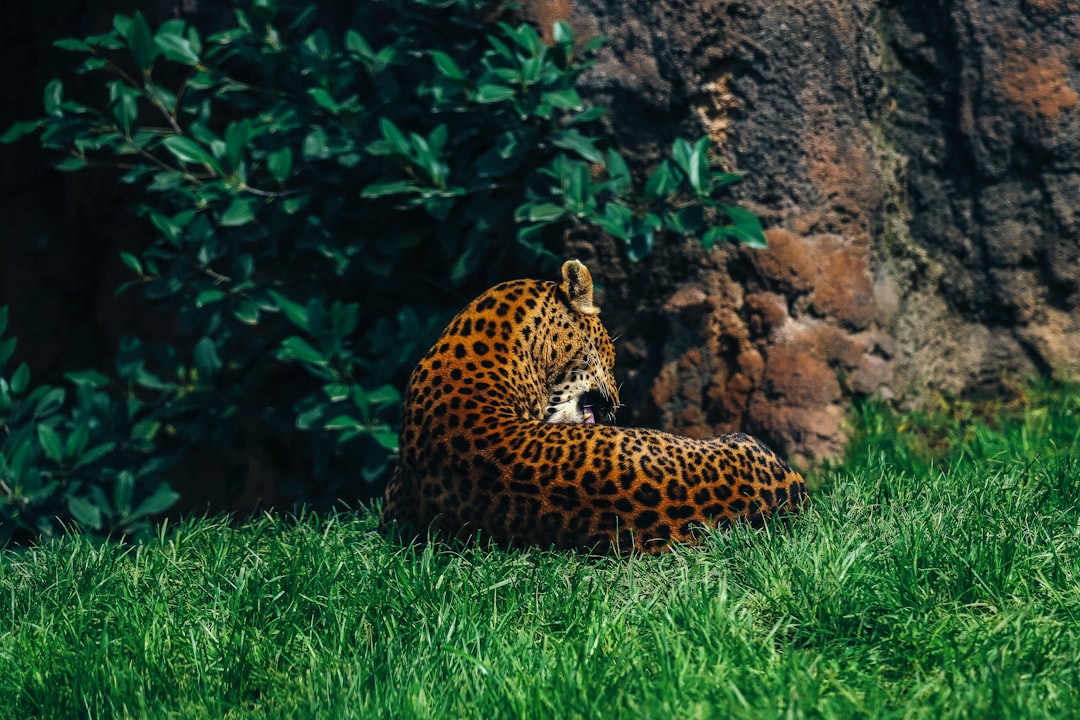
What happens when the apex disappears and the entire web trembles? Predators – our imagined “fire constellations” – concentrate energy, shape behavior, and trigger ripple effects known as trophic cascades. Wolves changing where elk graze or sharks influencing where reef fish shelter are classic examples of top-down control that rewrites landscapes and seascapes.
In science-speak, predators modify both abundance and fear, shifting prey movement and feeding times in ways that reorganize communities. Their influence is not only about teeth; it is also about signals, cues, and learned avoidance that reverberate through lower levels. Picture these roles as bright, heat-giving stars: they are rare, powerful, and stabilizing when present, but dangerously missed when gone.
Prey and Grazers: Earth Sign Archetypes
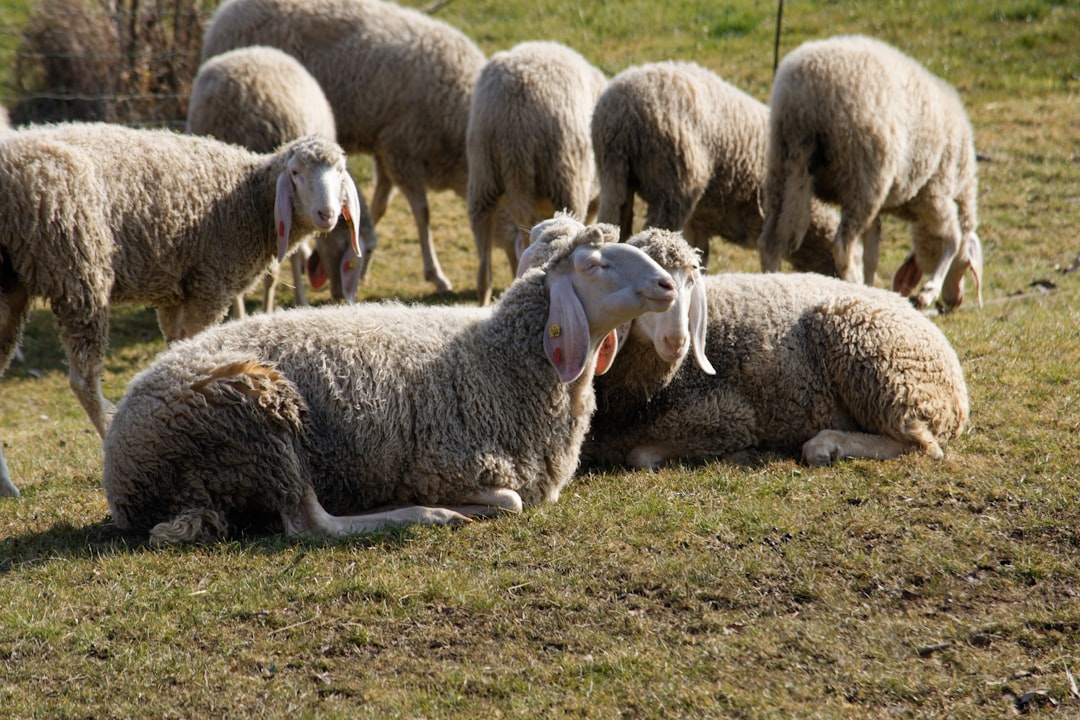
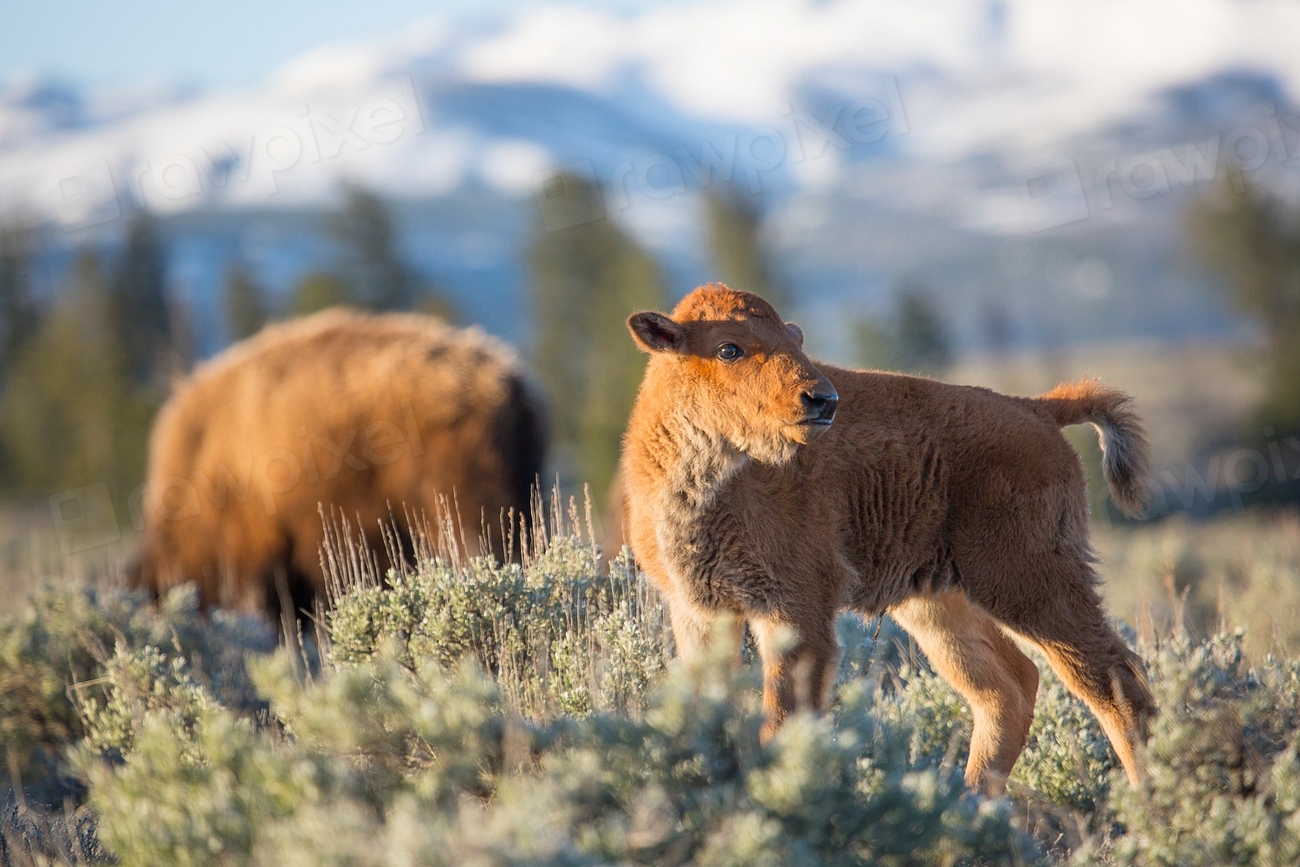
If predators are sparks, herbivores and small omnivores are the steady embers that keep ecosystems burning. They convert sunlight captured by plants into animal energy, shaping vegetation height, seed dispersal, and nutrient cycling. Remove or overstuff this tier and you watch systems swing from brushy thickets to barren grounds.
Ecologists track these roles with camera traps, dung counts, and stable isotopes that trace what gets eaten and when. Prey are not passive; they choose safer paths, shift feeding schedules, and huddle in groups to rebalance risk. Their quiet, constant decisions – like farmers tending fields – decide how much green remains for tomorrow.
Scavengers and Recyclers: Air Sign Archetypes
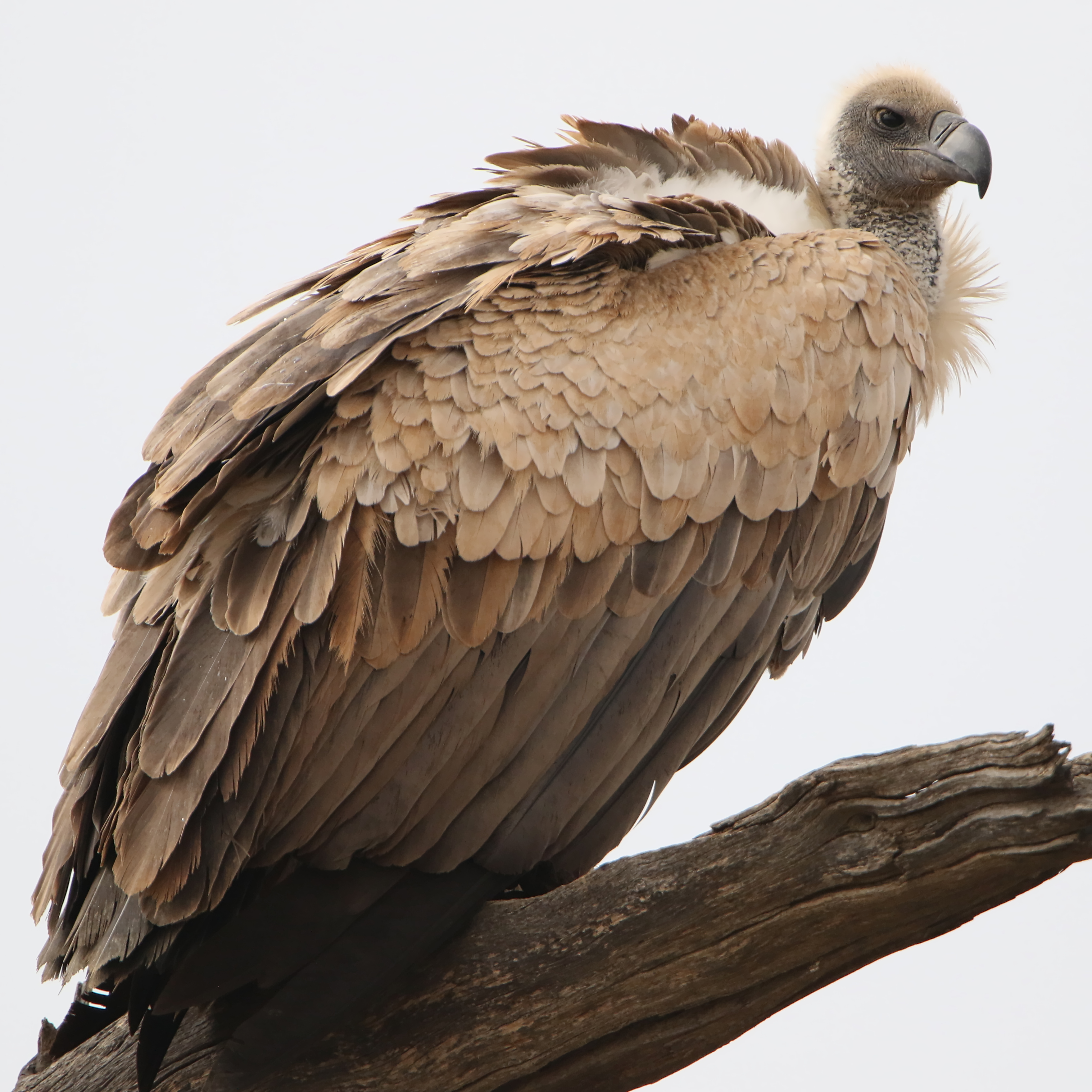
Scavengers are the information brokers of the food web, arriving quickly, departing quietly, and leaving disease risk lower than they found it. Vultures, crabs, beetles, and microbes turn carrion into nutrients, closing the loop that predators and prey open. I once watched a pair of black vultures find a road-killed deer faster than I could reach my camera; the cleanup was both clinical and oddly graceful.
Carrion ecology is fast, competitive, and stunningly efficient, with scent plumes acting like public announcements to whoever can read them first. Scientists map these races with GPS tags, temperature loggers in carcasses, and experiments that measure how quickly nutrients return to soil. Think of scavengers as cool winds: invisible until they move the air, essential because they keep it moving.
Partners in Balance: Water Sign Archetypes
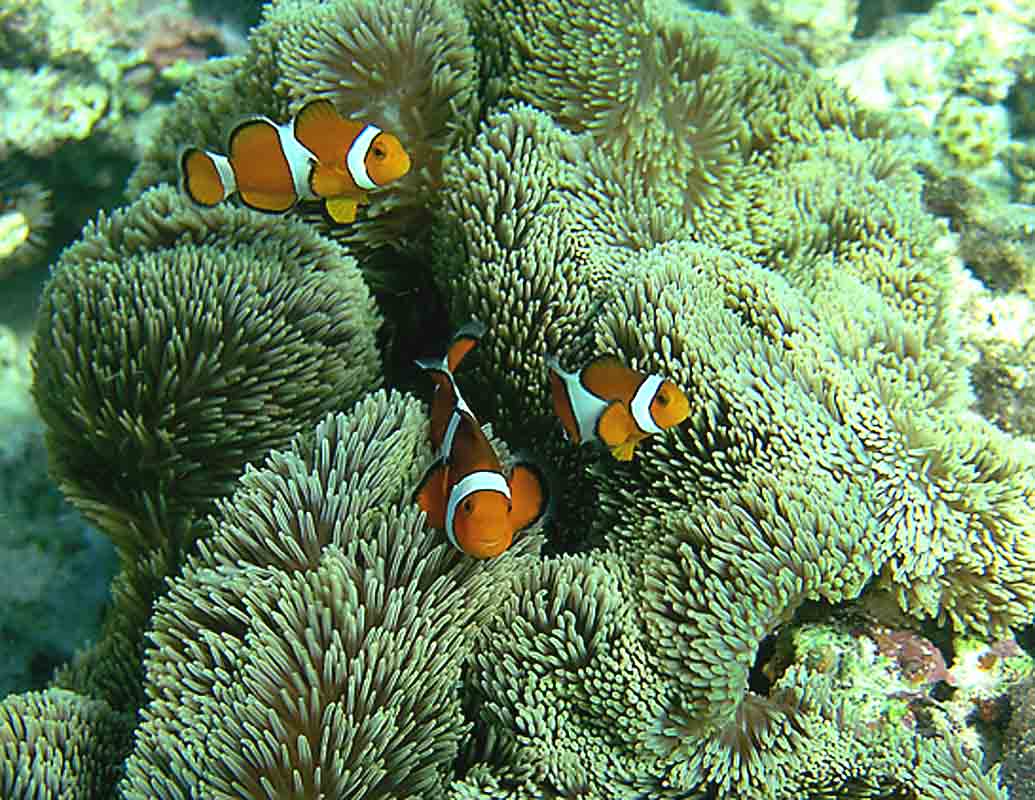
Mutualists and symbionts knit the web together, exchanging services like currency in a busy market. Cleaner fish remove parasites from larger clients, mycorrhizal fungi feed trees in return for sugars, and pollinators shuttle genes across landscapes. Every partnership adds resilience, distributing risk and smoothing shocks from storms, droughts, or disease.
These alliances are tested by timing mismatches – flowers blooming earlier than pollinators arrive – or by habitat loss that severs ancient routes. Researchers watch for these fractures with phenology records, acoustic monitoring of insect activity, and eDNA that reveals who is present even when eyes fail. Water is a fitting symbol here: these ties flow, redistribute, and refill, keeping ecosystems from running dry.
From Ancient Tools to Modern Science
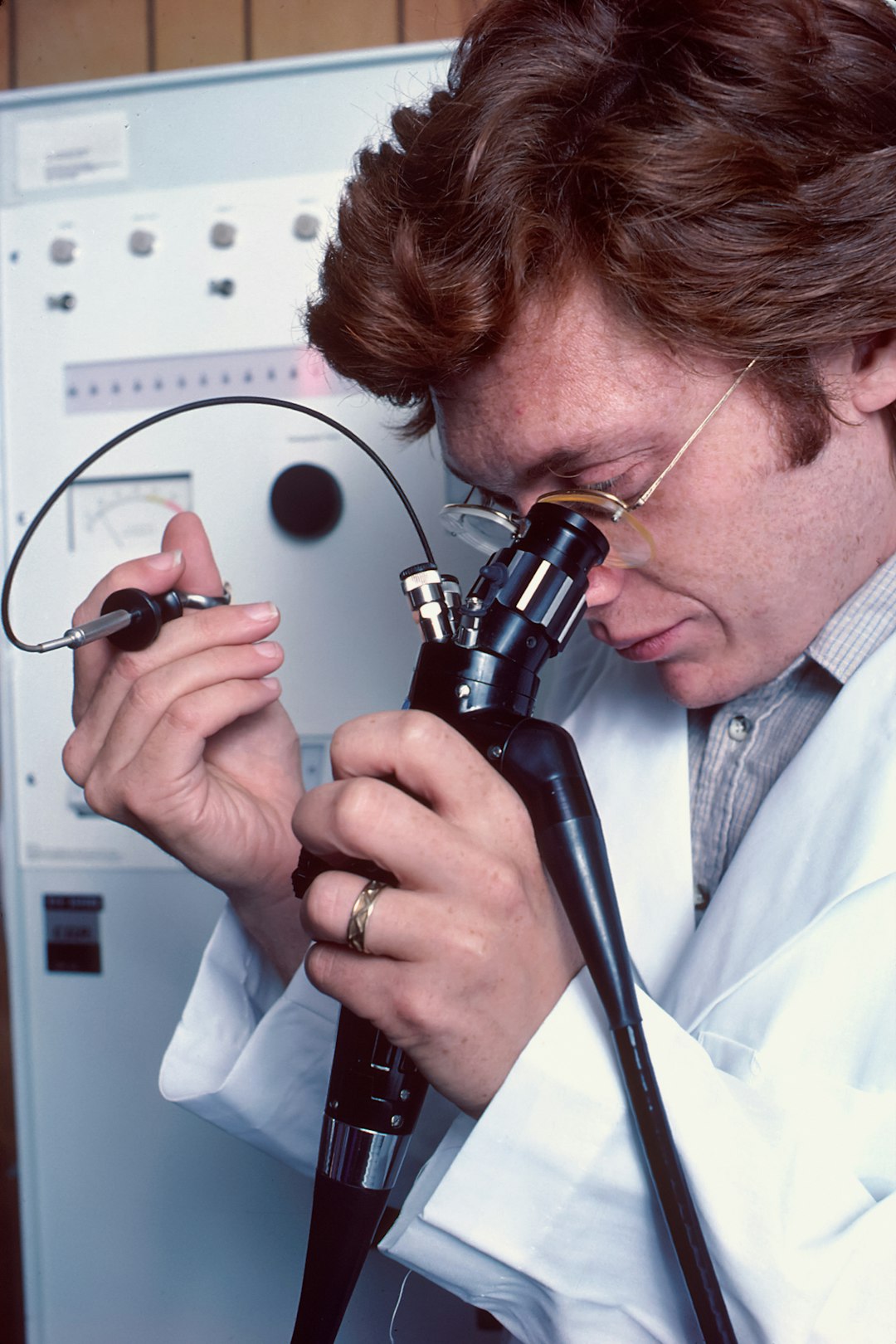
The zodiac lens is metaphor, but the measurements are concrete: scientists parse diets with stable isotopes of carbon and nitrogen, reconstruct networks with Bayesian models, and confirm species presence with environmental DNA. Bio-logging collars, accelerometers, and satellite tags now trace movement like heartbeats, showing daily decisions that once remained invisible. Remote sensing layers in canopy height, productivity, fire scars, and marine heat anomalies to predict when roles will stretch or snap.
Field experiments still anchor the work – exclosures that keep herbivores out, carcass placement trials, and controlled removals that test causation rather than correlation. When those results meet machine learning, patterns emerge: who moves first after rain, who shifts range after heat waves, and which nodes keep the whole web from unraveling. The more precisely we measure, the more clearly each archetype’s job comes into focus.
Why It Matters
Conservation often stalls on complexity, and metaphors can cut through the noise without dumbing down the science. Policymakers remember stories, not spreadsheets, and a clear archetype can make a budget case for predators, grazers, cleaners, or partners in a single breath. Traditional wildlife plans leaned heavily on headcounts; modern strategies protect roles, interactions, and the corridors that let those roles continue.
Managing for function – keeping a scavenger guild fast, a pollinator network connected, an apex presence real – guards against surprises. It also diversifies our bets, since redundancy among species cushions shocks when one actor falters. In a world of shifting baselines, saving jobs in the web may be the most reliable way to save the web itself.
The Future Landscape and Global Perspectives
Climate change is turning the dials on timing, temperature, and movement, forcing roles to migrate, overlap, or collide. Marine heatwaves push predators into new fisheries, drought compresses herbivores around dwindling waterholes, and urban edges give scavengers a night-lit highway. Each shift rewires who meets whom, and whether that meeting ends in a chase, a cleanup, or a handshake.
Next-generation tools are arriving fast: real-time animal telemetry tied to satellite dashboards, AI that flags early-warning behavior changes, and eDNA samplers on drones that map biodiversity like weather. Global collaborations will matter, because migrations cross borders even when policies do not. The challenge is simple to state and hard to do: keep the roles intact while the stage itself moves.
Conclusion
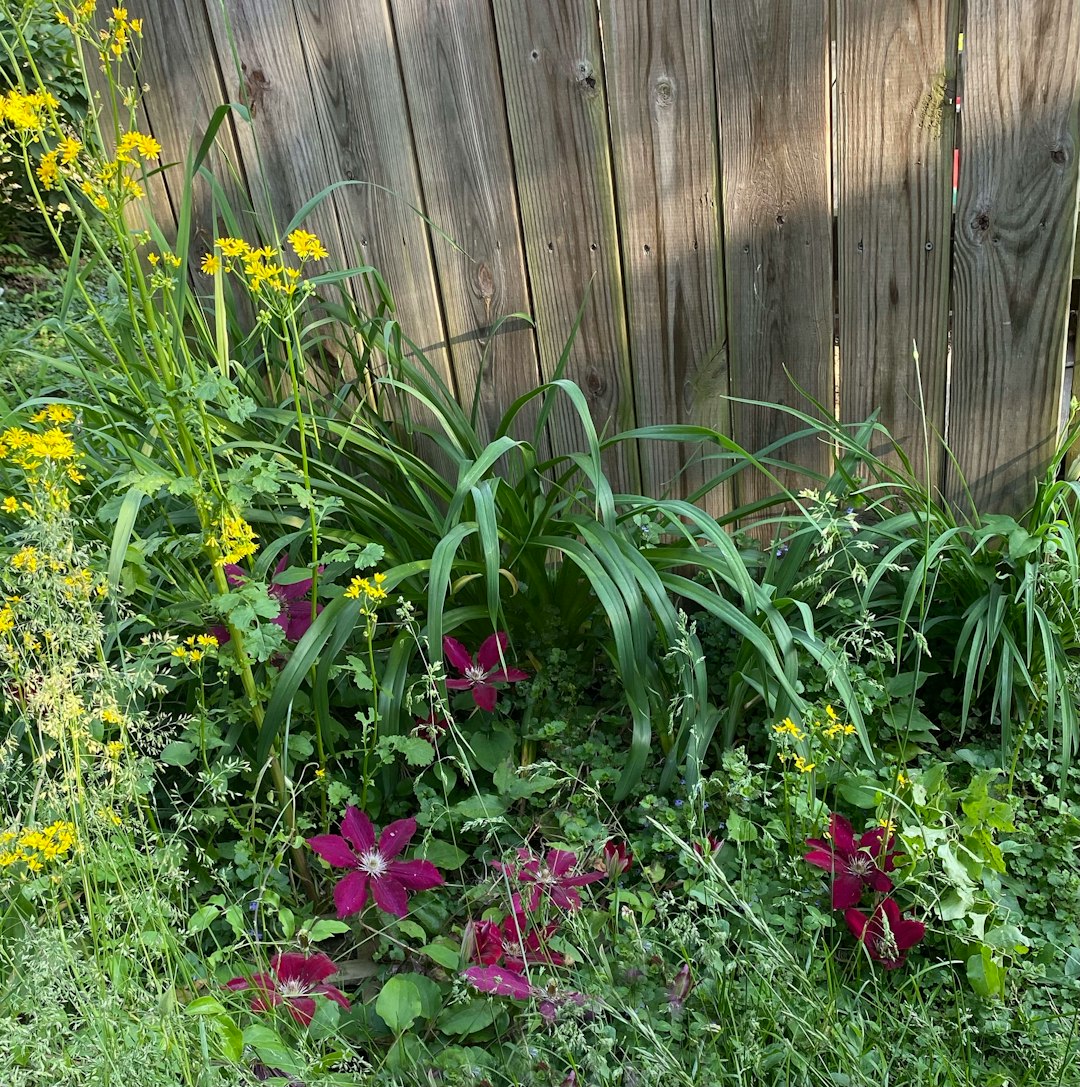
Start small and local, because food webs begin in backyards and street trees. Plant native species that feed herbivores and pollinators, secure trash to reduce risky scavenging, and support corridors that let predators and prey move without conflict. Citizen science platforms turn casual sightings into real data, and community meetings decide whether a creek becomes a corridor or a culvert.
Back the projects that protect roles, not just names: land trusts that stitch habitat, fisheries that guard spawning windows, and research that tracks interactions, not only individuals. Most of all, sharpen your questions – ask what job a species does before you ask how many are left. If we protect the jobs, we protect the future.
Suhail Ahmed is a passionate digital professional and nature enthusiast with over 8 years of experience in content strategy, SEO, web development, and digital operations. Alongside his freelance journey, Suhail actively contributes to nature and wildlife platforms like Discover Wildlife, where he channels his curiosity for the planet into engaging, educational storytelling.
With a strong background in managing digital ecosystems — from ecommerce stores and WordPress websites to social media and automation — Suhail merges technical precision with creative insight. His content reflects a rare balance: SEO-friendly yet deeply human, data-informed yet emotionally resonant.
Driven by a love for discovery and storytelling, Suhail believes in using digital platforms to amplify causes that matter — especially those protecting Earth’s biodiversity and inspiring sustainable living. Whether he’s managing online projects or crafting wildlife content, his goal remains the same: to inform, inspire, and leave a positive digital footprint.