
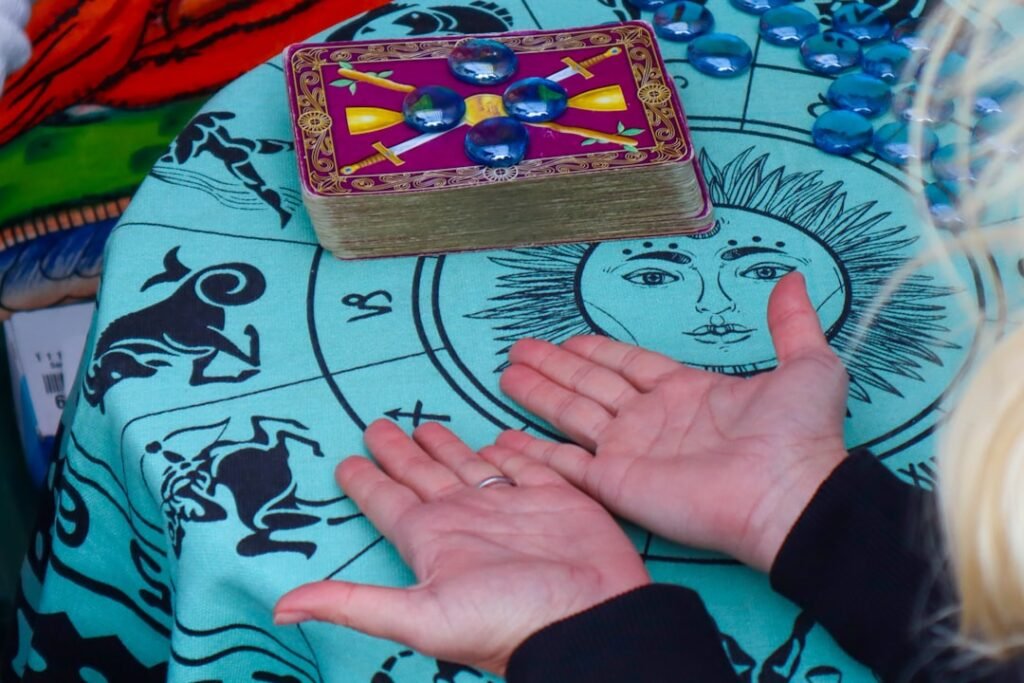

You’ve likely glanced at your horoscope at least once, maybe dismissed it as harmless entertainment, or perhaps found yourself secretly wondering if there might be something more to those cryptic predictions. Yet beneath the surface of what many consider mere superstition lies a fascinating psychological phenomenon that’s quietly reshaping how millions of people understand themselves and make life decisions.
Approximately 30-40 percent of Americans believe in astrology, with 30 percent consulting astrological guidance at least once a year. This isn’t just casual entertainment anymore. Almost three in ten Americans pay monthly for astrological services, with that number jumping to over half among millennials. Something profound is happening here, and it goes far deeper than you might expect.
The Mind’s Hidden Mechanism Behind Astrological Belief
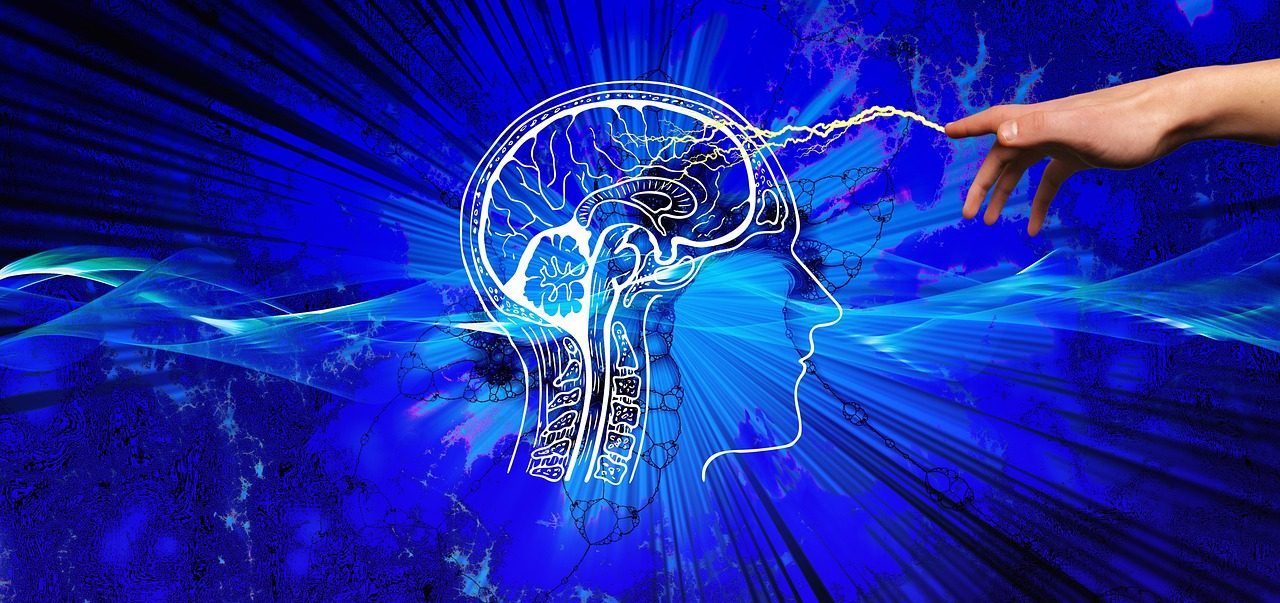
Your brain has a remarkable ability to find personal meaning in the most general statements, and astrology exploits this perfectly. In 1948, psychologist Bertram Forer conducted a classic experiment where he gave identical personality descriptions to 39 psychology students, yet each student rated their “personalized” profile as 4.26 out of 5 for accuracy.
This phenomenon, known as the Barnum Effect, reveals something startling about human psychology. You tend to accept personality descriptions as if they apply specifically to you, even when they’re vague enough to describe almost anyone. Astrology, fortune telling, and even some personality tests exploit this effect by creating statements so vague that you interpret your own meaning into them, sometimes feeling amazed by their accuracy.
The most powerful Barnum statements use phrases like “at times” or “sometimes,” creating broad descriptions that feel personally meaningful. Consider this example: “At times you are extroverted and sociable, while at other times you are introverted and reserved” – who wouldn’t agree with that statement?
How Astrology Rewrites Your Self-Concept

Perhaps the most surprising discovery about astrology’s influence isn’t whether it predicts the future, but how it actually shapes who you become. Research has found that astrology has long-term impacts on your self-concept, potentially influencing your behavior as you incorporate astrological descriptions into how you see yourself.
When people are presented with descriptions of their astrological sun sign alongside an alternative sign, they consistently choose their own sun sign as a better representation of their personality – even when they don’t realize the descriptions are astrological. This suggests something remarkable: astrology doesn’t just reflect who you are; it actively participates in creating who you become.
Though the validity of astrology itself cannot be demonstrated, it may have a profound influence on people’s self-concept through psychological processes like self-attribution and selective self-observation. You begin to notice behaviors and traits that align with your astrological profile while overlooking those that don’t.
The Emotional Pull of Cosmic Guidance

Astrology plays a significant psychological role in shaping emotions, decision-making, and self-perception, enhancing self-awareness and emotional processing while also potentially inducing decision paralysis and anxiety. This dual nature reveals astrology’s complex psychological footprint in your life.
Many Americans find that astrology provides comfort in uncertain times, serving as a reassuring friend for those seeking guidance. During periods of stress, uncertainty, or personal crisis, the appeal becomes even stronger. Interest in astrology is positively correlated with the number of personal crises you’ve experienced, though not necessarily with past traumatic events.
Reading positive astrological forecasts can increase your positive interpretation of ambiguous events, improve cognitive performance, and boost creativity. The psychological benefits aren’t imaginary – they’re measurably real, even if the astrological explanations aren’t scientifically valid.
Cultural Variations in Astrological Impact
Cultural differences significantly influence how astrology impacts mental health, with Western astrology promoting identity exploration but increasing anxiety, while Vedic astrology builds karmic resilience but promotes fatalism. Your cultural background shapes not just what you believe, but how those beliefs affect your psychological wellbeing.
Chinese astrology aids decision-making but can lead to procrastination, while Indigenous astrological traditions integrate spiritual healing with the lowest anxiety levels reported among all astrological systems. This suggests that the psychological impact of astrological belief depends heavily on the cultural context and specific traditions you engage with.
The way astrology integrates into your cultural identity matters enormously. Some traditions emphasize personal empowerment and growth, while others focus on acceptance of predetermined fate. These different approaches create vastly different psychological outcomes for believers.
The Intelligence Paradox in Astrological Belief
Intelligence and education significantly influence belief in astrology, with participants scoring lower on cognitive ability tests being considerably more likely to consider astrology scientific. This finding challenges common assumptions about who believes in astrology and why.
Narcissism emerges as the strongest predictor of astrological belief, while intelligence shows a negative relationship with such beliefs. Yet this doesn’t tell the whole story. Religiosity, spirituality, and political orientation show no significant association with astrological beliefs, contradicting earlier assumptions about why people turn to astrology.
Those who deeply believe in astrology might be more likely to have lower intelligence and higher narcissistic traits, adding to a growing body of literature that questions the cognitive foundations of belief in pseudoscience. However, this doesn’t diminish the very real psychological functions astrology serves for its believers.
The Self-Fulfilling Prophecy Effect
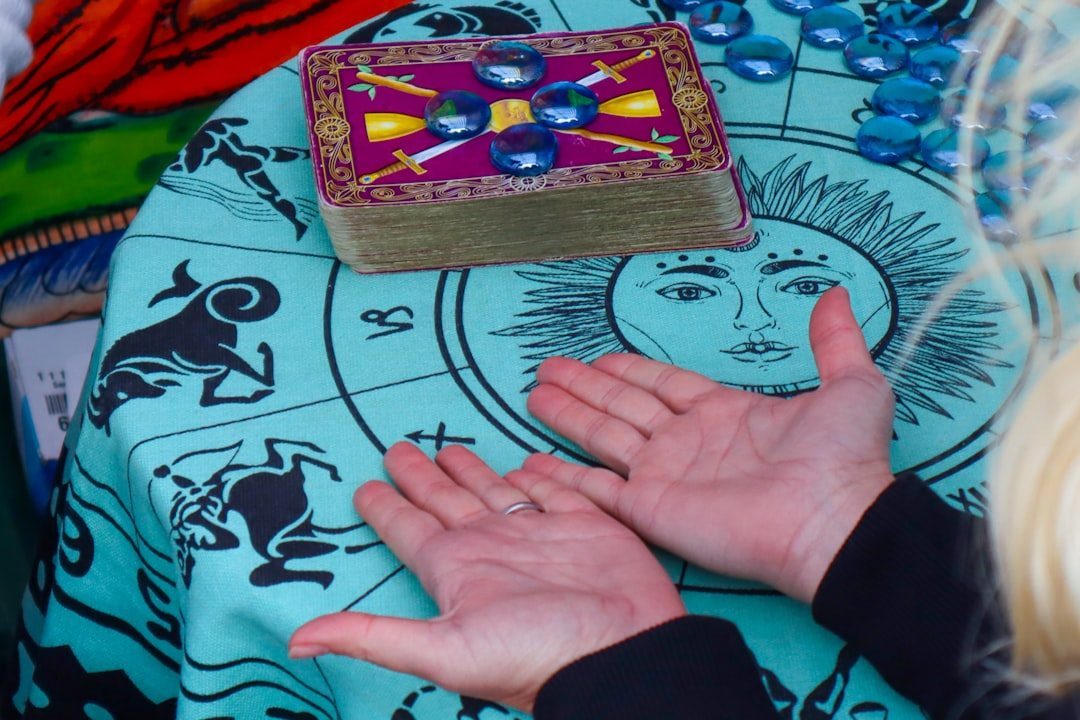
Your astrological beliefs don’t just describe your personality – they actively shape it through self-fulfilling prophecy mechanisms. When you read about your supposed personality traits and skills based on astrological predictions, it can change the way you think about yourself, potentially altering your behavior.
This self-attribution effect strengthens when you receive cues that a study or situation pertains to astrology, and people with sun signs traditionally considered positive are especially susceptible to such cues. Your brain essentially collaborates with astrological suggestions to create the very traits and behaviors the predictions describe.
Little research has explored astrology’s influence on behavior, yet many people read and trust zodiac predictions, and this exposure may influence beliefs enough to change actual behavior patterns. You become, in part, what you believe you’re supposed to be according to the stars.
Modern Technology and Astrological Renaissance
Media reports describe rising popular interest in astrology, tarot reading, and fortune-telling over the past decade, with these practices developing their own social media cultures on TikTok and other platforms, especially during COVID-19 social distancing. Technology hasn’t killed astrology – it’s given it new life and broader reach.
Nearly three in ten Americans pay monthly for astrological services, with that number rising to a majority among millennials. Nearly 30 percent of Americans believe astrology is scientific, and horoscope apps continue to attract millions of users. The digital age has transformed astrology from a niche interest into a mainstream psychological tool.
Apps and social media platforms make astrological content more accessible and personalized than ever before. This constant exposure increases the likelihood that astrological concepts will integrate into your daily decision-making and self-understanding processes, creating a feedback loop that reinforces belief and behavioral change.
The Decision-Making Influence

Younger Americans, people with lower incomes, and those who are ideologically liberal are somewhat more likely to rely on insights from astrology when making major life decisions. This demographic pattern reveals astrology’s role as a decision-making framework for specific populations facing uncertainty.
Relying too heavily on horoscopes, fortune tellers, and personality tests may cause difficulty with decision-making if you come to depend on them rather than developing your own judgment skills. The comfort astrology provides can sometimes come at the cost of personal agency and critical thinking development.
Over 60 percent of millennials are aware of the astrological signs they’re most compatible with, and 56 percent check a person’s astrological sign before agreeing to a date. Astrology isn’t just influencing your self-perception – it’s shaping your relationships and social connections in measurable ways.
The Double-Edged Psychological Sword
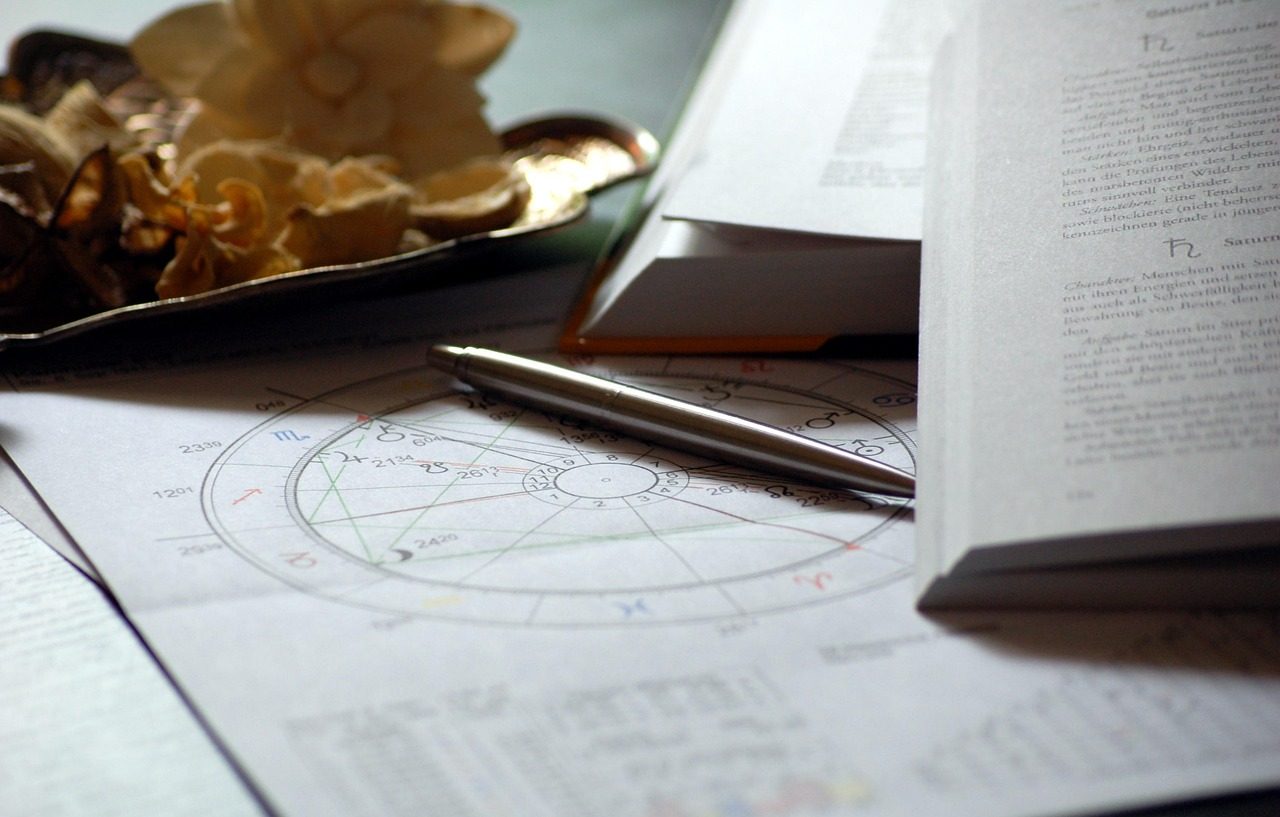
Astrology can enhance self-awareness and emotional processing while also inducing decision paralysis, anxiety, and self-limiting beliefs. This paradoxical nature makes astrology simultaneously helpful and potentially harmful to your psychological wellbeing.
Participation in astrology courses increases certainty about self-descriptive attributes and assumptions of self-control and perceived luck, suggesting that astrological engagement can strengthen your self-concept. Yet the potential for astrological stereotypes to negatively influence perceptions of yourself and others should be considered, requiring multidisciplinary efforts to educate about associated risks.
The psychological benefits you experience from astrology – increased self-reflection, comfort during difficult times, and enhanced sense of meaning – are real and measurable. However, these benefits come alongside potential costs, including reduced critical thinking and increased susceptibility to other forms of pseudoscientific belief.
Your journey through the hidden influence of astrology reveals a complex psychological landscape where belief shapes reality in unexpected ways. Research indicates that belief in astrology is associated with thinking styles, self-concept verification, and stress, sometimes leading to what researchers term “fortune-telling addiction” characterized by distress and cravings. Whether you’re a devoted believer or a skeptical observer, astrology’s psychological impact on millions of people represents a fascinating window into human nature itself.
The stars may not control your destiny, but your belief in their influence certainly shapes the path you choose to walk. In a world hungry for meaning and direction, astrology provides both comfort and complexity – a cosmic mirror reflecting not just who you are, but who you’re becoming. What role will you allow the zodiac to play in writing your own story?
Hi, I’m Andrew, and I come from India. Experienced content specialist with a passion for writing. My forte includes health and wellness, Travel, Animals, and Nature. A nature nomad, I am obsessed with mountains and love high-altitude trekking. I have been on several Himalayan treks in India including the Everest Base Camp in Nepal, a profound experience.


