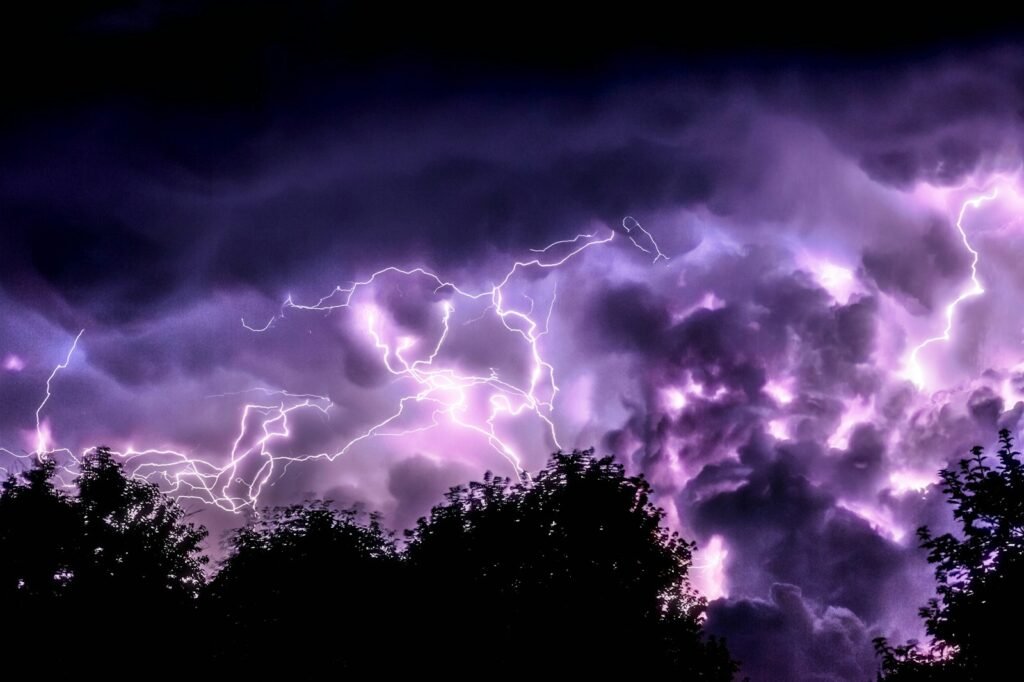

On a summer night when the air tastes like copper and the sky keeps flashing, some people step closer to the window instead of backing away. What draws certain personalities toward energy, storms, and the raw theater of nature, while others retreat? Astrology offers a symbolic map, even as modern science measures the physics under the hood. Between myth and measurement lies a curious overlap: temperament, risk appetite, and the human hunger for awe. This story follows that seam, tracking how cultural archetypes meet sensor-studded satellites, and why it might shape safer, smarter ways to live with extreme weather.
The Hidden Clues
Here’s a surprising twist: our fascination with storms often says more about us than the weather itself. Psychologists describe a spectrum of sensation seeking – some of us chase intensity, others prefer control – and that appetite can color how we read the zodiac’s archetypes. Fire and lightning stand in for urgency, change, and a high-voltage mood, so people who identify with those qualities often feel seen by signs that symbolize heat and spark. There’s no lab test for Aries or Aquarius, of course, yet the language of the sky offers a safe metaphor for talking about fear, thrill, and curiosity. I’ve noticed that once people have a story for their draw to storms, they better understand when to lean in and when to back off.
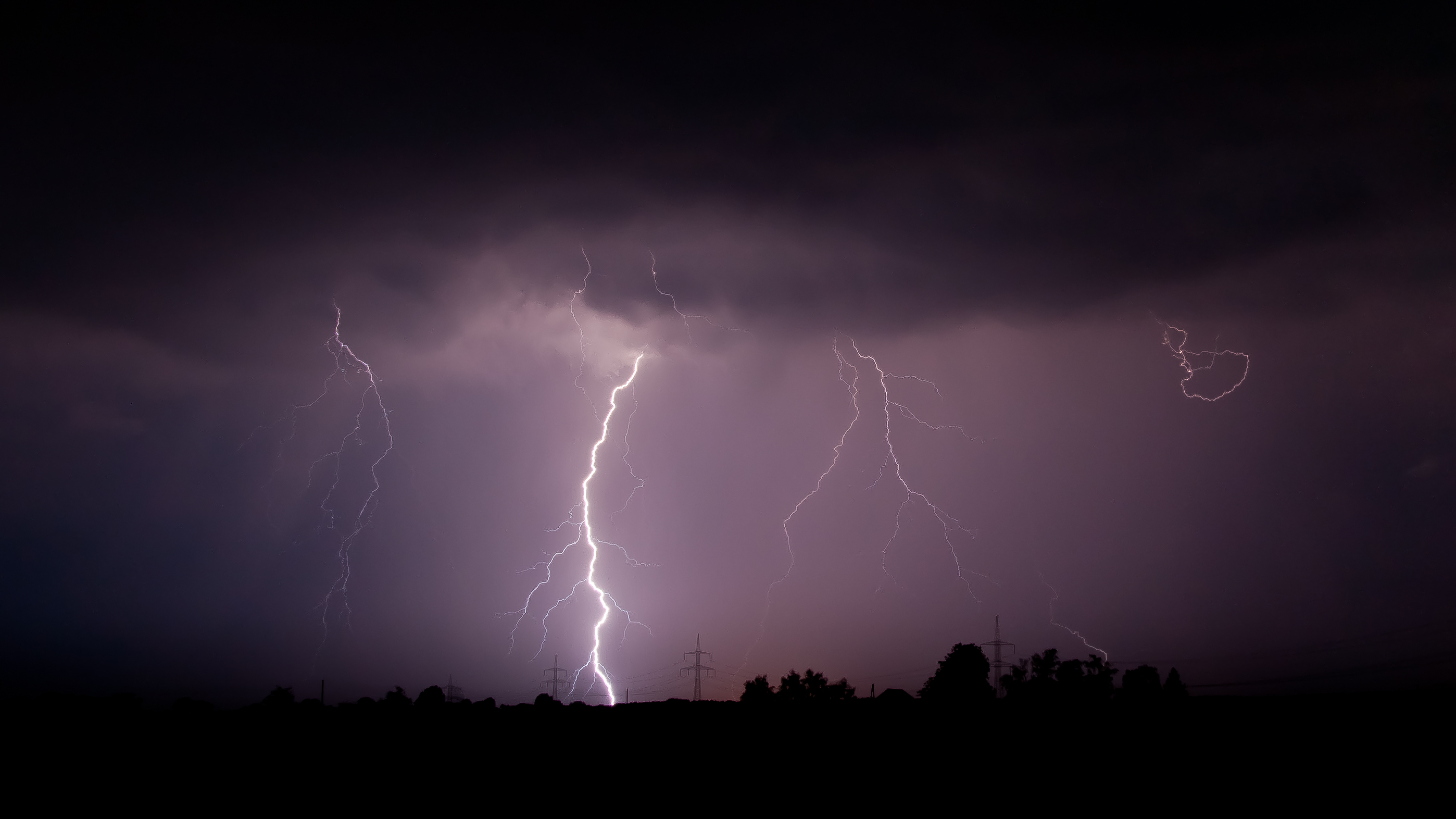
Science keeps the other foot on the ground. Lightning is common – on the order of roughly about one hundred flashes every second worldwide – yet deeply local in impact. Thunderheads form where heat, moisture, and instability collide, and their electrical drama is the visible tip of a complex charge cycle. That means the places and moments that tempt us are not random; they follow patterns we can map and nowcast. The hidden clue is this: archetype plus atmosphere equals behavior, and behavior is where safety and discovery begin.
Fire Signs and the Storm-Chaser Instinct
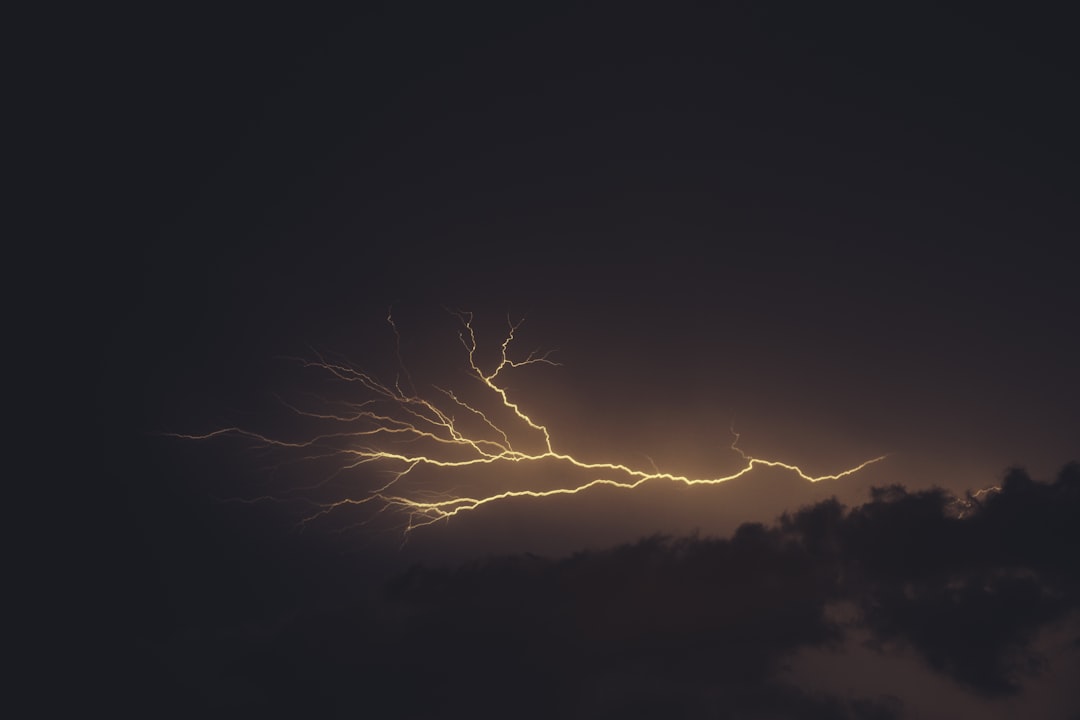
Aries, Leo, and Sagittarius are the zodiac’s fire triad, and their storylines revolve around motion, heat, and boldness. When I covered a dry-lightning outbreak in the high desert, the folks who lingered longest on the overlook talked about momentum and aliveness more than danger – which tracks with the fiery script of acting first, processing later. These signs love the front row, and a sky that rips itself open is nothing if not a front row. In practice, that might look like hiking out to watch distant heat lightning or volunteering for wildfire mitigation because the work feels urgent. The same fuel that lights curiosity can also overheat judgment, so the trick is channeling that spark into prep, not peril.
There’s a practical upside to that intensity. Fire-sign types often excel at quick decisions and leading under pressure – skills that matter when storms spin up fast. They tend to gather people, turn anxiety into action, and keep morale from collapsing when sirens start. Put that temperament behind a radio scanner and a weather app with reliable alerts, and the result can be a community asset. The headline instinct is to approach the spectacle; the lasting contribution is to help others navigate it wisely.
The Electric Rebel: Aquarius
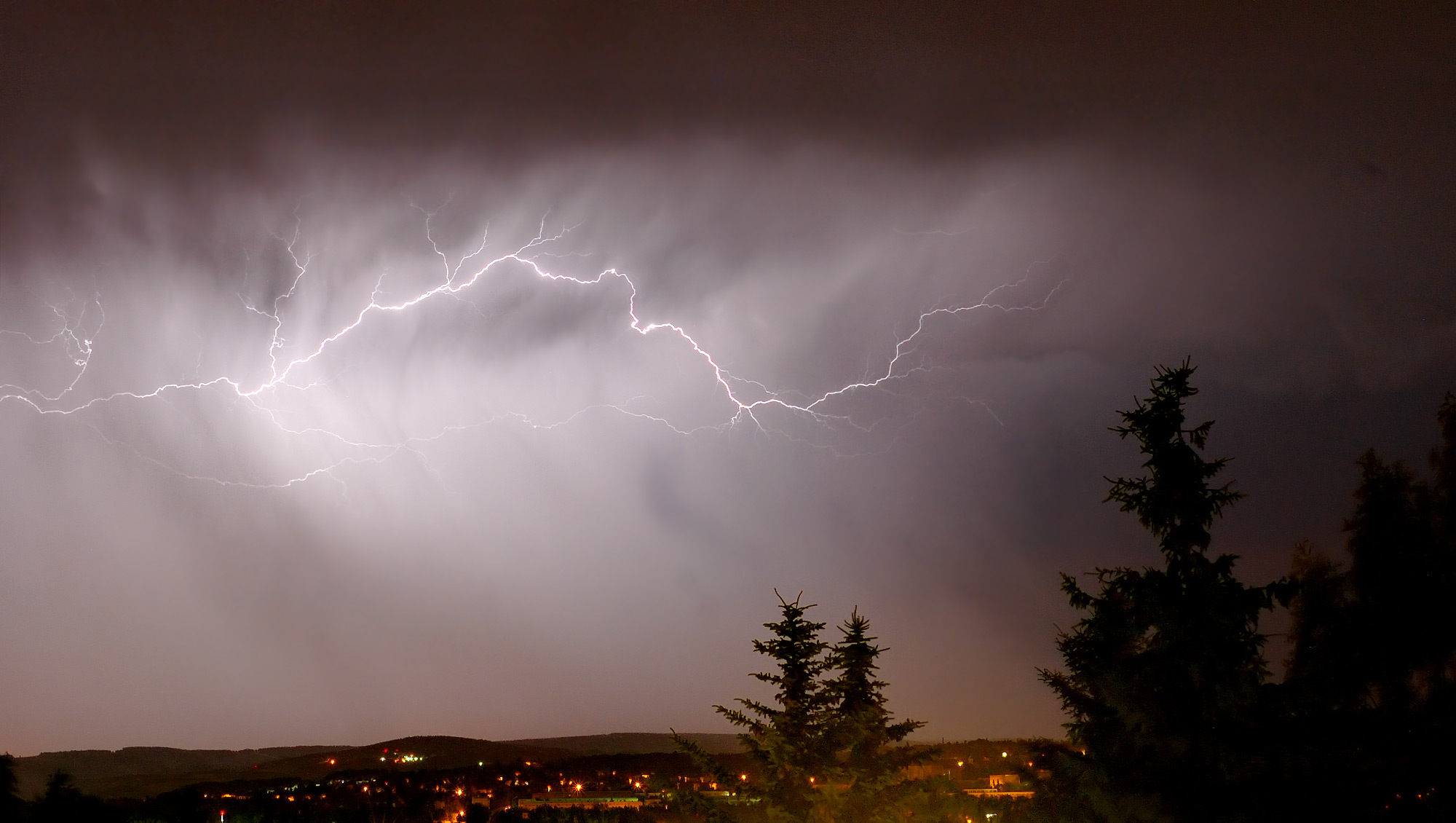
Aquarius sits at the crossroads of symbolism and circuitry: a sign associated with innovation, outliers, and systems thinking. When we talk about lightning as a planetary-scale network – a pulsing exchange between cloud and ground – Aquarian minds light up. They are the ones who ask what the data says, how the grid handles surges, and whether sensors can learn from each flash. That curiosity often leads to STEM paths, from tinkering with backyard weather stations to coding tools that stitch radar and satellite feeds. In my inbox, some of the most thoughtful storm emails come from people who proudly claim an Aquarian streak: not content with vibes, hungry for evidence.
That orientation pairs well with today’s observation tech. Space-based instruments scan flashes across continents, while ground arrays triangulate bolt geometry in microseconds. The Aquarian impulse is to pull those streams together, look for patterns humans miss, and then share the insights openly. If fire signs bring heat, Aquarius brings voltage management – turning raw energy into something useful and, ideally, safer. It’s a rebel spirit with a spreadsheet, and that mix has real-world impact when minutes matter.
The Rest of the Wheel: Earth, Air, and Water Together
Earth signs – Taurus, Virgo, Capricorn – often read as grounded skeptics, and that steadiness is a quiet superpower in volatile weather. They want checklists, sturdy plans, and a clear path from fascination to practical steps. In storm contexts, they become the folks who stock the kits, label the cables, and remember to test the generator before it’s needed. Their attraction to storms is less about chase, more about stewardship and infrastructure, the way a well-built levee is its own kind of poetry. When the sky roars, they’re the ones asking whether the drains are clear and the radios charged.
Air and water signs bring complementary lenses. Gemini and Libra thrive on communication and pattern recognition, turning a radar loop into a story neighbors can follow. Cancer, Scorpio, and Pisces lean into awe and emotional meaning, reminding us that a shared lightning show can knit a block together for years. Curiosity, connection, and care form a triangulation that keeps thrill from becoming harm. None of this is science proof of astrology; it’s a cultural toolkit that helps different temperaments plug into the same storm responsibly.
From Ancient Tools to Modern Science
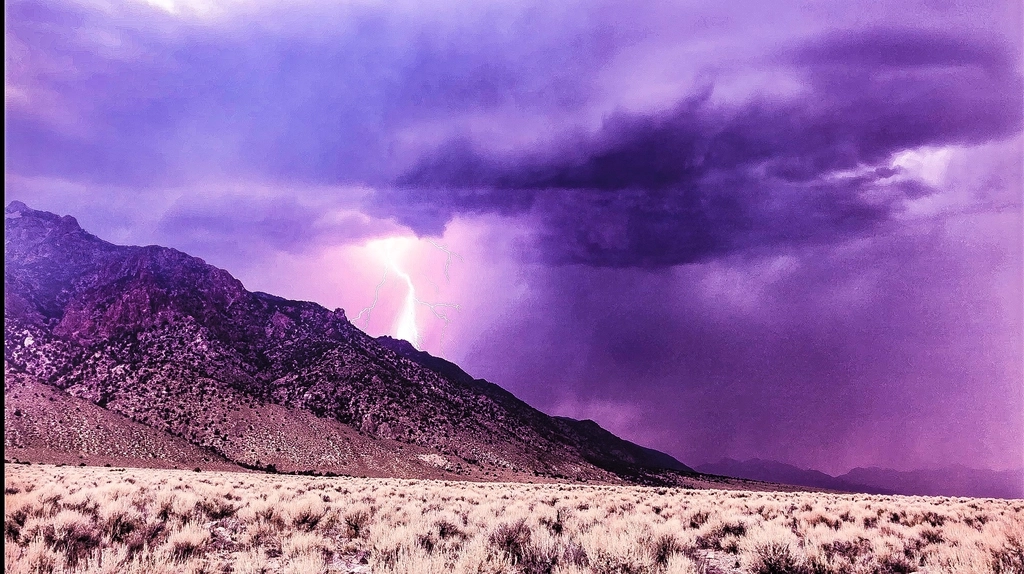
Long before sensors, people read the sky like a living text: omens, gods, and lessons carved into thunderheads. That storytelling instinct persists because weather is theater we can’t control, and we still reach for characters to explain it. What’s changed is our instrumentation, which now follows storms from orbit to cornfield in real time. Lightning-mapping arrays trace bolt pathways aloft, high-speed cameras catch ground strikes frame by frame, and geostationary satellites log long-lived flashes spanning hundreds of miles. The physics is not a mystery anymore; the mystery is how to turn knowledge into better choices at the human scale.
Consider a few anchors that reframe awe as actionable:
- Lightning is frequent but predictable in patterns, clustering in warm-season afternoons and in storm corridors that shift with regional climate.
- Fatalities in the United States have fallen over recent decades, now typically a few dozen each year, thanks to public education and faster warnings.
- “Heat lightning” isn’t a different species; it’s ordinary lightning so distant the thunder can’t be heard, a reminder that visibility can deceive judgment.
Why It Matters
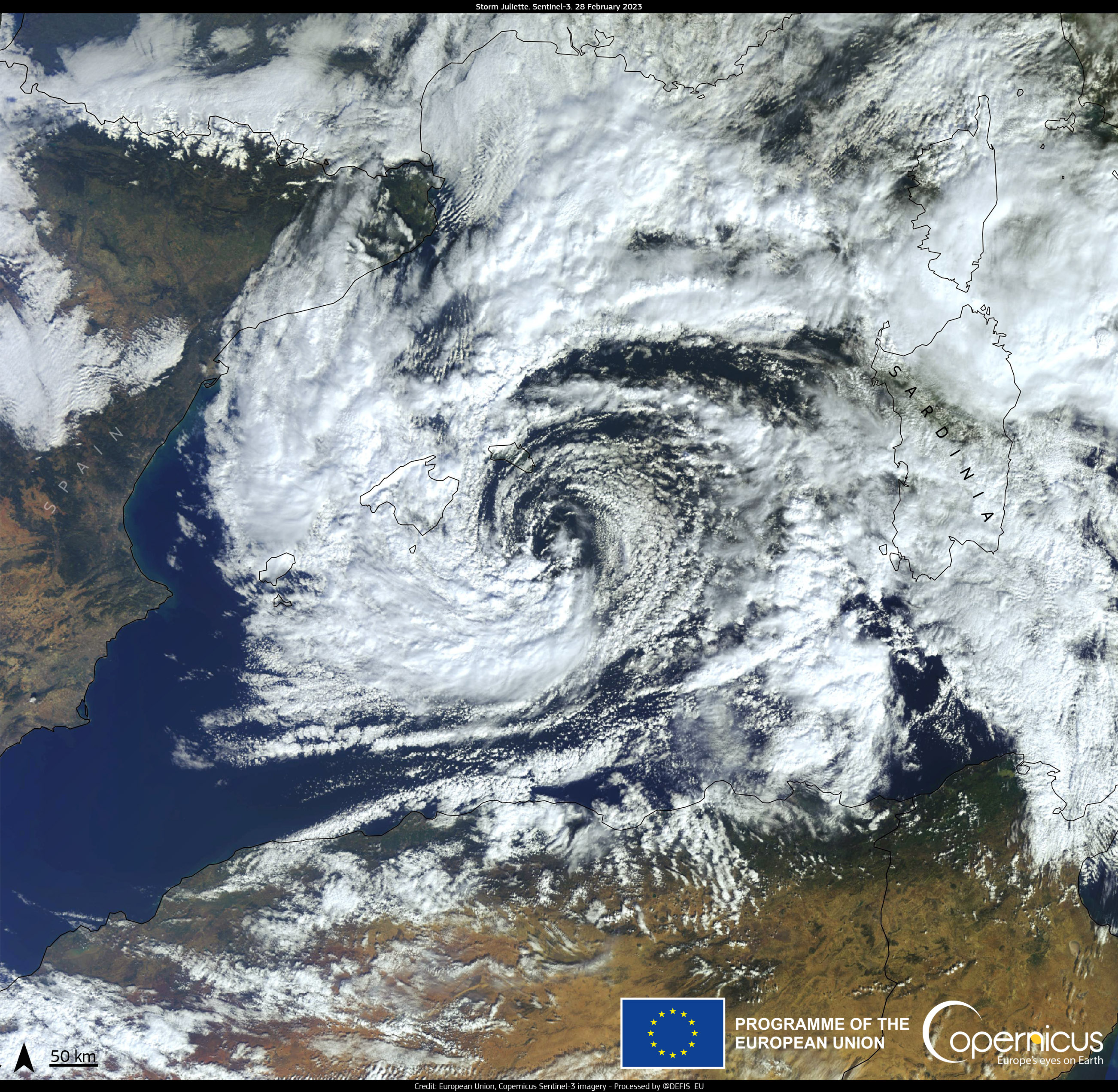
At first glance, matching zodiac stories to storms looks like whimsy. But underneath is a serious question about risk communication: how do we tailor messages to how people actually feel and decide? Traditional advisories treat communities as one audience, even though thrill, anxiety, and skepticism divide us in predictable ways. If a fire-sign framing nudges a bold friend to plan before they sprint outside, or an Aquarian frame invites a data-minded neighbor to monitor lightning density for the block, that’s a win. We already customize health messages and traffic safety; weather could stand the same human-centered lens.
The stakes are rising as severe weather gets more expensive, and sometimes more extreme, in a warming world. Lightning ignites wildfires, surges through grids, and threatens workers in open fields, stadiums, and construction sites. A one-size-fits-all warning can miss the people most likely to linger outdoors for the thrill or the photo. Understanding the psychology behind attraction – no matter which story people use to explain it – helps public agencies build better alerts and communities build smarter habits. In short, this is not about proving astrology; it’s about speaking to varied minds when minutes count.
The Future Landscape
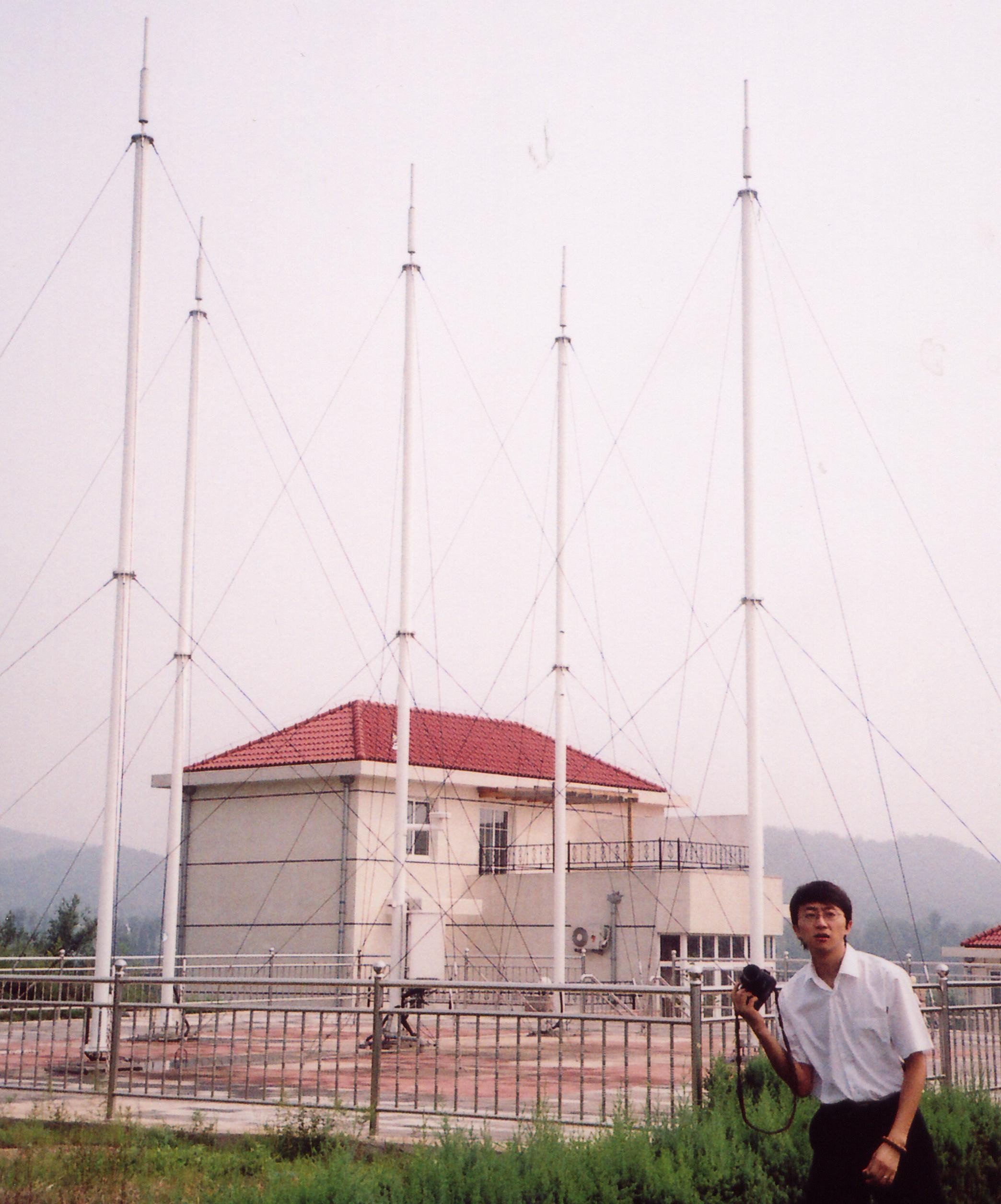
Next-generation tools are shrinking the gap between a darkening cloud and a useful alert. Machine-learning models are digesting radar, satellite, and lightning data to flag intensification earlier, which buys time for coaches to clear fields and crews to pause rooftop work. Wearable sensors and phone-based hazard apps can vibrate inches from our attention, a better channel than a distant siren. Drones sample electric fields near storms’ edges, feeding research that improves nowcasts hour by hour. On the horizon, grid-aware forecasting could even re-route power flows as storms approach to blunt damage.
Global equity still looms large. Many lightning hot spots lie in regions with limited radar coverage, scarce surge protection, and fewer safe shelters. Open data and low-cost sensors can narrow that gap, especially if local universities and weather services collaborate. Crowd-sourced observations, when verified, give forecasters eyes where infrastructure is thin. If our cultural stories help people lean into that collaboration – feeding their fascination into citizen science rather than risky selfies – we gain resilience without dimming the awe.
How You Can Engage
Start by honoring the spark while setting boundaries. If you identify with the fiery urge to get closer, make a pact with yourself now about the nearest safe shelter, the time to head inside, and the weather apps you trust. If your curiosity is more Aquarian, consider joining a local sky-warn or community responder program where data love meets public good. Earth-sign steadiness shines in preparedness drives – organizing neighbors to check gutters before storms and to stock shared first-aid kits. Water and air sensibilities can keep the social glue strong by translating forecasts for family chats and neighborhood groups.
Small steps scale when people repeat them. Try these moves the next time thunderheads build: carry a portable battery and a car charger, learn your county’s alert terminology, and teach kids that shelter beats spectacle every time. Support parks and conservation projects that reduce fire risk near neighborhoods, and back libraries or schools that host weather safety workshops. If you shoot storm photos, do it from safe cover and share the safety context with the image. Awe is a renewable resource; use it to power smarter habits, not riskier stunts.
Suhail Ahmed is a passionate digital professional and nature enthusiast with over 8 years of experience in content strategy, SEO, web development, and digital operations. Alongside his freelance journey, Suhail actively contributes to nature and wildlife platforms like Discover Wildlife, where he channels his curiosity for the planet into engaging, educational storytelling.
With a strong background in managing digital ecosystems — from ecommerce stores and WordPress websites to social media and automation — Suhail merges technical precision with creative insight. His content reflects a rare balance: SEO-friendly yet deeply human, data-informed yet emotionally resonant.
Driven by a love for discovery and storytelling, Suhail believes in using digital platforms to amplify causes that matter — especially those protecting Earth’s biodiversity and inspiring sustainable living. Whether he’s managing online projects or crafting wildlife content, his goal remains the same: to inform, inspire, and leave a positive digital footprint.