
Imagine a people who believe their ancestors emerged not from the land beneath their feet, but from the very direction where the sun first rises—an origin story so unique, it challenges everything we think we know about migration and culture in North America. The Yuchi, a tribe with a mysterious and riveting past, say their journey began from the East, across the great waters, not from the earth itself. This bold claim has puzzled anthropologists and inspired countless stories, sparking curiosity and wonder about who the Yuchi truly are and what their story reveals about the human experience.
The Enigmatic Origins of the Yuchi

The Yuchi people have long stood out among Native American tribes because of their unusual creation myth. Rather than claiming descent from the land or a specific geographic location, the Yuchi say their ancestors arrived from the East, crossing a vast body of water. This narrative sets them apart and raises profound questions about ancient migrations. It’s a story that echoes across generations, passed down through oral tradition with reverence and pride. While some researchers see this as a metaphor, others wonder if it hints at forgotten voyages or ancient seafaring. The Yuchi’s tale is not just fascinating folklore—it’s a mystery that still stirs debate and awe today.
A Language Unlike Any Other

One of the most remarkable features of the Yuchi is their language. Linguists have struggled to connect the Yuchi tongue to any other known Native American language family. It stands alone, a linguistic island, with words and sounds that are truly unique. This isolation has fueled speculation about the tribe’s origins and possible connections to distant peoples. The language serves as a living relic, preserving the tribe’s secrets and worldview. Sadly, the number of fluent Yuchi speakers has dwindled, making efforts to revive and sustain the language even more urgent. For the Yuchi, every spoken word is a link to their extraordinary past.
Migration Myths and Scientific Curiosity

The Yuchi’s claim of coming from the East has sparked intense scientific interest. Could their origin story have roots in ancient trans-Atlantic migrations, or is it a poetic expression of their relationship with the rising sun? Archaeologists and geneticists have searched for evidence—be it artifacts, DNA, or settlement patterns—that might support or challenge the Yuchi’s account. While no definitive proof has emerged, the tribe’s oral history continues to inspire new research. This mystery highlights how indigenous stories can enrich and complicate our understanding of human history.
Spiritual Connection to Sun and Water

Central to Yuchi identity is their deep spiritual connection to the sun and water. Their rituals often honor the East, where the sun rises, and many of their ceremonies are timed with solar events. Water also plays a crucial role in their traditions, symbolizing life’s journey and the tribe’s mythical crossing from the East. These beliefs are woven into daily life, teaching respect for nature and the universe. For the Yuchi, the elements are not just resources—they are sacred links to their ancestors and the mysteries of creation.
Encounters with Other Tribes and Cultures

Throughout their history, the Yuchi have interacted with a diverse array of neighboring tribes. Their unique origin story sometimes set them apart, but it also sparked curiosity and respect. Some tribes saw the Yuchi as bearers of special knowledge, while others viewed them with suspicion. Over time, the Yuchi became known for their diplomatic skills and ability to forge alliances. These encounters influenced their culture, art, and even their language, while the core of their identity remained rooted in their origin myth.
The Struggles of Relocation and Survival

Like many Native American groups, the Yuchi faced devastating upheaval during the era of forced removals. In the 1830s, they were driven from their ancestral lands in the Southeast to what is now Oklahoma. This journey, marked by suffering and loss, tested the tribe’s resilience. Yet, through hardship, the Yuchi managed to preserve their traditions, language, and sense of self. The trauma of relocation still echoes in the community, but their survival stands as a testament to their strength and unity.
Modern Efforts to Preserve Yuchi Culture

Today, the Yuchi are fiercely committed to preserving their heritage. Language revitalization programs, cultural festivals, and educational initiatives are all part of a vibrant effort to keep their traditions alive. Elders and youth alike work together to record songs, stories, and rituals, ensuring nothing is lost to time. The Yuchi see these efforts as both a tribute to their ancestors and a gift to future generations. Their determination is inspiring, showing how culture can endure even in the face of overwhelming challenges.
The Mystery of Genetic Heritage

Recent advances in genetic research have allowed scientists to explore the ancestry of the Yuchi with new precision. Some studies suggest that the Yuchi share genetic markers with other Southeastern tribes, while others hint at more distant origins. However, the results are often inconclusive, underscoring the complexity of human migration. For the Yuchi, genetics is just one piece of the puzzle; their identity is shaped as much by their stories and traditions as by science. The search for answers continues, blending modern technology with ancient wisdom.
Yuchi Art and Symbolism
Yuchi art is rich with symbolism drawn from their creation myth. Motifs of the sun, waves, and birds are common, reflecting their reverence for the elements and their journey from the East. Pottery, beadwork, and tattoos all serve as visual reminders of the tribe’s unique story. These artistic expressions are more than decoration—they are acts of remembrance, keeping the Yuchi’s past alive in vivid color and form. Through art, the Yuchi share their worldview with outsiders, inviting others to appreciate the depth of their culture.
Lessons from the Yuchi Story
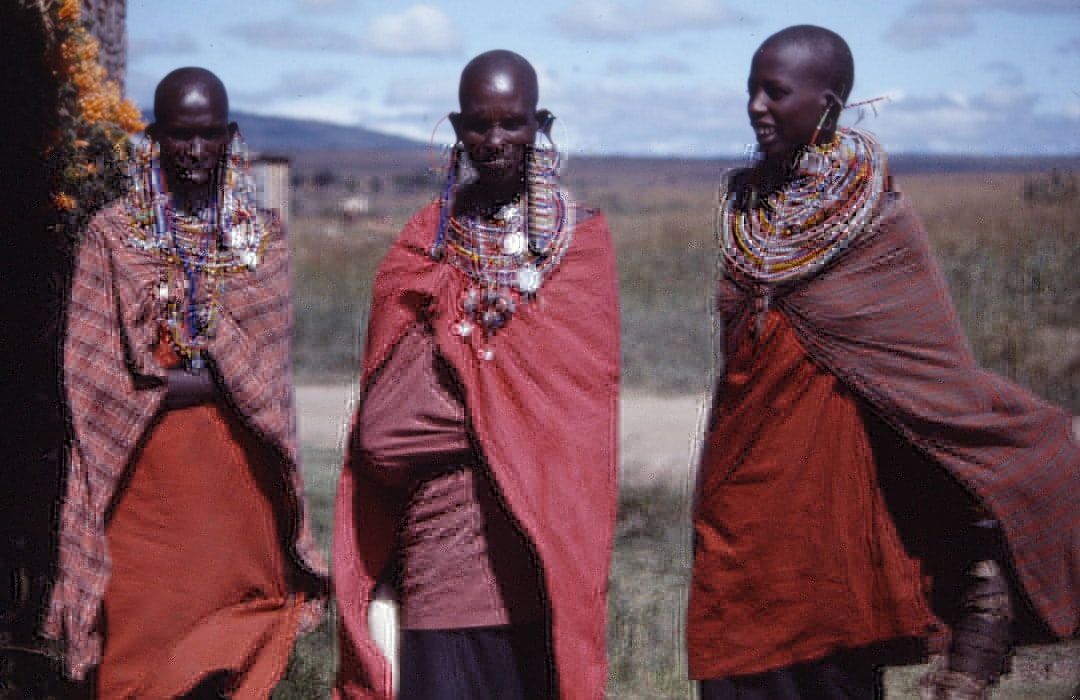
The Yuchi origin story challenges us to rethink what we know about migration, identity, and the power of oral tradition. It reminds us that history is not always written in stone—sometimes, it is sung around the fire, whispered in a forgotten language, or painted in symbols on clay. The Yuchi show that even the most mysterious tales can hold profound truths about who we are and where we come from. As science and tradition meet, the world is reminded of the beauty and complexity of the human journey.