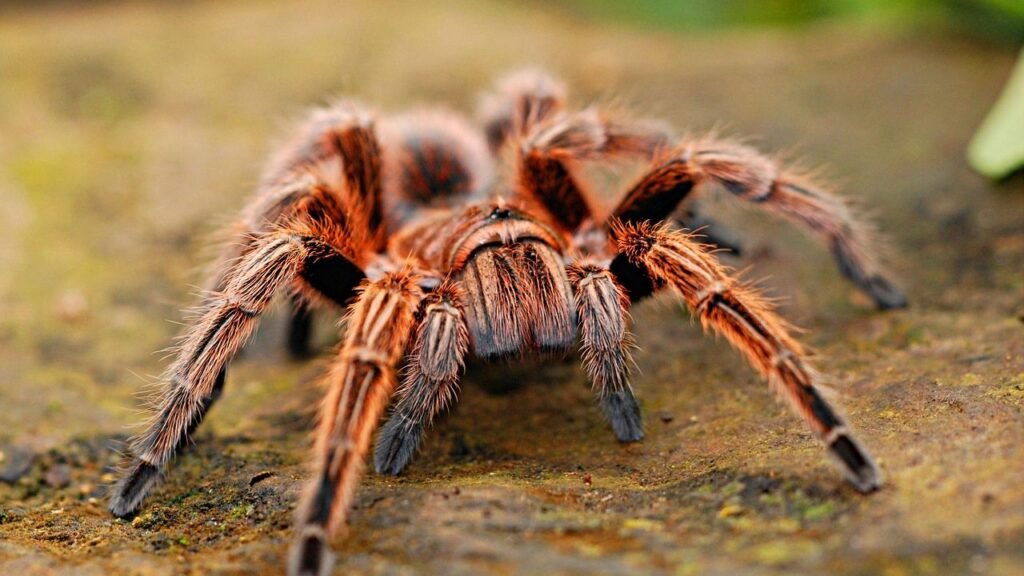

When you think of spiders, you probably imagine something small enough to fit on your palm. Maybe something that scuttles across your bathroom floor at night. The reality is quite different when it comes to certain arachnids lurking in remote corners of our planet. There’s a tarantula out there that weighs as much as a regulation billiard ball and another spider capable of spinning silk across a river wider than a tennis court is long. Honestly, nature seems to enjoy pushing the boundaries of what seems physically possible for an eight-legged creature.
These record holders represent evolutionary extremes, adaptations so bizarre they seem almost fictional. From rainforests in South America to hidden caves in Madagascar, the world’s largest spiders challenge everything we think we know about these often misunderstood animals. So let’s dive into the fascinating world of gigantic spiders and the webs that have left scientists scratching their heads in amazement.
The Goliath Birdeater Takes the Crown
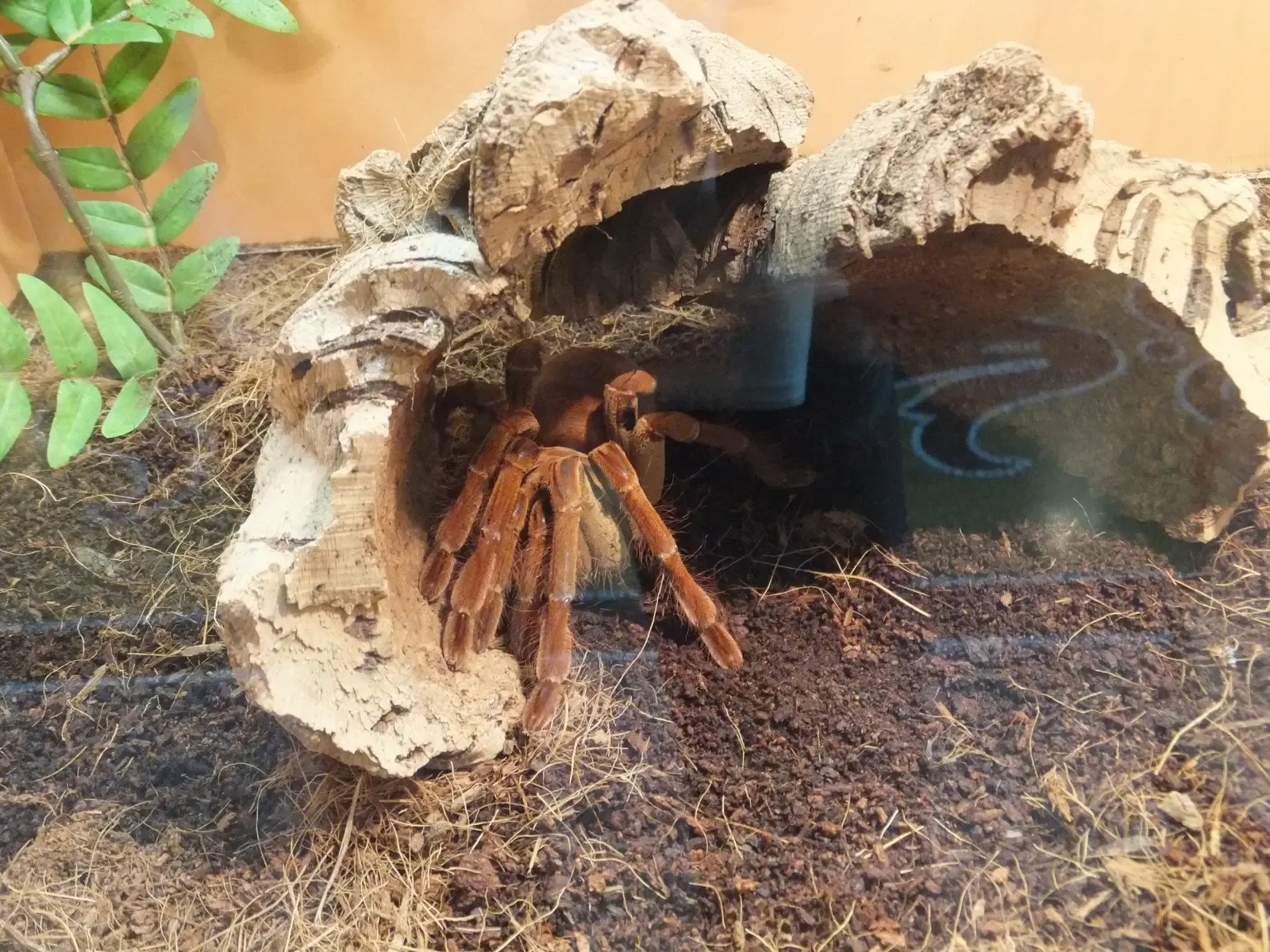
The goliath bird-eating tarantula (Theraphosa blondi) is the world’s largest known spider by mass, found in the rainforests of northern South America and weighing up to 175 grams. Picture a spider with a leg span reaching roughly twelve inches, large enough to cover a dinner plate. This impressive arachnid has a body mass of up to 175 grams and a body length of 13 centimeters.
Despite its intimidating name, the Goliath birdeater rarely actually hunts birds. The spider’s reputation derives from an 18th-century engraving showing a similar tarantula consuming a hummingbird, though its more common prey includes invertebrates such as worms and insects, frogs, lizards and occasionally small rodents. It’s hard to say for sure whether those old explorers witnessed an actual bird attack or simply let their imaginations run wild.
A Heavyweight Champion with Defensive Tricks
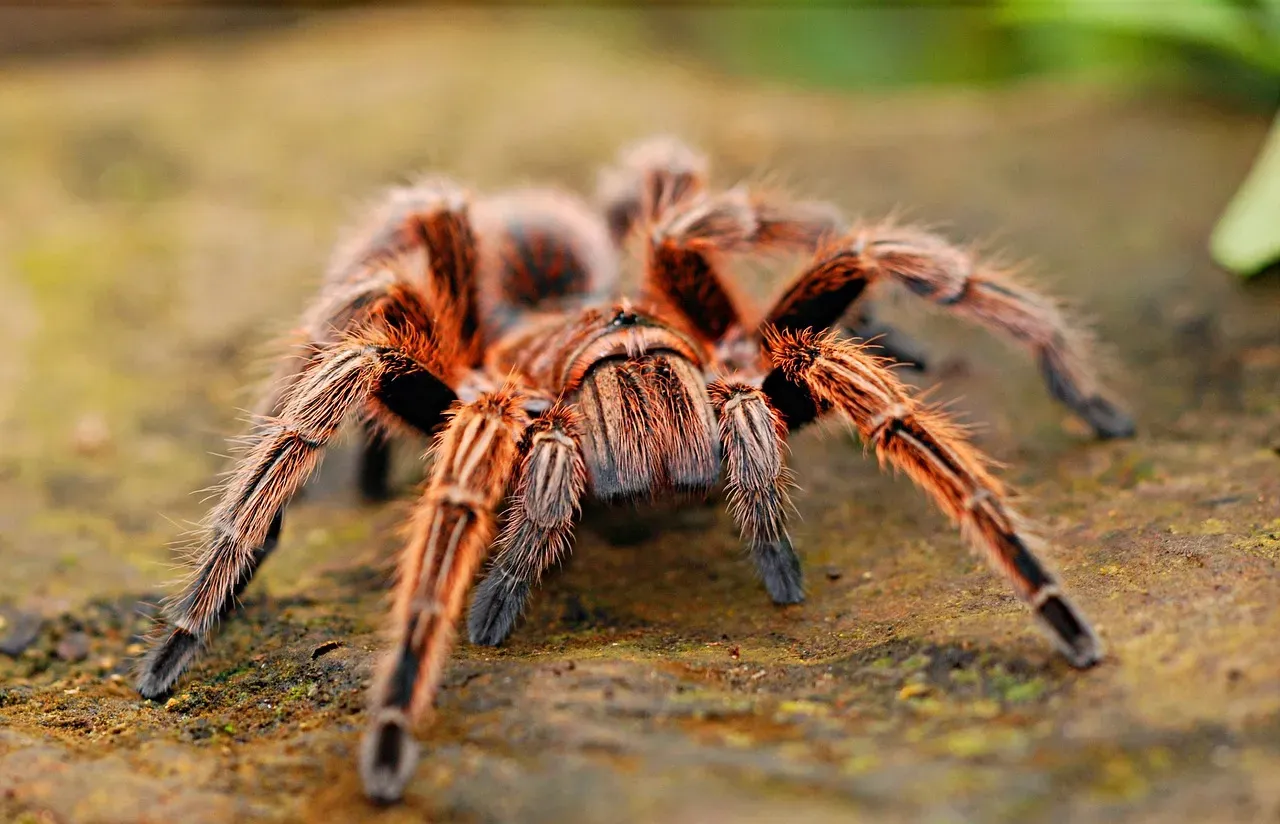
Let’s be real, size isn’t the Goliath birdeater’s only impressive feature. When threatened, this tarantula deploys harpoon-shaped urticating hairs tipped with stinging barbs by rubbing its legs together, launching a shower of miniature missiles that connect with predators’ eyes and skin. Think of it like a biological defense system that would make any military engineer jealous.
These spiders are nocturnal creatures living in deep burrows. After ambushing and subduing prey with venom, the spider hauls its meal back to a silk-lined burrow to devour. The venom itself isn’t particularly dangerous to humans, comparable more to a wasp sting than anything truly life-threatening.
The Giant Huntsman Spider Stretches the Limits
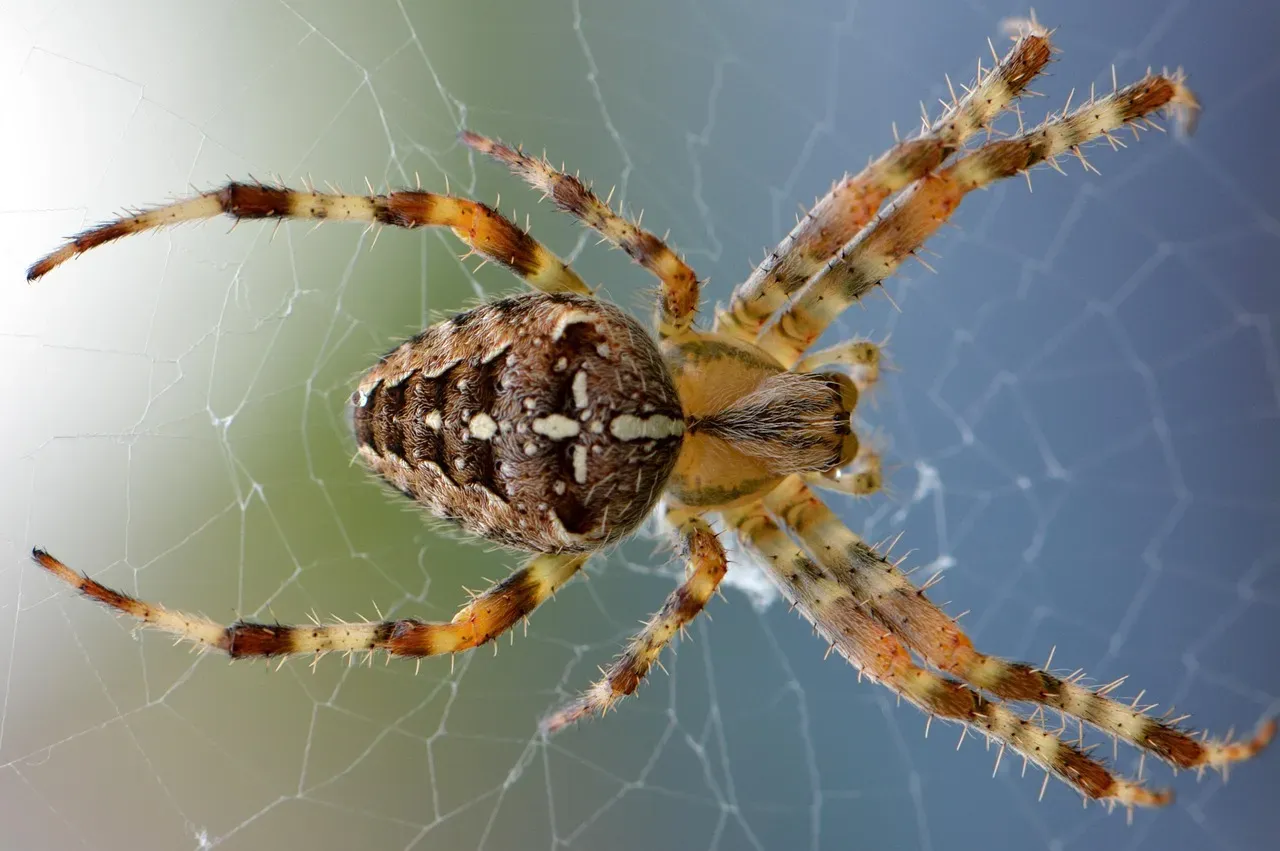
The giant huntsman spider (Heteropoda maxima) is a species found in Laos and is considered the world’s largest spider by leg span, which can reach up to 30 centimeters. Native to the caves of Laos, this spider reaches up to 12 inches in leg span. While the Goliath wins in sheer mass and heft, the huntsman takes the prize for sprawl.
The species was first described in 2001 by Peter Jäger after being discovered in a cave in Laos. Here’s the thing: scientists were genuinely surprised such a massive creature had remained hidden for so long. Discovered in a cave in Laos, this huntsman doesn’t build webs but roams and hunts, showcasing incredible speed and agility.
Darwin’s Bark Spider Weaves the Impossible
Darwin’s bark spider (Caerostris darwini) is an orb-weaver spider that produces the largest known orb webs, ranging from 0.09 to 2.8 square metres, with bridge lines spanning up to 25 metres. Twenty-five meters. That’s longer than most fin whales. This tiny spider, no bigger than your thumb, creates webs that dwarf anything else in nature.
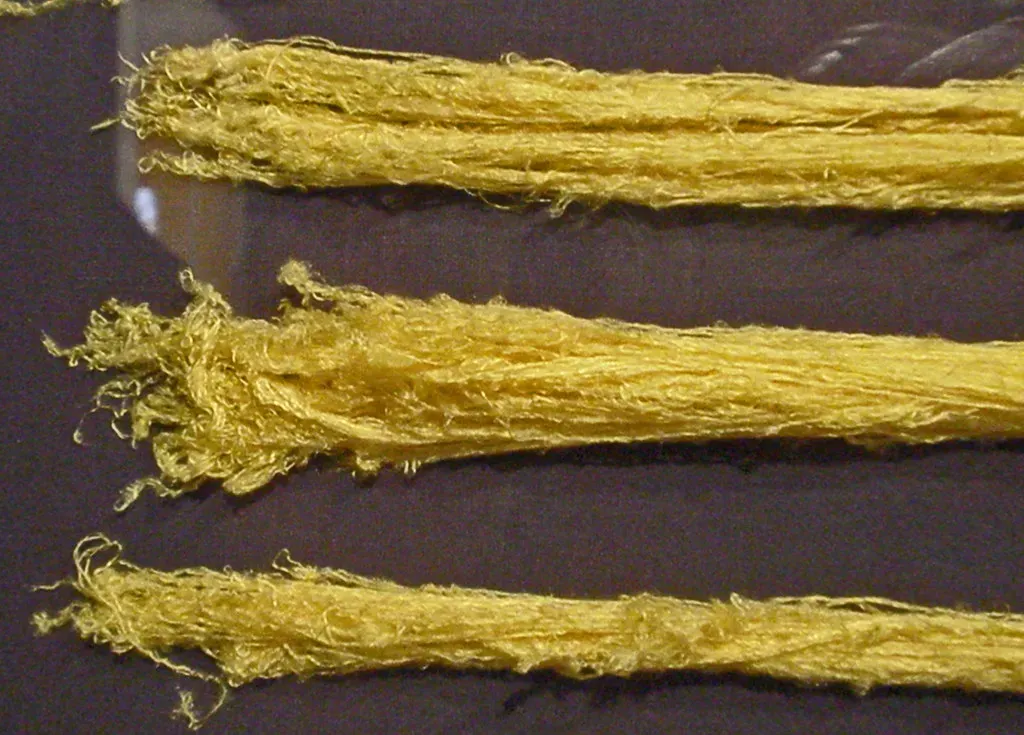
The spider was discovered in Madagascar in 2009, and its silk is the toughest biological material ever studied. The spider’s silk is the strongest biological material ever found, more specifically 10 times stronger than a same-sized piece of Kevlar. Scientists are still trying to figure out exactly how this diminutive creature manages such an engineering marvel.
Engineering Marvels Above Water
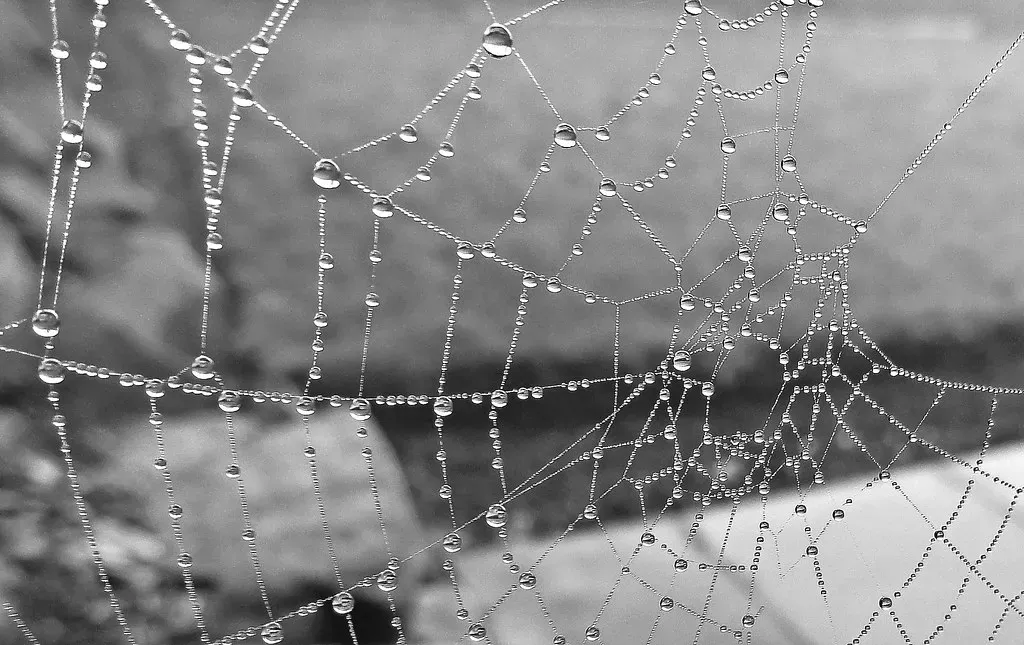
These spiders build their web with the orb suspended directly above a river or lake, a habitat no other spider can use, allowing them to catch prey flying over water with webs observed containing up to 32 mayflies at a time. The strategy is brilliant in its simplicity: position yourself where flying insects have nowhere to escape.
The spiders release unusually large amounts of bridging silk into the air, which is then carried downwind across the water body, establishing bridge lines. They essentially let the wind do the heavy lifting. Once that first thread catches on vegetation across the river, the spider reinforces it and builds the rest of the web suspended below.
The World’s Largest Colonial Spider Web
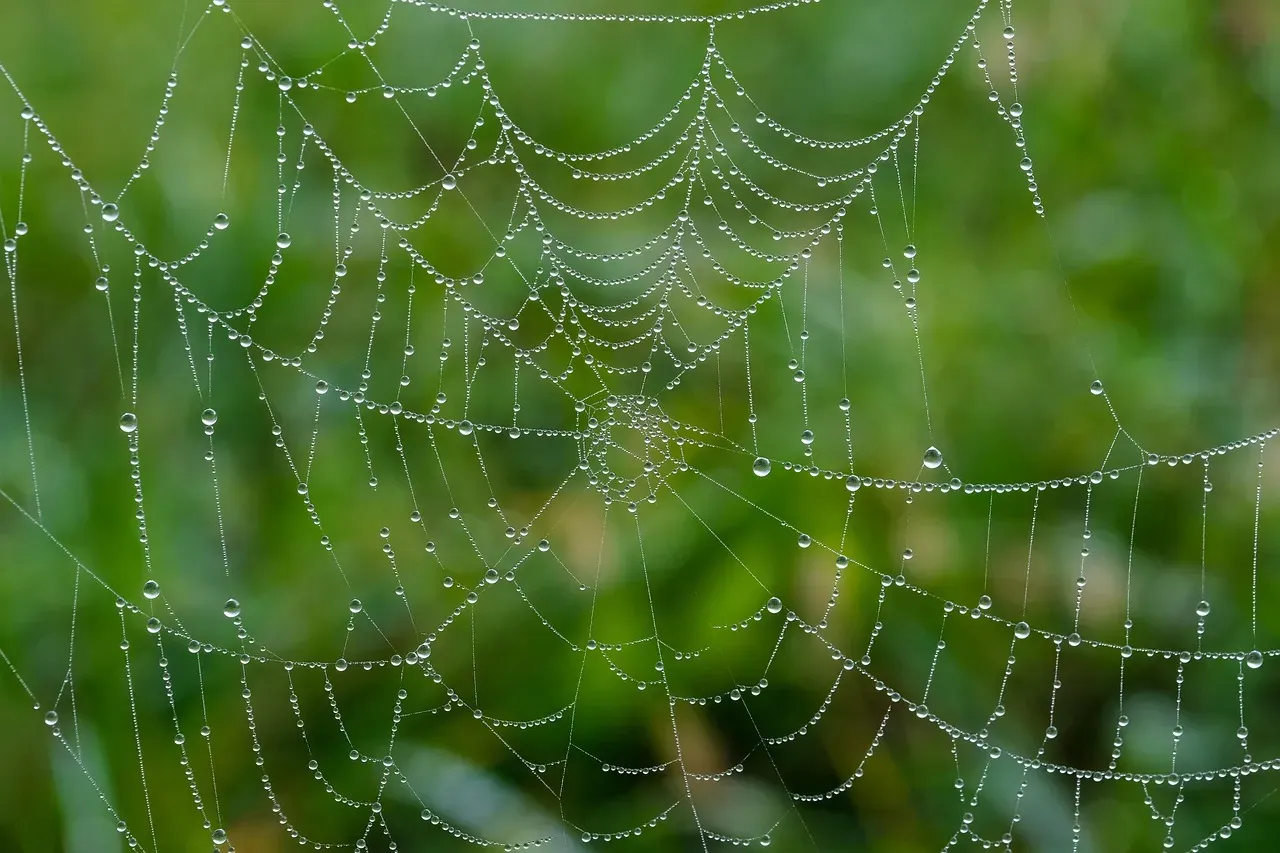
In late 2025, researchers discovered something utterly unprecedented in a sulfur-rich cave along the Greece-Albania border. The web stretches 1,140 square feet along the wall of a narrow, low-ceilinged passage near the cave entrance and is a patchwork of thousands of individual, funnel-shaped webs. The team uncovered a thriving ecosystem home to over 111,000 spiders entangled in what appears to be the world’s largest spider web.
Two spider species live in the colony: Tegenaria domestica, known as the barn funnel weaver, and Prinerigone vagans, with estimates of about 69,000 T. domestica and more than 42,000 P. vagans specimens. What makes this discovery shocking is that neither species had ever been observed living colonially before. Spiders are typically solitary, aggressive creatures that eat each other given half a chance.
A Spider Metropolis Born from Sulfur
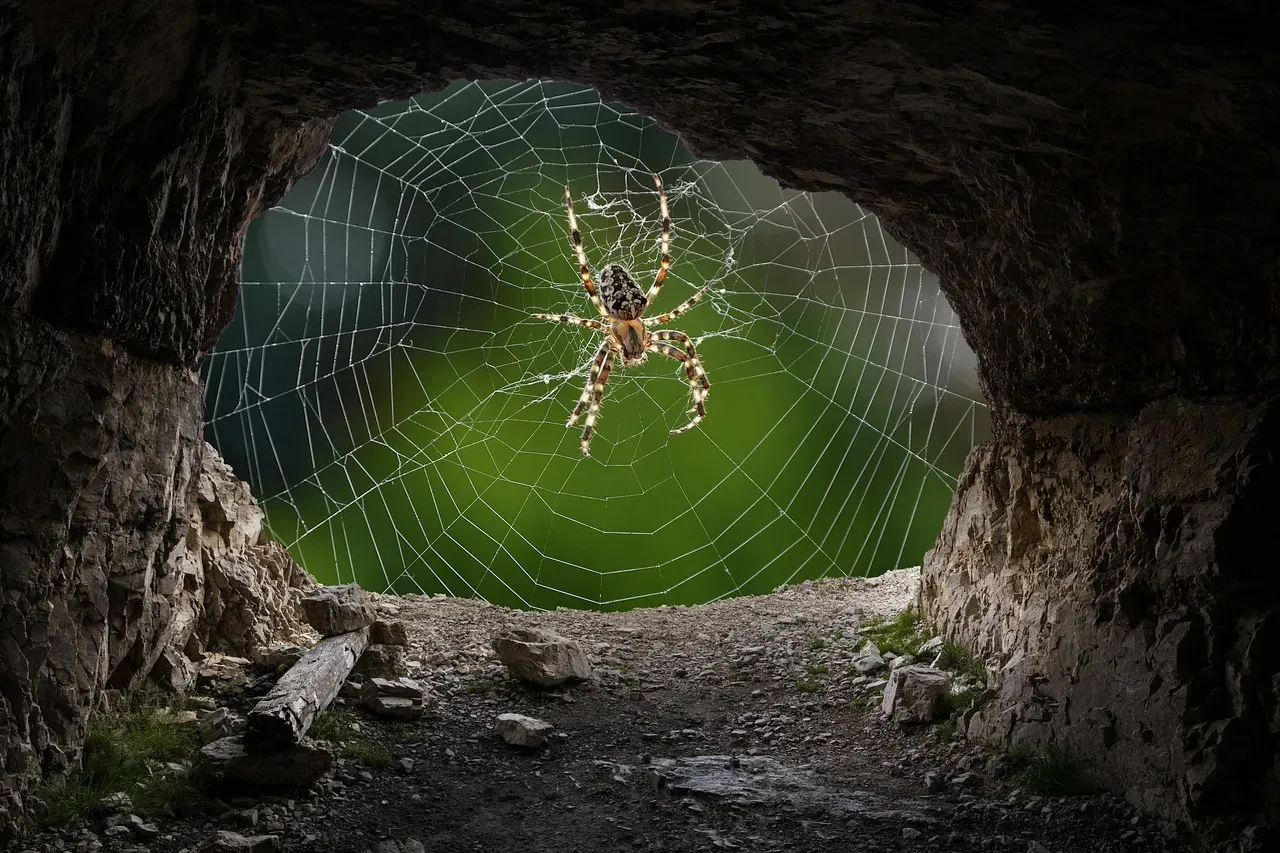
The cave’s strange, sulfur-rich environment has created a peculiar ecosystem sustained by chemoautotrophy, where microorganisms use chemical reactions to turn inorganic substances like sulfur compounds into energy. Large numbers of sulfur-loving bacteria create a sticky biofilm covering parts of the cave, which is the main food source for tiny midge larvae and flies, which in turn are favorite meals of the many spiders.
Genetic analysis showed that cave-dwelling spiders are becoming distinct from populations of the same species living outside, suggesting they are adapting to the underground environment, and this genetic isolation, combined with a stable and abundant food supply, may have driven these species to evolve colonial behavior. Nature still holds many surprises for us, even when it comes to creatures we thought we knew completely. What do you think drives evolution to such extremes? The answers might be stranger than we can imagine.