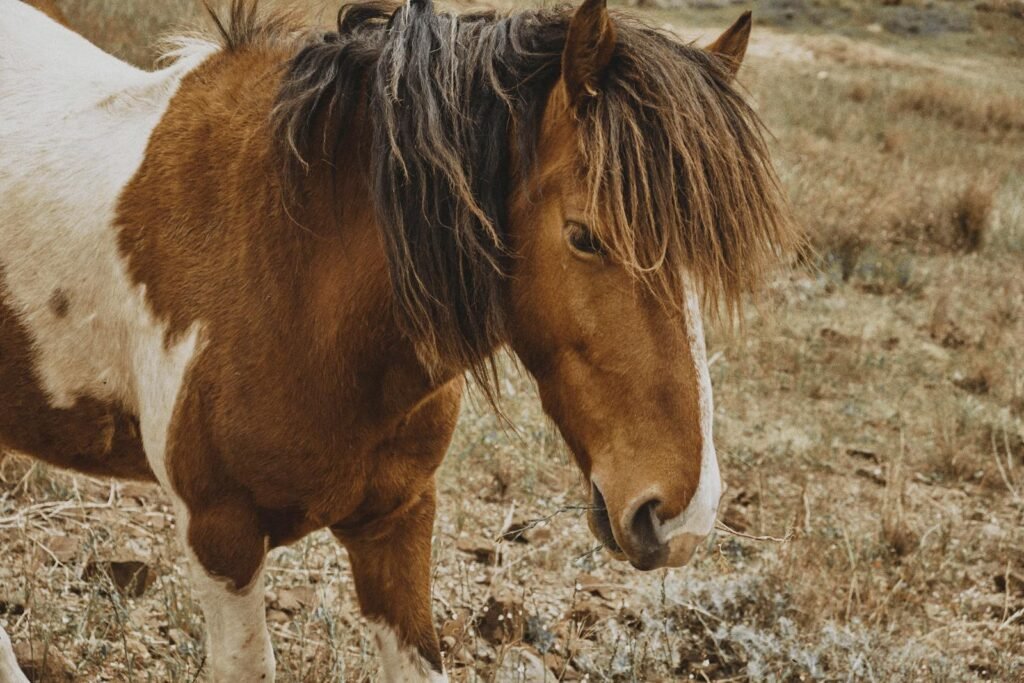

The wild horses of Portugal are a living testament to the resilience and adaptability of nature. These majestic creatures have roamed the Iberian Peninsula for thousands of years, embodying a spirit of freedom and survival. While the modern world continues to evolve rapidly, these horses remain steadfast in their ancient ways, adapting to the changing landscapes without losing their intrinsic wildness. Their survival story is one of endurance, adaptability, and an unyielding connection to their natural environment. For anyone who has ever stood in awe of these creatures, the tale of their enduring presence is as captivating as it is inspiring.
A Glimpse into the Past: The History of Portuguese Wild Horses
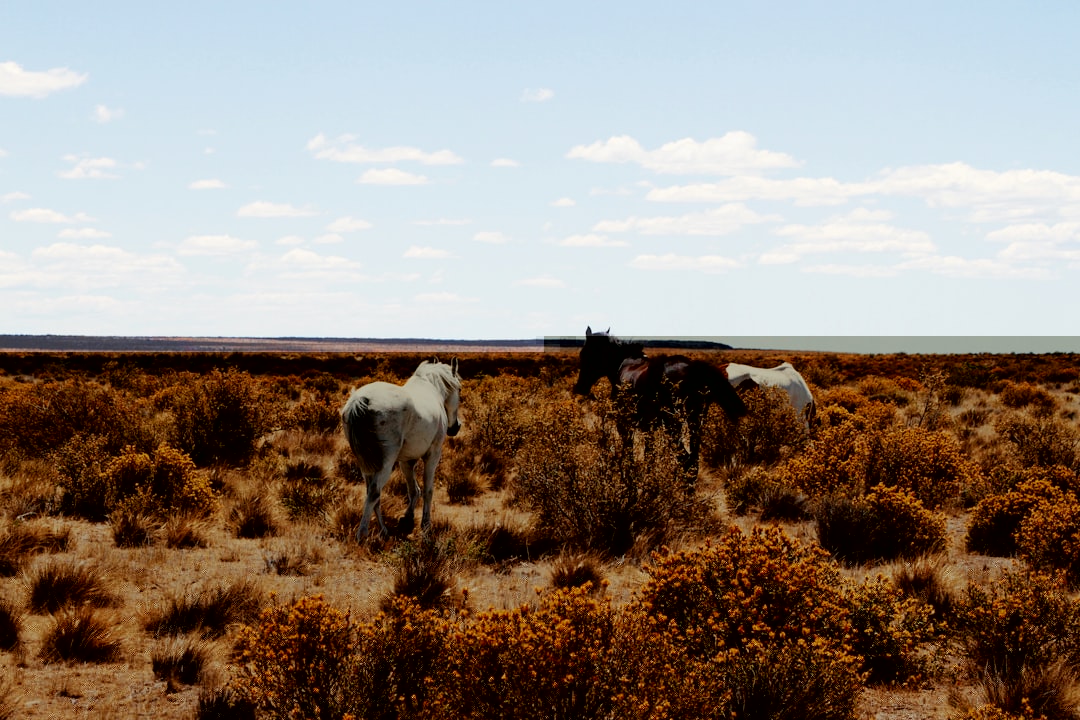
The lineage of wild horses in Portugal traces back to prehistoric times, with evidence suggesting their presence on the Iberian Peninsula for over 20,000 years. These horses have witnessed the rise and fall of empires, adapting continuously to survive in a changing world. The Sorraia, a unique breed native to Portugal, embodies this ancient heritage. Known for their primitive features, such as a dorsal stripe and zebra-like leg markings, these horses are a direct link to their ancestors. Their ability to thrive in diverse environments, from lush valleys to rugged mountains, speaks volumes about their adaptability and resilience through the ages.
The Sorraia Breed: Guardians of Ancient Genes
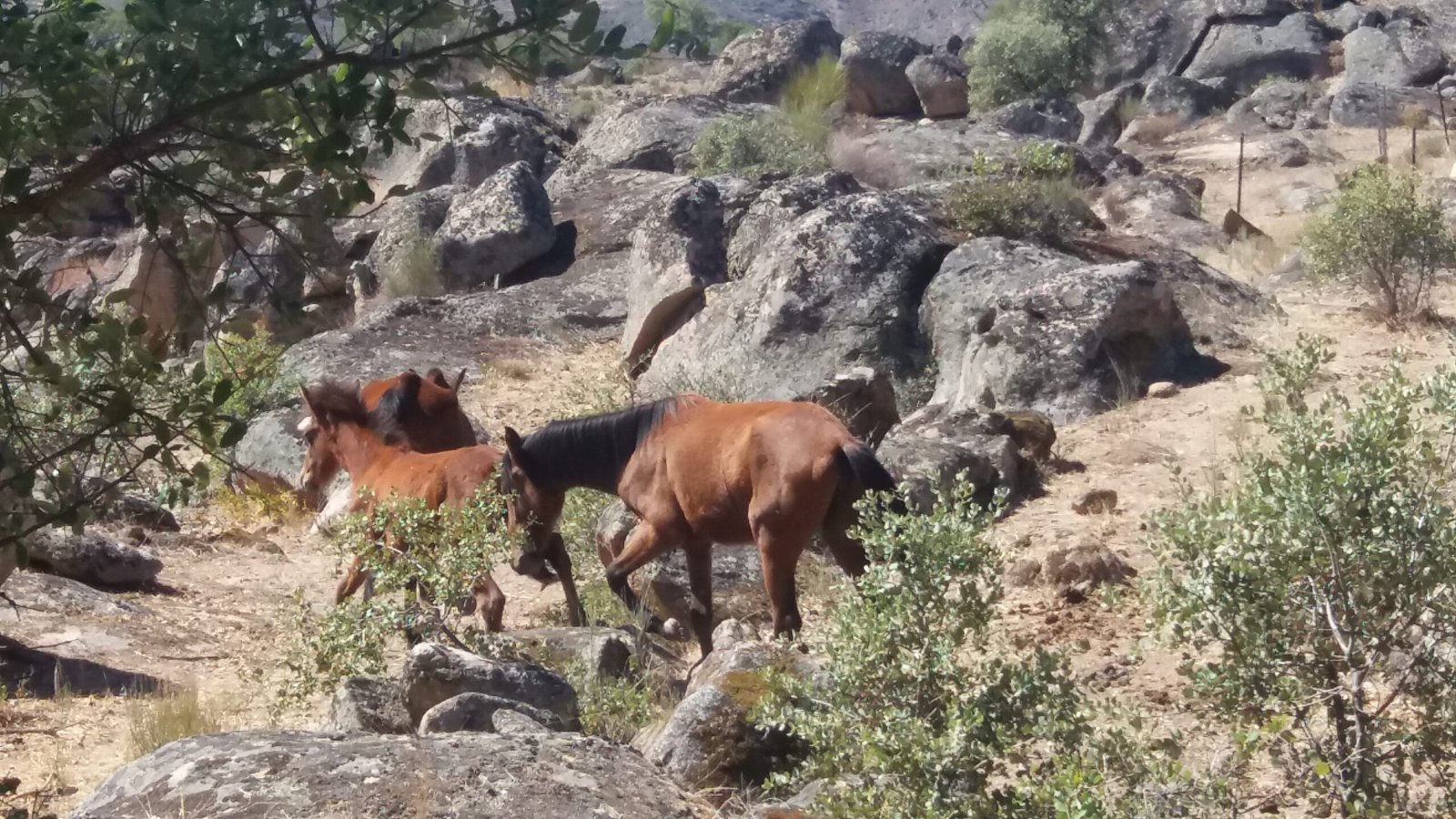
The Sorraia horses are not only an emblem of Portugal’s natural heritage but also a repository of ancient equine genetics. Renowned for their endurance and intelligence, these horses have played a crucial role in the development of modern horse breeds. Their unique genetic makeup offers insights into the evolutionary history of horses, providing a living laboratory for scientists studying genetic diversity and adaptation. The distinct physical traits of the Sorraia, such as their dun coloration and compact build, are a testament to their ancient lineage and their ability to withstand the pressures of natural selection.
Adapting to the Elements: Survival Strategies of Wild Horses
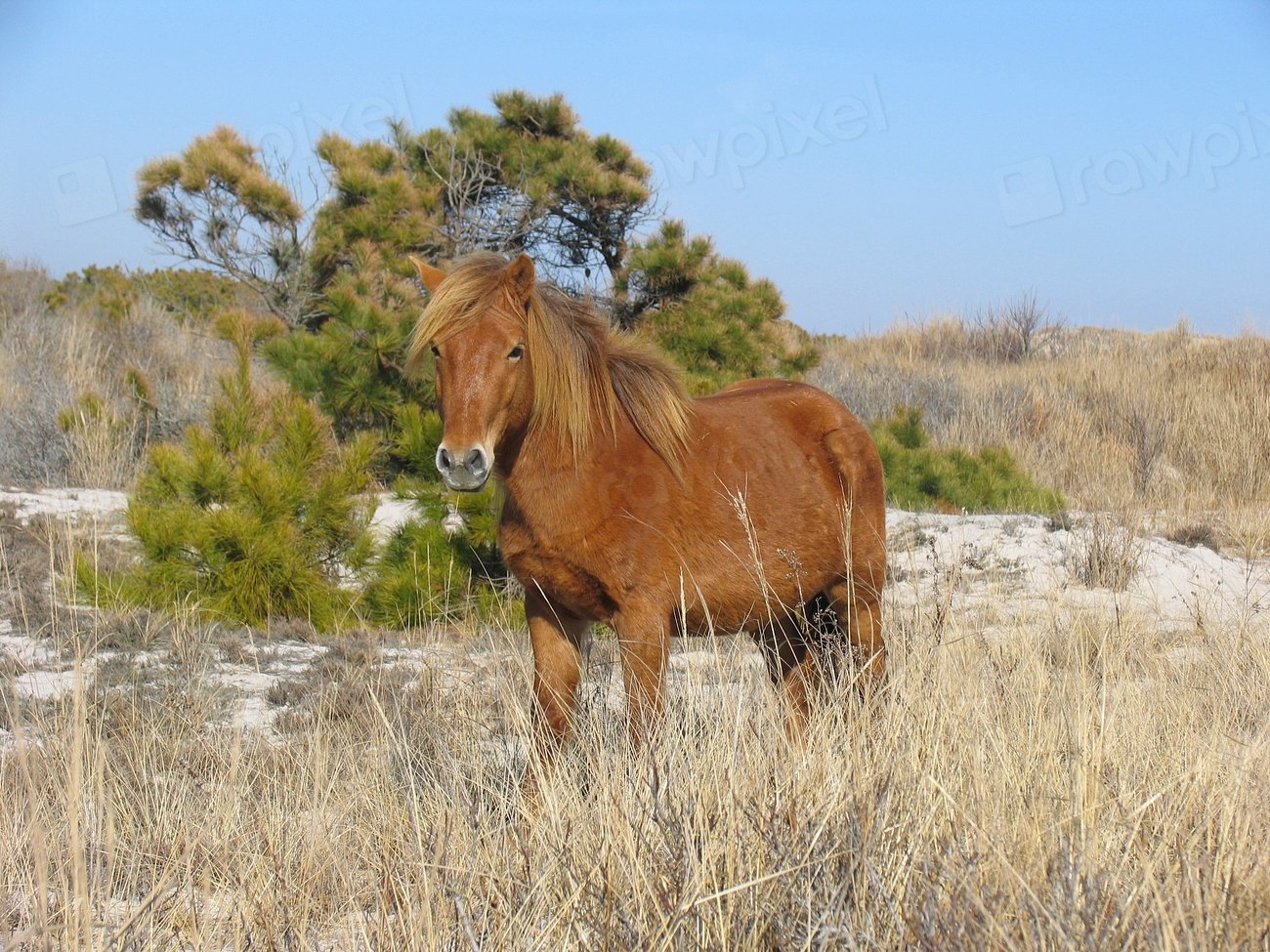
Wild horses in Portugal have developed remarkable strategies to survive in their natural habitats. These strategies include social behaviors, such as forming tightly-knit herds that offer protection against predators and environmental challenges. Their ability to graze on a wide range of vegetation allows them to thrive even in areas with scarce resources. Moreover, their migratory patterns ensure that they can move to locations with abundant food and water as seasons change. These adaptability traits are not just survival mechanisms but also a testament to the horses’ deep connection with their environment, enabling them to endure through harsh conditions.
The Role of Natural Predators in Maintaining Balance
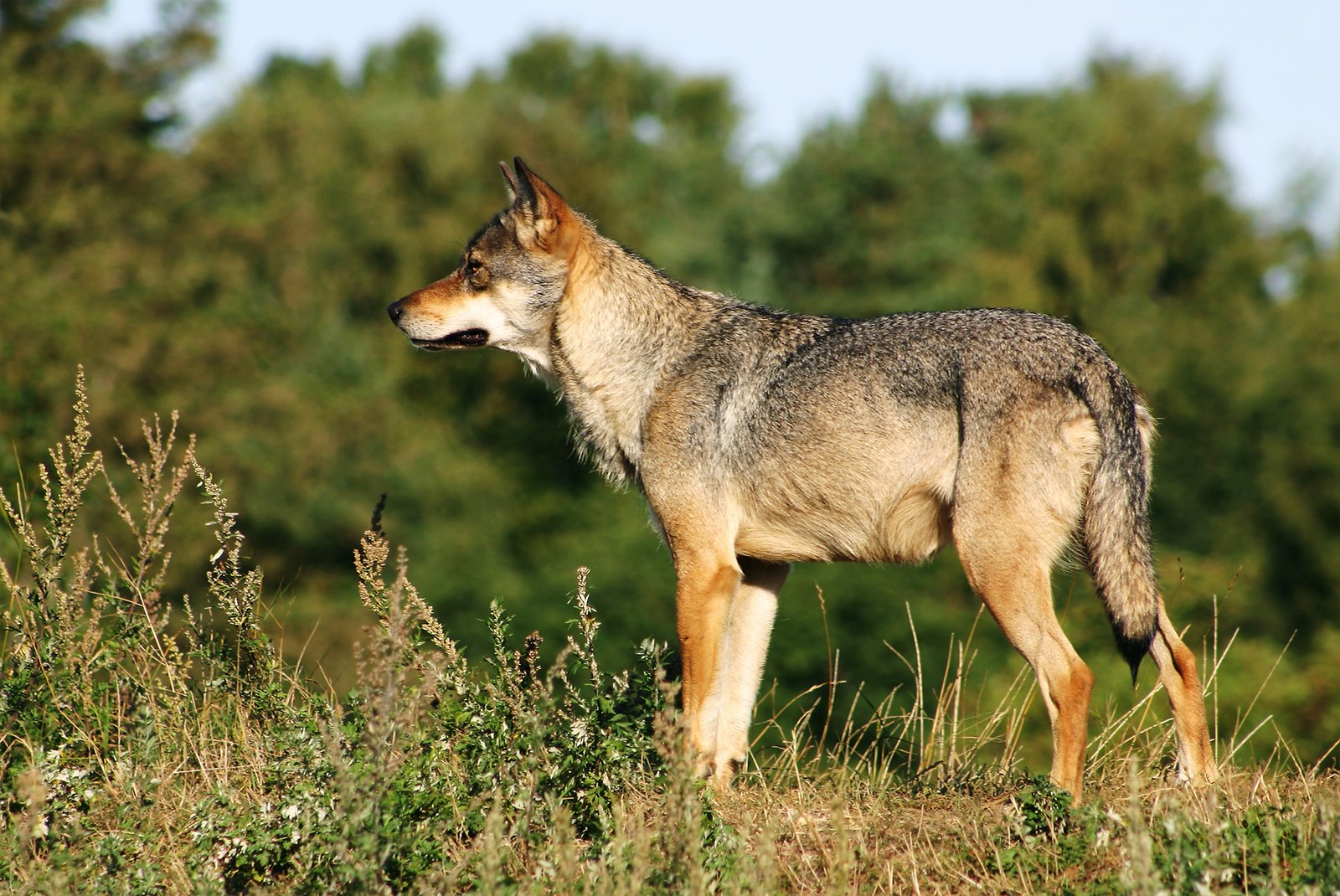
In the delicate ecosystems where Portuguese wild horses roam, predators play a vital role in maintaining balance. Historically, wolves and other large carnivores helped control horse populations, ensuring that they did not overgraze and deplete the vegetation. This natural predator-prey dynamic is essential for the health of the ecosystem, promoting biodiversity and ecological sustainability. However, human interventions have disrupted these natural processes, leading to challenges in managing horse populations. Conservation efforts now focus on restoring these natural balances to ensure the continued survival of both the horses and their habitats.
Conservation Efforts: Protecting a Living Heritage
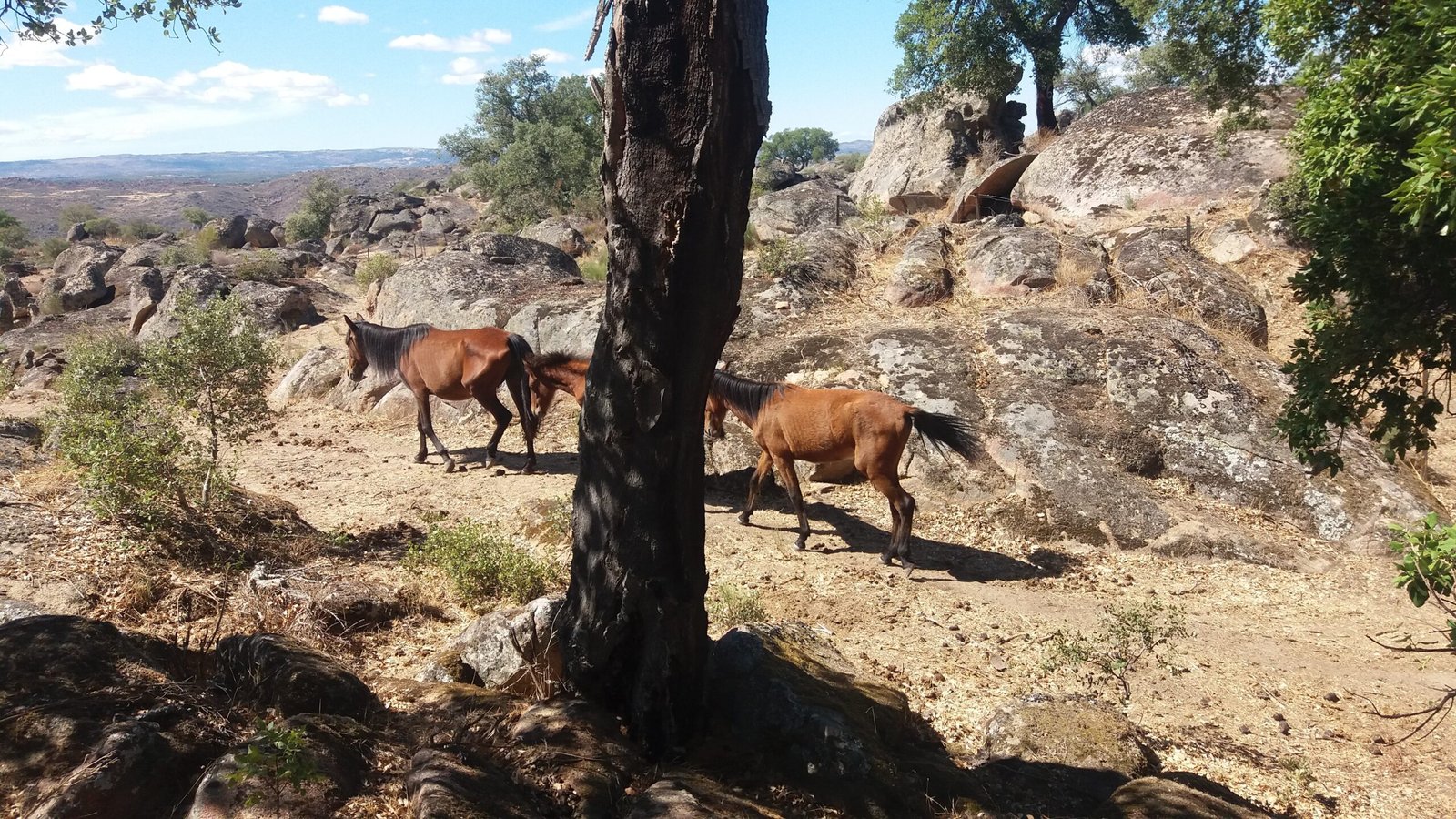
The conservation of wild horses in Portugal is a crucial endeavor to preserve this living heritage. Organizations and enthusiasts are working tirelessly to protect their habitats and promote sustainable coexistence with human activities. Conservation strategies include habitat restoration, legal protection measures, and public awareness campaigns to highlight the importance of these creatures. By understanding their ecological significance and cultural value, efforts are being made to ensure that future generations can witness the beauty of these wild horses roaming freely across the Portuguese landscape.
The Cultural Significance of Wild Horses in Portugal
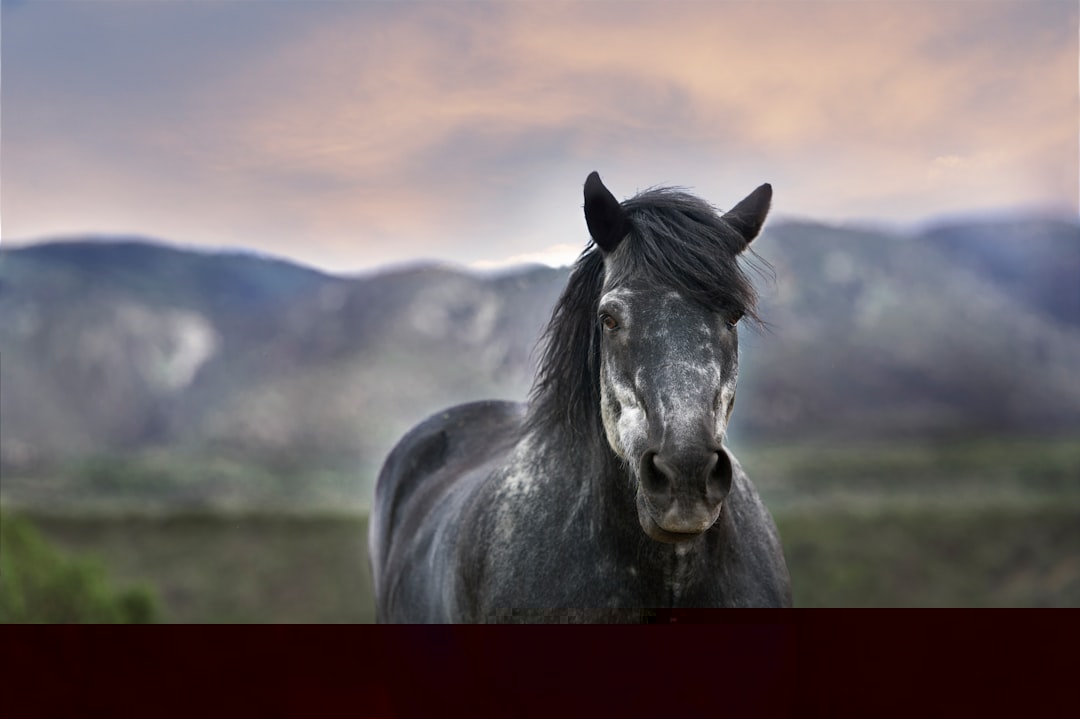
Wild horses hold a special place in Portuguese culture, symbolizing freedom, strength, and the untamed spirit of the land. They have inspired countless legends, artworks, and folklore, reflecting the deep connection between the people and these majestic animals. Festivals and events celebrating wild horses are common, drawing attention to their cultural and historical importance. This cultural reverence not only fosters a sense of pride and identity but also serves as a driving force for conservation, as communities rally to protect these iconic symbols of their heritage.
The Impact of Human Intervention: Challenges and Opportunities
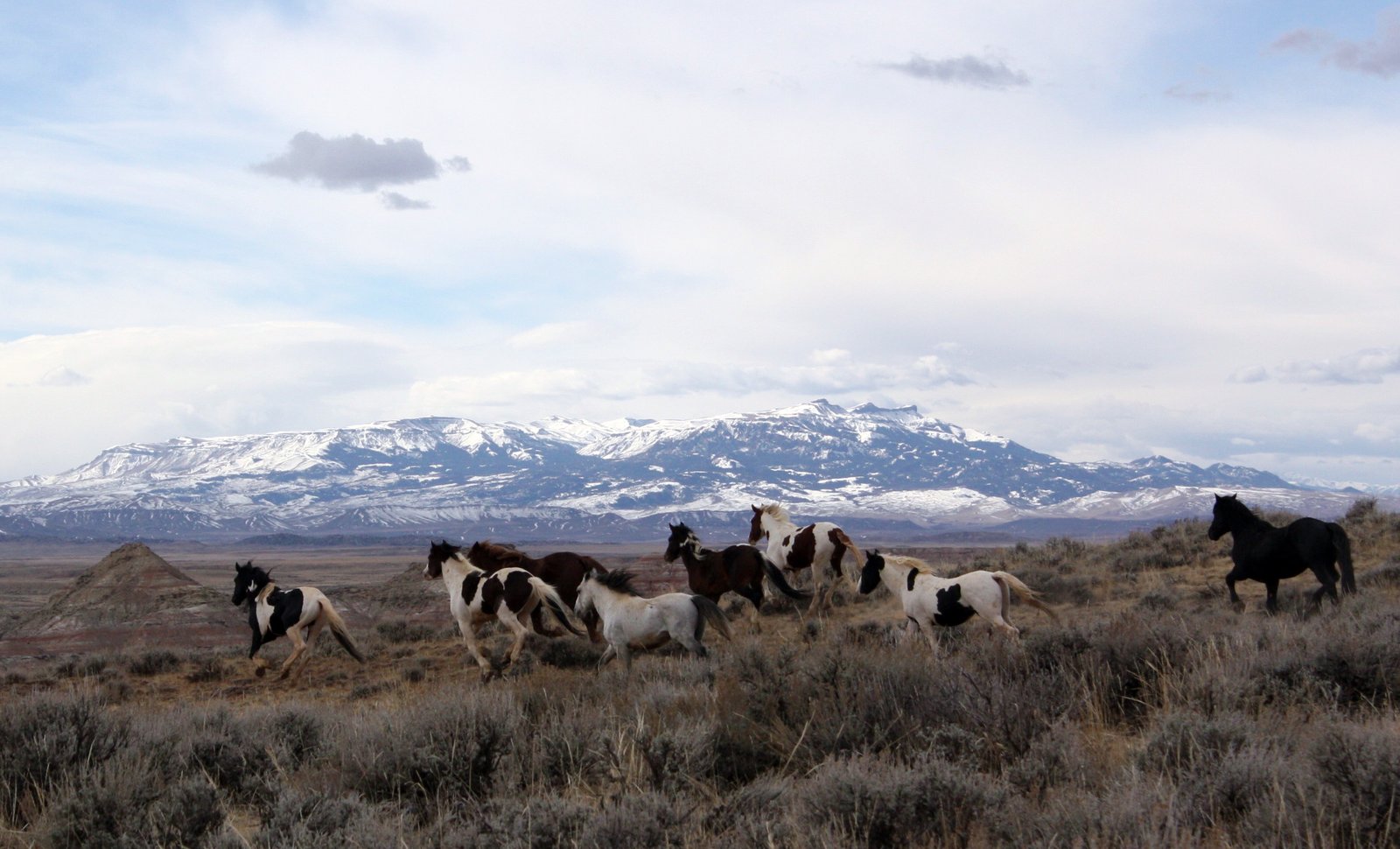
Human activities have posed significant challenges to the survival of wild horses in Portugal. Urbanization, agriculture, and infrastructure development have encroached upon their natural habitats, leading to habitat fragmentation and resource depletion. However, these challenges also present opportunities for positive change. Through collaborative efforts between governments, conservationists, and local communities, sustainable solutions can be devised to mitigate human impact. Initiatives such as wildlife corridors and habitat restoration projects aim to create a harmonious coexistence between humans and wild horses, ensuring their survival for generations to come.
Scientific Research: Unlocking the Secrets of Survival
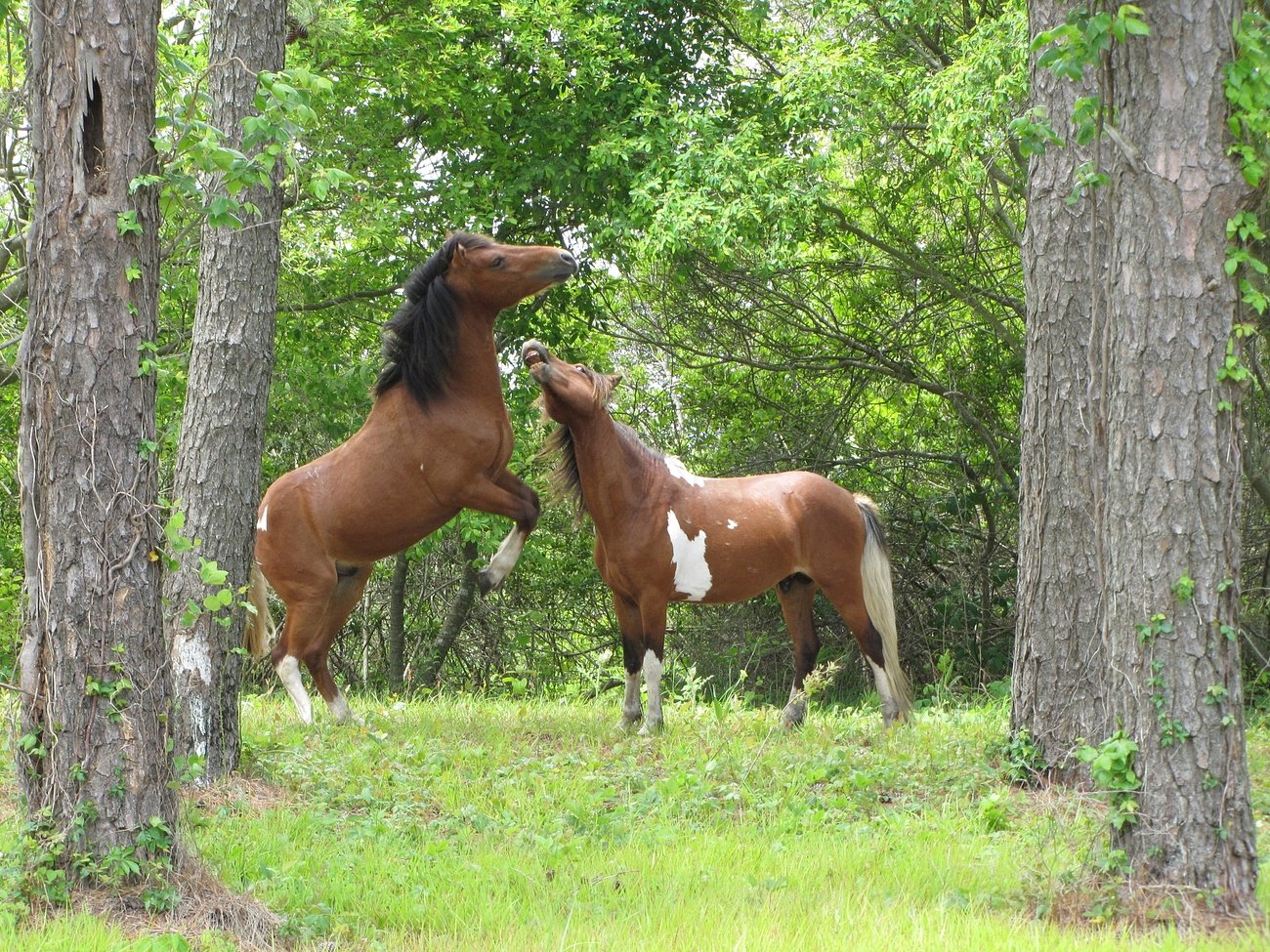
Scientific research plays a pivotal role in understanding the survival mechanisms of Portuguese wild horses. By studying their genetics, behavior, and ecological interactions, researchers gain valuable insights into their resilience and adaptability. This knowledge not only contributes to conservation efforts but also enhances our understanding of evolutionary biology and ecology. Research findings are shared with conservationists and policymakers to inform strategies that promote the sustainable management of wild horse populations. Through science, we unlock the secrets of these ancient herds, ensuring their legacy endures.
The Future of Wild Horses in Portugal: A Call to Action
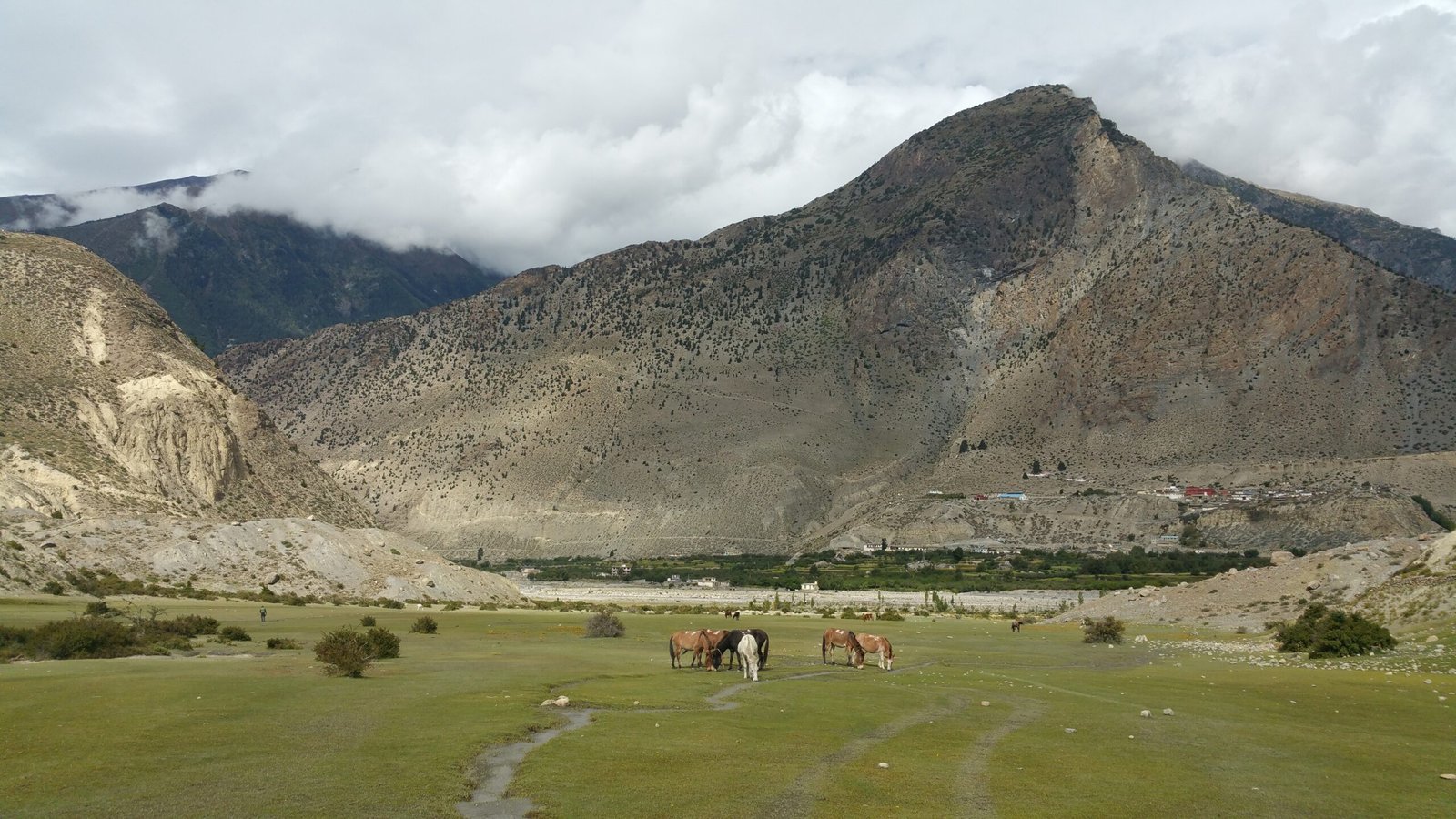
The future of wild horses in Portugal hinges on our collective efforts to protect and preserve these magnificent creatures. As stewards of the natural world, we have a responsibility to ensure their survival amidst the challenges of the modern age. By supporting conservation initiatives, advocating for sustainable land use practices, and raising awareness, we can safeguard the legacy of these ancient herds. The wild horses of Portugal are more than just animals; they are a symbol of resilience and a testament to the enduring beauty of the natural world.