Imagine the salty breeze in your hair, the crash of turquoise waves, and a herd of wild horses trotting along the sand, their manes whipping in the Atlantic wind. Hard to believe, right? Yet, on North Carolina’s Outer Banks, this dream is a living, breathing reality. These aren’t ordinary horses—they’re legends, survivors, and, in more ways than one, divas of the beach. Their story is soaked in mystery, drama, and a dash of glamour that could rival the most captivating beach film. If you thought horses belonged only in grassy meadows or dusty ranches, think again. The Outer Banks wild horses have rewritten the rulebook and made the shoreline their runway.
Ancient Lineage: Descendants of Shipwrecked Survivors
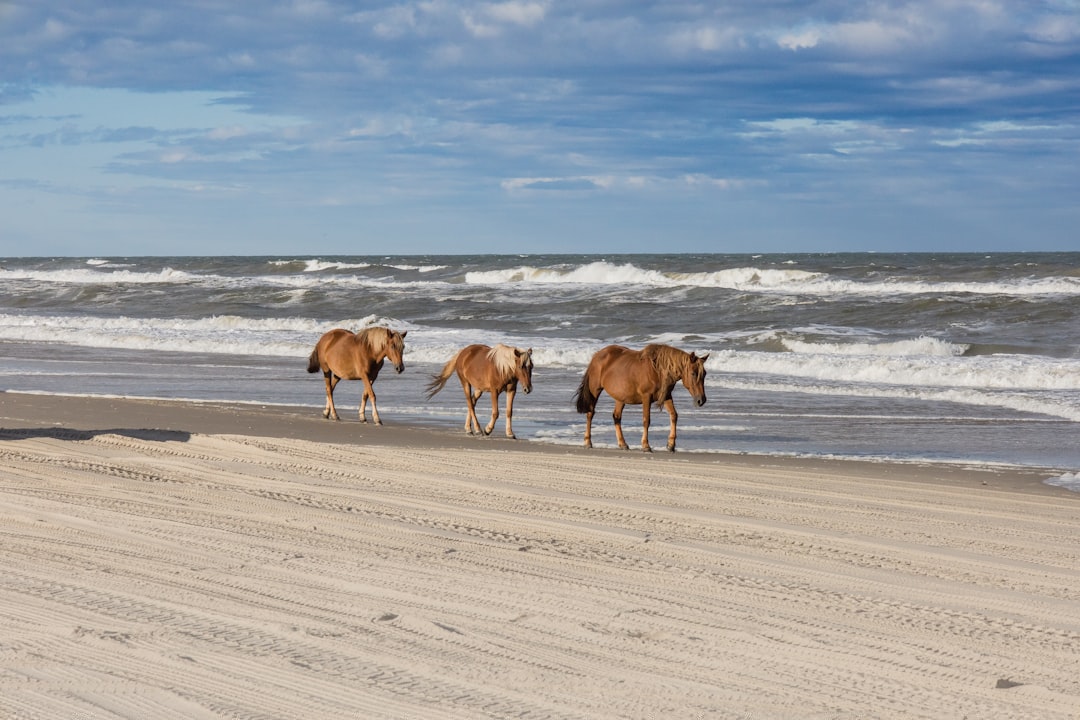
The wild horses of the Outer Banks, often called Banker horses, are thought to be descendants of Spanish mustangs brought to the Americas over 400 years ago. Legend has it that these horses swam ashore after shipwrecks off the coast, clinging to life in the rough Atlantic surf. Genetic studies support their Spanish ancestry, revealing a unique blend of toughness and elegance that’s rare among modern horse breeds. Their survival story is not just a tale from the past; it’s a living example of adaptation and resilience. The idea that their ancestors braved storms and shipwrecks only adds to their mystique. It’s as if every hoofprint in the sand carries echoes of a bygone era, making them true equine royalty of the coastline.
Beach Living: A Surprising Adaptation
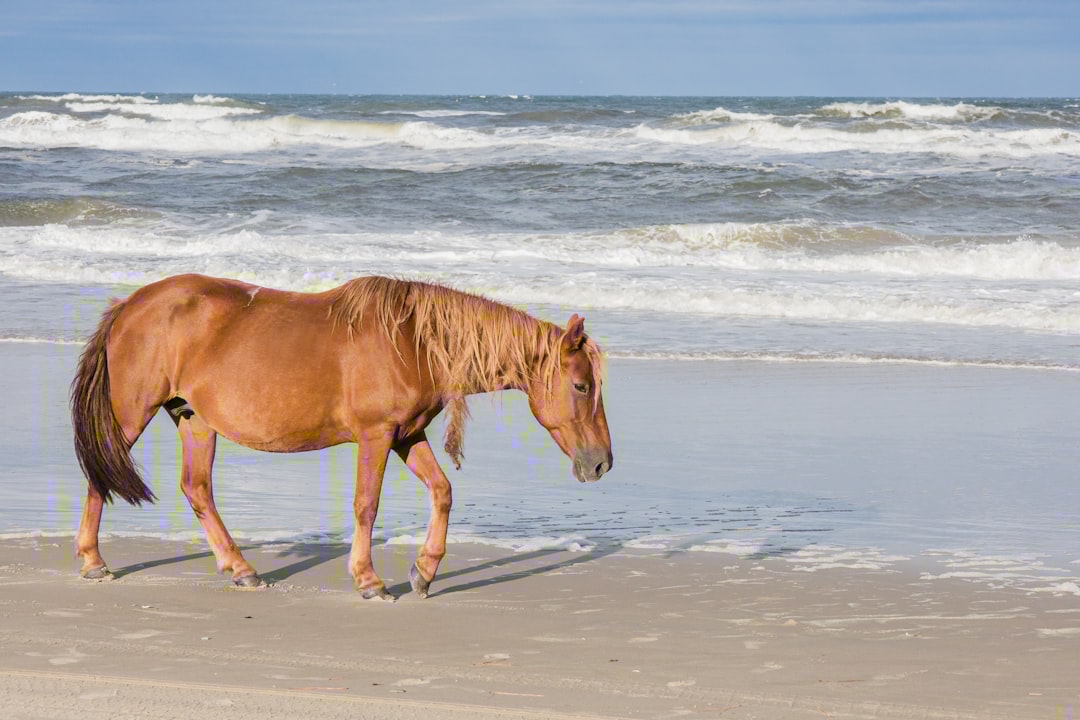
Horses aren’t usually associated with beaches, but these Outer Banks divas seem to thrive in the salty, sandy environment. Unlike their pasture-dwelling cousins, Banker horses graze on sea oats, coastal grasses, and even the occasional shrub. Their hooves have adapted to the shifting sands, giving them surprising agility on dunes where most horses would stumble. The horses’ coats often glisten in the sun, a natural sheen likely enhanced by the salty air and regular ocean dips. Living in this environment also means they face unique challenges, like finding fresh water and shelter during stormy weather. But instead of merely surviving, they seem to flourish, embodying the spirit of freedom and wild beauty unique to the Outer Banks.
Social Hierarchies: Beach Queens and Kings
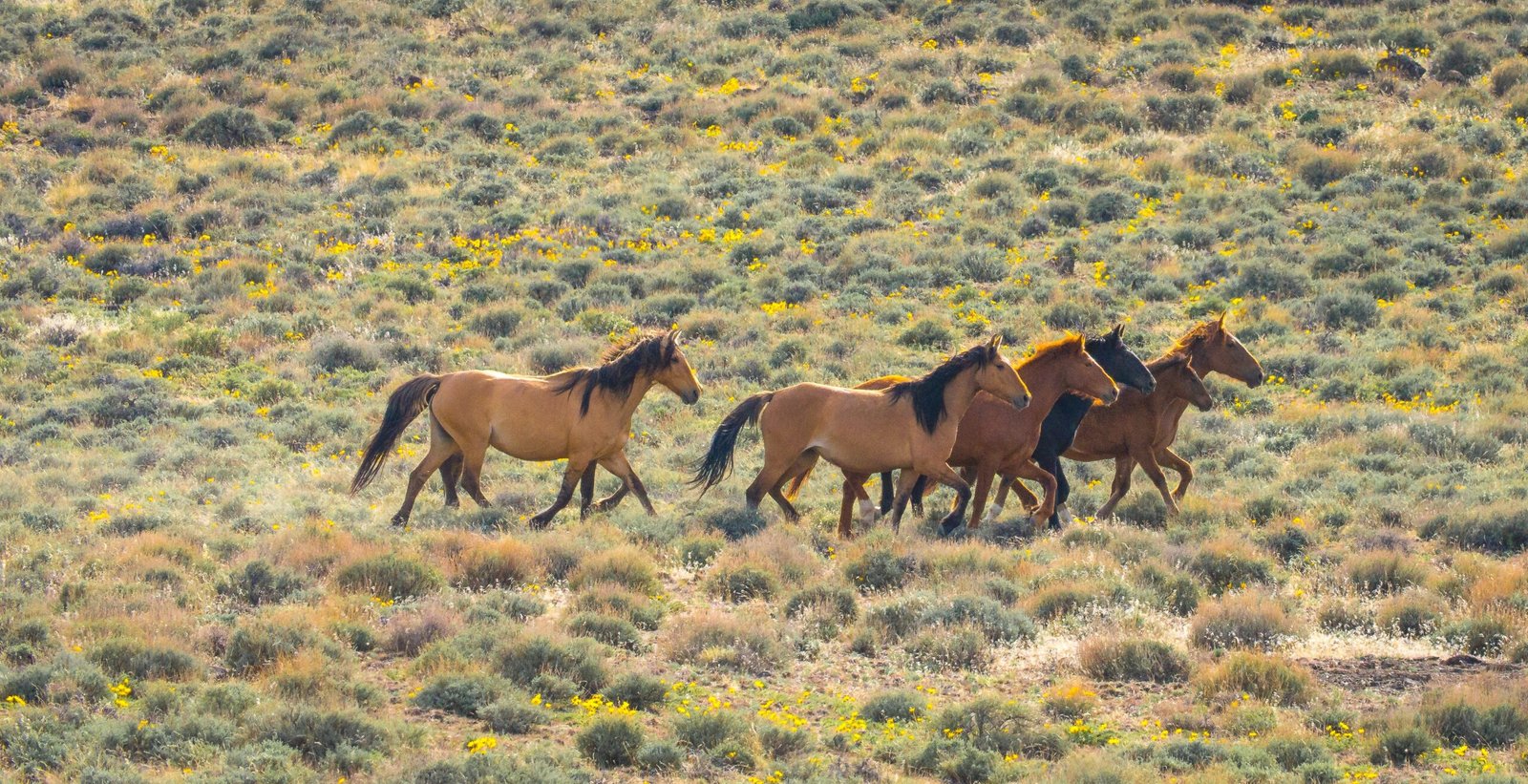
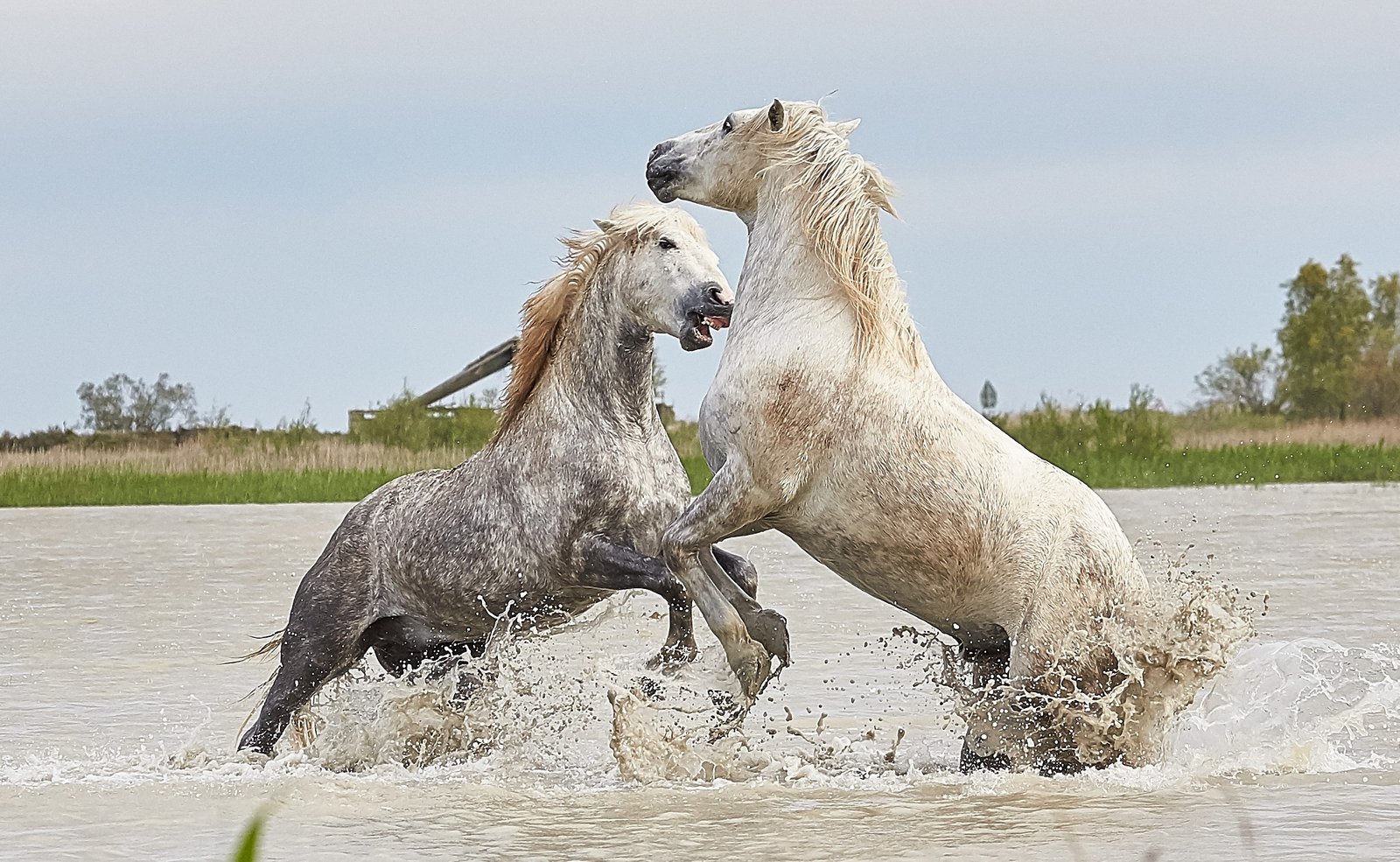
Much like any society of divas, Banker horses have complex social structures. Bands typically consist of one dominant stallion, several mares, and their foals. The stallion leads with a mix of courage and charisma, fiercely defending his group from rivals. Mares, on the other hand, often form close bonds, sharing childcare duties and choosing grazing spots. Social interactions can be dramatic—kicking, biting, and posturing are all part of daily life. Observers can spot shifting alliances and power struggles, much like watching an unscripted reality show on the sand. These intricate relationships help the herd survive the unpredictable beach environment and ensure the next generation learns the rules of the coastal kingdom.
Survival Tactics: Finding Water in a Salty World
One of the biggest challenges these horses face is access to fresh water. The Outer Banks are surrounded by saltwater, and rainfall can be unpredictable. Over generations, the Banker horses have developed clever ways to find freshwater—digging shallow holes in the sand to reach underground springs is a favorite trick. They’ve also learned to drink from temporary rain puddles and brackish ponds. This resourcefulness is a testament to their intelligence and adaptability. During times of drought, the horses become even more mobile, traveling further in search of precious water. Their ability to survive in such a challenging environment is nothing short of remarkable and speaks volumes about their wild instincts.
Glamorous Coats: Nature’s Fashion Statement

If horses could have their own fashion week, the Banker horses would strut effortlessly down the runway. Their coats come in a range of earthy tones—bays, chestnuts, blacks, and even the occasional dun or pinto pattern. The salty air and natural oils keep their coats sleek and shiny. In the summer, they shed their thick winter fur for a lighter, sun-kissed look, while in winter, they fluff up to stay warm against Atlantic winds. Their manes and tails are often tangled with bits of seagrass, giving them a windswept, beachy look that no salon could replicate. Each horse’s unique markings and colors make them easy to identify, turning the sandy shore into a live gallery of natural art.
Dietary Quirks: Coastal Cuisine

Life on the edge of the sea means these horses have a menu unlike any other. Instead of lush grasses, Banker horses feast on hardy vegetation like sea oats, cordgrass, and even wax myrtle leaves. They sometimes munch on prickly pear cactus, a surprising but nutritious delicacy. Their digestive systems have adjusted to this low-nutrient diet, allowing them to extract what they need from tough, salty plants. Occasionally, they’ll nibble on beach plums or wildflowers, adding a splash of variety to their meals. This unique diet not only sustains them but also shapes their sturdy, compact bodies—perfect for life on the move in an often harsh landscape.
Weathering Storms: True Coastal Survivors
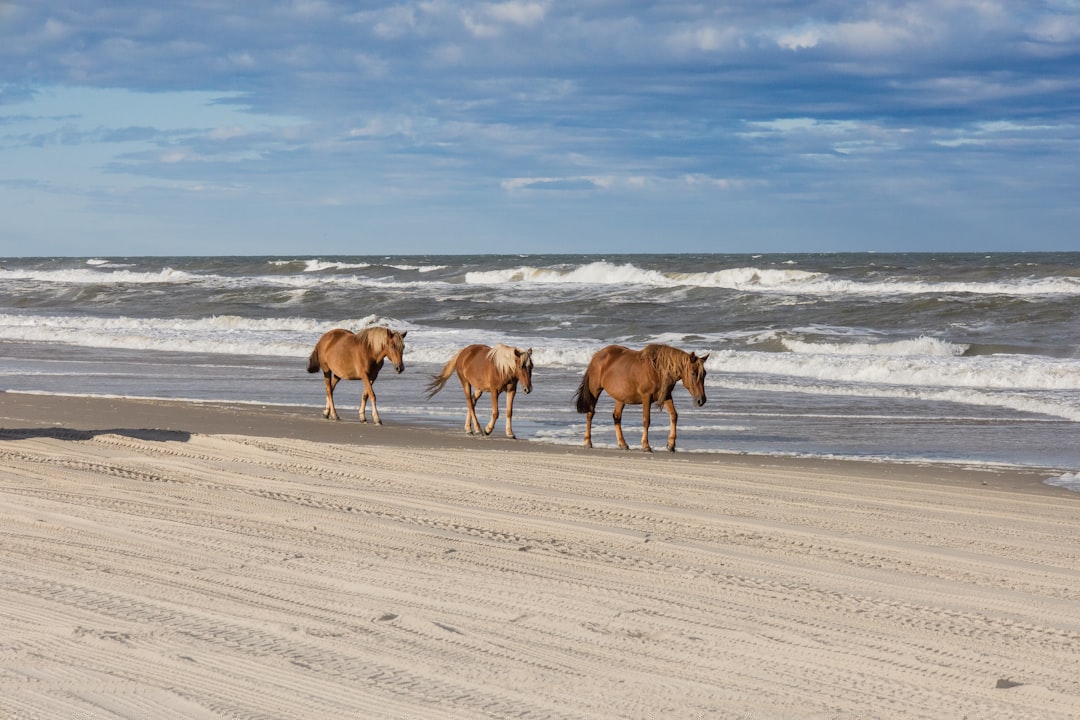
The Outer Banks are no stranger to hurricanes and powerful nor’easters. For the Banker horses, storm season is a time of heightened alertness and instinctive action. When the wind picks up and the skies darken, the herds gather in the maritime forests or seek shelter behind sand dunes. Their keen senses help them detect changes in the weather, often moving to higher ground before storms hit. These horses have survived centuries of tempests, from colonial shipwrecks to modern-day hurricanes. Their survival is a combination of inherited wisdom and sheer grit, making them some of the toughest creatures on the coast.
Foals on the Beach: Adorable Additions
Few sights are as heartwarming as a wobbly-legged foal taking its first steps on the sand. Spring and early summer are foaling seasons for the Banker horses, and new arrivals quickly become the center of attention. Protective mares keep a close watch, teaching their young to navigate dunes, find food, and avoid dangers like snakes or sudden storms. The foals are quick learners, often seen playfully chasing one another or mimicking the adults. Watching a foal grow and thrive under the wide Carolina sky is a reminder of nature’s resilience and the simple joys of wild life.
Human Encounters: A Fragile Relationship
The horses’ undeniable charisma draws thousands of visitors each year, eager for a glimpse of these wild beauties. While tourism supports local economies, it can also pose risks to the horses. Human food, discarded trash, and close encounters can disrupt their natural behaviors or even lead to accidents. Conservation groups work tirelessly to educate the public—reminding everyone to keep a safe distance and never feed the horses. Striking the balance between admiration and preservation is delicate, but essential for the horses’ future. The wild horses’ allure is best enjoyed from afar, allowing them to remain the true divas of the dunes.
Genetic Marvels: Uniquely Adapted
Scientifically, the Banker horses are fascinating. Their genetics reveal a blend of Spanish mustang and colonial breeds, with adaptations that set them apart from domestic horses. They are typically smaller—standing around 13 to 14 hands high—but incredibly strong and agile. Some researchers believe their compact size and tough hooves are direct responses to the coastal environment. Their genetic diversity is limited due to their isolated population, making each horse a living piece of history. Efforts are ongoing to protect their genetic health, ensuring that future generations of wild horses remain as unique and robust as their ancestors.
Protected Status: Laws and Guardians
Recognizing their cultural and ecological importance, state and local agencies have implemented protections for the Banker horses. Laws prohibit harassment, feeding, or approaching the herds, with hefty fines for violators. Nonprofit organizations, like the Corolla Wild Horse Fund, work around the clock to monitor the population, provide veterinary care, and manage the delicate balance between wildness and human impact. These “guardians of the herd” advocate fiercely for the horses’ right to roam free, fighting against threats from development, traffic, and disease. Without these protections, the future of the Banker horses would be far less certain.
Tourism Boom: Impact and Awareness
The wild horses are a major draw for the Outer Banks, with guided tours and photography outings growing in popularity. Tourists flock to the beaches, hoping to catch a glimpse of these living legends. While this attention helps raise funds for conservation, it also brings challenges—more cars, more trash, and more opportunities for dangerous encounters. Education campaigns urge visitors to respect the horses’ space, emphasizing that the best memories come from observing quietly, not intruding. Tourism, when managed responsibly, can be a powerful tool for both awareness and protection, ensuring that the horses remain a beloved symbol of the coast.
Legends and Folklore: Mystique in the Mist
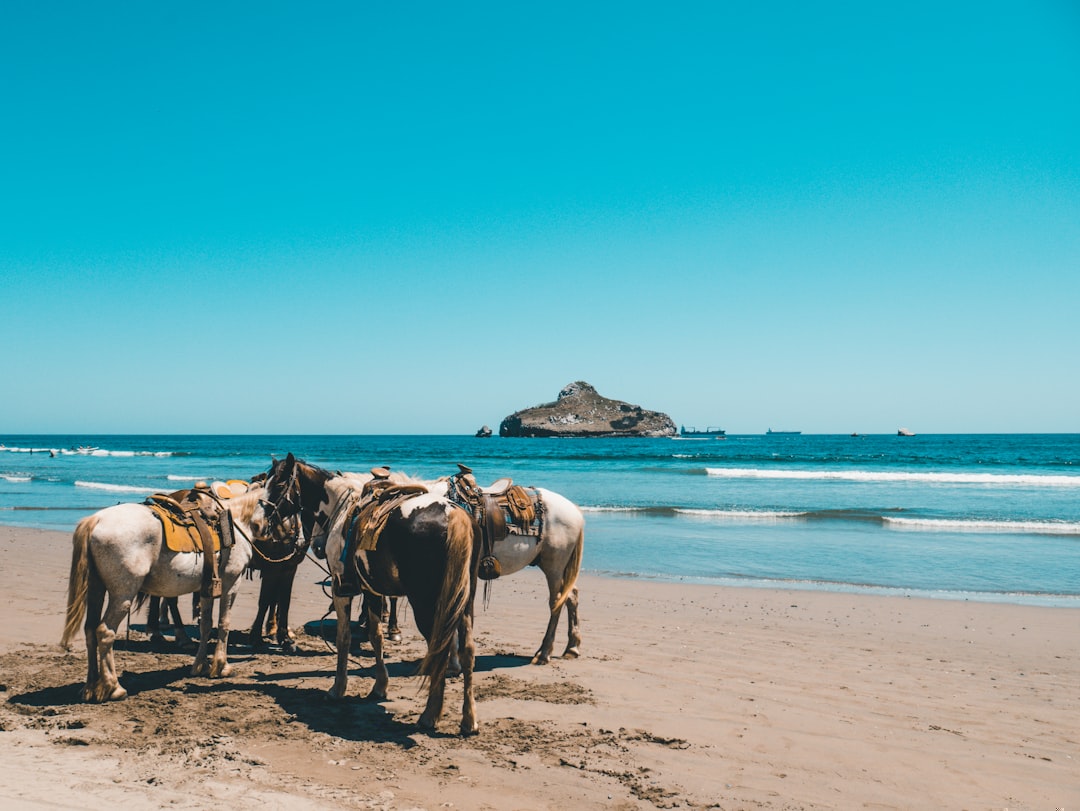
Stories about the Banker horses are woven into the local culture like threads in a tapestry. Some tales claim the horses are the ghosts of lost ships, while others suggest they possess magical powers to calm storms or guide sailors home. These legends, passed down through generations, add an air of enchantment to every hoofprint on the sand. Locals and visitors alike share sightings and stories, fueling the mystique that surrounds the herds. Whether fact or fiction, these tales remind us that the wild horses are more than just animals—they are living symbols of mystery and wonder.
Ecological Role: Shaping the Shores
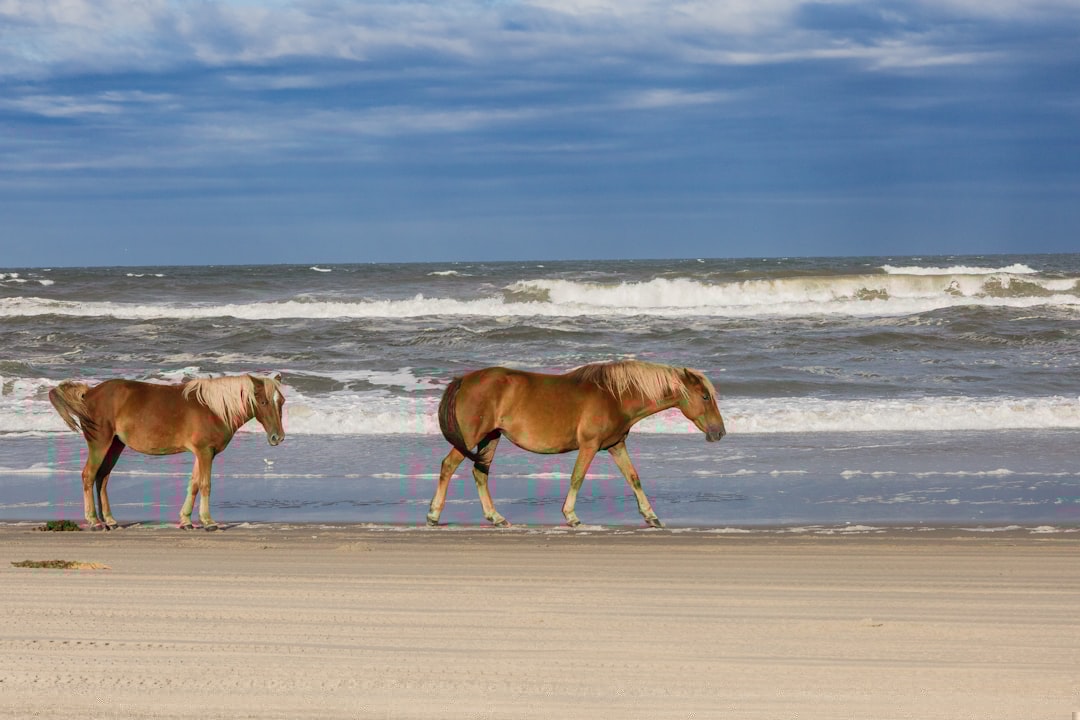
The presence of wild horses has a surprising impact on the coastal ecosystem. By grazing on grasses and shrubs, they help maintain open areas and prevent overgrowth. Their movements create paths through dunes and forests, shaping the landscape in subtle but important ways. Some scientists describe them as “ecosystem engineers”—their behavior influences plant growth, soil composition, and even the habitats of other animals. While this impact can be both positive and negative, the horses are undeniably part of the Outer Banks’ natural balance. Their role in the ecosystem is yet another reason to protect and respect their wild existence.
Challenges Ahead: Climate Change and Development

As sea levels rise and storms become more frequent, the Banker horses face new threats. Climate change could alter the coastal landscape, reducing the areas where herds can find food and shelter. Human development, from vacation homes to new roads, further encroaches on their territory. Conservationists are working to create safe corridors and preserve undeveloped land, but the future is uncertain. The resilience of these horses is inspiring, but they can’t overcome every challenge alone. It’s a race against time to ensure their survival as the world around them changes.
The Irresistible Allure: Why We Can’t Look Away

There’s something undeniably magnetic about the wild horses of the Outer Banks. Maybe it’s their windswept manes, their fierce independence, or the way they seem to embody both wildness and grace. Standing on the sand, watching a herd move in unison against the backdrop of crashing waves, it’s easy to feel a sense of awe. These horses are a living reminder of nature’s beauty and unpredictability—a beacon for anyone longing for a touch of the wild in a world that’s increasingly tamed. Their story is one of survival, adaptation, and undeniable charisma, drawing people from around the globe to witness their beachside ballet.
The wild horses of North Carolina’s Outer Banks are not just survivors—they are icons of resilience, freedom, and untamed beauty. Their presence along the windswept dunes is a testament to nature’s power and mystery, urging us all to celebrate and protect the wild places left in our world.