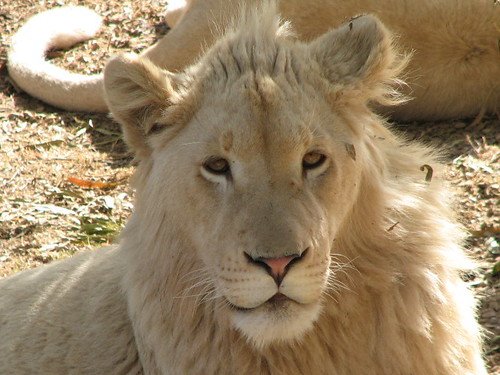

Lions have long been symbolic of strength and majesty, roaming the savannas and grasslands of Africa. Among the estimated 20,000 wild lions in Africa, there exists a rare and intriguing genetic variant: the White Lions of Timbavati. These lions are not just unique due to their color but also because of the scientific interest they generate. This article delves into the mysteries surrounding these majestic creatures, their genetic background, and their significance in the animal kingdom.
Introduction to the Timbavati White Lions
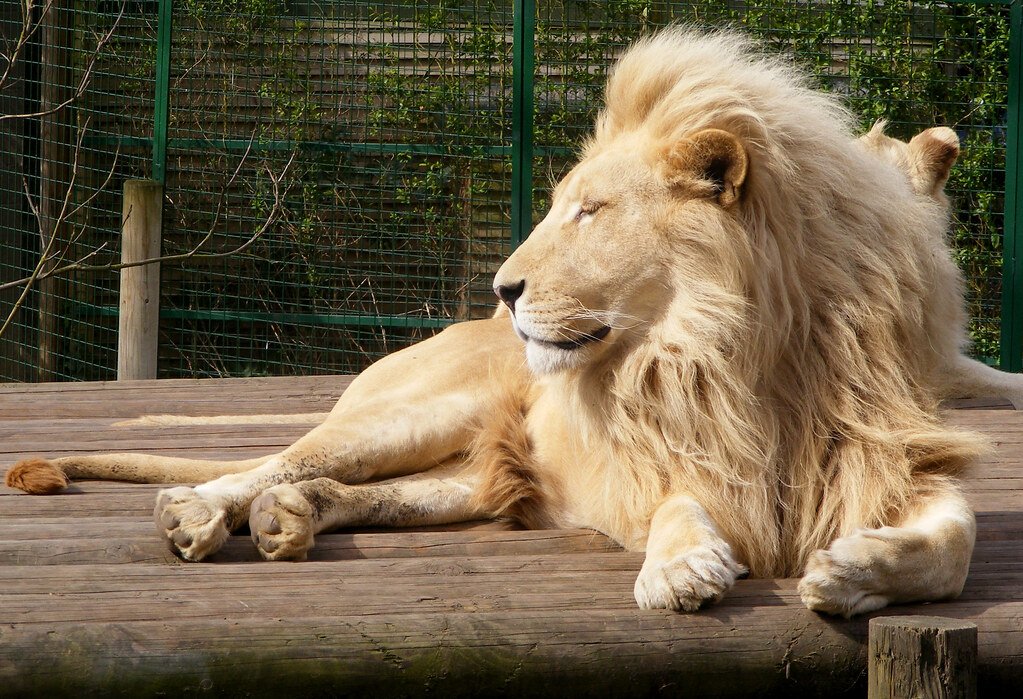
White Lions are mysterious and rare, generating both myth and fascination. First spotted in the Timbavati region of South Africa, these lions are not albinos but a result of a recessive gene that causes their distinctive white coats. Their rarity and beauty have made them subjects of folklore and conservation efforts.
The Genetics Behind the White Coat
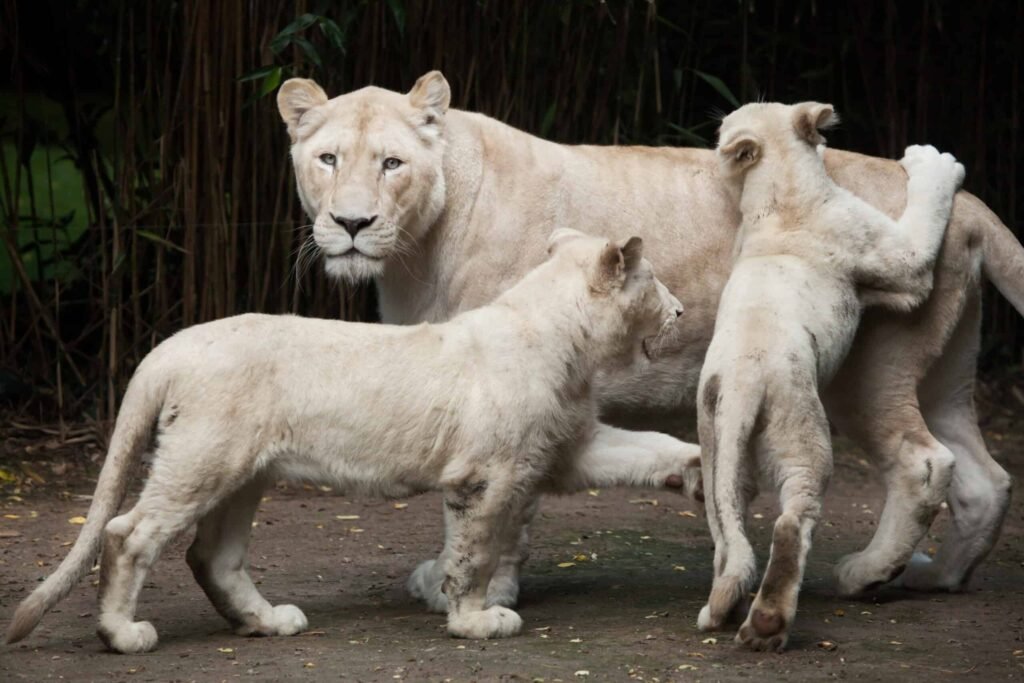
The white coat of these lions is due to a condition known as leucism, which is a recessive genetic trait. Unlike albinism, leucism allows the lion’s eyes and skin to retain normal pigmentation. Scientific interest in this trait is high as understanding it can shed light on broader genetic principles.
Origins and Discovery

White Lions were first documented by Chris McBride in the late 1970s in Timbavati, South Africa. Prior to their scientific documentation, stories of white lions were considered mere folklore, passed through generations of indigenous people who considered these animals sacred.
Physical Characteristics
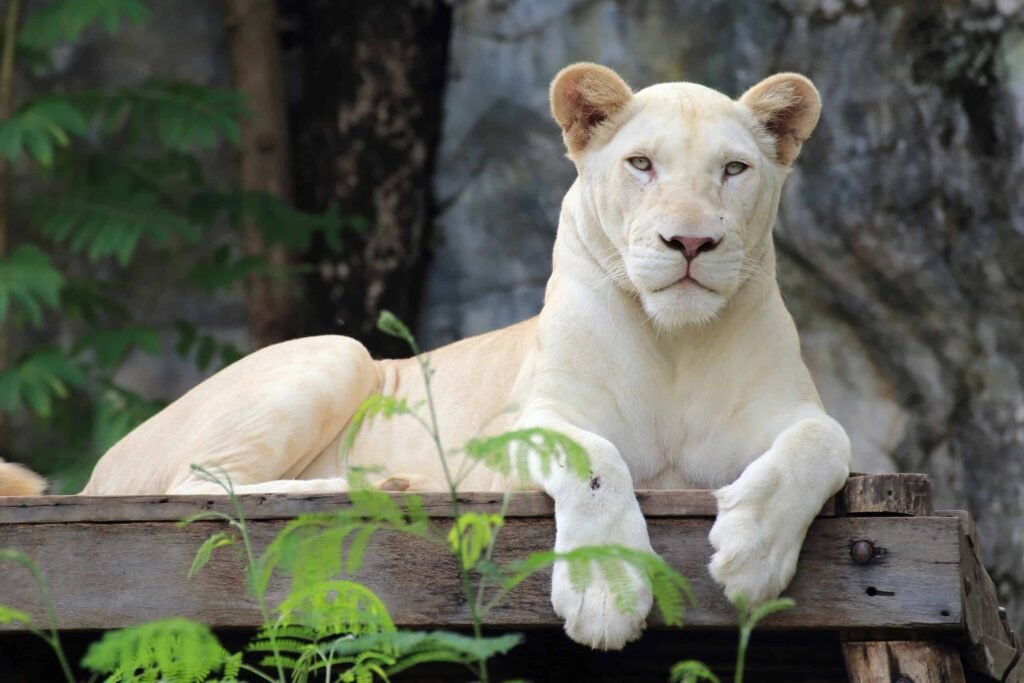
In addition to their striking white coat, these lions often have less pigmentation around their nose and mouth, but their eyes are typically a strong golden hue, differentiating them from albino animals, which usually have pink eyes.
Population and Distribution
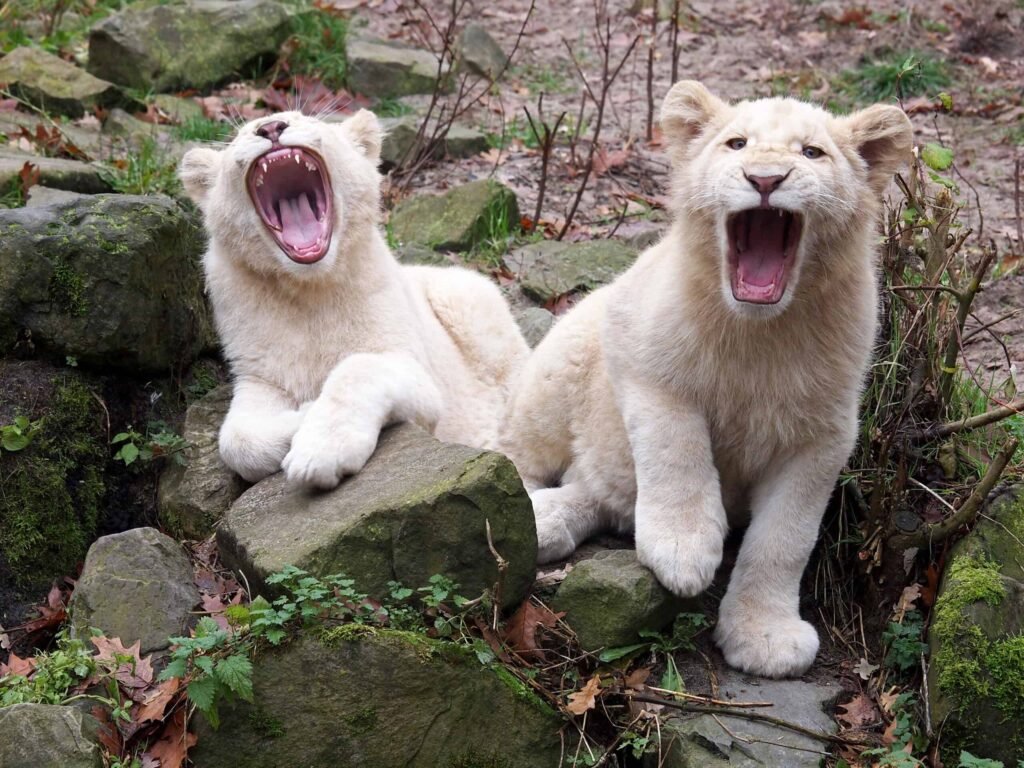
The presence of White Lions in the wild has always been precarious. These lions are extremely rare, and the few that exist in the wild are often found within protected reserves in South Africa. Conservation efforts are crucial to prevent them from disappearing entirely.
Conservation Efforts
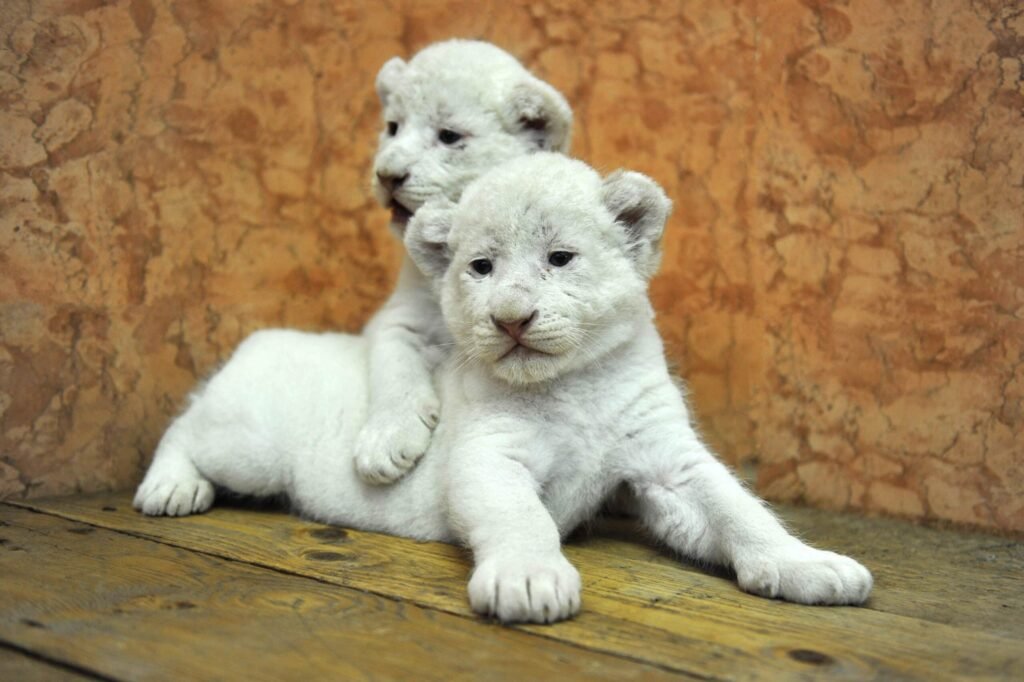
Numerous organizations advocate for the conservation of White Lions. The Global White Lion Protection Trust (GWLPT) works tirelessly to protect these creatures through breeding programs and habitat conservation, emphasizing both their ecological and cultural significance.
Cultural Significance
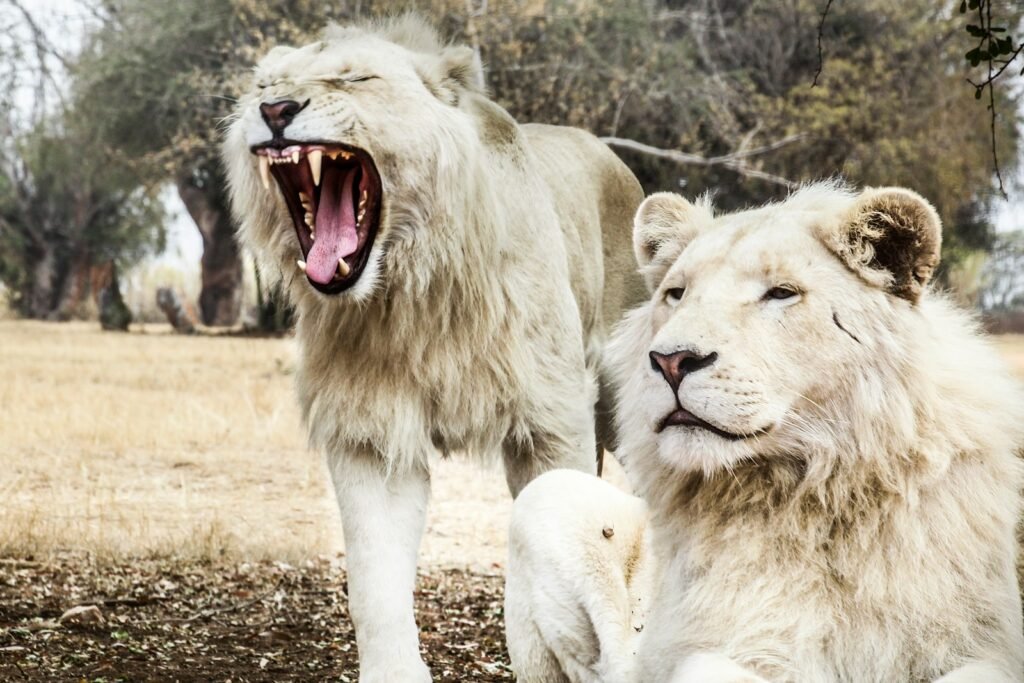
Within African traditions, especially among indigenous tribes such as the Tsonga and Sepedi, White Lions are revered as sacred beings. They symbolize enlightenment and are considered bearers of peace and harmony.
The Role in the Ecosystem
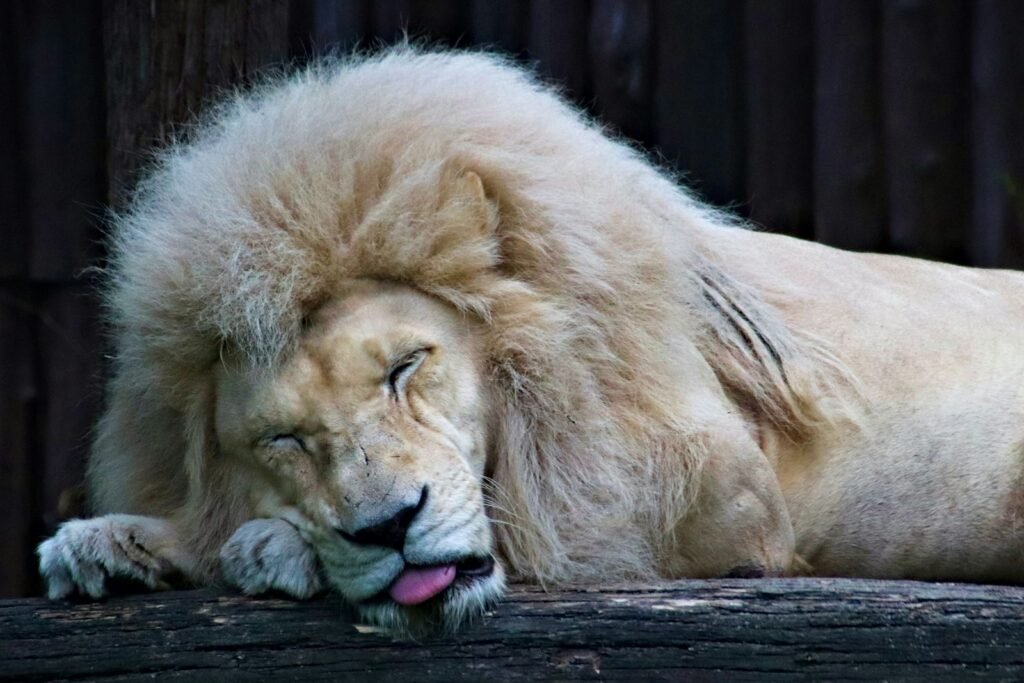
As apex predators, lions play a key role in their ecosystems by controlling the populations of herbivores, which in turn shapes the landscape. Maintaining genetic diversity, including rare forms like White Lions, is vital for ecological balance.
Challenges Facing White Lions

Despite their protected status, White Lions face significant threats from habitat loss, poaching, and human-wildlife conflict. The illegal wildlife trade and trophy hunting further exacerbate these challenges.
Research and Studies

Ongoing research endeavors aim to better understand the genetic mutation that causes the white coat and how it might affect their survival and reproduction in the wild. Insights from this research could contribute to broader genetic and conservation knowledge.
Captivity and Ethical Considerations
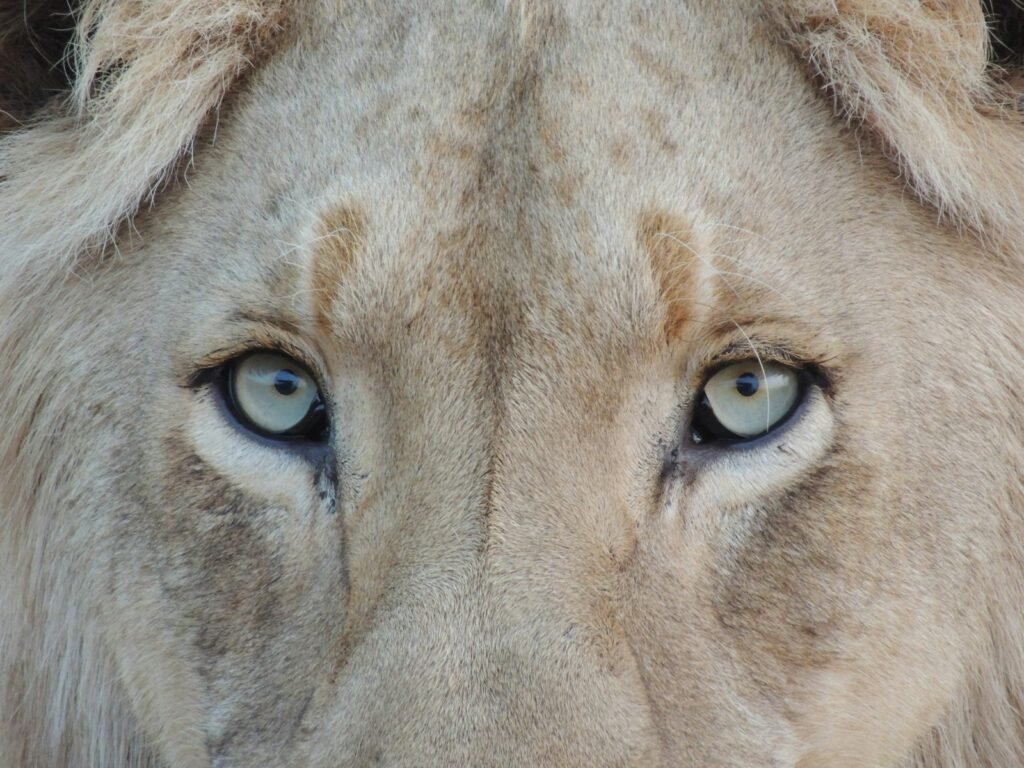
The ethics of keeping White Lions in captivity are hotly debated. While captivity can offer protection and ensure continued breeding, it can also lead to exploitation and inbreeding if not managed responsibly.
White Lions in Popular Culture

The allure of White Lions has transcended cultural borders, featuring prominently in literature, films, and tourism campaigns. Their majestic appearance sparks imagination and draws attention to their conservation story.
Tourism and Economic Impact

White Lions have become a significant draw for ecotourism in South Africa. Properly managed, this tourism can provide economic benefits to local communities and funding for conservation efforts, highlighting their potential as ambassadors for wildlife protection.
Breeding Programs
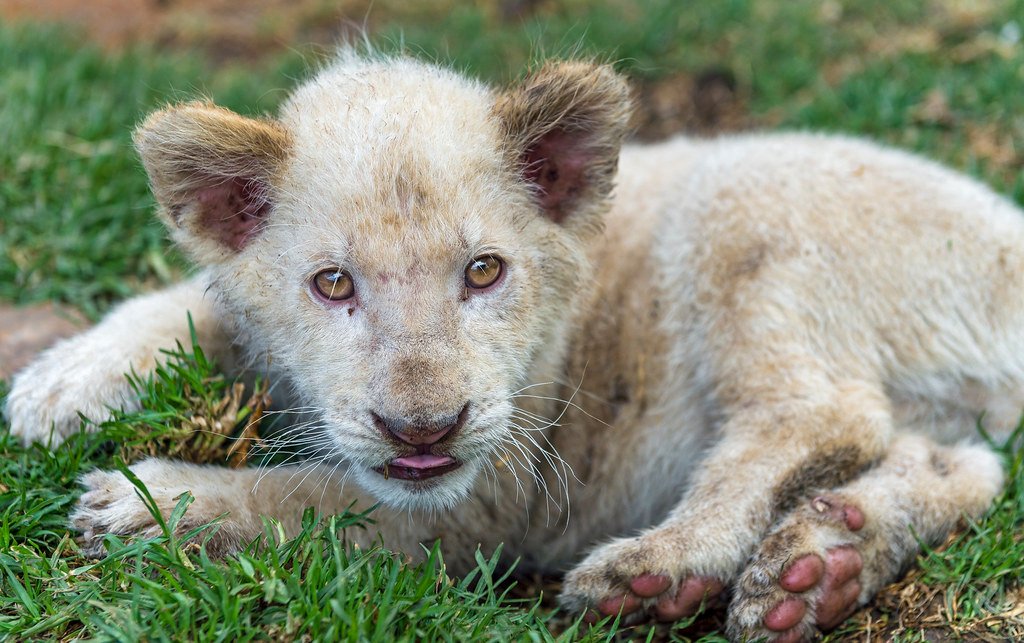
Managed breeding programs are crucial for maintaining healthy genetic diversity among White Lions. By placing an emphasis on responsible breeding, these programs aim to sustain a viable population both in the wild and in captivity.
Educational Initiatives

Educational programs emphasizing the cultural and ecological significance of White Lions are vital. Such initiatives aim to increase global awareness and foster a deeper understanding of the need for conservation.
The Future of White Lions

The future of White Lions hinges on successful conservation strategies that address the socio-economic challenges facing African wildlife. Continued research, community involvement, and international support are key to ensuring their survival for future generations.
Conclusion: A Call to Action
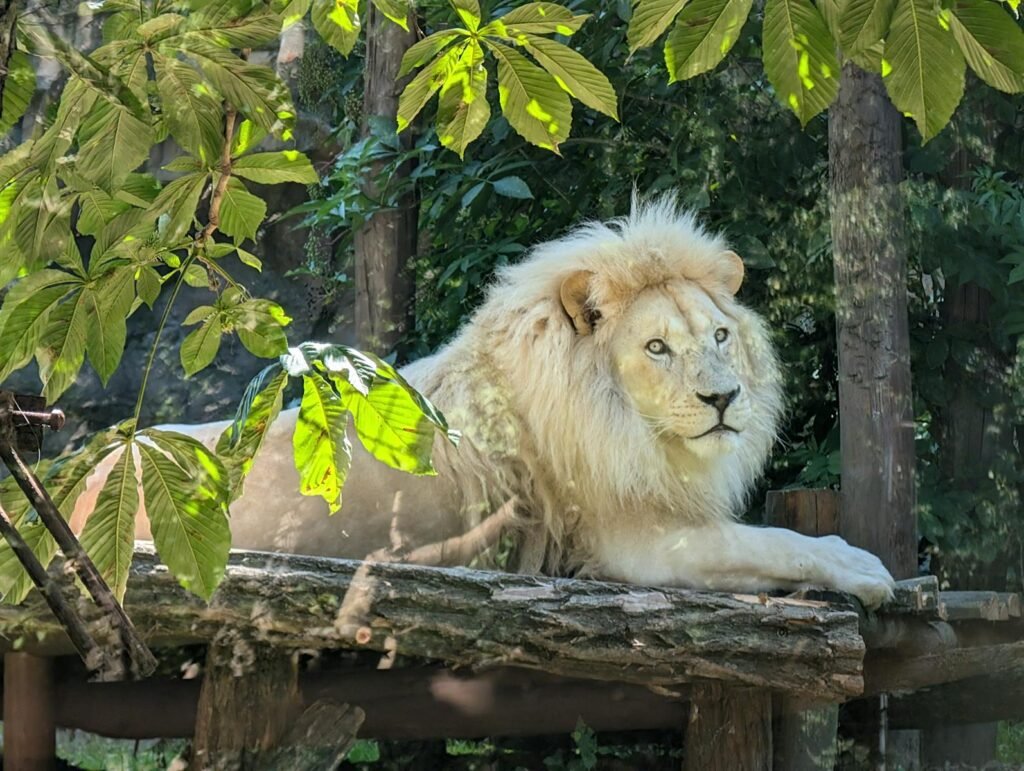
The White Lions of Timbavati are not only a genetic marvel but also cultural treasures and ecological keystones. Their survival requires a collaborative global effort focused on sustainable conservation strategies. Ensuring the continuity of White Lions in the wild will symbolize our commitment to preserving the earth’s natural wonders for generations to come.