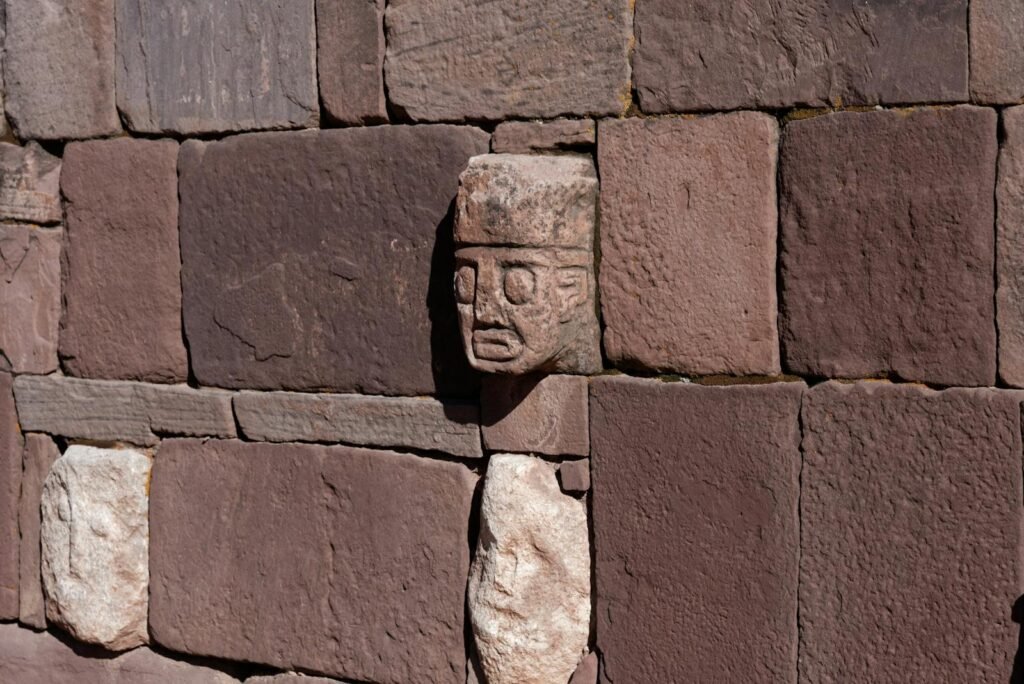

Something magical happens when you stand in the heart of Tiwanaku. The stones seem to hum with stories, the air itself vibrating with secrets from a civilization long vanished. It’s not just the ruins themselves that capture your imagination, but the uncanny way sound moves, the shadows fall, and the stars align over these ancient walls. Tiwanaku is more than a relic — it’s a living puzzle, waiting to be solved by those who listen closely enough. What did its builders know that we’ve forgotten? And how did they shape a city that whispers across time, inviting us to marvel at its mysterious blend of science, art, and wonder?
The Heart of the Altiplano

Perched nearly 13,000 feet above sea level, Tiwanaku sits in the windswept Bolivian highlands. The landscape is rugged and breathtaking, with Lake Titicaca shimmering nearby like a pool of liquid sky. This isn’t just geography — it’s context. Building here wasn’t easy. The altitude means thin air, cold nights, and harsh sunlight. Yet, for the Tiwanaku people, this place was sacred. It connected earth and sky, and the stones themselves seem to echo that bond. You can almost feel the heartbeat of the ancient builders in every block they laid.
A Civilization Shrouded in Mystery
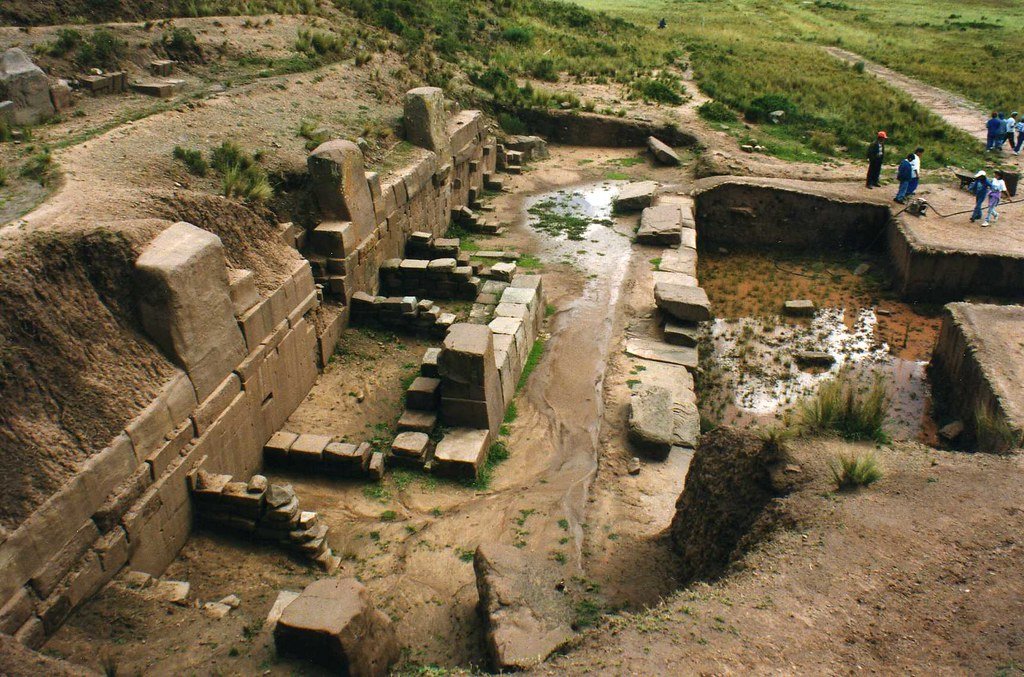
Who exactly were the people of Tiwanaku? Their origins are still debated, but what’s clear is that they flourished between 400 and 1000 CE, creating a society as complex as any in the ancient world. Unlike the Inca, who came later, the Tiwanaku left no written language. Instead, their stories are carved into stone, encoded in monuments and artifacts. Archaeologists still puzzle over their disappearance, but there’s no denying the mark they left on Andean history. Their influence stretched for hundreds of miles, shaping cultures long after the city fell silent.
The Monumental Stones

Walking through Tiwanaku, the first thing you notice is the sheer size of the stones. Some blocks weigh over 100 tons — heavier than an elephant herd. Moving and fitting them with such precision seems almost superhuman. There are no clear records of how they did it. Was it ramps, ropes, or something lost to time? The craftsmanship is undeniable: joints so tight you can’t slide a knife between them. Every angle, every face, feels intentional. It’s as if the stones themselves were chosen to last forever, silent witnesses to centuries of change.
The Whispering Walls: Acoustic Marvels

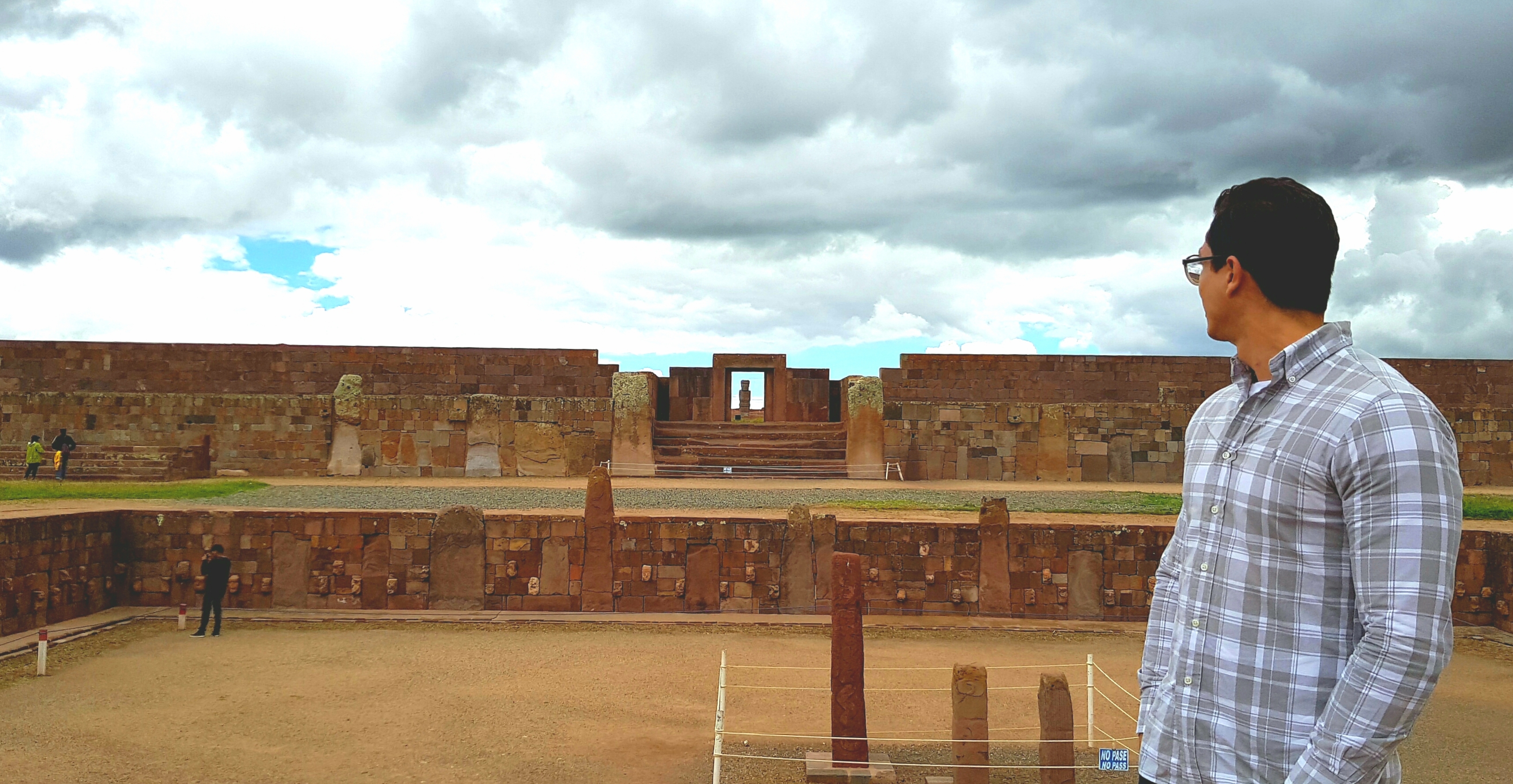
Perhaps the most surprising feature of Tiwanaku is how sound behaves among its stones. Visitors and researchers alike have noticed strange acoustic effects — whispers carrying far, voices amplified or muted in unexpected ways. It’s not just coincidence; some believe the architects designed these spaces to enhance ritual chants or speeches. In the Semi-Subterranean Temple, for example, a soft voice can travel across the courtyard, reaching listeners with clarity. Imagine priests or leaders using this natural amplification to address crowds, their words rolling like thunder through the assembled masses.
Intentional Soundscapes

Acoustic research at Tiwanaku suggests the placement of walls, columns, and even statues wasn’t only for visual effect but for sound, too. Certain spots act like natural megaphones, while others create intimate spaces for quiet conversation. This wasn’t just clever design — it was a way to harness the environment for social and spiritual gatherings. Think of it like the ancient version of surround sound, turning ceremonies into immersive experiences. The builders seemed to understand, instinctively or through experimentation, how sound could shape emotions and memory.
The Astronomical Alignments

Look closely at the monuments of Tiwanaku, and you’ll find that many are aligned with the sun, moon, and stars. The Kalasasaya temple, for example, is more than a pile of stones — it’s a giant solar observatory. On the spring and autumn equinoxes, sunlight streams through its gates with perfect precision, marking the change of seasons. This was no accident. The architects had a deep understanding of the heavens, using their city as a giant calendar. Watching the sunrise here, you can sense how important celestial rhythms were to their daily life.
The Gateway of the Sun

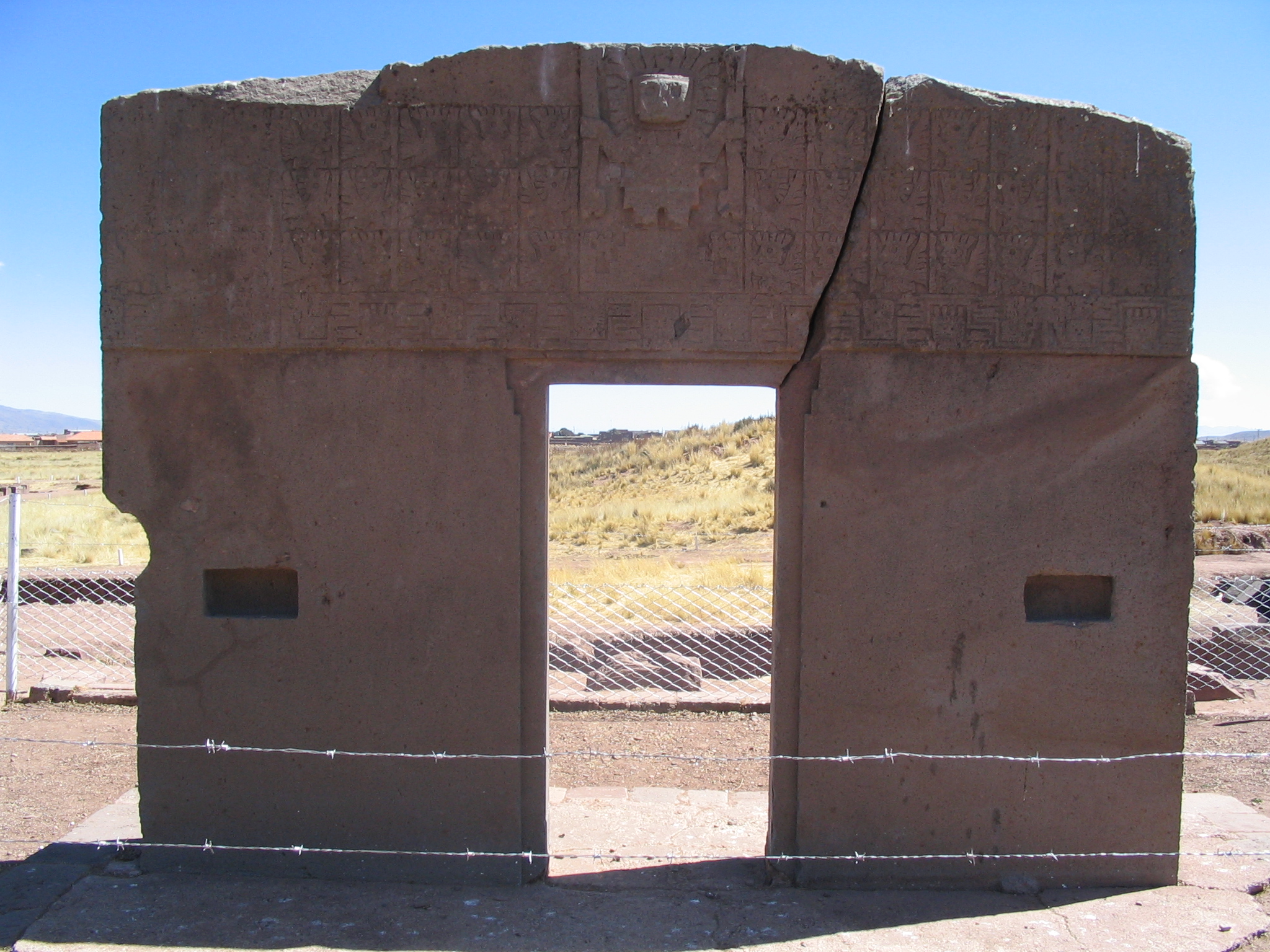
One of Tiwanaku’s most iconic features is the Gateway of the Sun, a massive stone portal carved from a single block of andesite. Its surface is etched with enigmatic figures thought to represent deities, calendars, or cosmic events. When the first rays of the solstice sun hit the gateway, they illuminate its carvings, casting dramatic shadows that seem to bring the stone to life. Scholars still debate the meaning of these symbols, but one thing is clear: this was a place of cosmic power, where the earthly and the divine intersected.
The Semi-Subterranean Temple
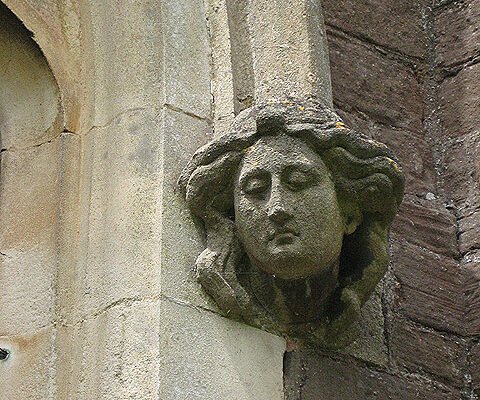
Sink a few steps below ground, and you’ll find yourself surrounded by the faces of the past. The Semi-Subterranean Temple is lined with hundreds of carved stone heads, each one unique, staring out from the walls. This sunken space feels both intimate and otherworldly. Here, the acoustics are particularly striking. A single voice can echo and linger, as if the ancestors themselves are listening in. Archaeologists believe this temple was used for important rituals, perhaps involving music, chanting, or even water — all amplified by the architecture.
Pumapunku: The Puzzle of Precision
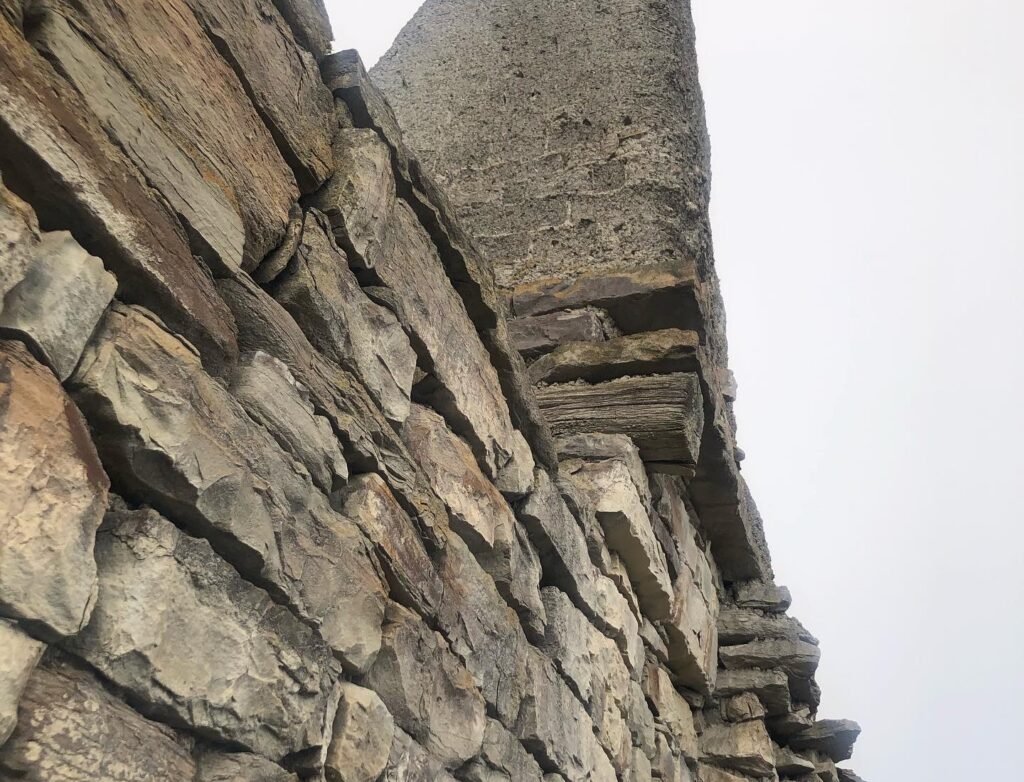
If there’s one part of Tiwanaku that truly baffles engineers and scientists today, it’s Pumapunku. This ruined platform is scattered with blocks cut so precisely that they fit together like pieces of a jigsaw puzzle. The H-shaped stones, right angles, and smooth faces look as if they were machined, not chiseled by hand. Yet this was done over a thousand years ago, with tools we still don’t fully understand. Some researchers have compared the precision to modern engineering, sparking wild theories and heated debates about ancient technology.
Engineering Without Metal Tools
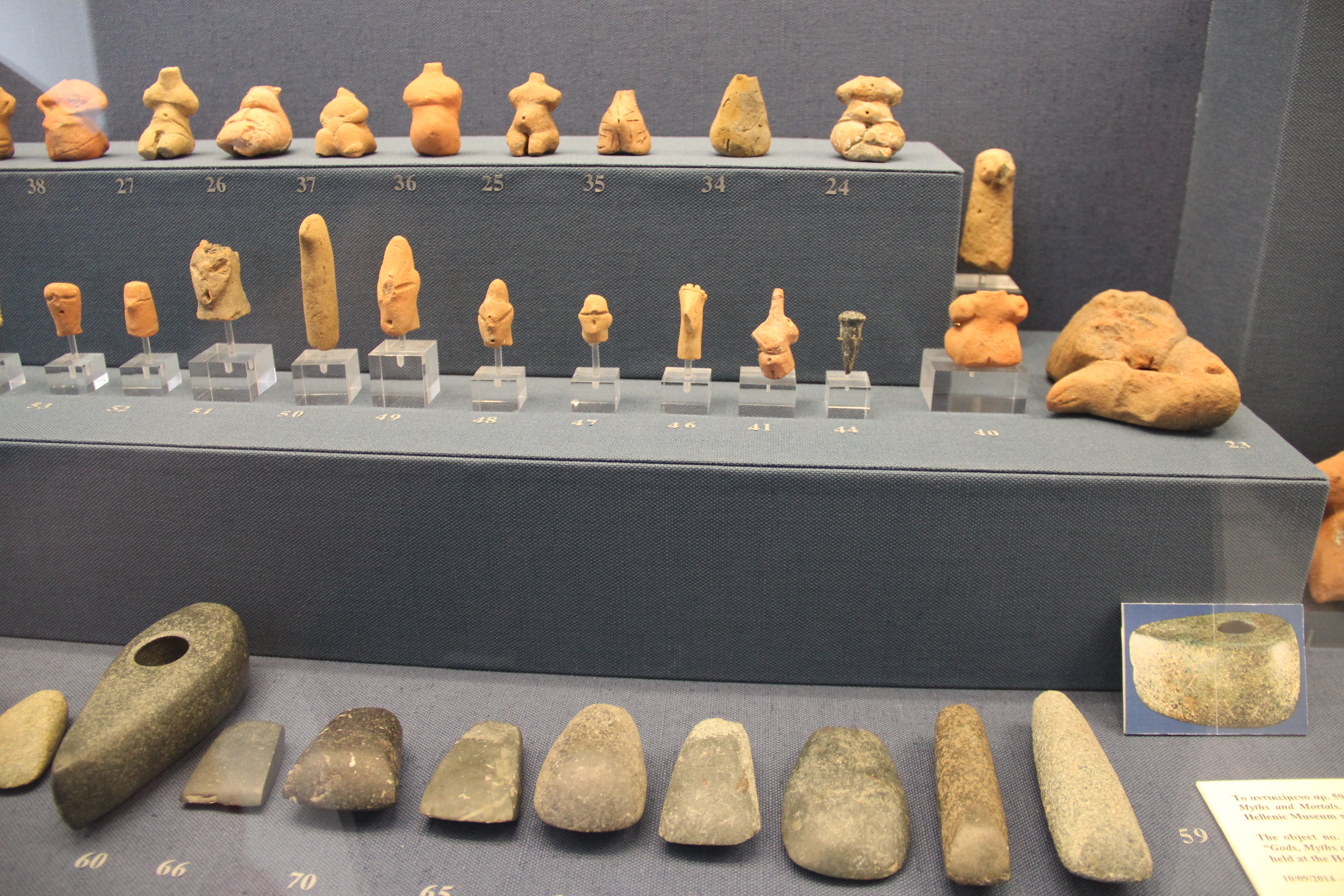
What makes Tiwanaku’s achievements even more astonishing is that the builders worked without iron or steel. Their tools were mostly made of stone, bone, and wood. Yet they managed to cut, polish, and transport colossal blocks with a level of skill that rivals today’s best stonemasons. It’s a humbling reminder of what human ingenuity can accomplish, even with simple materials. The secret may lie in patience, teamwork, and an intimate knowledge of the landscape — qualities as valuable then as they are now.
Waterways and Agriculture

Beyond its temples and plazas, Tiwanaku was a city designed to thrive in a harsh environment. The engineers created an intricate network of canals and raised fields called “sukakollos.” These earthworks captured rainwater, reduced frost, and allowed crops to flourish where none should grow. This agricultural innovation supported a large population, proving that the Tiwanaku people were just as skilled in nurturing the land as in building monuments. Today, researchers are reviving these methods to combat food insecurity in the highlands.
The Role of Rituals and Festivals

Life in Tiwanaku revolved around rituals and festivals tied to the agricultural and astronomical calendar. The city’s plazas and temples buzzed with music, dance, and offerings to the gods. These communal gatherings were more than just celebrations — they reinforced social bonds and honored the cycles of nature. The clever use of sound and space turned every event into a sensory spectacle, making sure that each participant felt connected to something larger than themselves. Imagine the energy, the joy, and the awe as the sun rose over the stones, greeted by song.
The Tiwanaku Pantheon

The gods of Tiwanaku were as complex as the city itself. Carvings and statues depict powerful figures with animal and human traits — jaguars, condors, and serpents mingling with mysterious deities. These images weren’t just decoration. They embodied the forces of sky, earth, and water that sustained life in the highlands. The Gateway of the Sun’s central figure, with its radiant headdress, is thought to represent a creator god, watching over the city. Every festival, every offering, was a conversation with these cosmic powers.
Trade and Cultural Exchange

Tiwanaku wasn’t isolated. Its influence stretched across the Andes, connected by a web of trade routes. Goods like obsidian, textiles, and ceramics flowed in and out of the city, linking it to distant communities. Archaeological finds show that Tiwanaku’s art and ideas traveled far beyond its walls, shaping the cultures of Peru, Chile, and beyond. This network of exchange helped the city thrive, bringing in new materials, technologies, and stories that enriched daily life.
The Collapse and Legacy

Around 1000 CE, Tiwanaku’s golden age came to an end. The reasons are still debated — climate change, political upheaval, shifting trade routes. What’s certain is that the city was abandoned, its stones left to the wind and sun. But Tiwanaku never truly disappeared. Its descendants, the Aymara people, kept its memory alive through language, tradition, and ritual. Today, the ruins stand as a testament to what humans can achieve with vision and determination, even in the face of adversity.
Modern Rediscovery and Research

Tiwanaku’s secrets are still being uncovered by archaeologists, acousticians, and astronomers. Every year brings new discoveries — buried plazas, hidden carvings, traces of ancient colors. Advances in technology, like ground-penetrating radar and 3D modeling, are revealing how the city was laid out and how its builders thought about space and sound. Each find adds another piece to the puzzle, bringing us closer to understanding the minds behind the stones.
Tiwanaku in Popular Imagination

The mystery and grandeur of Tiwanaku have inspired countless stories, from ancient astronaut theories to tales of lost civilizations. While some speculations are far-fetched, they speak to the enduring fascination this place holds. Artists, writers, and filmmakers continue to draw on its imagery, crafting new legends from old stones. Even for those who never visit, the idea of a city that listens and speaks to the stars sparks something deep in the human heart.
Lessons for Today
Tiwanaku offers more than just wonder — it holds lessons for our own time. Its builders knew how to work with nature, not against it. Their mastery of sound, stone, and water shows that innovation isn’t always about new materials or machines. Sometimes it’s about listening, observing, and respecting the world around us. As we face our own challenges, from climate change to social division, Tiwanaku’s legacy reminds us that cooperation and creativity can move mountains.
Visiting Tiwanaku: A Journey Through Time

Travelers who make the pilgrimage to Tiwanaku often describe a sense of awe and connection. Standing among the ruins, you become part of a story that stretches back centuries. The play of light and shadow, the echoing footsteps, even the chill in the air — all combine to create an experience that’s both humbling and exhilarating. Whether you’re drawn by history, spirituality, or simple curiosity, Tiwanaku invites you to listen, wonder, and dream.
A Lasting Enigma
The walls of Tiwanaku still whisper, their stories carried on the wind. Each stone, each shadow, holds a piece of a larger mystery — one that scientists, dreamers, and explorers will be unraveling for generations to come. Have you ever wondered what secrets the stones where you walk might be hiding?