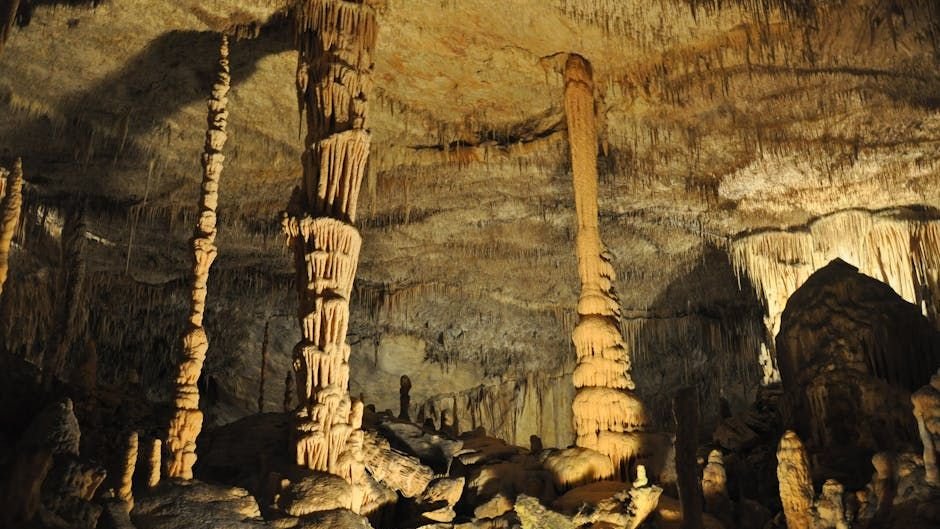

There is something almost alive about the caves of Kentucky. Step into one of these ancient stone corridors and you will immediately feel it – a cool, damp breath against your face, a silence so complete it becomes loud, and then, out of nowhere, a sound. Maybe a whisper. Maybe a voice, distant and broken. You look around. Nobody is there. Welcome to one of the most bewildering underground landscapes on Earth, where geology, history, and mystery collide in ways that science has still not fully explained.
Kentucky’s cave country is not just a geological curiosity. It is a world that holds human secrets dating back thousands of years, acoustic phenomena that defy simple explanation, and passages that even experienced explorers have yet to fully map. If you have ever wondered what lies beneath the rolling bluegrass hills of this remarkable state, get ready. The answers are stranger and more fascinating than you could possibly imagine. Let’s dive in.
How Kentucky Became the Cave Capital of the World
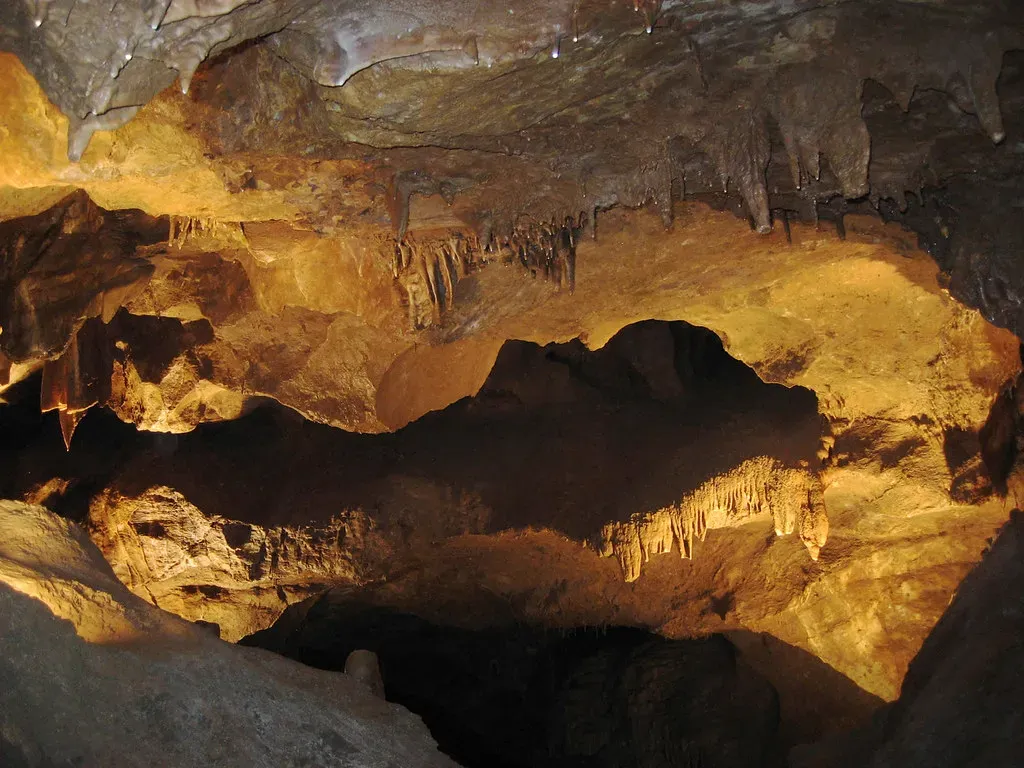
You might think of Kentucky as bourbon, horse racing, and bluegrass music. Honestly, you would not be wrong. Yet beneath all of it lies something far more ancient and dramatic. Kentucky is one of the most famous karst areas of the world. Karst is the geological term for terrain shaped by dissolving rock, and Kentucky has it in staggering abundance.
More than half of the surface rocks in Kentucky are limestone, formed by ancient marine deposits. This sedimentary rock is composed mainly of calcite, which allows for its dissolution and the formation of the karst landscape. Think of it like this: the ground beneath your feet in much of Kentucky is essentially a slow-motion sponge, being dissolved by slightly acidic rainwater over millions of years into a labyrinth of tunnels, chambers, and passages.
The process starts with rain. As water falls through the atmosphere and filters through soil, it absorbs carbon dioxide and becomes mildly acidic. When this water meets soluble rock, it dissolves the stone grain by grain, widening natural cracks and fractures over time. What begins as hairline fissures gradually becomes a network of channels, then tunnels, then full cave systems. The result, after tens of millions of years, is a state riddled with hidden worlds underground.
Around a quarter of Kentucky is made up of karst topography, including the Mammoth Cave National Park and the surrounding area. That is not a small patch of land. That is a vast, interconnected underground kingdom that researchers are still working to understand fully.
Mammoth Cave: The Longest Cave System on Earth
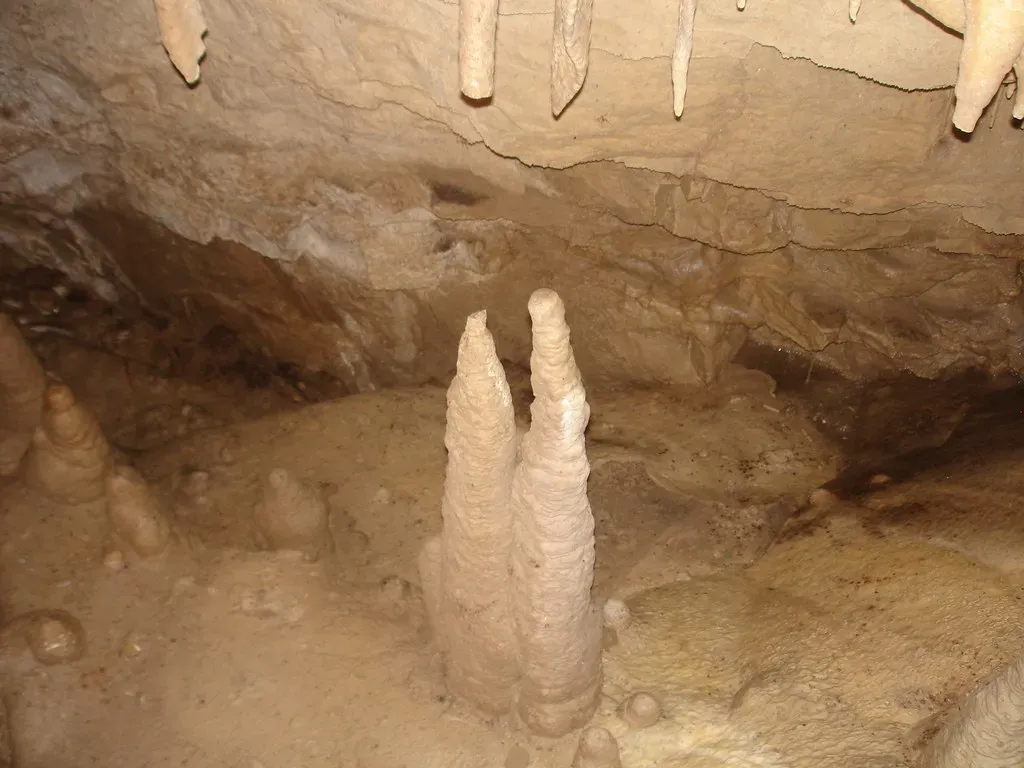
Let’s be real – when you talk about Kentucky’s caves, Mammoth Cave is the headline act. Mammoth Cave National Park is a designated UNESCO World Heritage Site as well as an International Biosphere Reserve located in central Kentucky. The park was established on July 1, 1941 and encompasses 52,830 acres of wilderness. Mammoth Cave National Park is known for housing the world’s longest cave system, with over 405 miles mapped.
As of 2025, more than 426 miles of passageways had been surveyed, over one and a half times longer than the second-longest cave system, Mexico’s Sac Actun underwater cave. That is almost incomprehensible. To put it in perspective, imagine driving from Louisville to Nashville and back, entirely underground. You would still not cover every mapped passage in Mammoth Cave.
The sedimentary rocks that form the park were produced from sediments deposited when this area was submerged by an ancient ocean 330 million years ago as great inland seas or as near-shore deposits. The erosional force of the Green River has helped to carve the limestone into the unique and extraordinary karst topography of this region over millions of years.
The cave system is recorded at hundreds of miles of passages and corridors, yet the cave seems to be growing since new discoveries are made yearly. It is believed that there are many more chambers and passageways yet to be found, which adds to the mystery of Mammoth Cave. I think that might be the most thrilling part of all – the idea that even now, in 2026, nobody truly knows where this cave ends.
The Whispering Phenomenon: When Caves Seem to Speak
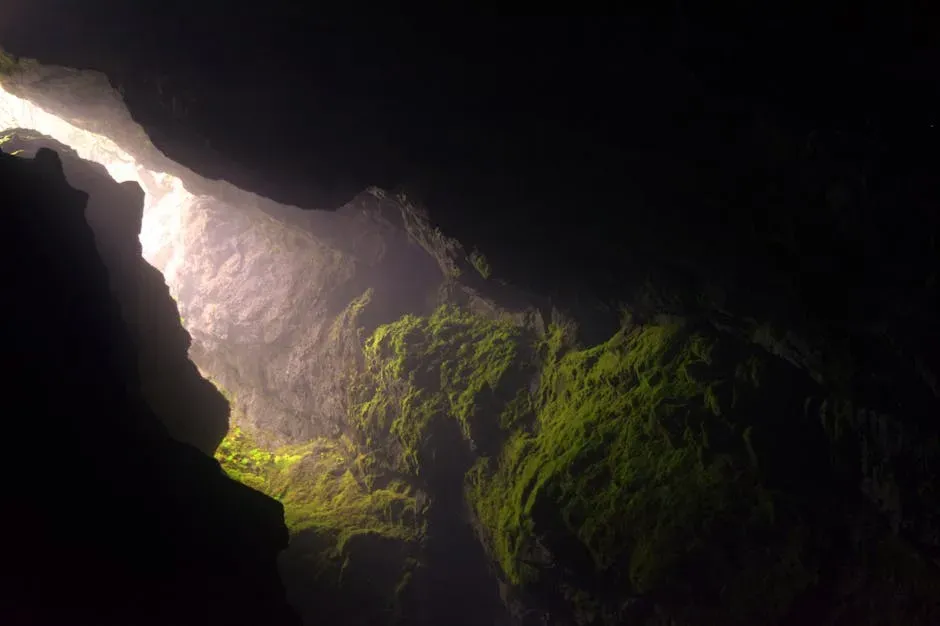
Here is the thing that makes Kentucky’s caves feel genuinely supernatural. You enter a narrow passage, lower your voice to a murmur, and somehow, impossibly, someone at the far end of that corridor hears you clearly. Not loudly – but clearly, like a secret passed directly into their ear. The Whispering Gallery is a narrow passageway with unique acoustic properties. Whispers can reportedly be heard clearly from one end to the other.
The passageway acts as a natural amplifier, making even the softest sounds audible. This is not magic, though it feels like it. It is physics meeting geology in a perfectly improbable way. Curved limestone walls, specific tunnel geometry, and the near-total absence of ambient noise combine to create acoustic corridors that behave nothing like anything you have experienced above ground.
Still, science does not quite take the romance out of it. Hearing strange expressions is common to being in caverns, as most spelunkers soon learn. Many have played the game of sitting in the dark and listening to water dripping, trickling, and murmuring. In such random background noise, people may perceive the sounds of talking, whispering, crying, or the like.
The effect is due to the neurological-psychological phenomenon known as pareidolia, by which the brain interprets vague images or sounds as specific ones – such as seeing pictures in clouds or hearing spoken words in recorded white noise. So the cave is not exactly talking to you. It is more that your brain, starved of familiar sensory input, starts filling in the blanks. Honestly, that explanation is almost as fascinating as the ghost stories themselves.
Thousands of Years of Human Presence: The Ancient Mystery Below
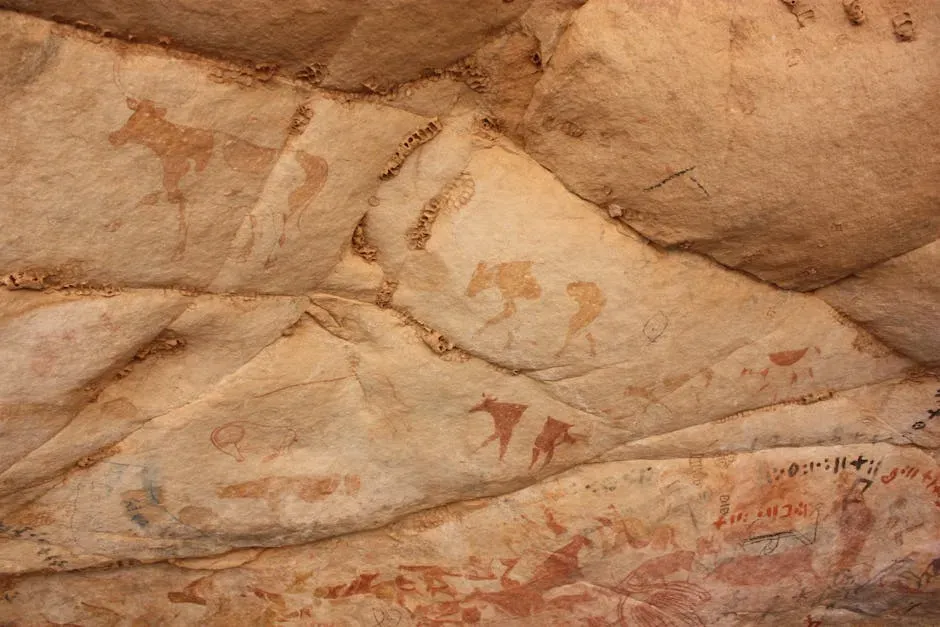
The whispering stones have been hearing human voices for a very, very long time. Approximately 5,000 years ago, prehistoric people were the first to explore the cave’s depths. Archaeological evidence shows that these Indigenous explorers traveled over 19 miles in, collecting crystals and salts. Think about that for a moment – exploring miles of pitch-black underground passages using nothing but reed torches, without maps, without backup.
For millennia, Native Americans mined within Mammoth Cave, employing mussel shells sourced from the nearby Green River to extract minerals such as gypsum and selenite from the cave walls. This was not casual exploration. This was organized, purposeful industrial activity carried out deep underground, in total darkness, by people who clearly understood the cave system on an intimate level that still impresses archaeologists today.
Throughout the modern history of Mammoth Cave, discoveries of some of the earliest Indigenous people have been found throughout the cave. While most of the artifacts left behind are items like cane reed torches, mussel shells, gourd bowls, or woven sandals, there are instances of human remains being found near entrances or even miles back within the dark depths of the cave itself.
For reasons unknown, the caves do not appear to have been used by Native Americans in the few centuries prior to the arrival of Europeans. This mysterious gap in occupancy is one of those genuinely unsolved puzzles. Why did communities who understood these caves so well suddenly stop using them? It is hard to say for sure, but the silence of those abandoned passages says something important that nobody has yet fully translated.
The Mummies of the Deep: Kentucky’s Most Shocking Discovery
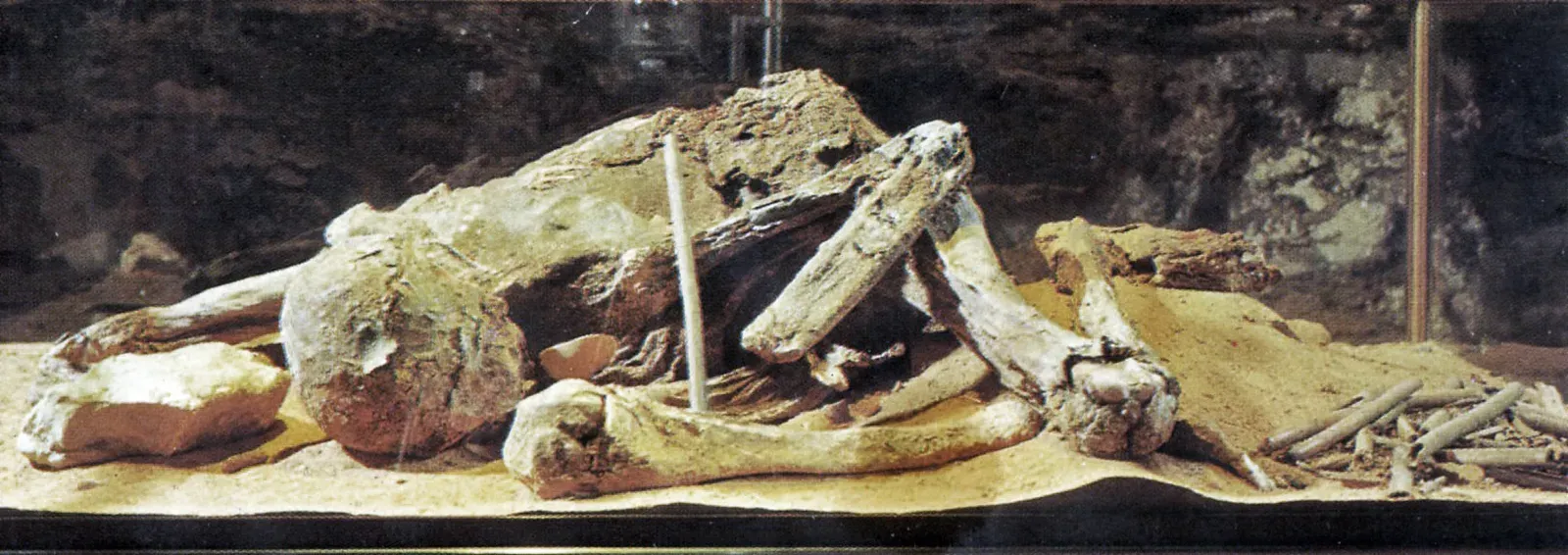
If you thought ancient cave acoustics were the strangest thing Kentucky has to offer underground, wait until you hear about the mummies. Yes, actual mummies – remarkably preserved human remains found deep within the cave system’s corridors. For thousands of years, the caves in the Mammoth Cave region served as a source of valuable mineral deposits for Native Americans. Evidence of their presence within the caves has been found in the form of paths marked with woven moccasins, extinguished cane reed torches, and, in certain instances, their own remains. The caves in this area have yielded some of the most noteworthy archaeological findings in American history, including a considerable number of human mummies.
Eventually, archaeologists determined these artifacts were up to 4,000 years old; the cool, dry cave air had preserved them. That is the same preservation principle behind Egyptian mummies – remove moisture and the natural process of decay slows dramatically. Kentucky’s limestone caves, dry and sealed from the outside world, proved to be accidental time capsules of extraordinary power.
One mummy became known as the “Fawn Hoof Mummy” due to the unusually small feet. It was a mummy of a woman, six feet tall in life, who had been embalmed and preserved much like those of ancient Egyptian mummies. The discovery of deliberate embalming in a pre-Columbian American cave context rattled archaeologists when it came to light. This was not accidental preservation. This was intentional, skilled, ritualistic care of the dead.
In 1935, a small group of men who worked for the Civilian Conservation Corps was exploring a high ledge about 2.5 miles from the Historic Entrance to Mammoth Cave. Upon climbing onto the ledge, the men discovered the remains of an ancient Native American who had likely been mining gypsum from inside the cave when he was trapped beneath a large boulder. It appeared the man had been lying on his back, under the boulder, and had accidentally dislodged it, causing it to fall and trap him for thousands of years. He was later named “Lost John,” a haunting nickname for one of history’s most extraordinary accidental discoveries.
Hidden Caves, Sealed Passages, and Secrets Still Locked Away
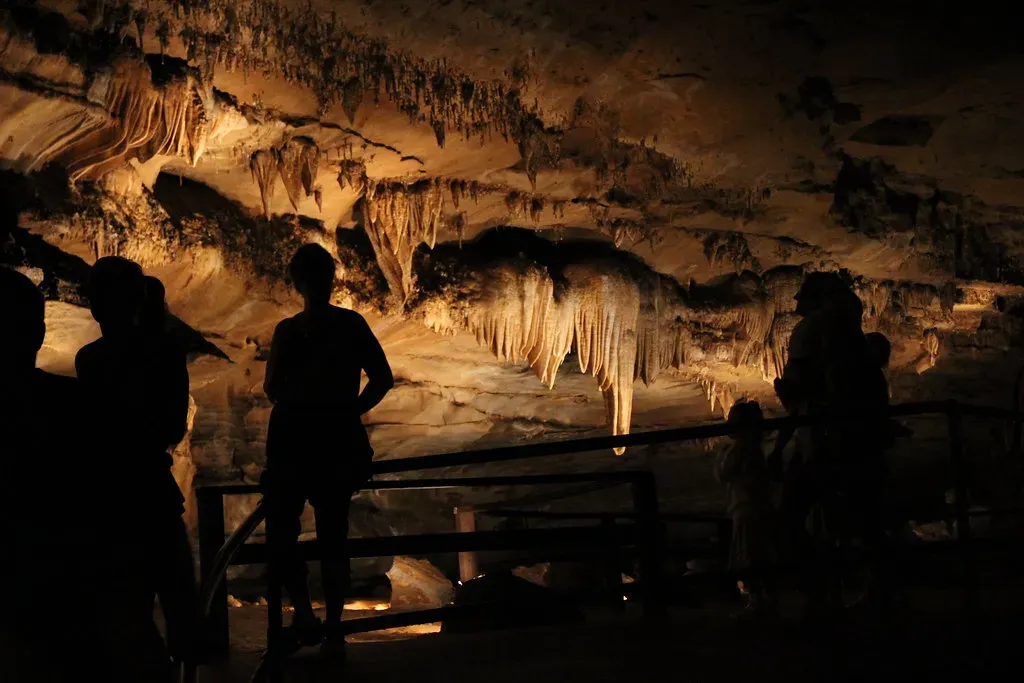
Here is something most visitors never consider: the caves you can actually tour are a tiny fraction of what exists beneath Kentucky. Kentucky’s underground hides stories the brochures won’t tell. Beyond the show lights and ticket booths lie shadowed passages, locked gates, and whispered legends locals guard with pride. These are the caves where history lingers, creatures sleep, and unspoiled formations gleam untouched.
Cascade Cave dazzles the tour crowds, but its real intrigue lies past the gates and dark turns the public never sees. Beyond the main path, side passages shelter fragile formations and sensitive habitats still under study. Rangers keep them closed, letting science and time do careful work. It is a strange feeling to stand at a locked gate inside a cave and know that beyond it, untouched passages extend into darkness that no living person has ever lit up.
Sloan’s Valley Cave is one of Kentucky’s longest cave systems. The cave is on private property, and entry is restricted, requiring direct permission from landowners and participation in organized caving groups. Its impressive formations and extensive passages make it well-known among experienced cavers, but it remains off-limits to the general public due to safety, flooding risks, and conservation concerns.
Explorers are properly trained not to disturb archaeological evidence, and some areas of the cave remain out-of-bounds for even seasoned explorers, unless the subject of the trip is archaeological research on that area. This is not overreach. Every footprint, every misplaced hand on an ancient artifact, contaminates something irreplaceable. The caves are not just natural wonders – they are active archaeological sites, and much of what they contain has not yet been studied or even found.
The Creatures of the Dark: Life That Defies Imagination
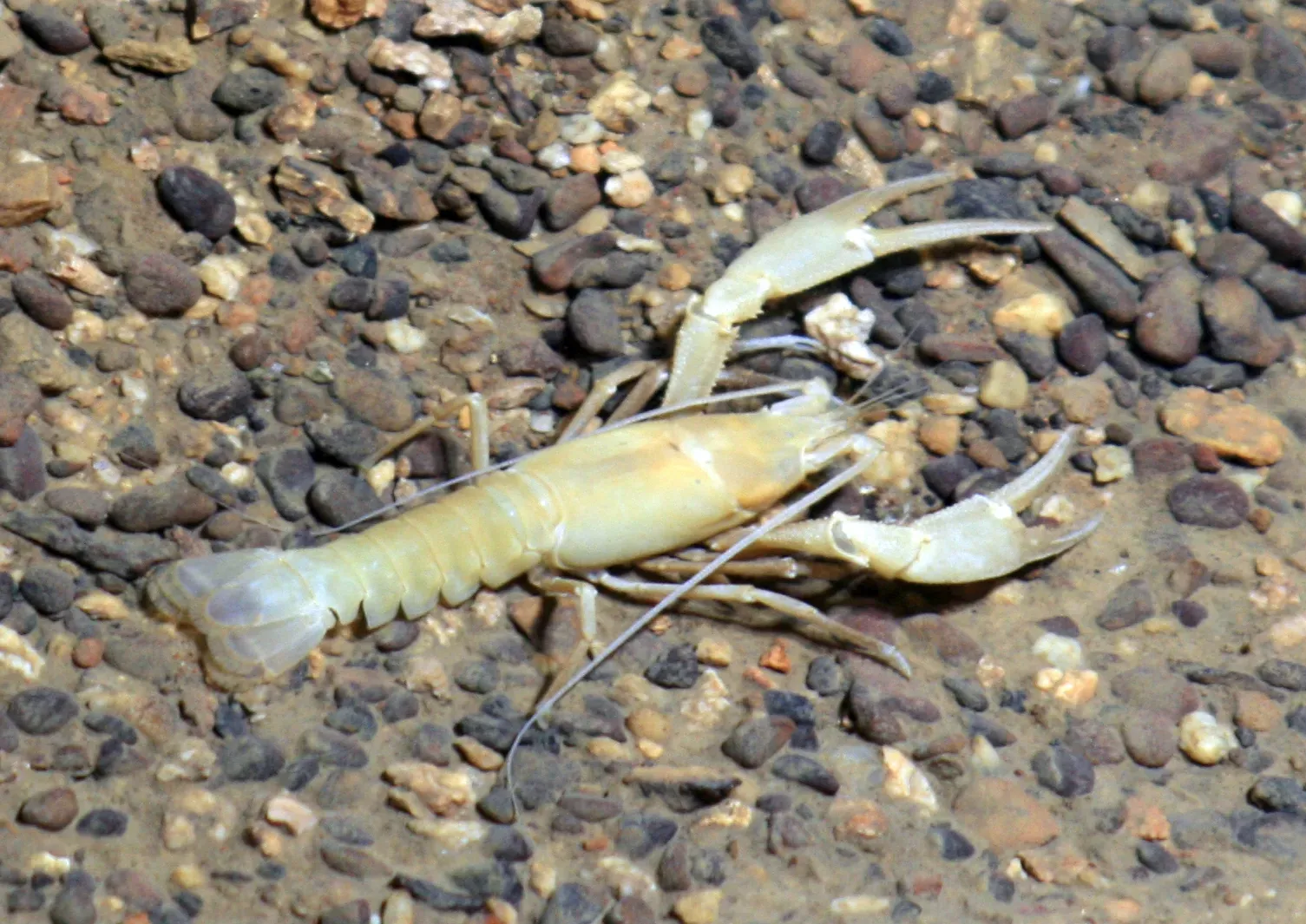
What lives in a place with no sunlight, no seasons, and no landmarks? More than you would ever guess. Karst caves are home to some of the most specialized creatures on Earth. The permanent darkness underground eliminates plant growth, creating an environment with very little food, stable temperatures, and near-total humidity. Species that have adapted to these conditions over millions of years, called troglobites, spend their entire lives underground and often cannot survive on the surface at all.
Among the remarkable species found in Kentucky’s cave system is Palaemonias ganteri, also known as the Kentucky cave shrimp. This species is endemic to this cave system alone. No other place on Earth produces it. It is an evolutionary dead end in the best possible sense – a creature perfectly tuned to its dark, mineral-rich, current-driven world, existing nowhere else in the universe.
Blind cave fish have also adapted to life without light, navigating the waters with ease despite their lack of sight. They are a striking example of evolution in action – species that once had functioning eyes but lost them over countless generations, redirecting their biological resources toward enhanced lateral-line sensing instead. It is like watching millions of years of survival strategy compressed into a single, pale, eyeless creature gliding silently through underground rivers.
The fossilized remains of corals, bryozoans, brachiopods, shark teeth, gastropods, and crinoids have been found in this area and support that this part of what is now Kentucky was an ancient sea. So not only are living creatures flourishing in these caves today – the rock walls themselves are embedded with the fossils of ocean creatures from a time when Kentucky sat beneath a warm prehistoric sea. You could spend a lifetime studying these walls and still not exhaust their stories.
Conclusion: The Caves That Time Cannot Fully Explain
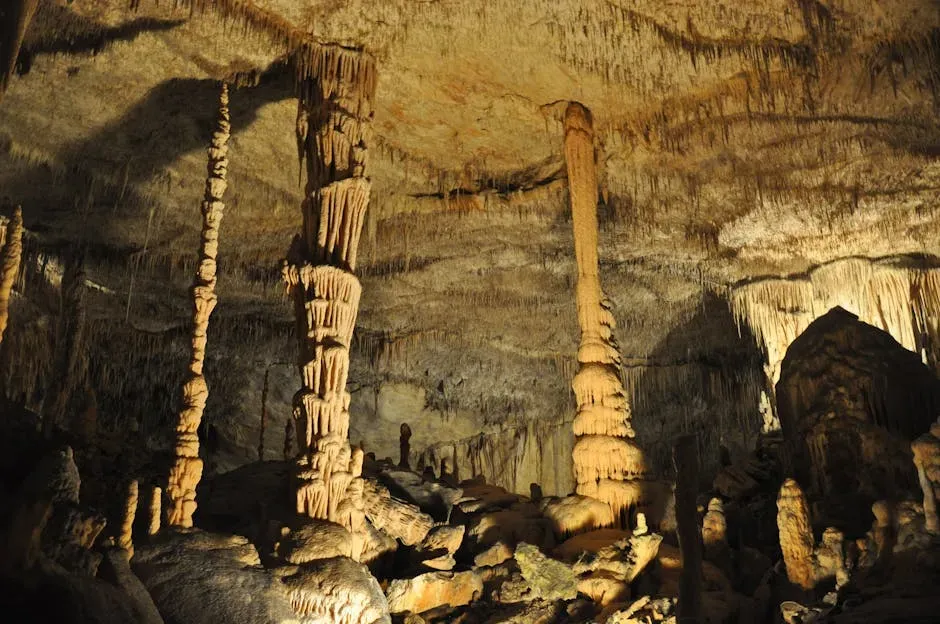
Kentucky’s whispering caves are not simply tourist attractions or geological curiosities. They are living archives, full of human history, biological wonder, acoustic strangeness, and passages that remain sealed and unknown even now, in 2026. The more you learn about them, the more the mysteries multiply rather than shrink.
You can take a guided tour, hear the whispers echo through a limestone gallery, and stand exactly where a prehistoric miner stood thousands of years ago. You can look at fossils of ancient sea creatures embedded in walls that were once beneath an ocean. You can peer through a locked gate into darkness that may hold discoveries that would rewrite American prehistory. Every visit offers answers and deepens the questions simultaneously.
Honestly, that is what makes these caves so unforgettable. They do not resolve neatly. They do not give you a tidy conclusion. They whisper something to you and leave you trying to translate it for the rest of your life. So, would you dare to go underground and listen for yourself?