Weather is an ever-present and powerful force shaping our planet and our lives. While we often think of sunny days and light showers as typical atmospheric patterns, Mother Nature occasionally throws us a curveball that defies normality and leaves us in awe. From bizarre rainstorms to mysterious fogs, this article explores some of the weirdest weather events ever recorded. Join us as we delve into truly fascinating and unusual meteorological phenomena.
Fish Rain in Yoro, Honduras

Imagine walking outside during a rainstorm and witnessing fish falling from the sky. This bizarre event, known as “Lluvia de Peces,” occurs annually in Yoro, Honduras. Believed to be caused by waterspouts—tornadoes that form over bodies of water—these phenomena can suck up small fish, transporting them to land and creating this unusual rain. While scientific explanations still leave room for conjecture, locals see it as a miracle.
The Great Smog of London, 1952
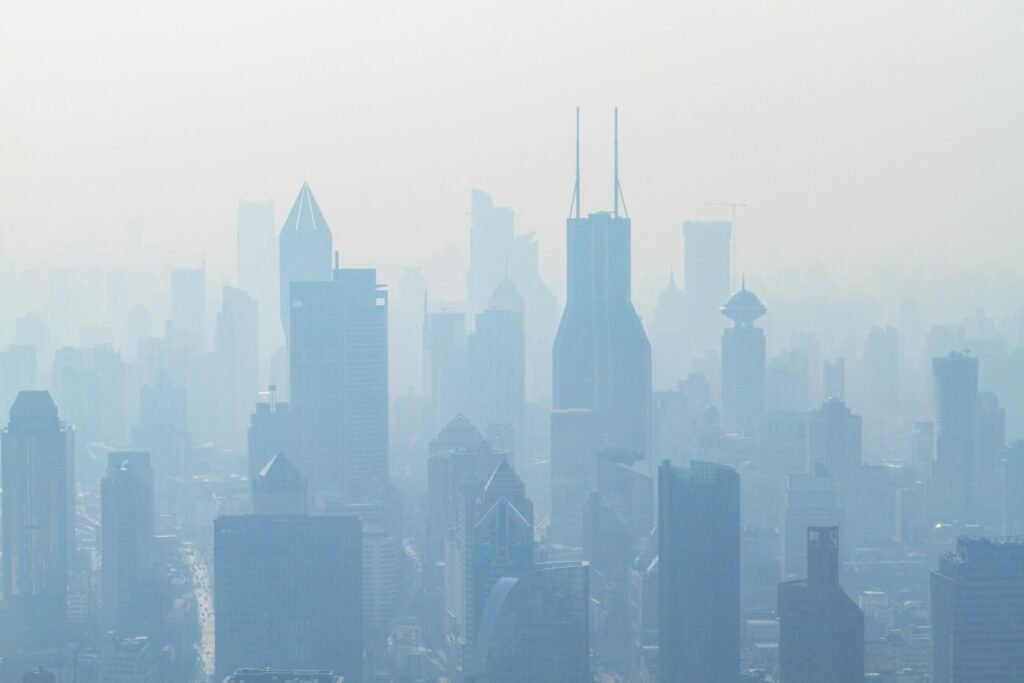
In December 1952, an infamous meteorological disaster known as the Great Smog of London enveloped the city in a dense fog for five days. A mix of cold weather, windless conditions, and excessive coal burning created a thick blanket of smog. It resulted in thousands of respiratory ailments and is considered one of the worst air-pollution events in British history, ultimately catalyzing clean air reforms.
The Great Blue Norther of 1911
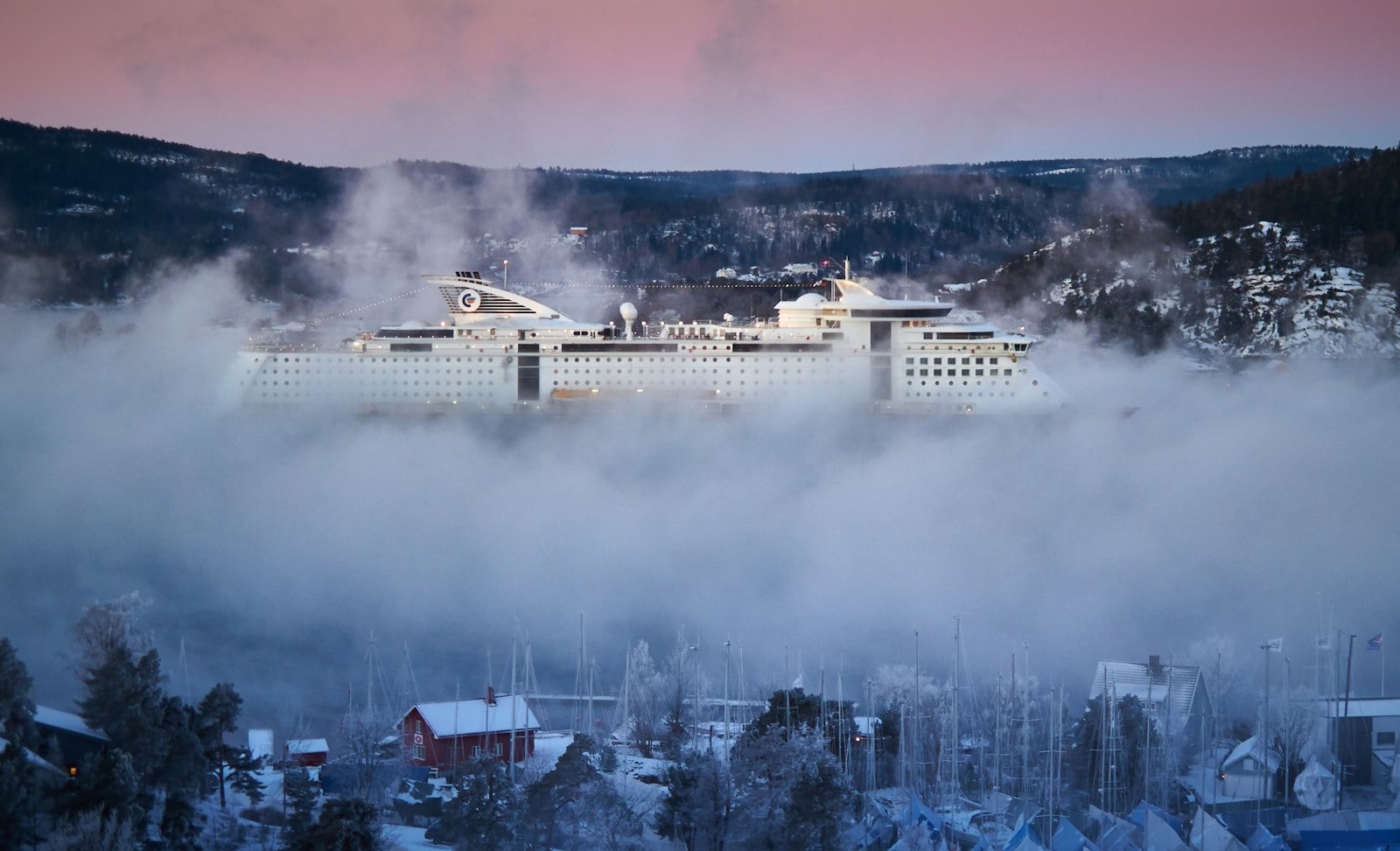
The Great Blue Norther of 1911 was a dramatic cold front that swept across the U.S. Midwest, causing temperatures to plummet by more than 60 degrees Fahrenheit in a single day. On November 11, cities like Oklahoma City saw temperatures drop from 83°F to 17°F, and peaks of warm weather turned into severe winter conditions. It was a startling reminder of nature’s unpredictability.
Hurricane Katrina Fire Tornadoes
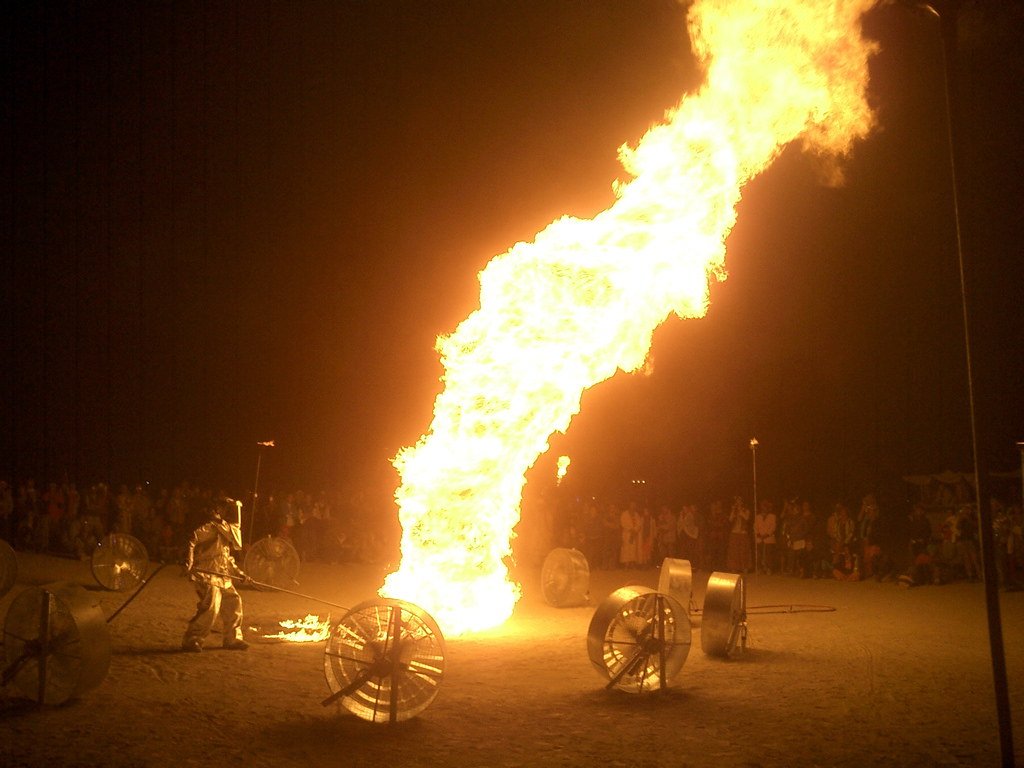
Hurricanes are known for their destructive force and torrential rain, but in the case of Hurricane Katrina in 2005, fire tornadoes stole the spotlight. These rare events occurred as strong winds from the hurricane ignited fires in urban areas, with the intense heat creating towering vortexes of flame. It was a nightmarish fusion of elements that captivated meteorologists worldwide.
The 1816 “Year Without a Summer”

In 1816, the world experienced what is known as the “Year Without a Summer.” Following the massive eruption of Mount Tambora in Indonesia, a volcanic winter ensued, causing severe global climatic abnormalities. Crops failed, frost formed in July, and constant storms plagued areas of North America and Europe. This historic anomaly underscored the far-reaching effects of volcanic activity on weather.
The Dust Bowl of the 1930s
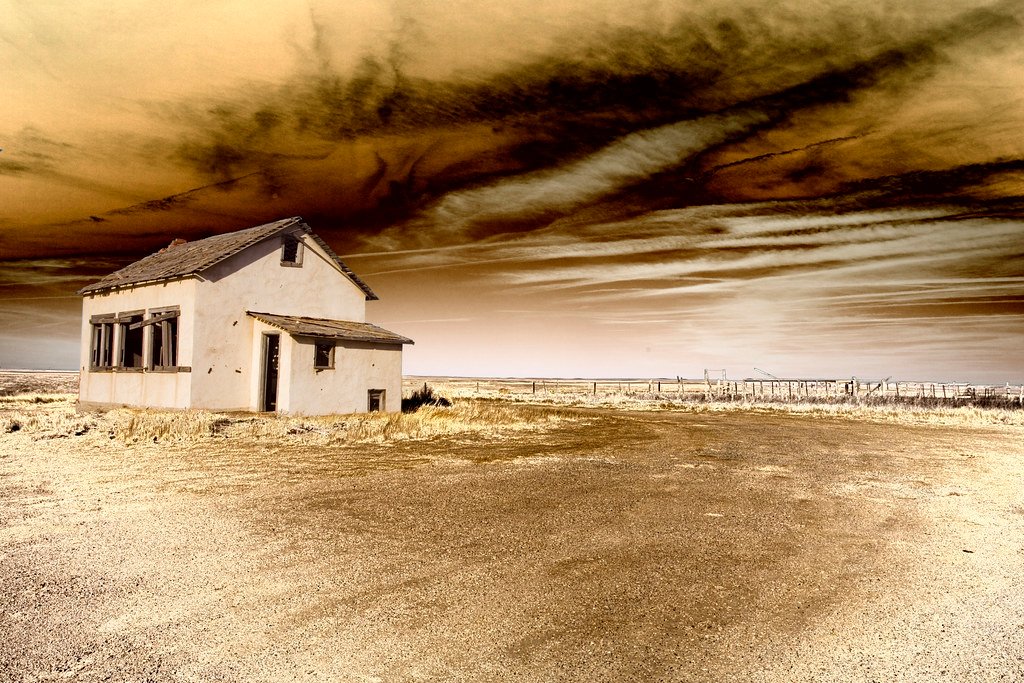
The Dust Bowl was a series of severe dust storms during the 1930s that devastated the American and Canadian prairies. Caused by a combination of drought and poor farming practices, these storms blanketed the skies, burying homes and farms in layers of dust and silt. It rendered millions of acres of farmland useless, leading to mass migrations and economic hardship.
Ball Lightning Phenomena
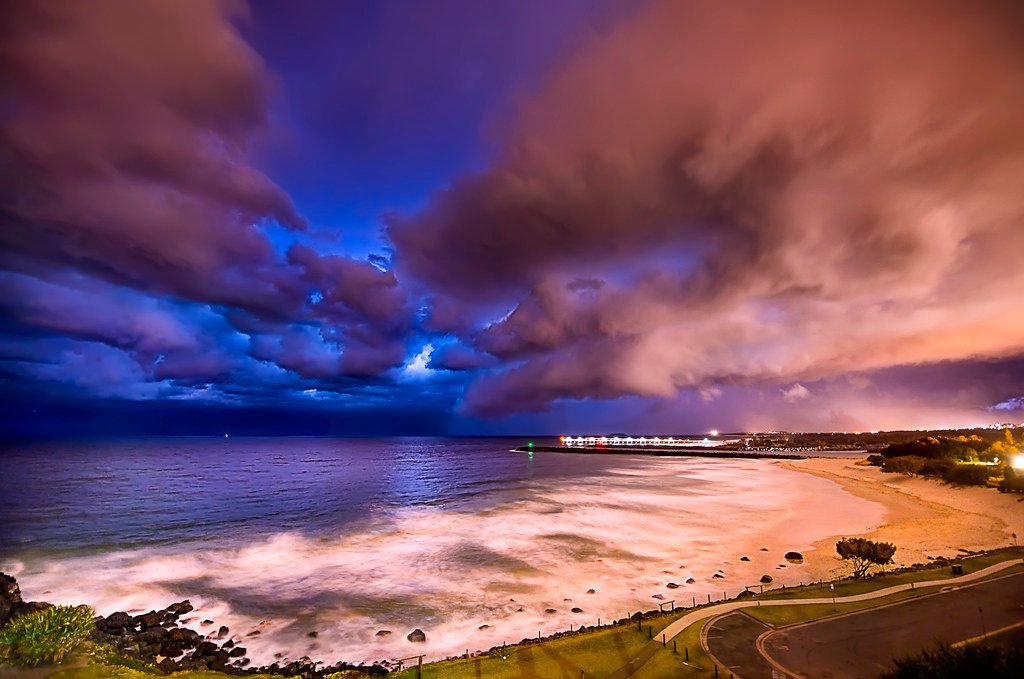
Ball lightning is an elusive and mysterious weather phenomenon that has puzzled scientists for centuries. These glowing, spherical objects are sometimes reported during thunderstorms. Theories about their cause abound, suggesting everything from chemical reactions to microwave radiation. While its exact origin remains debatable, ball lightning continues to intrigue researchers and skywatchers alike.
The Snowmageddon of 2010
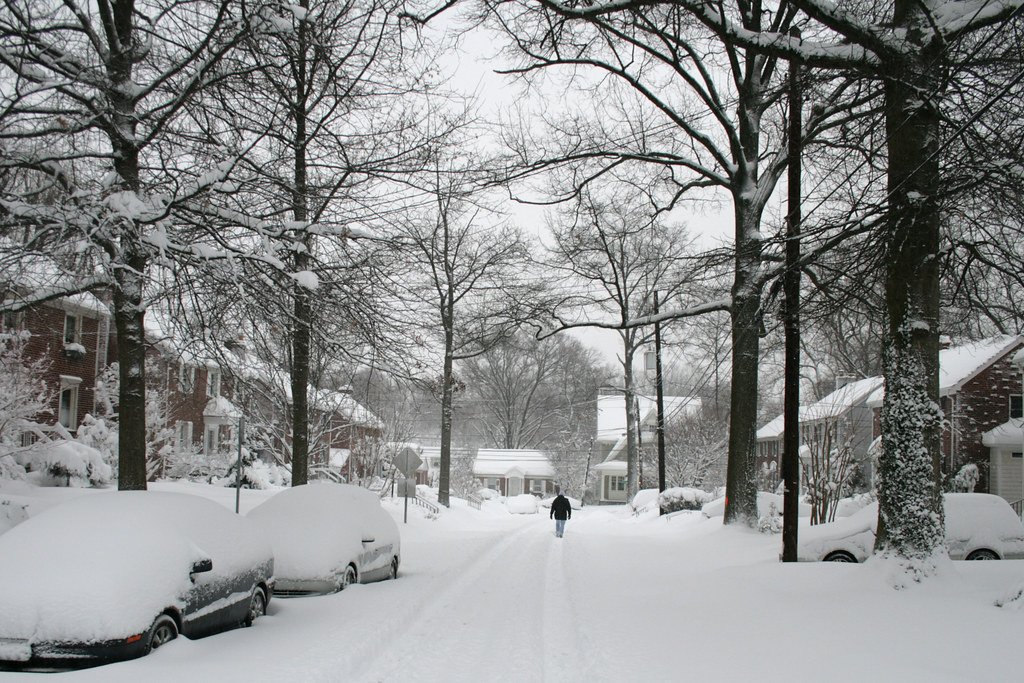
In the winter of 2010, the Eastern United States experienced a series of snowstorms so monumental that they were collectively dubbed “Snowmageddon.” Record snowfalls and blizzard-like conditions paralyzed cities, causing widespread disruption. Washington D.C. received nearly 18 inches of snow in just one day. These storms marked one of the worst weather disruptions in recent U.S. history.
The Hailstorm of Moradabad, 1888
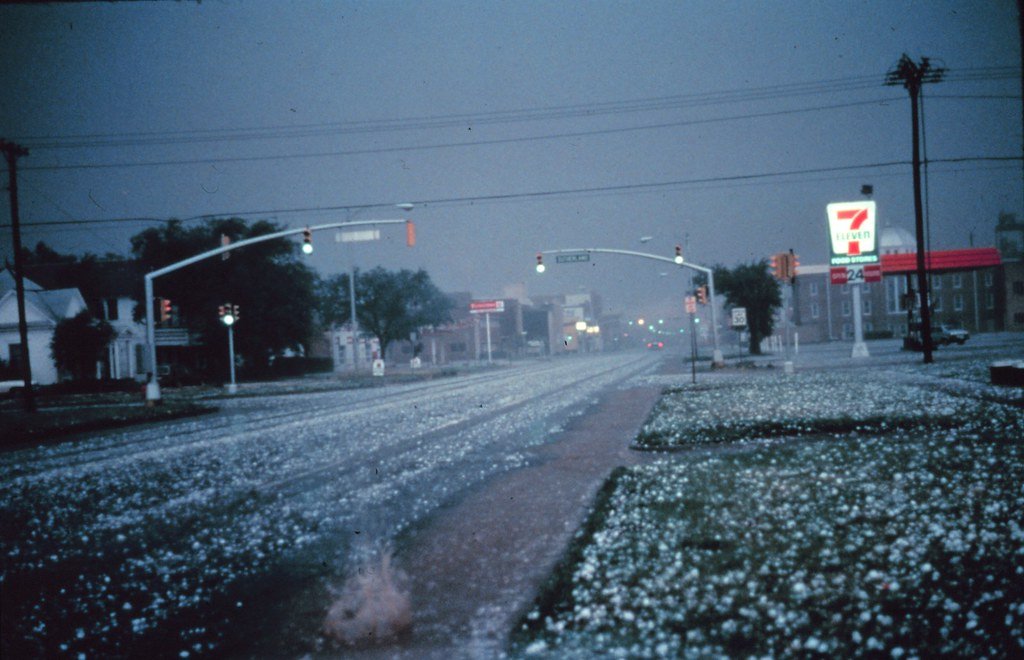
In April 1888, the city of Moradabad in India was hit by a hailstorm of epic proportions. The hailstones, some as large as grapefruits, wreaked havoc on the landscape, causing deaths and widespread damage to crops and property. This rare event highlighted the destructive potential of hail, especially when accompanied by fierce winds.
The Megacryometeors of Spain

The occurrence of megacryometeors—large chunks of ice falling from clear skies—has baffled scientists. In 2004, Spain witnessed numerous instances of these ice chunks, some weighing over 20 pounds, crashing to the ground. Unlike typical hailstones, megacryometeors form without the necessary storm conditions, leaving their exact formation process a mystery worth exploring.
The Australian Blizzards of 1947
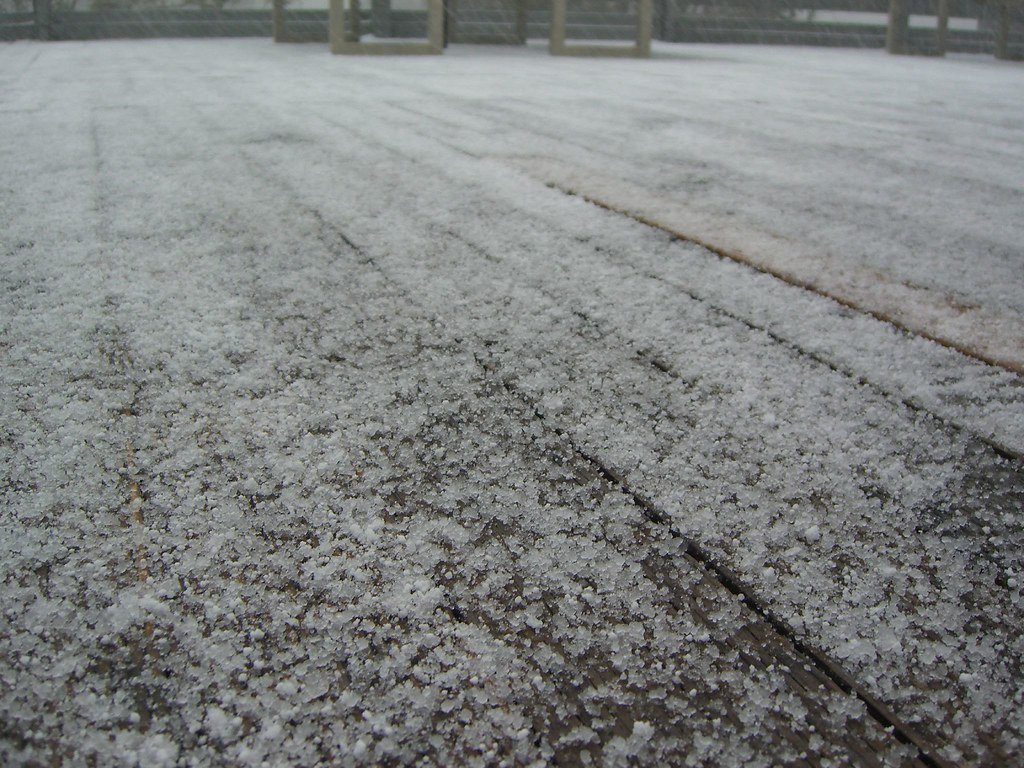
Australia isn’t known for heavy snowfall, yet in 1947, an unprecedented blizzard struck New South Wales. Over one hundred miles of countryside were buried under snowdrifts several feet deep, an anomaly that disrupted rural communities unprepared for such conditions. This unexpected storm remains one of Australia’s most extraordinary weather events.
Conclusion
Weather can be as unpredictable as it is fascinating. These peculiar weather events not only challenge our understanding but also remind us of the immense power wielded by nature. As we continue to study and interpret these occurrences, they serve as a testament to the complex and dynamic systems that govern our planet’s climate. The weird and wonderful world of weather keeps us ever curious, highlighting the importance of preparedness and adaptation in an ever-changing world.