Picture a time billions of years ago, when the Earth was a young, turbulent planet, bubbling with molten lava and bathed in a cocktail of gases. Scientists have long been fascinated by this primordial stage, eager to understand how life first emerged from a seemingly lifeless world. Over the years, researchers have embarked on peculiar and imaginative experiments to recreate the conditions that might have sparked the genesis of life. These experiments, often as bizarre as they are brilliant, provide fascinating glimpses into the mysteries of our origins.
The Miller-Urey Experiment: A Spark of Genius
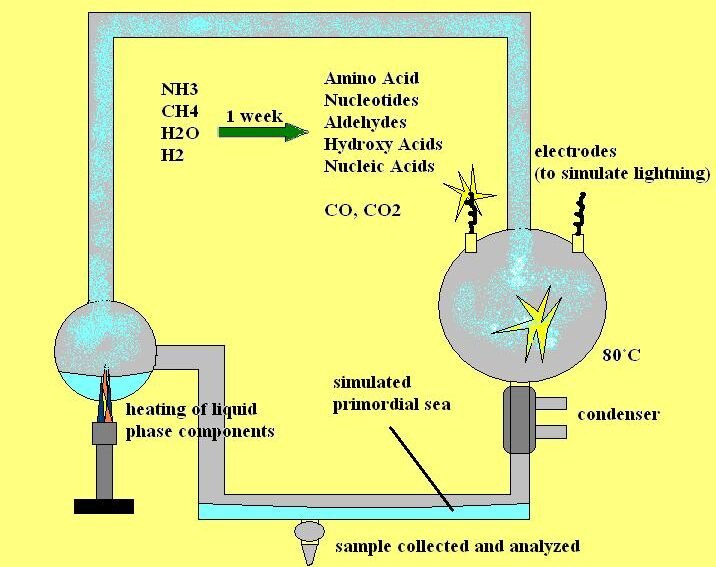
In 1953, Stanley Miller and Harold Urey conducted what would become one of the most famous experiments in the history of science. They sought to simulate the conditions of early Earth in a laboratory setting. By using a mixture of gases—methane, ammonia, hydrogen, and water vapor—they aimed to mimic the planet’s primitive atmosphere. An electrical spark, representing lightning, was introduced to the mix. This jolt of energy was crucial, as it mirrored the natural processes believed to have been common on early Earth. After a week of continuous sparking, the experiment yielded a surprising result: the formation of amino acids, the building blocks of proteins. This landmark experiment demonstrated that organic molecules essential to life could indeed arise from inorganic matter.
Simulating Ocean Vents: The Black Smoker Theory
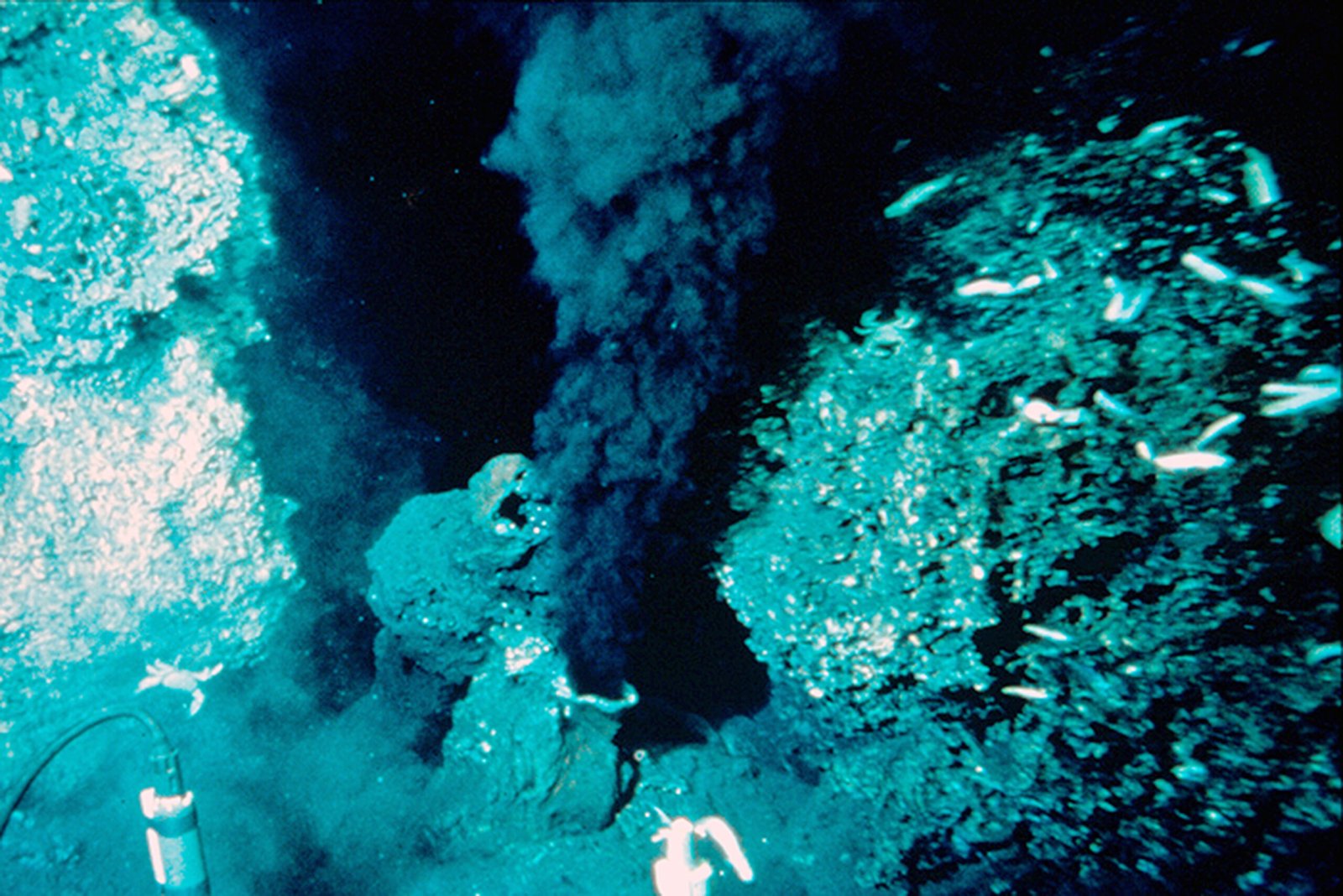
Deep beneath the ocean’s surface, hydrothermal vents, known as “black smokers,” spew hot, mineral-rich water. Some scientists believe these underwater geysers could have been the cradles of life. To test this theory, researchers have recreated these extreme environments in the lab. By combining high pressures, temperatures, and a mix of chemicals, they have successfully produced simple organic compounds. The minerals in the vent fluids act as catalysts, sparking complex chemical reactions. This experiment supports the idea that life might have begun in the dark depths of the ocean, far from sunlight, thriving on the energy from the Earth’s interior.
The Frozen Earth Hypothesis: Life in Ice
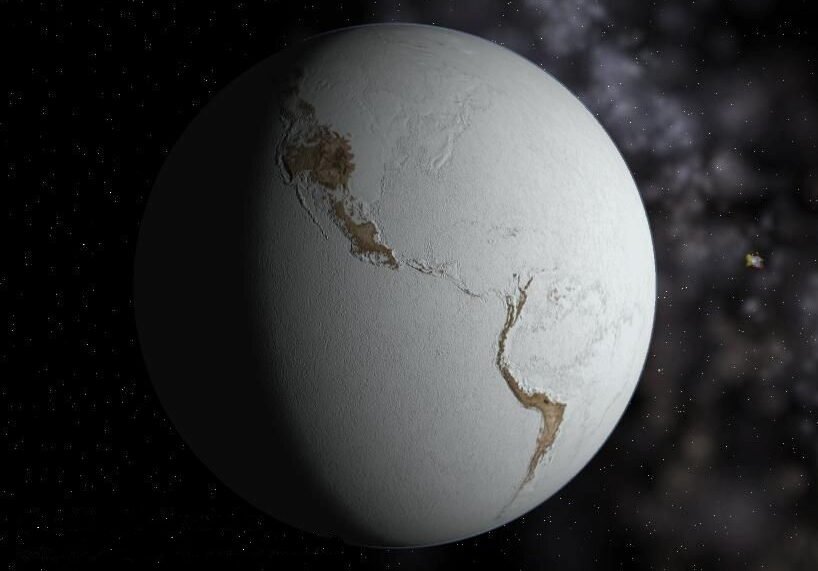
Contrary to the fiery origins proposed by many theories, some scientists have explored the possibility that life emerged from ice. In this chilly scenario, the early Earth is envisioned as a “Snowball Earth,” covered in ice. Researchers have experimented with freezing water containing simple organic molecules. The slow freezing process concentrates these molecules, encouraging them to bond together. Over time, these bonds could form complex structures, like RNA or DNA. This hypothesis suggests that the cold might have acted as a nurturing blanket, protecting nascent life forms from harmful radiation and asteroids.
Clay Catalysis: The Role of Minerals

Clay, a humble and abundant material on Earth, might hold secrets to the origin of life. Scientists have experimented by adding organic molecules to clay surfaces, observing fascinating results. The clay acts as a catalyst, facilitating the formation of complex molecules. This process is akin to using a mold to shape raw materials into intricate designs. The theory posits that ancient clay beds could have served as natural laboratories, where life’s building blocks were assembled with the help of mineral surfaces.
Panspermia: Life from the Cosmos
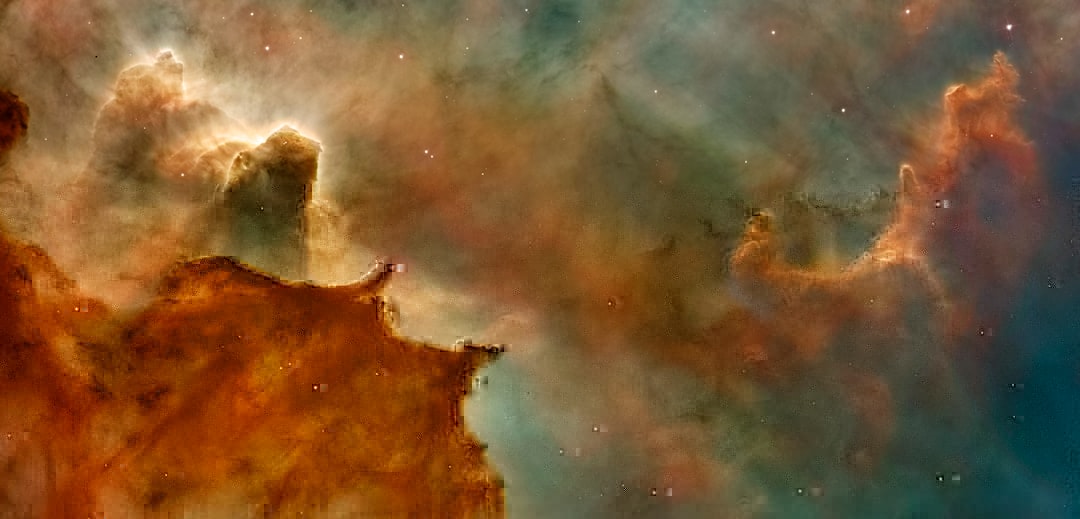
The idea that life might have originated elsewhere in the universe and traveled to Earth is known as panspermia. Researchers have conducted experiments to test the viability of this theory. By subjecting microorganisms to the harsh conditions of space—extreme temperatures, radiation, and vacuum—they assess their resilience. Astonishingly, some organisms, like certain bacteria and spores, have survived these trials. This suggests that life could potentially hitch a ride on meteorites or comets, seeding planets across the cosmos with the potential for life.
Simulating Lightning Strikes: A Bolt from the Blue
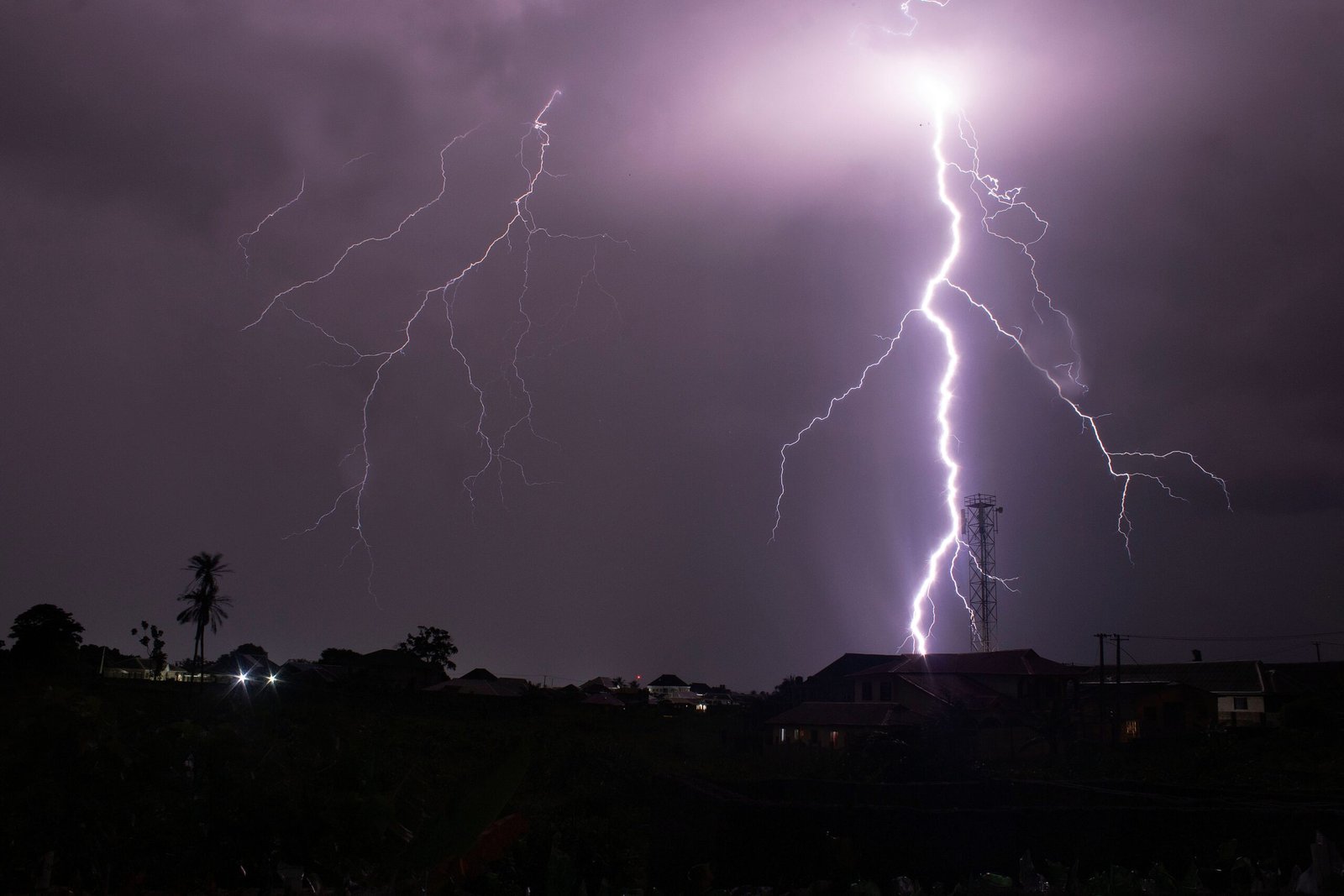
Lightning, a powerful and frequent force on early Earth, might have played a pivotal role in the origin of life. Scientists have attempted to replicate lightning strikes in the lab by using high-voltage discharges in gas mixtures. These experiments produce a variety of organic molecules, underscoring lightning’s capacity to drive complex chemical reactions. The notion that a simple bolt from the blue could ignite the spark of life is both poetic and plausible, highlighting nature’s ability to innovate through chaos.
Alkaline Hydrothermal Vents: Nature’s Chemical Factories
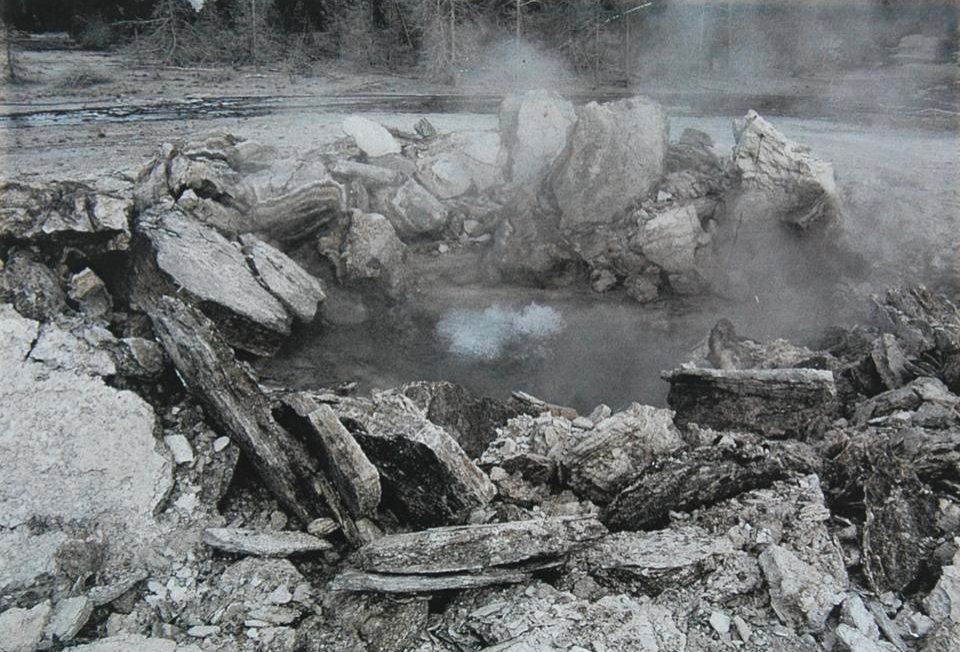
Distinct from black smokers, alkaline hydrothermal vents offer a different avenue for life’s emergence. These vents produce a steady flow of warm, alkaline water, rich in hydrogen and other chemicals. Researchers have simulated these environments, observing the formation of amino acids and other organic molecules. The natural gradients of temperature and pH at these vents provide ideal conditions for life’s chemical precursors to form and evolve. This experiment supports the idea that life’s origins might be rooted in the gentle, nurturing embrace of these underwater oases.
The Role of Meteorite Impacts: Cosmic Catalysts
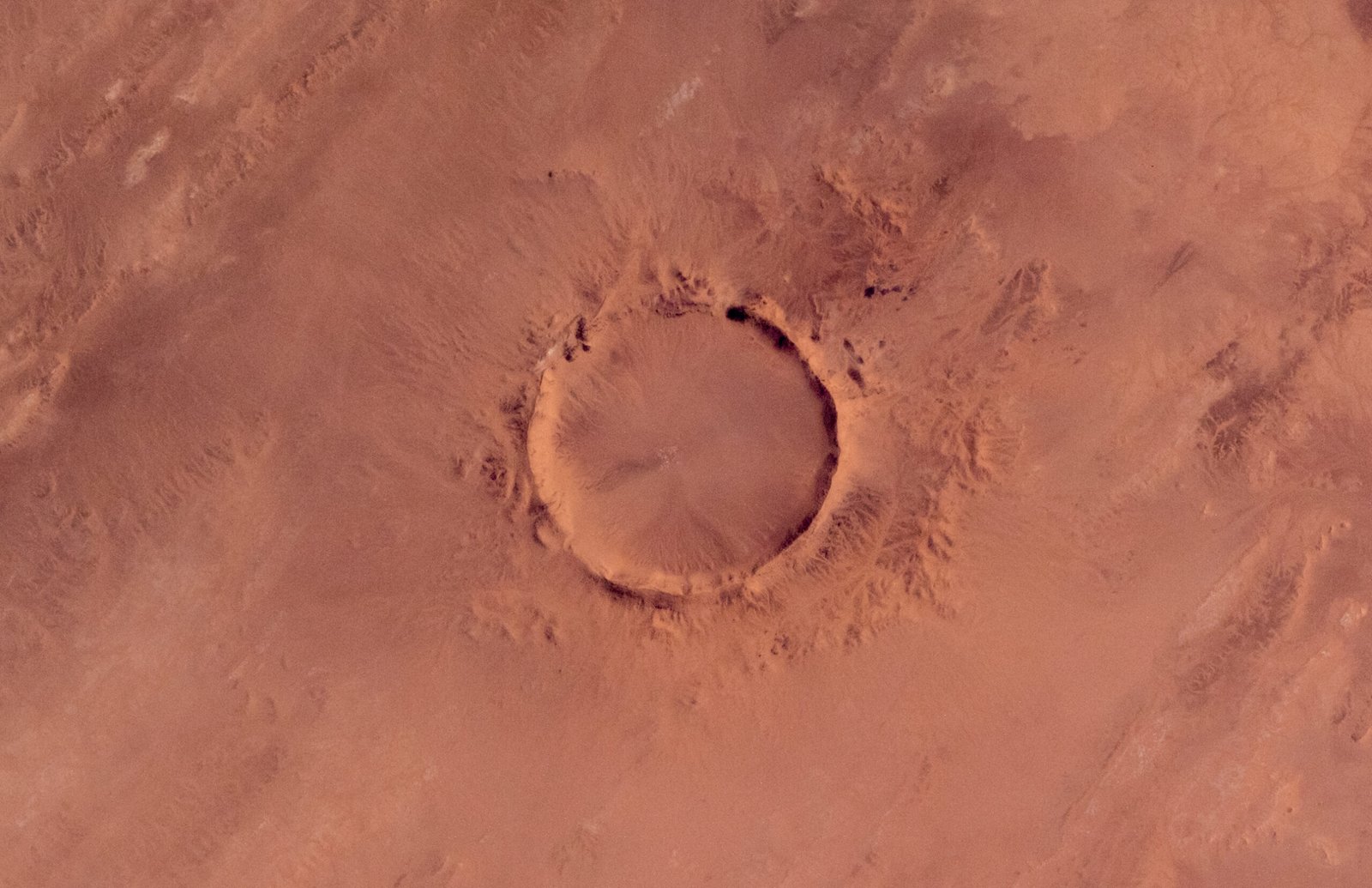
Meteorites, cosmic visitors from space, might have delivered essential ingredients for life to Earth. Scientists have recreated meteorite impacts in the laboratory, using high-speed projectiles to simulate their collision with Earth’s surface. The intense heat and pressure of these impacts can generate a range of organic compounds. These experiments suggest that the chaos of meteorite impacts could have acted as a catalyst, spurring the chemical reactions necessary for life to emerge.
RNA World Hypothesis: The First Code

The RNA world hypothesis posits that RNA, a molecule similar to DNA, was the first genetic material. Researchers have conducted experiments to explore RNA’s potential to self-replicate and evolve. By using pools of nucleotides, they observe RNA molecules forming spontaneously. These molecules can then catalyze their own replication, a crucial step in the development of life. This hypothesis offers a glimpse into a world where simple RNA molecules laid the foundation for the complex web of life that followed.
Conclusion: The Quest for Understanding Our Origins

The quest to understand the origin of life is a journey through the annals of time, filled with curiosity and wonder. Each experiment, whether it simulates fiery volcanoes or icy landscapes, adds to the tapestry of our knowledge. These scientific endeavors, though often strange and unconventional, remind us of the ingenuity and determination of the human spirit. As we continue to explore the mysteries of our beginnings, we are reminded of the delicate balance between chaos and order that defines life. The story of life’s origin is still unfolding, and with each discovery, we inch closer to unraveling the secrets of our existence.