Have you ever wondered if the water you drink could be older than dinosaurs? It’s a fascinating thought, isn’t it? Hidden deep beneath our feet are aquifers that hold water dating back millions, even billions, of years. These ancient water reserves have witnessed the rise and fall of civilizations, survived ice ages, and have stories to tell about Earth’s distant past. Imagine sipping a glass of water that was around when the first mammals roamed the Earth. This isn’t just a whimsical notion; it’s a reality that scientists are exploring with great interest. Let’s delve into the world of these ancient aquifers and uncover the secrets they hold.
The Mystique of Ancient Aquifers

Aquifers are like the Earth’s natural reservoirs, storing water in underground layers of rock, sand, and gravel. What makes some of these aquifers truly remarkable is their age. Some of them, like the Nubian Sandstone Aquifer System in North Africa, contain water that is over a million years old. These ancient aquifers are not just geological features; they are time capsules, preserving water from a time when the Earth was a very different place. It’s almost like having a direct line to the planet’s history, offering insights into past climates and ecosystems. The mystique of these aquifers lies in their ability to connect us to an era long gone, providing a tangible link to the deep past.
How Do Scientists Determine the Age of Water?
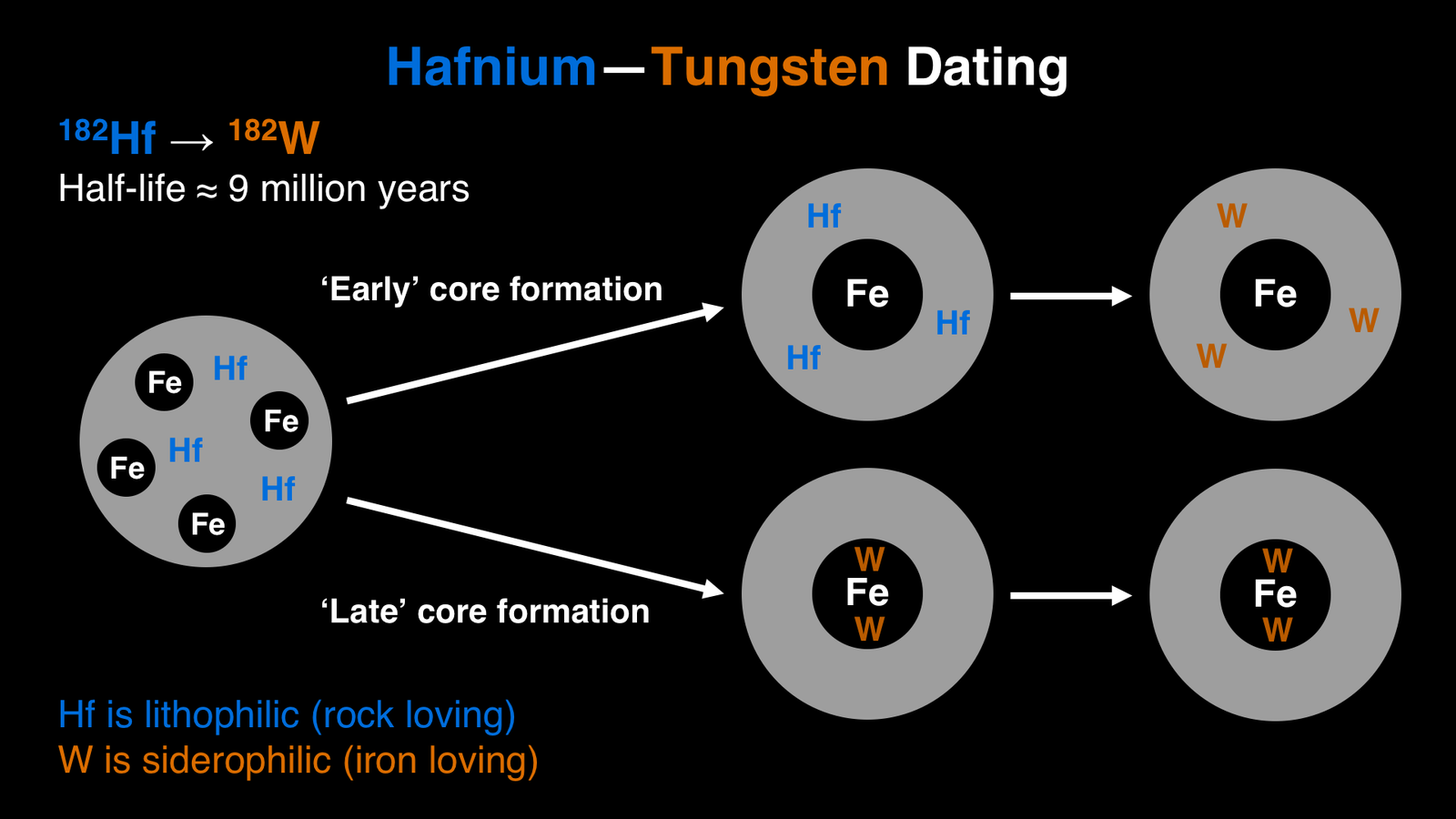
Determining the age of water trapped in aquifers is no simple task. Scientists use a method known as isotopic dating, which involves analyzing isotopes of elements like carbon and chlorine found in the water. By studying these isotopes, researchers can estimate how long the water has been underground. This process is akin to a detective unraveling a mystery, piecing together clues to reveal the water’s age. It’s a meticulous process that requires precision and expertise, but the results are worth it. By understanding the age of the water, scientists can learn about historical climate patterns and how the Earth’s water cycle has changed over time.
The Role of Ancient Aquifers in Today’s World

In our modern world, ancient aquifers play a crucial role in sustaining life. Many regions, especially arid areas, rely heavily on these ancient water reserves for drinking, agriculture, and industry. The Great Artesian Basin in Australia, for example, is a vital source of water for communities and farms across the continent. However, tapping into these aquifers is not without its challenges. Over-extraction can lead to depletion, and once these ancient reserves are exhausted, they cannot be easily replenished. It’s a delicate balance between using these resources to meet today’s needs while ensuring their availability for future generations.
The Environmental Impact of Aquifer Depletion
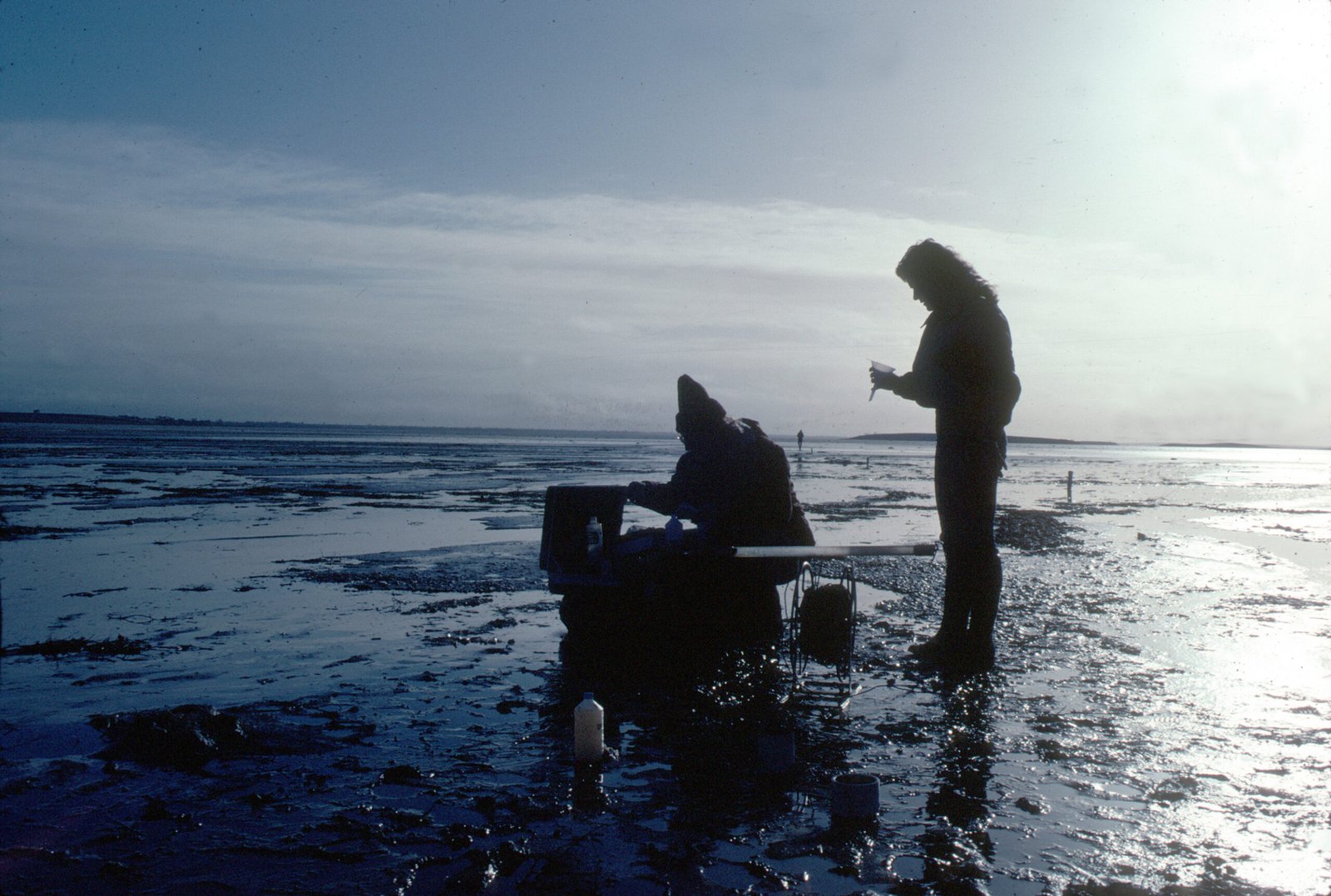
The depletion of ancient aquifers poses significant environmental concerns. When water is extracted faster than it can be naturally replenished, it can lead to a host of problems. Groundwater depletion can cause land subsidence, which is the sinking of the ground due to the removal of water. This can damage infrastructure and disrupt ecosystems. Additionally, over-extraction can lead to the intrusion of saltwater into freshwater aquifers, rendering the water undrinkable. The environmental impact of aquifer depletion serves as a stark reminder of the need for sustainable water management practices. It underscores the importance of balancing human needs with the health of our planet.
Preserving the Legacy of Ancient Waters
Preserving the legacy of ancient waters is a responsibility that falls on all of us. These aquifers are not just resources to be exploited; they are part of our natural heritage. Efforts to preserve them include implementing sustainable water management practices, regulating extraction, and investing in technologies that enhance water efficiency. Education and awareness are also key components in preserving these ancient waters. By understanding the importance of aquifers and the consequences of their depletion, communities can make informed decisions that prioritize long-term sustainability over short-term gain.
What Ancient Aquifers Tell Us About Climate Change

Ancient aquifers offer valuable insights into climate change and how the Earth’s climate has evolved over millennia. By studying the isotopic composition of the water, scientists can reconstruct past climate conditions and understand how temperature and precipitation patterns have shifted over time. This information is crucial for predicting future climate scenarios and developing strategies to mitigate the impacts of climate change. Ancient aquifers are like natural archives, holding records of Earth’s climatic history that can inform our understanding of current and future changes. They remind us that the planet has undergone significant transformations and that adaptation is key to survival.
The Economic Value of Ancient Aquifers

Beyond their environmental and historical significance, ancient aquifers also hold substantial economic value. They provide a reliable source of water for agriculture, which is the backbone of many economies. In regions where surface water is scarce, aquifers are indispensable for irrigation, supporting crop production and food security. Additionally, these aquifers can be a source of geothermal energy, offering a sustainable alternative to fossil fuels. The economic benefits of ancient aquifers highlight the need for careful management to ensure their continued availability. It’s a reminder that the value of these resources extends beyond their immediate use, impacting economies and livelihoods on a global scale.
Challenges in Accessing Ancient Aquifers

Accessing ancient aquifers is fraught with challenges, both technical and ethical. Drilling deep into the Earth to reach these water reserves requires advanced technology and expertise. It’s a complex and costly process that not all regions can afford. Moreover, there are ethical considerations to take into account. Extracting water from ancient aquifers raises questions about ownership and rights, especially in regions where water scarcity is a pressing issue. It’s a delicate balance between utilizing these resources for human needs and respecting the rights of communities and ecosystems. The challenges of accessing ancient aquifers highlight the need for thoughtful and equitable water management practices.
The Future of Ancient Aquifers
The future of ancient aquifers hinges on our ability to manage them sustainably. As the global population continues to grow, the demand for water will only increase. This places additional pressure on aquifers, making sustainable management more critical than ever. Innovations in water conservation, recycling, and alternative energy sources are key to ensuring the longevity of these ancient reserves. The future of ancient aquifers is not just about preserving a resource; it’s about safeguarding a legacy that connects us to the Earth’s distant past. It’s a call to action for governments, communities, and individuals to prioritize sustainable water management practices that honor this legacy.
Reflecting on the Significance of Ancient Aquifers
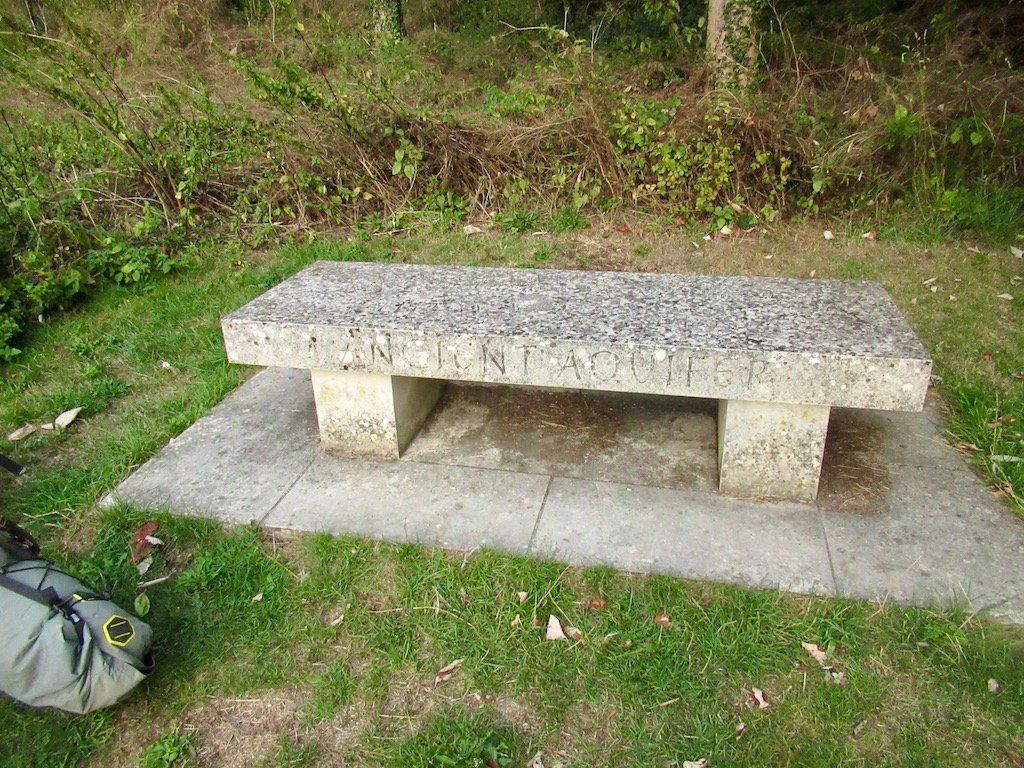
Ancient aquifers are more than just sources of water; they are windows into the Earth’s history, offering insights into past climates and ecosystems. They remind us of the planet’s dynamic nature and the importance of adaptation and sustainability. As we reflect on the significance of these ancient waters, we are reminded of our responsibility to preserve them for future generations. It’s a call to action to balance human needs with the health of our planet, ensuring that the legacy of ancient aquifers endures. The question remains: How will we rise to the challenge of preserving these vital resources for the future?