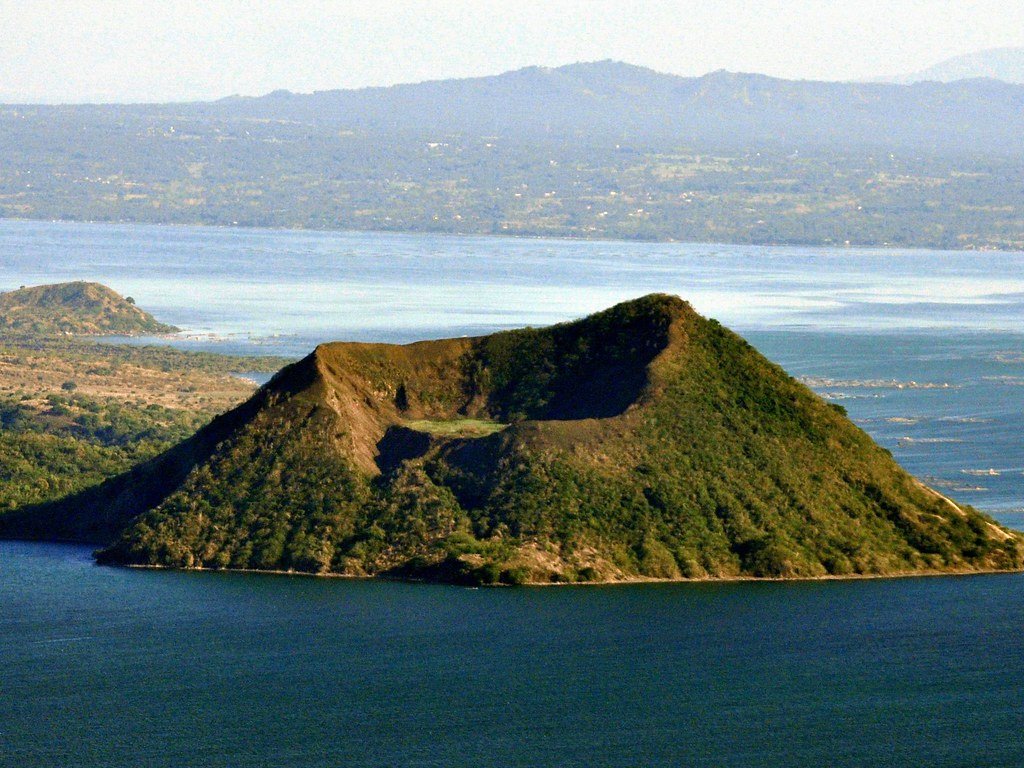

Imagine standing on the rim of a vast ancient crater, gazing down at a shimmering blue lake, and then spotting, nestled in the center of that lake, yet another volcano rising from its waters. This isn’t a scene from a fantasy novel. It’s the breathtaking reality of Taal, one of the world’s most unique and enigmatic volcanoes. The layers of land, water, and fire stacked within one another form a natural Russian nesting doll—each layer hiding its own mysteries, each more dramatic than the last. Taal’s story isn’t just about geology; it’s about resilience, transformation, and the awe-inspiring power of nature. Let’s unravel the many layers of Taal’s legacy, where earth’s creativity and destruction collide in spectacular fashion.
The Island within an Island within a Lake
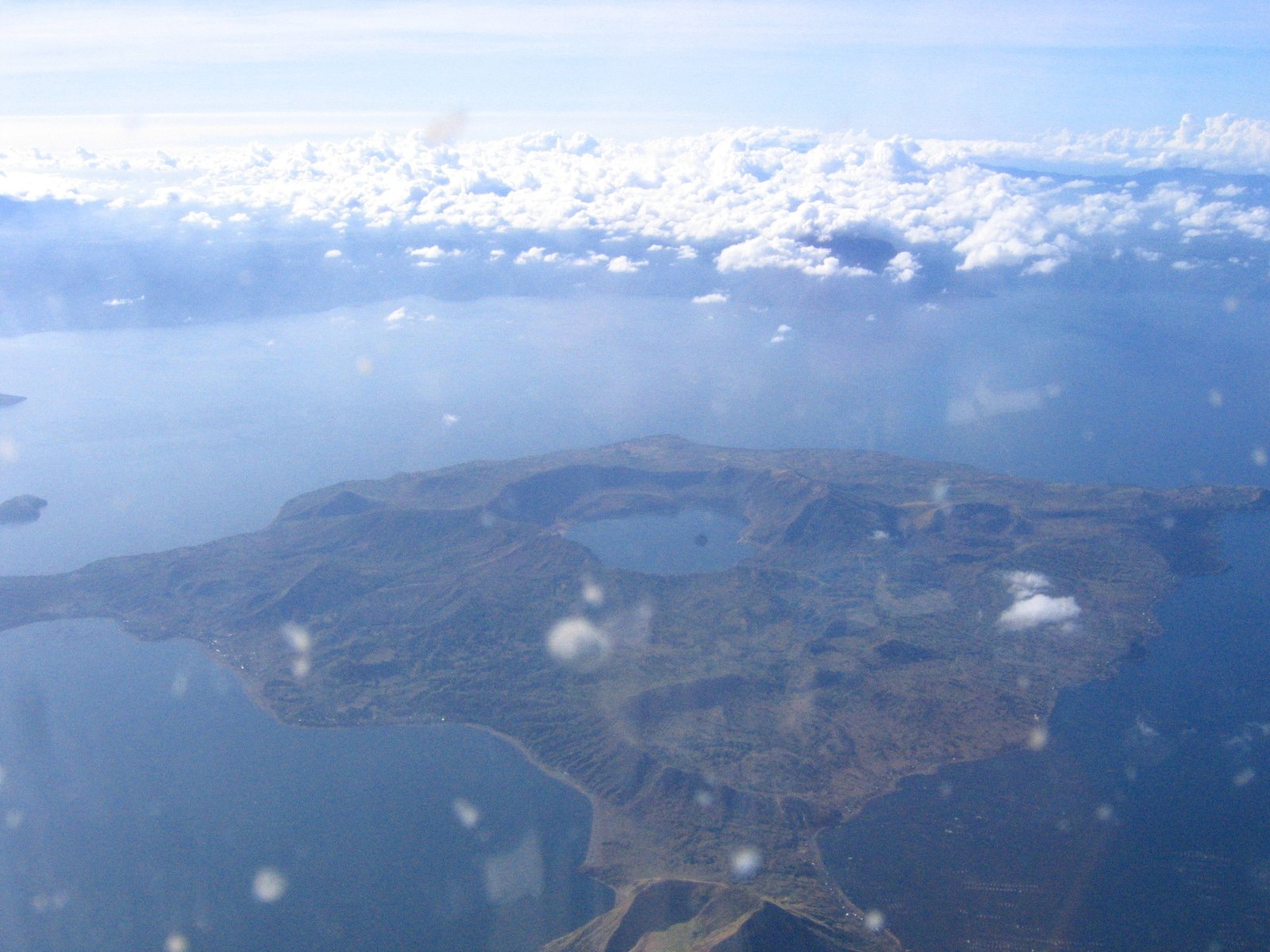
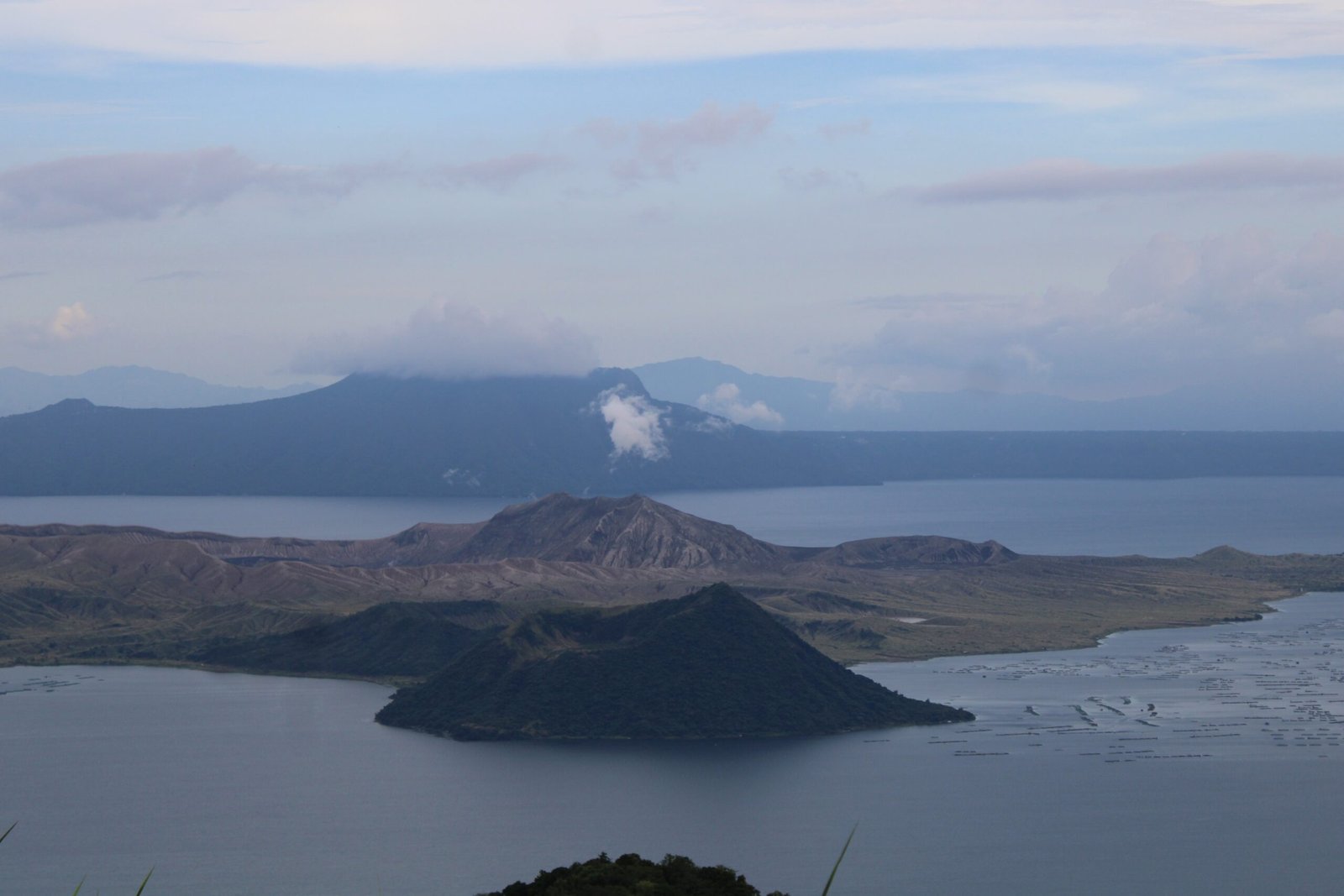
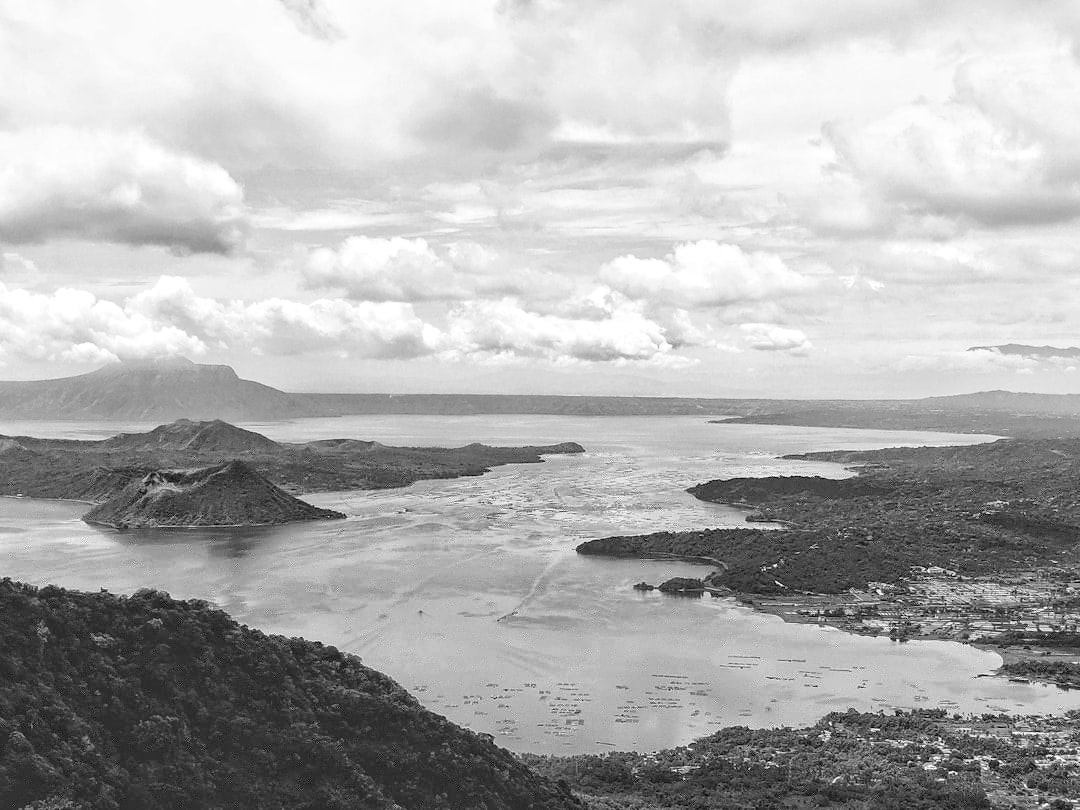
Taal isn’t just a volcano; it’s a spectacle of nature’s imagination. The volcano sits on Volcano Island, which itself is within Taal Lake, all of which are encircled by the much larger ancient Taal caldera in southern Luzon, Philippines. This remarkable triple-layered structure is one of the few of its kind on Earth. It’s like looking into a mirror that reflects another mirror—each layer revealing a new chapter of earth’s restless story. For locals, the landscape is both a source of pride and a constant reminder of nature’s complexity. Taal’s geographic arrangement has fascinated scientists, travelers, and storytellers for generations, making it a true geological marvel.
A Living Laboratory for Volcanologists
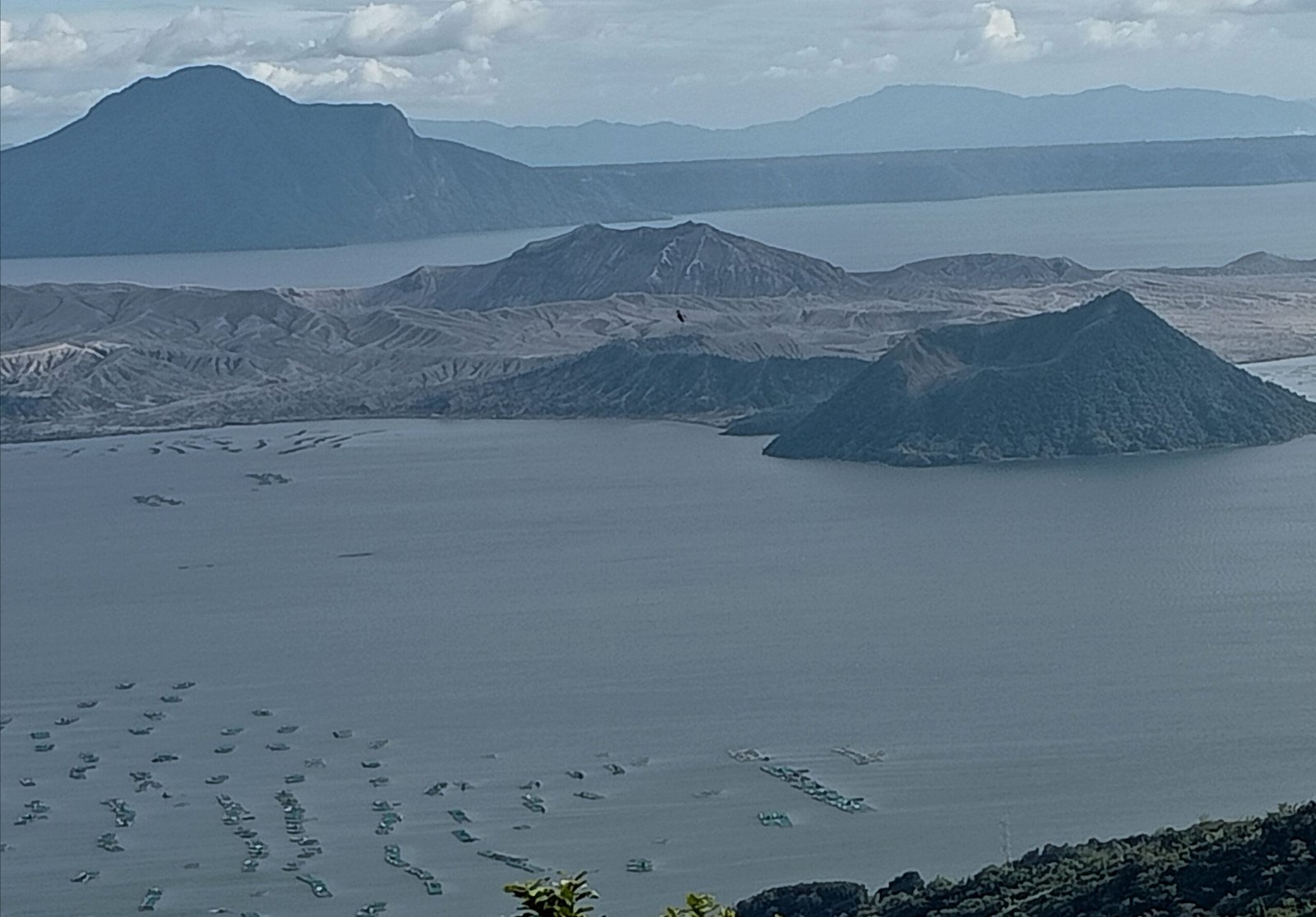
Taal is a dream come true for scientists who study volcanoes. Its layered structure offers a window into how volcanoes grow, collapse, and rebuild over thousands of years. The volcano’s frequent activity means that researchers can observe geological changes almost in real time. It’s like having a front-row seat to the planet’s own creative process. The Philippine Institute of Volcanology and Seismology (PHIVOLCS) keeps a constant watch, monitoring gas emissions, ground movement, and even the temperature of the lake water. These observations help scientists understand not only Taal but also the behavior of similar volcanoes around the world. Taal is both teacher and test subject—constantly offering new mysteries to solve.
Birth of the Caldera: Ancient Explosions
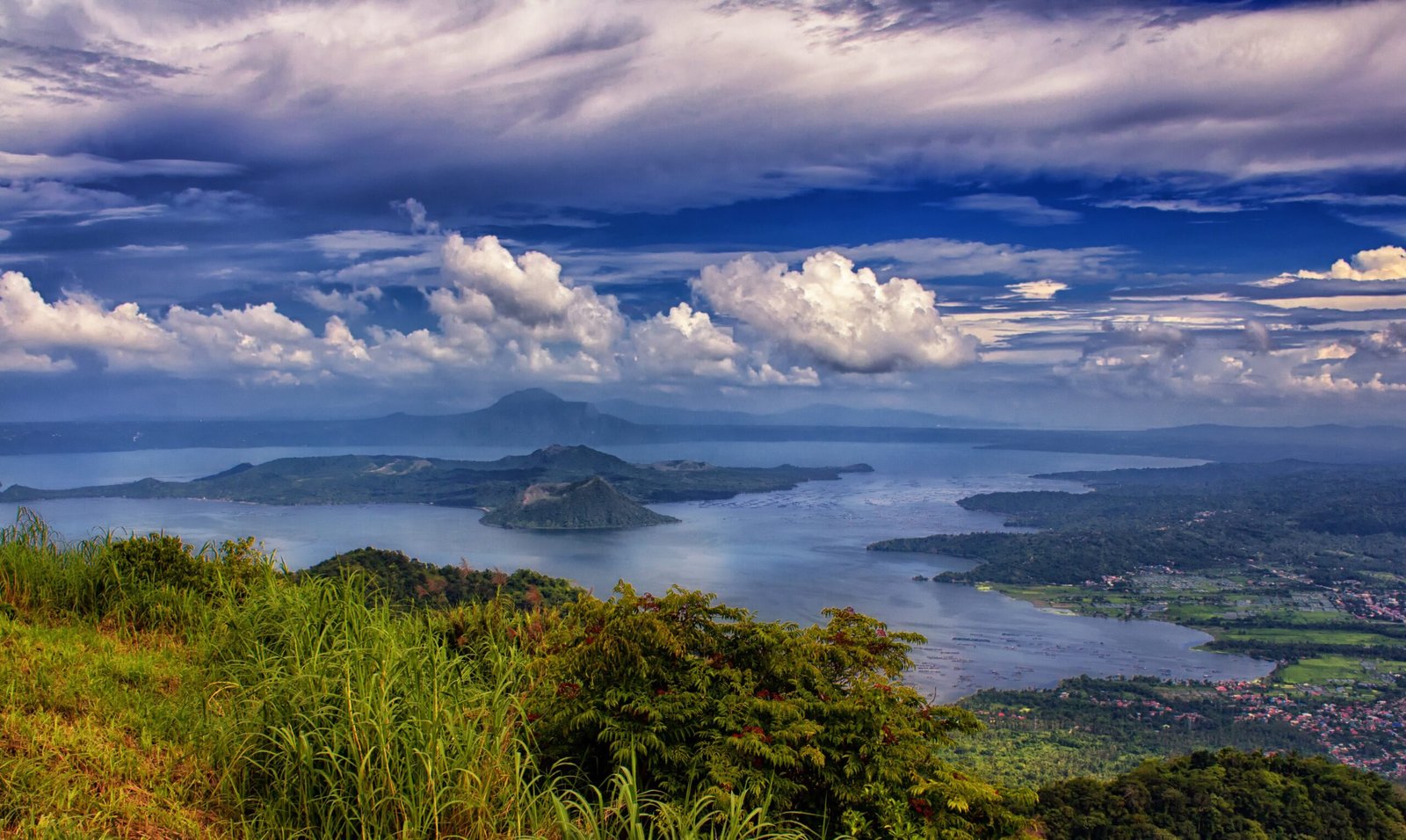
The story of Taal began with violence on an unimaginable scale. Thousands of years ago, massive eruptions blew the top off the original volcano, leaving behind a vast, sunken caldera. The resulting crater eventually filled with rainwater, giving birth to Taal Lake. The explosive force of these ancient events shaped the land for miles around, scattering ash and rock that would become the foundation for future life. Even today, the walls of the caldera rise dramatically above the lake, a silent testimony to the power that once tore the earth open. This legacy of destruction set the stage for the volcano we see today.
Taal Lake: Cradle of Life and Danger
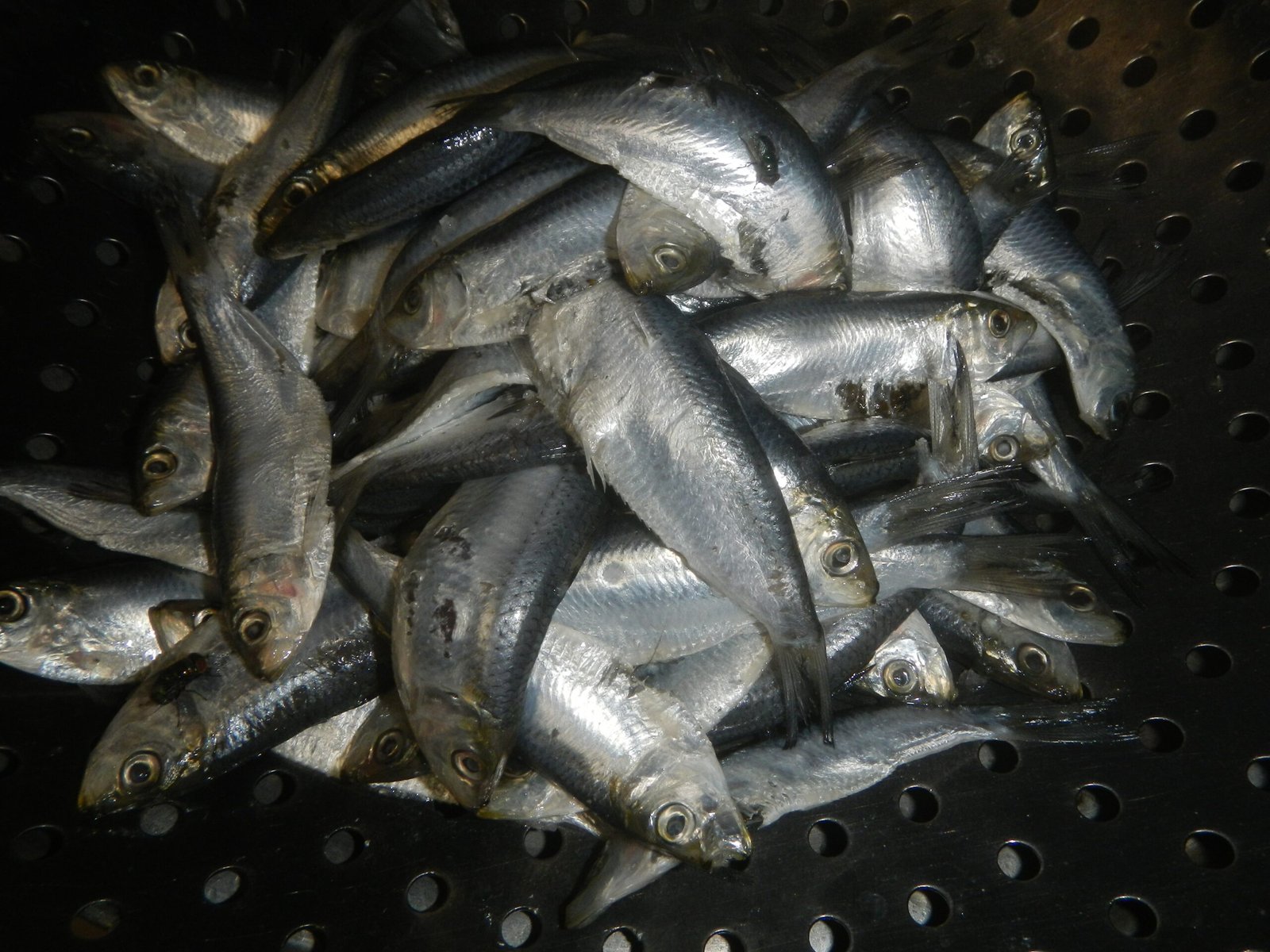
Taal Lake is more than just a beautiful body of water—it’s a living ecosystem shaped by volcanic forces. The lake’s waters are slightly brackish, a reminder that it was once connected to the sea before eruptions sealed it off. Rare species thrive here, including the freshwater sea snake Hydrophis semperi and the famous “tawilis” sardine, found nowhere else in the world. But the lake is also dangerous. Volcanic gases sometimes seep into the water, making it hazardous for fish and humans alike. Local fishermen have learned to read the moods of the water, knowing that beauty and peril often go hand in hand in Taal’s embrace.
Volcano Island: Fire at the Heart of the Lake
In the center of Taal Lake lies Volcano Island, a restless mound of earth that’s as unpredictable as it is iconic. This island is the visible tip of the active volcano, and its constantly changing landscape is a testament to the forces still simmering below. Over the centuries, eruptions have reshaped the island, creating new craters and even swallowing up entire villages. For many, climbing Volcano Island is a rite of passage, offering panoramic views that are both breathtaking and humbling. The island stands as a reminder that, while the world may seem calm, fire still slumbers just beneath the surface.
The Baby Volcano: Main Crater’s Hidden Gem
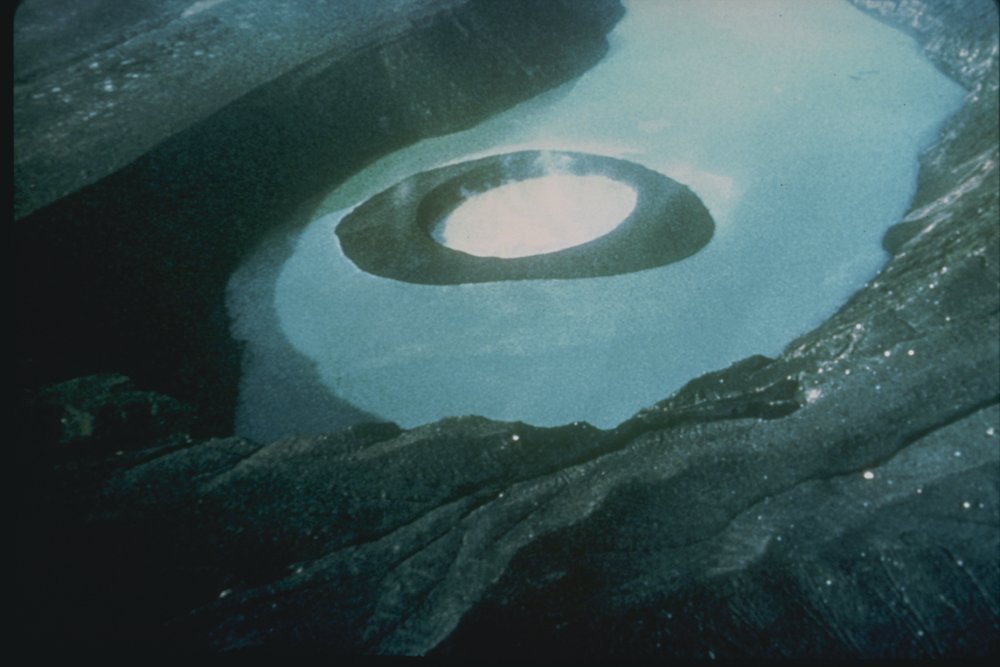
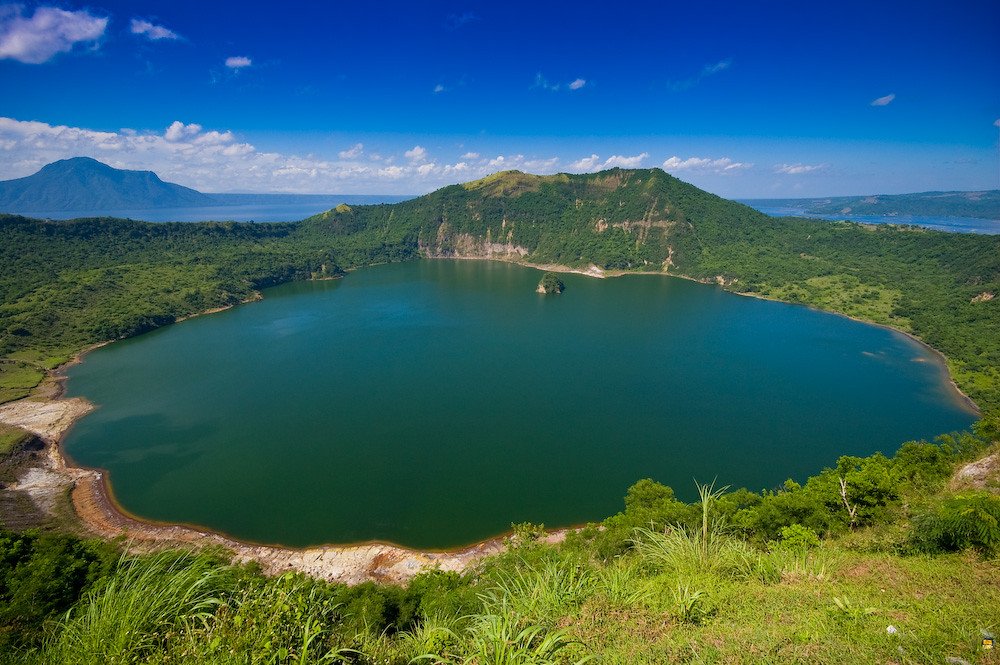
If you look closely at Volcano Island, you’ll notice another surprise—a crater lake nestled right at its summit. This “lake within a volcano within a lake” hosts yet another small volcanic cone, sometimes called the “baby volcano.” It’s a geological curiosity that adds another layer to Taal’s complexity. The water in this tiny lake is often tinted greenish or yellow from volcanic minerals, and sometimes it even steams with heat from below. Scientists study this inner crater to better understand how volcanic gases and heat interact with water. It’s a miniature world, reflecting the drama of Taal in microcosm.
A History Written in Ash and Lava
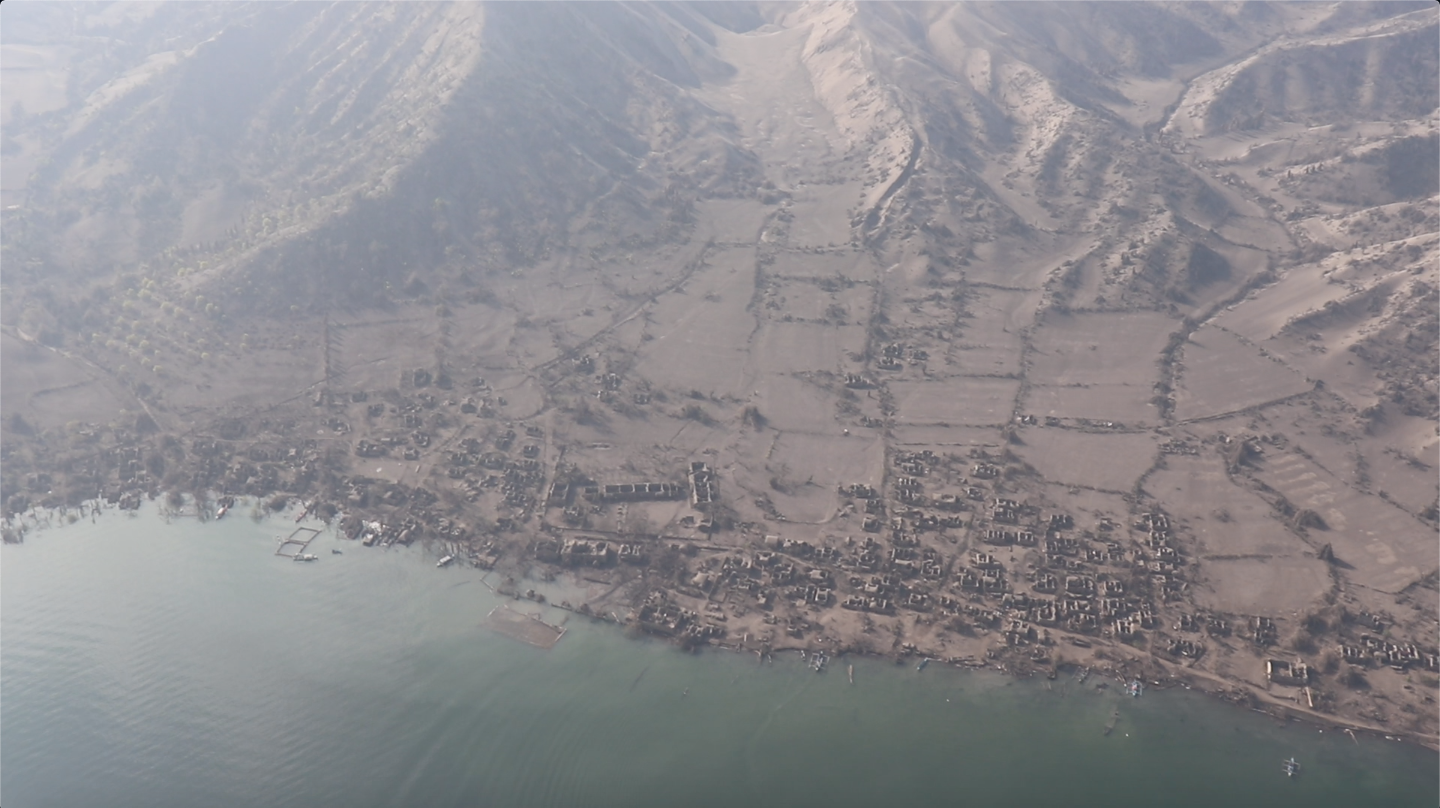
Taal’s eruptions have shaped the history and culture of the region for centuries. The first recorded explosion was in 1572, and since then, over 30 eruptions have left their mark on the land and its people. Some eruptions were gentle, while others brought tragedy—like the devastating blast of 1911 that killed more than a thousand people. Ashfall from Taal can blanket towns, destroy crops, and turn day into night. Yet, for every disaster, the people of Batangas Province have rebuilt, adapting to the volcano’s moods with remarkable resilience. Taal’s eruptions are not just geological events—they are chapters in a long, ongoing human story.
Eruptions of 2020: A Wake-Up Call
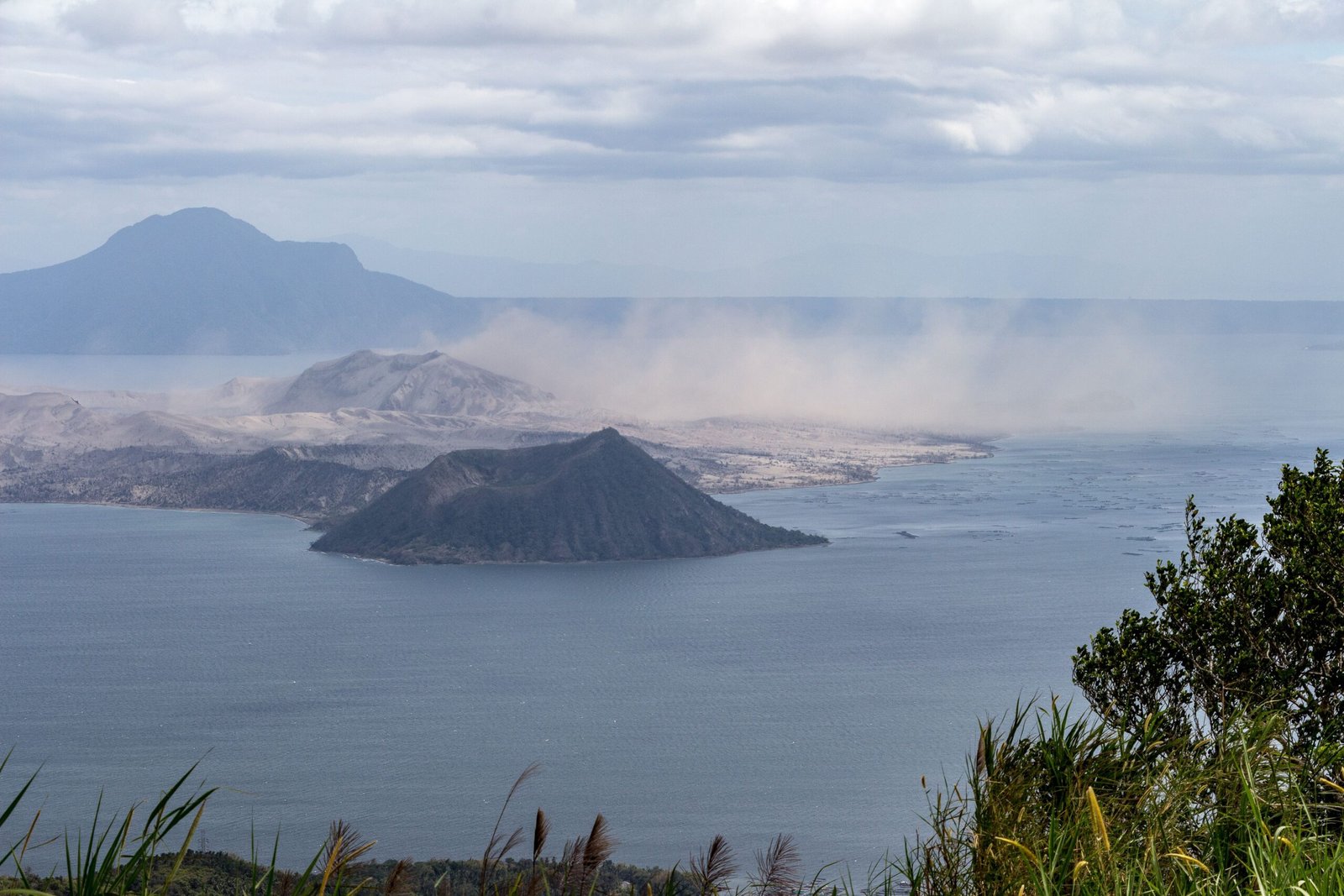
The world watched in awe and fear when Taal erupted on January 12, 2020. Plumes of ash shot miles into the sky, grounding flights and forcing tens of thousands to evacuate. Lightning danced through the ash clouds, creating scenes that seemed ripped from the pages of mythology. The eruption reminded everyone that Taal, for all its beauty, is still very much alive and dangerous. Scientists scrambled to interpret the signs, and many families faced the heartbreaking choice of leaving their homes behind. The 2020 eruption was a stark lesson in the power and unpredictability of nature.
Life Around the Volcano: Coexistence and Challenge

Despite the risks, thousands of people live in the shadow of Taal. Towns and villages ring the shores of the lake, and some families even make their homes on Volcano Island itself. Life here is a careful dance with disaster—fields are fertile thanks to volcanic soil, but danger is never far away. Stories abound of farmers and fishermen who have learned to read the signs of impending eruption: changes in animal behavior, odd smells, or the quiet rumble of the earth. Community drills and early warning systems have become part of daily life, helping people stay one step ahead of Taal’s temper.
The Role of PHIVOLCS: Guardians of Safety
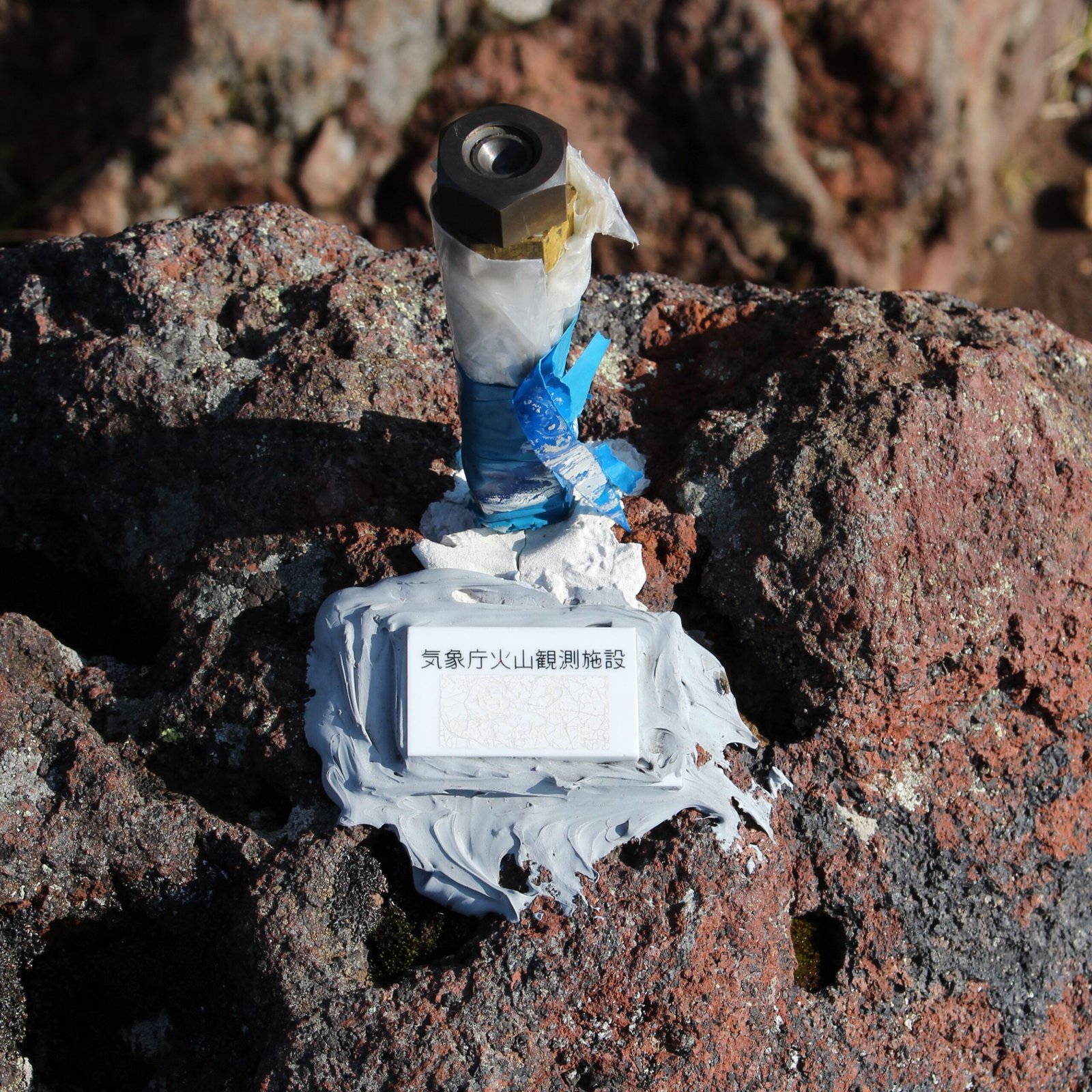
The Philippine Institute of Volcanology and Seismology, or PHIVOLCS, is the country’s frontline defense against volcanic disasters. Scientists monitor Taal around the clock, using seismic sensors, satellite data, and even drones to watch for signs of unrest. Their warnings have saved countless lives by prompting evacuations before eruptions occur. But predicting volcanic behavior is never easy—Taal’s layered structure makes it particularly tricky to interpret signals from deep underground. PHIVOLCS continues to innovate, developing new tools and strategies to keep the communities around Taal safe.
Traditional Beliefs and Local Legends
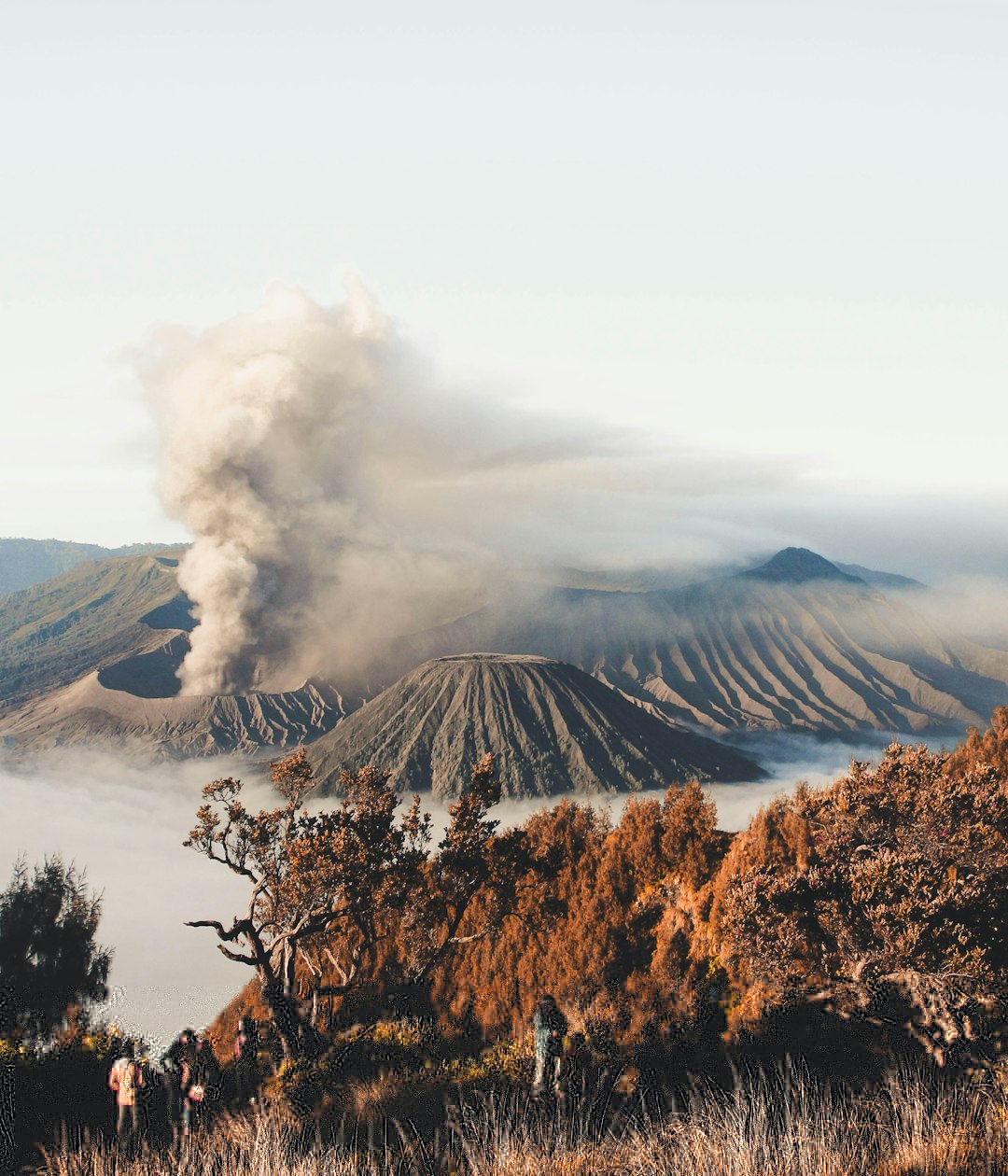
For many Filipinos, Taal is more than just a volcano—it’s a living spirit, woven into folklore and tradition. Stories tell of angry gods, enchanted snakes, and lakes that boil with hidden power. Some locals believe that Taal’s eruptions are warnings or punishments from the earth itself. Rituals and offerings are still performed to appease these forces, blending ancient beliefs with modern science. These traditions are more than superstition—they are a way for communities to make sense of the unpredictable world around them, and to find comfort in the face of danger.
Tourism: Wonder and Responsibility
Taal’s striking beauty and unique geology draw visitors from all over the world. Tourists flock to Tagaytay for sweeping views of the volcano and lake, while adventurous souls hike up Volcano Island for a closer look. The local economy benefits from this influx, with hotels, restaurants, and boat tours thriving. But tourism also brings challenges. The delicate environment can be damaged by too many visitors, and safety must always come first, especially during periods of volcanic unrest. Sustainable tourism practices are essential to preserve Taal’s magic for future generations.
Climate and the Caldera: Weather’s Impact
Taal’s location in the tropics means it faces regular monsoon rains, typhoons, and periods of drought. The weather has a direct impact on the volcano’s behavior—the weight of rainwater can sometimes trigger small eruptions or landslides. During dry spells, the lake shrinks, exposing new land and changing local ecosystems. Weather patterns also affect how far ash and gases travel during eruptions. Understanding the interplay between climate and geology is crucial for predicting Taal’s future, as both forces shape the landscape in powerful ways.
Geothermal Energy: Promise and Peril
The intense heat beneath Taal’s surface has attracted interest in geothermal energy as a renewable resource. Geothermal plants could provide clean electricity for nearby towns, harnessing the earth’s own power. However, drilling into volcanic ground carries risks—disturbing underground systems could trigger new eruptions or earthquakes. Balancing the benefits of green energy with the dangers of living atop a restless volcano is a challenge that scientists and policymakers continue to debate. Taal’s heat is both a gift and a warning.
Studying the Future: Science and Uncertainty
Predicting Taal’s next move is like trying to solve a puzzle with missing pieces. Scientists use everything from satellite imagery to chemical tests of lake water to understand what’s happening deep below. Yet, volcanoes are inherently unpredictable. Even the most advanced models can’t account for every variable. Ongoing research aims to improve early warning systems and deepen our knowledge of how layered volcanoes like Taal function. Every eruption adds another clue, helping future generations prepare for whatever comes next.
Global Significance: Lessons for the World
Taal isn’t just a Philippine treasure—it’s a case study for volcanologists everywhere. Its complex structure offers insights into volcanoes in Italy, Iceland, and beyond. By studying Taal, scientists can better understand the risks posed by other caldera systems around the globe. Taal’s eruptions also highlight the importance of disaster preparedness and community resilience. The lessons learned here may one day save lives far beyond the shores of Taal Lake.
Resilience and Renewal: The Heart of Taal’s Legacy
Taal’s story is one of endless transformation, where destruction gives way to rebirth again and again. The people who live around the volcano have learned to adapt, building their lives on land that is always shifting, always alive. Their resilience mirrors the natural world, where forests grow from ash and new lakes form in the wake of explosions. Taal’s layered legacy is a testament to the power of adaptation, reminding us that even in the face of overwhelming odds, life finds a way.
Taal compels us to respect the raw forces of nature while marveling at the fragile beauty they create. Its layered landscapes challenge us to look deeper, to see not just the risk but also the wonder. In the end, Taal’s legacy is a story of balance—between beauty and danger, science and tradition, destruction and renewal. What mysteries will the next layer reveal?