Imagine a thunderstorm so violent that the sky flashes again and again, but there’s no rain, no familiar storm clouds – only a towering column of ash roaring out of a volcano. That’s volcanic lightning: a raw, electrified tantrum of the Earth itself, painting the sky with jagged veins of light. It looks almost unreal, like a special effect from a movie, yet it’s one of the most powerful natural spectacles on the planet.
I still remember the first time I saw photos of a volcanic eruption wrapped in lightning. I assumed they were edited, some dramatic filter piled onto a regular eruption. Learning that this was completely real – and that scientists are still working out the finer details of how it happens – made it feel even more mysterious. Let’s step inside those ash clouds and unpack what’s really going on when a volcano starts building its own lightning storm from scratch.
A Storm Born From Fire: What Is Volcanic Lightning?
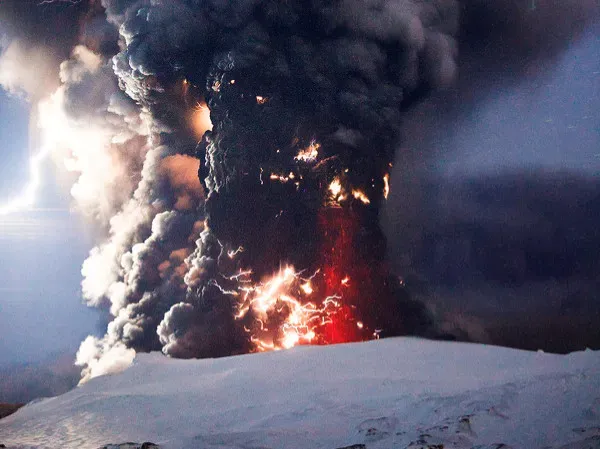
Volcanic lightning is exactly what it sounds like: lightning that forms inside or around the ash clouds produced by a volcanic eruption. Instead of developing inside tall rain clouds like normal thunderstorms, these bolts are born in massive plumes of ash, rock fragments, and gas thrown high into the sky. The result can be eerie and cinematic – branches of light tearing through a dark, mushroom-shaped cloud that glows faintly from the lava below.
Unlike regular lightning, which forms in moist air full of water droplets and ice, volcanic lightning can happen in clouds that are mostly solid particles. These ash clouds can rise tens of kilometers into the atmosphere, and the collisions between particles create the conditions for intense electrical charging. In extreme eruptions, the lightning can surround the entire column, turning the sky into a flickering cage of light around the volcano’s throat.
How Ash and Rock Turn Into Electricity
At the heart of volcanic lightning is something surprisingly simple: things bumping into each other. When a volcano erupts explosively, ash grains, rock fragments, and ice crystals smash together at incredible speeds. Every collision can shuffle electric charge from one particle to another, a bit like rubbing a balloon on your hair – except here the “balloons” are tiny rock shards and the “hair” is billions of other grains, all swirling inside a boiling column of gas.
Over time, some regions of the ash cloud become more positively charged, while others become more negatively charged. Nature hates that kind of imbalance, so the atmosphere tries to even things out. When the difference in charge grows strong enough, the air between these regions can no longer act as an insulator. The result is a sudden, violent release of energy: a bolt of lightning tearing a path through the ash, connecting those zones of imbalance in a fraction of a second.
Different Kinds of Lightning Inside an Eruption
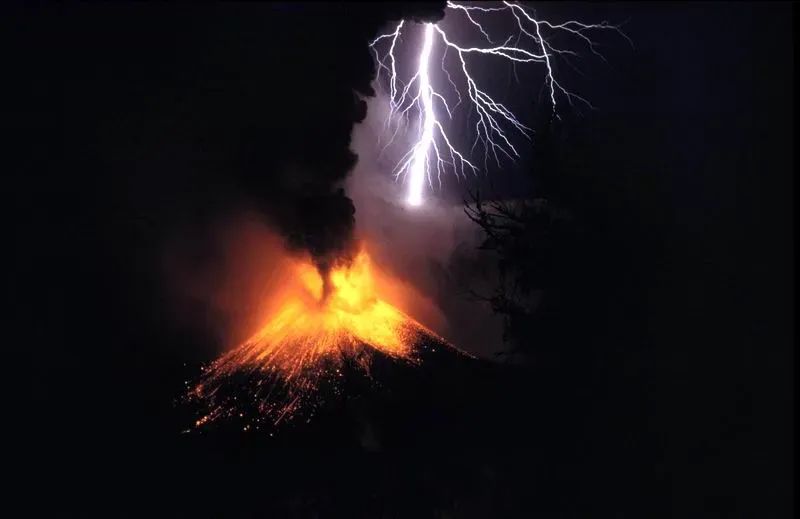
Not all volcanic lightning looks or behaves the same. Near the vent – right where the volcano is blasting material out – scientists often see short, rapid flashes called near-vent discharges. These tend to be small and chaotic, forming as fragments of magma, ash, and gas collide in the densest, wildest part of the plume. It’s like electrical static in its most extreme, concentrated form, wrapped tightly around the eruptive jet.
Higher up in the plume, the lightning can become more like what we see in regular thunderstorms: long, branching bolts that travel across or within the upper ash cloud. In very large eruptions, there can even be multiple “layers” of electrical activity – quick, compact flashes near the vent and larger, classic-looking strikes farther away. Some eruptions also generate “silent” electrical discharges that are too weak to see with the naked eye but still show up on sensitive instruments, hinting that what we witness is only part of a much bigger electrical drama.
Famous Volcanoes That Turned the Sky Into a Light Show
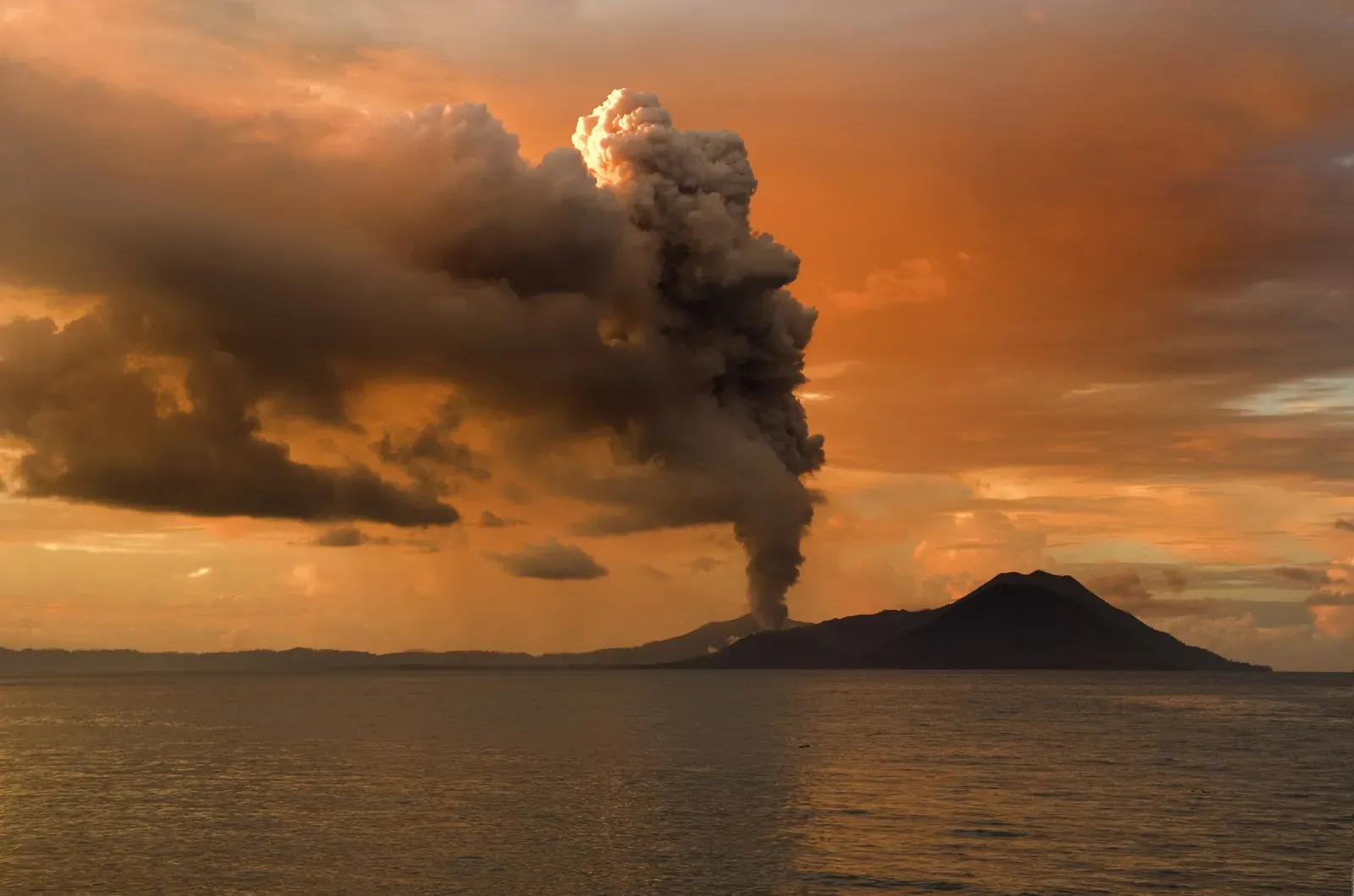
Certain eruptions in recent decades have become iconic examples of volcanic lightning. The 2010 explosion of Eyjafjallajökull in Iceland produced ash plumes filled with branching lightning, captured in widely shared photographs that suddenly made the world pay attention to this phenomenon. Around the same time, eruptions in Chile, like the 2008 Chaitén and 2011 Puyehue–Cordón Caulle events, created enormous ash clouds crisscrossed by endless flashes, lighting up the night like a burning storm.
Japan’s Sakurajima volcano is another standout, partly because it erupts frequently and is closely watched. Its explosive bursts often come with small but intense lightning discharges right above the crater, providing researchers with a kind of natural laboratory. These repeated, well-observed events have helped scientists piece together patterns: which kinds of eruptions produce the most lightning, how often it occurs, and how the shape and height of the ash plume affect the storm that forms inside it.
Why Scientists Watch the Lightning as Closely as the Lava
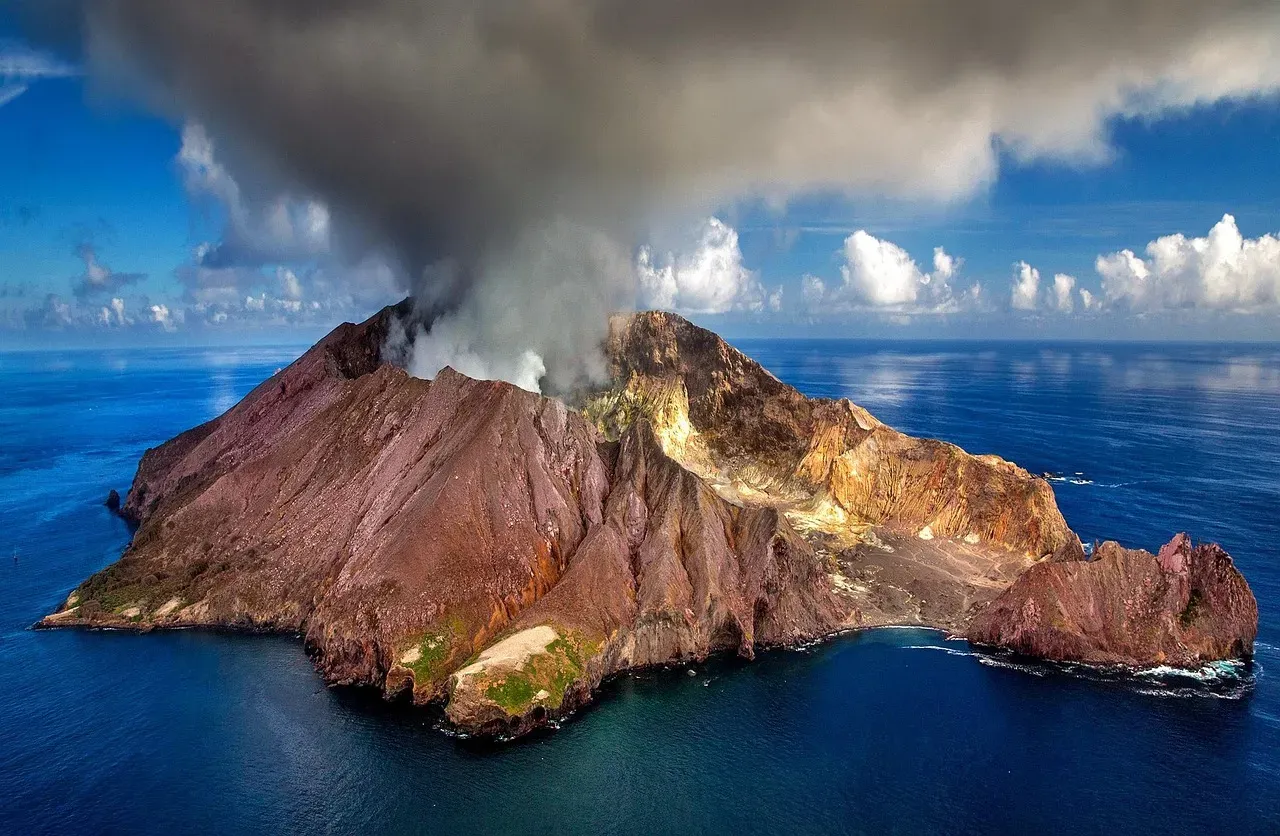
Volcanic lightning might look like eye candy for photographers, but for volcanologists it’s also a powerful clue. When an eruption begins, lightning sensors can detect electrical activity even when the volcano is hidden by clouds or darkness. This allows scientists to confirm that an eruption is underway in remote regions or during bad weather, sometimes faster than satellite images or ground reports can arrive. In that sense, volcanic lightning acts like an alarm system wired directly into the sky.
The pattern and intensity of lightning can also reveal how much ash the volcano is releasing and how energetic the eruption is. More lightning usually means more ash and stronger updrafts, which in turn can hint at how far the ash will travel and how serious the hazard might be for aviation and nearby communities. In the last years, researchers have started integrating lightning data into early-warning tools, turning what once seemed like a mysterious side effect into a practical, potentially life-saving source of information.
Why These Storms Matter for Planes, People, and Climate
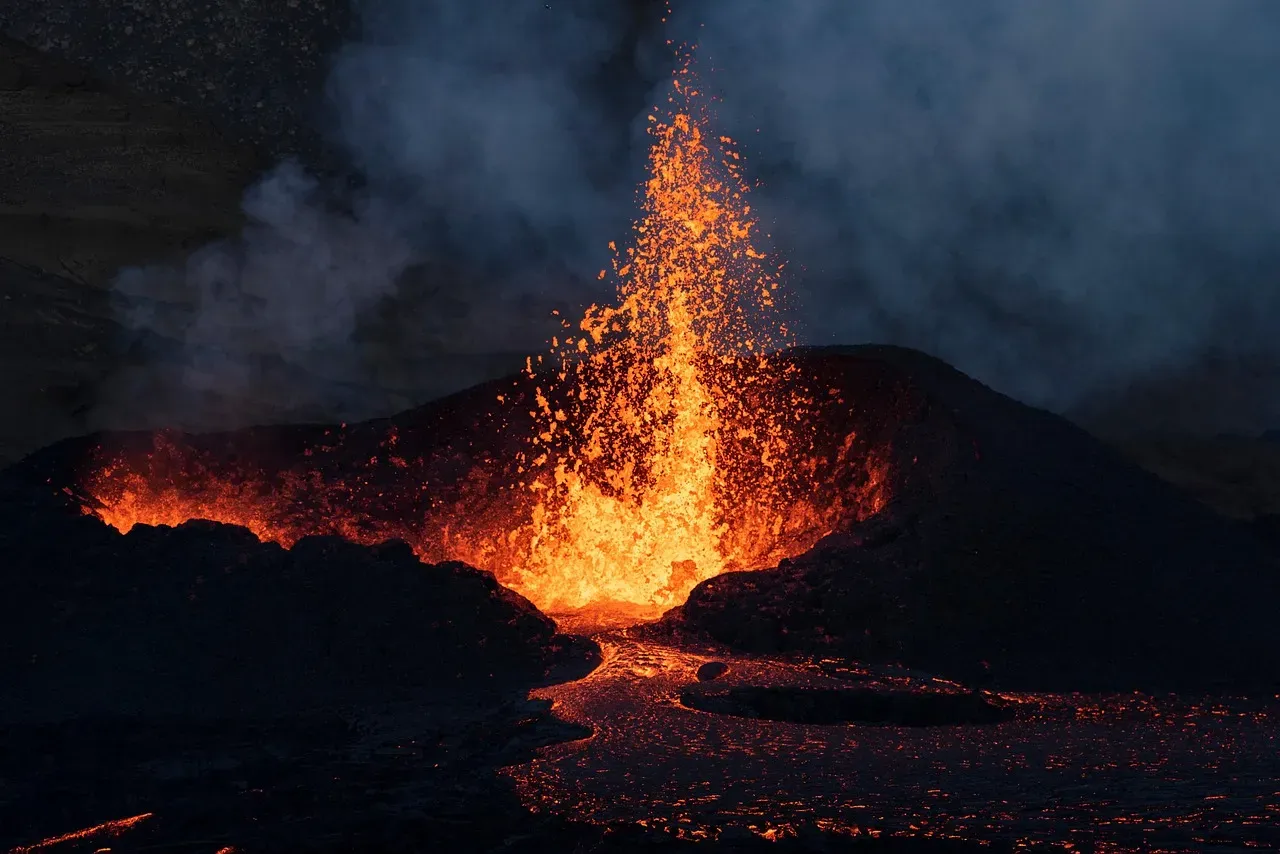
When a volcano fills the sky with ash and lightning, it is more than just a visual spectacle – it has real consequences. Fine ash particles can damage aircraft engines, scratch windshields, and interfere with instruments, which is why aviation authorities take ash clouds so seriously. The presence of lightning signals that the ash plume is dense and active, helping flight planners decide when and where to reroute planes, even before the full path of the plume is mapped.
On the ground, the same ash that fuels the lightning can blanket towns, clog machinery, pollute water, and damage crops. High in the atmosphere, large eruptions can inject particles and gases that affect climate, sometimes cooling global temperatures slightly for months or years by reflecting sunlight. The electric activity inside these clouds may even influence how particles clump together, fall out of the sky, or interact with other chemicals, though scientists are still working to understand those finer details.
The Unfinished Mystery Above the Crater
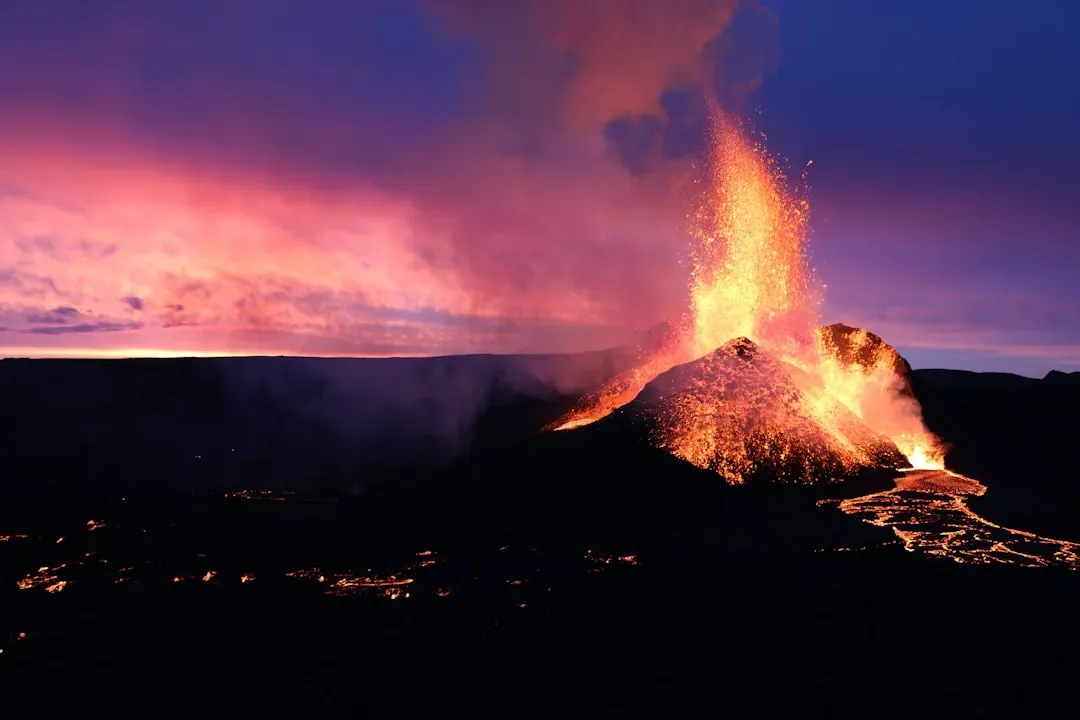
For all the progress made, volcanic lightning is still not fully understood. Researchers know the broad strokes – collisions create charge, charged regions trigger lightning – but the exact roles of temperature, moisture, ash composition, and plume shape are still being untangled. Each new eruption offers a fresh, unpredictable experiment that no one can perfectly schedule or control, which makes the data both precious and messy. That uncertainty is frustrating, but it is also part of what keeps scientists watching the skies above active volcanoes.
On a more personal level, there is something quietly humbling about volcanic lightning. It is the Earth combining two already powerful forces – fire and storm – into a single event that feels almost mythic. You do not need to be a scientist to feel your stomach drop a little when you see a volcano wrapped in its own homemade thunderstorm. It is a reminder that beneath our routines and flight schedules and satellite maps, the planet is still wild enough to surprise us. Who would have thought that a cloud of ash could become a lightning factory in the sky?