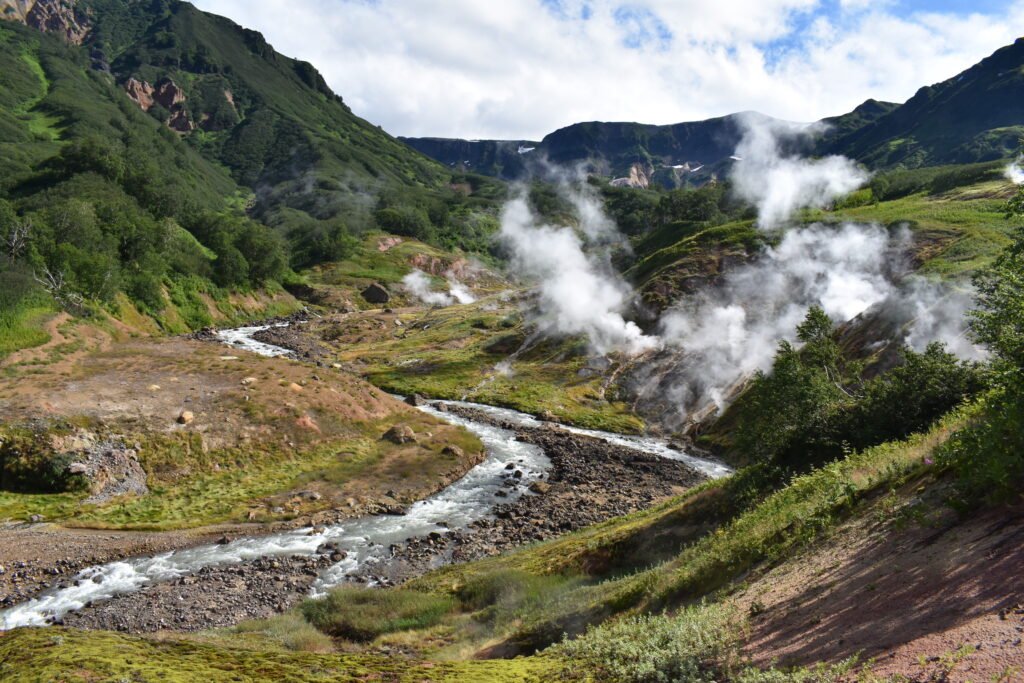

Imagine a place where the earth breathes, hisses, and roars—where rivers of steam spiral into the sky and boiling water erupts from the ground with startling force. This isn’t a scene from a fantasy novel or the wilds of Yellowstone. It’s the Valley of Geysers, tucked away in one of the most remote corners of the planet. Astonishingly, most people have never even heard of it. Hidden within the wild, rugged Kamchatka Peninsula of Russia, this natural wonder rivals any of the world’s most famous geothermal hotspots. Yet its isolation has kept its mysteries, dangers, and wonders secret from all but the most adventurous explorers. Let’s journey into the heart of this extraordinary valley, where the earth’s power is on full, spectacular display.
A Secret World in the Russian Far East
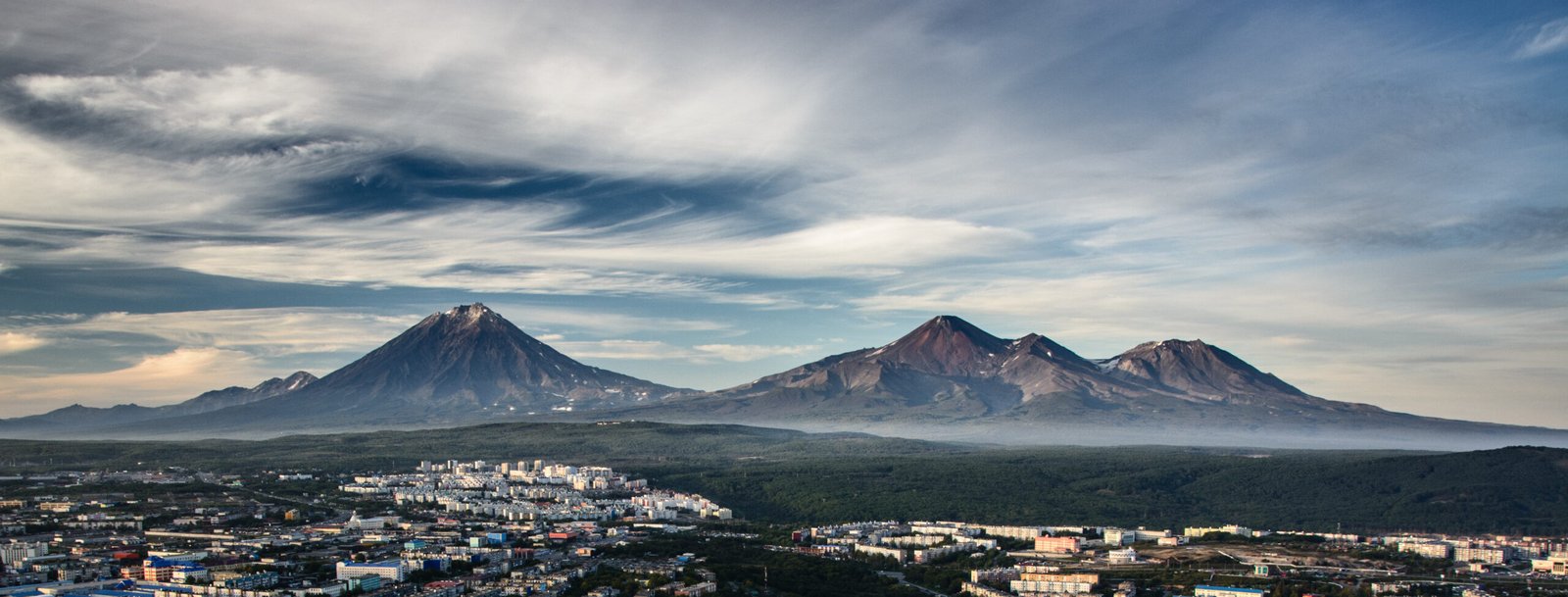
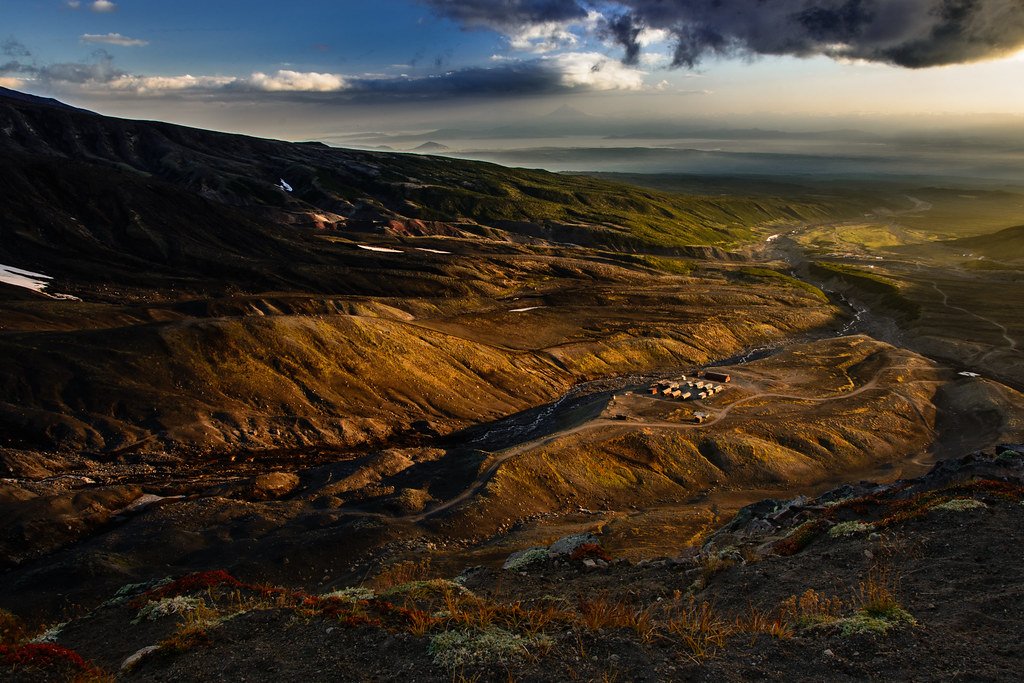
The Kamchatka Peninsula is a land few outsiders ever see. Located in Russia’s far east, it juts into the Pacific Ocean, surrounded by icy seas and towering volcanoes. Here, deep within a lush, unspoiled wilderness, lies the Valley of Geysers. Unlike Yellowstone, which draws millions of visitors, this valley remains a hidden jewel, accessible only by helicopter or a grueling trek. The remoteness adds to its mystique—imagine stepping off the beaten path into a lost world, a place that feels untouched by time. The isolation is not just physical, but also emotional; you feel the weight of nature’s raw power in every step.
The Discovery That Shocked the Scientific World
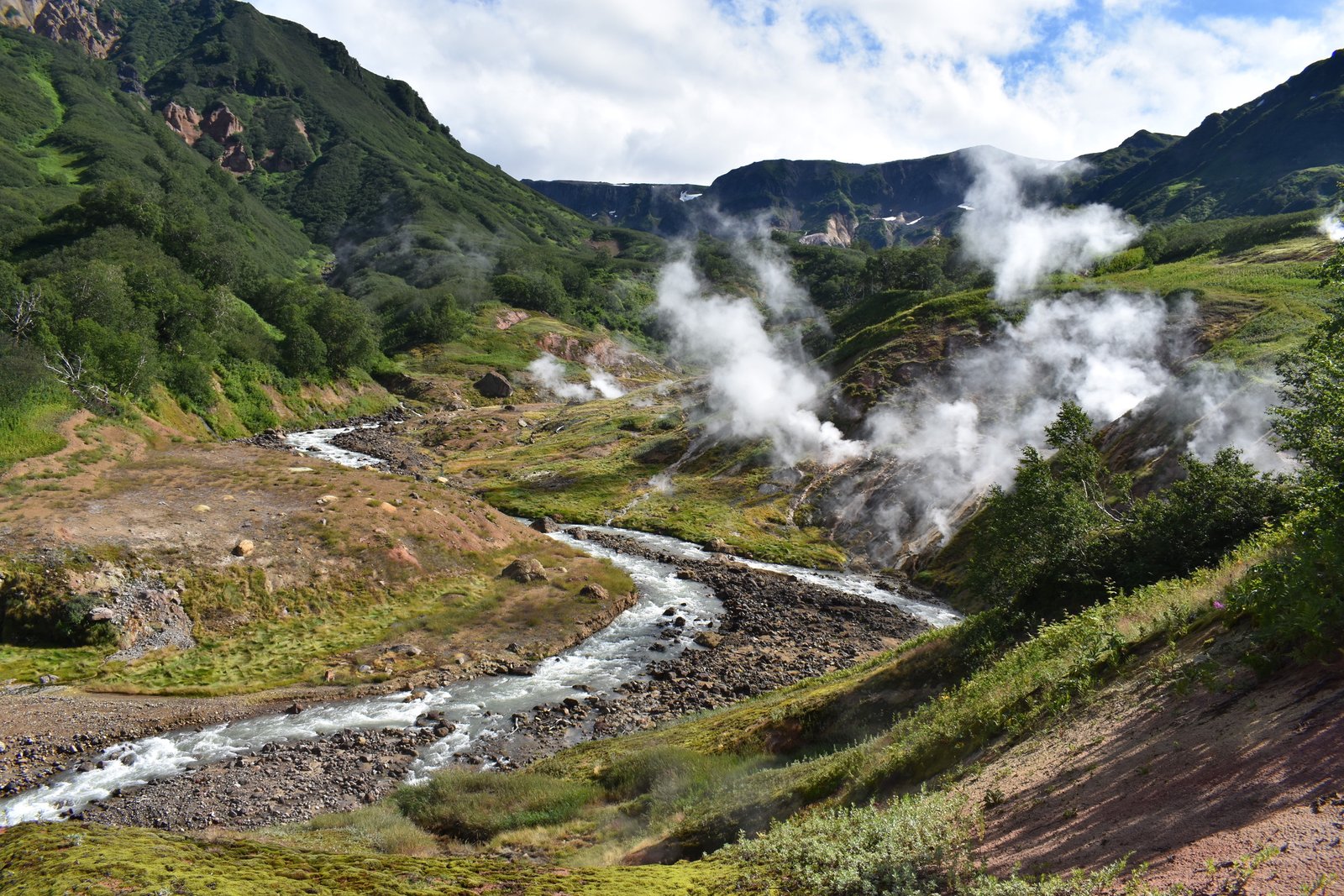
You might think a place so spectacular would have been known for centuries. Yet the Valley of Geysers was only discovered in 1941 by Tatyana Ustinova, a Russian geologist, almost by accident. While studying the area’s volcanoes, she stumbled upon the steamy, thunderous landscape and knew instantly that she’d found something extraordinary. Her discovery sent ripples through the scientific community, as it was the second-largest concentration of geysers in the world, after Yellowstone. The secrecy of Soviet-era Russia meant the valley remained mostly off-limits to foreigners for decades, adding to its air of mystery.
Geysers Galore: A Playground of Steam and Water
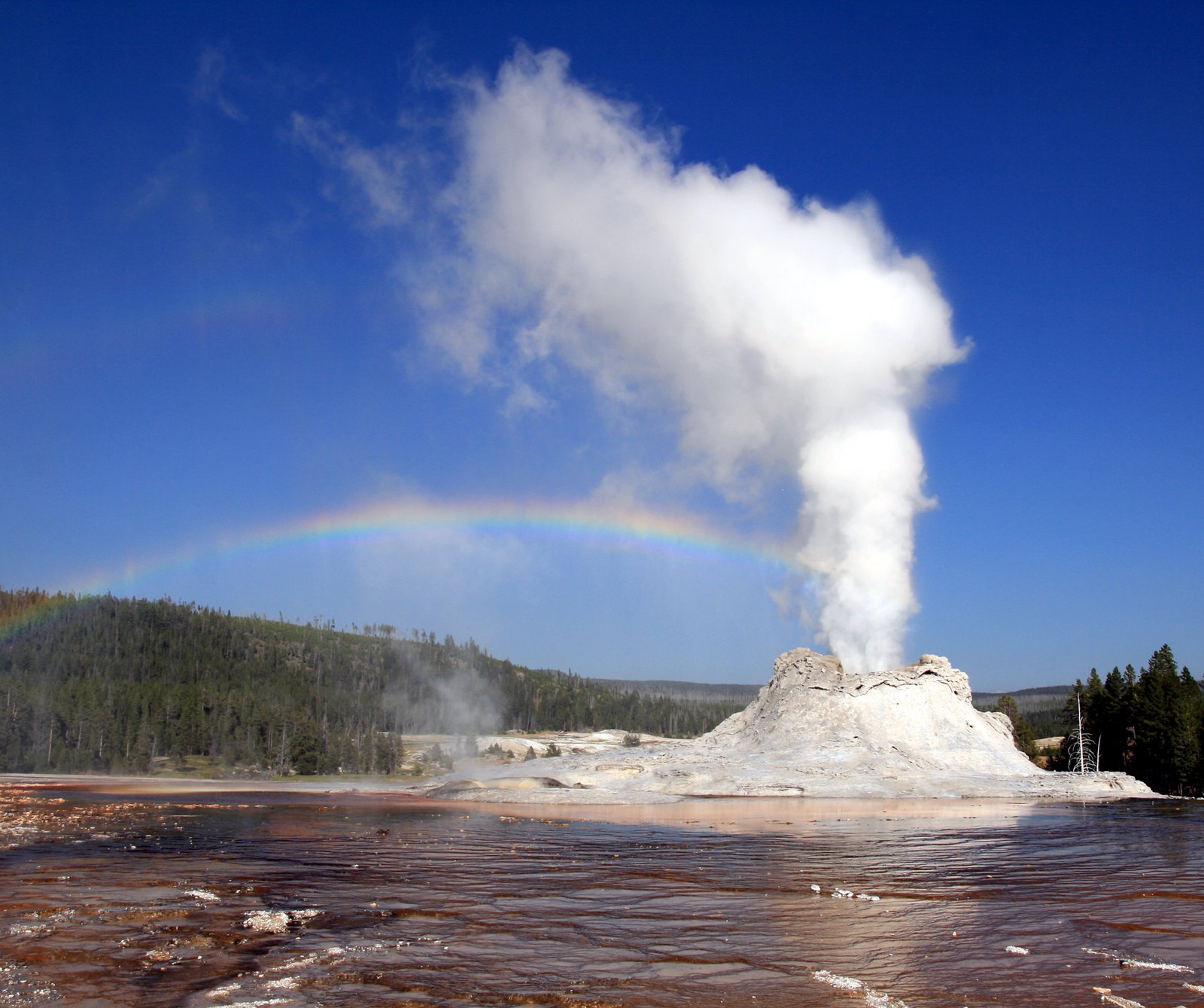
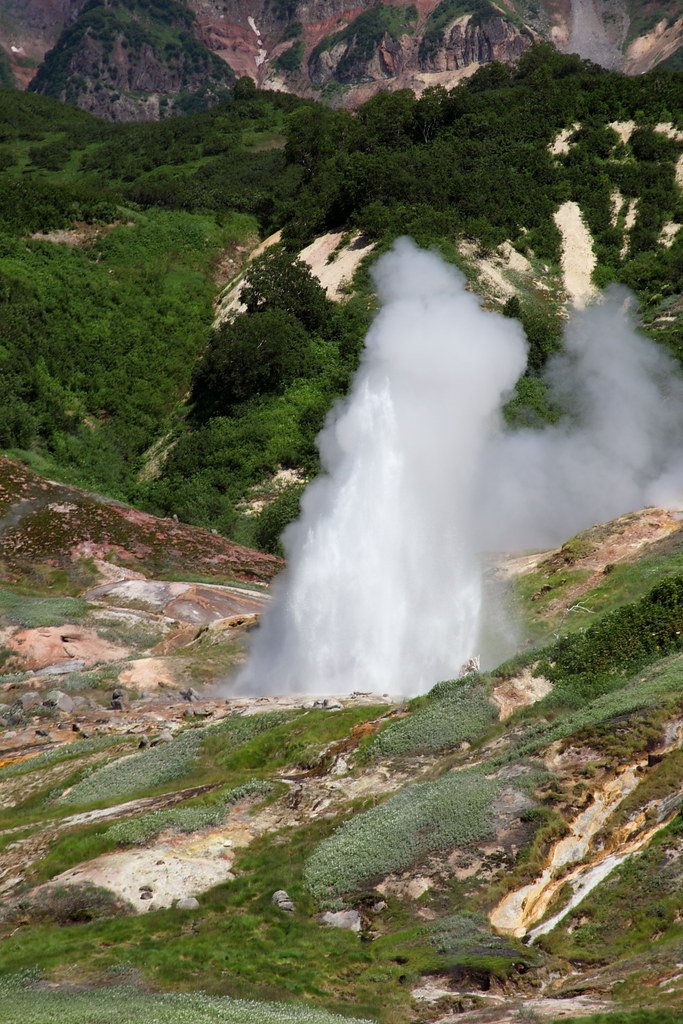
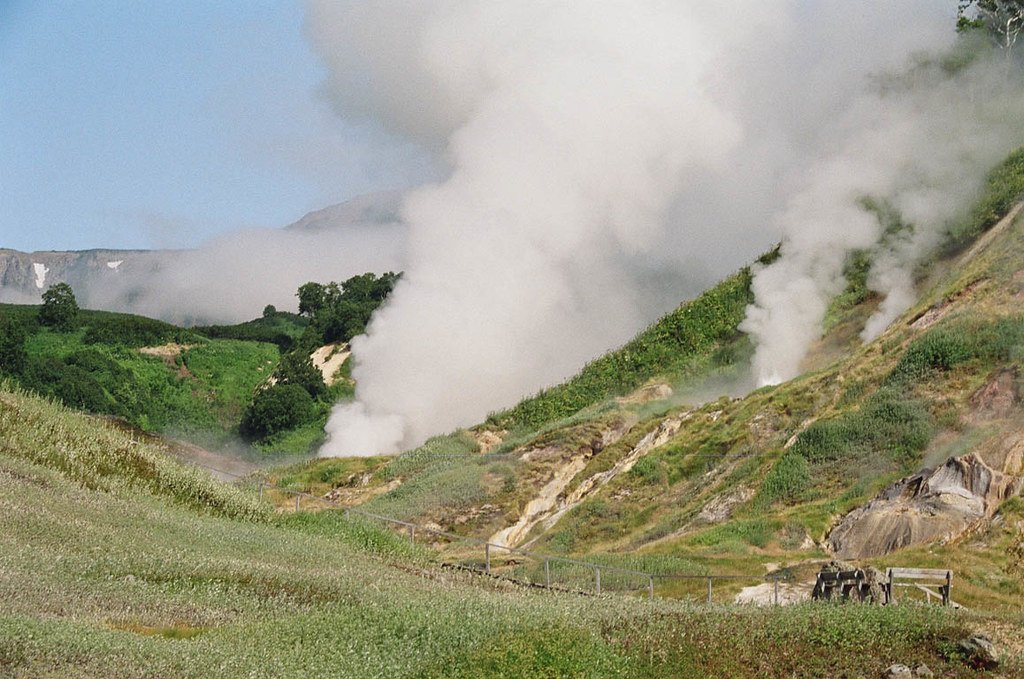
What makes the Valley of Geysers so unique? It’s home to around 90 active geysers and hundreds of hot springs, all packed into a narrow, seven-kilometer-long gorge. Each geyser has its own personality—some erupt in towering jets every few minutes, while others bubble quietly, waiting hours or even days before exploding with fury. The variety is staggering: from the mighty Velikan (“Giant”) that blasts water up to 40 meters high, to the playful Maly (“Little One”) that spits and splashes with charming unpredictability. The air constantly smells of minerals, and the ground seems alive beneath your feet.
Colors That Defy Imagination
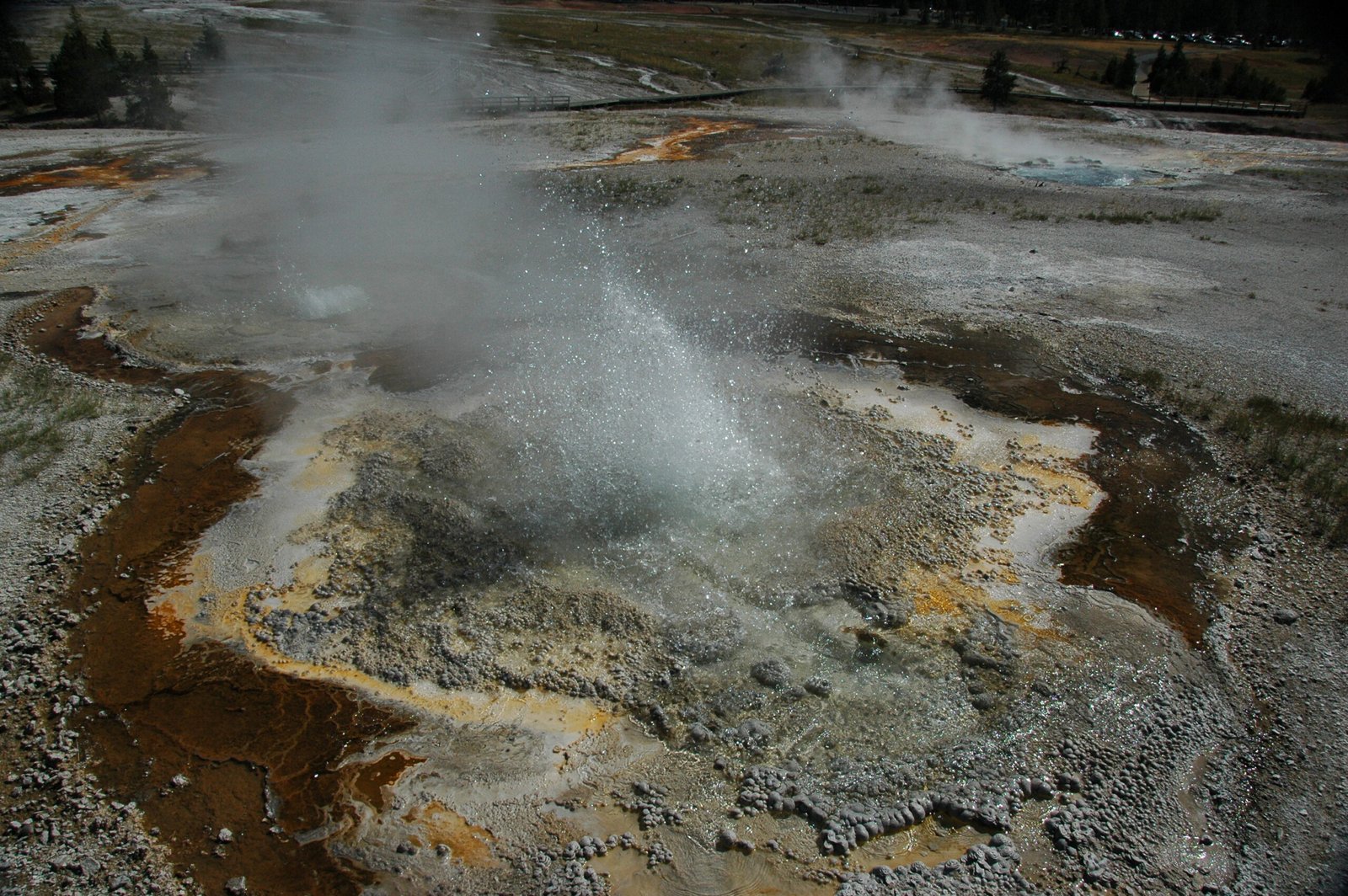
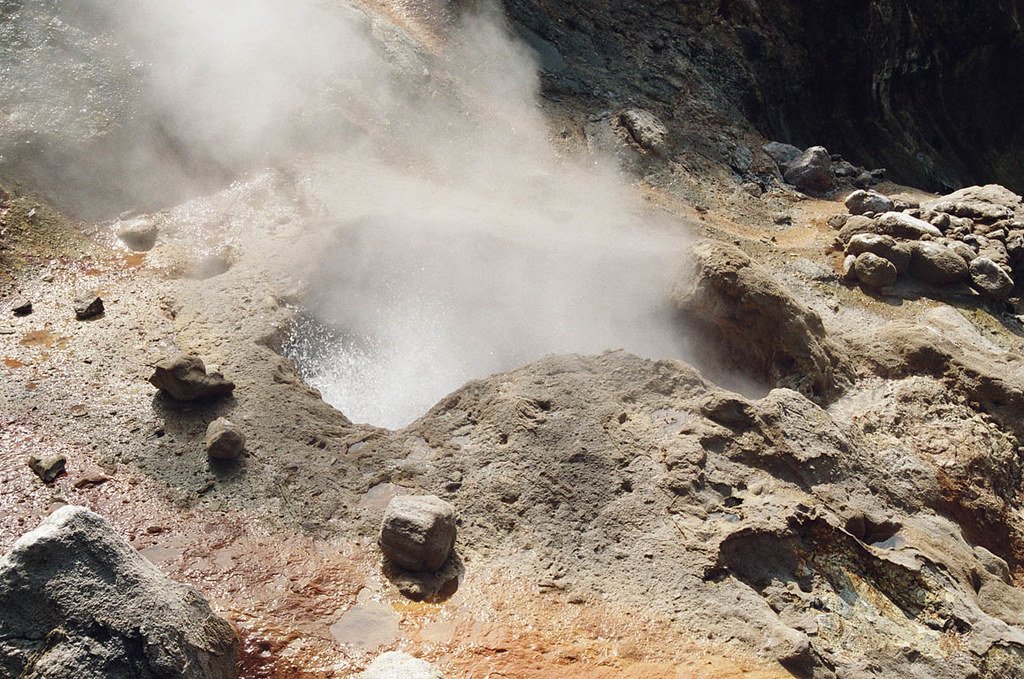
If you think all geysers look the same, think again. The Valley of Geysers is a riot of color, a canvas painted by nature’s own hand. The hot springs shimmer with turquoise and emerald hues, while mineral deposits stain the earth with vivid reds, oranges, and yellows. Mats of thermophilic bacteria create surreal patterns, turning the landscape into a masterpiece that seems almost otherworldly. On misty mornings, the rising steam catches the sunlight, creating rainbows that dance across the valley. It’s a place where science meets art in the most unexpected ways.
The Science Behind the Steam
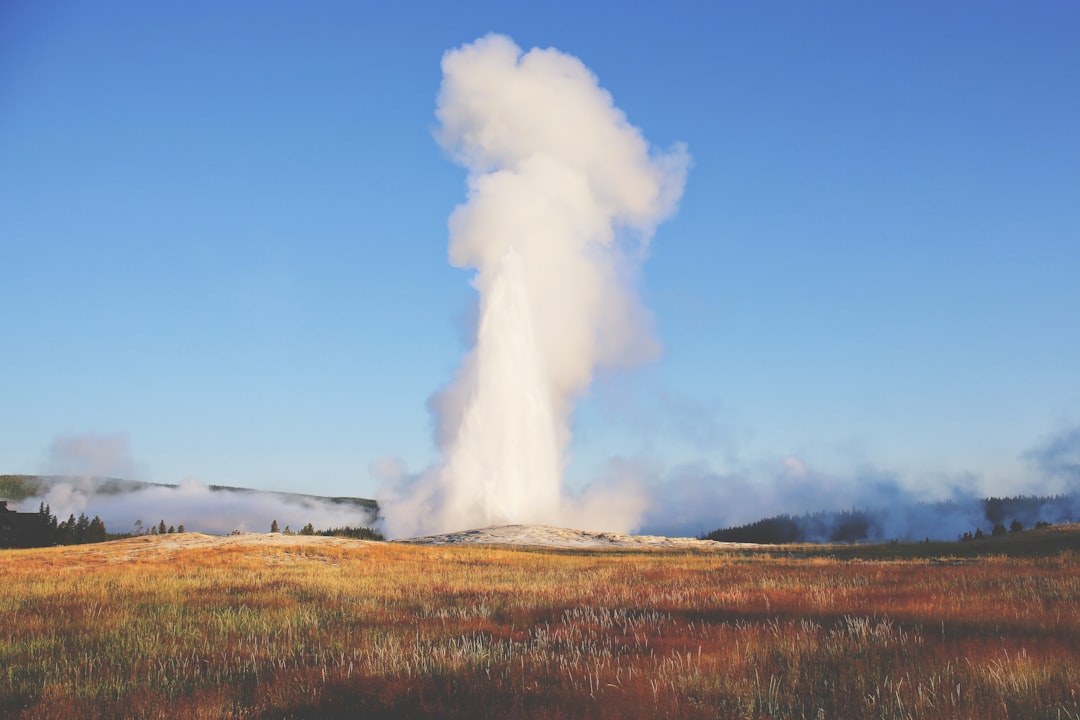
What causes these dramatic displays? The answer lies deep beneath the earth’s crust. The Kamchatka Peninsula sits on the Pacific Ring of Fire, a hotspot for tectonic activity. Here, magma lies close to the surface, heating underground water reservoirs. As the water heats up, pressure builds until it finds a weak spot, erupting through the earth in a spectacular geyser display. Every eruption is a reminder of the immense forces working just below our feet, shaping the planet in real time.
Wildlife Thriving on the Edge
The Valley of Geysers isn’t just a geological wonder—it’s a haven for wildlife. Brown bears roam the hillsides, fishing for salmon in the river that snakes through the valley. Foxes, otters, and even reindeer can sometimes be seen, drawn by the warmth and abundant food. Birds swoop and dive through the steam, while hardy plants cling to life in the mineral-rich soil. The constant warmth creates a microclimate, allowing rare species to flourish in an otherwise harsh environment. In this valley, life finds a way, even in the shadow of volcanoes.
The Catastrophic Landslide of 2007
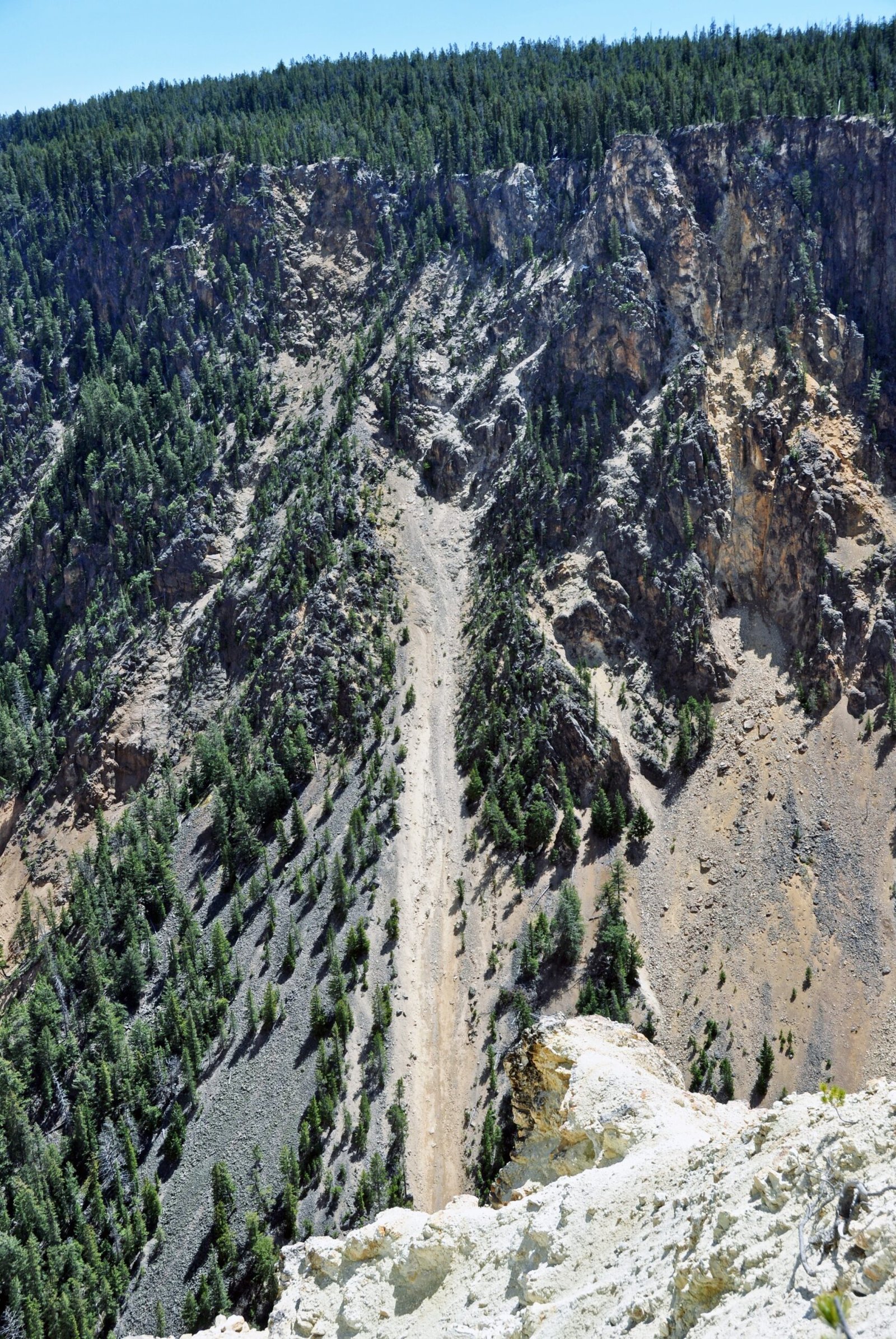
Nature gives, but it also takes away. In 2007, a massive landslide thundered through the valley, burying many geysers under tons of mud and debris. Scientists and locals alike mourned the loss, fearing that much of the valley’s magic had been wiped away forever. However, the valley’s resilience quickly became apparent. New geysers emerged, old ones adapted, and the landscape shifted but survived. This event was a powerful reminder of the region’s volatility and the ever-changing nature of earth’s most dynamic places.
Volcanoes Looming Overhead
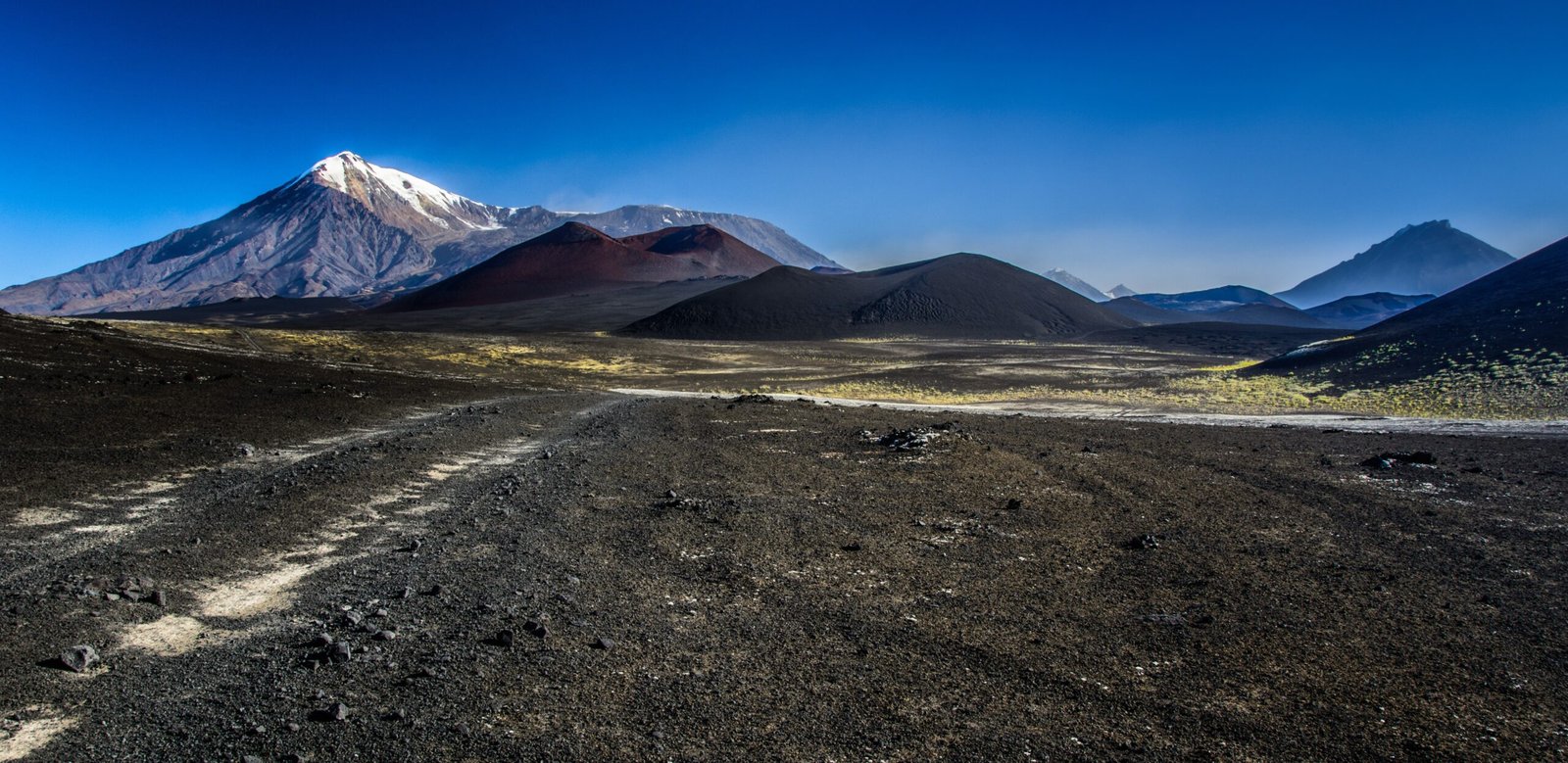
Everywhere you look in Kamchatka, volcanoes dominate the skyline. The Valley of Geysers sits in the shadow of the mighty Kronotsky Volcano, an almost perfectly cone-shaped giant that last erupted in the 1920s. The proximity of so many active volcanoes means the ground is always restless. Earthquakes are common, and the threat of eruptions or further landslides hangs in the air. Yet this volatile environment is precisely what creates the conditions for the valley’s geysers—a reminder that danger and beauty often go hand in hand.
Seasons of Change: A Valley Transformed
The valley is never the same place twice. In spring, melting snow swells the river and awakens dormant geysers, sending plumes of steam skyward. Summer brings a riot of wildflowers and bright green grasses, while autumn paints the landscape in fiery reds and golds. In winter, thick blankets of snow muffle the explosions of the geysers, and the steam freezes into glittering crystals on every surface. Each season brings new moods and mysteries, making the valley a living, breathing work of art.
The Human Footprint: Tourism and Conservation
For decades, the Valley of Geysers was a well-kept secret, visited by only a handful of scientists and intrepid explorers. In recent years, eco-tourism has begun to grow, with strict regulations to protect the fragile ecosystem. Helicopter tours whisk small groups of visitors over the wilderness, giving them a glimpse of the valley’s surreal beauty. Yet access remains limited, and visitors are carefully managed to prevent damage. This balance between sharing and safeguarding is crucial to preserving the valley for generations to come.
Comparisons to Yellowstone: Rivalry or Siblinghood?
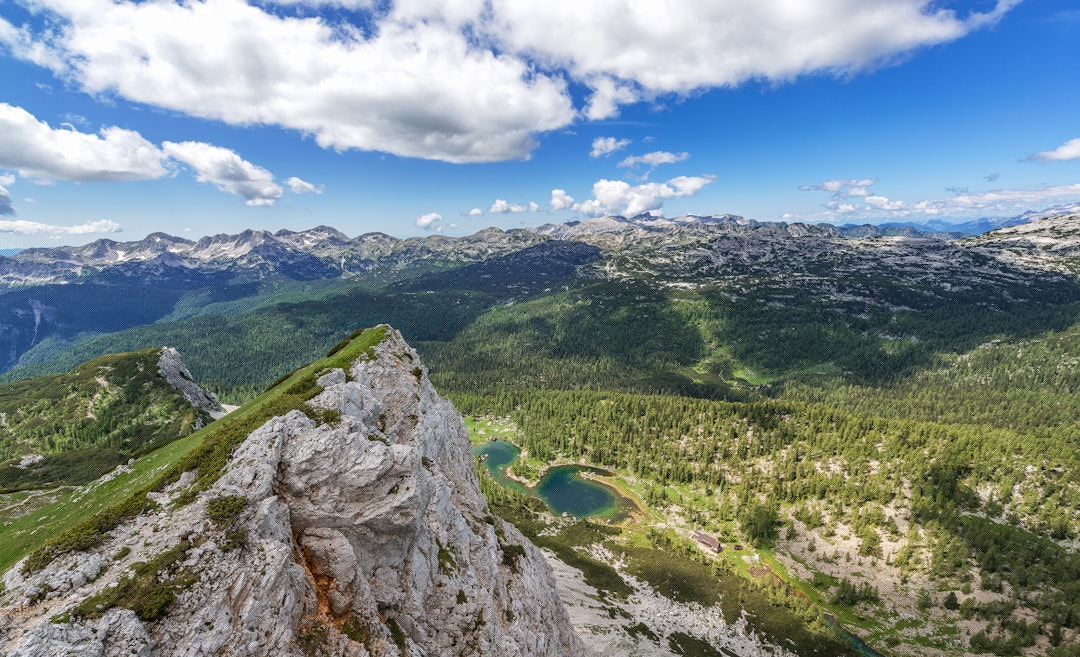
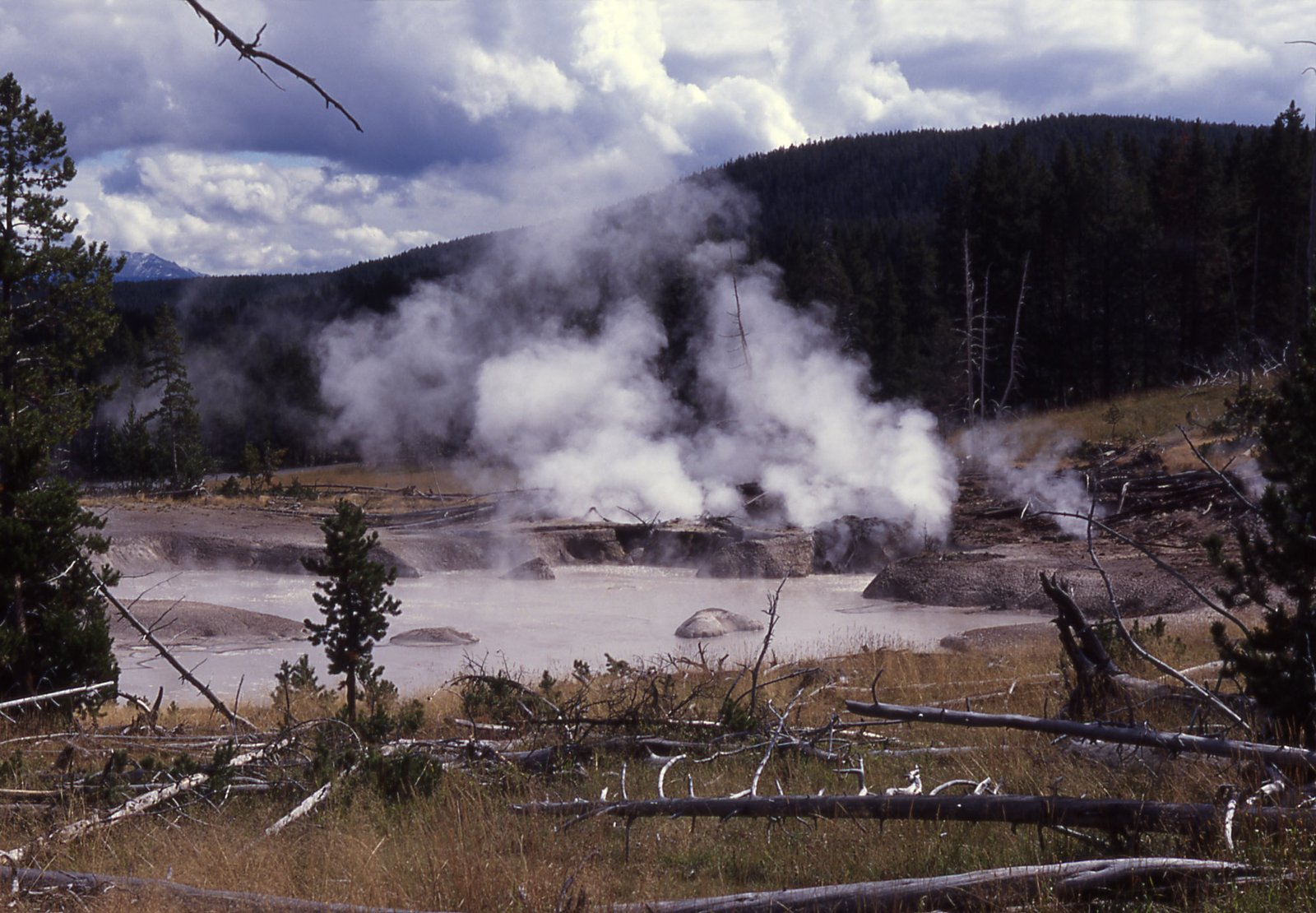
It’s impossible to talk about geysers without mentioning Yellowstone. The American park may be more famous, but Kamchatka’s Valley of Geysers is often described as its “wild twin.” While Yellowstone is vast and well-developed, Kamchatka’s valley feels raw and untamed. The sheer density of geysers in such a compact area is unmatched, and the surrounding wilderness is far less touched by human hands. Both places are masterpieces of nature, each with its own character and secrets.
The Role of Indigenous Peoples
Long before scientists arrived, the native Itelmen and Koryak peoples lived in harmony with Kamchatka’s wild landscapes. Their traditions speak of spirits living in the steam and fire, and their knowledge of the land is deep and nuanced. While the valley itself was a place of mystery and sometimes fear, the indigenous understanding of geothermal phenomena blends awe with practical wisdom. Today, there’s a renewed interest in honoring these traditions and incorporating indigenous perspectives into conservation efforts.
Earth’s Laboratory: Scientific Research in the Valley
The Valley of Geysers is more than a tourist attraction—it’s a natural laboratory for scientists from around the world. Researchers study everything from geothermal energy to extremophile organisms that thrive in boiling water. By understanding how life survives here, scientists hope to unlock clues about the origins of life on Earth—and even the potential for life on other planets. The valley’s constantly shifting landscape offers a front-row seat to geological processes that usually take millennia to unfold.
Thermophiles: Life in Boiling Water
One of the most mind-bending discoveries in the valley is the presence of thermophiles—microorganisms that not only survive, but thrive, in scalding hot water. These tough little life forms have enzymes and proteins adapted to extreme heat, offering tantalizing hints about how life might exist in the harshest environments. Studying them has already led to breakthroughs in biotechnology, including the invention of enzymes used in DNA research. In the Valley of Geysers, the line between life and the impossible is constantly being redrawn.
Unpredictability: Living with the Unexpected
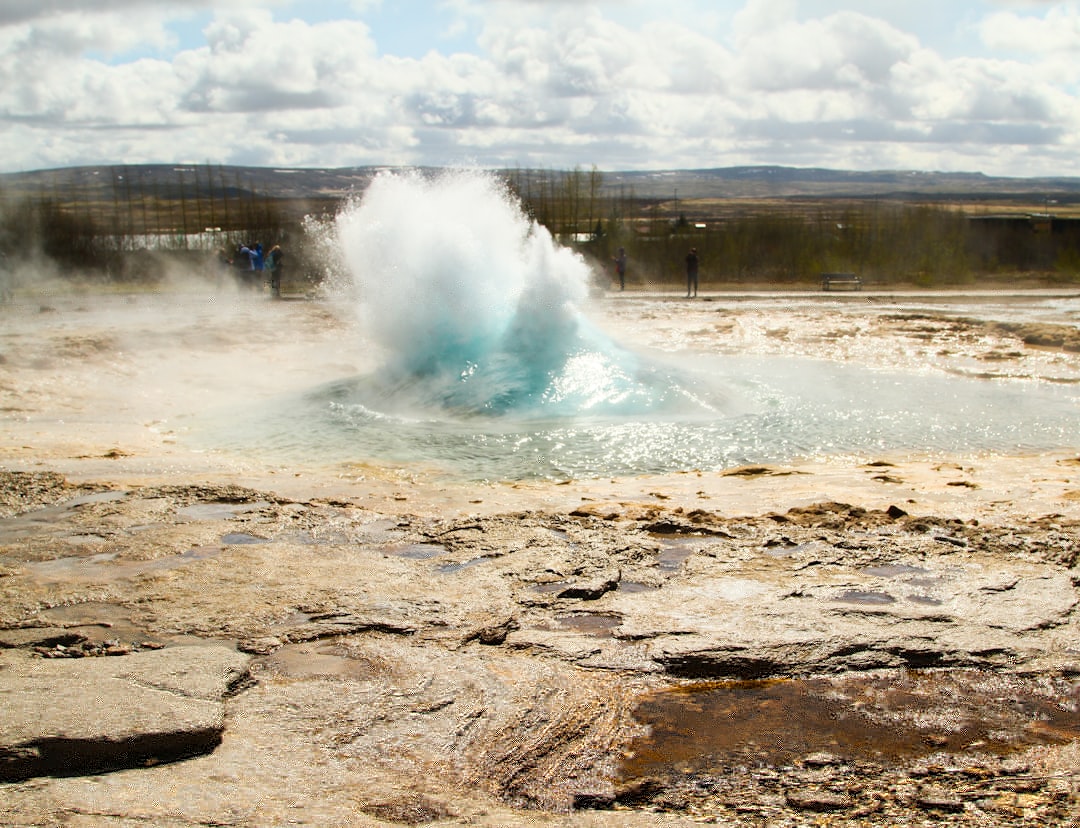
If there’s one thing everyone learns quickly in the Valley of Geysers, it’s to expect the unexpected. Eruptions can change with the weather, the seasons, or even the whims of the earth. Pools appear and vanish, new geysers burst forth, and old ones fade away. This unpredictability is part of the valley’s charm—no two visits are ever alike. For scientists, it’s both a challenge and a thrill, requiring constant vigilance and a willingness to adapt.
The Perils of Exploration
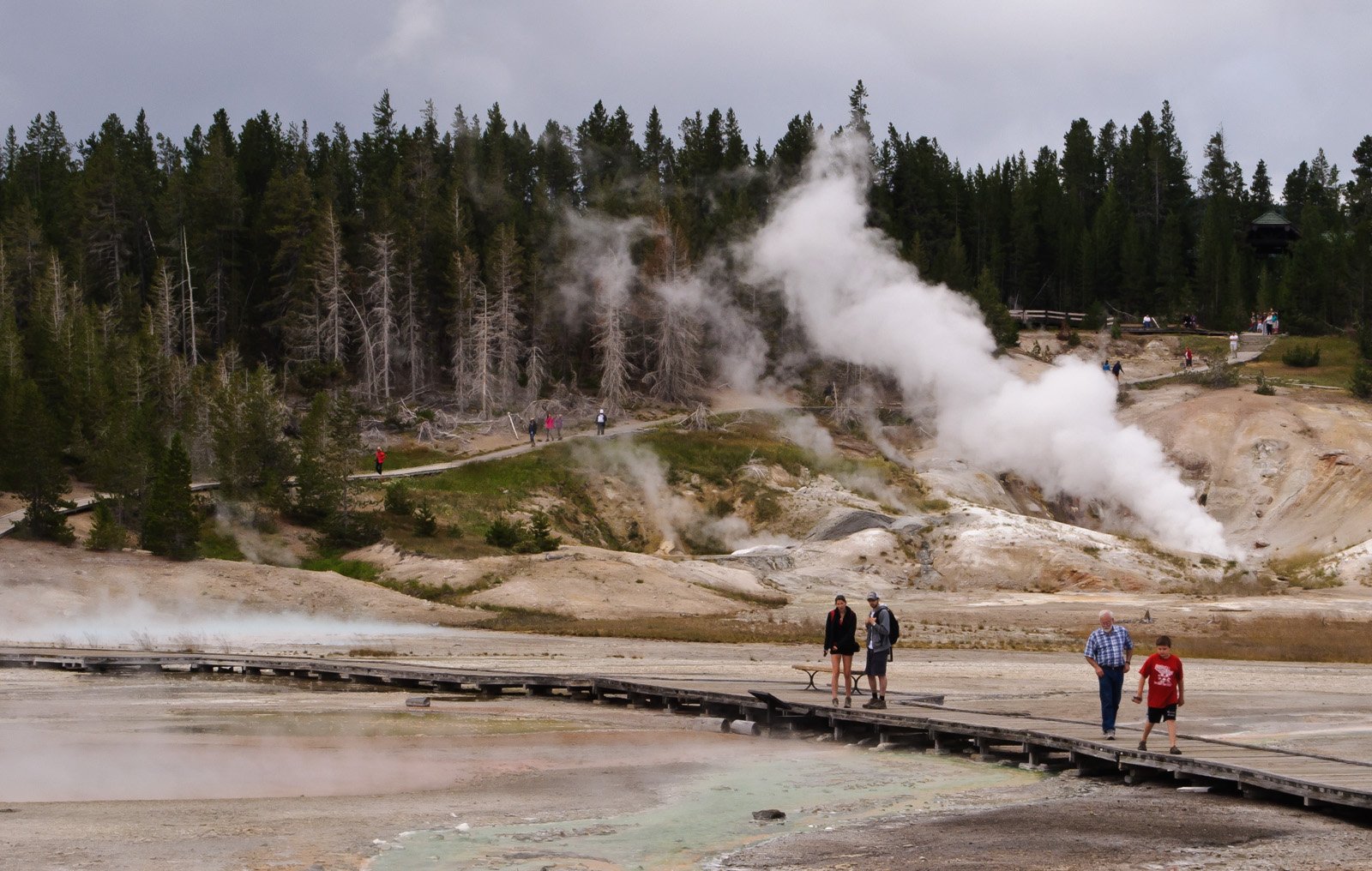
Exploring the Valley of Geysers is not for the faint of heart. The ground can be unstable, with hidden pools of boiling water lurking just beneath the surface. The steam can obscure your vision, making navigation tricky and dangerous. Bears, earthquakes, and sudden weather changes add to the hazards. Yet for those who brave the risks, the rewards are unforgettable—a chance to witness the earth’s power in its rawest form, up close and unfiltered.
Sounds and Smells: A Feast for the Senses
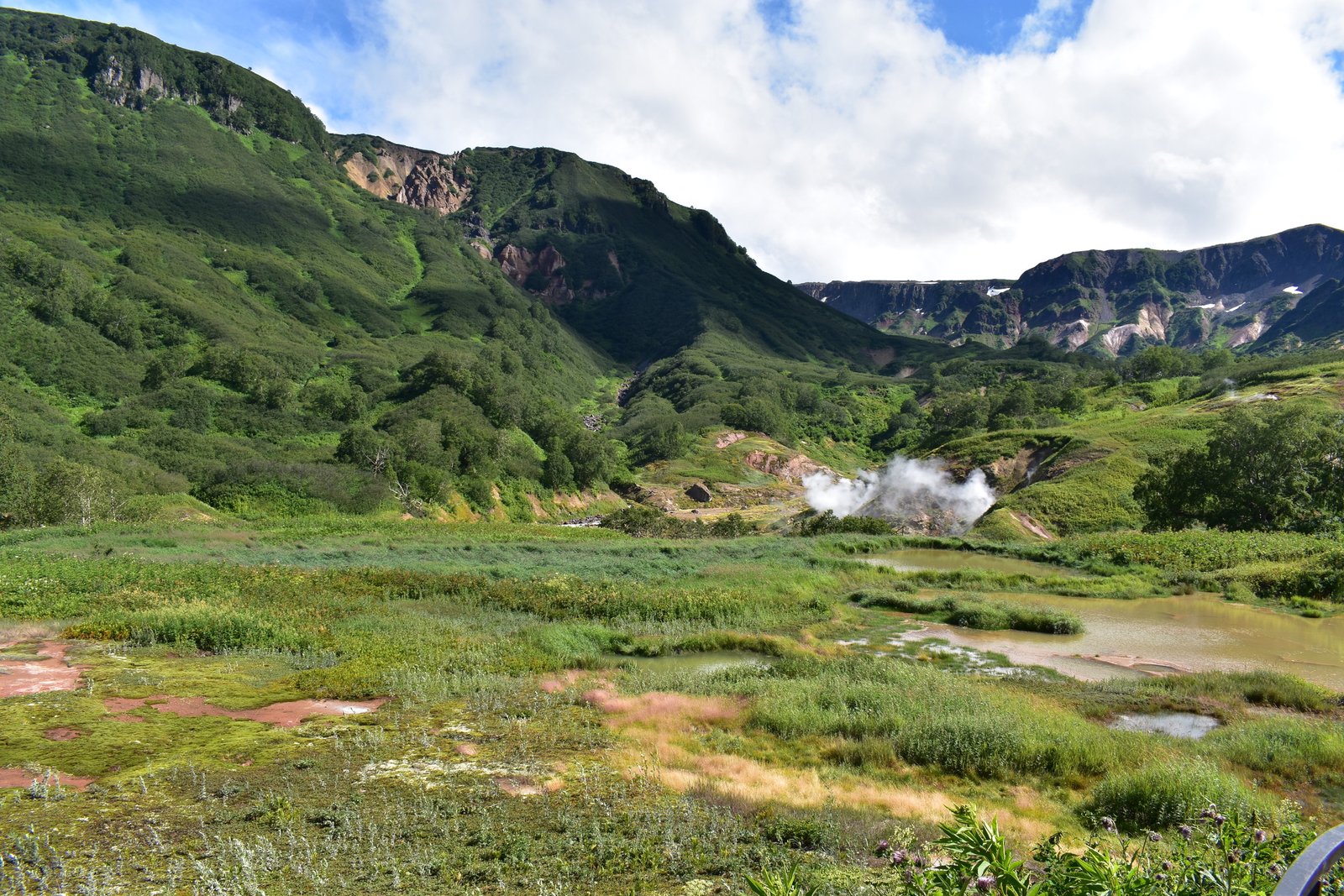
The valley assaults the senses in the most thrilling ways. The constant roar and hiss of steam, the explosive gurgling of geysers, and the bubbling of mud pots create an otherworldly symphony. The air is thick with the tang of sulfur, tinged with the scent of wet earth and minerals. Even the ground feels different, warm and sometimes trembling beneath your feet. For many visitors, these sensations linger in memory long after they’ve left.
Impact of Climate Change
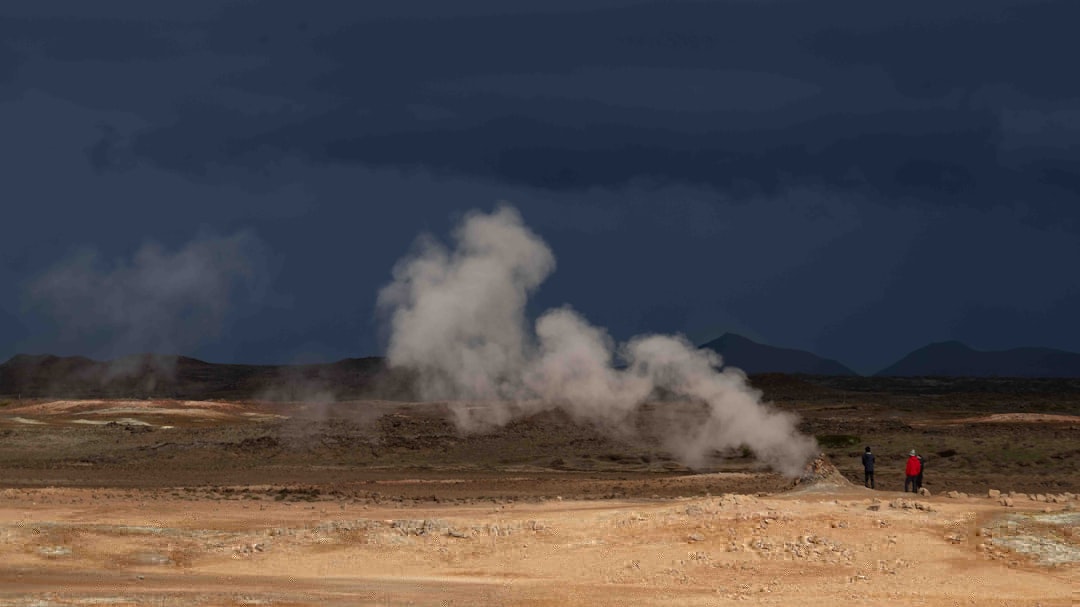
Like so many of earth’s wonders, the Valley of Geysers is not immune to the effects of climate change. Shifting weather patterns, melting permafrost, and changing precipitation levels all affect the delicate balance of the geothermal system. Scientists are closely watching for signs of change—will the geysers become more active, or will some fade away? The valley is a bellwether for the wider impacts of a warming world, making its preservation all the more urgent.
Why You’ve Probably Never Heard of It
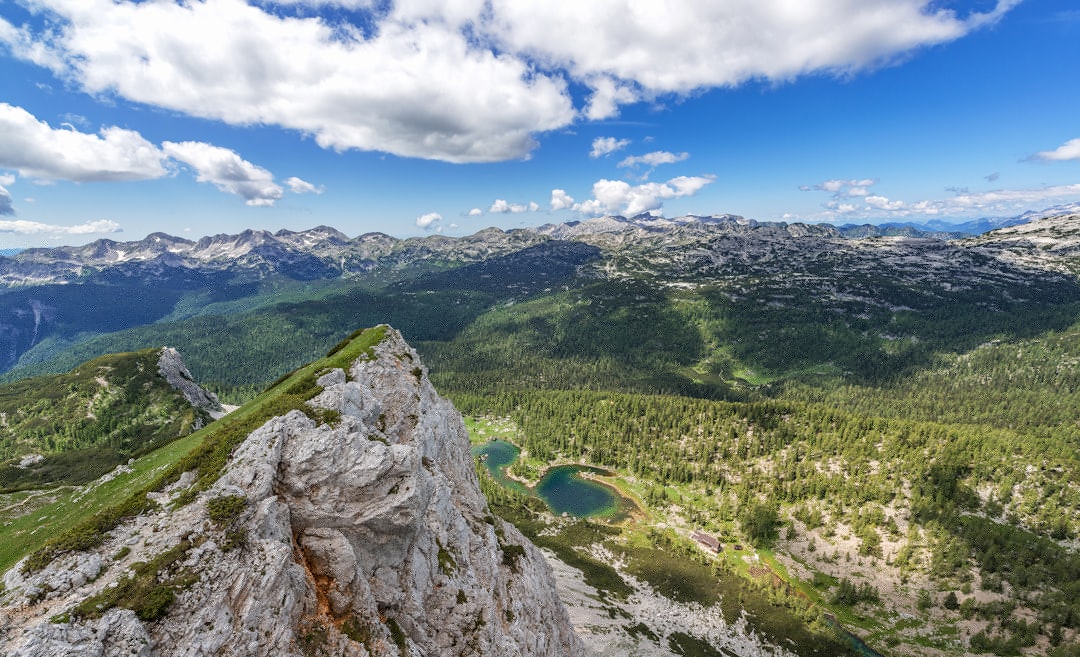
Despite its breathtaking beauty and scientific importance, the Valley of Geysers remains largely unknown outside Russia. Its remoteness, the difficulties of travel, and decades of restricted access have kept it off most travelers’ radars. Even today, with modern technology and global communication, it feels like a secret that the world is only just beginning to discover. For those who do find their way here—whether in person or through stories—the valley leaves a lasting impression, a reminder that there are still hidden wonders waiting to be found.
A Place Like No Other
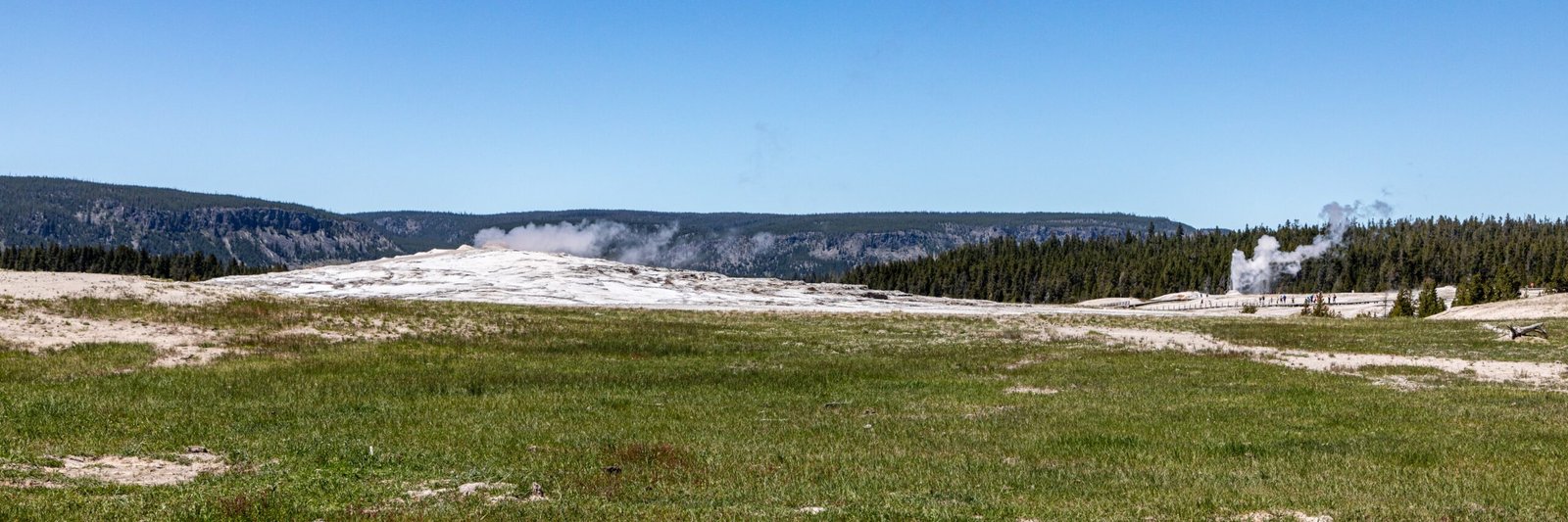
The Valley of Geysers stands as one of the planet’s most astonishing and least-known treasures. It’s a place where earth’s power and beauty collide, where danger and wonder walk side by side, and where the mysteries of our planet are on full display. Would you have guessed such a place existed—so wild, so spectacular, and so secret?