

For centuries, science textbooks have been sanitized, scrubbed clean of the messy, beautiful, and complex lives of the people who shaped our understanding of the natural world. Behind groundbreaking discoveries in biology, botany, and natural history stand individuals whose personal lives were as fascinating and diverse as the species they studied. These scientists didn’t just observe nature—they lived it, often existing outside the conventional boundaries of their time, finding kinship in the wild spaces they explored and the creatures they documented.
The Hidden Legacy of Scientific Courage

When we think of scientific pioneers, we often imagine them as distant figures in white coats, removed from the passions and struggles that drive human existence. But the reality is far more compelling. Many of the naturalists and biologists who fundamentally changed how we see life on Earth were themselves living outside societal norms, navigating their identities while making revolutionary discoveries. Their queerness wasn’t separate from their science—it was interwoven with their unique perspectives on diversity, adaptation, and the beautiful complexity of life itself. These scientists understood intimately what it meant to be different, to exist in spaces where you didn’t quite fit the expected mold. That understanding often translated into a deeper appreciation for the incredible variety they found in nature.
George Washington Carver: The Agricultural Revolutionary
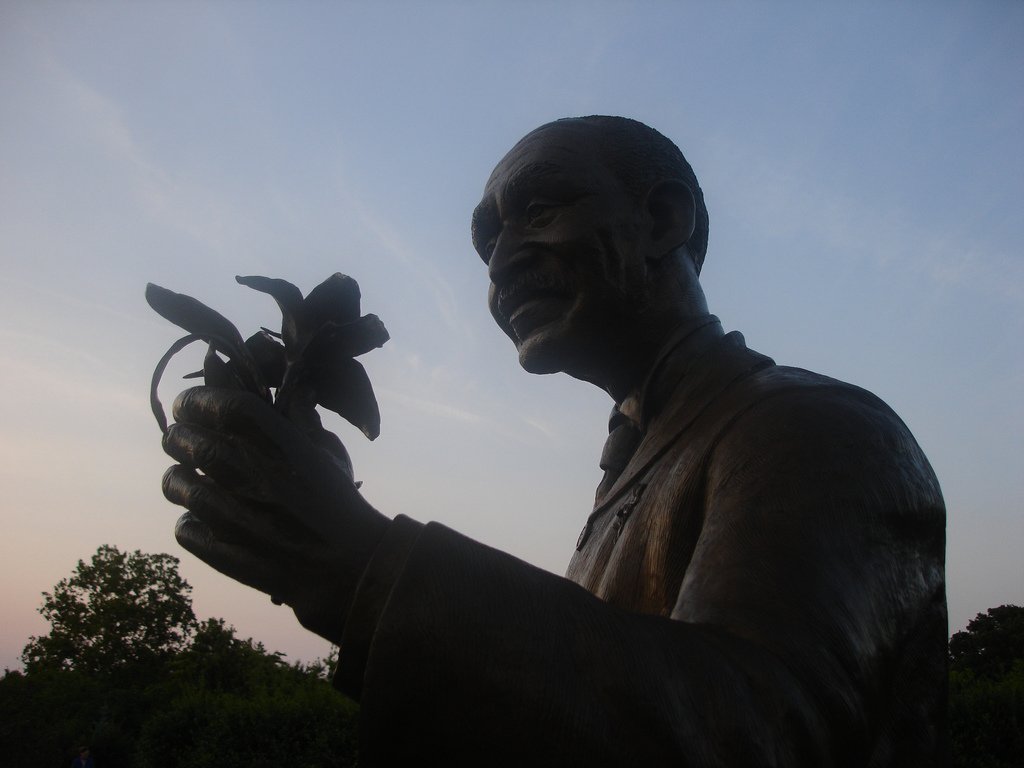
George Washington Carver revolutionized American agriculture, but his personal life remained largely private in an era when being different meant facing enormous risks. Born into slavery, Carver never married and lived with deep, meaningful relationships with other men throughout his life. His botanical genius emerged from spending countless hours alone in nature as a child, talking to plants and understanding their needs in ways that seemed almost mystical to observers. Carver’s approach to science was deeply emotional and intuitive, qualities that his contemporaries sometimes dismissed but that led to innovations that fed millions. His love letters to fellow botanist Jim Hardwick reveal a tender, passionate side that mainstream history has largely ignored. The peanut wasn’t just a crop to Carver—it was a symbol of transformation, much like his own journey from enslaved child to celebrated scientist.
Leonardo da Vinci: Nature’s Ultimate Observer
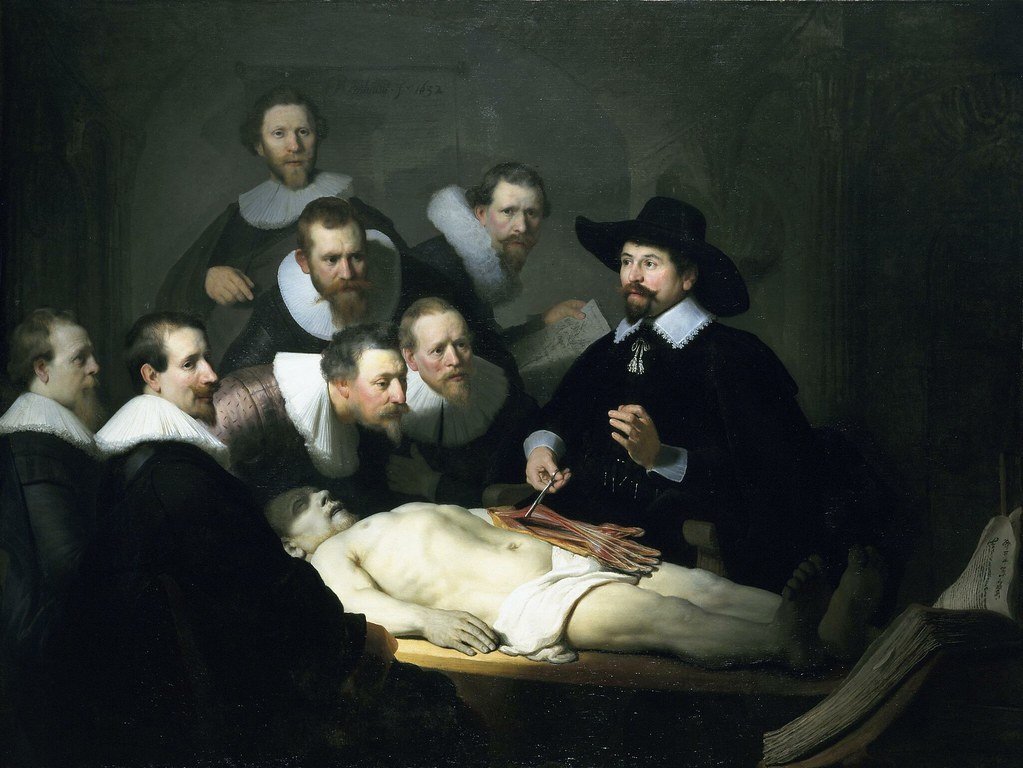
Long before modern biology existed as a formal discipline, Leonardo da Vinci was dissecting cadavers, studying bird flight, and documenting plant growth with an obsessive attention to detail that bordered on the erotic. His notebooks reveal not just scientific observations but a deep sensual appreciation for the curves of anatomy, the spiral patterns in shells, and the flowing movement of water. Da Vinci never married, had relationships with male apprentices and models, and approached the study of nature with an intimacy that was both scientific and deeply personal. His famous mirror writing wasn’t just about secrecy—it reflected someone who saw the world differently, who understood that truth often required looking at things from unexpected angles. When he drew the human heart or sketched the branching patterns of trees, he was documenting not just biological structures but the profound beauty he found in life’s hidden architectures.
Barbara McClintock: The Corn Whisperer
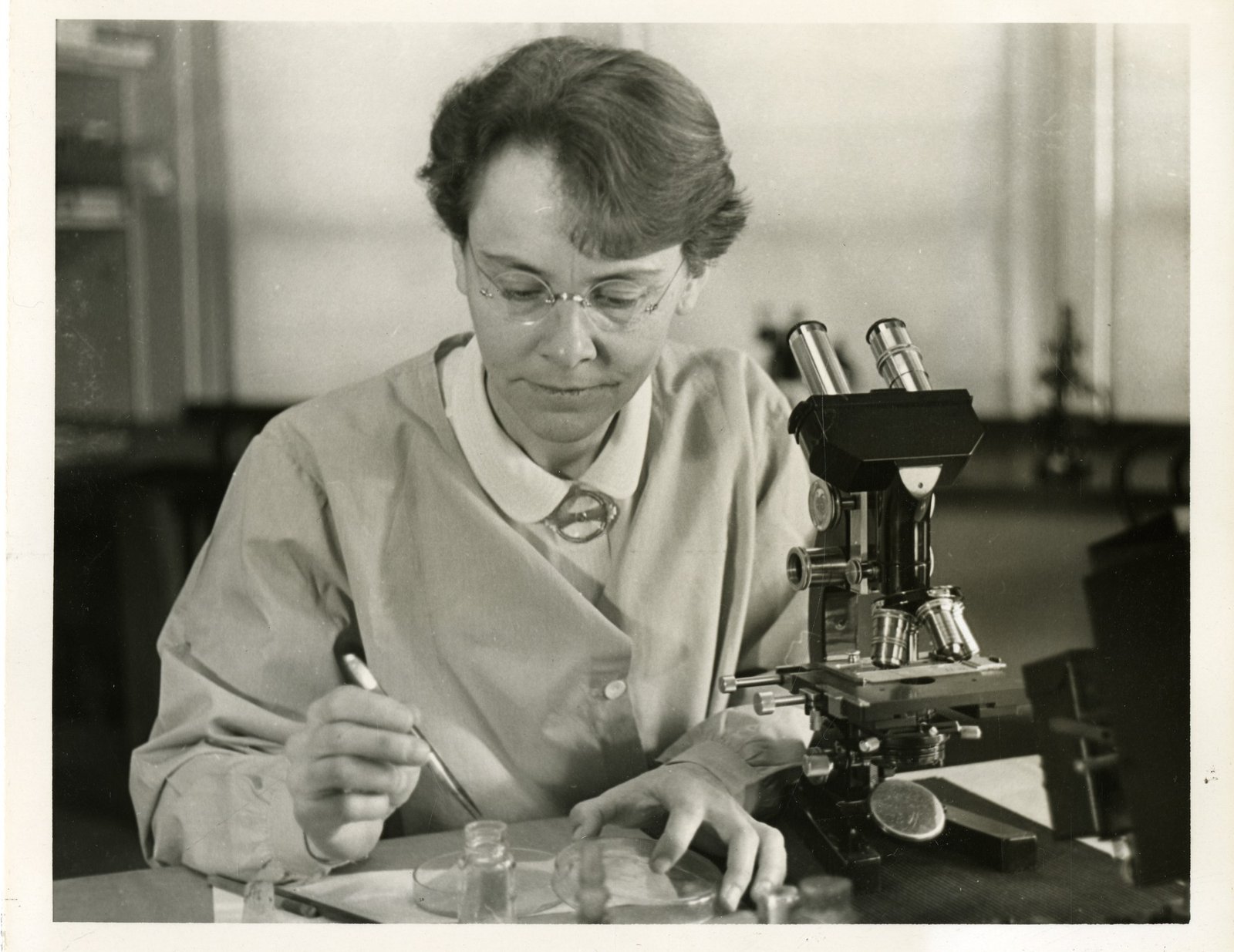
Barbara McClintock spent decades talking to corn plants, and they talked back—revealing secrets about genetics that wouldn’t be accepted by the scientific community for another thirty years. Known for her unconventional lifestyle and deep relationships with women, McClintock lived alone on her research farm, developing an almost mystical connection with the plants she studied. She could identify individual corn plants among thousands, sensing their genetic variations through subtle differences that escaped other scientists. Her groundbreaking work on genetic transposition was initially dismissed partly because her methods seemed too intuitive, too emotional for the rigid scientific establishment of the 1940s and 50s. McClintock’s queerness wasn’t just about her personal relationships—it was about her entire approach to science, refusing to separate feeling from thinking, intuition from analysis. She understood that corn plants, like people, were far more complex and adaptable than anyone had imagined.
Alan Turing: Decoding Nature’s Patterns

Most people know Alan Turing as the father of computer science and the man who helped crack the Enigma code, but his final years were devoted to understanding the mathematical patterns that create the spirals in seashells, the spots on leopards, and the branching of coral. After being chemically castrated for his homosexuality, Turing threw himself into biological research, finding in nature’s patterns a kind of mathematical poetry that human society had denied him. His work on morphogenesis—how living things develop their shapes—was revolutionary, showing that simple chemical reactions could create the most complex and beautiful forms in nature. Turing saw the natural world as a vast computational system, but unlike the cold calculations of his wartime work, this was computation with soul, with beauty, with infinite possibility. His suicide at age 41 cut short not just a brilliant mind but a unique perspective that bridged the gap between mathematics and the messy, wonderful complexity of biological life.
Rachel Carson: The Poetic Scientist

Rachel Carson’s “Silent Spring” launched the environmental movement, but her earlier work revealed someone who experienced the natural world with an intensity that bordered on the mystical. Living with her partner Dorothy Freeman in a relationship that letters reveal was deeply romantic, Carson wrote about the ocean, birds, and coastal ecosystems with a sensuality that conventional science writing avoided. She described the mating dances of horseshoe crabs and the migration of birds not just as biological phenomena but as expressions of life’s fundamental creativity and resilience. Carson’s queerness informed her environmental activism—she understood what it meant to love something that society didn’t value, to fight for the survival of the vulnerable and misunderstood. Her writing combined rigorous scientific research with an emotional engagement that made readers fall in love with the natural world, understanding that facts alone weren’t enough to inspire change.
Alexander von Humboldt: The Interconnected Explorer

Alexander von Humboldt revolutionized natural science by seeing connections where others saw separate phenomena, understanding that everything in nature was linked in vast, complex webs of relationship. Never married and living openly with male companions throughout his life, Humboldt approached exploration with a passionate intensity that was both scientific and deeply personal. His five-year journey through South America with botanist Aimé Bonpland was as much a love story as a scientific expedition, documented in letters that reveal not just their discoveries but their intimate partnership. Humboldt’s concept of nature as a unified whole was radical for its time, challenging the rigid categorizations that dominated 18th-century science. He saw the forest as an organism, understood that altitude and latitude created similar ecosystems across continents, and recognized that human activity was already beginning to alter global climate patterns.
Margaret Mead: Challenging Sexual Norms Through Science

Margaret Mead’s anthropological work in the South Pacific challenged Western assumptions about gender, sexuality, and human nature, but her personal life was equally revolutionary. Openly bisexual and involved in complex relationships with both men and women, Mead used her fieldwork to explore questions about human sexuality that mainstream academia considered taboo. Her studies of adolescence in Samoa and gender roles in New Guinea revealed that sexual and social behaviors Europeans considered “natural” were actually cultural constructions that varied dramatically across societies. Mead’s approach to anthropology was deeply personal—she lived with the communities she studied, participated in their daily lives, and brought an emotional engagement to her work that challenged the supposed objectivity of scientific observation. Her findings suggested that human sexual diversity was not an aberration but a fundamental aspect of our species’ adaptability.
Francis Bacon: The Father of Scientific Method’s Secret Life
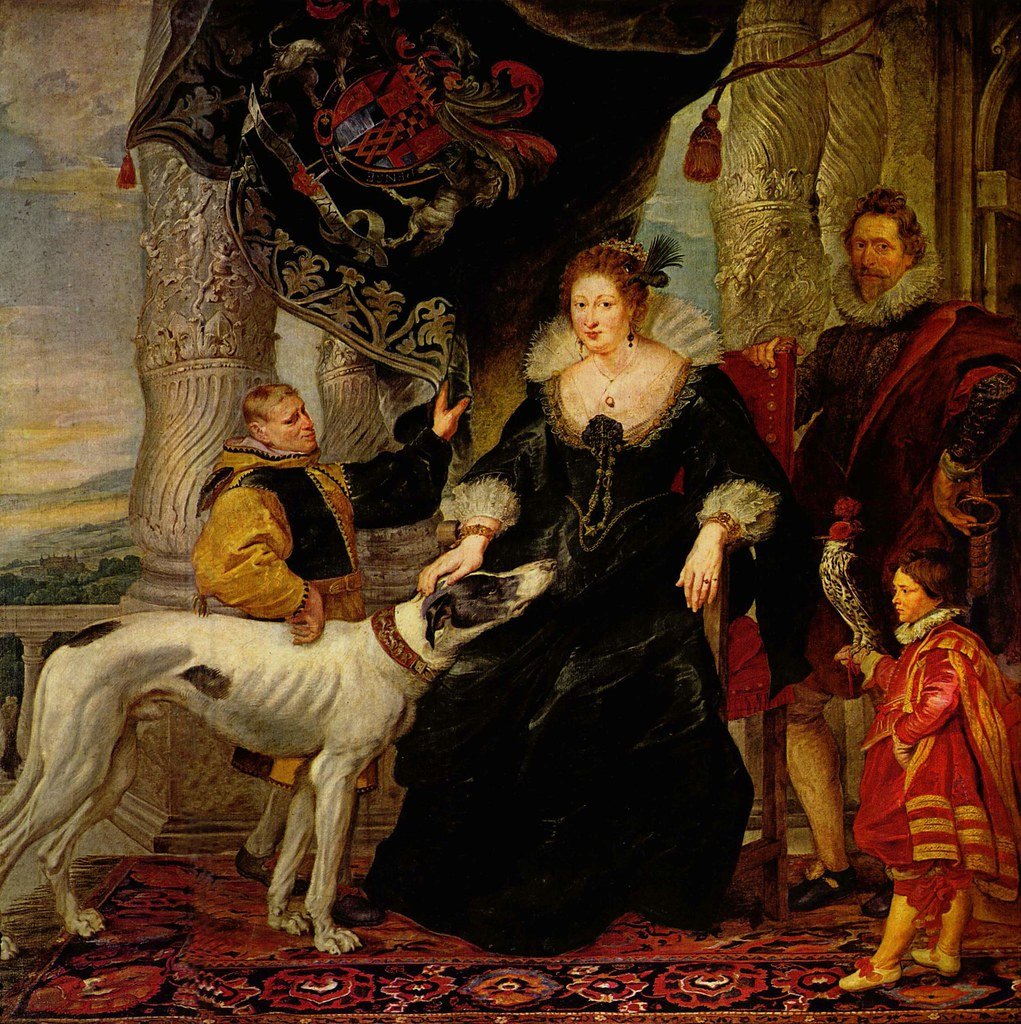
Francis Bacon, credited with developing the scientific method that still guides research today, lived a carefully hidden life that recent scholarship has revealed was likely queer. Never married and maintaining intense friendships with younger men, Bacon approached the study of nature with what he called “masculine birth”—the idea that true knowledge came from penetrating nature’s secrets through careful observation and experimentation. His metaphors for scientific discovery were often erotic, describing the scientist’s relationship with nature in terms that suggested deep intimacy and even submission. Bacon’s emphasis on empirical observation over received wisdom was revolutionary, challenging authorities who claimed to understand nature without actually looking at it. His hidden queerness may have given him insight into the dangers of assumptions, the importance of questioning authority, and the need to observe the world as it actually is rather than as others claim it should be.
Lynn Margulis: The Rebel Who Saw Cooperation Everywhere

Lynn Margulis revolutionized biology by showing that evolution wasn’t just about competition but about cooperation, symbiosis, and the radical collaboration that creates new forms of life. Known for her unconventional personal life and relationships that challenged traditional boundaries, Margulis approached biology with a perspective that emphasized connection over conflict. Her endosymbiotic theory—the idea that complex cells evolved when bacteria began living inside other bacteria—was initially ridiculed but eventually became one of the most important concepts in modern biology. Margulis saw sex as just one strategy among many that life uses to create diversity, pointing out that bacteria had been swapping genetic material for billions of years without anything resembling traditional reproduction. Her work suggested that queerness wasn’t deviation from natural law but expression of life’s fundamental creativity and adaptability.
Sally Ride: Breaking Barriers in Space and Science
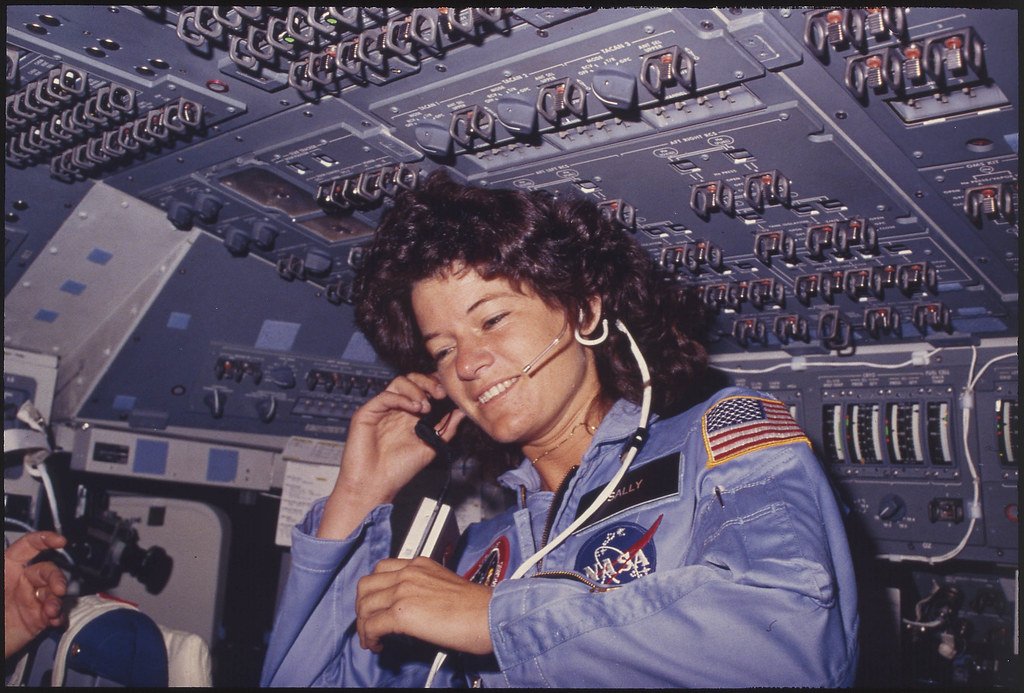
Sally Ride became America’s first woman in space, but her contributions to science education and her hidden personal life tell a more complex story about identity and achievement. For decades, Ride kept her relationship with partner Tam O’Shaughnessy private, understanding that visibility could have ended her career in NASA’s conservative culture. After leaving the astronaut program, Ride devoted herself to science education, developing programs that encouraged young people—especially girls and minorities—to pursue careers in science and engineering. Her approach to education emphasized hands-on exploration, creativity, and the joy of discovery rather than rote memorization of facts. Ride understood that scientific achievement required not just technical skill but the courage to venture into unknown territory, whether that was outer space or the uncharted regions of personal identity.
Josephine Baker: The Dancer Who Studied Animal Behavior
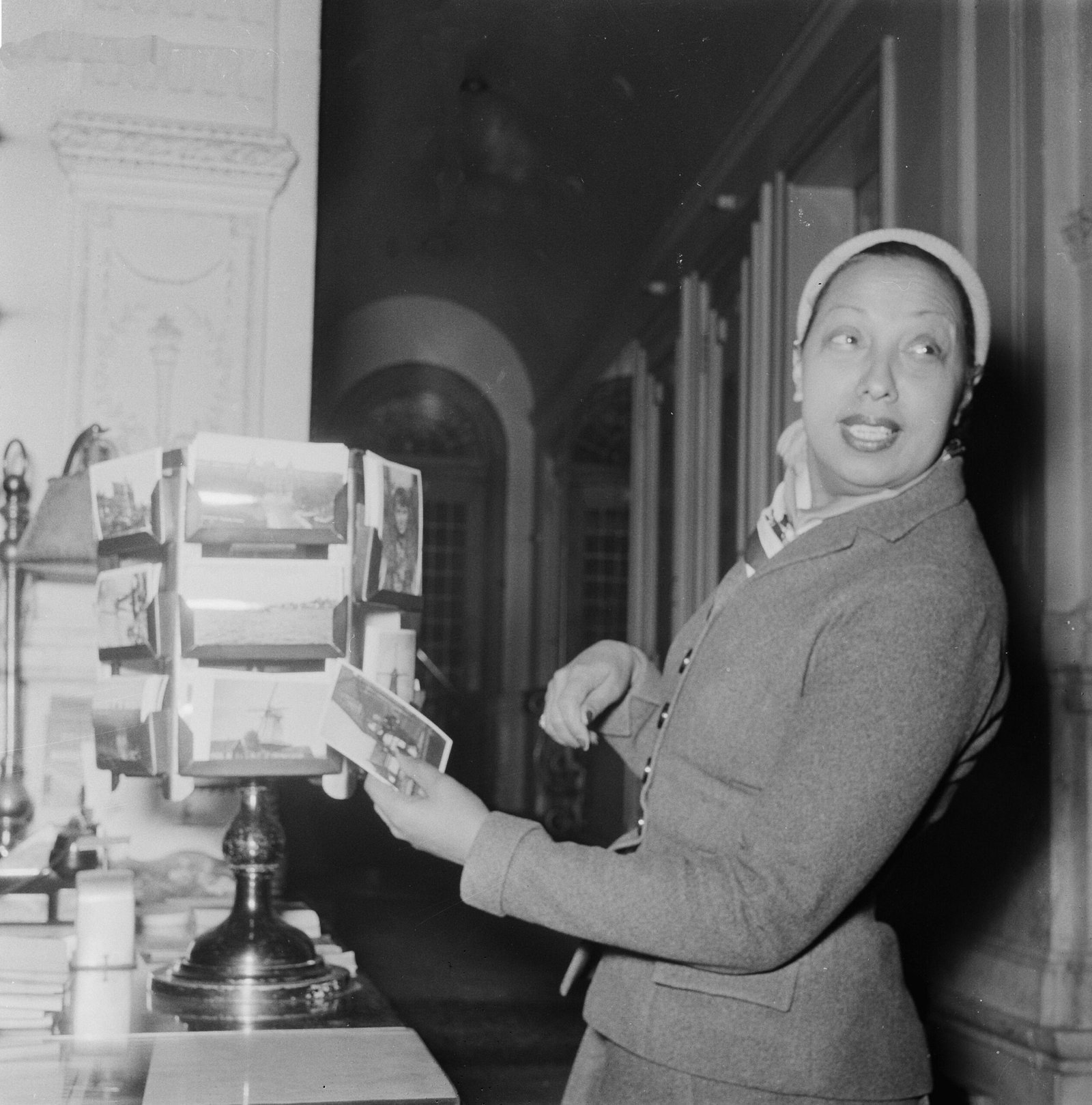
While most people remember Josephine Baker as an entertainer, her later years were devoted to studying animal behavior and developing innovative approaches to understanding movement and communication in the natural world. Living openly as a bisexual woman in an era when such visibility was dangerous, Baker brought to her scientific work the same fearless creativity that made her famous on stage. She studied the courtship dances of birds, the territorial behaviors of primates, and the communication patterns of marine mammals with an eye trained by years of performance and an understanding of how movement communicates emotion and intention. Baker’s approach to ethology emphasized the artistic and expressive aspects of animal behavior that more conventional researchers often overlooked. Her work suggested that the boundary between performance and survival, between art and science, was far more porous than most people realized.
James Barry: The Surgeon Who Lived His Truth

Dr. James Barry served as a military surgeon throughout the British Empire, performing one of the first successful cesarean sections in Africa and revolutionizing military medicine with innovations in hygiene and patient care. Only after Barry’s death in 1865 was it discovered that he had been assigned female at birth, living his entire adult life as a man in order to pursue a medical career that would have been impossible otherwise. Barry’s contributions to tropical medicine, surgical technique, and military health were substantial, but his life also represents the lengths to which gender-variant people went to pursue scientific careers in eras when such pursuits were legally and socially forbidden. His meticulous attention to hygiene and patient care reflected not just medical knowledge but an understanding of vulnerability and the importance of dignity in healing. Barry’s legacy challenges us to consider how many other pioneering scientists might have been living complex gender identities that historical records have obscured.
Lise Meitner: The Nuclear Physicist Who Chose Love Over Fame
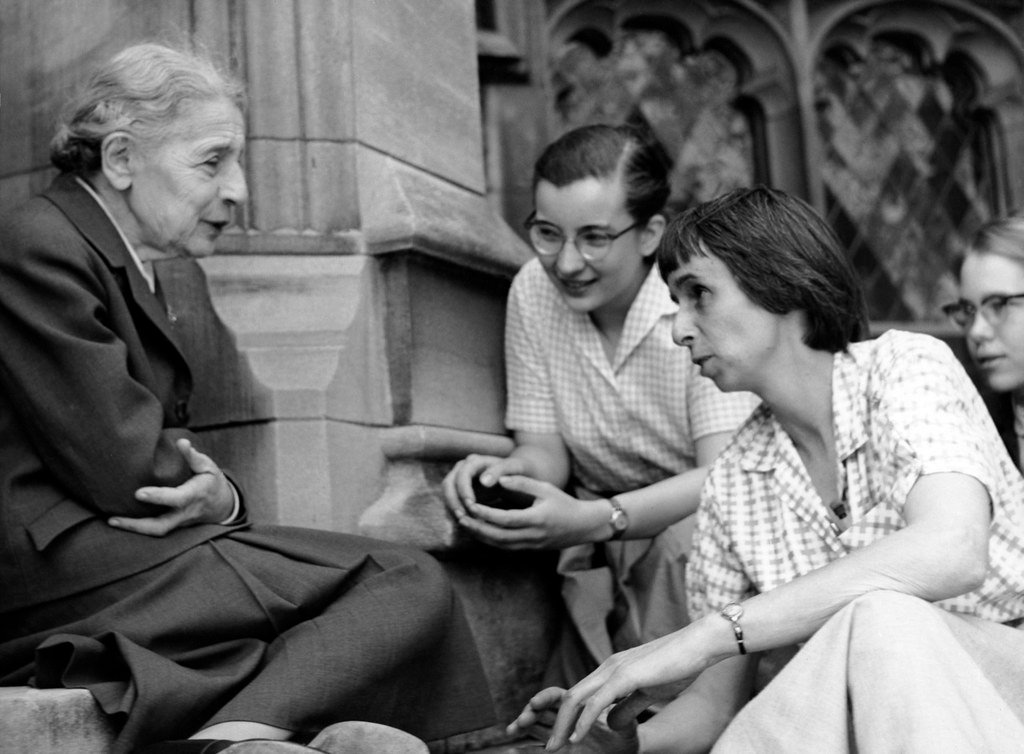
Lise Meitner’s work on nuclear fission helped usher in the atomic age, but her exclusion from the Nobel Prize awarded to her male colleagues reflects the double discrimination faced by scientists who were both women and queer. Never married and living in intimate partnerships with other women throughout her life, Meitner approached nuclear physics with a combination of mathematical precision and deep ethical concern about the implications of her discoveries. When she realized that her research could lead to nuclear weapons, she refused to participate in the Manhattan Project, choosing instead to continue her fundamental research into atomic structure. Meitner’s letters to her partner Eva von Bahr-Bergius reveal someone who saw beauty in the structure of atoms, who found in the fundamental forces of matter a kind of cosmic poetry that went beyond mere technical achievement. Her scientific integrity and personal authenticity cost her recognition during her lifetime but established principles that continue to guide ethical scientific research.
Christopher Isherwood: The Literary Naturalist
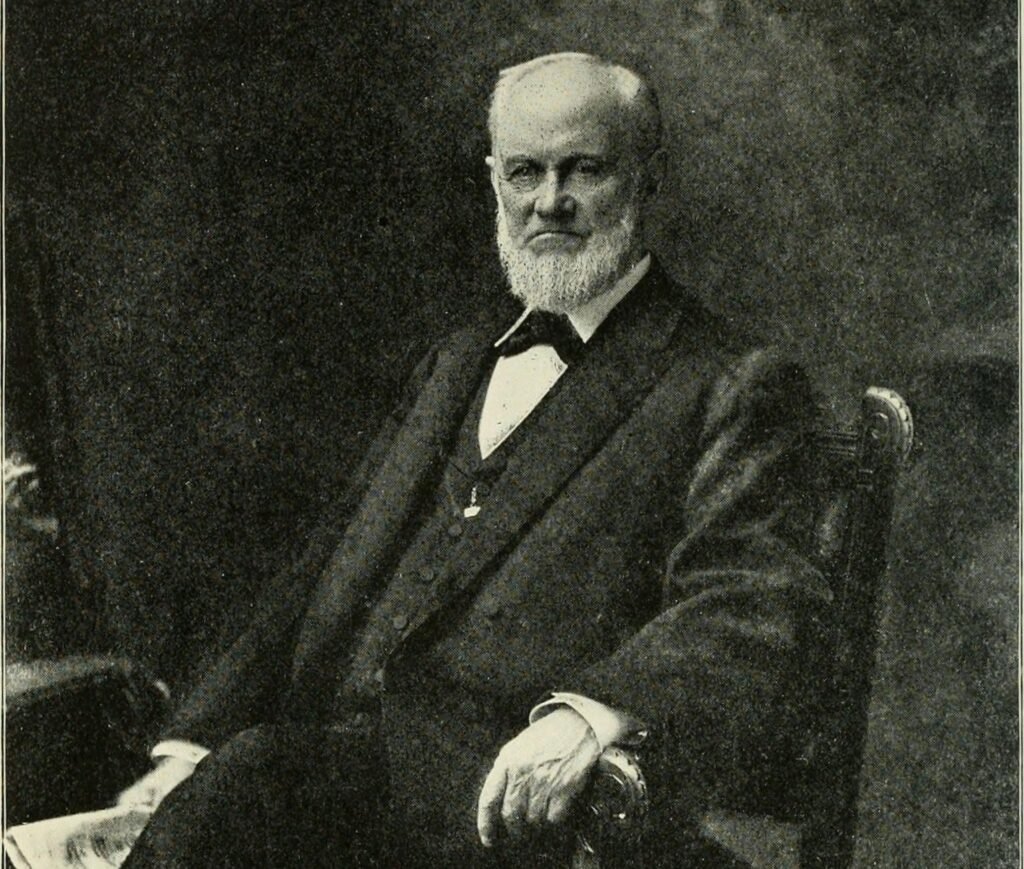
While known primarily as a writer, Christopher Isherwood’s later years were devoted to detailed observations of California wildlife and ecosystems, work that influenced a generation of nature writers and environmental activists. Living openly as a gay man in Hollywood during the 1940s and 50s, Isherwood brought to his nature writing the same unflinching honesty that characterized his fiction. His journals document not just the birds, plants, and mammals of Southern California but the complex relationships between human development and natural ecosystems. Isherwood understood that observation required emotional engagement, that to truly see nature meant allowing it to change you. His influence on writers like Annie Dillard and Terry Tempest Williams demonstrates how queer perspectives on identity and authenticity have shaped contemporary environmental literature.
Jane Goodall: Redefining What It Means to Be Human
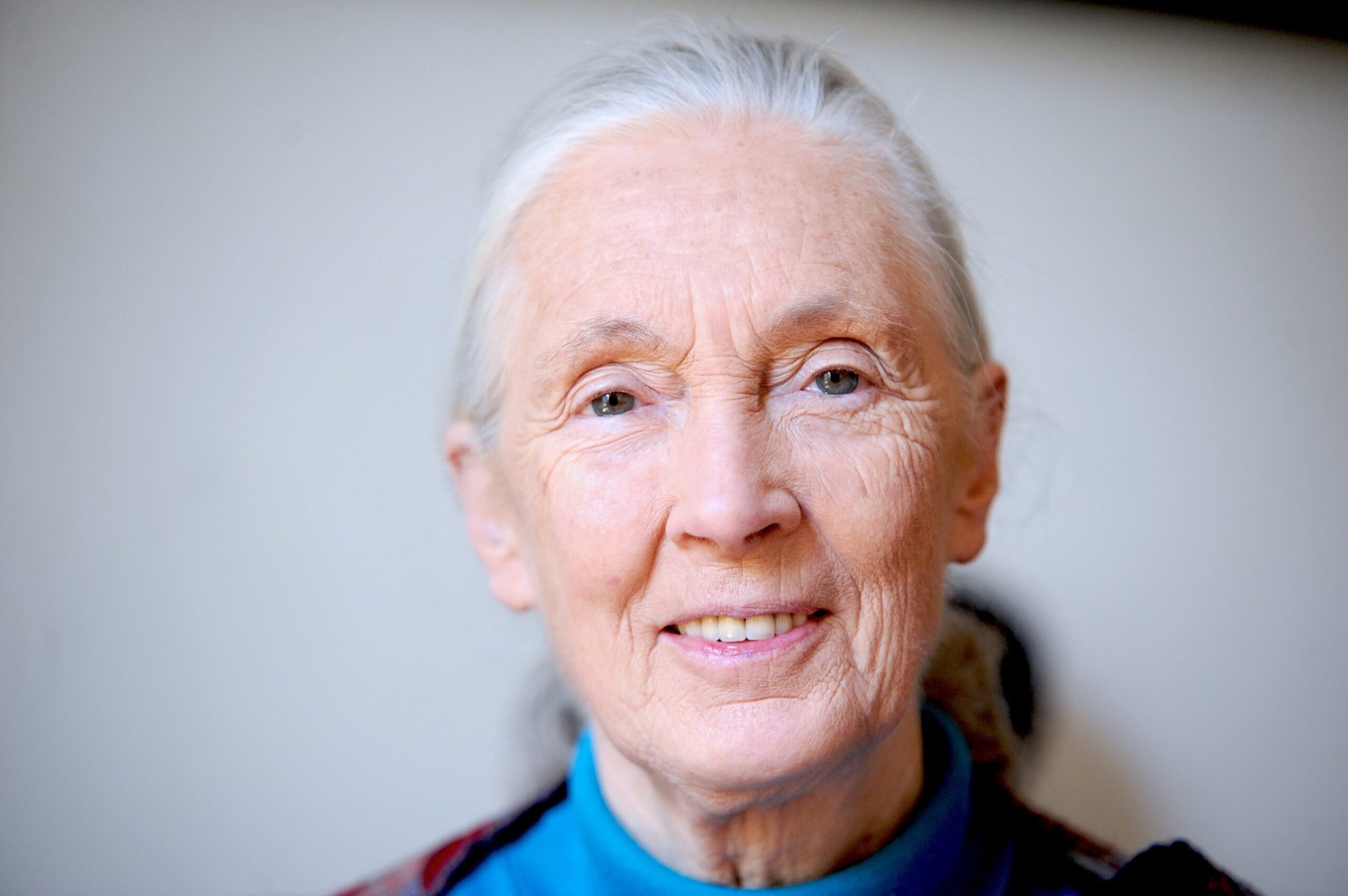
Jane Goodall revolutionized primatology by insisting that chimpanzees were individuals with personalities, emotions, and complex social relationships that couldn’t be reduced to simple behavioral categories. While Goodall has been married to men, her approach to science has always challenged traditional boundaries between observer and observed, human and animal, scientific objectivity and emotional engagement. Her decades of work at Gombe revealed that chimpanzees use tools, have complex social hierarchies, and display behaviors that blur the lines between human and animal consciousness. Goodall’s willingness to name her research subjects rather than numbering them, to describe their personalities and relationships in language typically reserved for humans, represented a radical departure from conventional scientific practice. Her work suggests that rigid categories—between species, between scientific and emotional truth, between observer and participant—often obscure rather than illuminate the complex realities of life.
E.O. Wilson: The Ant Man’s Hidden Depths

Edward O. Wilson’s groundbreaking work on ant societies and his development of sociobiology changed how we understand the evolution of social behavior, but his personal life reflected the same complex negotiations between individual identity and group belonging that he observed in his research subjects. Though Wilson married and had children, colleagues and biographers have noted his intense, intimate friendships with other men and his lifelong discomfort with traditional masculine roles. His approach to myrmecology—the study of ants—was characterized by an almost mystical appreciation for the complexity of social insects, seeing in ant colonies a kind of superorganism that challenged simple distinctions between individual and collective identity. Wilson’s later work on biodiversity and conservation reflected his understanding that survival often depends not on competition but on the complex interdependencies that bind ecosystems together.
Sylvia Earle: Ocean’s Deepest Explorer

Sylvia Earle has spent more time underwater than almost any other human being, developing submarine technology and documenting marine ecosystems with a passion that borders on the spiritual. Known for her unconventional personal life and deep relationships with both men and women, Earle approaches ocean exploration with an intimacy that conventional marine biology often avoids. She describes diving as a form of communion, talks to fish and marine mammals as individuals, and has documented behavior patterns that more distant observation methods miss entirely. Earle’s work on deep-sea conservation reflects her understanding that the ocean’s health depends on complex relationships between species that most people never see. Her advocacy for marine protected areas and her warnings about climate change come from someone who has witnessed firsthand the beauty and fragility of underwater worlds that few humans will ever experience.
Temple Grandin: Seeing Animal Minds Through Different Eyes

Temple Grandin’s autism gave her unique insights into animal behavior and cognition, allowing her to design more humane livestock handling systems by understanding how animals actually perceive their environment. As someone who has lived outside neurotypical norms and identified as asexual, Grandin brought to her work with animals an appreciation for different ways of experiencing and understanding the world. Her ability to think in pictures rather than words allowed her to see stress patterns in cattle that other animal scientists missed, leading to innovations that reduced animal suffering while improving efficiency in agricultural systems. Grandin’s work suggests that neurodiversity and sexual diversity often provide perspectives that are crucial for understanding the full complexity of life. Her advocacy for both animal welfare and acceptance of neurological differences demonstrates how personal experience of being different can translate into scientific insights that benefit both humans and animals.
The Science of Seeing Differently

These stories reveal a pattern that extends far beyond individual biography—queer perspectives have consistently contributed to scientific breakthroughs by challenging assumptions, questioning categories, and seeing connections that others missed. Scientists who lived outside conventional social norms often brought to their research a willingness to observe without prejudice, to question received wisdom, and to find beauty and complexity in phenomena that others dismissed or overlooked. Their queerness wasn’t incidental to their scientific achievement but integral to their ability to see the natural world with fresh eyes. From Darwin’s observations of sexual selection to modern research on animal homosexuality, science has repeatedly discovered that nature is far more diverse, creative, and queer than conventional wisdom suggested.
The natural world these scientists studied and celebrated is itself fundamentally queer—full of species that change sex, reproduce without partners, form same-sex pair bonds, and express gender in ways that defy simple categorization. Perhaps it’s no surprise that scientists who understood personally what it meant to exist outside conventional boundaries were often the ones best equipped to appreciate and document nature’s incredible diversity. Their legacy challenges us to consider how many scientific discoveries remain unmade because we still exclude voices and perspectives that don’t fit traditional molds. What would we learn about the natural world if science fully embraced the full spectrum of human experience and identity?


