In the delicate ecosystems of islands, every sound, scent, and shadow tells a story of life uniquely adapted to its environment. Islands, often isolated by vast expanses of water, are home to species that have evolved in splendid isolation. These species, however, face an insidious threat that is often invisible at first glance: invasive species. These uninvited guests disrupt the natural balance, driving native species to the brink of extinction and altering the island’s ecological tapestry in ways that are both profound and often irreversible.
The Silent Invaders
Invasive species arrive on islands through various means, often unnoticed. Ships, planes, and even innocent travelers can carry seeds, insects, and small animals to new shores. Once there, these species often find themselves in a paradise without predators, allowing them to multiply rapidly. Unlike native species that have evolved in harmony with other island inhabitants, these invaders can outcompete, prey upon, or bring diseases to which native species have no immunity. The result is a silent invasion that can go unchecked until significant damage is done.
Disrupting the Balance
Islands are ecosystems of balance, where each species plays a critical role. Invasive species disrupt this equilibrium. For example, the introduction of rats to many Pacific islands has had catastrophic effects on native bird populations. Rats prey on eggs and young chicks, leading to declines in bird numbers. Without these birds, the seed dispersal of many plants is affected, which in turn impacts the entire food web. The ripple effect of a single invasive species can have far-reaching consequences.
The Plight of Unique Species
Islands are often home to species that exist nowhere else on Earth. These endemic species have evolved in isolation and are often ill-equipped to deal with new predators or competitors. Consider the case of the dodo, a flightless bird native to Mauritius. The arrival of humans and their accompanying animals led to the dodo’s extinction within decades. Such stories are not unique; they are a testament to the vulnerability of island species in the face of invasive threats.
Altered Landscapes
It’s not just animals that suffer from the presence of invasive species; plant life is also profoundly affected. Some invasive plants can overtake native vegetation, altering the landscape and reducing biodiversity. For instance, the introduction of the invasive Miconia tree to Hawaii has led to the displacement of native plants, altering watershed functions and increasing soil erosion. This not only affects plant life but also the animal species that depend on native plants for survival.
The Economic Toll
The impact of invasive species is not limited to ecological consequences; there are significant economic costs as well. Controlling invasive species and repairing the damage they cause can strain the resources of island communities. For example, the cost of managing the brown tree snake on Guam, which has decimated native bird populations, runs into millions of dollars annually. These funds could be used for other pressing needs but are instead diverted to combat these ecological invaders.
Case Study: The Galápagos Islands
The Galápagos Islands, famous for their unique biodiversity, have been particularly affected by invasive species. Introduced goats have caused extensive damage by eating native plants, while feral cats prey on native birds and reptiles. Conservation efforts have been ongoing, with some success, such as the eradication of goats from certain islands. However, the challenge remains immense, highlighting the need for constant vigilance and effective management strategies.
Conservation Efforts and Solutions
Efforts to combat invasive species on islands require a multifaceted approach. Prevention is key, with strict biosecurity measures needed to stop invasive species from arriving in the first place. Once established, eradication programs must be carefully planned and executed to minimize harm to native species. Community involvement and education are also crucial, as locals play a vital role in managing and monitoring invasive species. Success stories, such as the removal of rats from certain islands, provide hope and valuable lessons for future efforts.
The Role of Technology
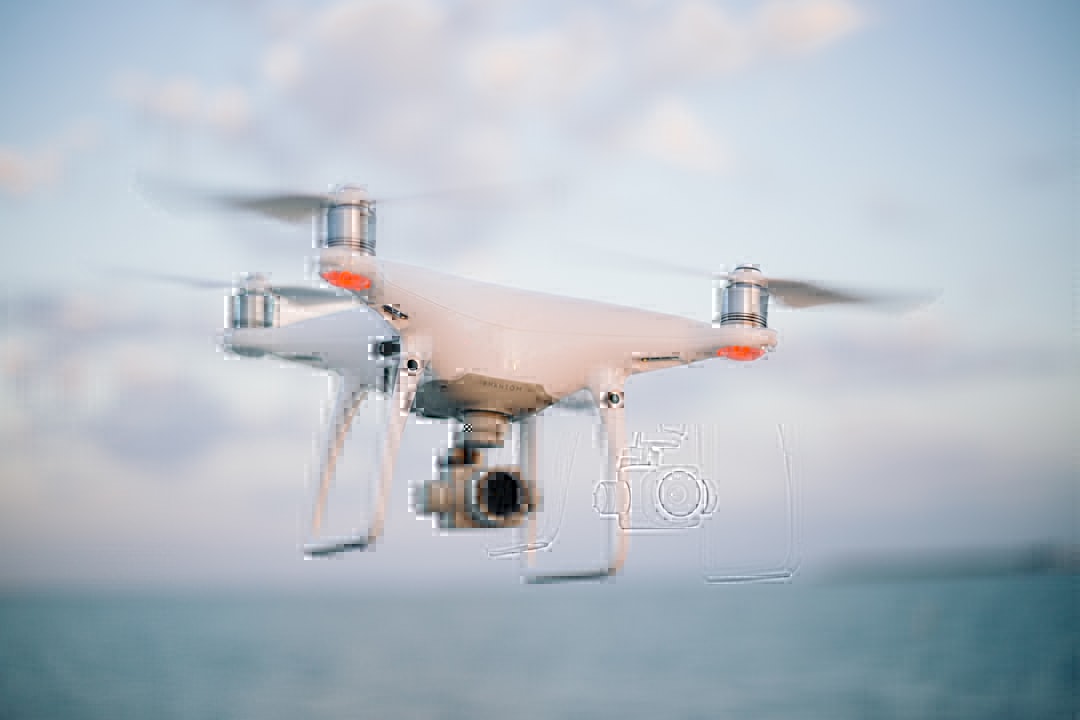
Advancements in technology offer new tools in the fight against invasive species. Drones and satellite imagery can help monitor remote areas, while genetic research provides insights into controlling populations of invasive species. For example, gene editing techniques are being explored to render invasive rodents infertile, a potential game-changer for island conservation. However, these technologies must be used responsibly, with careful consideration of ethical implications and potential unintended consequences.
Global Implications and Awareness
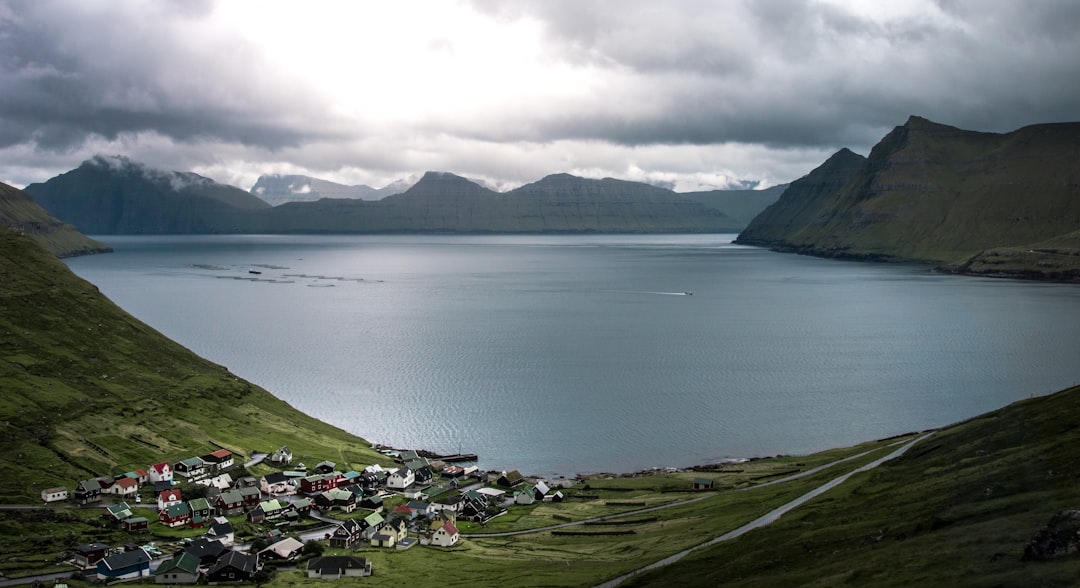
The issue of invasive species on islands is not just a local concern; it has global implications. Islands often serve as microcosms of broader environmental challenges, offering valuable lessons for conservation efforts worldwide. Raising awareness about the impact of invasive species is essential to garner support for conservation initiatives. By understanding the interconnectedness of ecosystems, we can better appreciate the delicate balance that sustains life on our planet.
A Call to Action
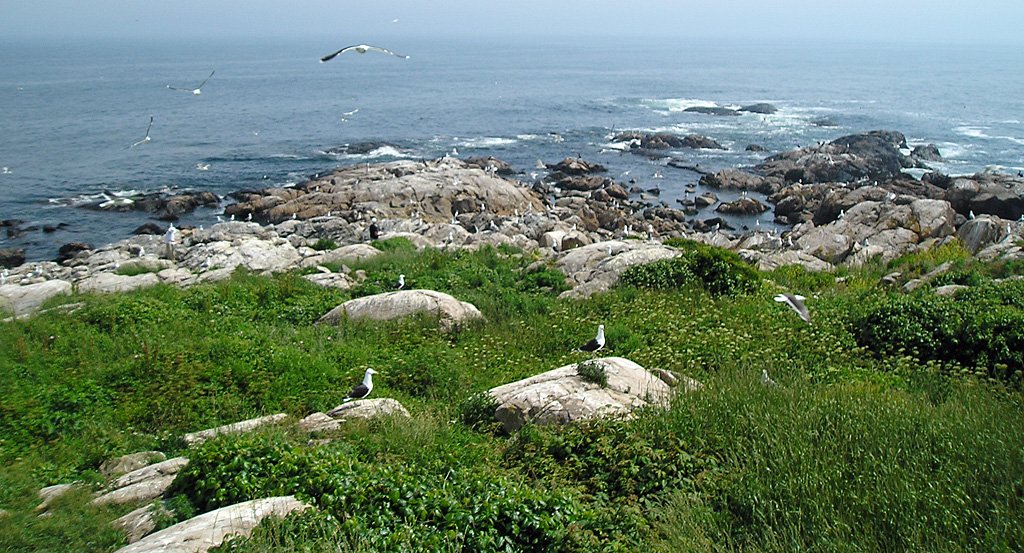
The unseen impact of invasive species on island wildlife is a clarion call for action. Protecting these unique ecosystems requires collaboration between governments, scientists, and local communities. By prioritizing prevention, implementing effective management strategies, and embracing innovative solutions, we can preserve the rich biodiversity of islands for future generations. The fate of island wildlife rests in our hands, and the time to act is now.