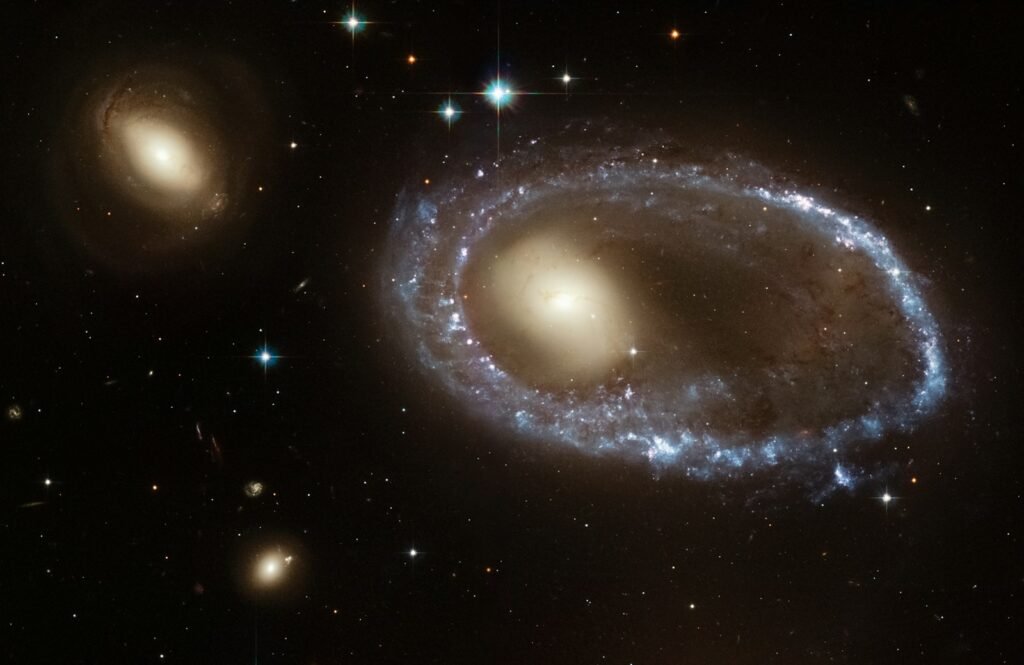

In the faintest reaches of the sky, where even large telescopes once saw only darkness, astronomers are now finding sprawling cities of ancient stars that should not, by any reasonable model, exist so early in cosmic history. These are the universe’s oldest known galaxies, blazing into view from a time when the cosmos was less than a billion years old. Instead of the small, messy proto-galaxies that theory predicted, many of these systems look oddly mature: massive, structured, and full of heavy elements. That mismatch between theory and observation is forcing scientists to rethink some of the most basic assumptions about how the universe built itself. As new data pours in from space and ground observatories, what once seemed like a neat, linear story of galaxy formation is turning into a far more dramatic and surprising tale.
The First Light That Shouldn’t Exist
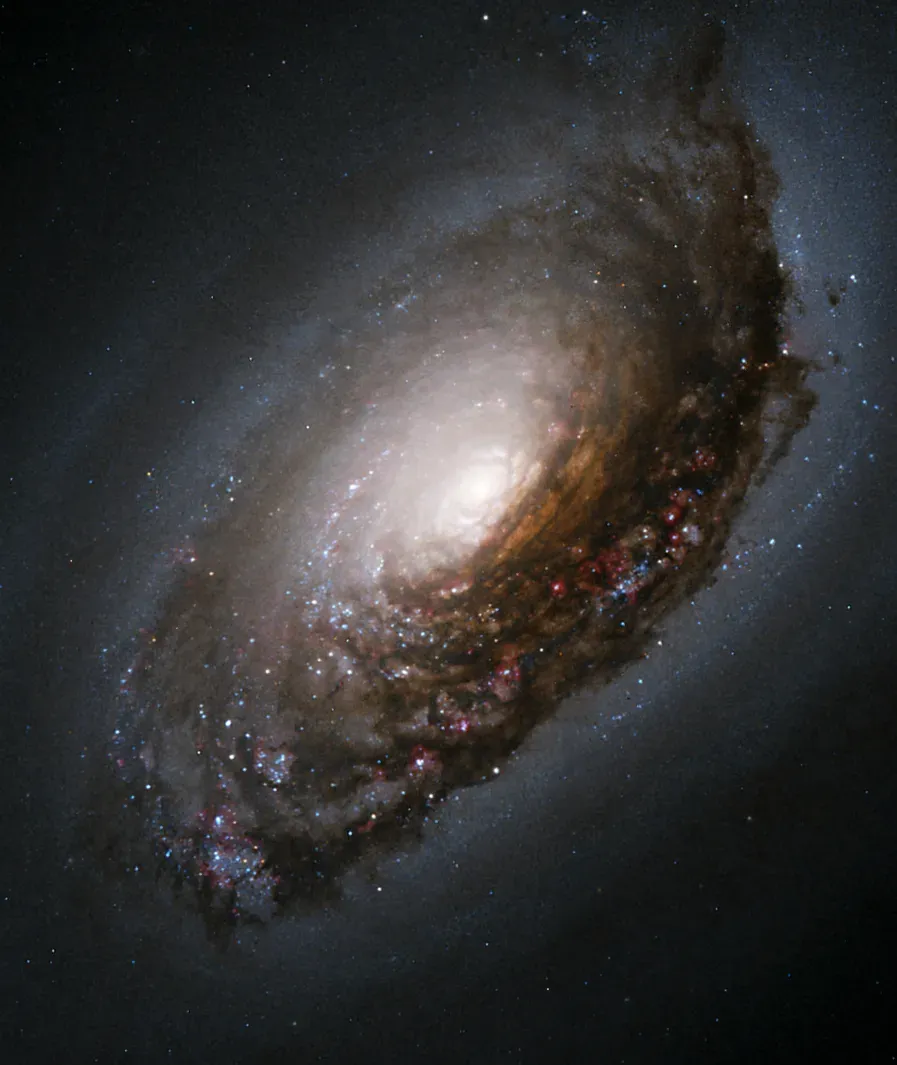
When the James Webb Space Telescope (JWST) began its early observations in 2022, many astronomers quietly hoped for a few oddities at the edge of the observable universe. What they got instead was a flood of galaxies so massive and so bright, appearing so soon after the Big Bang, that some initial results were described by researchers as “uncomfortably” at odds with standard models. These galaxies, seen as they were roughly 500 to 700 million years after the Big Bang, appear to contain as much mass in stars as the modern Milky Way, even though they had only a tiny fraction of the time to assemble. For a universe thought to grow structures slowly, like ice forming on a pond, this looked more like a flash-freeze event. Suddenly, the comfortable idea that galaxies gently grew from small clumps to giants over billions of years seemed far too simple.
Follow-up measurements have tried to stress-test these numbers, refining distances and masses so that no one is fooled by optical illusions or misinterpretations. Even after corrections, a stubborn core of galaxies remains unexpectedly large and evolved for their age. Astronomers are now debating whether star formation in the early universe was radically more efficient than today, or whether the underlying cosmological parameters and dark matter behavior need small but crucial tweaks. Either way, those first “impossible” galaxies are no longer curiosities on the margin; they are becoming anchor points in a new narrative about how early the universe lit up. It is as if we opened a childhood photo album of the cosmos and found a fully grown adult in the first few pages.
The Hidden Clues in Ancient Starlight
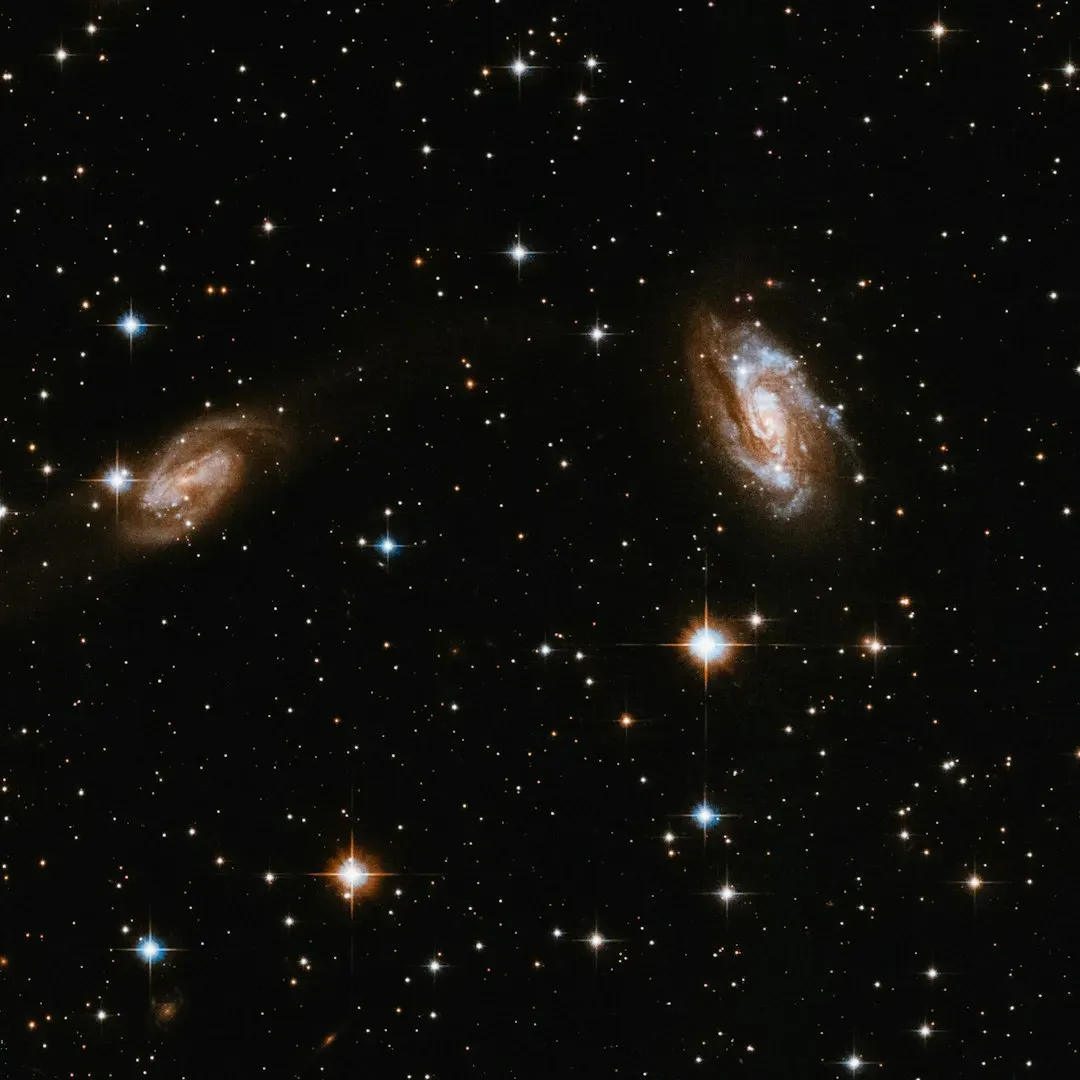
To decode what these ancient galaxies are telling us, astronomers treat their light like a forensic record, splitting it into spectra that reveal chemical fingerprints, temperatures, and motions. The surprising part is not just that these galaxies exist, but that many already show signs of heavy elements such as oxygen, carbon, and sometimes even iron. Those elements are forged in stars and spread by supernovae, a process that takes multiple generations of stellar birth and death. Finding them so early suggests that star formation must have ignited very quickly after the cosmic dark ages ended. Instead of a slow dawn, the early universe may have experienced a rapid, almost frantic burst of star-making activity.
These spectral fingerprints also hint at the presence of intense radiation fields and, in some cases, growing black holes buried in the cores of young galaxies. Tiny shifts in wavelength reveal how gas is flowing – whether it is being driven out in powerful winds or streaming inward to feed central engines. That motion, in turn, helps researchers measure the gravitational pull of unseen dark matter, offering rare clues about how these primordial structures are held together. Every pixel of ancient starlight basically functions as a clue at a cosmic crime scene, and the evidence is increasingly pointing toward a more violent, fast-paced early universe than models had prepared us for. The galaxies are not just old; they are loud storytellers.
From Ancient Tools to Modern Space Telescopes
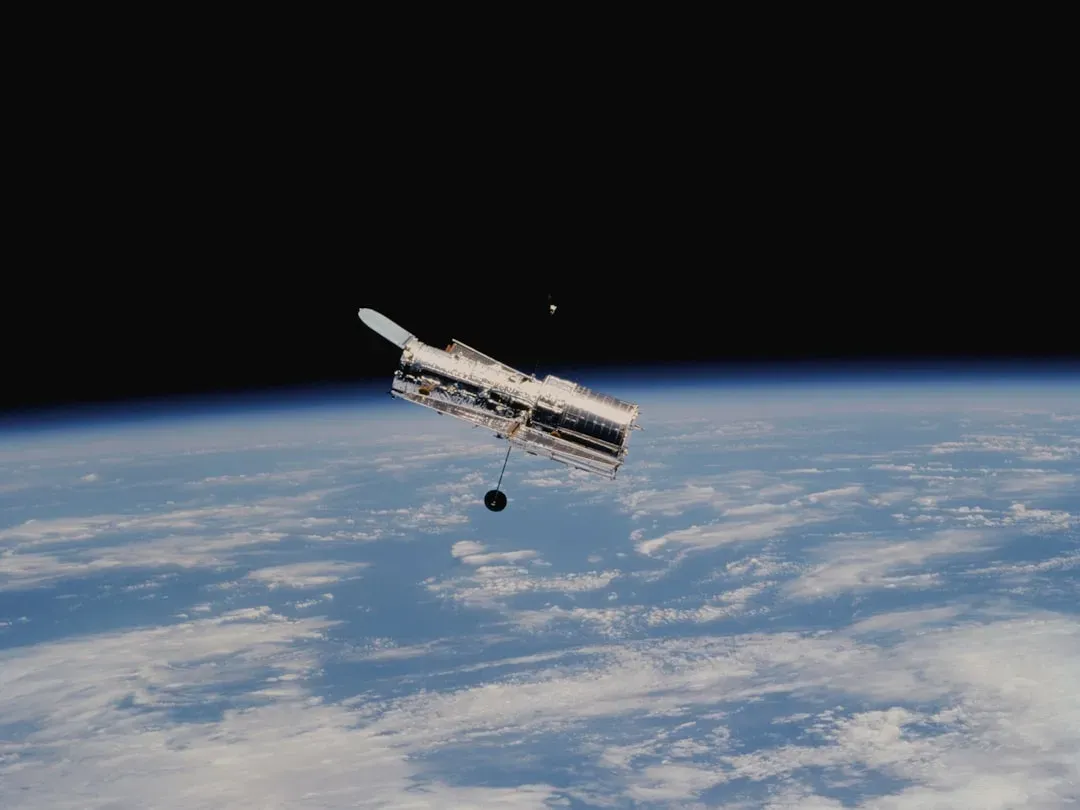
For decades, our understanding of the early universe came largely from the Hubble Space Telescope, which could peer back more than 13 billion years in time but was limited in how far into the infrared it could see. Hubble’s deep fields revealed baby galaxies as faint smudges, giving us a first draft of cosmic history: small, irregular blobs gradually merging and growing. Those views were groundbreaking, but they also left many questions hanging, especially about the very first few hundred million years after the Big Bang. Ground-based observatories, battling Earth’s atmosphere, could only push that story a little further. The earliest epoch remained frustratingly blurred, more hinted at than actually resolved.
JWST changed that almost overnight by opening a much wider infrared window, precisely tuned to capture the stretched light from the universe’s earliest galaxies. Its large mirror and sensitive instruments transform what were once invisible specks into detailed, analyzable objects. Now astronomers can map star-forming regions, estimate stellar masses, and measure redshifts with enough accuracy to place these galaxies firmly in time. Complementary work from radio telescopes and extremely large ground-based optical facilities is filling in the rest of the picture, like switching from a charcoal sketch to a full-color, high-definition image. The tools have evolved so dramatically that the science is not just improving; it is being rewritten.
Why These Ancient Galaxies Rewrite the Rules
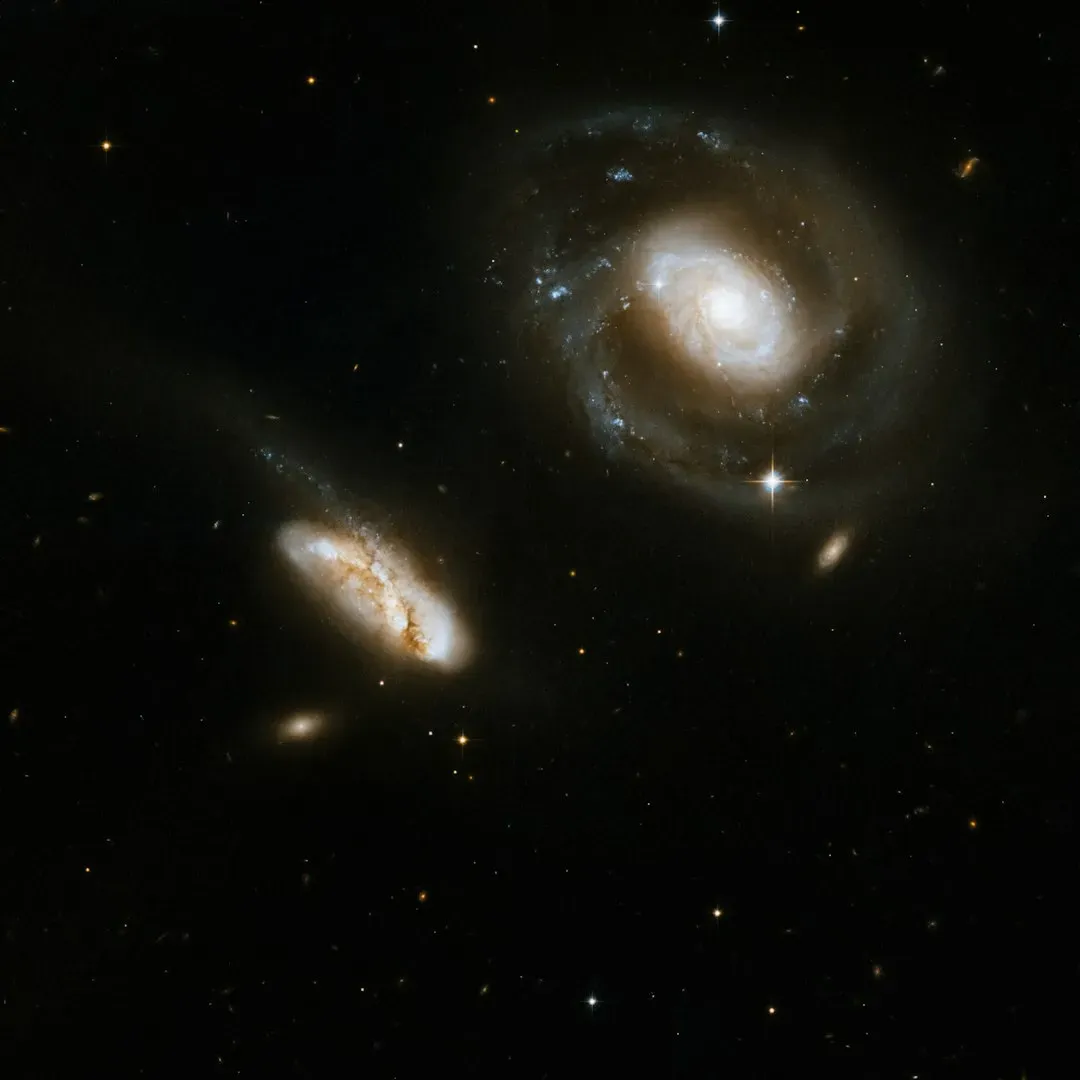
The reason these discoveries matter goes far beyond the niche world of galaxy specialists. Our standard cosmological model – built on dark matter, dark energy, and decades of observations – predicts how quickly matter should clump and how fast galaxies can grow. When galaxies in the first few hundred million years already look massive, metal-rich, and relatively organized, they press hard on those predictions. The tension might be resolved by improving models of star formation, or by recognizing that early gas cooled and collapsed more efficiently than expected. But if the discrepancies persist, they could hint at deeper changes in our understanding of dark matter or the physics of the young universe itself.
Compared with traditional pictures, where small building blocks merge hierarchically over long periods, the new data suggest a hybrid story in which some galaxies leap ahead early, racing through growth spurts while others lag behind. That changes how we think about reionization, the era when ultraviolet light from early stars and black holes transformed the universe from opaque to transparent. If massive galaxies formed earlier and were more numerous than expected, they likely played a bigger role in that grand transition. In a sense, revising their history means rewriting the universe’s origin story, not in a philosophical way but in the literal, equation-driven details of when and how light reclaimed the cosmos.
Shocking Giants and Quiet Outliers
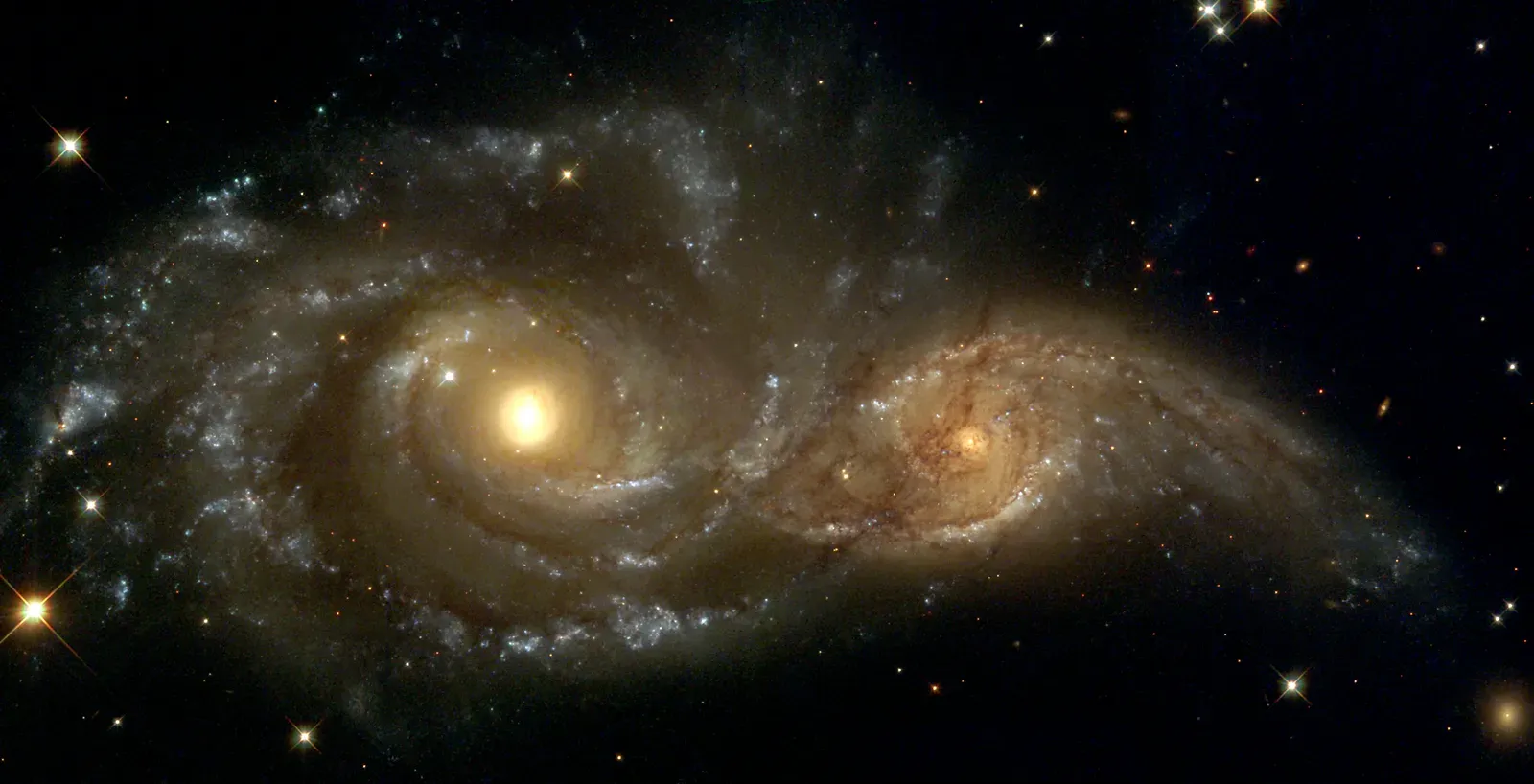
One of the most startling findings has been the apparent presence of “giant” galaxies surprisingly soon after the Big Bang, with some candidates rivaling or exceeding the stellar mass of the Milky Way. Even after conservative re-analysis, a few of these remain stubbornly big, challenging assumptions about how quickly dark matter halos could assemble and how fast gas could cool. At the same time, astronomers are also finding smaller, quieter systems that seem to be forming stars slowly, almost reluctantly. This diversity mirrors the variety of galaxies we see today, but compressed into the universe’s earliest chapters. Rather than a uniform swarm of tiny proto-galaxies, the early cosmos may have been a wild mix of sprinters and slow growers.
Some of these giant early galaxies may host actively feeding supermassive black holes that help regulate star formation by blasting gas out in energetic winds. Others look more like bloated star factories, with little evidence yet of central black hole dominance. Key observational takeaways so far include points like these:
- Several early galaxies show stellar masses that are a sizable fraction of modern large galaxies despite their extreme youth.
- Heavy elements are already present, implying multiple previous generations of star formation.
- Galaxies exhibit a range of star formation rates, from explosive bursts to more modest, prolonged activity.
- Some systems may host growing supermassive black holes that shape their evolution even at these early times.
These outliers and extremes are not just curiosities; they are stress tests for every theory of structure formation we have.
Cosmic Archaeology and Human Curiosity
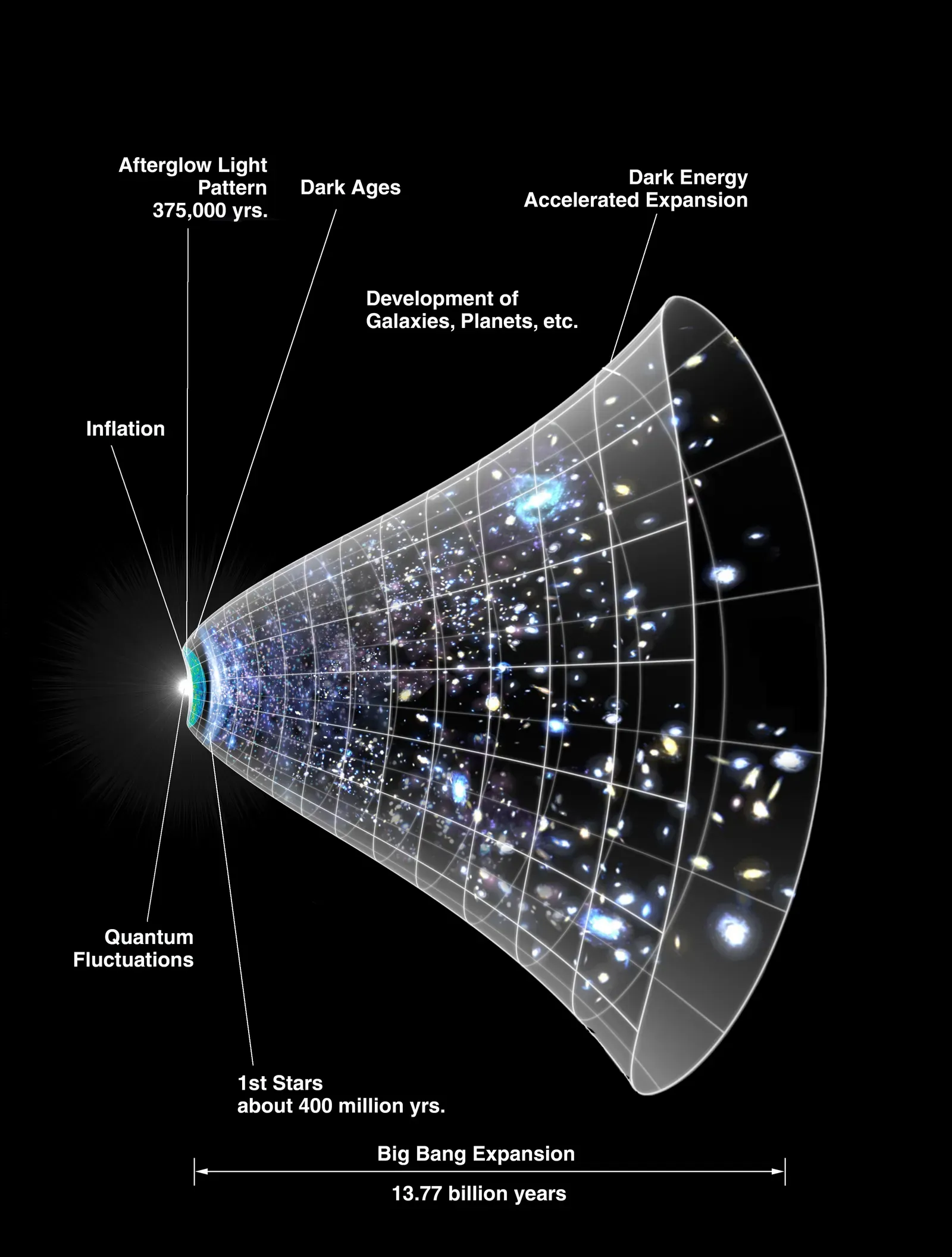
There is a reason astronomers often describe their work on early galaxies as a form of cosmic archaeology. Instead of digging through layers of soil, they sift through layers of time, using the finite speed of light as a natural time machine. The galaxies now coming into focus were already old when our own sun was still just a cloud of gas yet to collapse. For many researchers, this sense of looking directly at the universe’s childhood carries an emotional weight as well as a scientific one. It is hard not to feel a kind of vertigo when contemplating structures this vast and ancient whose light is only now brushing our instruments.
On a more personal note, following this field over the past decade has felt a bit like watching a familiar puzzle suddenly sprout new pieces that clearly belong but do not fit where you thought they would. The thrill comes from realizing that the universe is still capable of surprising us at the most fundamental levels. These discoveries also resonate beyond science, feeding art, philosophy, and even everyday conversations about where everything came from. They remind us that even with powerful telescopes and sophisticated simulations, our picture of reality is still under construction. In that sense, the oldest galaxies speak directly to the oldest human questions.
The Future Landscape of Cosmic Discovery

The current wave of discoveries is only the opening chapter of what the next decade of astronomy is likely to deliver. JWST continues to collect data, but it will soon be joined by new facilities such as the Vera C. Rubin Observatory, which will map the sky repeatedly and help track how galaxies evolve over time. Giant ground-based telescopes with mirrors many tens of meters across are under construction and will resolve early galaxies in unprecedented detail, breaking them into star-forming clumps, gas flows, and nascent spiral or disk structures. Meanwhile, radio observatories are pushing to detect the faint signal of neutral hydrogen from the era before galaxies fully lit up, providing a kind of background map against which these early cities of stars emerged. Together, these tools will let astronomers stitch together a more continuous, cinematic history of the cosmos.
Looking further ahead, proposed space missions aim to study even larger samples of early galaxies, probe dark matter more directly, and refine the universe’s expansion history. The challenges are substantial: observations at these distances are faint, competition for telescope time is fierce, and models must grapple with complex, nonlinear physics. Yet the payoff could be profound, ranging from improved constraints on dark energy to unexpected new physics lurking in the behavior of matter under extreme conditions. On a planetary scale, the insights we gain will filter into education, public engagement, and our shared cultural understanding of where we come from. The universe’s oldest galaxies are no longer distant abstractions; they are rapidly becoming central characters in our story of existence.
Why It Matters to All of Us
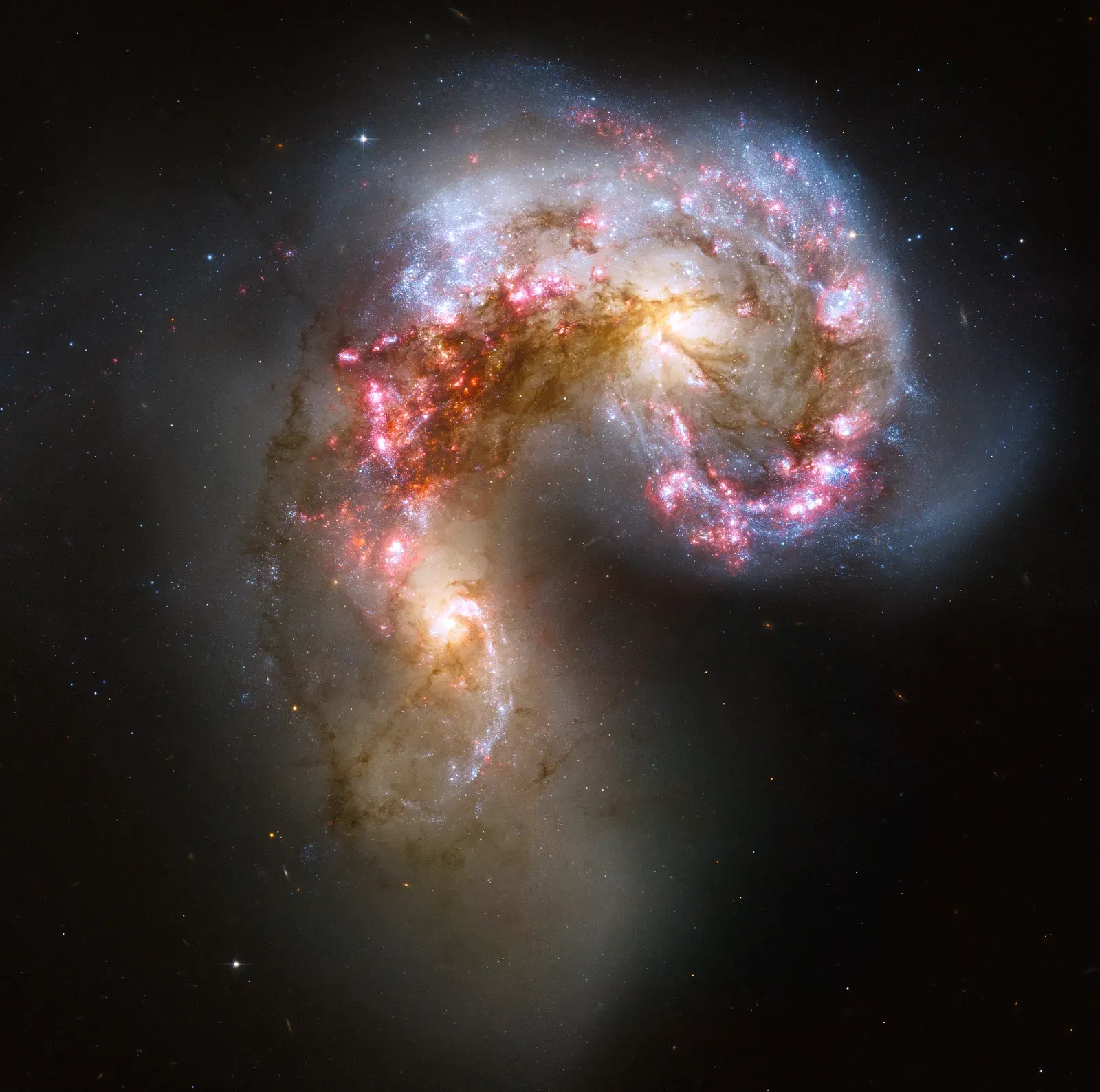
It is fair to ask why the detailed properties of galaxies billions of light-years away should matter to people dealing with very immediate concerns on Earth. One answer is that these systems anchor our understanding of the laws of nature themselves, from gravity to particle physics. If the early universe behaves differently from what our equations predict, then those laws may need revision, and that ripples into everything from nuclear reactions to the behavior of black holes. Another answer is more philosophical: by tracing how simple hydrogen and helium clouds turned into stars, planets, and eventually living beings, we are mapping the long arc that led to our own existence. These galaxies are early chapters in the story that eventually includes oceans, forests, and cities on a small rocky world.
There is also a practical side to this work. The same technologies and analytical tools used to study distant galaxies often spur advances in imaging, data processing, and even medical or industrial applications. Large-scale surveys require new ways of handling enormous data sets, which in turn push computing and statistics forward. When societies invest in this kind of deep, curiosity-driven research, they are also investing in the training of problem-solvers who can tackle unpredictable challenges in other fields. In that way, the light from the universe’s first galaxies does not just illuminate the distant past; it indirectly shapes our future.
How You Can Stay Connected to This New Cosmic Story
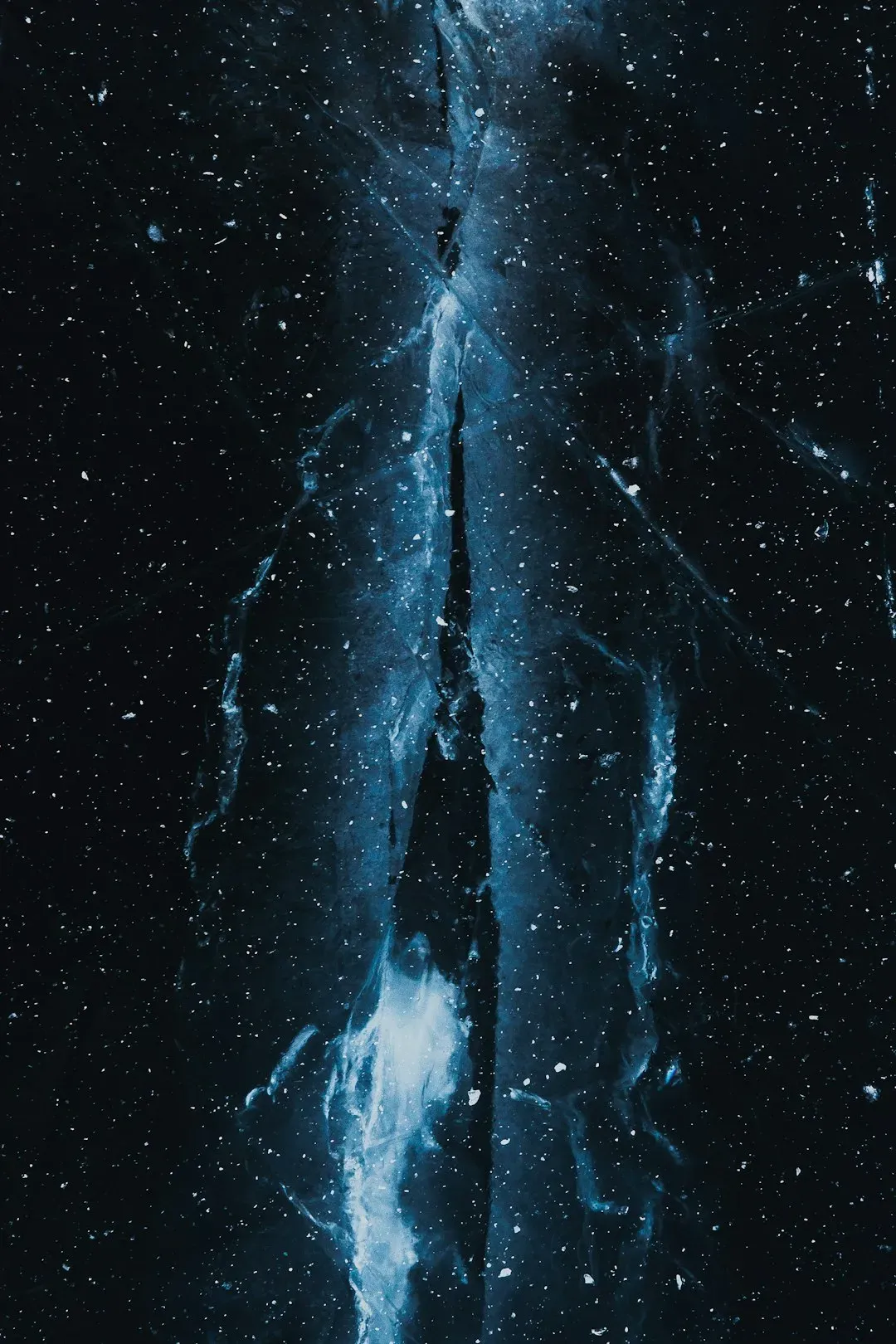
Even if you are not planning to become an astronomer, there are simple, meaningful ways to stay engaged with this unfolding revolution in our understanding of the cosmos. Many observatories and space agencies share images, data visualizations, and explainers designed for the public, and following those channels can turn abstract press releases into a vivid, ongoing narrative. Citizen science platforms occasionally invite volunteers to help classify galaxies, spot gravitational lenses, or identify unusual objects in large data sets, giving you a direct role in discovery. Supporting science education programs, local planetariums, or public outreach events helps ensure that the next generation has the tools and inspiration to push this work even further. From small donations to simply sharing reliable science stories, individual actions help keep this research visible and valued.
The next time you see an image of a faint red smudge labeled as an ancient galaxy, it is worth pausing for a moment to remember what that really is: a fossil of light that has traveled almost the entire age of the universe to reach you. Staying curious about these distant objects is one quiet way of honoring that journey. You might never look through a giant space telescope yourself, but you are still part of the audience for this grand cosmic performance. Paying attention, asking questions, and supporting the institutions that make such work possible are small but real contributions. In a universe that old and vast, the fact that we can understand any of it at all is remarkable enough to deserve that kind of attention.
Suhail Ahmed is a passionate digital professional and nature enthusiast with over 8 years of experience in content strategy, SEO, web development, and digital operations. Alongside his freelance journey, Suhail actively contributes to nature and wildlife platforms like Discover Wildlife, where he channels his curiosity for the planet into engaging, educational storytelling.
With a strong background in managing digital ecosystems — from ecommerce stores and WordPress websites to social media and automation — Suhail merges technical precision with creative insight. His content reflects a rare balance: SEO-friendly yet deeply human, data-informed yet emotionally resonant.
Driven by a love for discovery and storytelling, Suhail believes in using digital platforms to amplify causes that matter — especially those protecting Earth’s biodiversity and inspiring sustainable living. Whether he’s managing online projects or crafting wildlife content, his goal remains the same: to inform, inspire, and leave a positive digital footprint.