
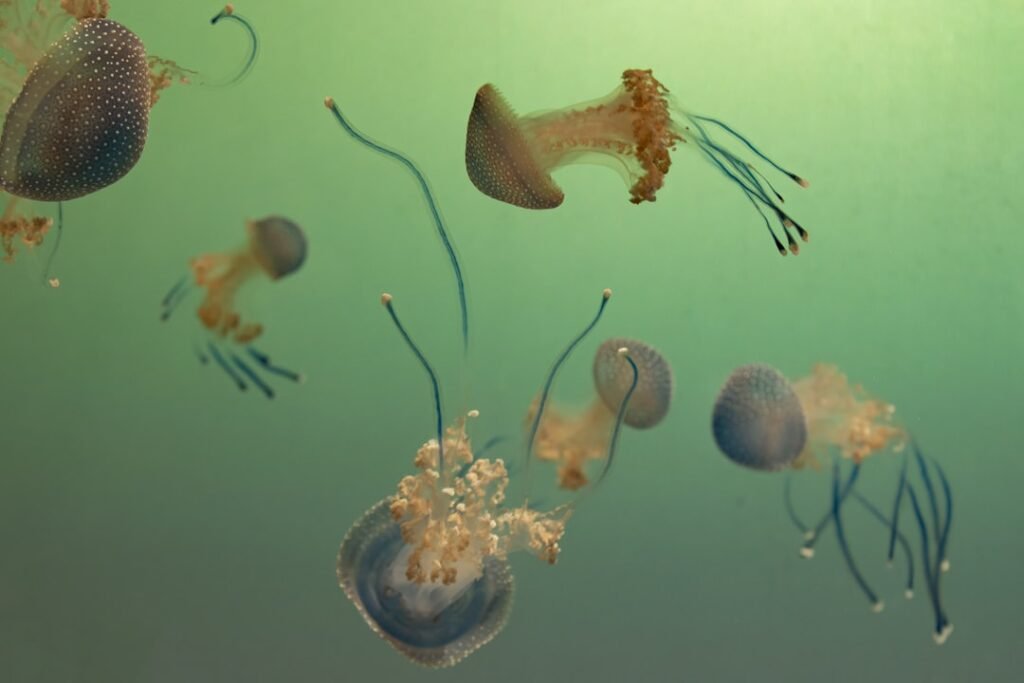

You know that feeling when someone tells you life can only exist in just the right conditions? Yeah, turns out that’s not quite the whole story. Life has this incredible talent for showing up in places where, honestly, it has no business being. We’re talking about environments that would vaporize, freeze, or crush most living things in seconds.
From the crushing depths of ocean trenches to the radiation-blasted vacuum of space itself, organisms have found ways not just to endure, but to flourish. It makes you wonder what else might be out there in the cosmos. The rules we thought governed where life could exist keep getting rewritten, and honestly, it’s both humbling and thrilling. Let’s explore some of the most hostile corners of our universe and meet the remarkable survivors that call these places home.
Bacteria That Laugh at the Vacuum of Space
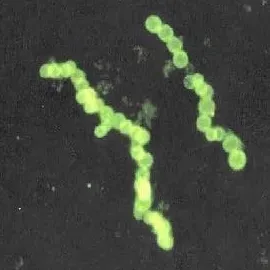
Picture this: a tiny bacterium floating outside the International Space Station, completely exposed to the vacuum of space. No air, temperatures swinging wildly from freezing to scorching, and radiation that would kill you in minutes. Deinococcus radiodurans, a bacterium nicknamed “Conan the Bacterium,” survived three years of this brutal exposure, with dead outer cells forming a protective shield for those inside.
These extremophilic bacteria withstand galactic cosmic and solar UV radiation, extreme vacuum, temperature fluctuations, desiccation, freezing, and microgravity. Here’s the truly wild part: they’re not just surviving in some dormant state. After exposure to space, these microbes produced numerous outer membrane vesicles and initiated protein and genomic responses to repair DNA damage and defend against reactive oxygen species.
Think about what this means for the possibility of life traveling between planets. If bacteria can endure years in the vacuum of space, then maybe the theory that life could hitch rides on meteorites between worlds isn’t so far-fetched after all.
Tardigrades: Nature’s Nearly Indestructible Water Bears
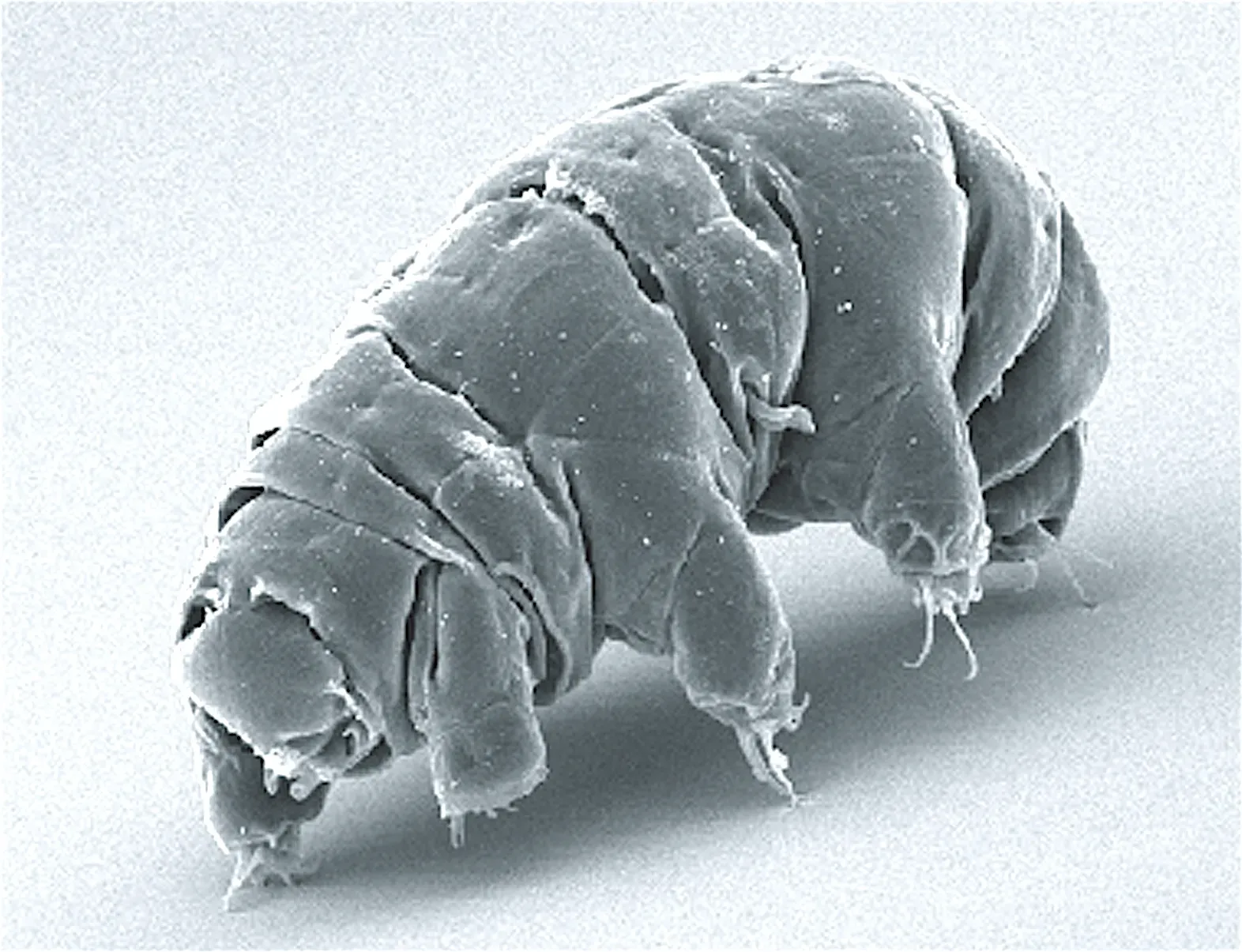
If bacteria are impressive, tardigrades take survival to a whole different level. These microscopic animals, roughly half a millimeter long and looking like chubby eight-legged bears under a microscope, are the only animals known to survive direct exposure to space. Tardigrades became the first animals to survive the vacuum of space, with the majority making it through both vacuum and cosmic radiation exposure.
Despite being tiny microscopic organisms, tardigrades can survive being dried out completely, frozen to just above absolute zero, heated past the boiling point of water, survive thousands of times as much radiation as humans could, and go days or weeks with little or no oxygen. What’s their secret? One key gene produces antioxidant pigments known as betalains, which neutralize harmful reactive chemicals inside cells caused by radiation, and when researchers treated human cells with these tardigrade betalains, they fared much better at surviving radiation.
Still, even these tiny titans have limits. When exposed to both space vacuum and high doses of ultraviolet radiation without UV filters, most tardigrades died as the powerful radiation shattered their DNA. Though honestly, the fact that even a few survived such extreme conditions is mind-blowing.
Deep-Sea Hydrothermal Vents: Life Without Sunlight
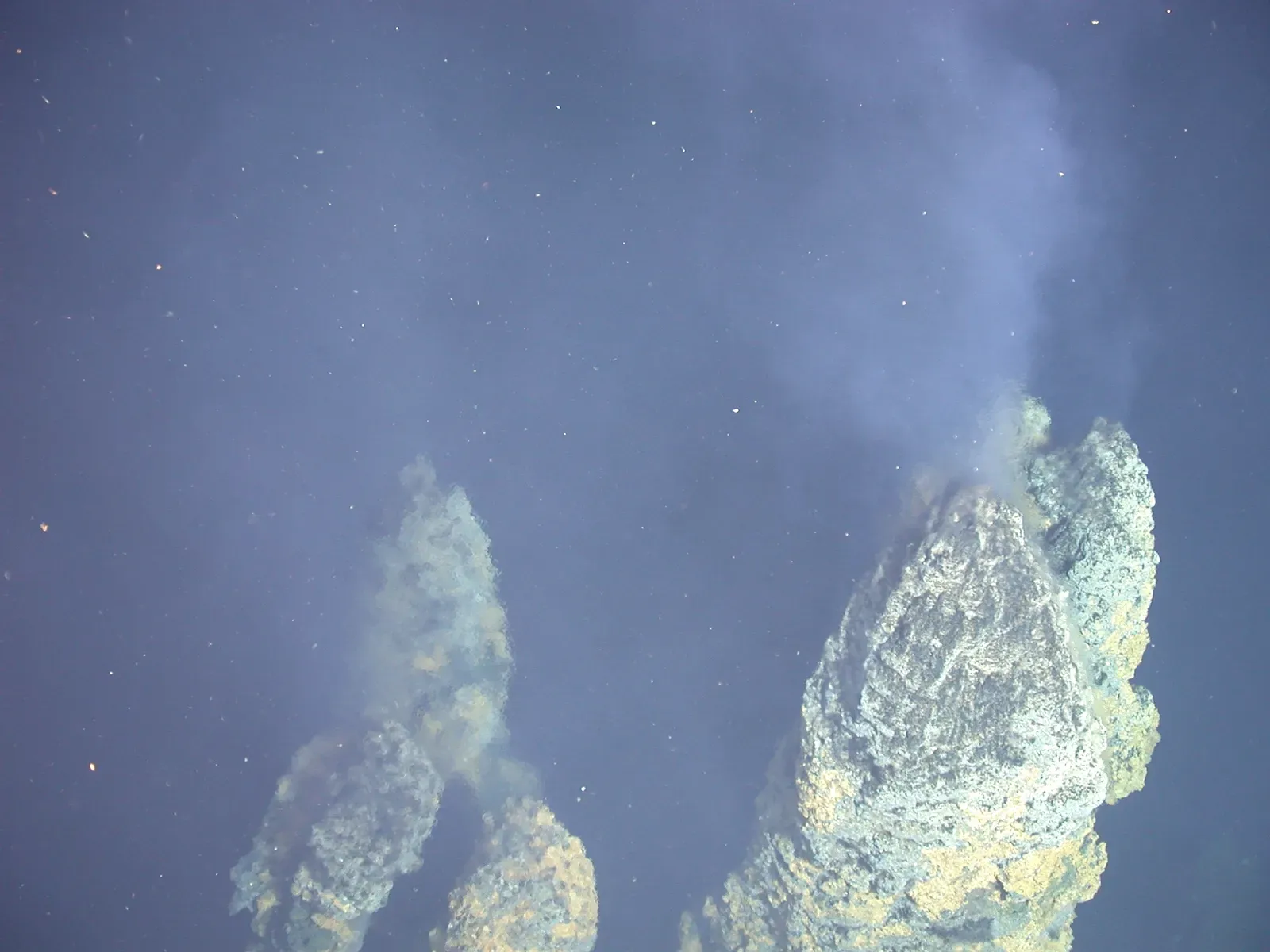
Now let’s dive deep, really deep, to places where the sun’s light never reaches. In 1977, scientists discovered hydrothermal vents along the mid-ocean ridge in the eastern Pacific, where temperatures drastically changed from near freezing to 400°C in a short distance. Imagine environments with crushing pressure, scalding heat, toxic chemicals, and complete darkness. Sounds uninhabitable, right?
Wrong. Scientists realized an entirely unique ecosystem, including hundreds of new species, existed around the vents, with species thriving despite extreme temperatures, pressures, toxic minerals, and lack of sunlight, as bacteria converted toxic vent minerals into usable energy through chemosynthesis.
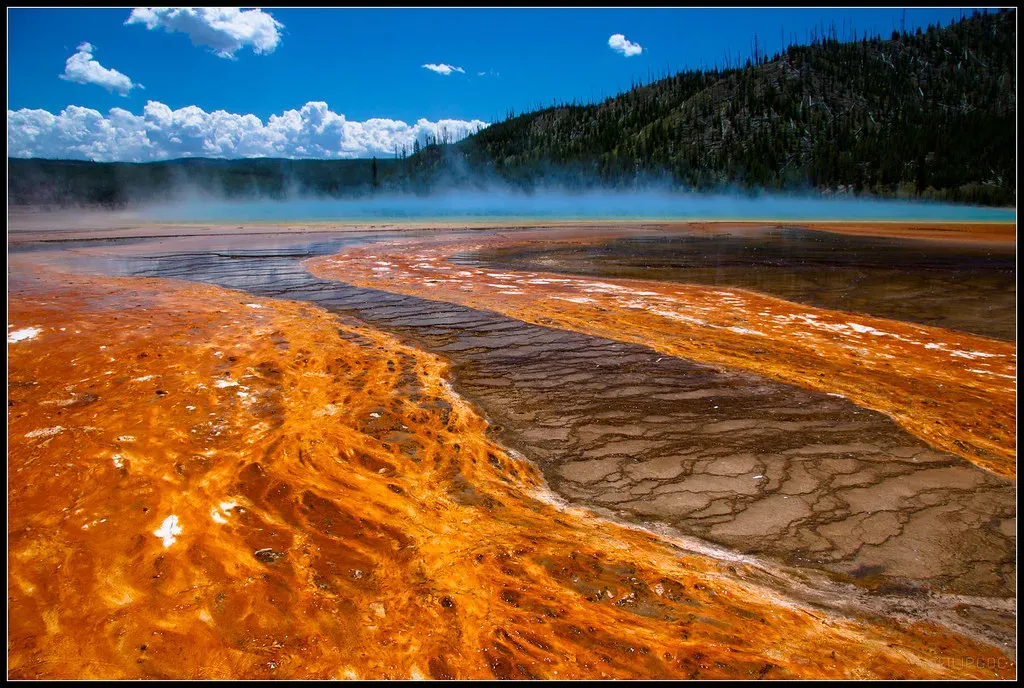
Hyperthermophiles, defined as microorganisms able to grow at 90°C and above, with about 20 different types now known, have been found both within the walls of black smoker chimneys and where hydrothermal vent fluids mix with surrounding seawater. These microbes form the foundation of entire ecosystems. Giant tube worms, ghostly fish, and strange shrimp thrive here, all thanks to microbes that figured out how to harness chemical energy instead of relying on the sun.
The Radiation-Resistant Conan the Bacterium on Mars
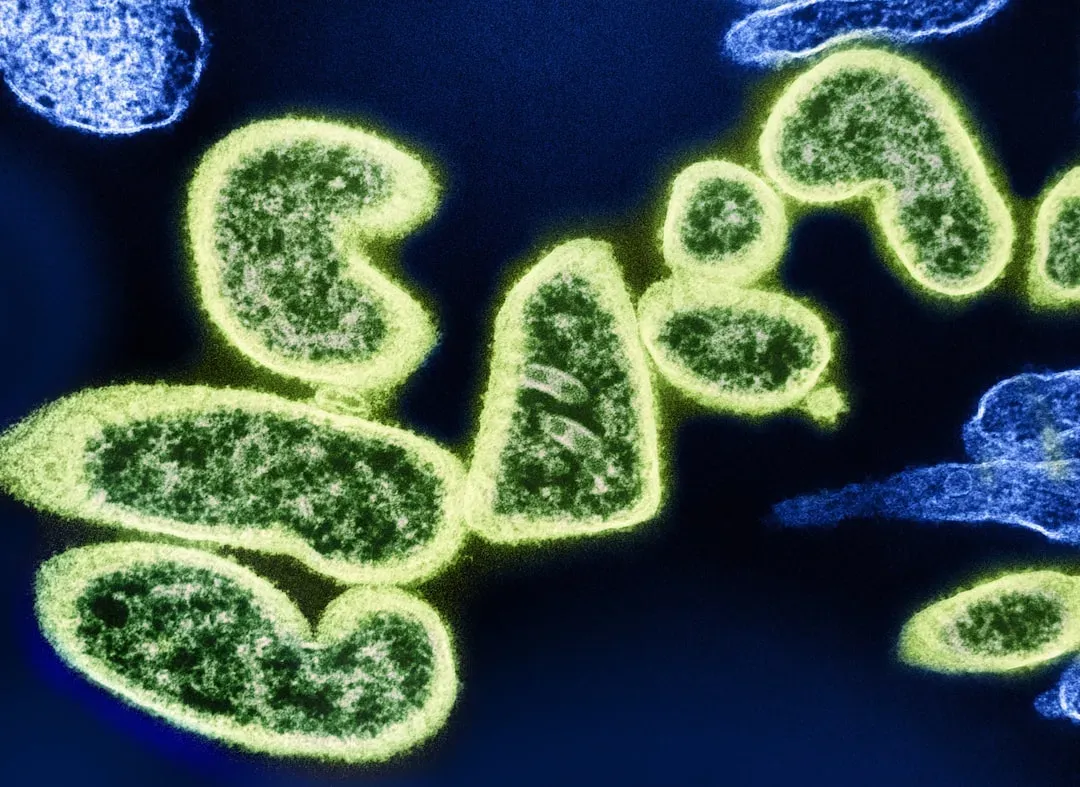
Let’s be real, Mars is hostile. Freezing temperatures, thin atmosphere, and relentless radiation bombard the surface. Yet Conan the Bacterium might just have what it takes to survive there. New tests suggested Conan the Bacterium would survive 280 million years on Mars if buried at a depth of 33 feet, with a lifespan reduced to 1.5 million years if buried just 4 inches below the surface, and just a few hours on the surface bathed in ultraviolet light.
How does it manage this? After exposure to various radiation levels, scientists measured manganese antioxidants that accumulated in the cells, with more manganese antioxidants forming as radiation increased, allowing the microbes to resist more radiation. Think of it like the bacterium building its own internal radiation shield.
This has huge implications. If life ever existed on Mars, it might still be hiding just beneath the surface, protected from the worst of the radiation. Any future missions searching for Martian life will need to dig, not just scratch the surface.
Frozen Ocean Worlds: Europa and Enceladus
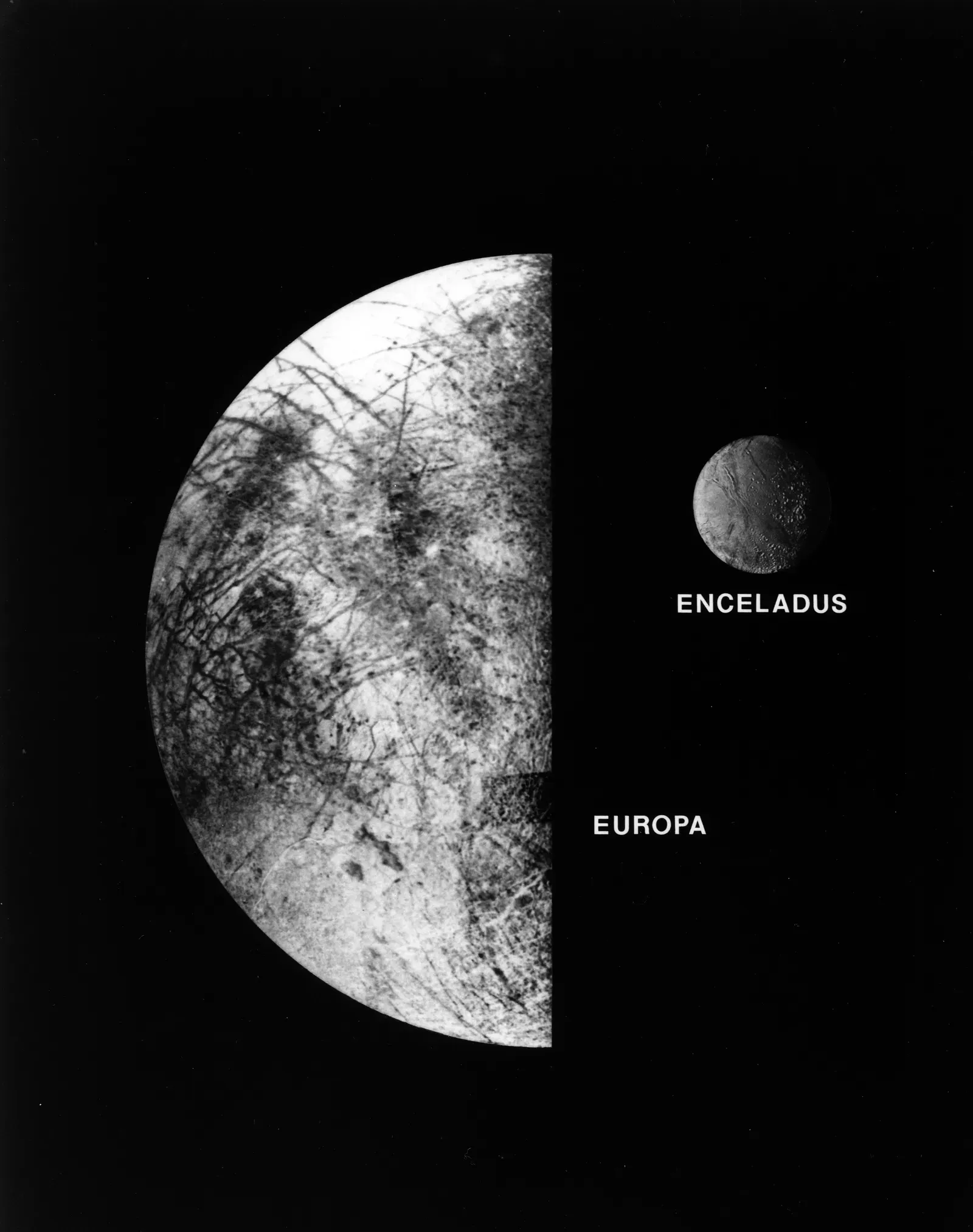
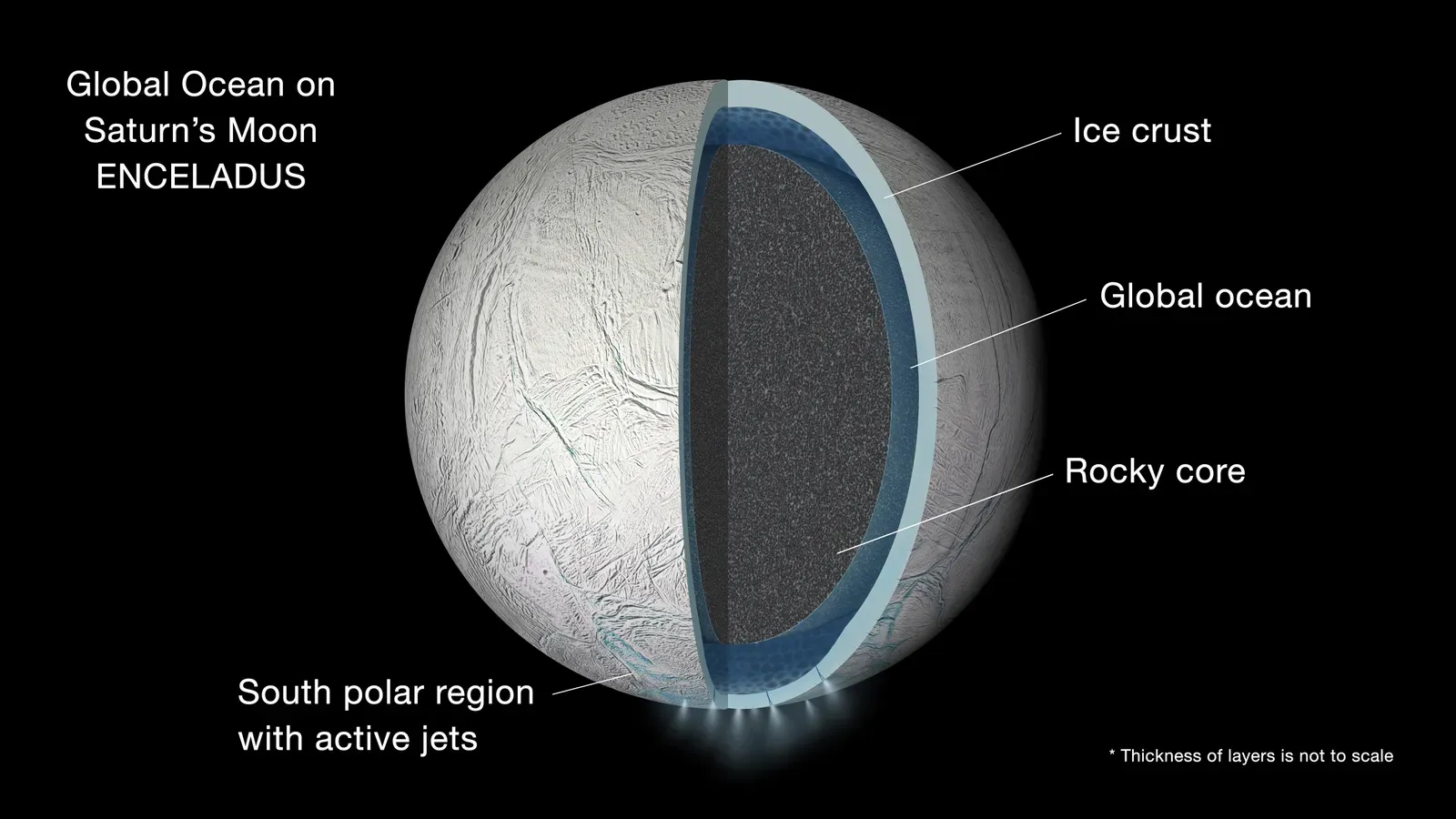
Saturn’s moon Enceladus and Jupiter’s moon Europa might not look like much from the outside: frozen, icy, and apparently lifeless. Look beneath their surfaces, though, and you find something extraordinary. NASA reported that Cassini found evidence for a south polar subsurface ocean with a thickness around 10 kilometers, and chemical analysis of Enceladus’s plumes found evidence for hydrothermal activity possibly driving complex chemistry.
Molecular hydrogen, a geochemical energy source that can be metabolized by methanogen microbes, could be present if Enceladus’s salty ocean has an alkaline pH, and the presence of a global salty ocean with an energy source and complex organic compounds in contact with Enceladus’s rocky core may advance the study of potentially habitable environments for microbial extraterrestrial life. These aren’t just cold, dead worlds. They’re active, dynamic environments with the basic ingredients for life.
The safe sampling depth for amino acids on Europa is almost 8 inches at high latitudes where the surface hasn’t been disturbed much by meteorite impacts, while subsurface sampling isn’t required on Enceladus where amino acids will survive less than a tenth of an inch from the surface. If there’s life out there, we might not have to drill kilometers down to find it.
The Molecular Tricks of Survival
So how exactly do these organisms pull off these incredible survival feats? It’s not magic; it’s biology taken to extremes. Through strategies such as metabolic slowdown, dormancy, and specialized biochemical adaptations, extremophiles not only survive but thrive in conditions that challenge the limits of life.
A key to extremophile adaptation is their amino acid composition, affecting their protein folding ability under particular conditions. In cold environments, for instance, psychrophiles have special adaptations. The cellular membranes of psychrophiles maintain fluidity by incorporating unsaturated fatty acids, which prevent the membrane from becoming too rigid, enabling them to maintain cellular function and survive in environments where most life forms would perish.
In dry environments, microorganisms employ different strategies. Many desert microorganisms enter anhydrobiosis, a dormant condition where metabolic activities are nearly undetectable, with cells losing most of their water content, and bacteria and fungi producing protective molecules such as trehalose and other compatible solutes that stabilize proteins and membranes during desiccation. It’s hard to say for sure, but these adaptations might hold the key to understanding how life could exist on other worlds.
Expanding the Boundaries of Habitability
The discovery of extremophiles has completely revolutionized how scientists think about where life can exist. Extremophiles have become key elements in the search for life beyond Earth, as their resilience has significantly expanded the scope of environments considered potentially habitable, showing that life can adapt to very diverse conditions even those that at first glance seem truly uninhabitable.
Astrobiology no longer focuses solely on Earth-like planets; it now also considers worlds with supervolcanoes, underground oceans, frozen giants, or atmospheres rich in toxic substances, opening new possibilities for the existence of life forms in extreme environments among the millions of planets in the universe. This is a paradigm shift. Habitability isn’t binary anymore. It’s a spectrum.
The continued exploration of extreme environments on Earth and beyond will undoubtedly reveal new extremophiles and novel adaptations, further expanding the horizons of science and technology, as extremophiles remind us of life’s remarkable capacity to adapt and thrive, even in the most inhospitable corners of the universe. Every new discovery pushes the boundaries a little further.
The Future of Life Detection Beyond Earth
Understanding how life survives extreme conditions here on Earth is crucial for knowing where and how to search for it elsewhere. Extremophiles thriving in mimic outer space environments are particularly interesting as they exhibit traits that expand our comprehension regarding the possibility of life elsewhere and in situ life detection.
Scientists are already planning missions based on what we’ve learned. Several robotic missions have been proposed to explore Enceladus and assess its habitability, including Journey to Enceladus and Titan, Enceladus Explorer, Enceladus Life Finder, Life Investigation For Enceladus, and Enceladus Life Signatures and Habitability, and in June 2023 astronomers reported detecting phosphates on Enceladus, completing the discovery of all basic chemical ingredients for life on the moon.
Multiple discoveries have increased our understanding of Enceladus, including plume venting from its south pole, hydrocarbons in the plume, a global salty ocean and hydrothermal vents on the seafloor, all pointing to the possibility of a habitable ocean world well beyond Earth’s habitable zone, giving planetary scientists Enceladus to consider as a possible habitat for life. The next few decades could bring us answers to one of humanity’s oldest questions: are we alone?
Conclusion
The universe’s most extreme environments teach us something profound about life itself. It’s not fragile or delicate; it’s tenacious, adaptable, and relentless. From bacteria surviving years in the vacuum of space to microbes thriving in scalding hydrothermal vents, life has proven time and again that it can find a way in places we never thought possible.
These discoveries aren’t just about understanding Earth’s extremophiles. They’re about expanding our vision of what’s possible throughout the cosmos. Every frozen moon with a subsurface ocean, every planet with hydrothermal activity, every rocky world with liquid water becomes a potential haven for life. The rules of habitability that once seemed so strict have been shattered by organisms that refuse to follow them.
As we continue exploring our solar system and beyond, we carry with us the lessons learned from these incredible survivors. What would you think if we discovered microbial life thriving in the oceans of Europa or Enceladus? The universe might be far more alive than we ever imagined.
Jan loves Wildlife and Animals and is one of the founders of Animals Around The Globe. He holds an MSc in Finance & Economics and is a passionate PADI Open Water Diver. His favorite animals are Mountain Gorillas, Tigers, and Great White Sharks. He lived in South Africa, Germany, the USA, Ireland, Italy, China, and Australia. Before AATG, Jan worked for Google, Axel Springer, BMW and others.


