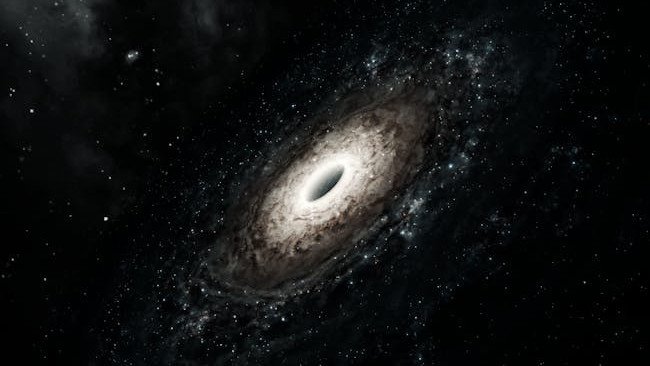

Imagine waking up one day to discover that every distant galaxy in the night sky is quietly slipping away a little faster than yesterday. Not because we are moving, but because space itself is stretching. That’s not science fiction; it’s what astronomers have been measuring for about a century, and the more they look, the stranger it gets.
The way our universe is expanding right now is not just a fun piece of trivia, like how big the cosmos is or how many stars it holds. The expansion is a kind of cosmic heartbeat, and hidden in its rhythm are clues about how this whole story ends. Will everything freeze, rip apart, or somehow circle back on itself? The answer lives in the numbers we’re trying – sometimes arguing – to pin down today.
The Shocking Discovery That the Universe Is Expanding
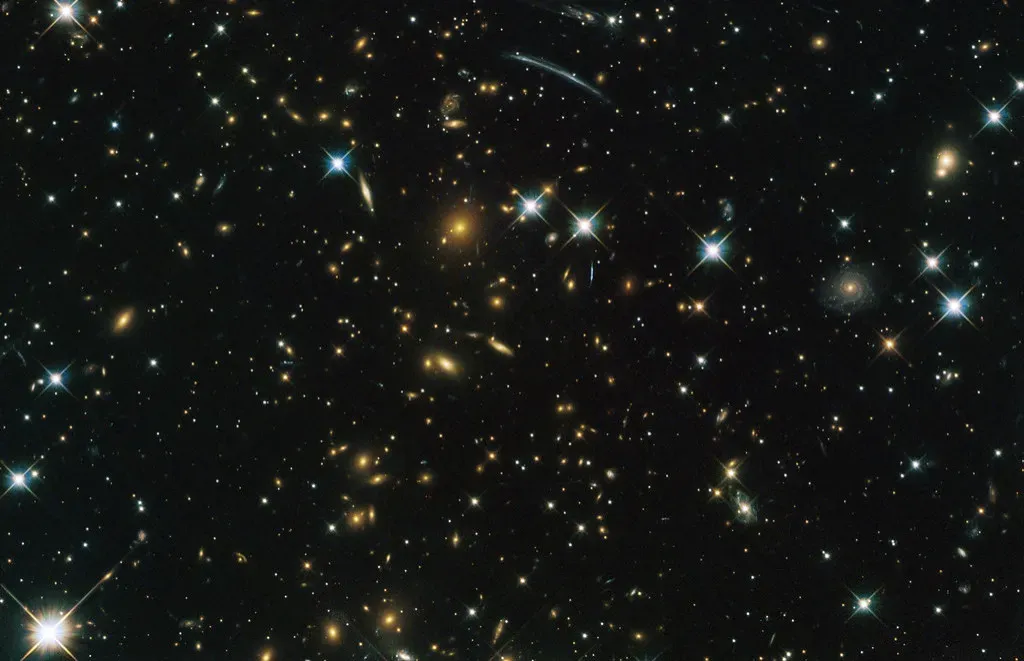
It’s hard to overstate how bizarre the idea of an expanding universe sounded when it first appeared. For a long time, many scientists assumed the universe was static and eternal, simply sitting there, unchanged on the largest scales. That picture shattered when astronomers began measuring the light from distant galaxies and saw that their light was stretched, shifted toward the red part of the spectrum, meaning they were racing away from us.
The pattern wasn’t random: the farther away a galaxy was, the faster it seemed to be receding. Space itself was stretching, carrying galaxies with it like raisins in rising bread dough. This idea flipped our cosmic perspective from a calm, unchanging stage to a dynamic, evolving one. Suddenly, if the universe was expanding, it must have been smaller in the past – and that opened the door to the concept of a beginning, not just an endless, unchanging forever.
The Big Bang: An Expanding Origin Story
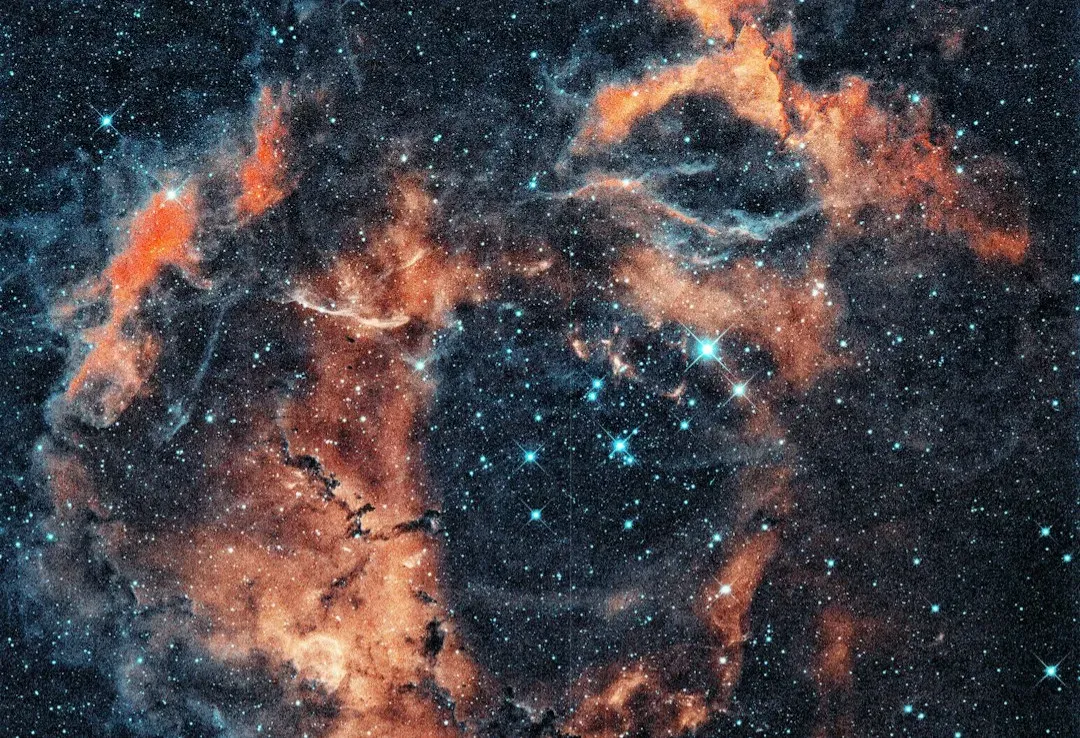
Once astronomers realized that galaxies are moving apart in a systematic way, the logical conclusion was that everything was closer together in the distant past. Run the clock backward, and you reach a time when the universe was unimaginably hot, dense, and compact. That scenario became known as the Big Bang, not as an explosion in space, but as an expansion of space itself from an early, extreme state.
Evidence for this picture piled up: the faint afterglow of that early hot phase – the cosmic microwave background – fills the sky, and the light elements like hydrogen and helium appear in just the amounts you’d expect from a hot, rapidly cooling universe. The Big Bang model doesn’t tell us what “caused” the universe, but it does give us a powerful timeline for how it evolved. And right in the middle of that story sits the expansion rate, a key parameter that acts like the master clock of cosmic history.
The Hubble Constant: The Cosmic Speed Limit We Can’t Agree On
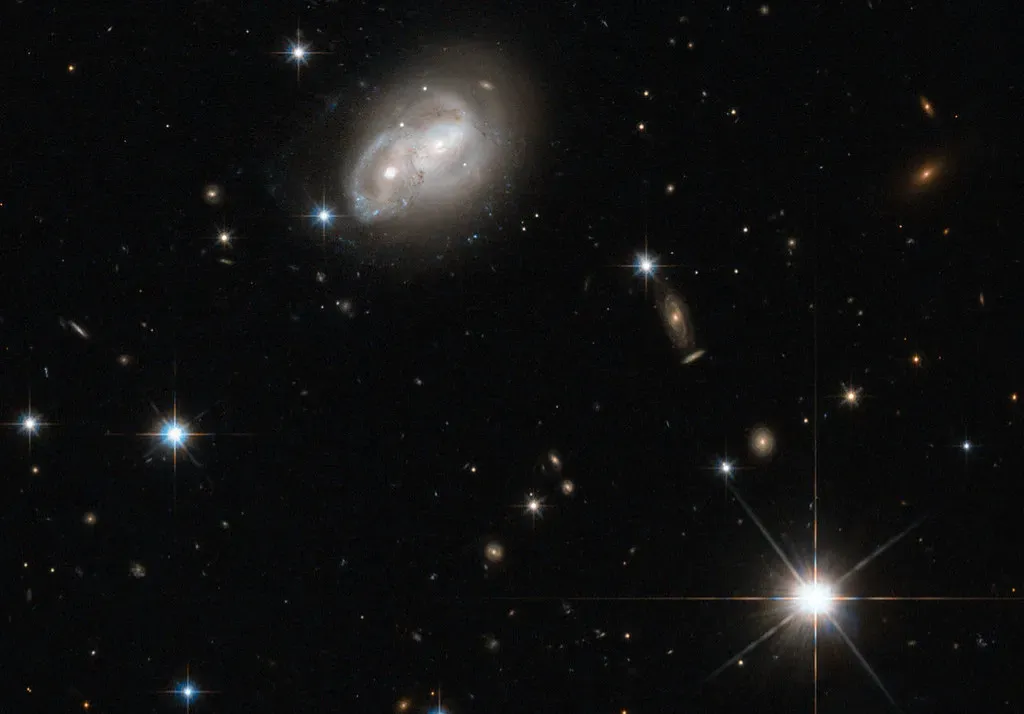
To make sense of the universe’s expansion, scientists use a number called the Hubble constant. It tells us how fast galaxies recede from us for each unit of distance, like how many kilometers per second per million light‑years. You’d think that by now, with modern telescopes and powerful data analysis, we’d know this value very precisely – and in one sense we do. The problem is that two of our best methods give answers that don’t quite match.
One method uses nearby stars and exploding stars in galaxies – so‑called “standard candles” – to build a distance ladder and measure expansion in the relatively local universe. Another method reads the early universe’s blueprint encoded in the cosmic microwave background and then calculates forward to today. Both are precise, both are well‑tested, and yet they disagree by more than a small rounding error. This so‑called tension over the Hubble constant is one of the most intriguing cracks in our current understanding, and it might be hinting that our model of the cosmos is missing a piece.
Dark Energy: The Invisible Force Speeding Everything Up
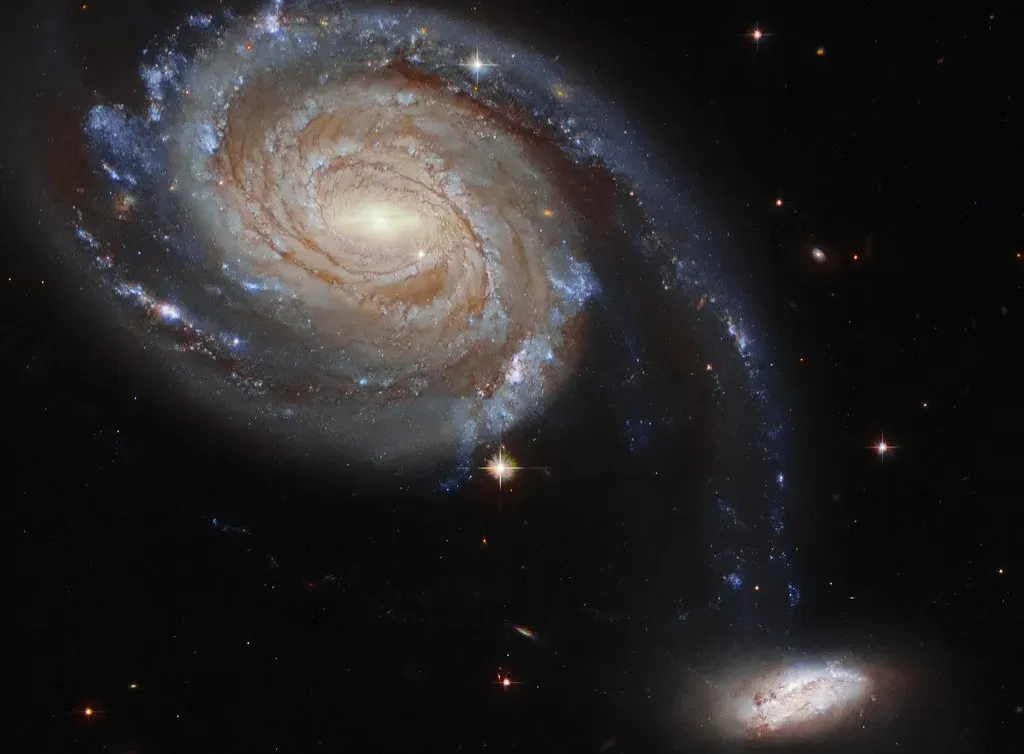
Just when scientists were getting comfortable with the idea of a universe expanding like a car coasting uphill and gradually slowing down, the data threw another curveball. In the late twentieth century, astronomers studying distant stellar explosions noticed that faraway galaxies were dimmer than expected. That meant they were farther away than they should have been if the expansion were slowing. The only sensible conclusion was both weird and unsettling: the expansion is speeding up.
To explain this acceleration, cosmologists introduced a mysterious component dubbed dark energy. It doesn’t behave like normal matter or even dark matter; instead, it seems to act more like an energy built into space itself, pushing everything apart. Today, estimates suggest that dark energy makes up the vast majority of the energy content of the universe, even though we don’t know what it really is. How this dark energy behaves over time is one of the main clues to the universe’s eventual fate.
Cosmic Futures: Heat Death, Big Rip, or Something Stranger?
When you hear “the end of the universe,” it’s easy to picture some sudden, dramatic event, like a cosmic explosion. In reality, most likely scenarios are slow, drawn‑out endings. If dark energy remains constant over time, the expansion will keep accelerating, galaxies will drift farther apart, and the universe will grow colder and darker. Stars will burn out, black holes will slowly evaporate, and what’s left will be a thin, cold fog of particles – often called a heat death or big freeze.
But there are other, more dramatic options on the table. If dark energy somehow grows stronger with time, it could eventually rip apart galaxy clusters, galaxies, solar systems, planets, and even atoms in a catastrophic big rip. On the other hand, if dark energy weakens or changes sign in some exotic way, the expansion could slow, stop, or even reverse, leading to a potential big crunch. The tricky part is that all of these futures depend on how the expansion behaves over immense stretches of time, and we’ve only been watching for a cosmic blink of an eye.
The Flatness of Space and Why It Matters for the End
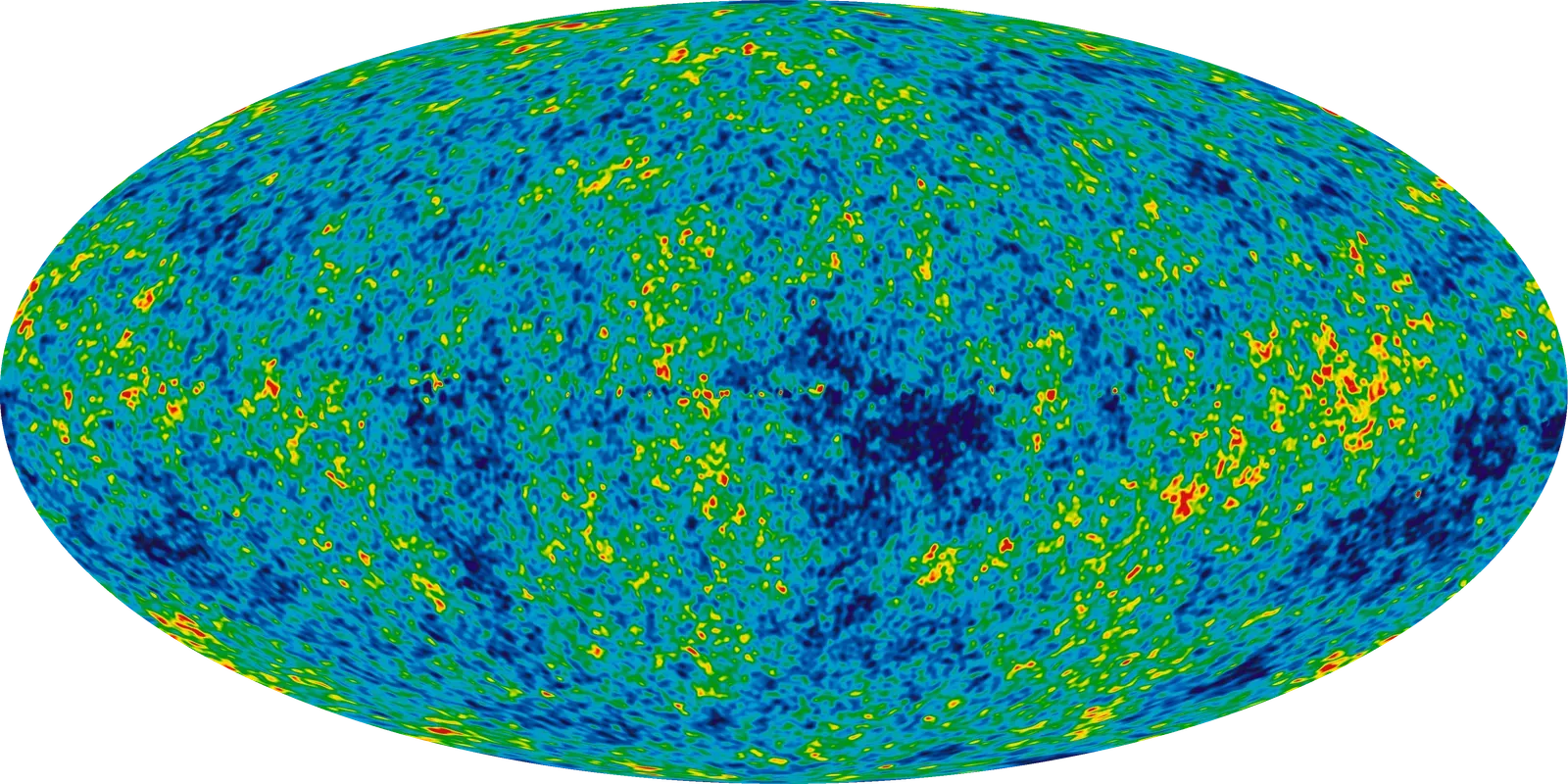
One of the surprisingly important questions in cosmology is whether space is flat, positively curved like a sphere, or negatively curved like a saddle. This isn’t just a mathematical curiosity; the geometry of the universe is tied to its total energy content and influences how it evolves. Measurements of the cosmic microwave background, along with large‑scale galaxy surveys, indicate that on the largest scales, the universe is extremely close to flat.
In earlier versions of cosmic theory, a closed, positively curved universe would almost certainly recollapse, while an open one could expand forever. Now, dark energy complicates this tidy picture. Even in a nearly flat universe like ours, the nature of dark energy becomes the decisive factor in determining the future. Flatness tells us the universe was surprisingly well‑balanced in its early moments, but it doesn’t give the final answer about how the story ends – only a boundary condition for the plot.
The Hubble Tension: A Potential Clue That Something’s Off
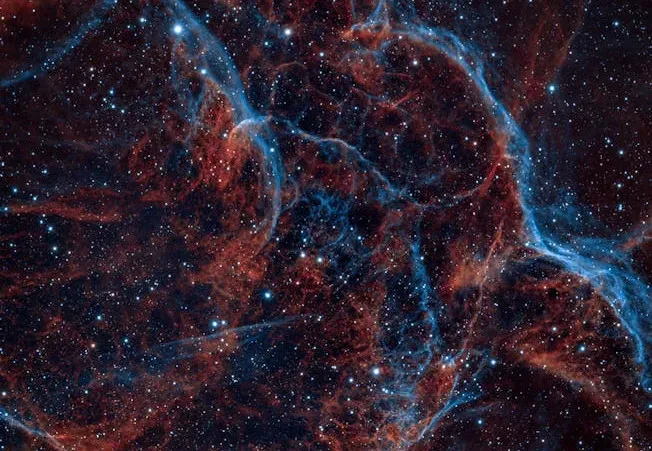
That disagreement in the Hubble constant is not just a minor technical squabble buried in dusty journals. It sits right at the crossroads between the early universe and the present one. Measurements based on the early universe, using the cosmic microwave background, tend to favor a slightly slower current expansion rate. Direct measurements using nearby stars and supernovae consistently find a faster rate. Both approaches have gone through relentless checks and refinements, but the gap stubbornly remains.
This mismatch might still turn out to be some subtle measurement bias, but many researchers are treating it as a possible sign that our standard cosmological model is incomplete. The tension could be pointing to new physics: maybe an extra type of energy or particle briefly influenced the early universe, or dark energy behaved differently in the past than it does today. If that’s true, nailing down this discrepancy might not only refine our estimate of the expansion rate but also change our expectations for the universe’s ultimate fate.
New Telescopes, New Maps, and Sharper Clues
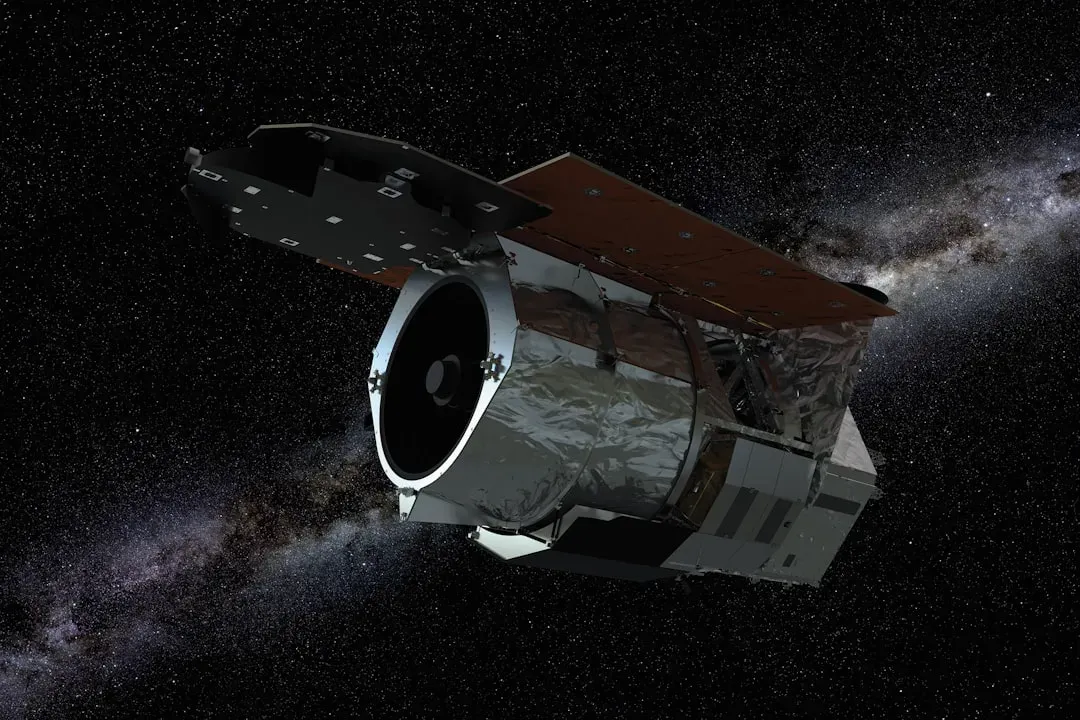
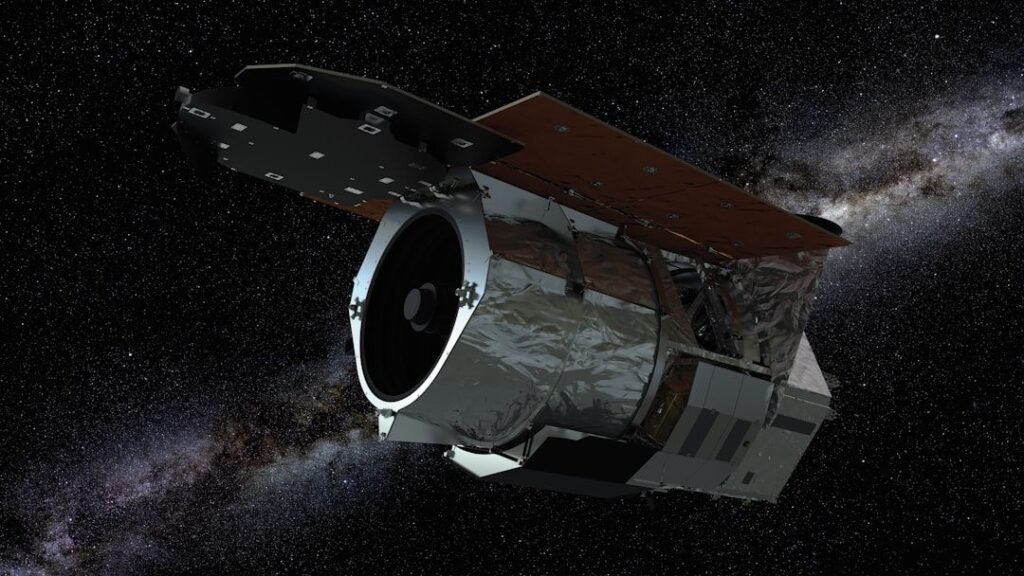
The last few years have felt like switching from a small black‑and‑white TV to an enormous high‑resolution screen when it comes to observing the cosmos. Space telescopes designed to measure tiny distortions in the shapes of galaxies, map out supernovae across billions of light‑years, and study the cosmic microwave background in even greater detail are all feeding data into our models. Each new map of galaxies and dark matter gives us another way to test how the expansion has changed over time.
On the ground, massive surveys are tracking millions of galaxies to see how they cluster and stretch as space expands, like dots on a balloon being inflated. In space, upcoming missions are tuned specifically to interrogate dark energy’s behavior: does it stay constant, or does it evolve? The better we track the expansion history, the more tightly we can lock down which future paths are realistic and which are fantasy. In a sense, we’re writing the universe’s ending by reading its past and present with greater and greater precision.
Quantum Gravity and the Possibility of Cosmic Rebirth
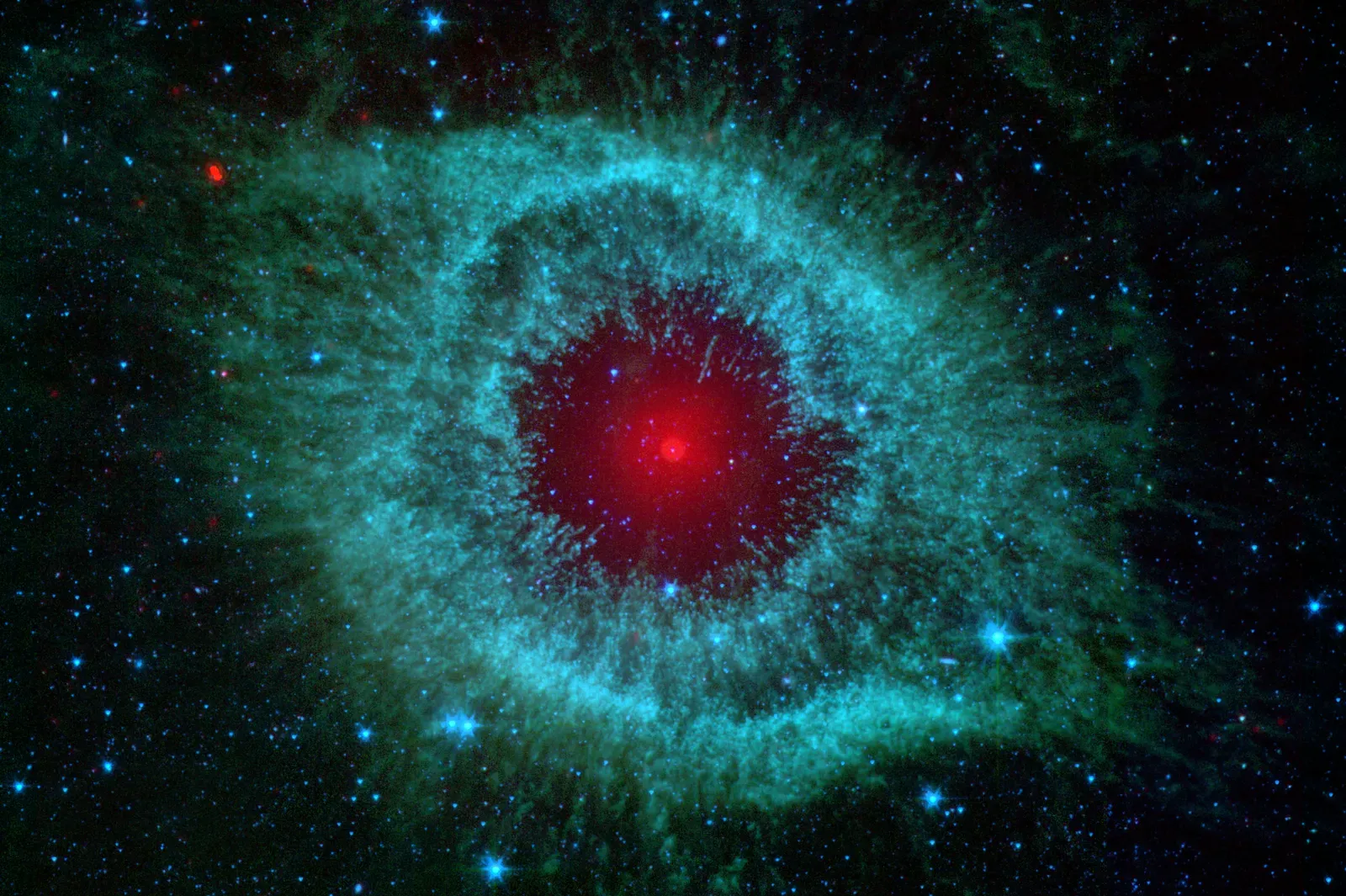
Our best theories for the very large – general relativity – and for the very small – quantum mechanics – do not play nicely together at extreme densities and energies. That mismatch becomes unavoidable when we talk about the very beginning or potential end of the universe. Some ideas in quantum gravity suggest that what we think of as a beginning or an end might actually be a transition: a bounce from a previous contracting phase, or a bridge to a different kind of space‑time entirely.
These scenarios are still speculative, but they change how we think about the universe’s fate. Instead of a final, silent fade‑out, the cosmos could cycle through expansions and contractions, or spawn new regions with different physical laws as it stretches. Right now, we don’t have direct evidence for such cosmic rebirths, but as we learn more about the expansion history and the behavior of space‑time itself, we may be forced to consider more radical endings – and new beginnings – than a simple freeze or crunch.
What the Universe’s Expansion Really Tells Us
When you strip away the technical details, measuring the universe’s expansion is really an attempt to answer a very human question: how does this story end? The acceleration we see today suggests a long, cold fade into darkness, but every new discrepancy, like the Hubble tension, is a hint that we might not have the full script yet. The expansion rate, dark energy, and the geometry of space all act like clues in a mystery novel we’re still reading.
Standing here in 2026, we don’t know whether the universe will freeze, rip, bounce, or surprise us with something no one has fully imagined. What we do know is that the way space is stretching right now is not just a background detail; it’s the key to the final chapter. The cosmos is quietly telling us how it plans to end – if we can learn to listen closely enough.