
Every so often, astronomy delivers a discovery that feels almost unsettling, as if the universe has suddenly leaned in to whisper something in our ear. The recent detection of ancient cosmic signals from far beyond our galaxy is one of those moments. These are not gentle background hums, but sharp, fleeting bursts and faint relic glows that have traveled for billions of years to reach us, carrying stories from an era when our own Sun did not yet exist.
What makes this so gripping is the timing. Over the past few years, radio telescopes, space observatories, and clever new algorithms have started to work together like a single, giant sense organ for humanity. Instead of just looking at distant galaxies as silent, glowing smudges, we’re now beginning to hear them, and sometimes, they sound a lot stranger than we expected.
Cosmic Time Capsules: What Are These Ancient Signals?
Imagine finding an old cassette tape buried in your attic that was recorded long before you were born, and as you press play, you hear the crackling voice of someone describing a world you’ve never seen. Ancient cosmic signals are like that tape, except the attic is the observable universe, and the recording was made when the cosmos was young. These signals can be bursts of radio waves, ghostly microwaves, or distortions in the fabric of space-time itself, all imprinted with information from billions of years ago.
For scientists, each signal acts as a time capsule, preserving conditions from early cosmic history. The light from distant galaxies is already old, but these new signals go even deeper, probing the first few billion years after the Big Bang. When telescopes catch them, they’re essentially catching echoes from an era when matter was clumping together, stars were newborn, and galaxies were just beginning to take shape. It’s less like looking through a window and more like eavesdropping on the universe’s private memories.
Fast Radio Bursts: Millisecond Flashes From Far Beyond
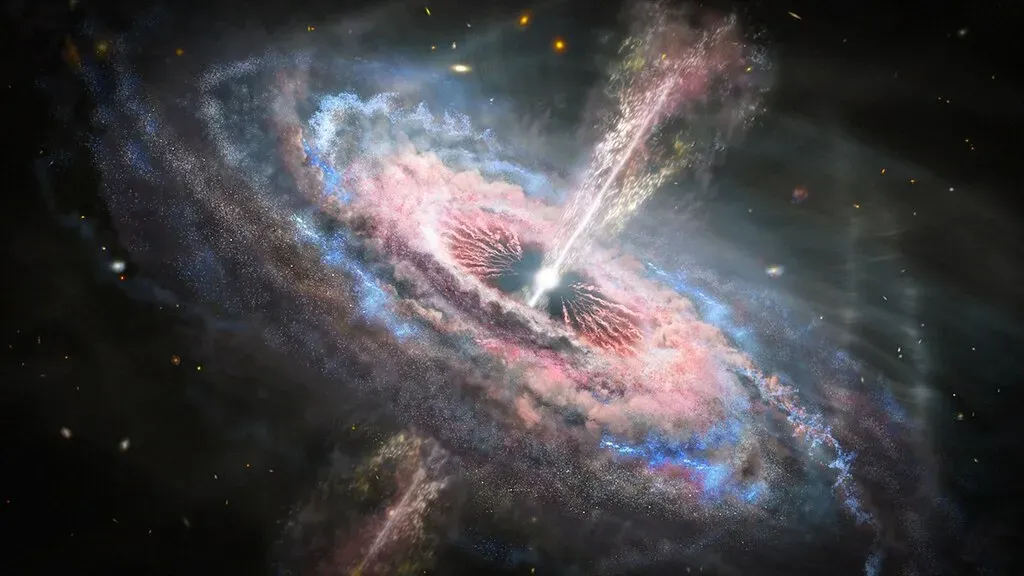
One of the most dramatic types of ancient signals is known as a fast radio burst, or FRB. These are ultra-brief, incredibly powerful flashes of radio waves that last just a fraction of a second, yet in that blink they can release more energy than our Sun emits in days. Many FRBs arrive from well beyond our Milky Way, some from billions of light-years away, meaning the burst we detect today left its source long before Earth was even a concept. That alone gives these signals an eerie, almost haunting quality.
We still don’t fully understand what causes FRBs, and that mystery makes them one of the most exciting puzzles in modern astronomy. Leading ideas include highly magnetized neutron stars, collisions of dense stellar remnants, or even exotic physics we haven’t fully grasped yet. Repeating FRBs – bursts that flare again and again from the same spot – allow scientists to track them over time and pin down their host galaxies. Each time an FRB is traced back to a distant galaxy, it’s another confirmation that the universe is far more dynamic, and occasionally violent, than the quiet night sky suggests.
The Faint Glow of the Cosmic Microwave Background
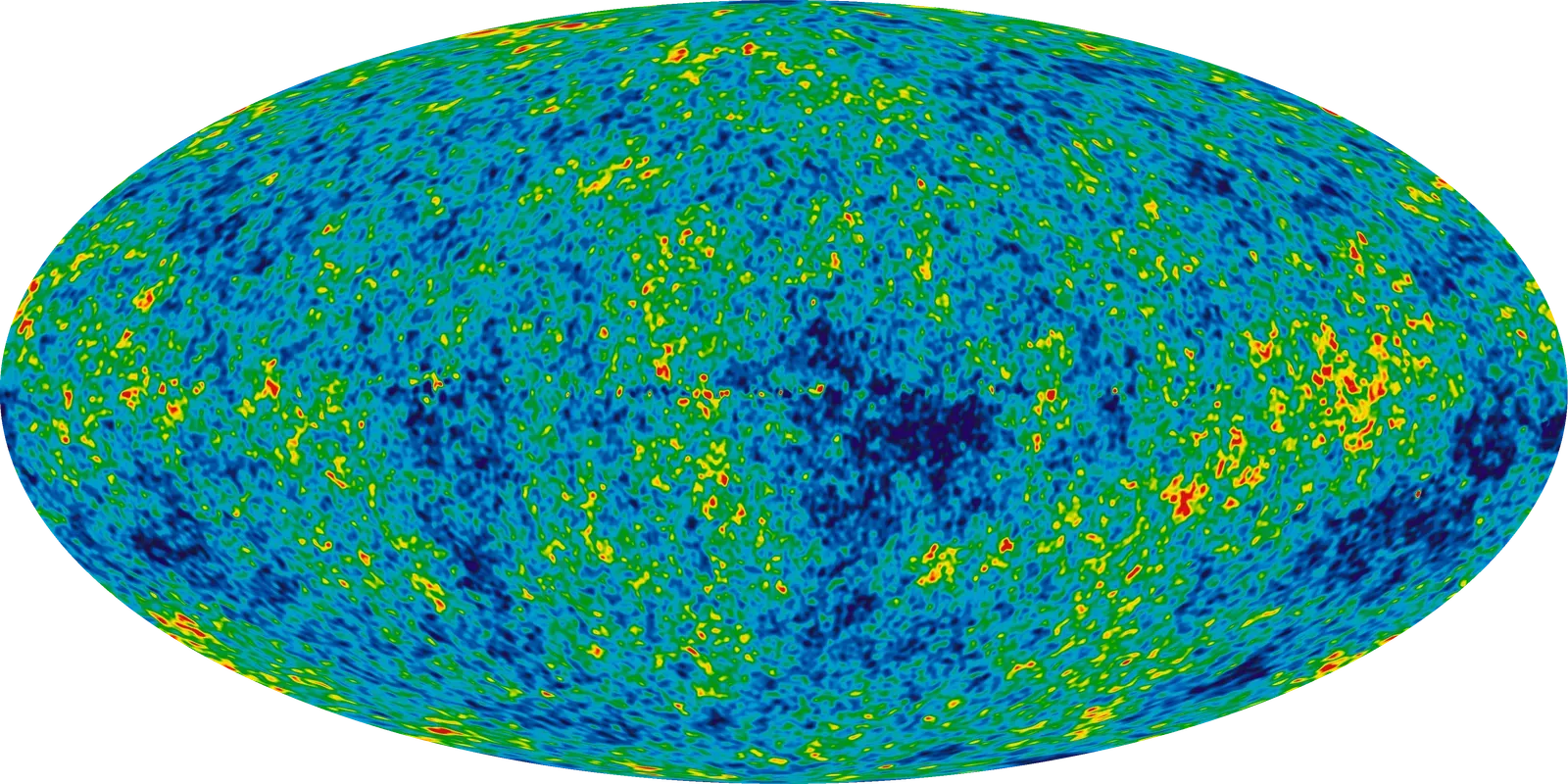
Long before astronomers were chasing fast radio bursts, they discovered another kind of cosmic echo: the cosmic microwave background, often shortened to CMB. This is an almost uniform glow of microwave radiation filling the sky, left over from a time when the universe was a hot, dense soup of particles. What we see today is the cooled remnant of that early fireball, stretched and softened by billions of years of cosmic expansion. It’s widely seen as the oldest light we can observe directly, a snapshot from when the universe was only a few hundred thousand years old.
Modern observations of the CMB with satellites and ground-based telescopes have revealed tiny temperature variations across the sky, like gentle ripples frozen into that ancient glow. Those ripples are incredibly important: they mark the seeds of galaxies, clusters, and large-scale structures that would eventually form. By studying this faint background in exquisite detail, scientists extract information about the universe’s age, composition, and shape. In a way, the CMB is the universe’s baby photo, and every improvement in our ability to read it reveals more about how everything we see today first came together.
Gravitational Waves: Ripples in Space-Time From Distant Cataclysms
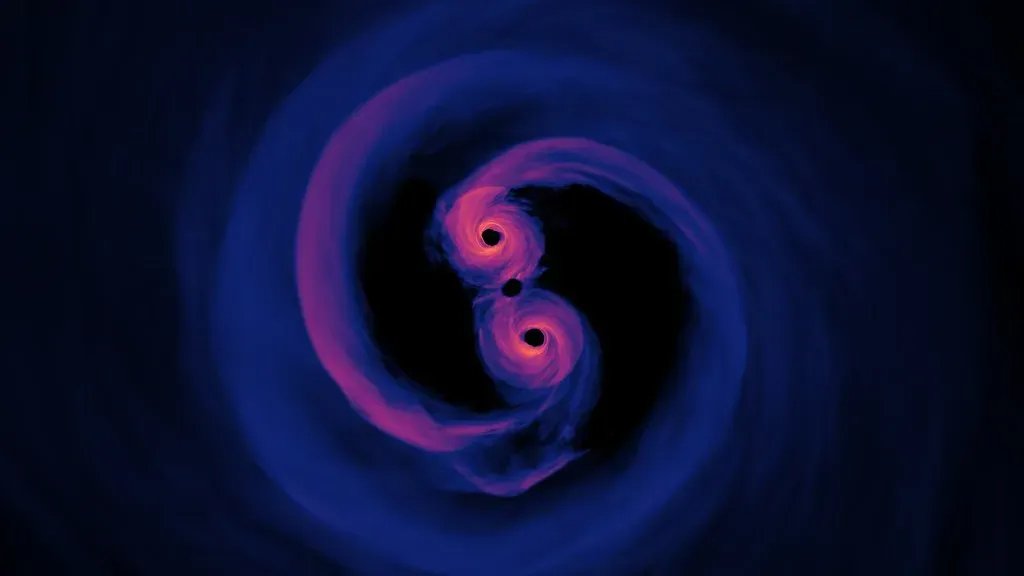
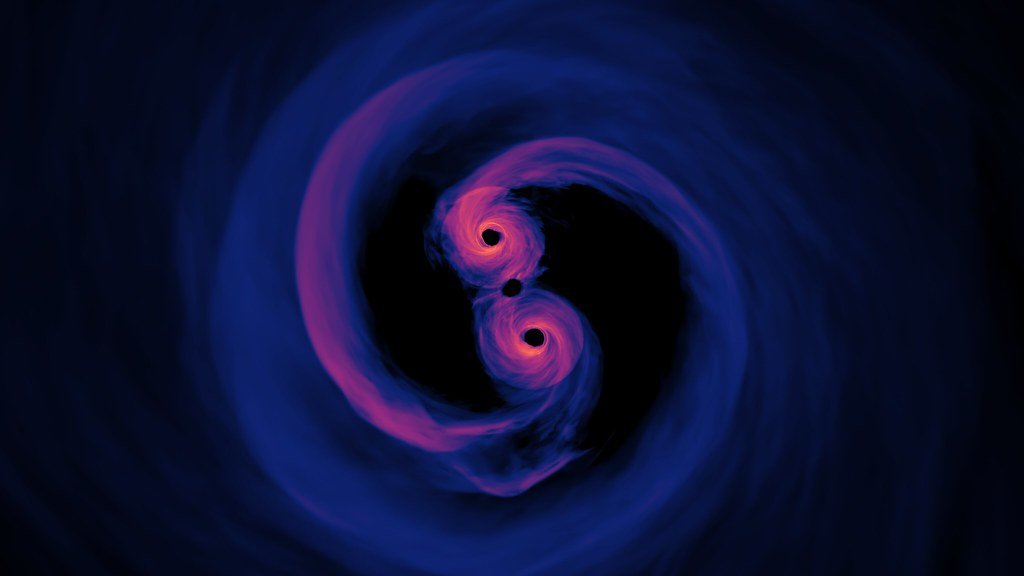
Not all ancient cosmic signals arrive as light or radio waves; some travel as ripples in the very fabric of space-time, known as gravitational waves. Detectors on Earth have now picked up waves produced by distant collisions of black holes and neutron stars, with some of those events originating in galaxies far beyond the Milky Way. These waves stretch and squeeze space itself by tiny amounts as they pass through, and it takes insanely sensitive instruments to notice them. When we do, we’re essentially feeling the aftershocks of cataclysms that happened billions of years ago.
The fascinating thing about gravitational waves is that they can travel through matter almost unhindered, carrying information from regions that light can’t escape. As detectors improve and more observatories come online, scientists expect to pick up signals from even earlier times and more distant corners of the universe. There’s growing excitement around a potential background of low-frequency gravitational waves from supermassive black holes, hinted at by pulsar timing experiments. If confirmed, that would be another layer of ancient cosmic echoes, like a deep bass note playing beneath everything else we observe.
How New Telescopes Are Tuning In to the Universe’s Echoes
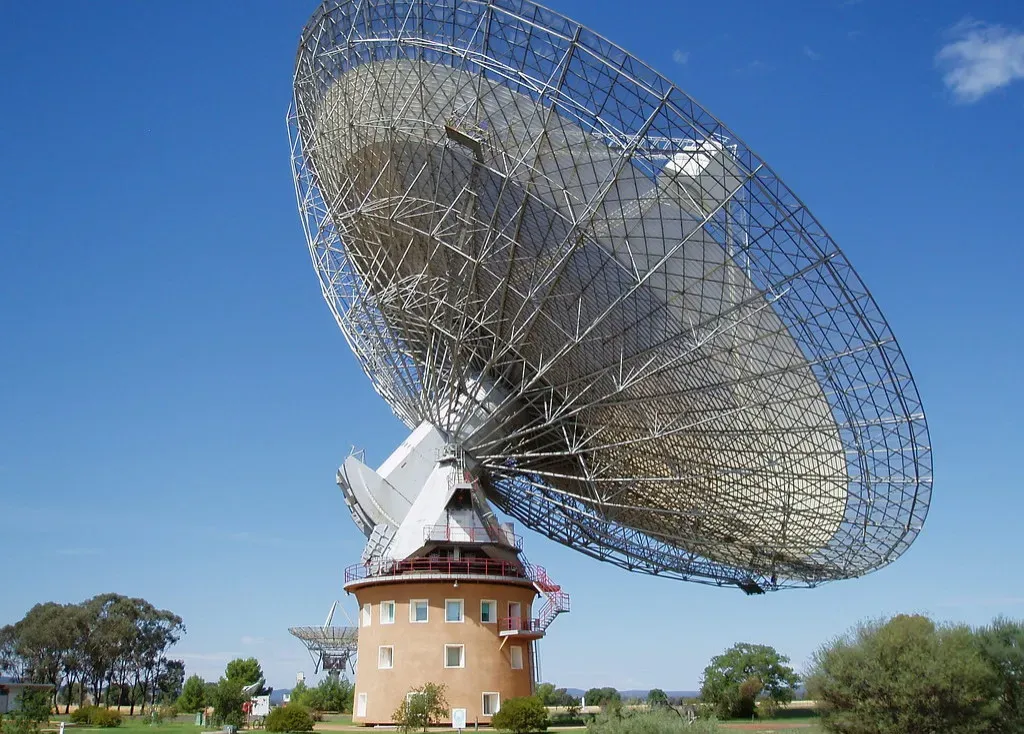
A big reason we’re suddenly hearing so many cosmic echoes is that our instruments have become dramatically better at listening. New radio telescopes, such as massive arrays spread across continents, can scan large swaths of the sky and catch ultra-brief events like FRBs in real time. Space telescopes observing in infrared and microwave wavelengths can see through dust and detect faint background signals with incredible sensitivity. Together, these tools act like a multi-band stereo system, each tuned to a different part of the cosmic spectrum.
On top of the hardware, improved software and artificial intelligence are transforming how quickly and clearly we can interpret data. Machine learning algorithms sift through staggering amounts of telescope observations, flagging unusual patterns that humans might miss, like odd, repeating bursts or extremely distant, dim galaxies. This combination of powerful sensors and smart analysis lets us detect signals that would have been completely invisible just a couple of decades ago. It feels a bit like suddenly gaining a new sense, and realizing the universe has been humming and crackling all around us the whole time.
What These Echoes Reveal About the Early Universe
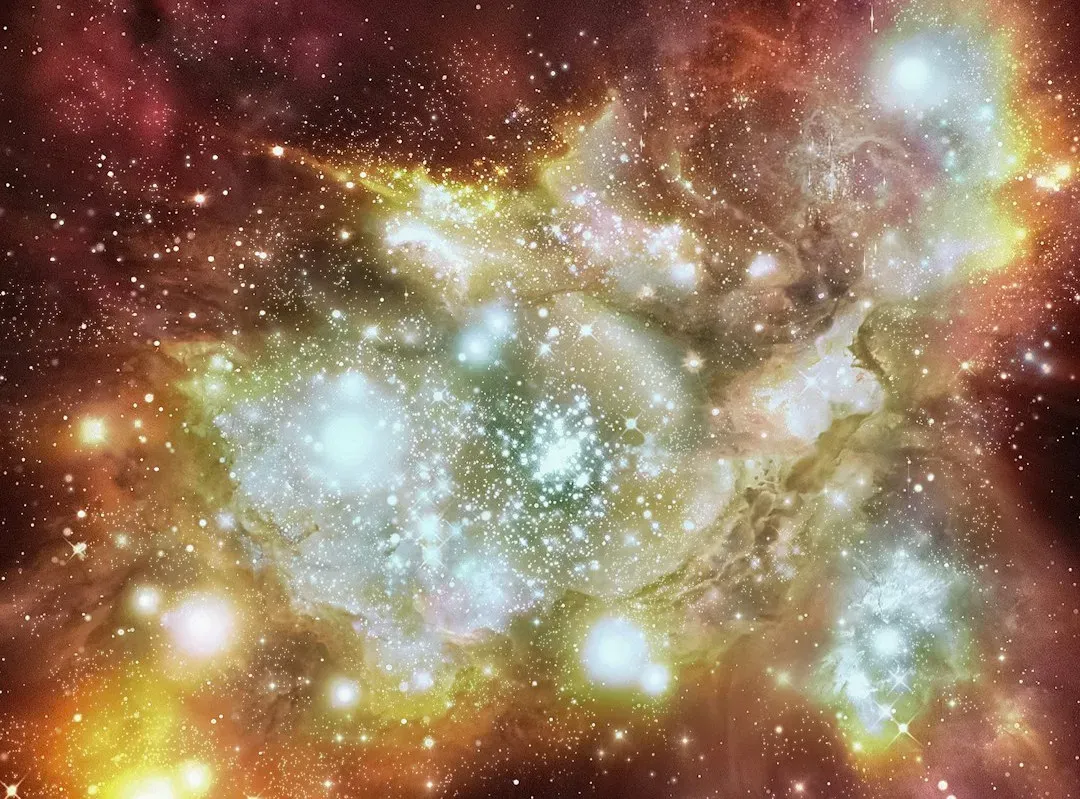
The real magic happens when scientists take these different signals – radio bursts, microwaves, gravitational waves – and compare them. Together, they paint a more complete picture of how the universe evolved from a hot, nearly uniform state into the complex web of galaxies, stars, and planets we see now. Fast radio bursts, for example, help map the diffuse gas between galaxies, because their signals get slightly delayed and distorted as they pass through it. That delay acts like a built-in probe of cosmic matter that’s otherwise hard to detect directly.
The cosmic microwave background, meanwhile, reveals the initial conditions, while gravitational waves and distant galaxy surveys show how structure grew over billions of years. By lining up these snapshots from different cosmic ages, scientists can test their models of dark matter, dark energy, and cosmic expansion. When everything lines up, it boosts confidence that we understand the big picture; when something doesn’t fit, that’s when things get truly exciting. Those mismatches can hint at new physics, or at least force a rethink of what we thought was settled.
The Big Question: Are These Signals Natural… or Something More?

Any time we talk about strange signals from beyond our galaxy, people inevitably wonder: could any of this be artificial, maybe even a sign of distant civilizations? The honest answer, based on what we know, is that every signal described here has natural explanations that fit well with the data. Fast radio bursts, for instance, show properties that match extreme astrophysical environments, and they don’t carry the kind of structured, repeated patterns we might expect from a deliberate transmission. The cosmic microwave background and gravitational waves also emerge directly from well-tested physical theories.
That said, it’s hard not to feel a little jolt of curiosity when we detect something we can’t immediately explain. I remember following one particularly odd FRB discovery and feeling that tiny, irrational hope that it might be something wildly unexpected. In the end, science demands caution and evidence, not wishful thinking, so the working assumption stays firmly on natural causes. But that underlying question – are we alone, and could the universe’s echoes ever include something intentionally sent – still hangs in the background. It’s part of what keeps so many people, scientists and non-scientists alike, glued to every new discovery.
Listening to a Louder, Older Universe

Step back for a moment, and it’s striking how much louder the universe has become in just a couple of decades, not because it changed, but because we finally built ears sharp enough to hear it. Ancient cosmic signals – bursts, glows, and ripples from well beyond our galaxy – have turned the night sky from a silent backdrop into a rich, layered soundscape of events long past. Each new detection tightens our grasp on how the cosmos grew from a hot, young chaos into the vast, structured expanse we inhabit today. At the same time, those signals remind us just how small and late-arriving we are in this story.
There’s something surprisingly personal in the idea that particles, waves, and distortions that left their sources billions of years ago are only now arriving at our detectors, just as our species reaches the technical maturity to notice them. It feels like stumbling into a cosmic conversation that has been going on forever, and only just realizing the room is not as quiet as it once seemed. As instruments improve and more subtle echoes come into focus, we’re likely to uncover phenomena we haven’t even imagined yet. How many more kinds of ancient signals are still washing over us, unnoticed, waiting for us to finally tune in?