
Try to imagine everything you’ve ever known, every star you’ve ever seen, every galaxy you’ve ever heard of, crushed into something smaller than a grain of dust. That idea feels almost impossible to grasp, and yet that’s where modern cosmology says our universe began. The story of the universe’s earliest moments is wild, counterintuitive, and honestly a little unsettling, but it’s also one of the most beautiful detective stories science has ever put together.
Physicists can’t replay the beginning of time in a lab, but they’ve stitched together a timeline from clues: faint microwaves left over from the Big Bang, the way galaxies move, and the mix of elements around us today. The further back they look, the stranger things get: space stretching faster than light, particles popping in and out of existence, and temperatures so high that “solid,” “liquid,” and even “atom” meant nothing. Let’s walk through the first tiny slivers of a second and see what scientists think actually happened.
The Big Bang: Not an Explosion in Space, but an Expansion of Space
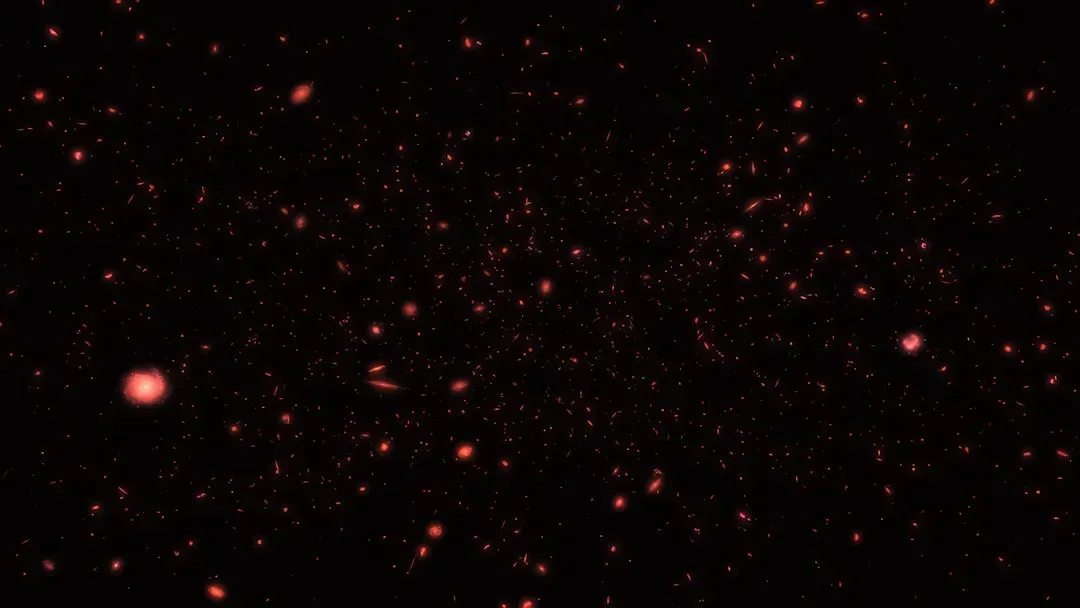
The first big misunderstanding to clear up is that the Big Bang wasn’t a bomb going off in the middle of empty space. There was no “middle” and no “outside” at all. Instead, space itself began expanding everywhere at once, carrying matter and energy along with it like spots on a balloon that’s being blown up. From what scientists can tell, our universe began in an incredibly hot, dense state around 13 and a half billion years ago, with temperatures and densities so extreme that our normal ideas of matter simply break down.
In that first instant, talking about “before” the Big Bang may not even make sense, because time itself is tied to the universe’s existence. General relativity, the theory that explains gravity as the bending of space and time, predicts that if you rewind the universe far enough, you hit a point where our current math stops working. Rather than treating that as a literal point of infinite everything, most physicists now see it as a sign that a deeper theory – one that includes quantum mechanics and gravity together – has to take over at the very beginning.
Inflation: The Fraction‑of‑a‑Second Growth Spurt
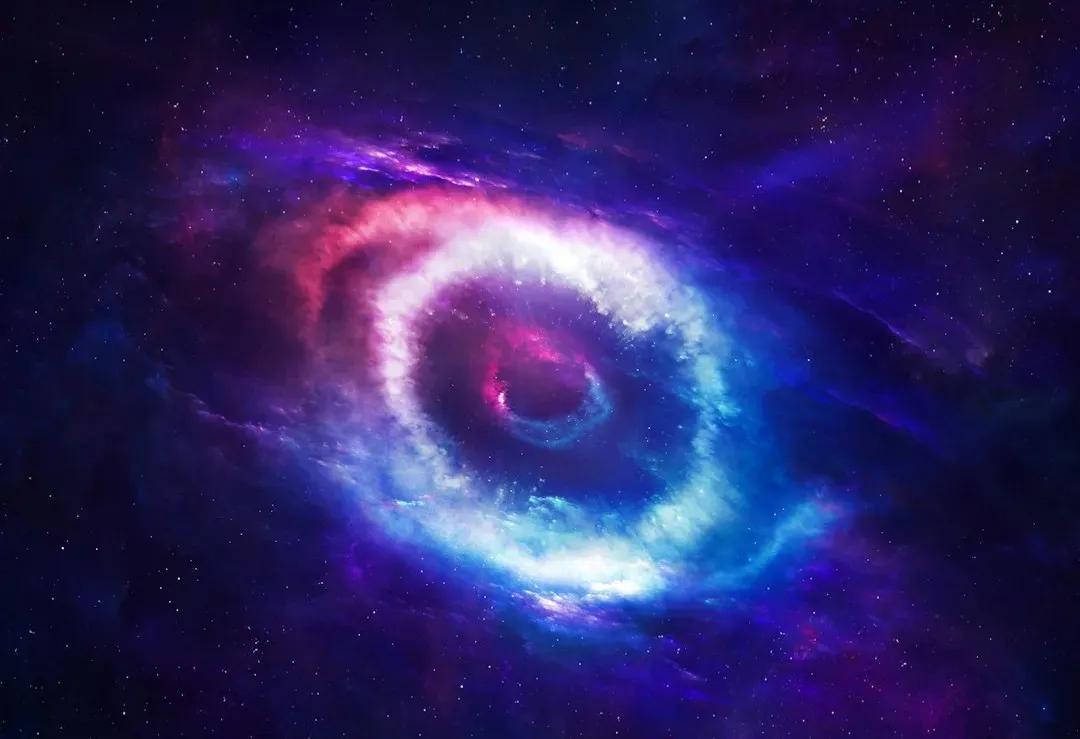
One of the strangest ideas in early‑universe physics is inflation: a period when the universe is thought to have expanded faster than anything we can directly imagine. According to this picture, in a tiny fraction of a second after the Big Bang, the size of the observable universe ballooned from subatomic scales to something cosmic. This doesn’t break the cosmic speed limit because nothing moved through space faster than light; instead, space itself stretched at a furious pace. It’s like drawing dots on a rubber band and then snapping it outward in an instant.
Inflation helps explain a few otherwise puzzling facts. The universe looks surprisingly smooth and uniform on large scales, as if distant regions somehow agreed on their conditions even though light hasn’t had time to travel between them. Inflation solves that by saying those regions were once close together, then rapidly stretched apart. It also helps explain why space appears so close to “flat,” meaning parallel lines in the universe stay parallel over huge distances. Tiny quantum jitters during inflation likely became the seeds for galaxies – tiny wrinkles in density that gravity later amplified into the cosmic web we see today.
The First Fractions of a Second: A Sea of Pure Energy
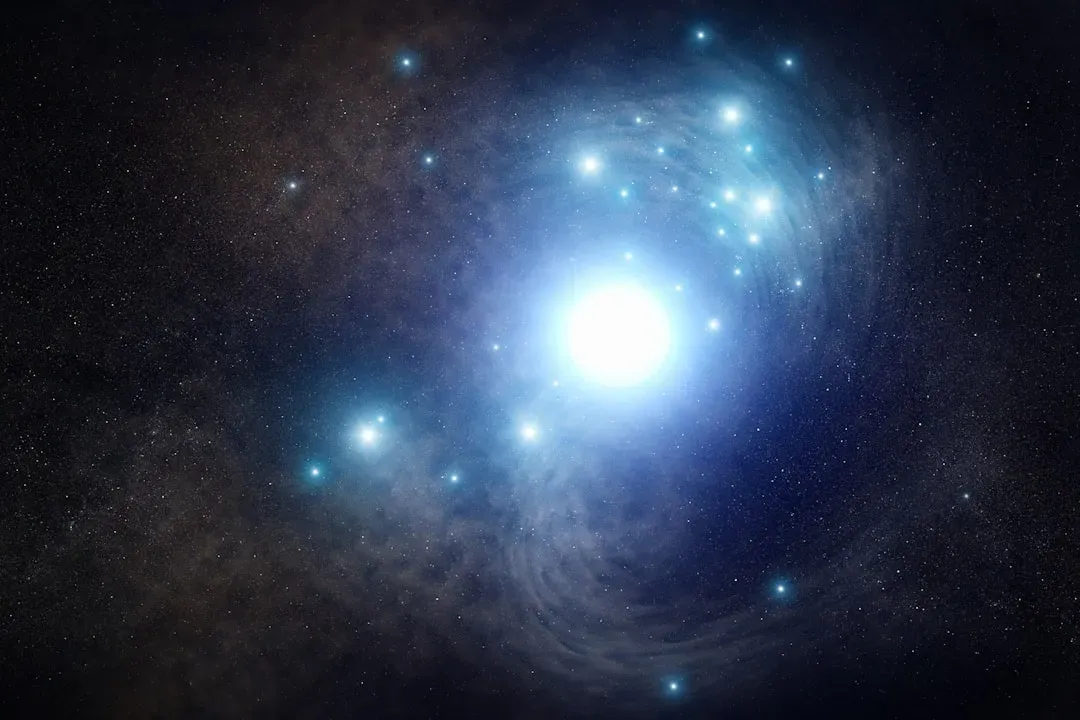
Right after inflation ended, the energy that drove that sudden expansion is thought to have dumped into the universe as an unimaginably hot, dense soup. Temperatures were so high that speaking about distinct particles like protons and neutrons is almost meaningless in those earliest instants. Instead, everything existed as a kind of raw energy, with particles and antiparticles constantly popping into existence and annihilating each other. Space was more like a churning, glowing ocean than the quiet blackness we see now.
In that early plasma, forces that now seem very different may have been unified. At high enough energies, physicists suspect that the electromagnetic force and the weak nuclear force merged into a single “electroweak” force. Go even further back and some theories suggest all the fundamental forces could have emerged from one deeper interaction. As the universe expanded and cooled, this early symmetry broke, and the forces split apart like ice forming different cracks as it solidifies. We’re still trying to pin down details of this era using particle accelerators, which recreate tiny, brief snapshots of those extreme conditions.
The Birth of Matter: Why Something Exists Instead of Nothing
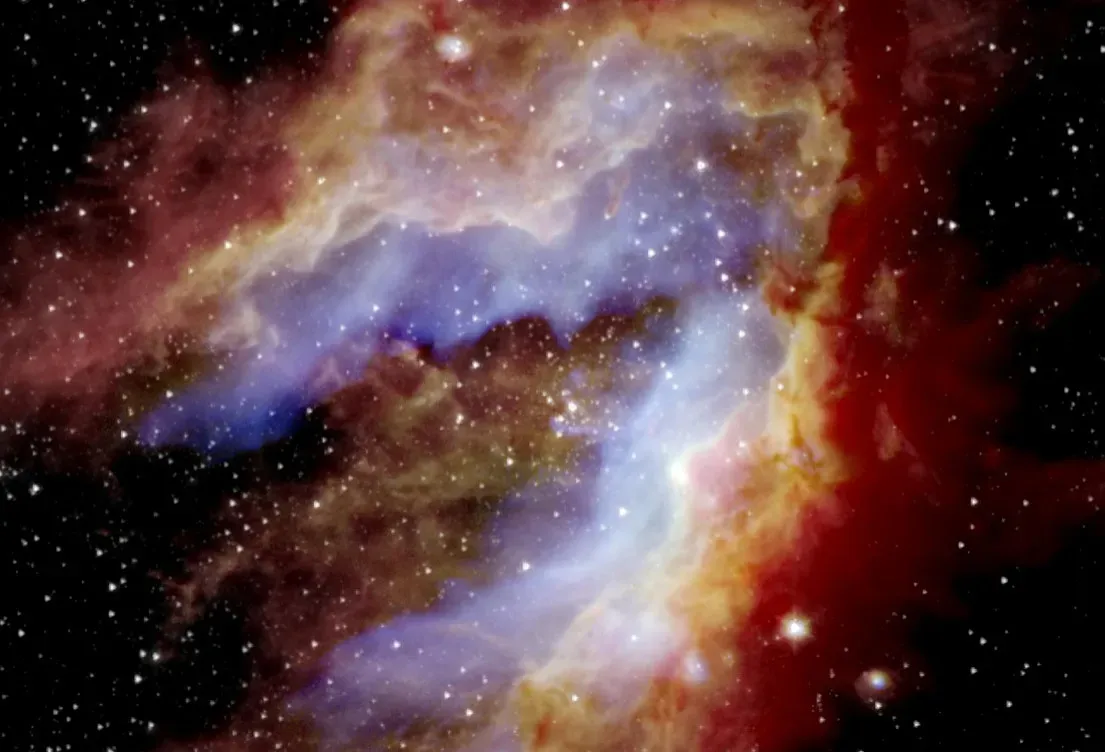
One of the most haunting questions in cosmology is why there’s anything at all. In the early universe, matter and antimatter should have been created in almost equal amounts. When they meet, they annihilate, turning back into pure energy. If everything had balanced perfectly, the universe would be a featureless bath of radiation, with no stars, planets, or people. Yet clearly, matter won by a sliver. That slight imbalance is the reason we exist.
Physicists think that some subtle processes tipped the scales in favor of matter over antimatter in those early moments. These processes must have treated matter and antimatter just a little differently, violating what would otherwise be a perfect symmetry. We’ve seen hints of such asymmetries in experiments with elementary particles, but they’re not yet enough to fully explain the cosmic surplus of matter. This mystery, often called the matter–antimatter asymmetry, is one of the big open questions, hanging like an unfinished chapter in the universe’s origin story.
The Quark–Gluon Plasma: A Universe Too Hot for Atoms
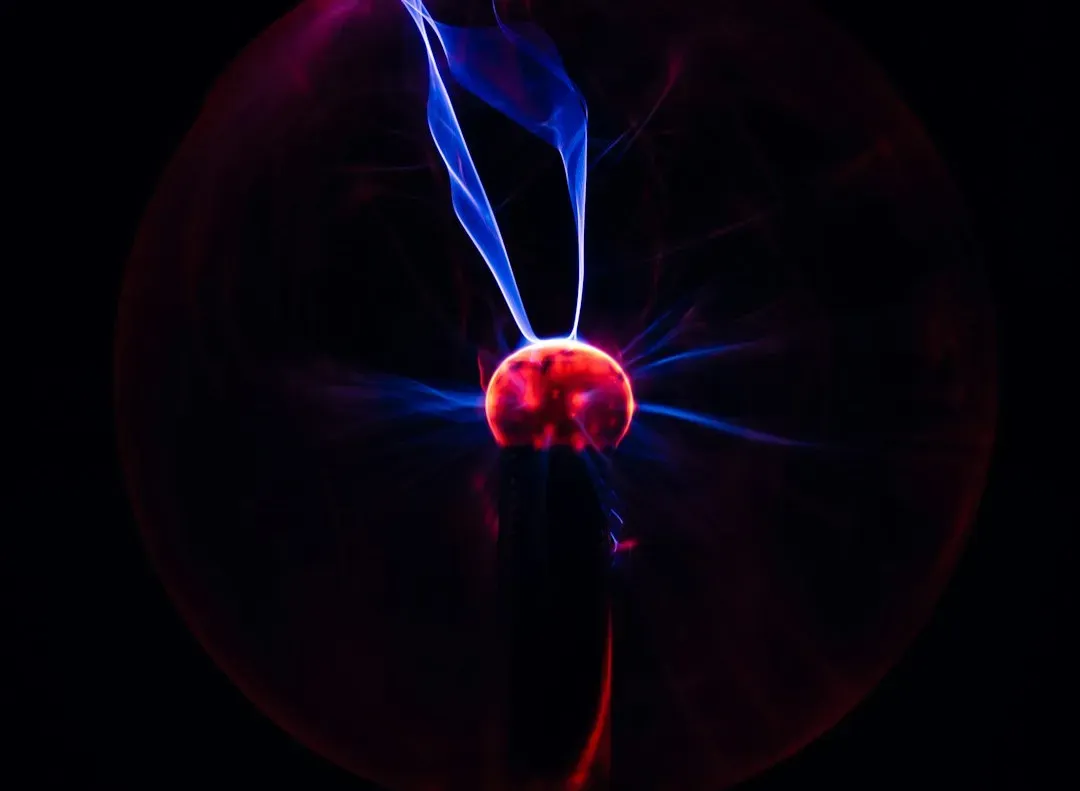
As the universe continued to cool, it entered a phase where quarks and gluons – the fundamental building blocks of protons and neutrons – roamed freely in a dense, fiery plasma. Imagine a hot, swirling soup where the ingredients that normally get locked into particles we recognize are instead darting around on their own. This quark–gluon plasma was so dense that light could barely travel; the idea of a clear, transparent universe was still far in the future.
Within a tiny fraction of a second, cooling allowed quarks to bind together into protons and neutrons, held by gluons like rubber bands that refuse to let go. That transition shaped the basic inventory of matter that would later form everything from stars to smartphones. Modern particle colliders, especially heavy‑ion experiments, have actually created microdroplets of quark–gluon plasma for unimaginably short moments, giving scientists a rare experimental window into the conditions of the early universe. Those experiments suggest this plasma behaves more like a near‑perfect liquid than a gas, flowing with almost no internal friction.
Forging the First Elements: The First Few Minutes
Within the first few minutes, the universe had cooled enough for protons and neutrons to stick together and form the lightest atomic nuclei. This period, called primordial nucleosynthesis, acted like a brief, frantic factory run. In those moments, most of the ordinary matter transformed into hydrogen nuclei, some into helium, and a small trace into other light elements like lithium. The mix that emerged is surprisingly specific, like a recipe with very exact proportions.
Decades later, astronomers measured the abundances of these light elements in ancient gas clouds and old stars, and found that they matched the predictions of Big Bang nucleosynthesis with remarkable accuracy. That agreement is one of the strongest reasons scientists are confident in the broad outline of the early‑universe story. If the universe had expanded or cooled much differently, the resulting elemental recipe would not match what we observe today. In a sense, every breath you take – mostly hydrogen, some helium – is a quiet confirmation of what happened in those first few minutes of cosmic time.
Recombination and the First Light We Can Still See
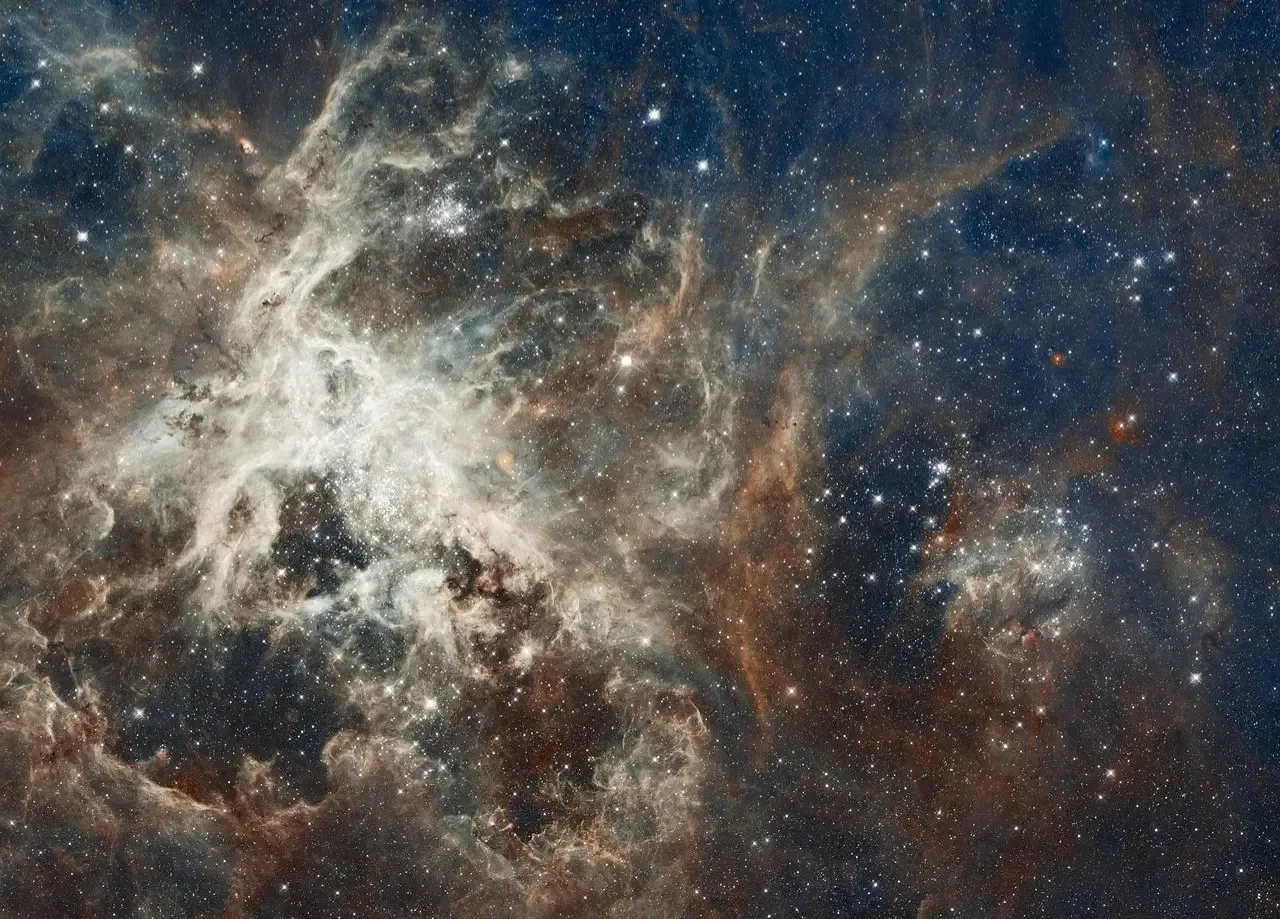
For hundreds of thousands of years after those first minutes, the universe was still a hot, foggy plasma of charged particles and radiation. Photons, the particles of light, couldn’t travel very far without bouncing off free electrons, so space was effectively opaque. As the expansion went on, temperatures dropped until protons and electrons could combine to form neutral hydrogen atoms. This moment, often called recombination, transformed the universe from a glowing fog into a transparent cosmos where light could finally stream freely.
The glow from that era is still around us today as the cosmic microwave background, a faint bath of microwave radiation filling all of space. Sensitive telescopes have mapped tiny temperature variations in this background light, which reflect small density differences in the early universe. Those tiny variations, just slight ripples in an otherwise smooth sea, eventually grew under gravity into galaxies, clusters, and the vast cosmic web. Looking at the cosmic microwave background is a bit like seeing the baby picture of the universe, frozen when it was only a few hundred thousand years old.
From Quantum Ripples to Galaxies and Stars
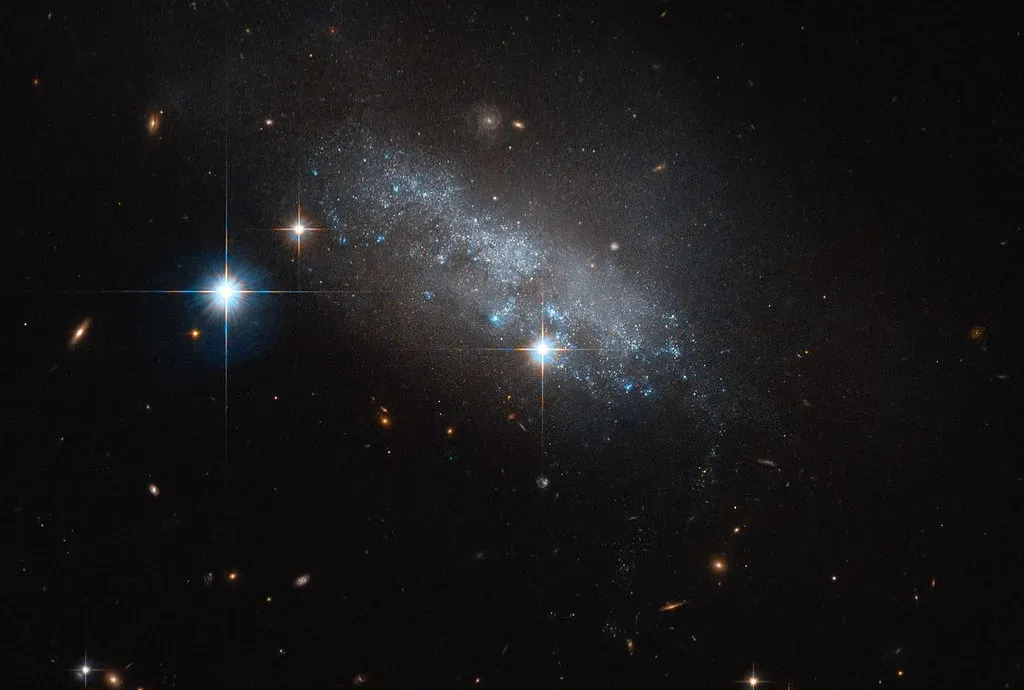
The earliest moments left behind minuscule irregularities – quantum fluctuations stretched across cosmic scales during inflation. Over millions and then billions of years, gravity amplified these tiny differences in density. Regions that were slightly denser pulled in more matter, becoming even denser, while emptier regions became vast cosmic voids. It’s similar to how small bumps in dough grow more pronounced as the bread rises, eventually turning into hills and valleys.
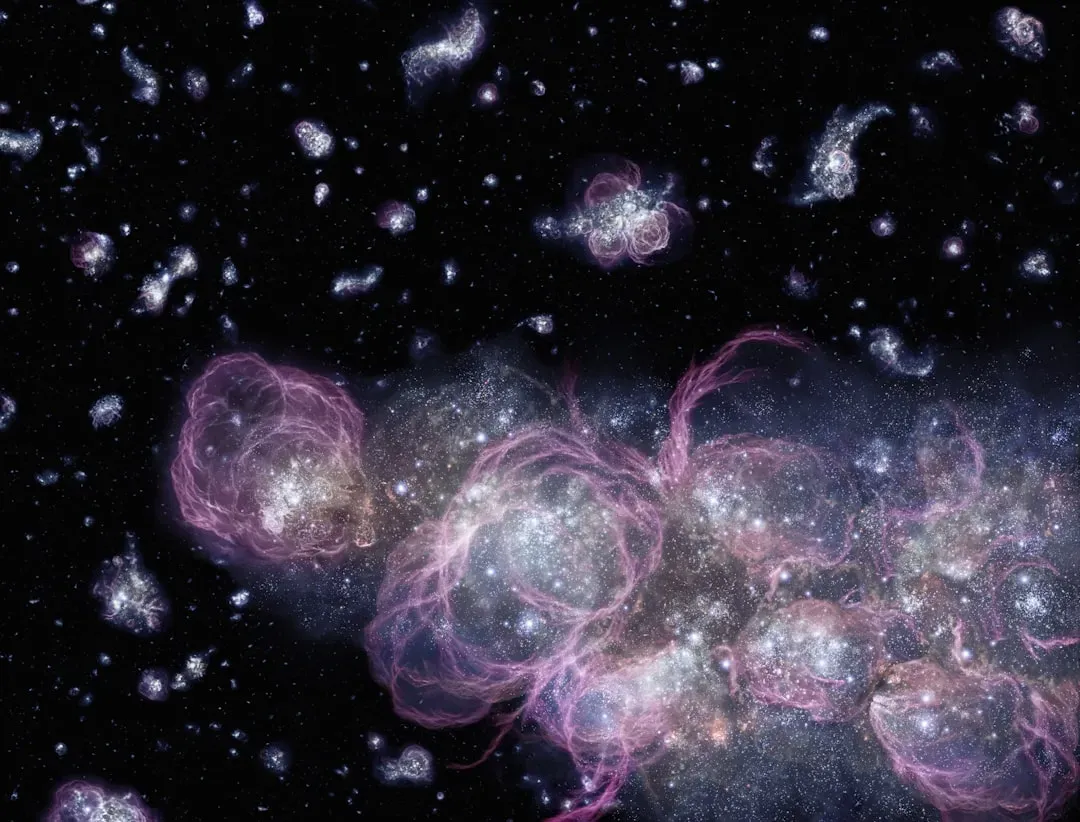
Those over‑dense regions eventually collapsed into the first stars and galaxies. The first stars were likely massive, short‑lived monsters that burned bright and died young, seeding the universe with heavier elements that later formed planets and, much later, life. Galaxies assembled through mergers and slow accretion, building up the complex structures we see in deep‑space images today. When we look at the night sky, we’re seeing the long‑term outcome of tiny quantum jitters in the universe’s first moments, stretched across eons into something haunting and beautiful.
How Close Are We to Truly Understanding the Beginning?

Scientists have pieced together a surprisingly coherent story of the universe’s earliest moments, from a hot, dense beginning through inflation, plasma, and the first atoms to the birth of stars and galaxies. The evidence comes from many angles – the cosmic microwave background, the mix of light elements, particle physics experiments, and the large‑scale structure of the universe. Together, they paint a picture that is not just elegant, but also testable and repeatedly confirmed in broad strokes. It’s not just a wild guess; it’s a framework that keeps surviving new observations.
Yet there are still big, unsettling gaps: we don’t fully understand what drove inflation, why matter won over antimatter, or what really happens at the very first instant when quantum mechanics and gravity collide. In that sense, the earliest fraction of a second remains partly hidden behind a curtain our current theories can’t quite pull back. The next breakthroughs may come from more sensitive telescopes, more powerful colliders, or entirely new ideas that rewrite parts of the story. For now, the universe has given us just enough clues to see how extraordinary its opening act really was – and just enough mystery to keep us wondering what we’re still missing.