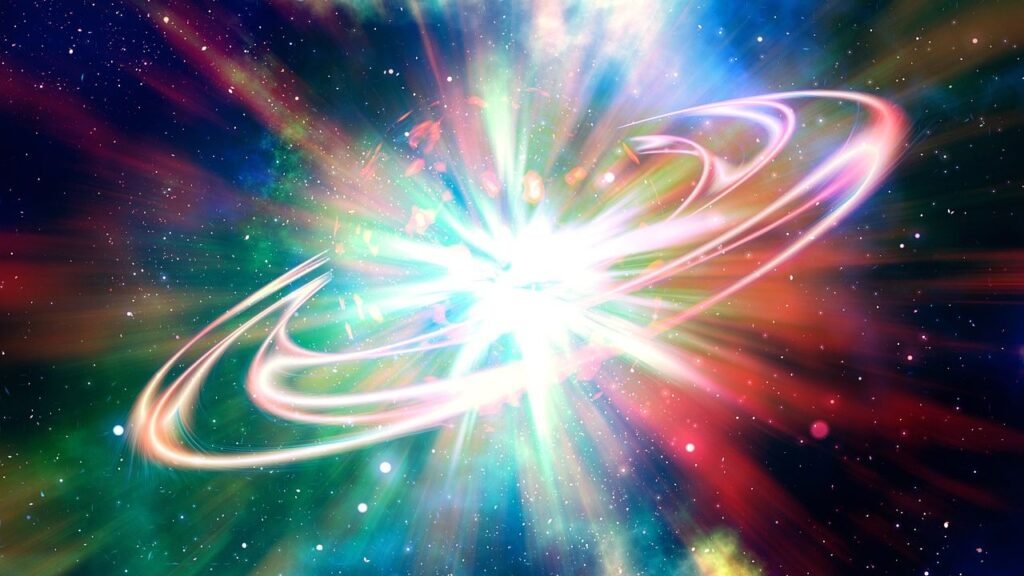

There are places in nature so violent, so unimaginably energetic, that even our most powerful physics equations simply break down trying to describe them. The birth of the universe is one of those places. We’re not talking about something slightly extreme, like the center of a star or the edge of a black hole. We’re talking about conditions so far beyond anything your brain can anchor to a reference point that the word “extreme” honestly feels inadequate.
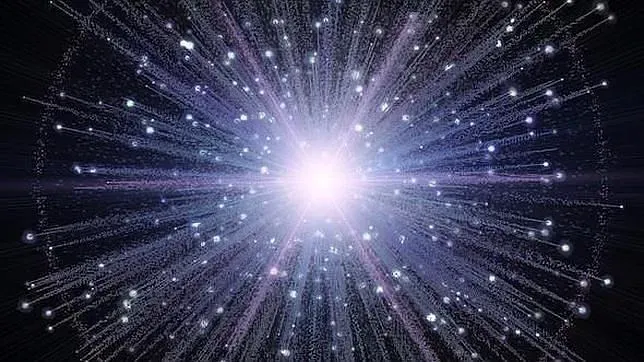
About 13.8 billion years ago, the Big Bang gave rise to everything, everywhere, and everywhen – the entire known universe. What followed was a chain of cosmic events so violent, so impossibly brief, and so profoundly consequential that they shaped every atom in your body, every galaxy in the sky, and the very fabric of space and time itself. Let’s dive in.
The Planck Epoch: Where Physics Goes Silent
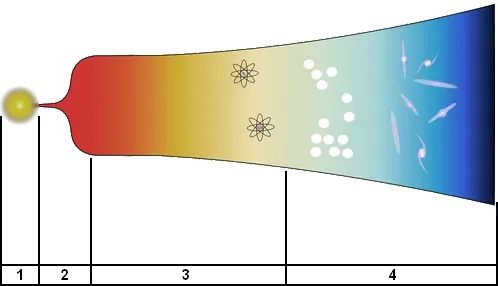
You want to talk about extreme? Here’s the thing. The Planck epoch is the earliest period of time in the history of the universe, spanning from zero to approximately 10 to the power of negative 43 seconds. That number is so impossibly small it makes a billionth of a second feel like a lazy Sunday afternoon. Honestly, it’s the kind of number you look at and your brain just quietly gives up.
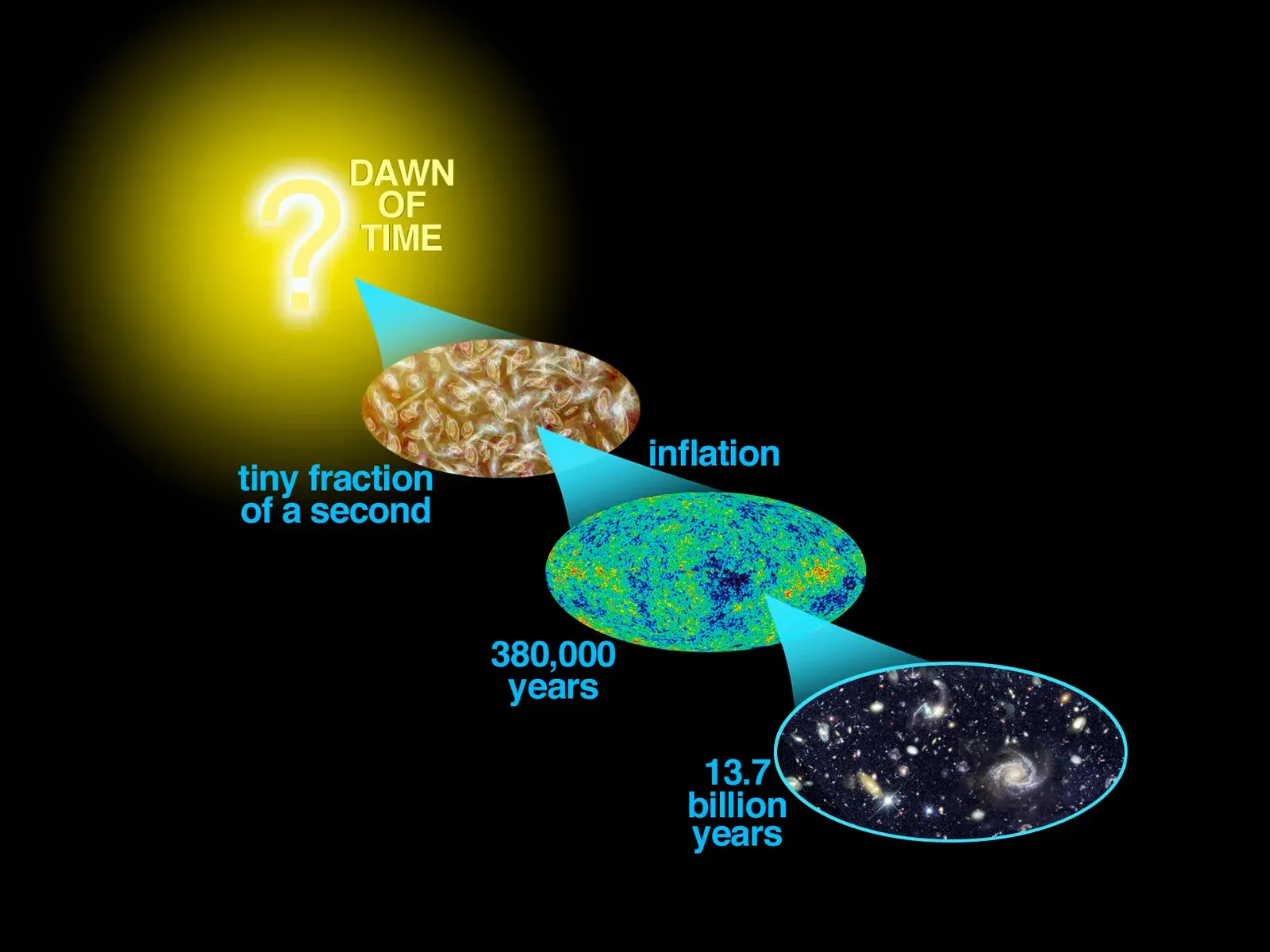
During the Planck epoch, the temperature and average energies within the universe were so high that even subatomic particles could not form, and even the four fundamental forces that shape our universe were combined into one unified fundamental force. Describing the universe during the Planck epoch requires a theory of quantum gravity that would explain both quantum effects and general relativity in their respective domains of applicability. Such a theory does not yet exist. So, to be blunt: we literally cannot describe this moment with any physics we currently have.
Why Our Best Laws of Physics Simply Break Down
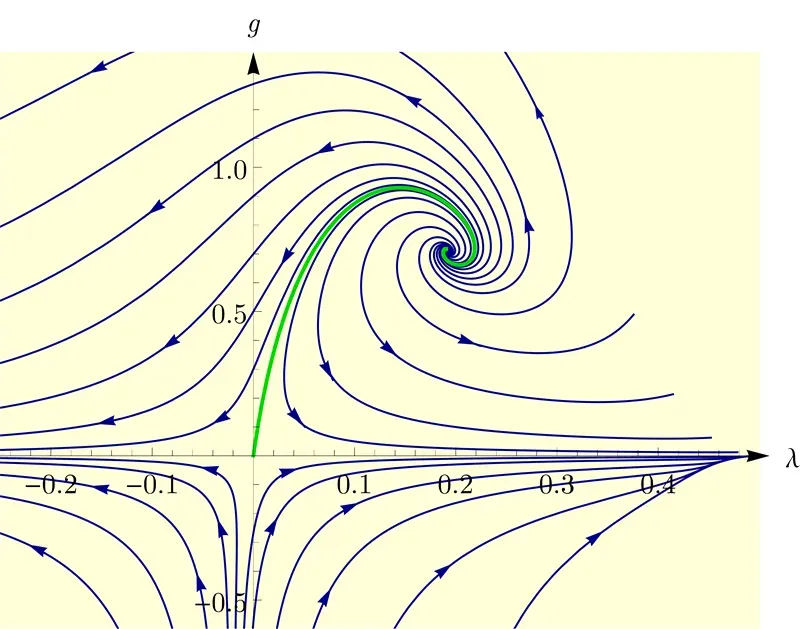
The reason our descriptions of time and space break down near the Planck era is that the gravitational field at this time was so distorted and turbulent with its own quantum fluctuations, it is impossible to define a clock to measure time or a ruler to measure length. Think about that for a moment. You cannot even measure time. It’s like trying to find the edges of an ocean with no coastline.
Existing theories of physics cannot tell us about the moment of the Big Bang. Extrapolation of the expansion of the universe backwards in time using only classical general relativity yields a gravitational singularity with infinite density and temperature at a finite time in the past. However, this singularity is considered a breakdown of the current theoretical models, not a physically meaningful description of the universe’s origin. So the singularity isn’t necessarily a real “thing.” It’s more like a sign your calculator has hit its limit.
Cosmic Inflation: The Most Explosive Growth Ever Recorded
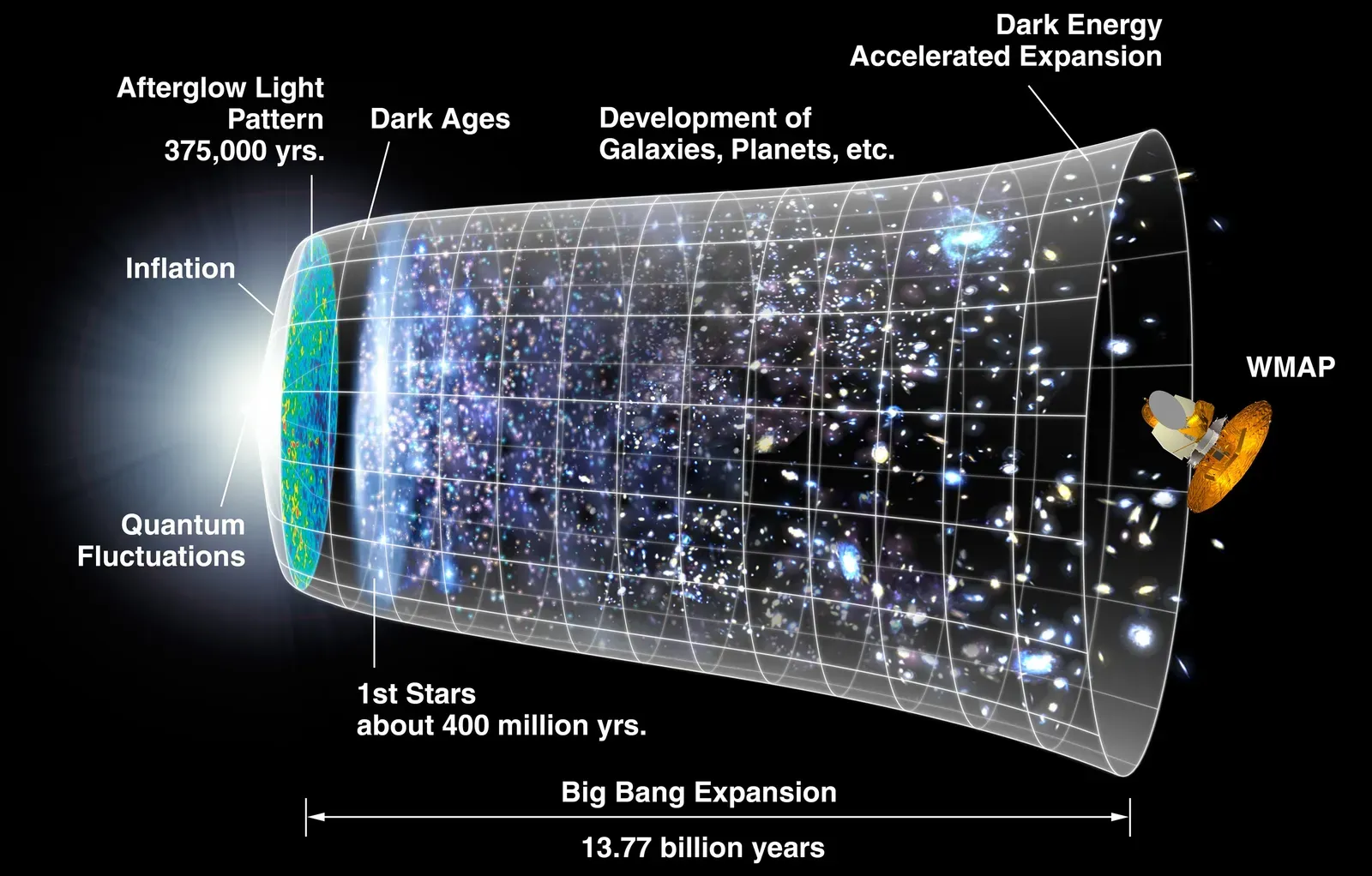
Right after that incomprehensible Planck moment came something almost equally mind-blowing. In a billionth of a trillionth of a trillionth of a second, the universe grew by a factor of 10 to the power of 26, comparable to a single bacterium expanding to the size of the Milky Way. I know it sounds crazy, but that actually happened. Or at least, that’s what the evidence strongly suggests.
Inflation is believed to have occurred at an extreme energy scale, about a hundred billion times larger than the energies probed by particle collisions at the Large Hadron Collider in Geneva, Switzerland. In the inflationary scenario, vacuum energy, not ordinary matter, dominated the energy density of the universe during the first moments of the Big Bang. This vacuum energy drove a rapid expansion of the universe, which homogenized it by stretching a microscopic patch to a size much larger than our visible universe. The universe essentially inflated like the world’s most catastrophically fast-growing balloon.
The Forces of Nature Separate, One by One
As the universe expanded and cooled, something extraordinary began to happen. The forces that had existed as one began to peel apart, like layers of an onion unraveling in reverse. As the universe cooled, the four fundamental forces in nature emerged: gravity, the strong force, the weak force, and the electromagnetic force. Each separation was a kind of cosmic phase transition, not unlike water freezing into ice, but on a scale that redefined reality.
The first force to separate was likely gravity, followed by electroweak unification, the merging of electromagnetic and weak nuclear forces into a single electroweak force at high energies. After electroweak symmetry breaking, the fundamental interactions we know, including gravitation, electromagnetic, weak and strong interactions, all took their present forms, and fundamental particles had their expected masses. This cascade of separations set up the rules that govern every interaction in the physical world you experience today.
The Quark Soup: A Universe Made of Free Quarks
One second after the Big Bang, things had cooled just enough for something new to take shape. One second after the Big Bang, the universe was made up of fundamental particles including quarks, electrons, photons, and neutrinos. Still, for a brief but spectacular window, quarks roamed free in a hot, dense plasma unlike anything that exists in nature today. After cosmic inflation ended, the universe was filled with a hot quark-gluon plasma, the remains of reheating.
Think of it like a soup where the ingredients have not yet decided to stick together. As the universe cooled, conditions became just right to give rise to the building blocks of matter, the quarks and electrons of which we are all made. A few millionths of a second later, quarks aggregated to produce protons and neutrons. This was the moment when the raw ingredients of every atom in existence were assembled for the very first time.
The Matter-Antimatter Mystery That Should Have Ended Everything
Here is one of the deepest, most unsettling puzzles in all of cosmology. It is generally assumed that when the universe was young and very hot it was in statistical equilibrium and contained equal numbers of baryons and antibaryons. Both matter and antimatter were much more abundant than today, with a tiny asymmetry of only one part in 10 billion. The matter and antimatter collided and annihilated, leaving only the residual amount of matter. That residual leftover? That’s everything you see. Every star, every planet, every person.
It is not yet understood why the universe has more matter than antimatter. Baryogenesis is the physical process that is hypothesized to have taken place during the early universe to produce baryonic asymmetry, the observation that only matter and not antimatter is detected in the universe. Without this tiny, inexplicable imbalance, the entire universe would have annihilated itself in a blaze of pure energy, leaving absolutely nothing behind. The fact that you exist is a consequence of an asymmetry so small it barely registers, yet so consequential it created everything.
Big Bang Nucleosynthesis: The Universe Forges Its First Elements
Three minutes after the Big Bang, protons and neutrons began to come together to form the nuclei of simple elements. The temperature of the universe was still incredibly high at about 10 to the power of 9 Kelvin. This period, known as Big Bang nucleosynthesis, was a brief but furiously productive window in cosmic history. This window of opportunity for fusion only lasted an estimated 15 minutes. Fifteen minutes. That’s roughly the time it takes to make a cup of coffee, and yet it determined the elemental composition of the entire observable universe.
When the universe cooled off to about 10 to the power of 9 Kelvin, nuclear fusion took place, creating enough helium to account for roughly a quarter of the matter in the universe by mass. Since this fusion happened in the early universe, we call it primordial nucleosynthesis. These were mainly helium and hydrogen, which are still by far the most abundant elements in the universe. Every other element heavier than lithium had to wait for stars to form and die, sometimes violently, to be scattered across the cosmos.
Recombination, the Cosmic Microwave Background, and the Dawn of Light
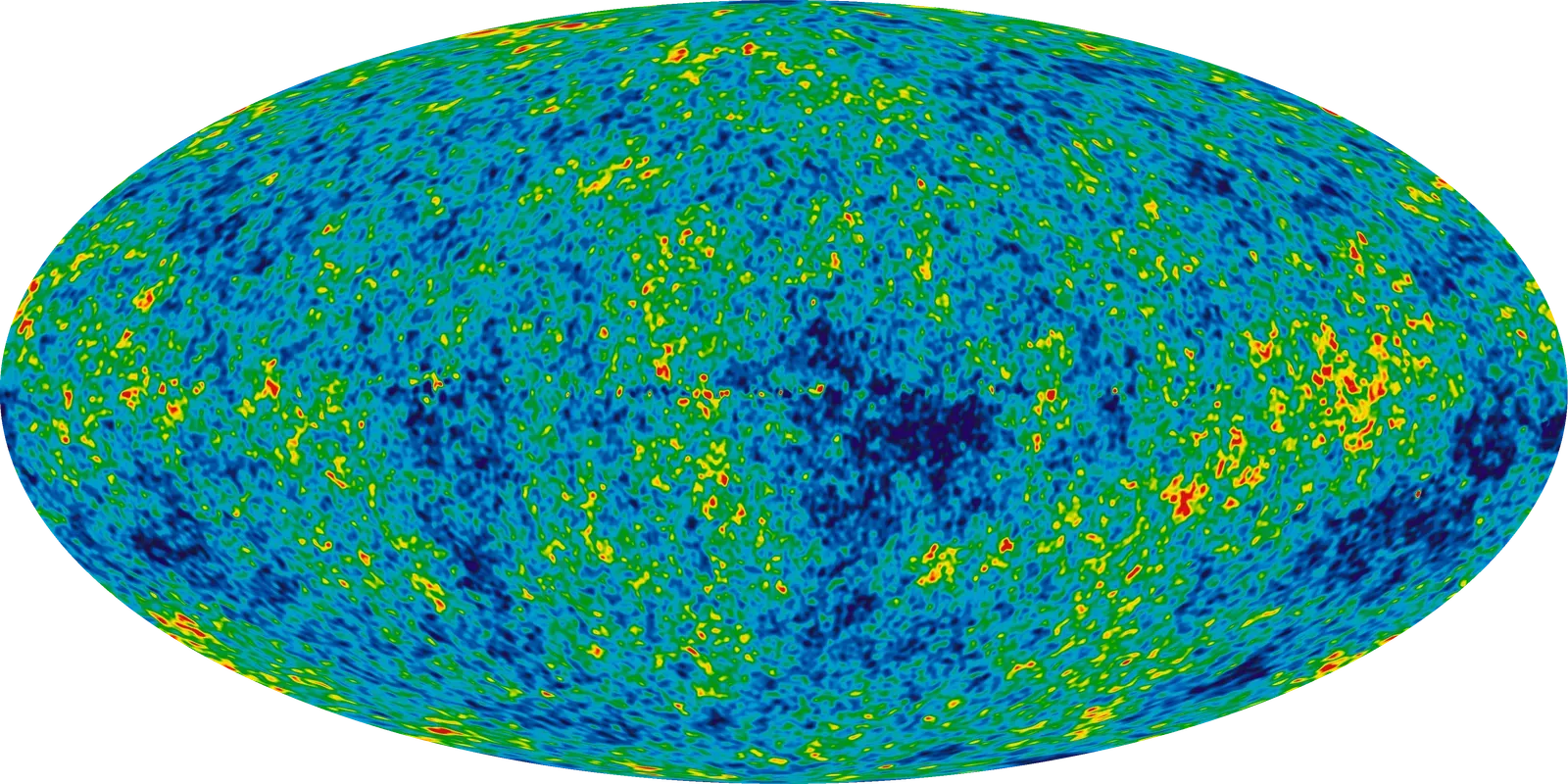
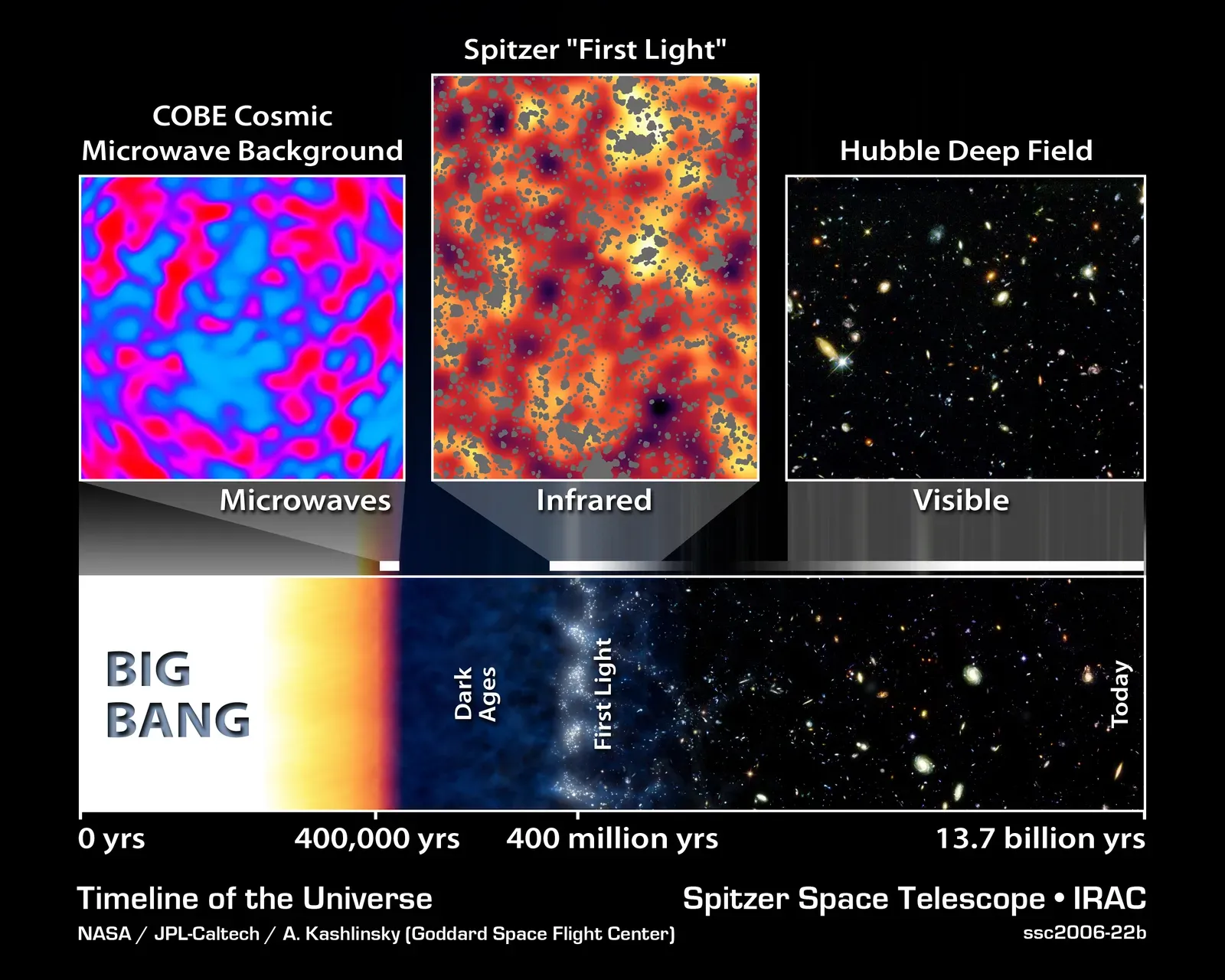
When recombination occurred some 380,000 years after the Big Bang, the temperature of the universe was about 3,000 K. For the first time, electrons could bind to protons and form stable atoms. As the universe expanded, this plasma cooled to the point where protons and electrons combined to form neutral atoms of mostly hydrogen. Unlike the plasma, these atoms could not scatter thermal radiation by Thomson scattering, and so the universe became transparent. Known as the recombination epoch, this decoupling event released photons to travel freely through space.
Those liberated photons are still traveling today. The cosmic microwave background is a snapshot of the oldest light in our universe, from when the cosmos was just 380,000 years old. Over the subsequent 13.8 billion years of cosmic expansion, these photons have been redshifted into the microwave region, corresponding to a current temperature of about 2.725 K. Astronomers can literally look at this faint glow in the sky and see a baby picture of the universe. The time following the emission of the cosmic microwave background, and before the observation of the first stars, is semi-humorously referred to by cosmologists as the Dark Age.
The Cosmic Dark Ages and the Birth of the First Stars
The Dark Ages is the epoch in the history of the universe located between the emission of the cosmic microwave background and the ignition of the first generation of stars. During this period, no astrophysical process produces electromagnetic radiation. There is therefore no way using light to probe the state of the universe at these times. It was a universe filled with hydrogen and helium clouds, silent and dark, slowly being pulled by gravity into the first great cosmic structures.
Theory predicts that the first stars were 30 to 300 times as massive as our Sun and millions of times as bright, burning for only a few million years before exploding as supernovae. The energetic ultraviolet light from these first stars was capable of splitting hydrogen atoms back into electrons and protons. This era was followed by the Dark Ages and then Reionization, when the first stars and galaxies formed, and the energetic light they emitted changed the state of intergalactic gas from neutral to charged again. The cosmos had passed through its infancy and was now, finally, beginning to shine.
Conclusion: A Beginning That Still Echoes Through Everything
What you have just read is not the story of distant, abstract physics. It is your origin story. Every atom in your body was forged in the fires of either the Big Bang itself or a dying star. The forces that hold your electrons in their orbits separated in the first trillionths of a second of existence. The reason you exist at all is because of a lopsided ratio of matter over antimatter so small it would barely register on any scale we know.
Understanding this earliest of eras in the history of the universe is one of the greatest unsolved problems in physics. We still don’t have the full picture. We still can’t see past the wall of the cosmic microwave background, still can’t write down the equations that govern the Planck epoch, still don’t fully understand what triggered inflation. Yet the fact that we know as much as we do, looking back 13.8 billion years from a tiny blue planet, is itself a kind of miracle.
The universe began in a moment too extreme for language to capture. Yet here you are, made of stardust and fired by curiosity, asking questions about it. What does it tell you that the cosmos produced something capable of wondering about its own birth?