
At first glance, cosmic dust sounds like the universe’s leftover clutter, the fine grit swept into the corners of space after the real action is done. But astronomers are discovering that these tiny grains are not debris at all – they’re central players in the story of stars, planets, and even life. Every night, billions of dust particles fall silently through Earth’s atmosphere, burning briefly as meteors or settling invisibly onto oceans and soil. Between the stars, vast clouds of dust dim starlight, hide newborn suns, and seed the chemistry of complex molecules. The mystery is no longer whether cosmic dust matters, but how such small specks can wield such outsized power in shaping the universe we call home.
The Hidden Clues Floating Between the Stars
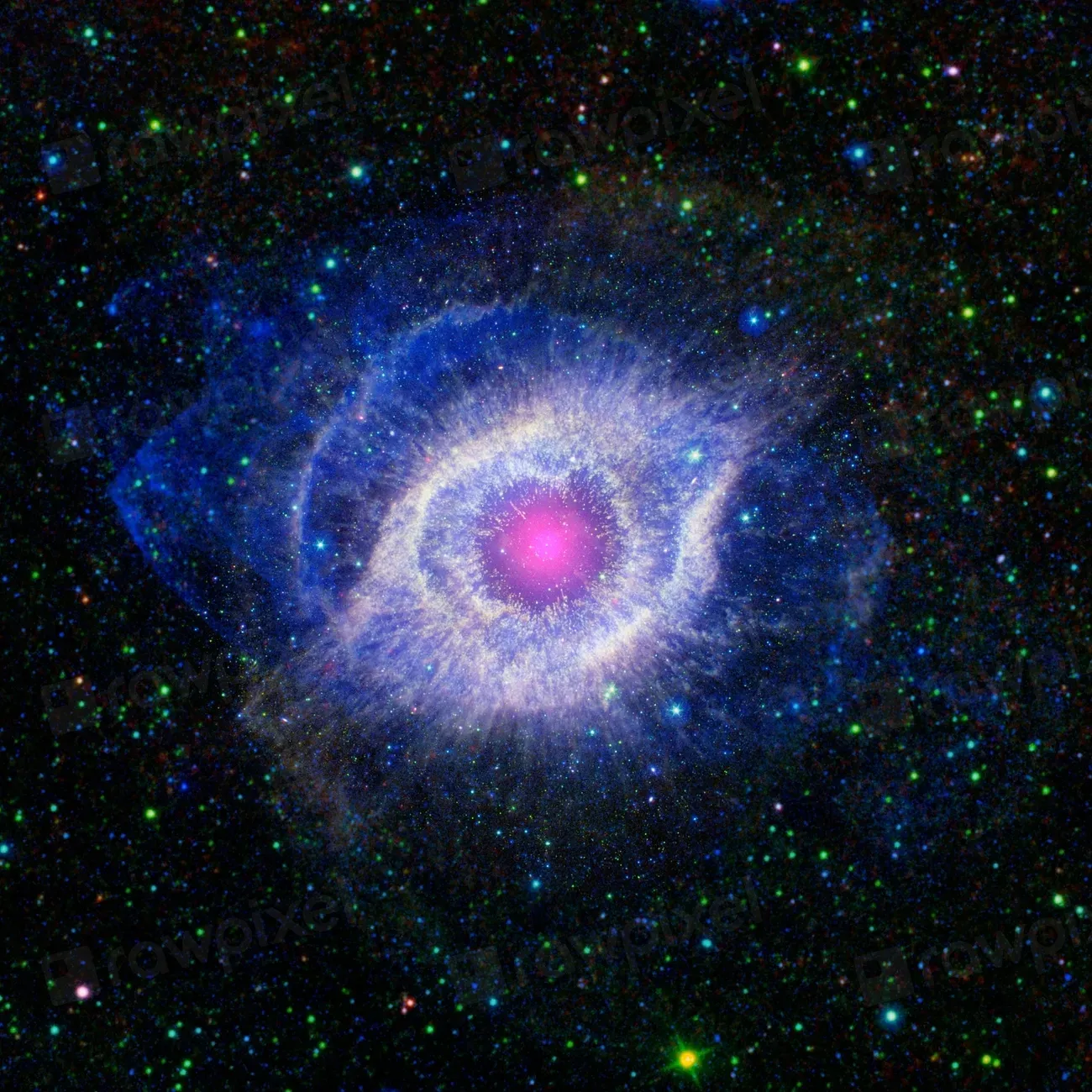
The surprising thing about cosmic dust is how much it has been able to hide in plain sight. For decades, astronomers saw dark patches in the Milky Way and thought of them as gaps, nothing more than empty lanes where starlight fades. It turned out those apparent voids were dense curtains of dust, blocking visible light while quietly shaping the evolution of stars and planets behind the scenes. When telescopes started peering into infrared and submillimeter wavelengths, those dark patches lit up, revealing nurseries where stars are born inside dusty cocoons.
These dust grains act like evidence markers at a cosmic crime scene, tracing where matter has been and where it is going next. By looking at how starlight is dimmed or reddened as it passes through clouds, astronomers can infer dust size, composition, and distribution. Sometimes the dust is rich in silicates, not so different from sand on a beach; in other regions, it is laced with carbon, ices, and more exotic compounds. Each variation tells us something about the history of that environment – whether it has been shocked by supernova explosions, bathed in harsh radiation, or left in relative peace to nurture new worlds.
From Stardust to Planets: How Worlds Grow From Grains
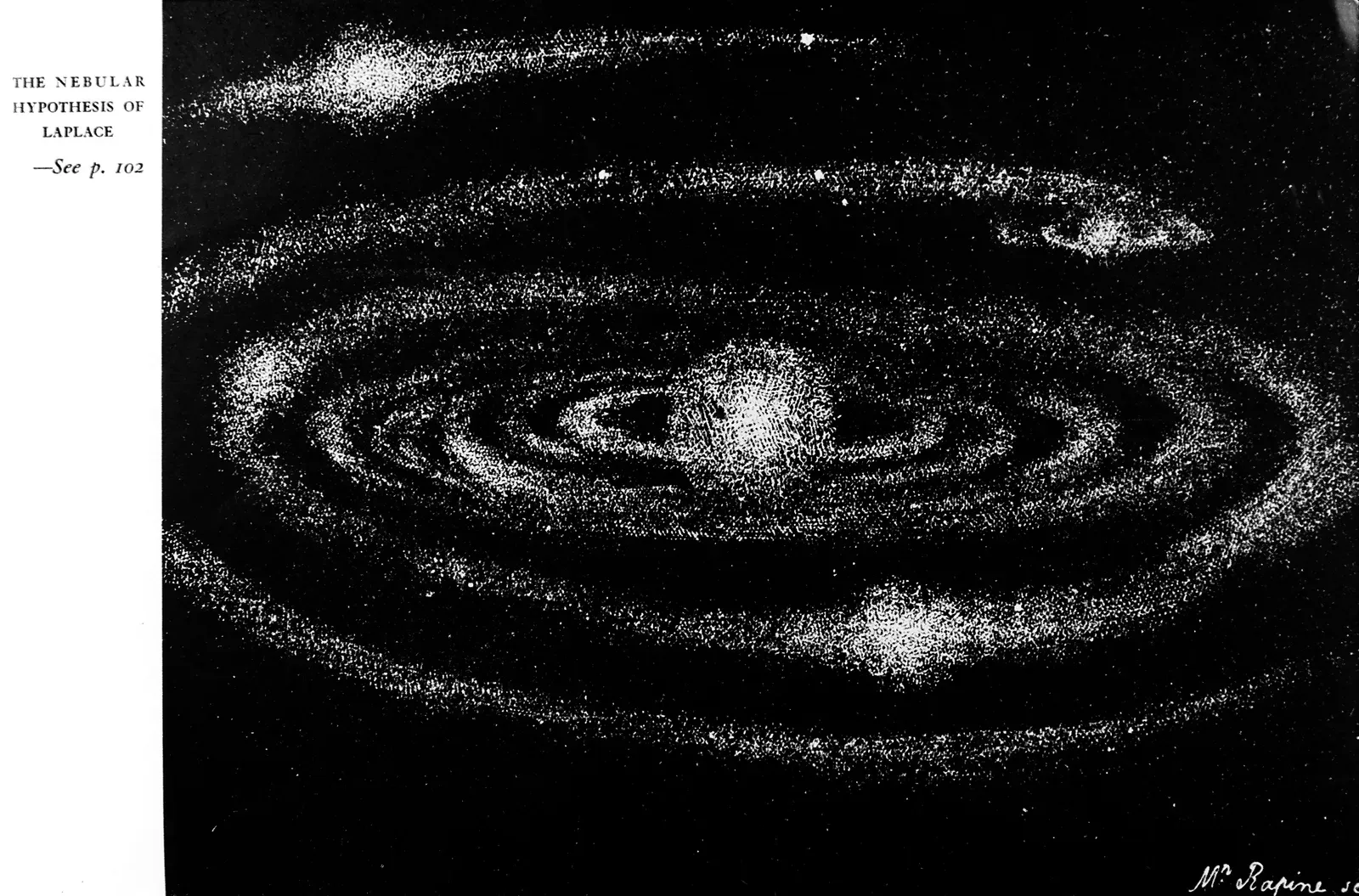
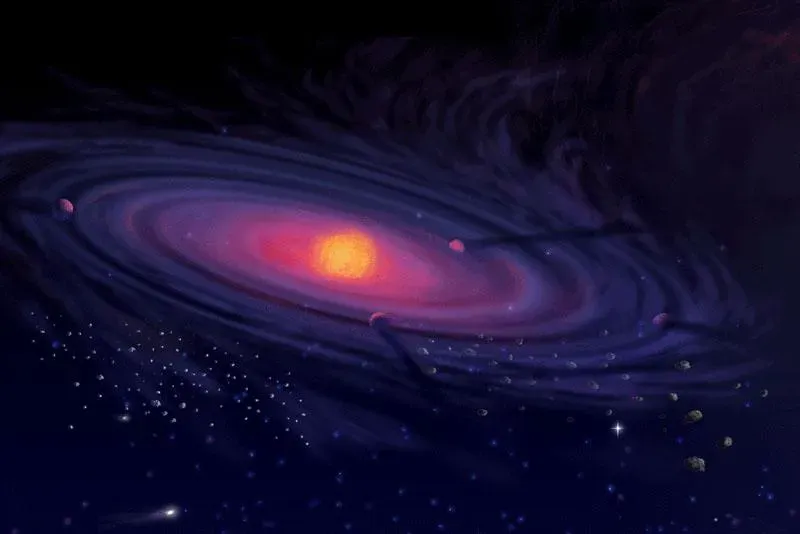
If you could zoom in on the very earliest stages of a planetary system, you wouldn’t see planets at all – just a flattened disk of gas and dust circling a young star. The story of planets begins with collisions so gentle they are almost like static cling: dust grains bump, stick, and slowly grow into pebbles. Over time, those pebbles gather into boulders, then mountain-sized chunks, and eventually into full-fledged planets. It is a process that takes millions of years, but it traces back to something almost absurdly delicate: microscopic grains drifting in space.
Modern observatories have caught this process in the act. High-resolution images of disks around young stars show bright rings and dark gaps sculpted by invisible planets still forming within the dust. These structures hint at which regions might be birthing rocky Earth-like worlds and which are likely brewing giant planets wrapped in thick atmospheres. When we say that planets are made from stardust, it is not just poetic language; it is literally true. The dust spewed out by dying stars, shredded in supernova blasts and woven through galaxies, is recycled again and again into new solar systems like our own.
Chemical Seedbanks: Dust as a Factory for Life’s Ingredients
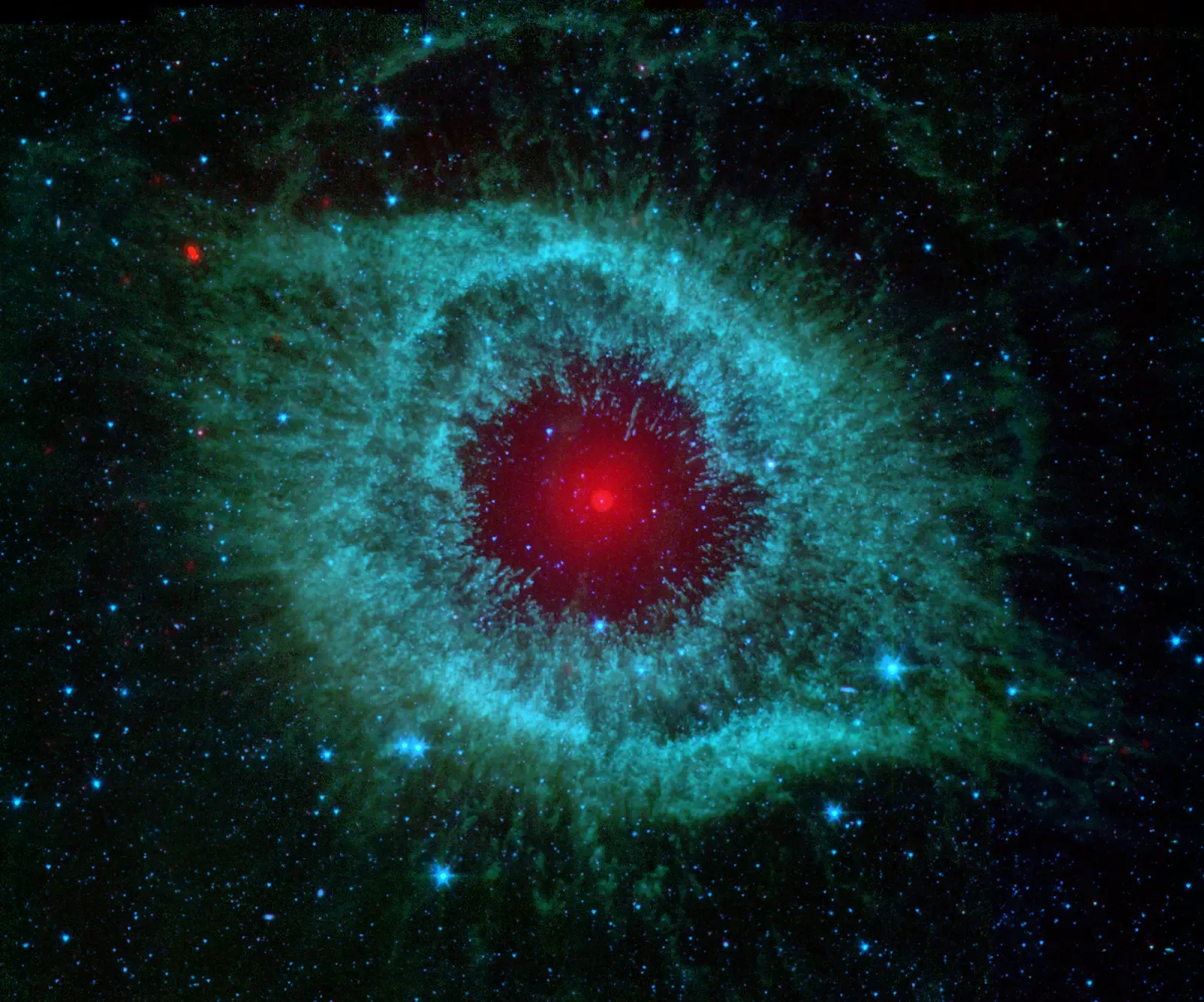
Cosmic dust is more than raw building material for rocks and planets; it is also a tiny laboratory for chemistry. In the cold, dark regions of interstellar space, dust grains become coated with thin layers of ice made of water, carbon monoxide, methane, and other simple molecules. Under these frigid conditions, radiation and particle impacts can drive reactions that gradually assemble more complex organics. Some of these are the same kinds of molecules that, on Earth, are associated with the building blocks of life, such as amino acid precursors and simple sugars.
When young stars flare to life, they heat these dusty, icy mantles, releasing a rich soup of organics back into the gas around them. Fragments of comets and asteroids – essentially dust aggregates on steroids – can then deliver this chemistry to forming planets. On early Earth, such infall likely contributed to the planet’s inventory of carbon, nitrogen, and volatile compounds. The idea that every breath we take and every cell in our bodies depends on ancient dust chemistry in deep space is no longer speculative fantasy; it is a growing area of astrochemistry that links cosmos and biology in a direct and testable way.
Why It Matters: Dust as the Universe’s Quiet Architect
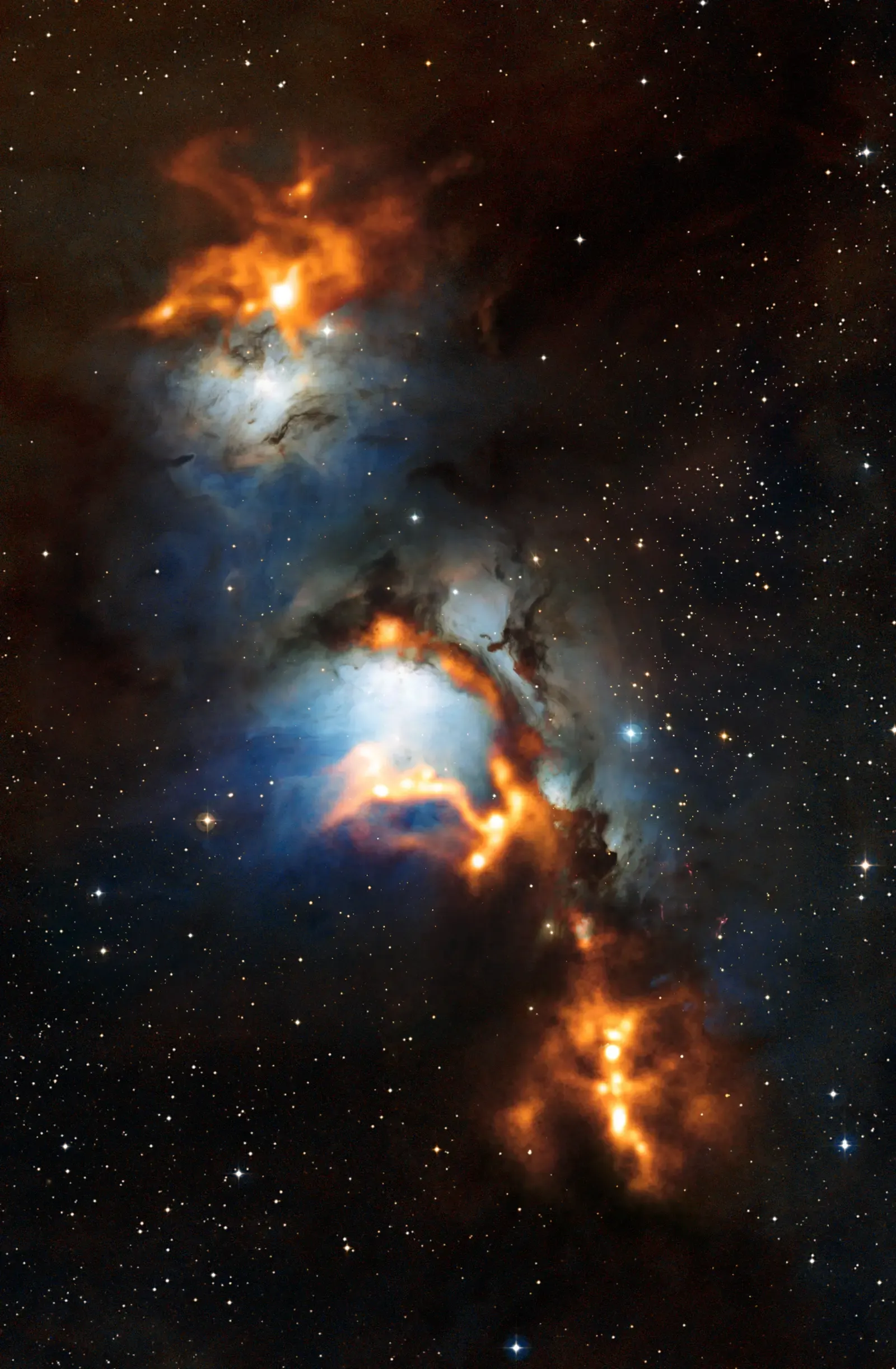
Cosmic dust matters because almost nothing in the universe looks the way it does without it. Dust regulates how gas cools and collapses, effectively controlling the rate at which new stars can form in a galaxy. In regions rich with dust, starlight is absorbed and re-emitted at longer wavelengths, shaping what astronomers see when they look at distant galaxies. Without dust, many of those galaxies would appear dramatically different, and our measurements of how the universe evolves over time would be seriously skewed.
Dust also complicates and clarifies our view at the same time. On one hand, it can mimic or hide signals that might otherwise be interpreted as something else, such as starlight from very distant galaxies or the faint afterglow of the Big Bang. On the other hand, learning to account for and understand dust turns it from a nuisance into a powerful diagnostic tool. When scientists track dust, they are effectively mapping where star formation is happening, where chemical enrichment is strongest, and where new planetary systems might be emerging. It is as if the universe left behind a thin powdery fingerprint on every major process it cares about.
Reading the Sky Through Dust: New Eyes on an Old Mystery
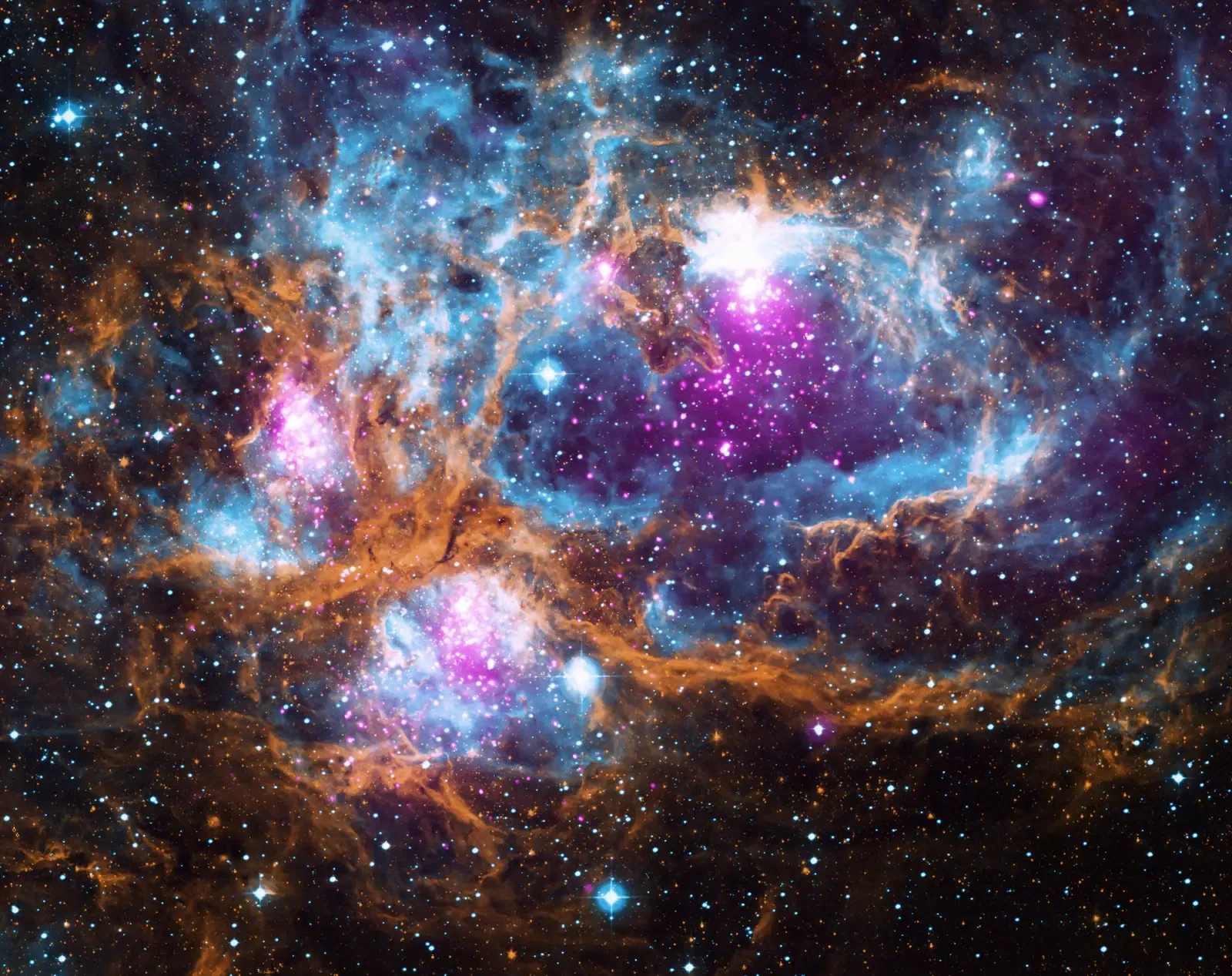
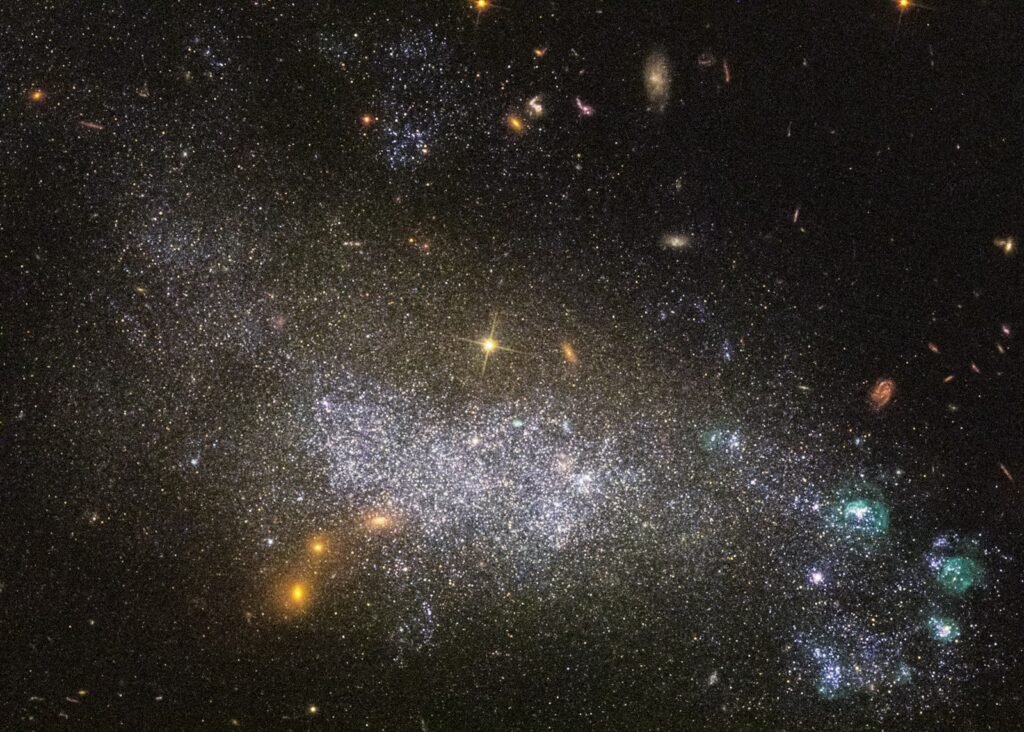
The past decade has transformed dust research from a niche specialty into a front-line topic in astrophysics, thanks to a new generation of instruments. Space observatories operating in infrared and submillimeter light, along with sophisticated radio arrays on Earth, have turned once-invisible dust clouds into detailed, high-resolution landscapes. Astronomers can now trace the fine filaments inside molecular clouds, measure how dust aligns with magnetic fields, and even study differences in dust grain shapes from place to place. Each of these measurements fills in another piece of the puzzle of how matter cycles through the cosmos.
On the ground, researchers analyze tiny dust particles that fall into Earth’s atmosphere or are trapped in polar ice and deep-sea sediments. These samples can carry fingerprints of distant comets, interstellar grains, and even ancient supernovae. By comparing laboratory analyses with telescope data, scientists are building a bridge between microscopic structures and galactic-scale processes. The result is a much more unified view of cosmic dust – no longer an abstract haze, but a tangible substance that connects what we can hold in our hands to what we observe billions of light-years away.
The Future Landscape: Telescopes, Tech, and Tough Questions
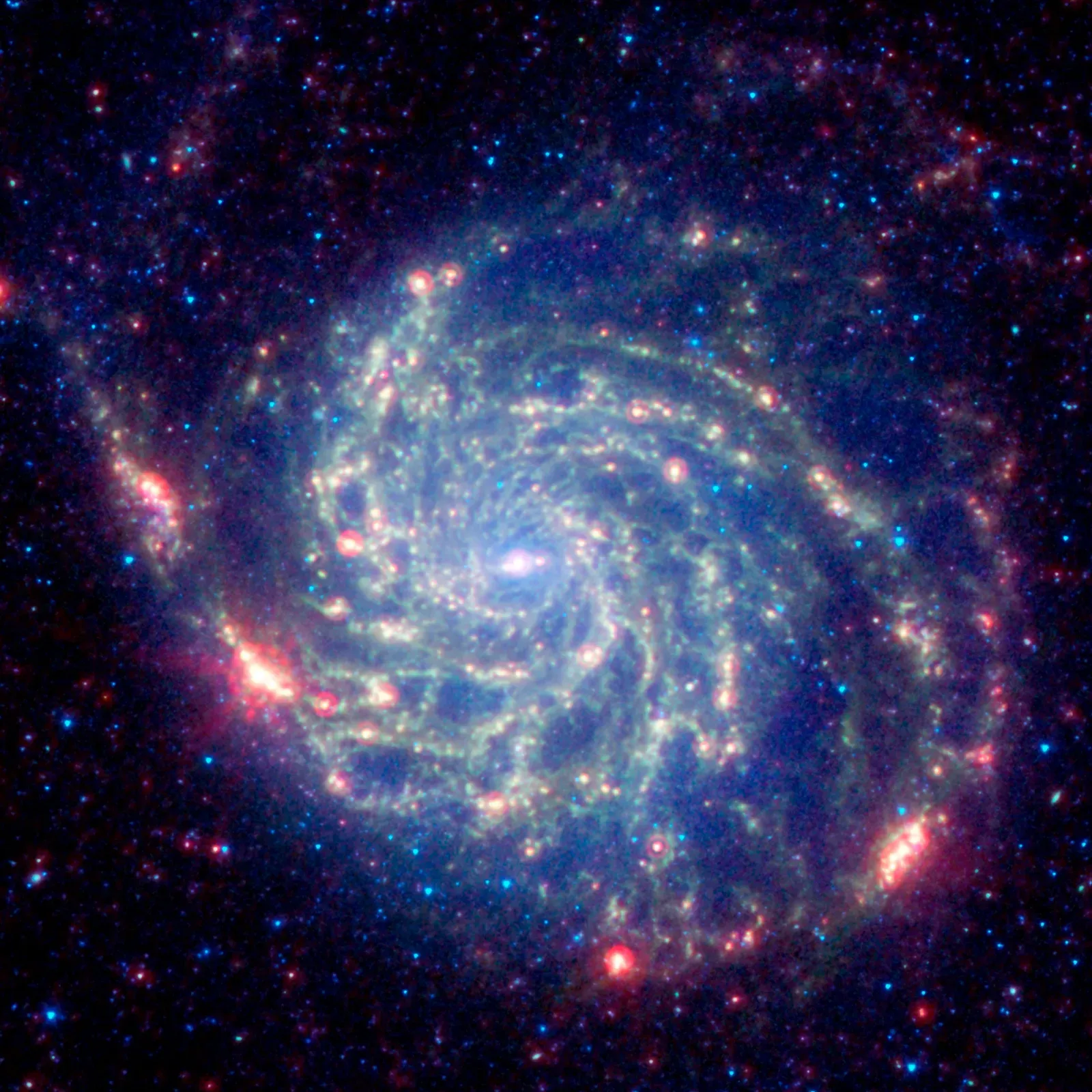
The future of dust science is tied closely to the next wave of space telescopes and instruments designed to peel back the universe’s faintest signals. Upcoming missions will push deeper into the far-infrared and millimeter ranges, where dust glows most brightly, revealing earlier phases of galaxy and star formation than we have ever seen before. Improved detectors and larger mirrors will let astronomers map dust in distant galaxies with unprecedented detail, tracking how its properties change over cosmic time. This will help answer questions about when and how the first dust grains formed after the universe’s first stars exploded.
At the same time, researchers are grappling with challenges that are as practical as they are profound. Cosmic dust is a major source of foreground noise for experiments trying to detect subtle patterns in the cosmic microwave background, the leftover radiation from the Big Bang. Disentangling those signals demands precise models of dust behavior in our own galaxy. As technology improves, the stakes rise: getting the dust story wrong could mean misreading some of the most fundamental measurements in cosmology. Yet with each refinement, cosmic dust shifts further from being a problem to solve and more toward being a key that unlocks the universe’s earliest chapters.
Cosmic Dust and Us: A Personal and Planetary Connection
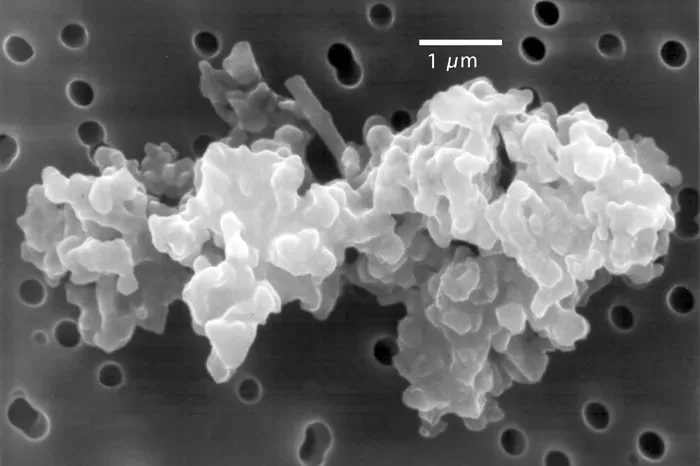
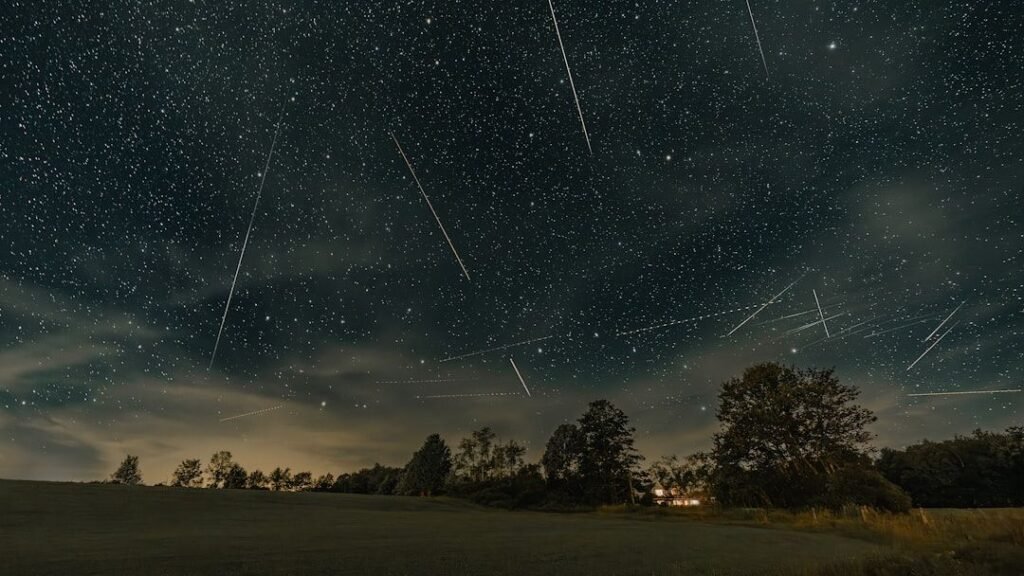
It is easy to think of cosmic dust as distant and abstract, but it touches our daily lives in subtle ways. The meteor streak you see during a shower like the Perseids is a stream of dust, some of it older than the solar system itself, vaporizing in a flash of light overhead. Dust from space settles into our atmosphere and oceans, contributing trace elements such as iron that can influence marine ecosystems. On longer timescales, bombardment by dusty comets and asteroids has helped shape Earth’s climate and surface chemistry, sometimes gently, sometimes catastrophically.
On a more personal level, the idea that the atoms in our bones and blood were once part of scattered dust grains in ancient stars changes how many people see themselves. It places human lives inside a story that is far bigger than any single era, nation, or species. Schools, museums, and science communicators are increasingly using cosmic dust as an entry point to explain complex topics like star formation, planetary science, and the search for life. By grounding these grand ideas in something as small and tangible as dust, the universe suddenly feels a little more reachable, and a little more ours.
What You Can Do: Paying Attention to the Smallest Things
Engaging with the science of cosmic dust does not require a telescope or a physics degree; it starts with curiosity. You can follow results from space missions and observatories that study dust-rich regions, from star-forming clouds to the faint background glow of distant galaxies. Many research teams share open-access images, simulations, and data that invite the public to explore along with them. Citizen science projects sometimes ask volunteers to help classify structures in dusty nebulae or spot features in disk images around young stars.
Supporting this work can be as simple as visiting a local planetarium, encouraging science education in your community, or backing organizations that fund space research. Even paying closer attention to meteor showers, night skies away from city lights, or the way starlight seems to dim along the Milky Way can shift your perspective. The more we value the story of dust, the more likely it is that future generations will keep pushing to answer the remaining questions. In a universe where tiny grains can build planets and seed life’s ingredients, learning to notice the smallest players might be one of the most meaningful choices we make.
Suhail Ahmed is a passionate digital professional and nature enthusiast with over 8 years of experience in content strategy, SEO, web development, and digital operations. Alongside his freelance journey, Suhail actively contributes to nature and wildlife platforms like Discover Wildlife, where he channels his curiosity for the planet into engaging, educational storytelling.
With a strong background in managing digital ecosystems — from ecommerce stores and WordPress websites to social media and automation — Suhail merges technical precision with creative insight. His content reflects a rare balance: SEO-friendly yet deeply human, data-informed yet emotionally resonant.
Driven by a love for discovery and storytelling, Suhail believes in using digital platforms to amplify causes that matter — especially those protecting Earth’s biodiversity and inspiring sustainable living. Whether he’s managing online projects or crafting wildlife content, his goal remains the same: to inform, inspire, and leave a positive digital footprint.