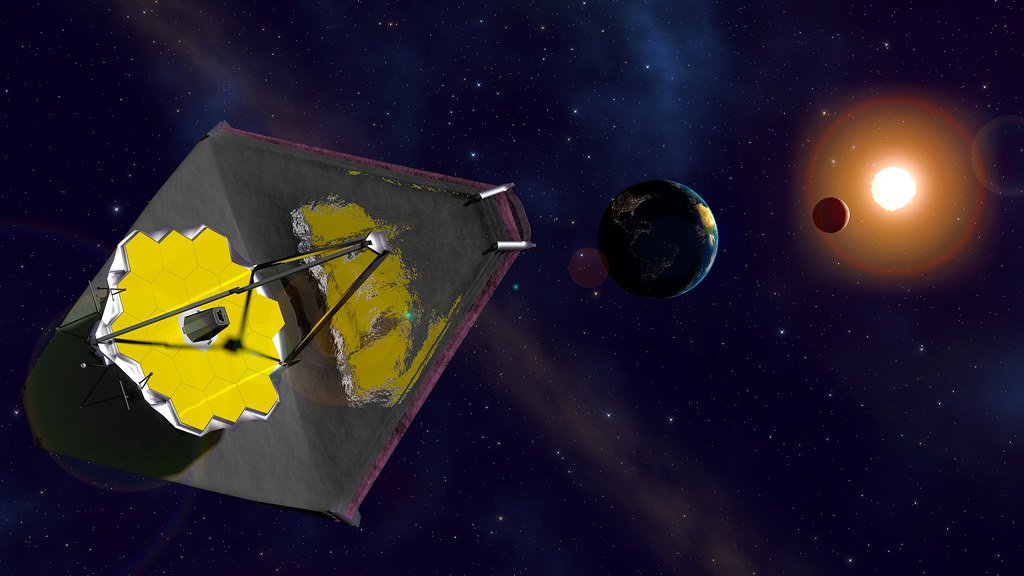

Think about it for a second. You look up at a clear night sky, and what you see is barely a whisper of what is actually out there. Stars, galaxies, nebulae – the visible stuff – make up only a tiny fraction of everything that exists. The rest is invisible, mysterious, almost defiant in how stubbornly it resists your understanding.
Right now, in 2026, we are living through what is genuinely one of the most thrilling eras in the history of science. Telescopes sharper than anything our grandparents could have dreamed of are staring into the farthest reaches of time and space. Detectors buried deep underground are listening for whispers from particles that barely interact with anything at all. And every single week, it seems, another discovery arrives that quietly – or not so quietly – rewrites something we thought we already knew. Hold on tight. What follows will genuinely surprise you.
The Invisible Universe: Dark Matter and Dark Energy Rule Everything You Cannot See
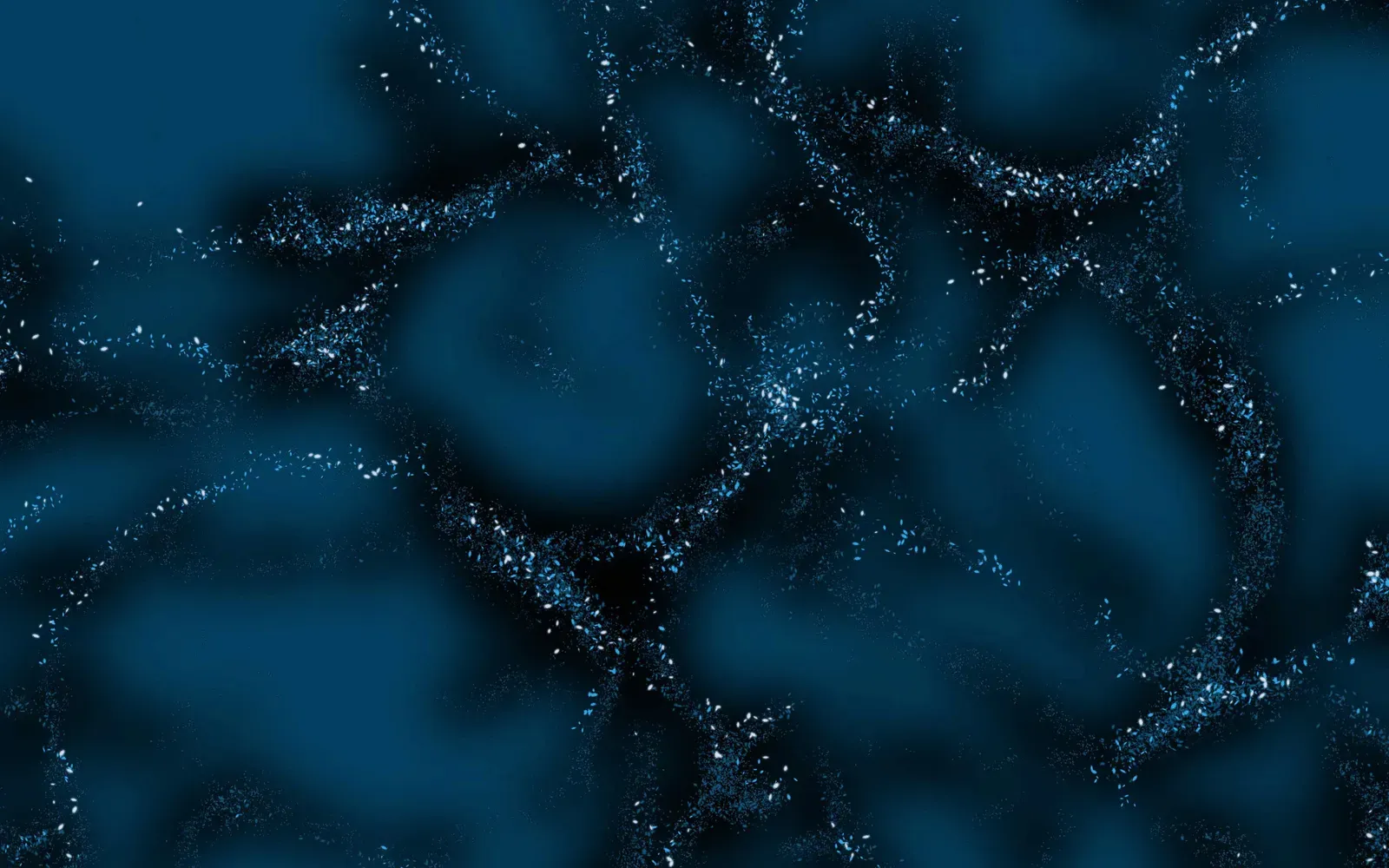
Here’s a number that should genuinely stop you in your tracks. Roughly 95 percent of the cosmos is made up of dark matter and dark energy, leaving just 5 percent as the familiar matter you can see around you. That means everything you have ever touched, every planet, every star, every galaxy you can observe – is just a thin skin on the surface of something much, much larger and far more mysterious. Let that sink in for a moment.
In the leading model of cosmology, most of the universe is invisible, with a combined roughly 95 percent made of dark matter and dark energy. Exactly what these dark components are remains a mystery, but they have a tremendous impact on our universe, with dark matter exerting a gravitational pull and dark energy driving the universe’s accelerating expansion. Scientists aren’t just shrugging at this. They are building some of the most sensitive instruments ever devised to crack this open. Nearly everything in the universe is made of mysterious dark matter and dark energy, yet we can’t see either of them directly. Scientists are developing detectors so sensitive they can spot particle interactions that might occur once in years or even decades. These experiments aim to uncover what shapes galaxies and fuels cosmic expansion. Cracking this mystery could transform our understanding of the laws of nature.
Dark Stars: A Wild New Theory That Could Rewrite the Early Universe
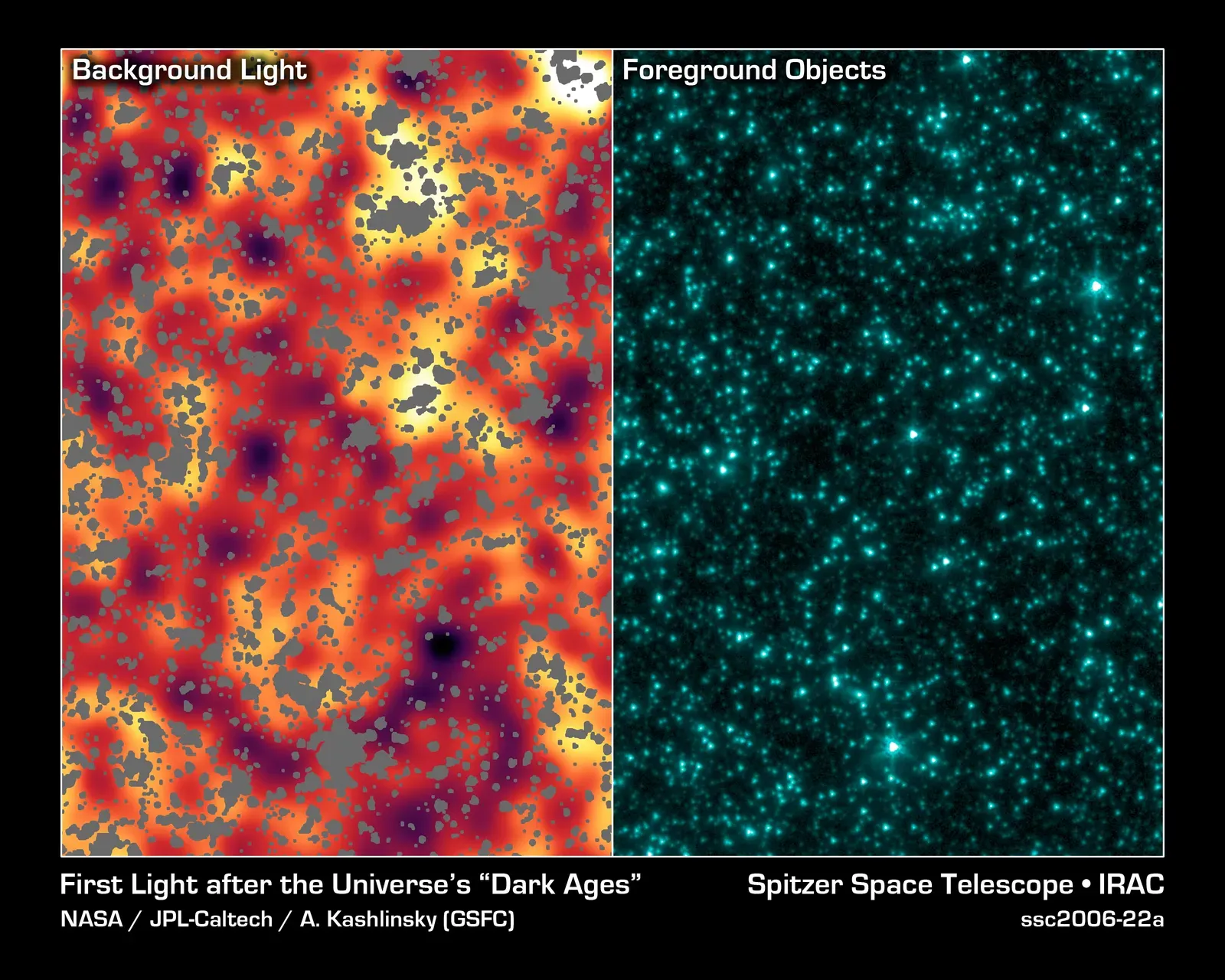
You might think the early universe is a settled chapter of science. Honestly, it is anything but. The James Webb Space Telescope has revealed a strange early universe filled with ultra-bright “blue monster” galaxies, mysterious “little red dots,” and black holes that seem far too massive for their age. A new study proposes that dark stars – hypothetical stars powered by dark matter – could tie all these surprises together. These exotic objects may have grown huge very quickly, lighting up the early cosmos and planting the seeds of supermassive black holes.
Think of dark stars like the universe’s secret first draft – enormous, strange, and powered not by nuclear fusion the way our Sun is, but by dark matter annihilating inside them. Although dark stars have not yet been confirmed through direct observation, a new study strengthens the case for their existence. It builds on photometric and spectroscopic dark star candidates identified in two separate studies published in 2023 and 2025, respectively. The authors describe in detail how dark stars could account for the properties of blue monster galaxies, little red dots, and early galaxies hosting massive black holes. It’s a bold idea, and the evidence is quietly building.
The Hubble Tension: A Crack in the Foundation of Cosmology
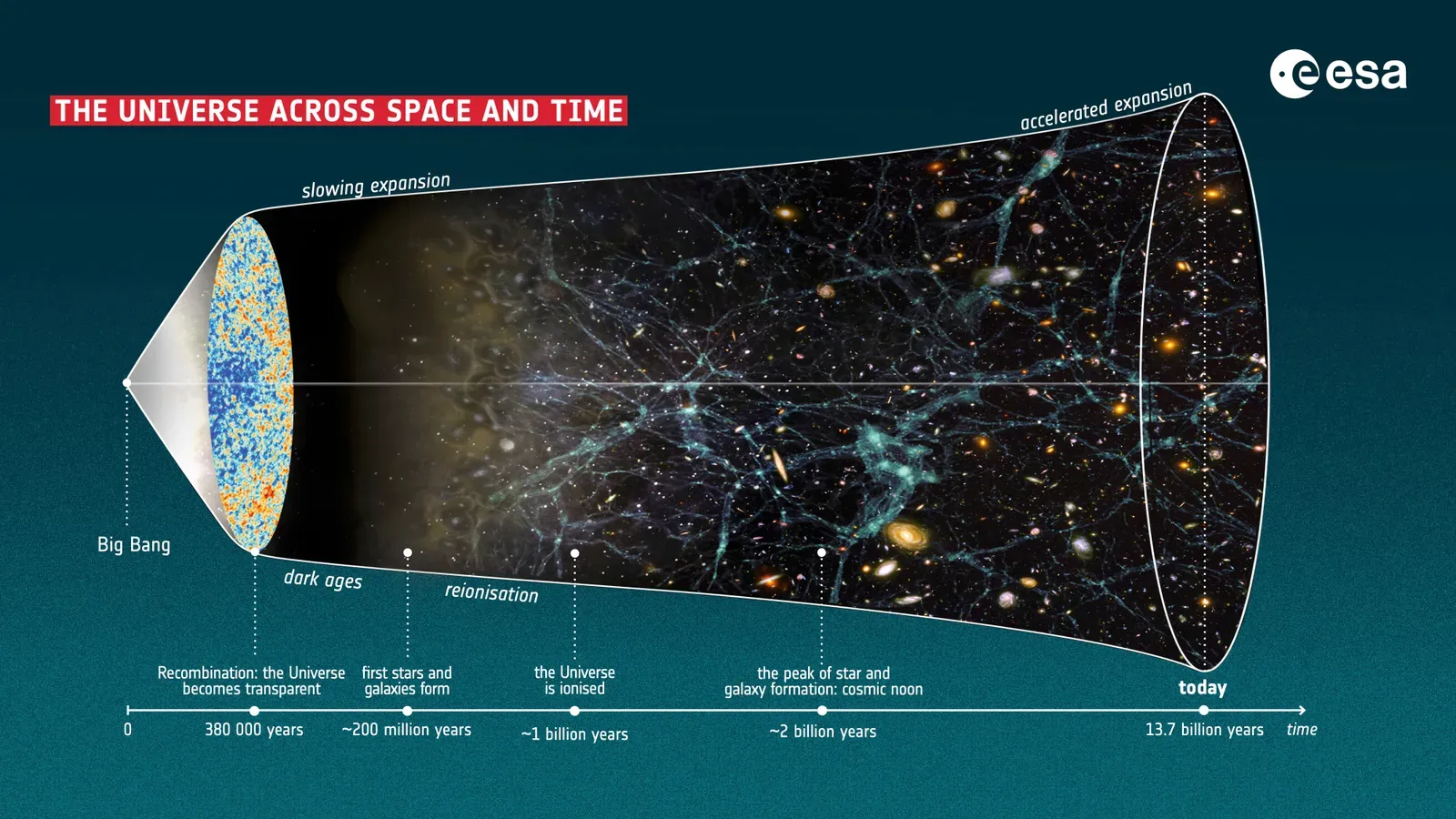
If you were told that scientists cannot agree on how fast the universe is expanding, you might assume it is a minor technical squabble. It is not. Cosmologists are grappling with a major unresolved puzzle: they do not all agree on how fast the universe is expanding, and solving this puzzle could point to new physics. To check for hidden errors in traditional measurements that rely on markers such as supernovae, astronomers continually look for fresh ways to track cosmic expansion. In recent work, researchers measured the universe’s growth using new techniques and data from some of the most advanced telescopes available.
The discrepancy between the two major measurement methods is known as the Hubble tension, and it refuses to go away. Analyses show that DESI’s results favor models with evolving dark energy over a simple constant dark energy, and that this preference strengthens when cosmic microwave background and supernova data are included. The latest results match local measurements but clash with early-universe estimates, strengthening the mysterious Hubble tension. This mismatch could point to new physics rather than observational error. In other words, the universe might be telling us that our best theories are missing something fundamental.
Gravitational Waves: Ripples That Let You Hear the Universe Scream
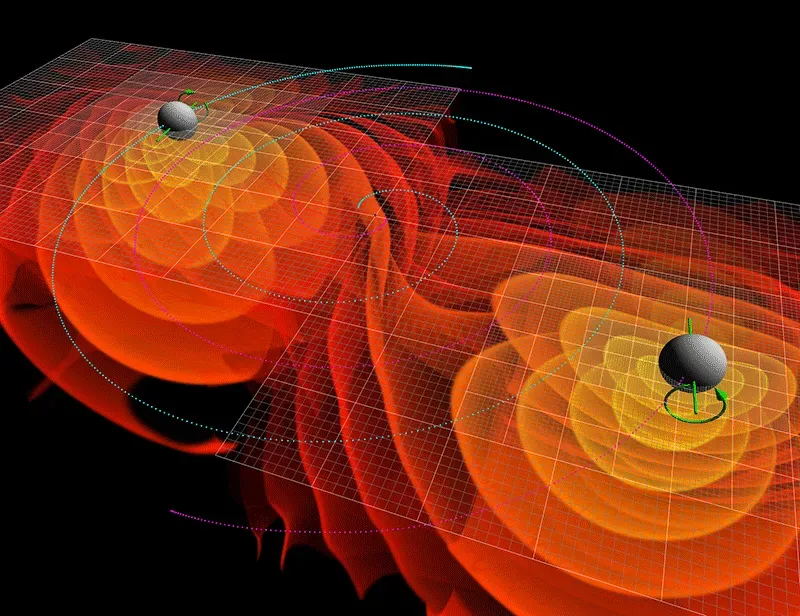
There is something almost poetic about the fact that some of the universe’s most violent events reach us not as light but as sound – or rather, as ripples in the very fabric of space and time. On January 14, 2025, two colliding black holes sent the clearest gravitational wave signal ever recorded rippling across the universe to Earth’s detectors. This remarkably crisp signal, designated GW250114, allowed physicists to conduct the most stringent test yet of Einstein’s general relativity by measuring multiple tones from the collision. The wave passed the test with flying colours, but researchers remain optimistic that future detections might finally reveal where Einstein’s century-old theory breaks down, potentially offering the first glimpses of quantum gravity.
What makes gravitational waves so extraordinary is that they pass through everything. Light can be blocked by dust and gas. Gravitational waves don’t care. When two black holes merge, the newly formed object vibrates, much like a struck bell. These vibrations produce distinct tones defined by two measurements: an oscillation frequency and a damping time. Measuring a single tone allows scientists to calculate the mass and spin of the final black hole. Detecting two or more tones makes it possible to perform multiple, independent checks of those same properties, as predicted by general relativity. Every detection is a new data point that chips away at some of the universe’s most fundamental mysteries.
Little Red Dots and Black Hole Stars: JWST’s Most Baffling Discoveries
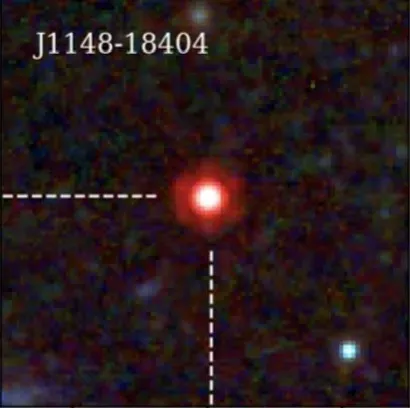
When the James Webb Space Telescope began taking deep images in 2022, it quickly started finding something no one expected. These bright, small, and very red objects were detected in some of JWST’s earliest images, but they have been challenging to explain. Initially, researchers suspected they were very early galaxies, but they were so small it would mean they were inexplicably compact. As of 2025, the leading theory is that these “little red dots” are a new classification of object: a black hole star.
Let’s be real – a “black hole star” sounds like something from a science fiction novel. Black hole stars are thought to be active black holes surrounded by hot, dense gas. The black hole itself is the thing that warms the gas enough that it glows. Meanwhile, JWST was also making waves on another front. Researchers using the telescope confirmed an actively growing supermassive black hole within a galaxy just 570 million years after the Big Bang. Part of a class of small, very distant galaxies that have mystified astronomers, it represents a vital piece of this puzzle that challenges existing theories about the formation of galaxies and black holes in the early Universe. The universe, it turns out, grew up very fast.
3I/ATLAS: A Visitor From Another Star System Carrying Chemical Secrets
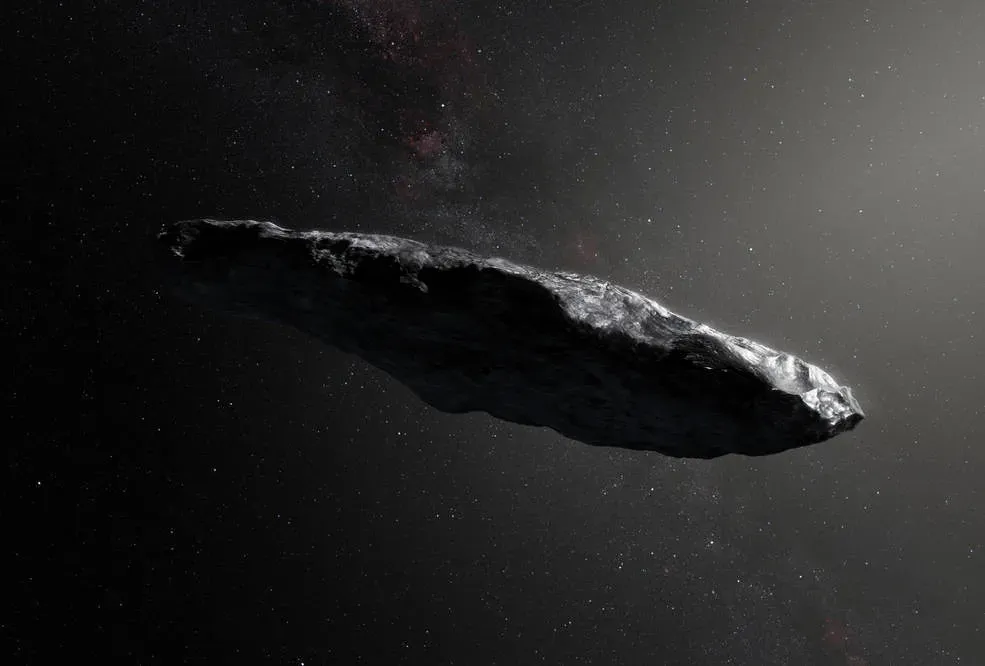
In July 2025, something extraordinary happened. A telescope in Chile spotted a fast-moving object that, on closer inspection, didn’t come from our solar system at all. Comet 3I/ATLAS is only the third known object to pass through our solar system from outside it. Astronomers categorized this object as interstellar because of the hyperbolic shape of its orbital path. When the orbit of 3I/ATLAS is traced into the past, the comet clearly originates from outside our solar system. It had traveled unimaginable distances through interstellar space before dropping into our cosmic neighborhood unannounced.
The science coming back from 3I/ATLAS is nothing short of extraordinary. Discoveries at the comet include the presence of organic molecules, a dramatic change in its brightness, and the detection of debris flowing from the interstellar body out into space. Observations of comet 3I/ATLAS by NASA’s SPHEREx mission in December 2025 revealed dust, water, organic molecules, and carbon dioxide within its coma. Discovered on July 1 by the NASA-funded ATLAS telescope in Chile, 3I/ATLAS offers a rare chance to study material forged around another star. Early findings suggest the object is carrying chemical clues from a distant, unknown planetary system that is likely older than our own. It is, in a very real sense, a message in a bottle from another star.
Dark Matter Might Finally Be Showing Itself After 100 Years of Hiding
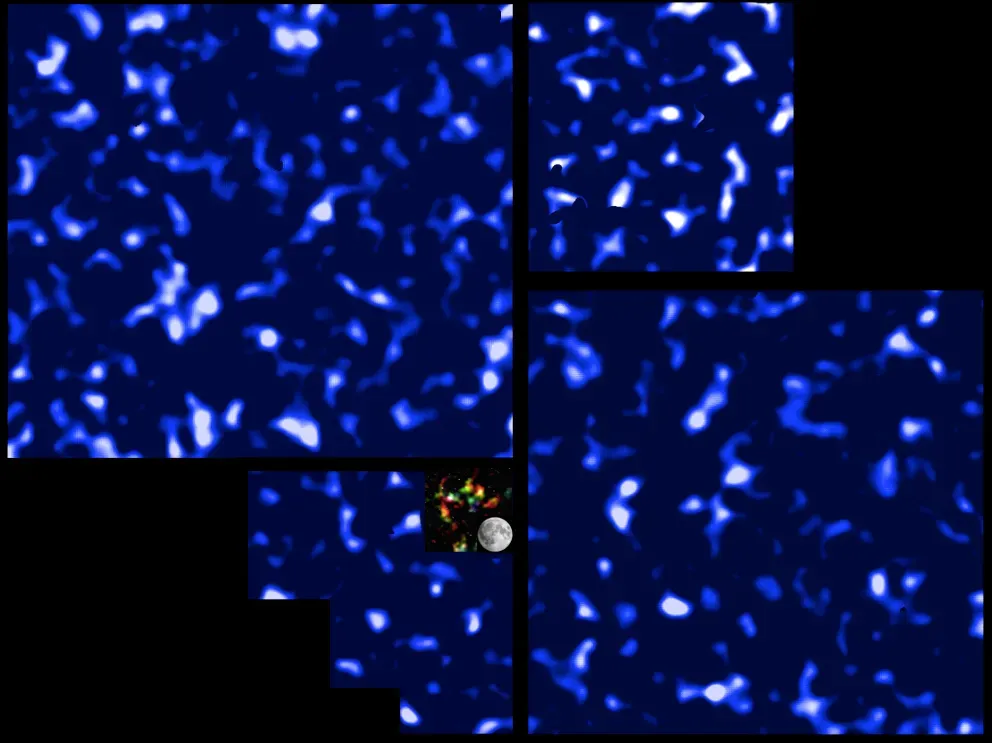
For nearly a century, dark matter has been one of the most infuriating ideas in all of science. You know it must be there because of the way galaxies spin and move. Yet you cannot see it, touch it, or detect it directly – or at least, you could not, until very recently. Astronomers have detected a high-energy gamma ray signal that fits the expected footprint of dark matter particles. The discovery could represent humanity’s first direct observational evidence of this long-hidden cosmic material.
Scientists have spent years examining regions where dark matter should be concentrated, especially the center of the Milky Way, searching for specific gamma rays. Using new data from the Fermi Gamma-ray Space Telescope, Professor Tomonori Totani of the University of Tokyo believes he has identified the predicted gamma ray signal associated with dark matter particle annihilation. Meanwhile, the LZ experiment, buried deep underground, is pushing the hunt further. Because dark matter doesn’t emit, absorb, or reflect light, researchers have to find a different way to “see” it. LZ uses 10 tonnes of ultrapure, ultracold liquid xenon. If a WIMP hits a xenon nucleus, it deposits energy, causing the xenon to recoil and emit light and electrons that sensors record. Deep underground, the detector is shielded from cosmic rays and built from low-radioactivity materials, with multiple layers to block other particle interactions. It’s a painstaking, patient, thrilling kind of science.
Dark Energy Is Changing – and It Could Mean the Universe Ends Differently Than We Thought
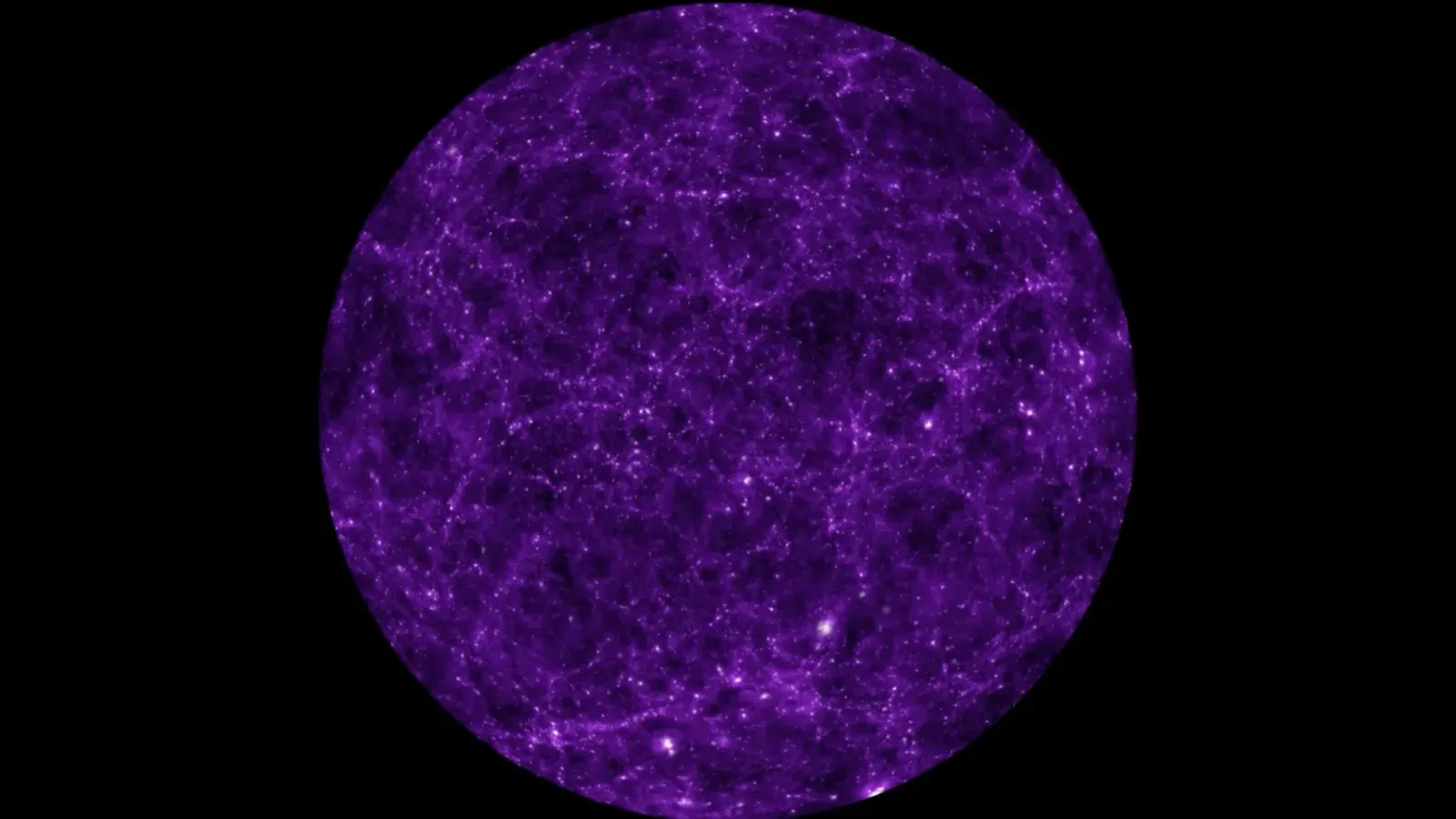
For decades, scientists assumed that dark energy – the force accelerating the universe’s expansion – was a fixed, constant thing. A sort of cosmic background pressure that never fluctuates. That assumption is now seriously in question. New supercomputer simulations hint that dark energy might be dynamic, not constant, subtly reshaping the universe’s structure. The findings align with recent DESI observations, offering the strongest evidence yet for an evolving cosmic force. A groundbreaking simulation study has revealed that dark energy, the mysterious force driving the universe’s accelerated expansion, may not be constant after all.
The implications of this shift in thinking are vast. If dark energy changes over time, it means the fate of the universe is uncertain in a whole new way. New data from major dark-energy observatories suggest the universe may not expand forever after all. Using a newly developed method and analyzing the latest DESI cosmological distance data combined with observations of supernovae and the cosmic microwave background, a research team found evidence that the dark energy equation of state evolves over time. The result confirms previous findings by the DESI collaboration and suggests that dark energy likely exhibits dynamical behavior. What was once a settled chapter in cosmology is suddenly a wide-open question again.
Conclusion: You Are Living in the Golden Age of Cosmic Discovery
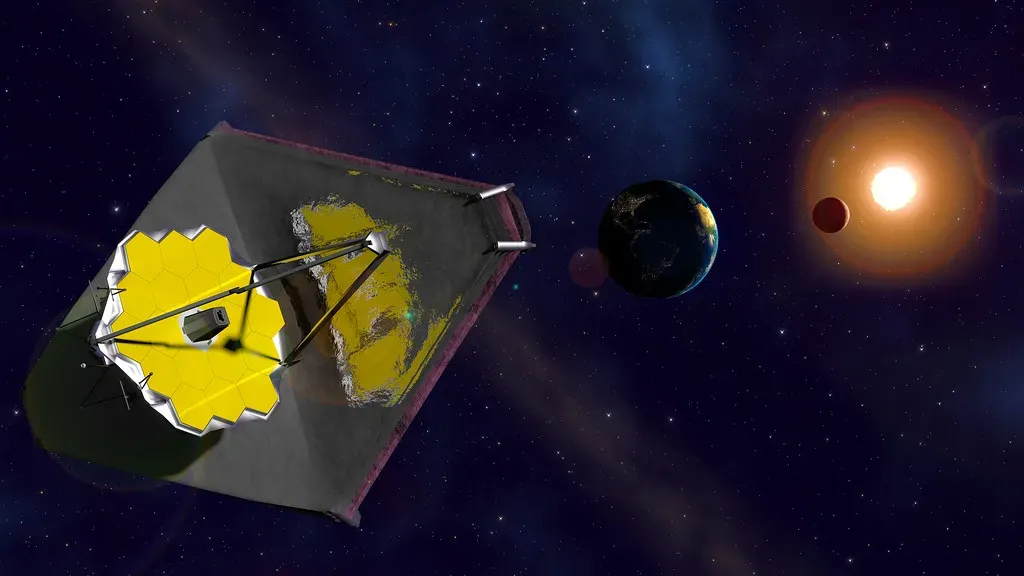
It is hard to fully appreciate just how extraordinary this moment in history really is. We are living in a golden era of space observation. Telescopes on the ground and up in orbit are revealing more of the universe than ever before, and in exceptional detail. From interstellar visitors carrying chemical fingerprints of alien star systems, to detectors hunting for particles that barely interact with anything, to space telescopes finding galaxies and black holes that shouldn’t exist yet do – the pace of discovery is genuinely breathtaking.
I think what makes all of this so remarkable is not just what we are finding, but what it reveals about how much we still don’t know. Every answer seems to come with three new questions attached. The universe is not a puzzle being slowly completed – it is a puzzle that keeps growing larger as you work on it. The universe holds many mysteries, and scientists, with instruments like JWST, are quickly learning to speak its many languages. And honestly? That is the most exciting thing of all. The secrets are out there. We are only just beginning to listen.
What’s the discovery that surprised you most – and what do you think we’ll find next? Tell us in the comments below.