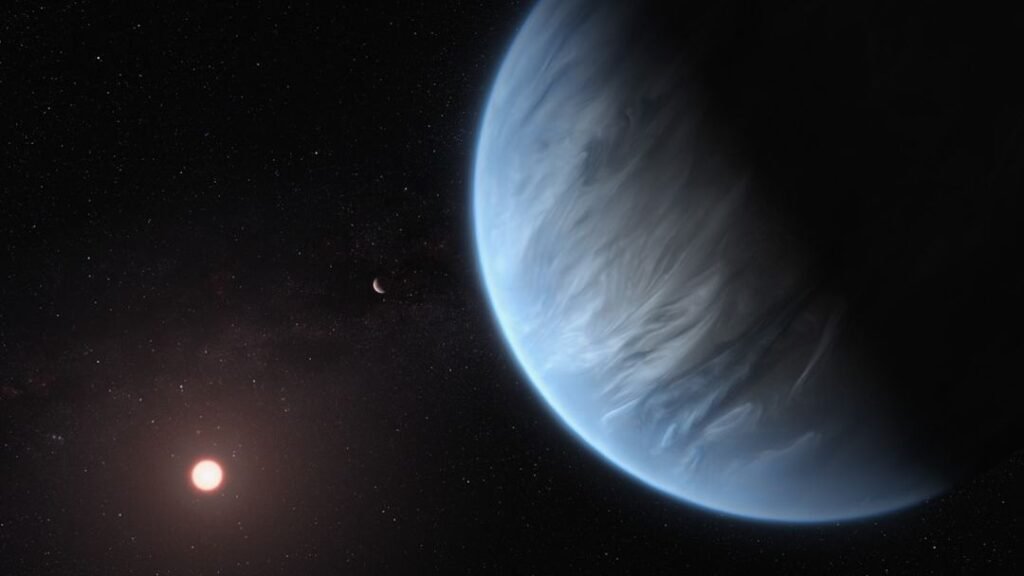

Sometimes it hits you in the quiet moments: we live on a tiny rock, circling a fairly average star, in an unremarkable corner of a galaxy… and yet everything we know, love, and fear exists right here. Then you look up at the night sky, or scroll past an image from the James Webb Space Telescope, and your brain almost refuses to process what it’s seeing. Giant stars being born in clouds of gas, galaxies stretched into arcs by gravity, light that has been traveling for billions of years just to land on your screen.
It’s tempting to think we’ve already figured out the big stuff: the Big Bang, black holes, planets, galaxies. But the deeper scientists look, the weirder and more mind-bending the universe becomes. The truth is, we’re still at the beginning of understanding what’s really out there, and even the things we think we know are often held together with big questions, unanswered gaps, and a sense of “wait… that can’t be right, can it?”
The Cosmic Scale That Breaks Your Brain
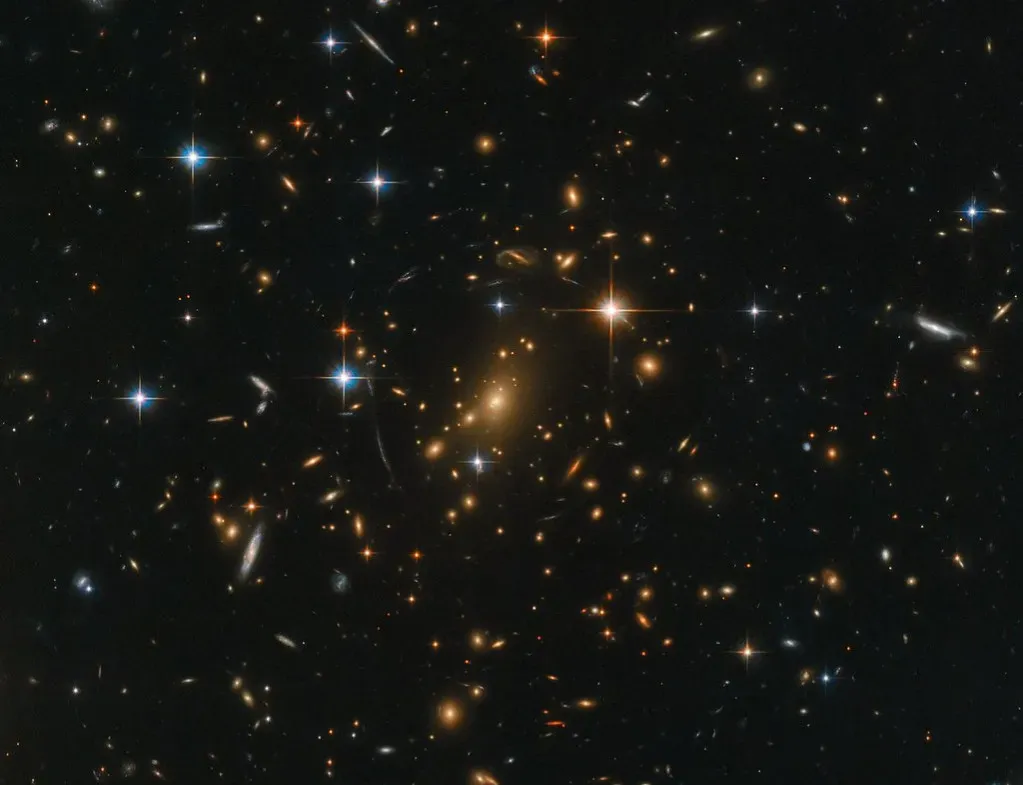
The first shock, once you start getting into space, is just how bad our intuition is about size and distance. We grow up thinking the solar system is like a neat diagram in a textbook, where the planets line up neatly and you could imagine flying from one to another like visiting cities on a map. In reality, the solar system is mostly emptiness, and the gaps between planets are so huge it’s almost like they’re not part of the same thing at all.
Now stretch that same feeling beyond our Sun, and it gets even more unreal. Our Milky Way contains hundreds of billions of stars, and that’s just one galaxy among billions more in the observable universe. Modern telescopes have revealed deep fields of space where what looks like “stars” are actually entire galaxies, each one with its own possible solar systems and stories. The scale is so extreme that the human brain sort of throws up its hands and says, “OK, I get it: it’s big,” while secretly not understanding it at all.
Dark Matter and Dark Energy: The Invisible Majority
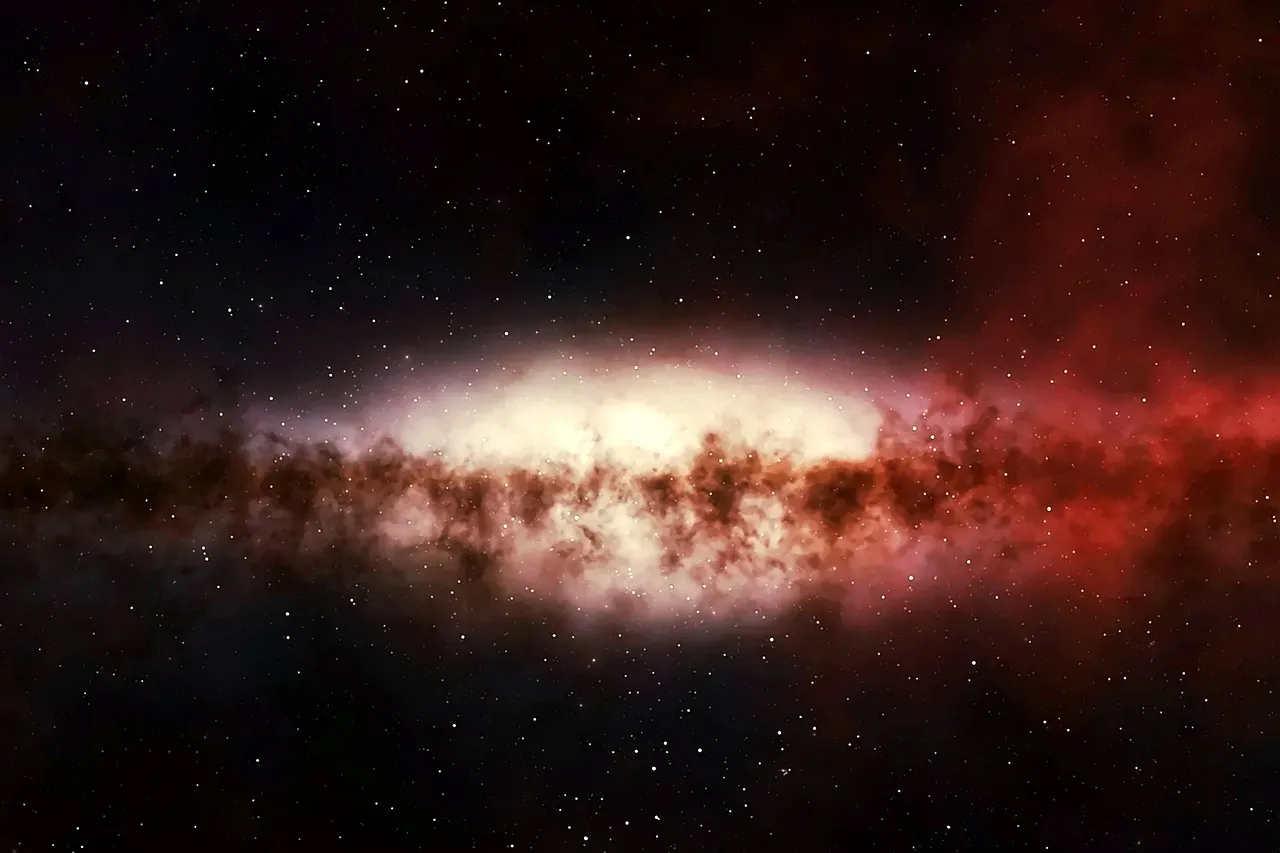
One of the strangest things we’ve learned is that most of the universe is made of stuff we can’t see and don’t understand. When astronomers looked closely at how galaxies rotate, the stars on the edges were moving too fast to be held together by the visible matter alone. Something invisible, something that doesn’t glow, reflect, or absorb light, had to be adding extra gravity. That mystery substance is what we now call dark matter.
But dark matter is only half the weirdness. Observations over the last few decades have shown that the expansion of the universe is not slowing down; it’s speeding up, as if some kind of unknown energy is pushing space apart faster and faster. This is called dark energy, and it makes up the vast majority of the universe’s total content. So, the wild part is that all the stars, planets, gas, dust, and galaxies we can see are just a small fraction of what actually exists. We’re building our entire understanding of reality on a tiny visible sliver, while the rest remains almost completely mysterious.
Black Holes: Not Just Cosmic Vacuum Cleaners
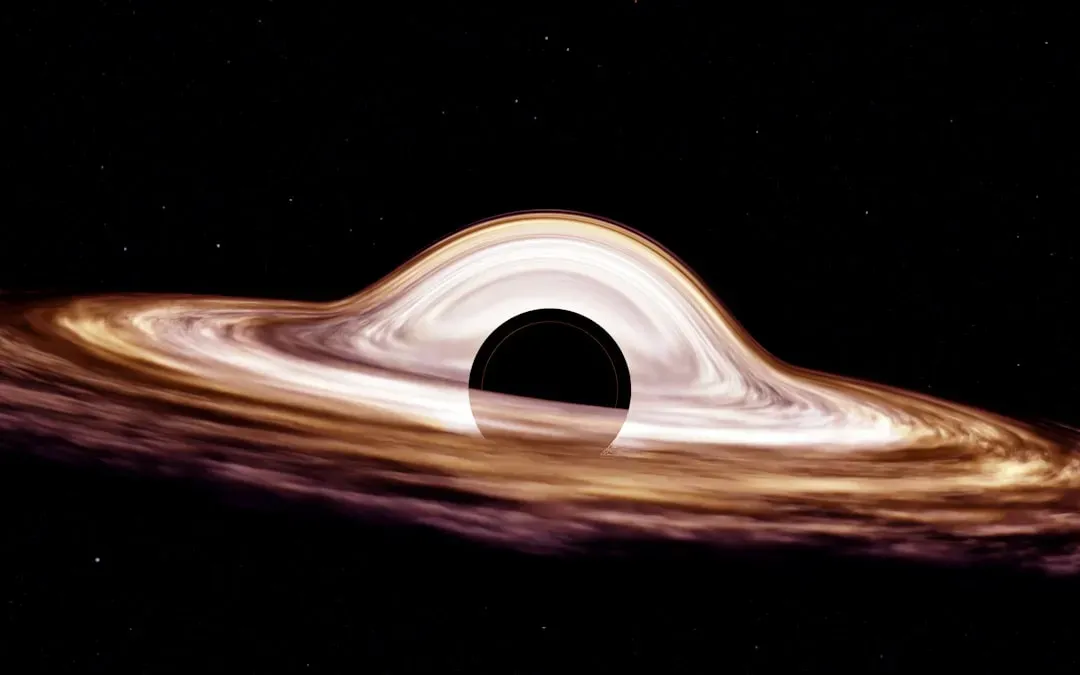
Black holes used to sound like science fiction: regions of space where gravity is so intense that not even light can escape. For a long time, they were mostly theoretical, the kind of thing that lives in equations and thought experiments. Then came confident detections of black holes in binary star systems, detailed images of swirling gas falling in, and eventually the first direct image of a black hole’s shadow at the center of a galaxy. Suddenly, these monsters became very real.
The more we learn about them, the more they defy simple explanation. Black holes seem to play a central role in how galaxies form and evolve, shaping star formation across huge regions of space. At their centers, where everything collapses into a tiny volume, our current physics breaks down. Even information itself becomes a puzzle, with debates about whether it’s lost forever or somehow encoded in subtle ways. Black holes are no longer just dangerous cosmic traps; they’re deep questions about the nature of space, time, and reality itself.
Exoplanets and the Hunt for Other Earths
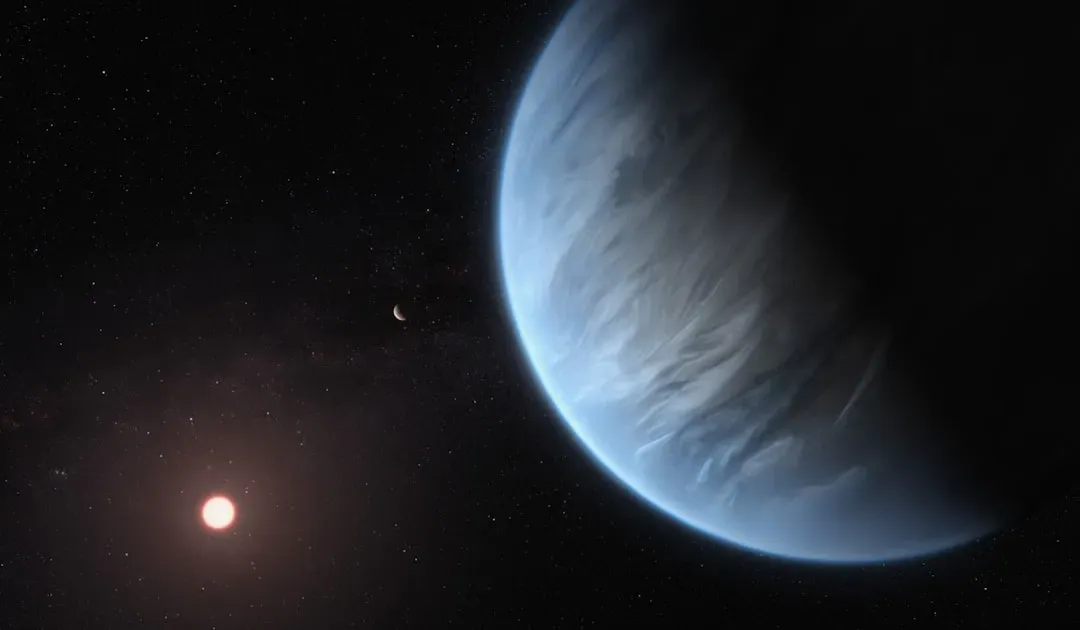
Not long ago, the only planets we knew were those in our own solar system, and the idea of finding worlds around other stars sounded like a far-off dream. Now, thousands of exoplanets have been discovered, ranging from giant “hot Jupiters” skimming close to their stars to small rocky planets in possible habitable zones. Some of them orbit red dwarf stars, some orbit stars like our Sun, and some belong to entirely different categories we never even imagined before we found them.
We’ve reached the point where telescopes can study some of these planets’ atmospheres, searching for gases that could hint at biological activity. No clear sign of life has been found yet, but the fact that we can even look for it in this way would have sounded outrageous a few decades ago. The sheer variety of exoplanets has blown up our neat picture of what a “normal” planetary system looks like. Somewhere out there, it is not unreasonable to think, may be a world where someone else is looking up at their sky, wondering the same things we do.
The First Light: Peering Back to the Beginning
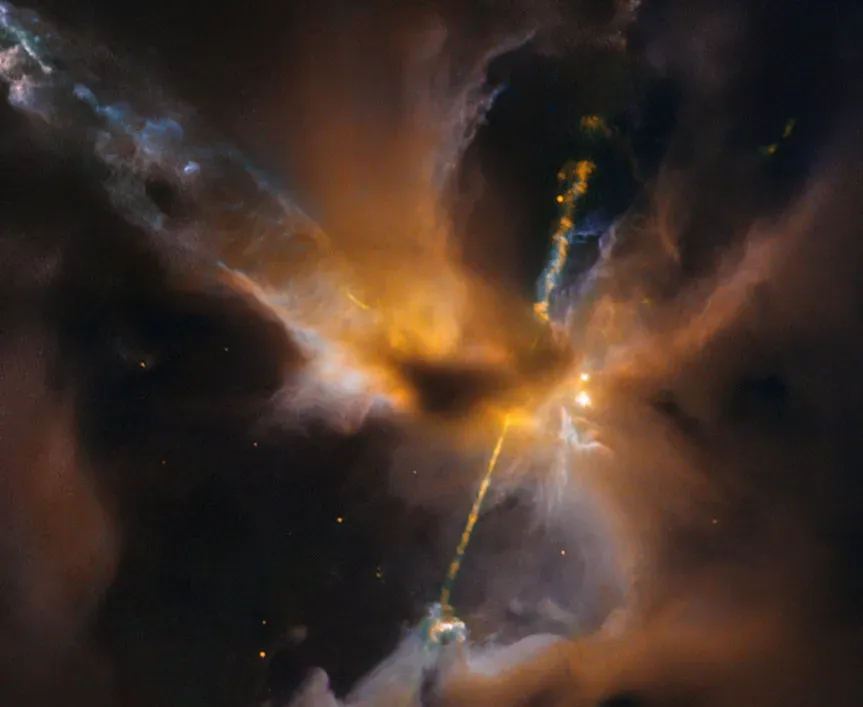
When we look deep into space, we’re also looking back in time, because light takes time to travel. Some of the faint smudges captured by modern telescopes are galaxies as they were billions of years ago, when the universe was still young. What’s surprising is how quickly structure formed: we can see very distant galaxies that already look more organized and massive than some models originally predicted they should be at that age.
The cosmic microwave background, a faint afterglow from the early universe, acts like a baby picture of everything, showing subtle ripples that grew into galaxies and clusters. Yet, even with all this data, big questions remain about how the universe actually began and what, if anything, came “before” the Big Bang. Every new observation of distant, early galaxies adds more detail but also more complexity, like solving one puzzle only to find there’s a bigger, stranger puzzle hidden underneath.
The Strange Rules of Quantum Reality
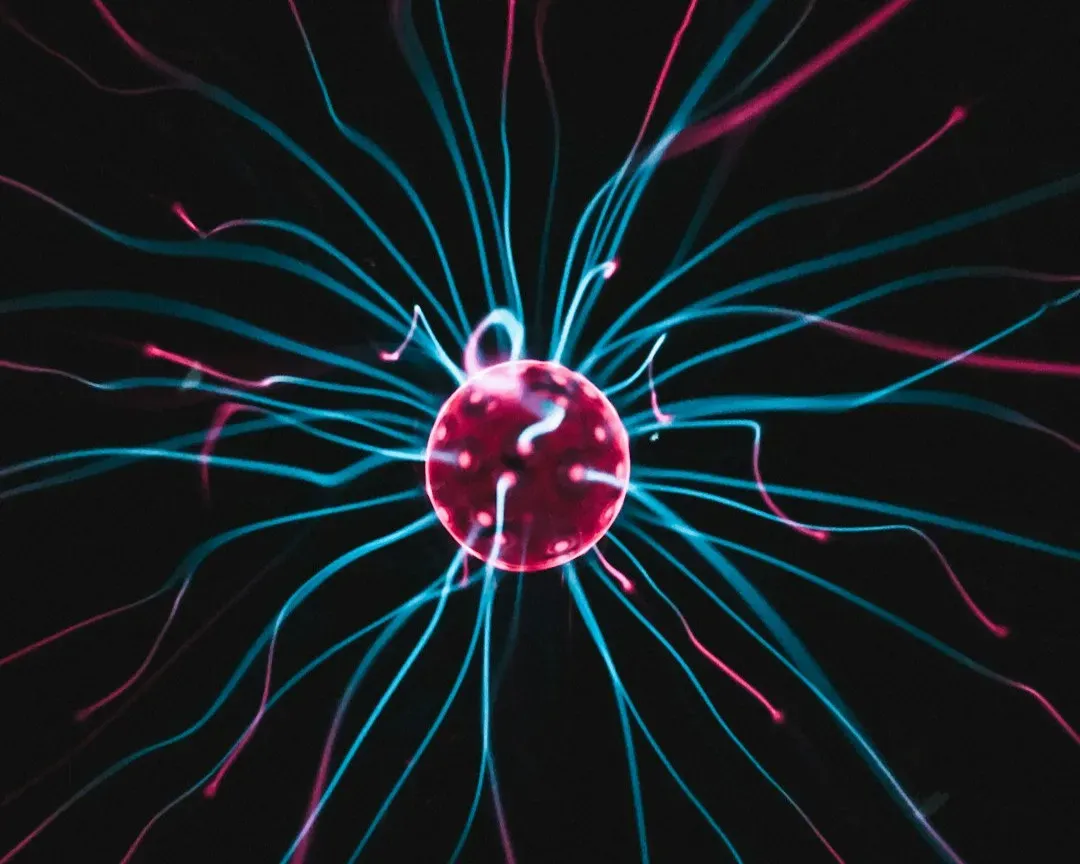
Zoom in far enough, and the universe stops behaving like the solid, predictable place we think we live in. At the smallest scales, particles can act like both waves and solid objects, exist in multiple possible states at once, and influence each other instantly over large distances. This is not just abstract theory; experiments repeatedly confirm that the quantum world plays by rules that feel almost deliberately designed to baffle everyday intuition.
What’s even more mind-bending is that the large-scale universe and the tiny quantum world are not separate stories; they’re connected. The early universe was incredibly small and dense, meaning quantum effects played a major role in shaping what later became galaxies and clusters. Yet our best theory of gravity and our best quantum theories still don’t fit together cleanly. Somewhere in the gap between them, a deeper description of reality is waiting, and we’re only starting to get clues about what it could look like.
Are We Alone, or Just Early to the Party?
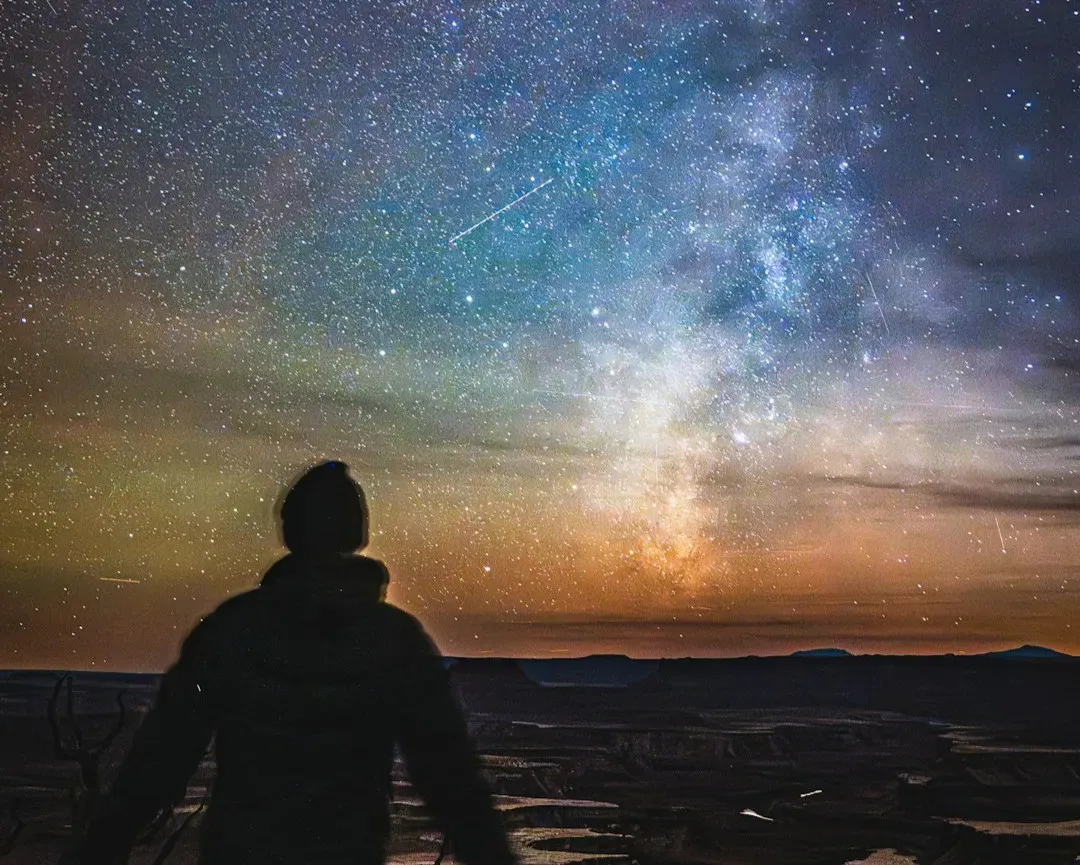
One of the most haunting questions the universe throws at us is whether life exists elsewhere. On paper, it seems almost unavoidable: countless stars, countless planets, staggeringly long timescales. Yet, as far as we know today, Earth is the only place where life has taken hold, evolved complexity, and started asking big questions. This mismatch between how likely life seems and our lack of evidence for it is often framed as a kind of cosmic paradox.
There are many possible answers, and none of them are entirely comfortable. Maybe life is incredibly rare, and we’re one of the lucky accidents. Maybe life is common, but intelligent, technological civilizations are rare or short-lived. Or maybe others are out there, but we don’t yet know how to look, or we’re not listening in the right way. Whatever the answer turns out to be, it will fundamentally change how we see ourselves: either as a precious, fragile exception or as one chapter in a much bigger, older story.
The Universe as a Continuing Mystery
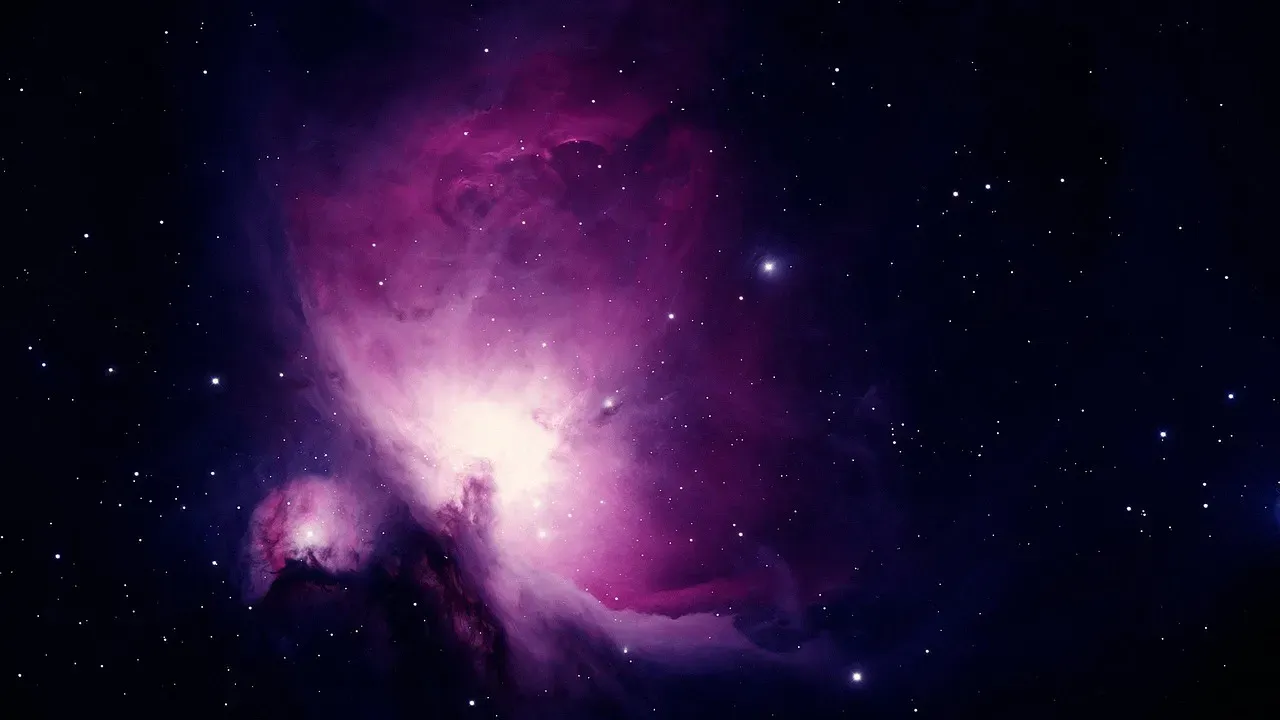
The more we uncover about the universe, the more it refuses to be a neat, closed book. We’ve named things like dark matter and dark energy, but those names mostly mark the edges of our ignorance rather than final answers. Black holes, exoplanets, early galaxies, quantum weirdness, and the search for life all scratch at the same itch: the feeling that reality is far deeper and stranger than we were raised to believe.
In a way, that’s the most hopeful part. We live at a time when machines orbit distant planets, telescopes see back to cosmic dawn, and data from across the spectrum pours in faster than we can fully digest it. We’re tiny, but we’re also curious, and that curiosity lets us reach far beyond our size. The universe is full of wonders we’re only starting to comprehend, and we’re still in the opening chapters of understanding them.