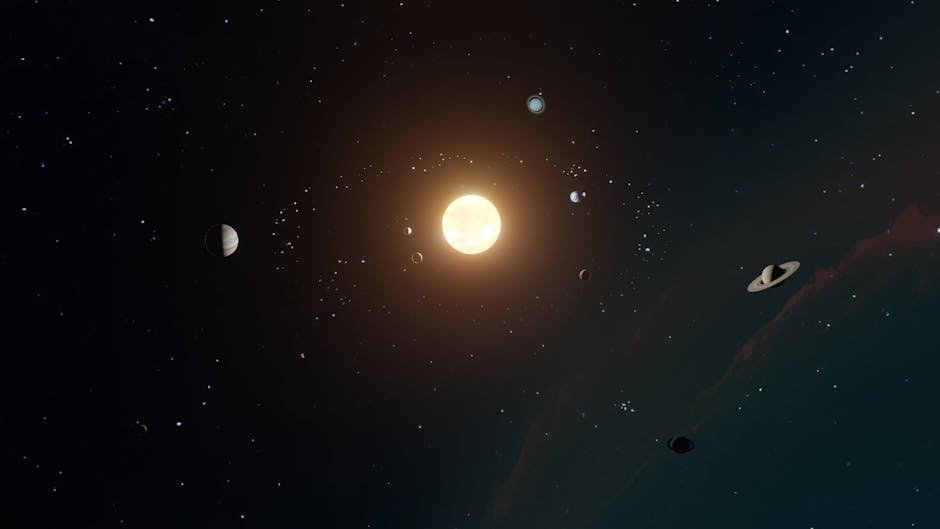

If you’ve ever stared up at the night sky and felt a strange mix of awe and smallness, you’re not alone. For most of human history, we thought we had a decent handle on what was out there: some stars, a moon, maybe a few wandering planets. Now, in 2026, the more powerful our telescopes get, the more the universe feels like an unfinished sentence we’re only just starting to read.
What makes it even more staggering is this: every time scientists finally “solve” one cosmic mystery, two or three bigger, weirder questions show up right behind it. It’s like opening a door expecting a small closet and finding an endless cathedral lit by millions of distant, flickering candles. We’re beginning to map it, name it, model it – but the honest truth is we’re still at the “first sketch on a napkin” stage of understanding.
The Cosmic Scale That Breaks Your Brain
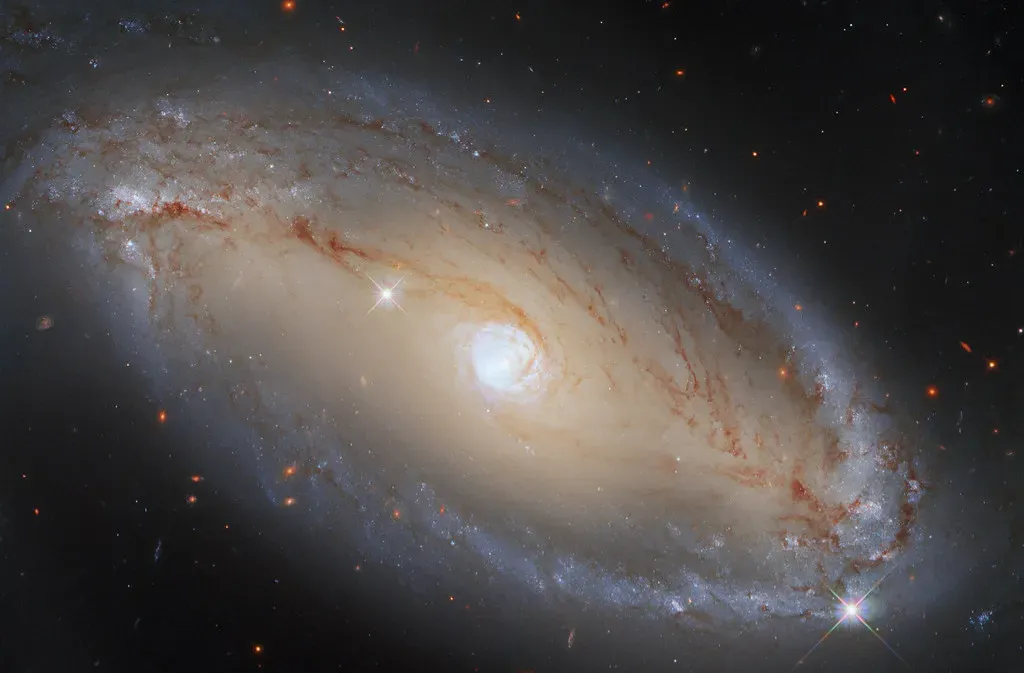
Here’s a slightly unsettling thought: most of us can’t truly imagine how big the universe is, no matter how hard we try. Our brains evolved to handle things like trees, rivers, and maybe a mountain or two – not distances where light itself, racing at cosmic speed, needs billions of years just to get from one place to another. When astronomers say we can see back in time nearly to the beginning of the universe, they’re not being poetic; they literally mean our telescopes are catching ancient light that left its source before Earth even existed.
Right now, the observable universe stretches roughly tens of billions of light-years in every direction from us, and that’s just the part we can see. Beyond that? We don’t know if it goes on forever, folds back on itself, or does something stranger that we haven’t even imagined a good metaphor for yet. Trying to picture it is like trying to understand the ocean by staring at a single drop of water on your fingertip – helpful, but hilariously incomplete.
The James Webb Telescope and the Baby Universe
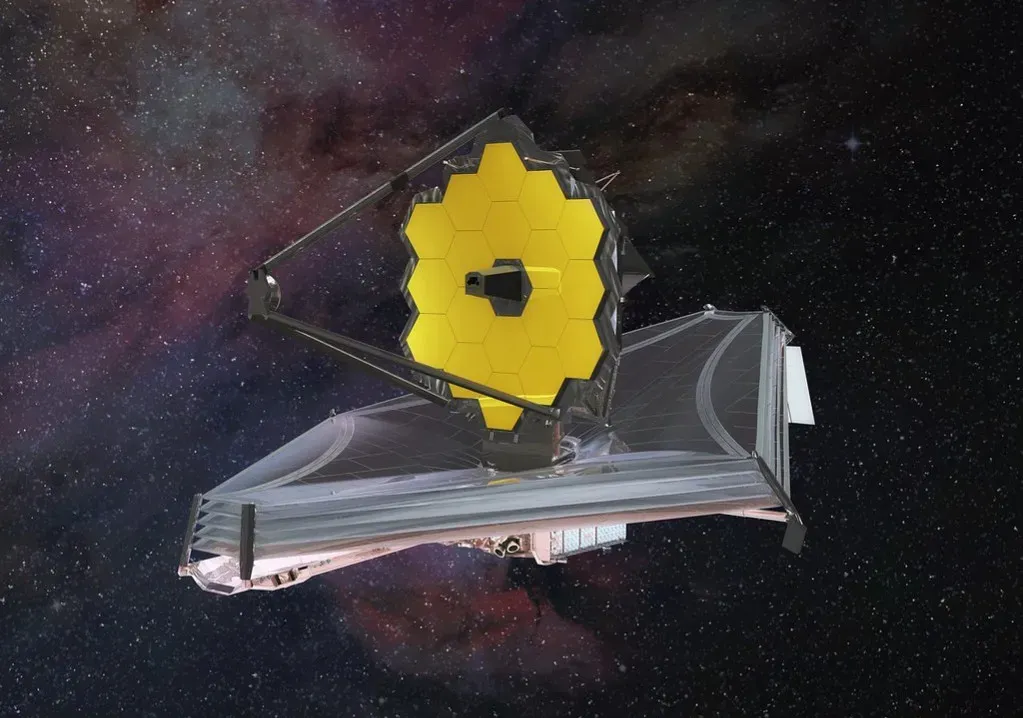
When the James Webb Space Telescope (JWST) started sending back its first full-resolution images, even many seasoned astronomers were caught off guard. Those deep-field photos, with countless galaxies packed into what looks like a pinprick of sky, drove home just how wildly crowded the cosmos is. What shook people even more was that some of those galaxies seemed to be too big, too bright, and too well-formed to fit comfortably into our earlier theories about how fast structures should grow after the Big Bang.
Scientists are now revisiting and refining their models of early galaxy formation, trying to reconcile what we thought should happen with what JWST is actually showing us. The telescope has also been detecting surprisingly complex chemistry in the distant universe, including around young stars and forming planets. It feels a bit like opening a family photo album and discovering baby pictures of the universe that look very different from the story you thought your grandparents told you.
Dark Matter: The Invisible Skeleton of the Cosmos
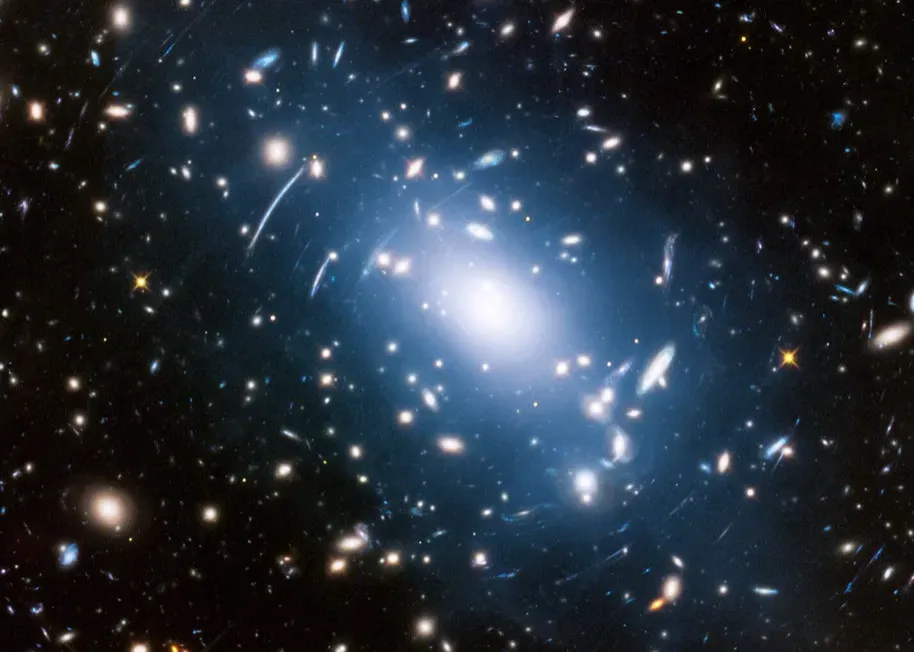
One of the strangest facts about reality right now is that the stuff we see – stars, planets, gas clouds, everything we’re used to – is only a small fraction of what’s actually out there. Astronomers realized that galaxies were rotating too fast to be held together by visible matter alone, as if there was a hidden mass propping them up. That invisible mass is what we call dark matter, and it seems to act like an unseen skeleton or scaffolding for the universe, shaping how galaxies and clusters form and move.
The really frustrating part is that nobody has directly detected a dark matter particle in a lab yet, even with incredibly sensitive experiments buried deep underground. We only infer its presence from the way it tugs on things through gravity, bending light and warping the motion of stars on galactic scales. It’s like discovering that the entire architecture of a city depends on a network of invisible beams you can’t touch or see, only infer from the way buildings stand and sway.
Dark Energy and the Accelerating Expansion
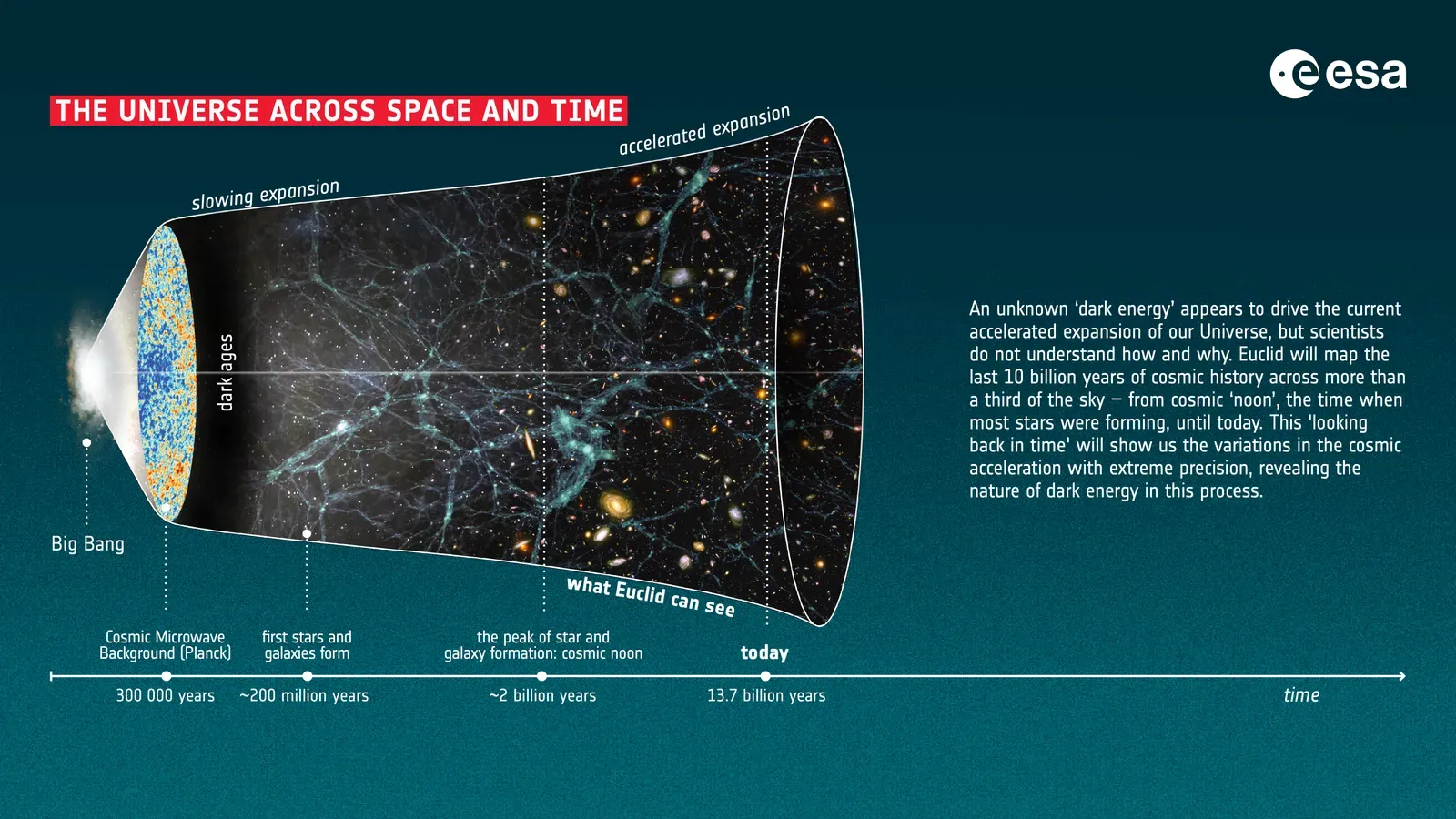
Just when scientists thought dark matter was the big puzzle, the universe delivered an even bigger twist. Observations of distant exploding stars showed that the expansion of the cosmos isn’t slowing down under gravity, as you might expect – it’s actually speeding up. That discovery forced physicists to propose something even stranger: dark energy, a mysterious form of energy that seems to be baked into the fabric of space itself and pushes everything apart.
Today, dark energy appears to make up the majority of the total energy content of the universe, yet we barely have a handle on what it is. It’s a bit like realizing your house is being slowly pushed apart by some invisible pressure in the walls, and you can measure the effect but still have almost no clue what’s doing the pushing. New observatories and sky surveys are trying to pin down whether dark energy changes over time or behaves like a constant, and the answer could reshape our ideas about the ultimate fate of the universe.
Exoplanets and the Expanding Search for Life
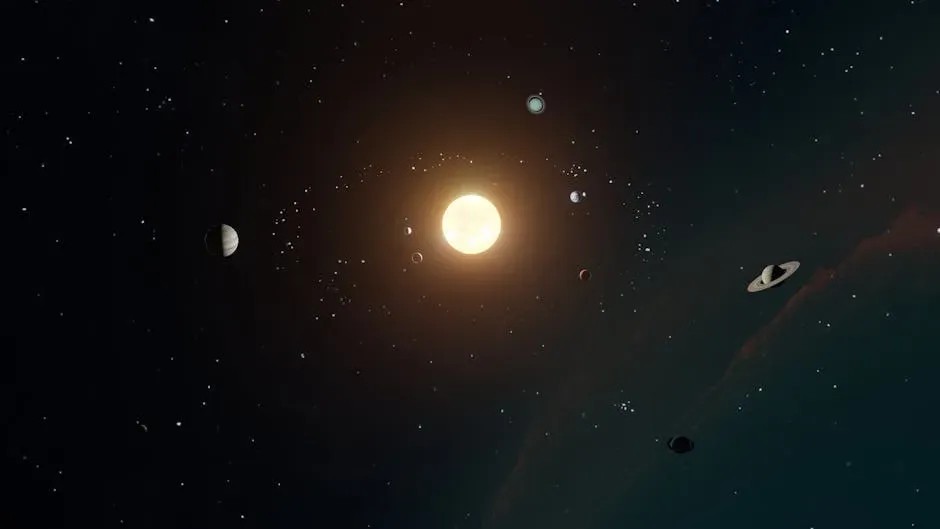
Only a few decades ago, the idea of planets around other stars was still mostly in the realm of speculation and science fiction. Now, thousands of exoplanets have been confirmed, with new ones announced regularly as telescopes refine their methods. We’ve found hot Jupiters skimming the surfaces of their stars, rocky worlds close to Earth’s size, and planets in the so-called habitable zones where liquid water might exist on the surface under the right conditions.
What’s new and especially exciting in 2026 is our growing ability to study the atmospheres of some of these distant worlds. By analyzing the faint starlight that filters through a planet’s atmosphere as it passes in front of its star, scientists can look for signatures of molecules like water vapor, carbon dioxide, methane, and more complex compounds. It’s like learning to read the faintest smudges on a distant window and realizing those smudges might tell you whether anyone’s cooking dinner inside.
Black Holes, Gravity Waves, and the Warped Fabric of Space-Time
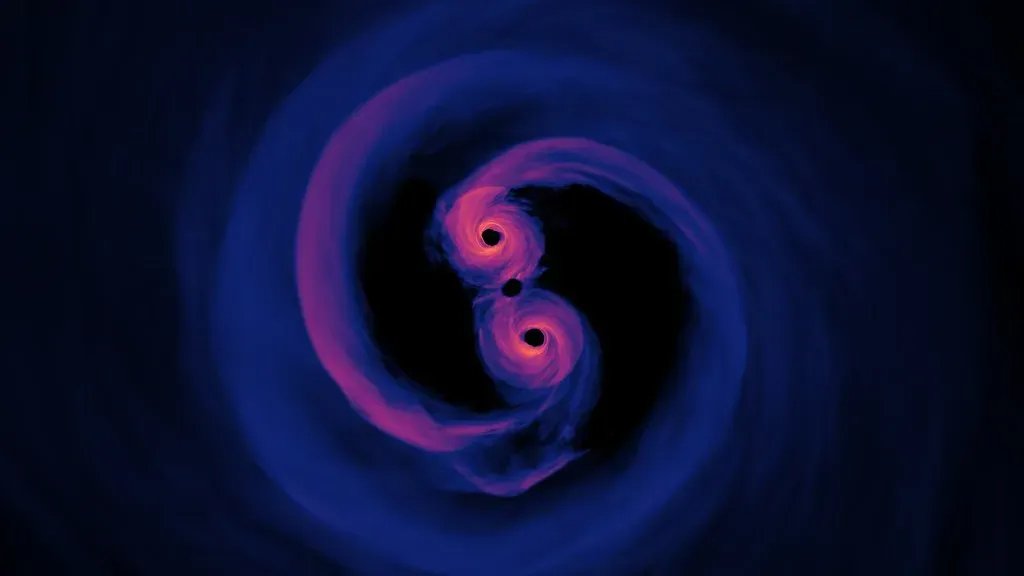
Black holes used to sound like pure science fiction: regions of space where gravity is so intense that not even light can escape. Today, they’re among the most studied and strangely familiar cosmic objects, from the stellar-mass ones formed by collapsing stars to the supermassive monsters lurking at the centers of galaxies. In the last decade, astronomers even managed to create images of the regions around a few of these giants, revealing bright, swirling rings of matter spiraling toward the point of no return.
The detection of gravitational waves – tiny ripples in space-time generated by colliding black holes and neutron stars – has added a whole new way of listening to the universe. Instead of just collecting light, we’re now literally measuring the minuscule stretching and squeezing of space itself as massive objects crash together. It’s like going from watching a silent movie of the cosmos to suddenly hearing its low, distant soundtrack rumble through the theater.
Cosmic Chemistry: From Star Dust to Living Cells
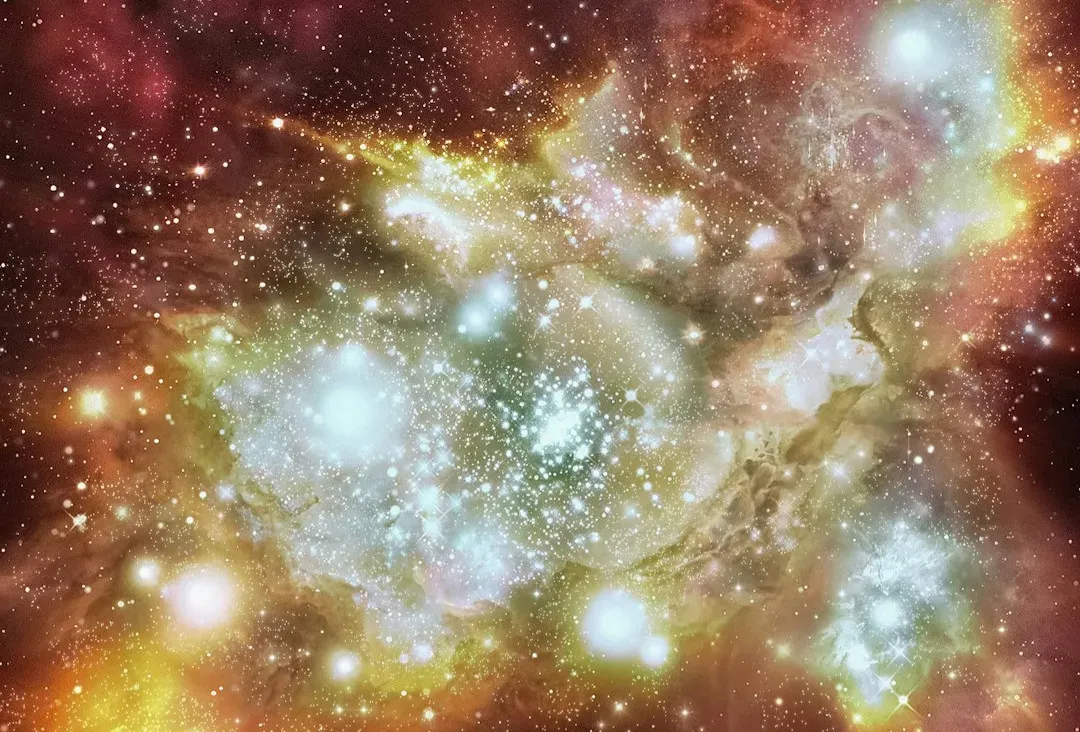
There’s a simple but deeply moving idea that keeps showing up in modern astronomy: the atoms in your body were forged in stars. Elements like carbon, oxygen, and iron are created in stellar cores and violent supernova explosions, then scattered into space, where they eventually get recycled into new stars, planets, and – sometimes – living things. The phrase “we are stardust” might sound poetic, but it also happens to be literally, chemically true.
What we’re learning now is that complex organic molecules seem to form surprisingly easily in space, even in some pretty harsh environments. Telescopes and lab experiments are finding building blocks of life – like simple sugars and amino acid precursors – on icy comets, in gas clouds, and in the dusty disks around newborn stars. It suggests that the raw ingredients for life are not rare, finely tuned accidents, but more like flour and water scattered all over the cosmic kitchen, just waiting to be mixed in the right way.
The Mystery That Keeps Us Looking Up
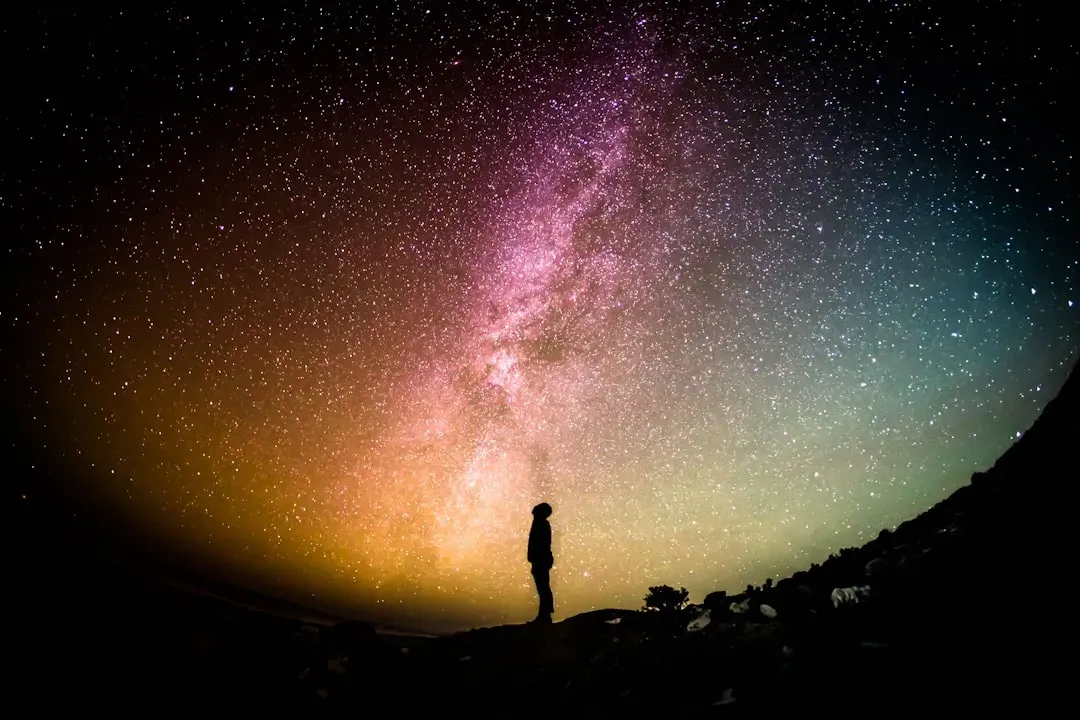
For all the progress we’ve made, from mapping exoplanets to imaging black holes, our understanding of the universe is still wildly incomplete. We’re surrounded by dark matter we can’t see, driven apart by dark energy we don’t understand, and living in a cosmos whose true size and shape might be far beyond what we can ever measure. And yet, that incompleteness is exactly what keeps drawing us back to the night sky, again and again, with better instruments and bigger questions.
In a way, the universe isn’t just full of wonders – it is the wonder, a giant, unfolding story we’re lucky enough to glimpse for a brief moment from one small world. Every new discovery feels like turning a page and realizing the plot is far more intricate than we imagined, but also more connected to us than we expected. It makes you wonder: if this is what we’ve found in just a few decades of serious looking, what else is still hidden in that dark, glittering ocean above us?