

You might think space is silent. After all, we learned in school that sound can’t travel through a vacuum. That’s technically true, but here’s the thing: the universe is absolutely teeming with sounds that we humans simply can’t perceive. The cosmos hums, whistles, chirps, and roars in ways that would blow your mind if only your ears could pick them up.
Scientists have developed ingenious methods to detect these hidden cosmic symphonies. From electromagnetic waves pulsing across millions of light years to the literal fabric of space-time rippling from cataclysmic collisions, researchers are tuning into frequencies that exist far beyond human hearing. Let’s be real, the fact that we’re essentially deaf to most of what’s happening out there makes you wonder what else we’re missing. So let’s dive in and discover how scientists are capturing these invisible sounds and what they’re learning from them.
Space Isn’t Actually Silent
While floating out in space you wouldn’t hear much because there’s no air for sound waves to propagate through, that doesn’t mean the universe is quiet. Think of it like this: just because you can’t hear dog whistles doesn’t mean they don’t exist. The cosmos is filled with phenomena that generate vibrations, pulses, and waves across the electromagnetic spectrum.
Natural sources of radio waves include lightning and other processes in Earth’s atmosphere, and astronomical radio sources in space such as the Sun, galaxies and nebulas. These signals are constantly bombarding our planet, invisible and inaudible to us. The very first sounds from space were recorded by astronomer Karl Guthe Jansky in 1932, who discovered a persistent background hiss that was actually the sound of the heart of the Milky Way galaxy itself. Pretty wild when you think about it.
Converting Electromagnetic Waves Into Audible Sound
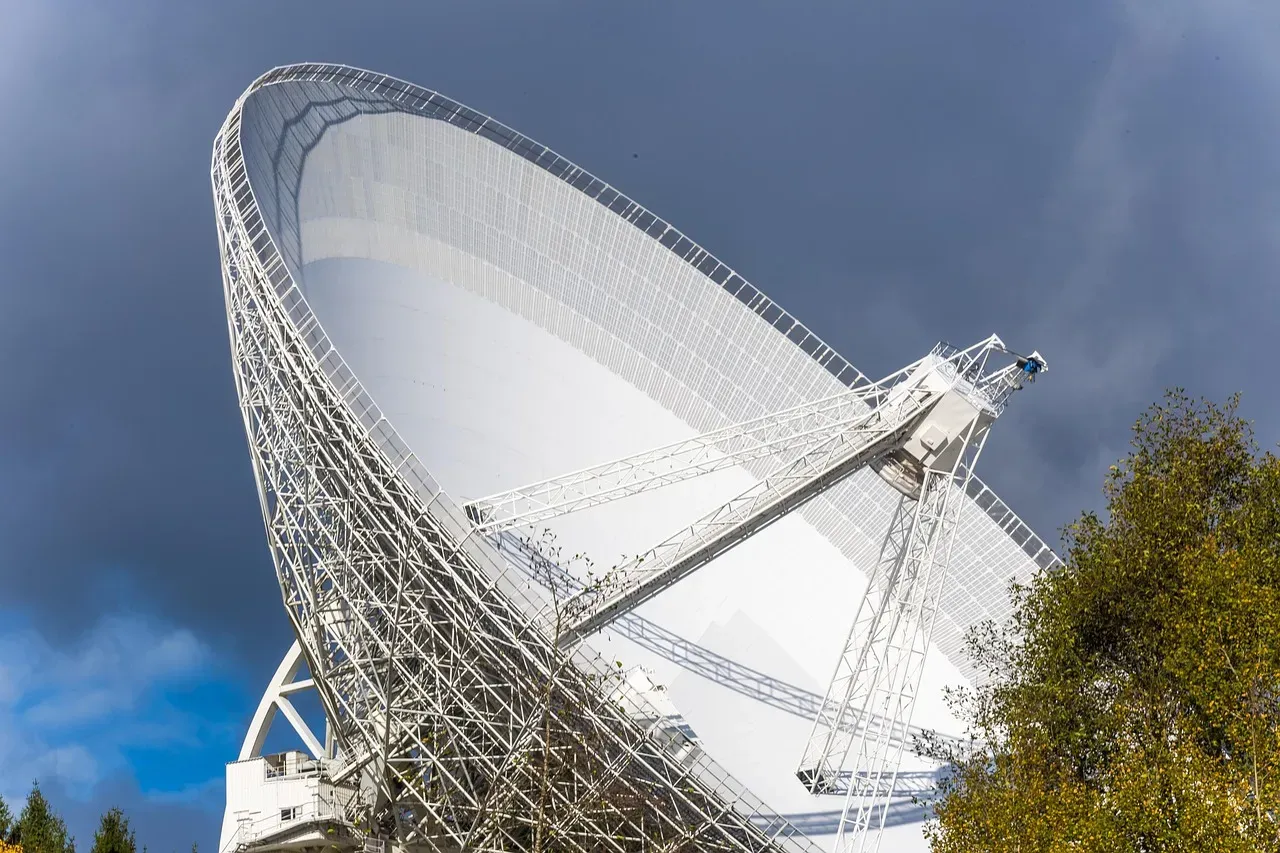
Scientists can simulate the sounds of space by translating radio emissions and other signals into sound waves. It’s not magic, just clever engineering. Space agencies capture electromagnetic radiation using specialized instruments, then shift those frequencies down into a range our ears can actually process.
Radio waves aren’t sound; they’re a form of light in which sound data can be encoded, and the technology for converting electromagnetic waves into sound is very well established. When Jupiter’s magnetosphere crackles with plasma waves or Saturn’s rings emit eerie frequencies, scientists can transform those readings into something you could play through headphones. Earth’s plasma waves can sound a bit like birds or whales, while Saturn sounds like a soundtrack from an eerie 1950s sci-fi movie.
Gravitational Waves: Hearing Collisions Across The Universe
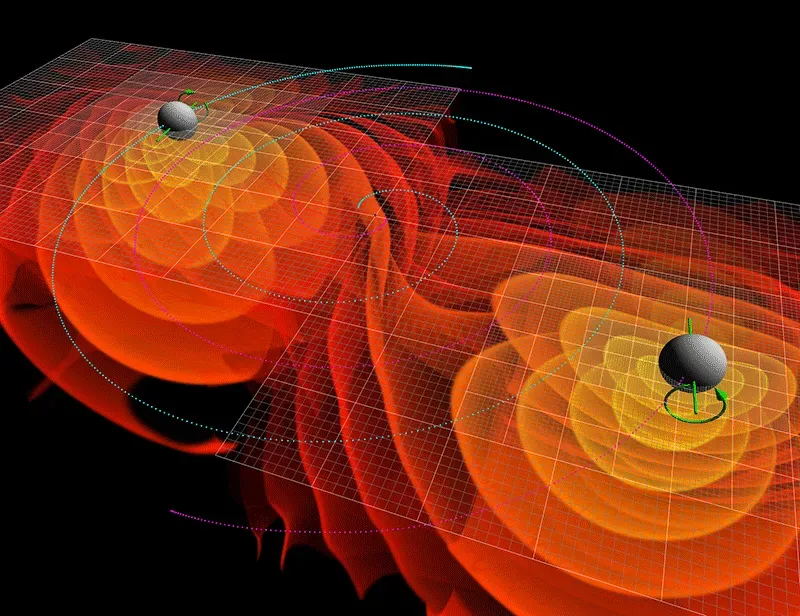
Honestly, this might be the most mind-blowing discovery of our generation. The Laser Interferometer Gravitational-Wave Observatory is designed to detect cosmic gravitational waves, which are ripples in the very fabric of space-time itself. The first direct observation of gravitational waves was made on September 14, 2015, confirming something Einstein predicted a century earlier.
Once researchers obtained a gravitational signal, they converted it into audio waves and listened to the sound of two black holes spiraling together, then merging into a larger single black hole. The sound is brief but distinctive, a kind of ascending chirp. In January 2025, two colliding black holes sent the clearest gravitational wave signal ever recorded rippling across the universe to Earth’s detectors, designated GW250114. These detections have become almost routine now, opening an entirely new way to observe the universe.
NASA’s Sonification Project: Turning Telescope Data Into Music
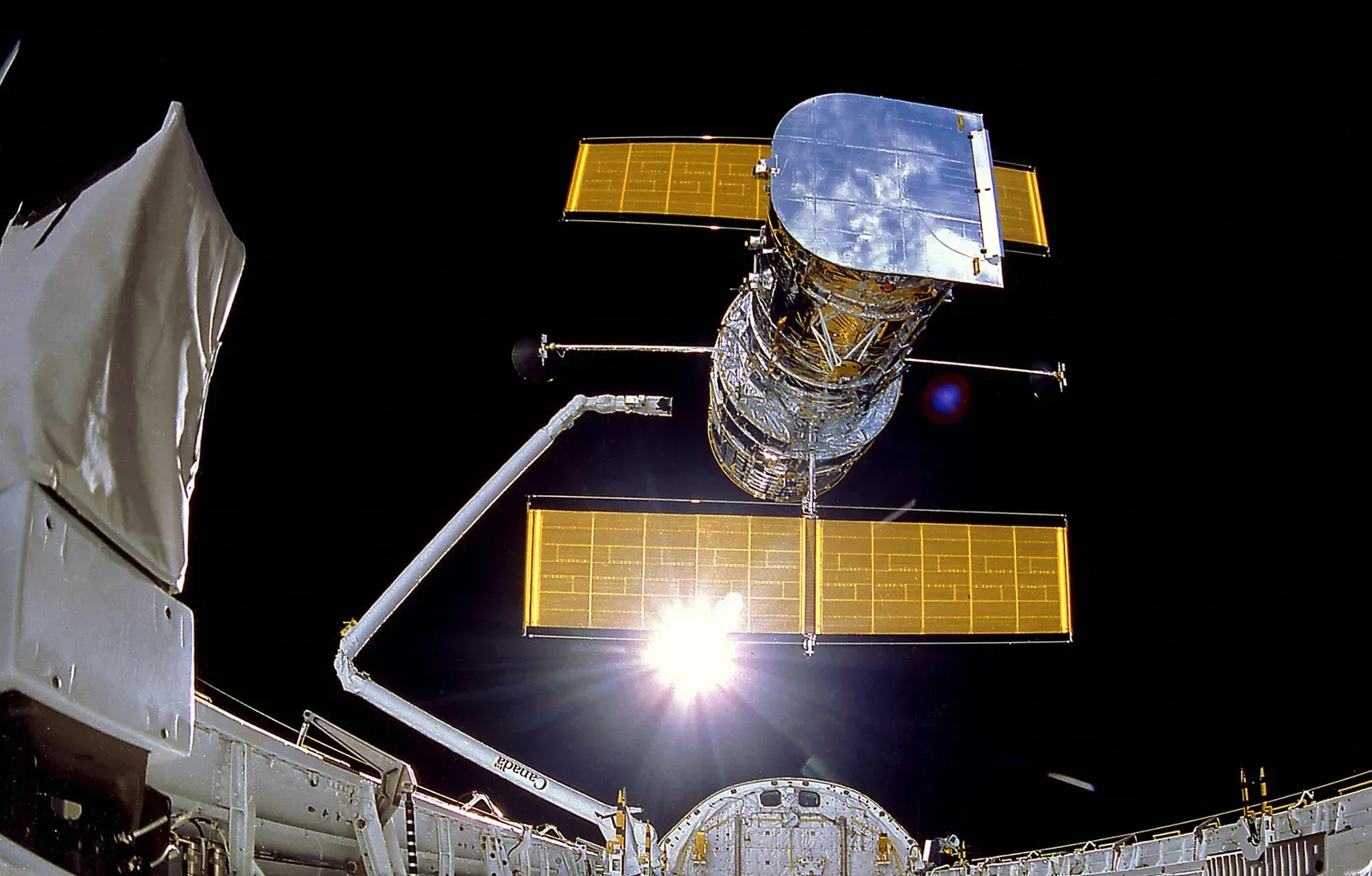
In 2020, experts at the Chandra X-ray Center and System Sounds began the first ongoing, sustained program at NASA to sonify astronomical data. This isn’t just for fun, though it does sound amazing. Sonification is the process of translating data into sounds, where scientific data collected from space as digital signals are commonly turned into visual imagery, then taken through another step of mapping the information into sound.
Scientists represented brightness with volume and pitch, where brighter light is louder and lower pitched, and the vertical position of objects controls the pitch of sustained musical strings. Different telescopes provide different types of data. Data from three telescopes are mapped to different types of sounds, with X-rays from Chandra sounding like a synthesizer, Spitzer’s infrared data as strings, and optical light from Hubble having bell-like tones.
The Black Hole That Actually Made Sound Waves
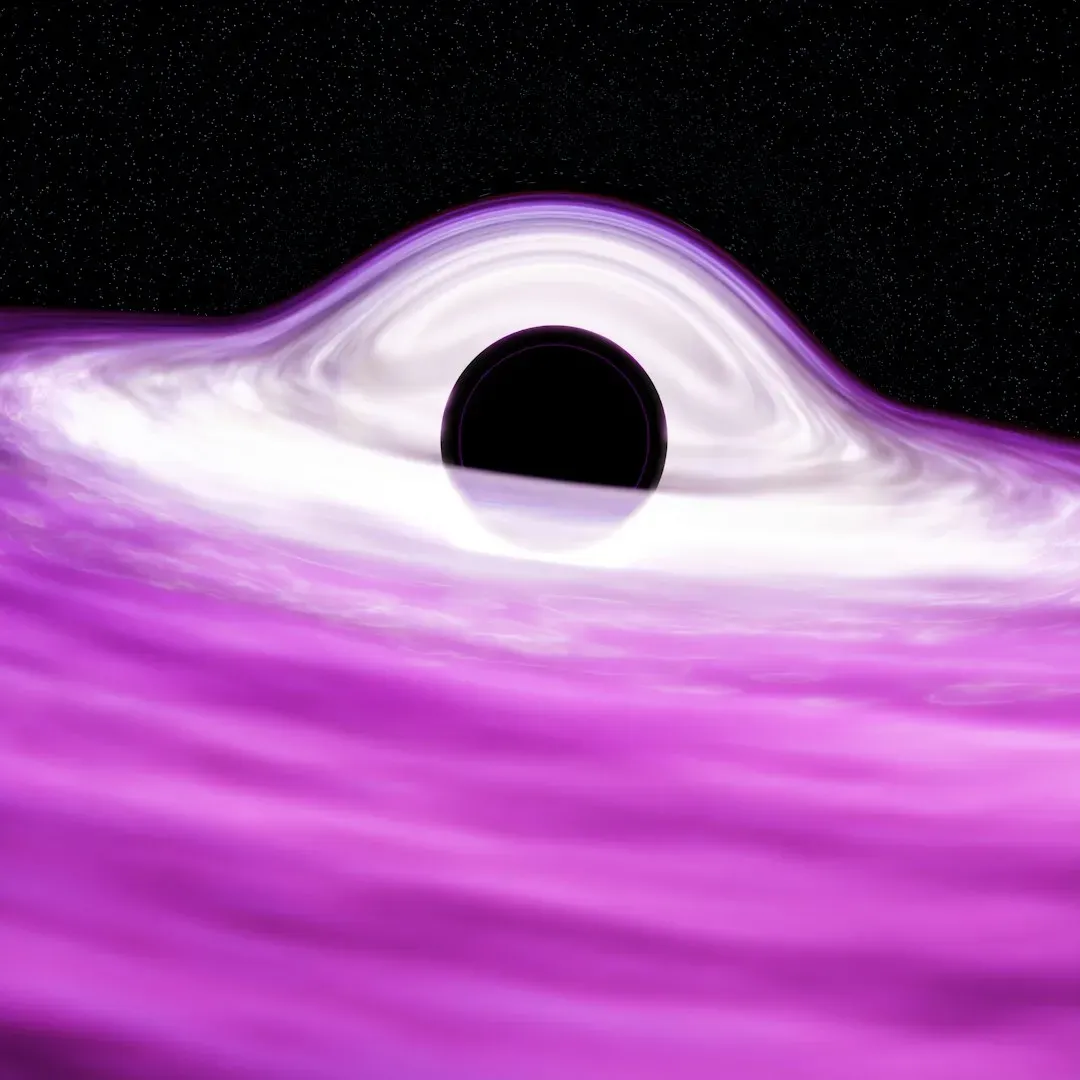
I know it sounds crazy, but there’s a black hole that literally produces sound. The black hole at the center of the Perseus galaxy cluster is surrounded by hot gas, and NASA recently released an audio clip representing actual sound waves rippling through the gas and plasma in this cluster, which is 250 million light years from Earth.
The sound waves in their natural environment are a whopping 57 octaves below middle C, and scientists raised their frequencies quadrillions of times to make them audible to humans. The result? It’s genuinely eerie, like something from a horror film. The sound is low, ominous, and unsettling. It’s hard to say for sure, but it definitely makes you feel the immense power of these cosmic objects.
Fast Radio Bursts: Mysterious Millisecond Blasts
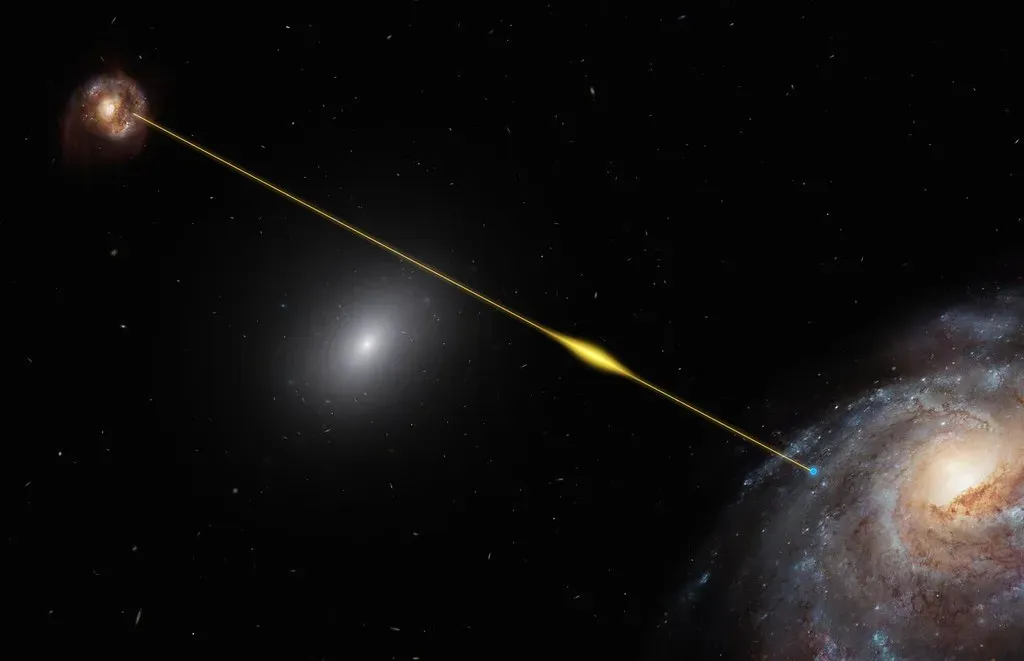
Fast Radio Bursts remain among the most enigmatic signals ever detected, consisting of incredibly short radio pulses that often last just a few milliseconds and can outshine entire galaxies in radio wavelengths during their brief existence. Nobody fully understands what causes them, which makes them both fascinating and frustrating.
In 2026, astronomers continued to document repeating FRBs that fire multiple bursts from the same source over time, ruling out catastrophic explanations such as one-time stellar explosions and pointing toward persistent but unstable cosmic objects. These signals travel across billions of light years, carrying information about the invisible matter they pass through. Every new detection raises more questions than answers.
Pulsars: The Universe’s Most Precise Drummers
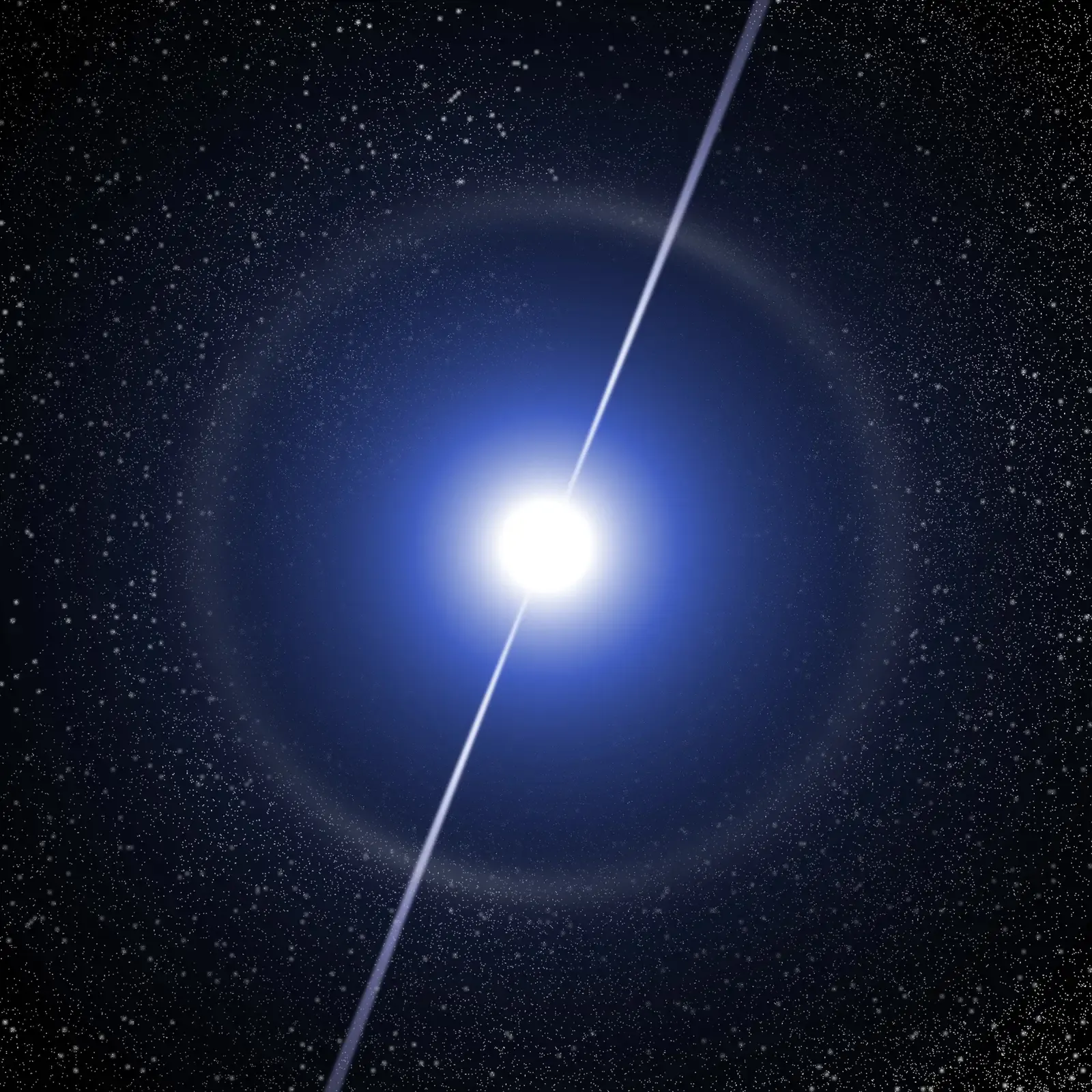
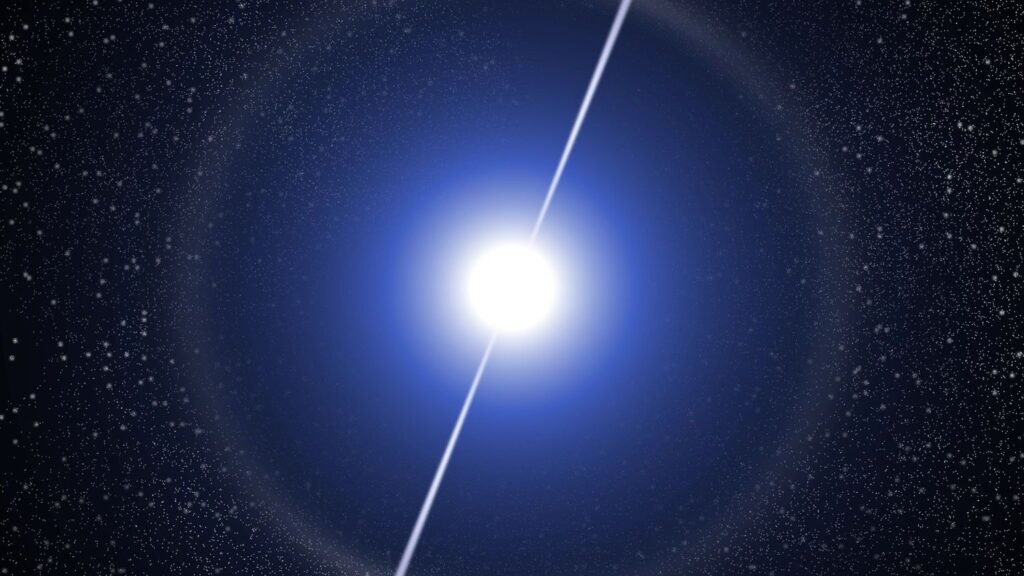
Some neutron stars emit beams of electromagnetic radiation as they spin like lighthouse beams pulsing at a certain frequency, and when converted into sound waves, these pulses can sound like the rat-a-tat of a distant drum or a high-speed whirling hum. They’re like cosmic metronomes, incredibly precise and utterly alien.
These objects are among the densest things in the universe. A teaspoon of neutron star material would weigh about a billion tons on Earth. The strongest gravitational waves are produced by cataclysmic events such as colliding black holes, supernovae, and colliding neutron stars. When you hear their sonified pulses, you’re essentially listening to the heartbeat of a collapsed star.
Sounds From Other Planets In Our Solar System
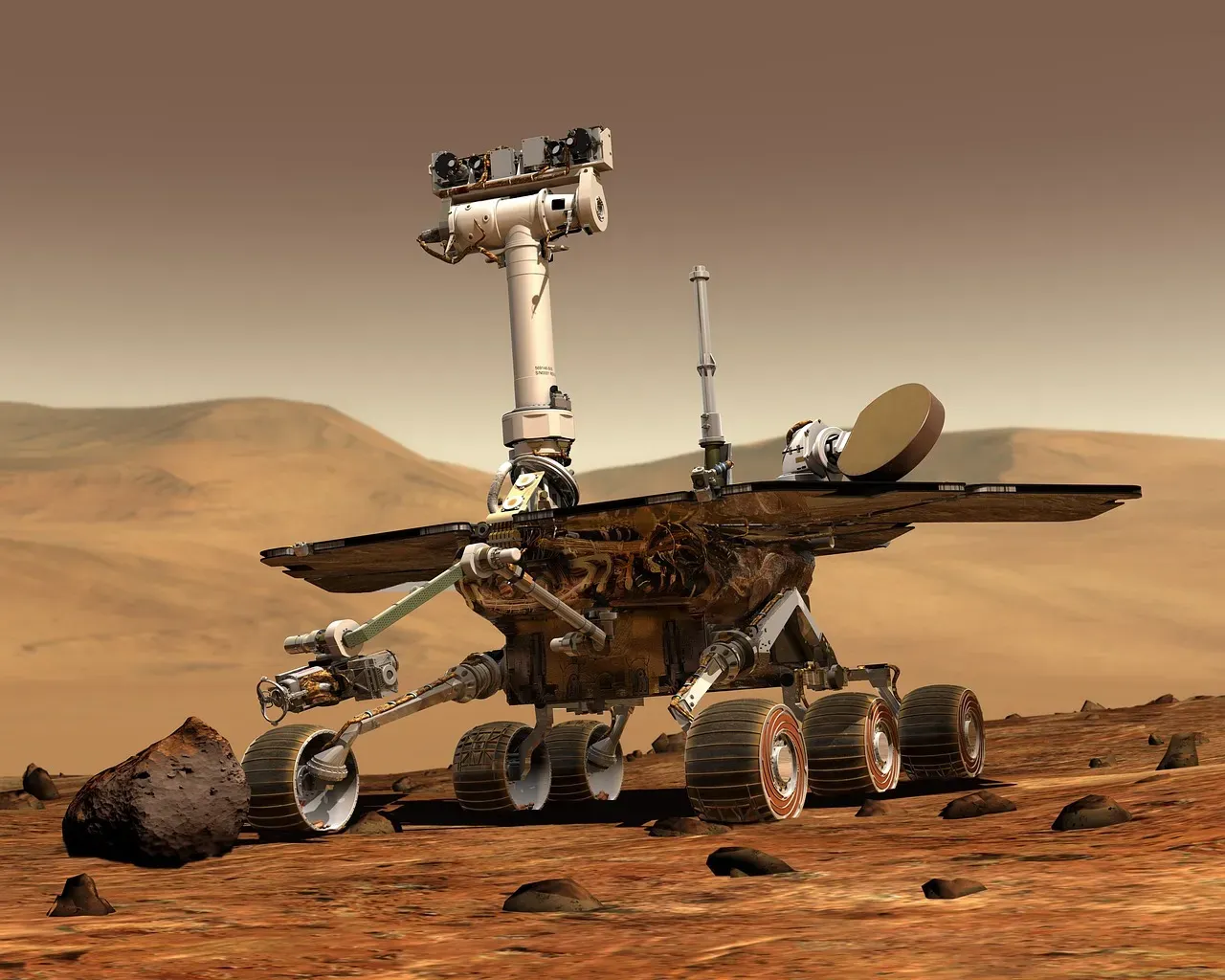
You don’t have to travel billions of light years to find interesting space sounds. A recording made by the SuperCam instrument on NASA’s Perseverance Mars rover captured sounds on Mars just about 18 hours after landing, though the rover’s mast was still stowed so the sound is muffled, a little like listening to a seashell.
NASA’s Perseverance Mars rover used its SuperCam microphone to record the sounds of a Martian dust devil, marking the first time any such recording has been made, when the dust devil passed directly over Perseverance on September 27, 2021. The Juno spacecraft also captured radio emissions during its June 7, 2021 flyby of Jupiter’s moon Ganymede. Each world has its own acoustic signature.
Why Sonification Matters Beyond Cool Sound Effects
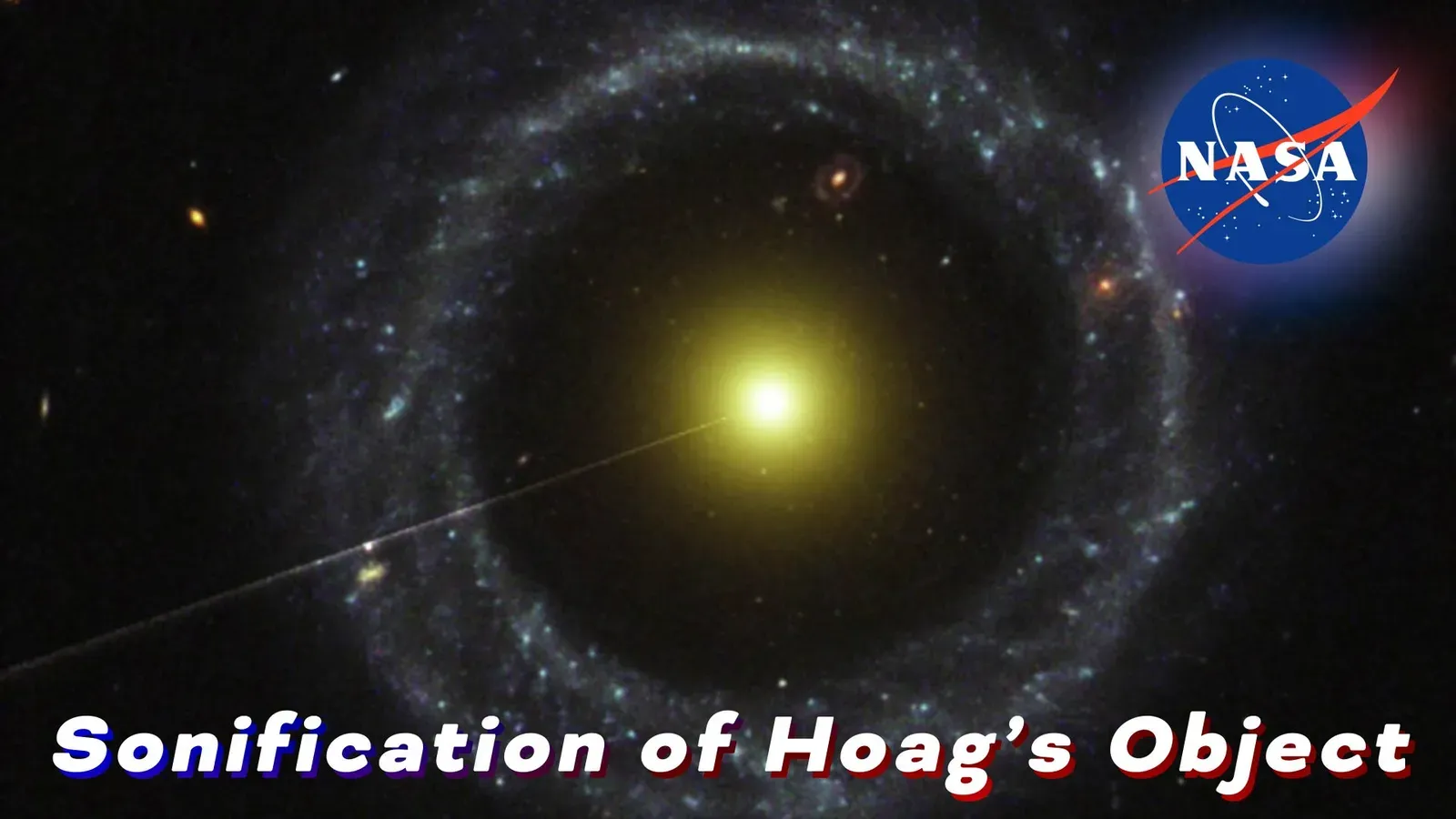
Sonifications add a new dimension to stunning space imagery and make those images accessible to the blind and low-vision community for the first time. This is huge. For decades, astronomy has been an almost exclusively visual science, shutting out anyone who couldn’t see images and graphs.
In some scenarios, the qualities of sound can be more useful in recognizing data trends than visual clues. By listening to sonified data, researchers can identify patterns, trends, and anomalies that might not be discernible through visual analysis alone, as cited by geologists, volcanologists, oceanographers, and medical researchers. Sound engages a different part of our brain, potentially revealing insights that graphs and images might miss. Pretty fascinating stuff when you really think about it.
The universe has been singing, whistling, and roaring for billions of years. We’ve just started learning how to listen. As of February 2026, LIGO has made four runs and made 391 detections of gravitational waves, with new discoveries arriving regularly. Every converted signal brings us closer to understanding the cosmos in ways Einstein could only imagine. What do you think about it? Does it change how you view the silence of a starry night?


