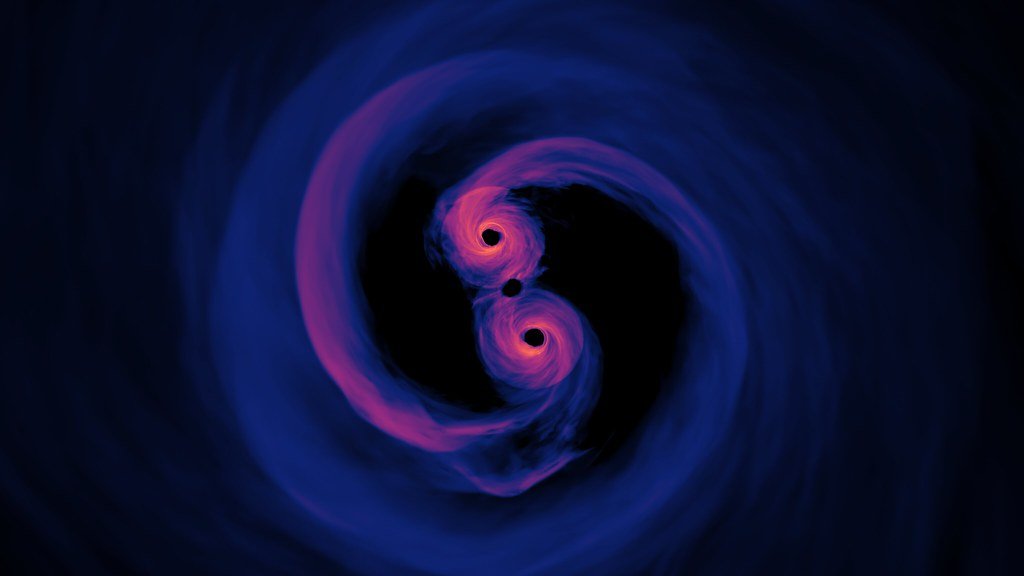

If you step outside on a quiet night, it feels peaceful, almost silent. But that calm is an illusion. All around us, the universe is humming, roaring, cracking, and ringing with sounds we can’t hear, stretching across distances so huge our brains can barely picture them. The wild part? We’re finally learning how to listen.
Over the last few decades, scientists have turned space into something like a cosmic recording studio, capturing waves and vibrations that don’t register to our ears. They’re translating invisible signals into sound, uncovering everything from the restless rumble of black holes to the soft, eerie song of our own planet. Once you realize how loud the universe really is, it changes the way you think about silence forever.
The Universe Doesn’t Care About Our Ears
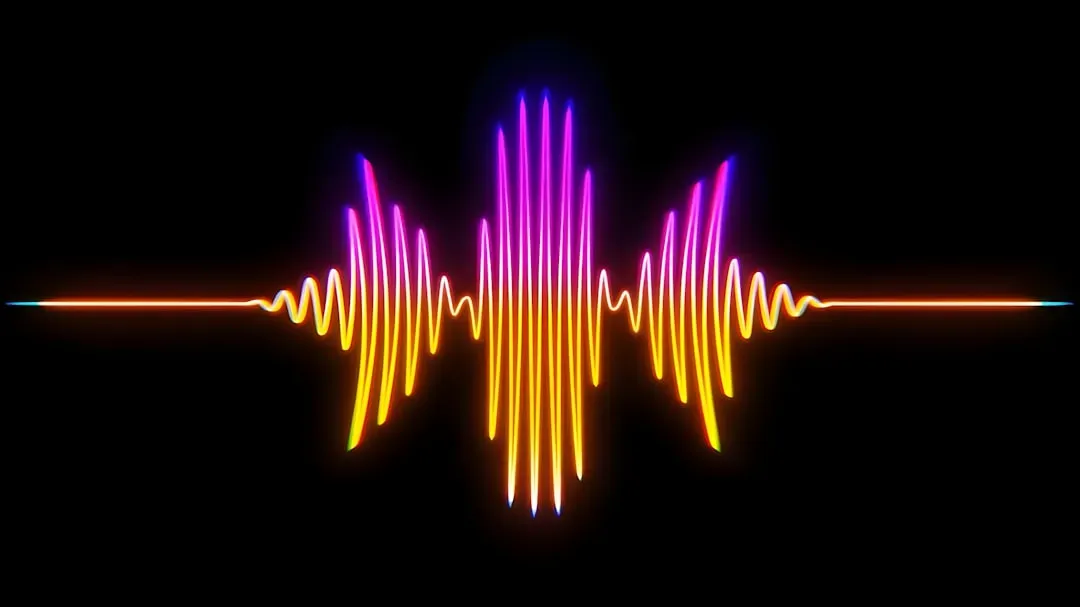
Here’s the first shocking thing: most of the “sounds” in the universe were never meant for human ears. Space is full of waves and vibrations, but they often sit far outside the tiny range our hearing can pick up. Our ears are tuned for survival on Earth, not for understanding exploding stars or colliding galaxies, so nature simply didn’t bother making most cosmic signals audible to us.
Sound, in the strictest sense, needs a medium like air, water, or gas to travel. In the emptier stretches of space, there’s not enough stuff for traditional sound waves to move through, at least not in a way our ears recognize. But the universe is full of other types of waves: radio waves, gravitational waves, plasma oscillations in hot gas, and more. Scientists turn those invisible ripples into audio by shifting their frequencies into our hearing range, like slowing down a recording of a hummingbird until you can hear every flap.
When Black Holes Sing in the Dark
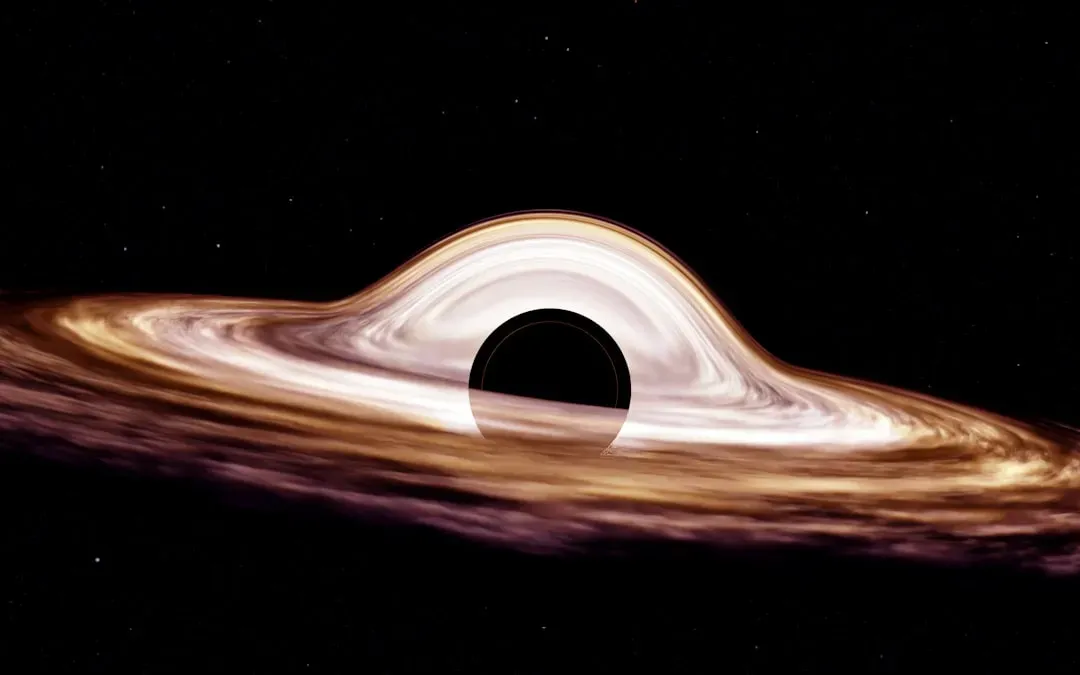
One of the most mind-bending discoveries is that black holes, the very places we think of as swallowing everything, can be associated with sound-like vibrations. In galaxy clusters, supermassive black holes at the center can push and pull on the surrounding hot gas, creating pressure waves that ripple outward. These ripples act like sound waves traveling through an enormous, thin, cosmic atmosphere.
A famous example comes from a cluster where astronomers found a wave pattern so low in frequency that it would be many, many octaves below the lowest note a human could ever hear. To turn it into something we can listen to, scientists speed it up or shift it upward, revealing an eerie roar or drone. It’s a bit like discovering a drum beating once every tens of millions of years, and then compressing that rhythm into a few seconds of audio so our ears can finally catch up.
Gravitational Waves: The Universe’s Deep Bass Line
While pressure waves in gas are one kind of cosmic “sound,” gravitational waves are another, stranger kind. These are ripples in spacetime itself, created when massive objects like black holes or neutron stars crash together. They don’t need air or gas at all; they stretch and squeeze the fabric of the universe as they pass, changing distances by an almost unbelievably tiny amount.
Detectors on Earth, like huge laser setups with arms kilometers long, can pick up these minute distortions. When scientists convert the signals into sound, they often become short, rising chirps or soft booms, depending on the event. People sometimes describe them as the deep bass notes of the cosmos: subtle, brief, and powerful, revealing cataclysmic collisions that happened billions of years ago but are only now washing across our part of space.
Turning Light and X-Rays into Music

Not all cosmic “sounds” start as anything like sound waves at all. Some of the most beautiful audio coming from space actually began as light: X-rays from black hole disks, visible light from stars, or even radio waves from distant galaxies. Telescopes record the brightness and energy of these signals over time or across space, and scientists then translate those patterns into notes and tones.
Think of it like this: instead of reading a chart or a graph, you’re hearing it. A bright spot might become a louder sound, a higher-energy photon might turn into a higher musical note. Entire images of galaxies or nebulae can be “sonified” line by line, so moving your ears across the sound gives you another way to experience the structure and behavior of these objects. It’s part science, part art, and it opens the data up to people who process information better through hearing, including many who are blind or visually impaired.
The Strange Songs of Planets and the Sun
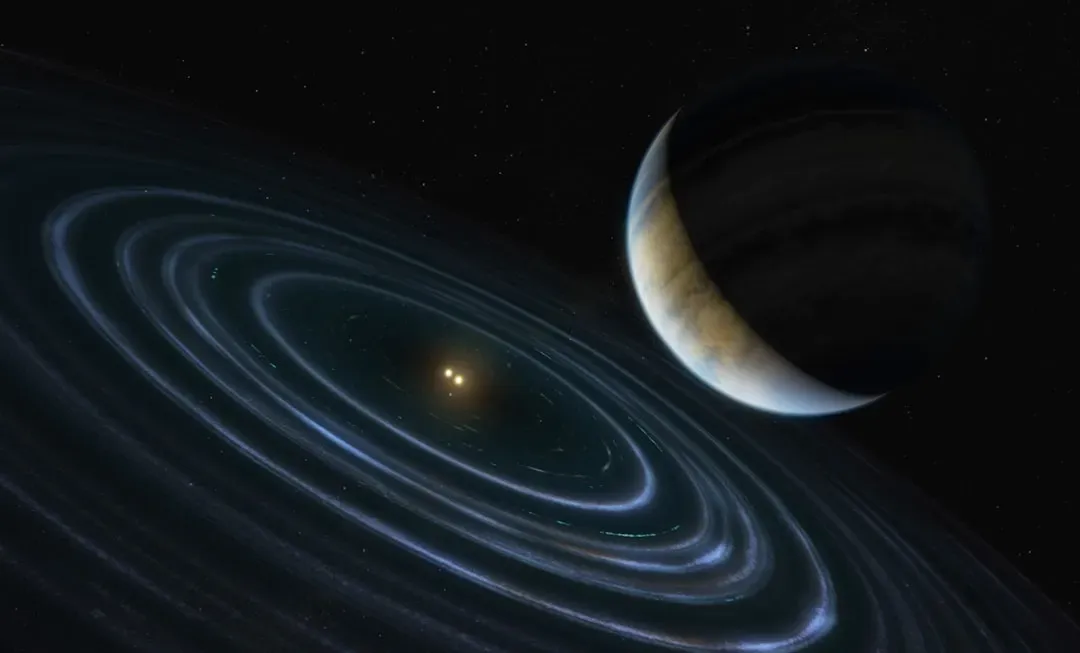
It’s not just distant galaxies and black holes that are making noise in strange ways; our own solar system has a soundtrack. Spacecraft flying by planets and moons pick up electromagnetic waves, plasma oscillations, and other signals that, once converted to audio, sound surprisingly like eerie whistles, crackles, and howls. Jupiter, for example, produces radio emissions that turn into otherworldly shrieks when shifted into the audible range.
Even the Sun has a complex internal “music.” It constantly vibrates with waves moving through its hot gas, a bit like sound waves bouncing through a musical instrument. By studying these vibrations, scientists can learn about the Sun’s inner structure and dynamics, much like doctors use ultrasound to see inside the human body. When turned into audio, those solar oscillations often sound like layered, humming chords that never quite stand still.
Listening as a New Way of Doing Science
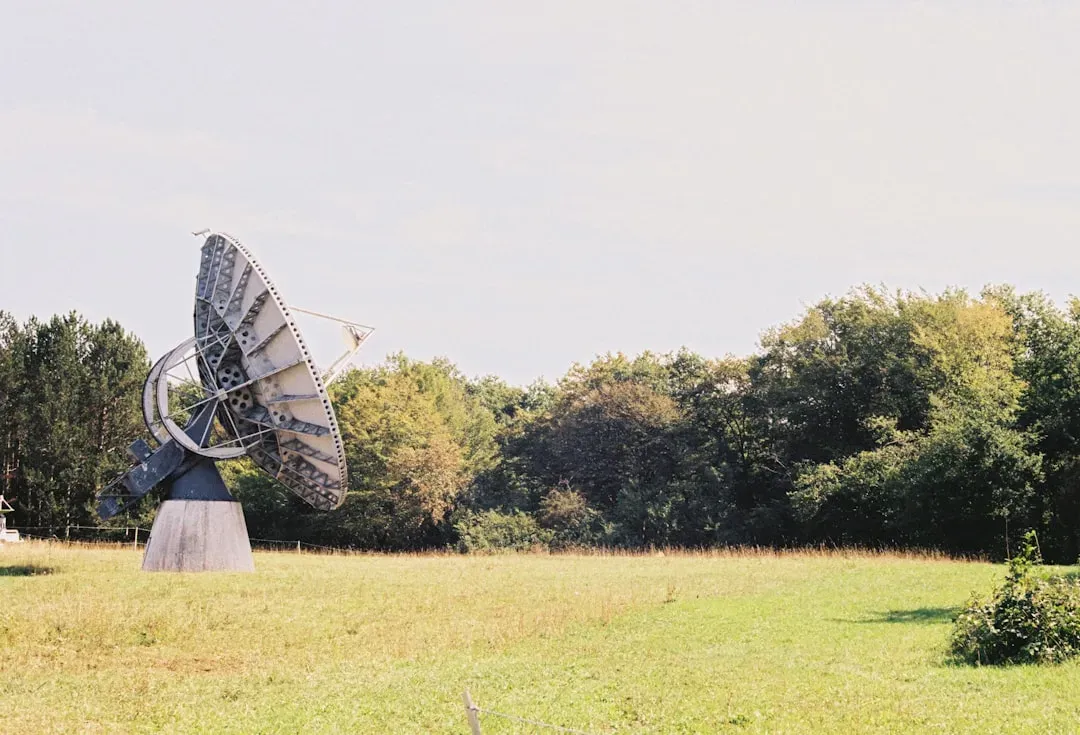
This whole business of turning data into sound isn’t just for fun. Listening gives scientists another way to spot patterns, outliers, or subtle changes that might be easy to miss in traditional graphs or images. Our ears are naturally good at detecting rhythm, pitch shifts, and repeating structures, so translating complex data into audio can highlight hidden behavior in black holes, stars, or even Earth’s own magnetic field.
There’s also a powerful emotional side to it. Hearing the “sound” of two black holes merging, or the changing tones of a star pulsing over time, can make abstract physics feel real and immediate. For many people, including me, the first time you listen to one of these recordings, it hits you in a different way than just reading about it. It’s like learning a new language for the universe, one that goes straight to your gut as well as your brain.
What These Silent Sounds Tell Us About Ourselves
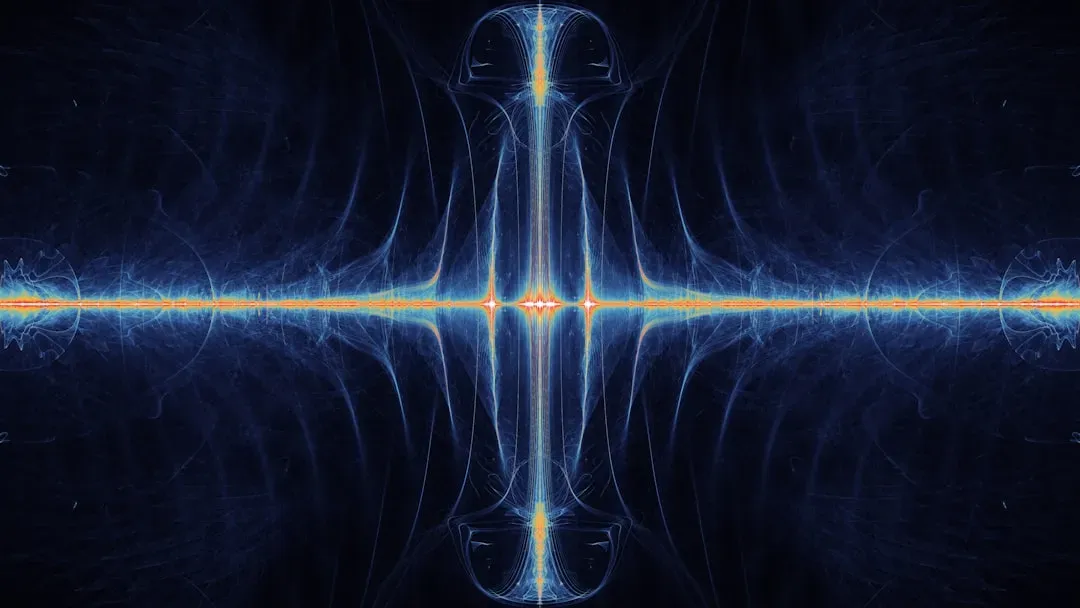
In a strange way, the fact that the universe is full of sounds we can’t hear is a reminder of how limited, and how creative, we are. Our bodies come with built-in constraints, like a narrow hearing range and eyes tuned to only a sliver of the electromagnetic spectrum. Yet we’ve built machines and methods that let us reach far beyond those limits, turning invisible ripples and ghostly waves into something we can feel and interpret.
I find it quietly humbling that by listening to these transformed cosmic signals, we’re hearing events that took place long before humans even existed. The universe has been “playing” its deep, slow, powerful music for billions of years; we just recently joined the audience. The more closely we listen, the more we realize we’re part of a vast, ongoing performance that was never about us, but now includes us. What other sounds, still hidden in the dark, are waiting for us to hear them for the first time?