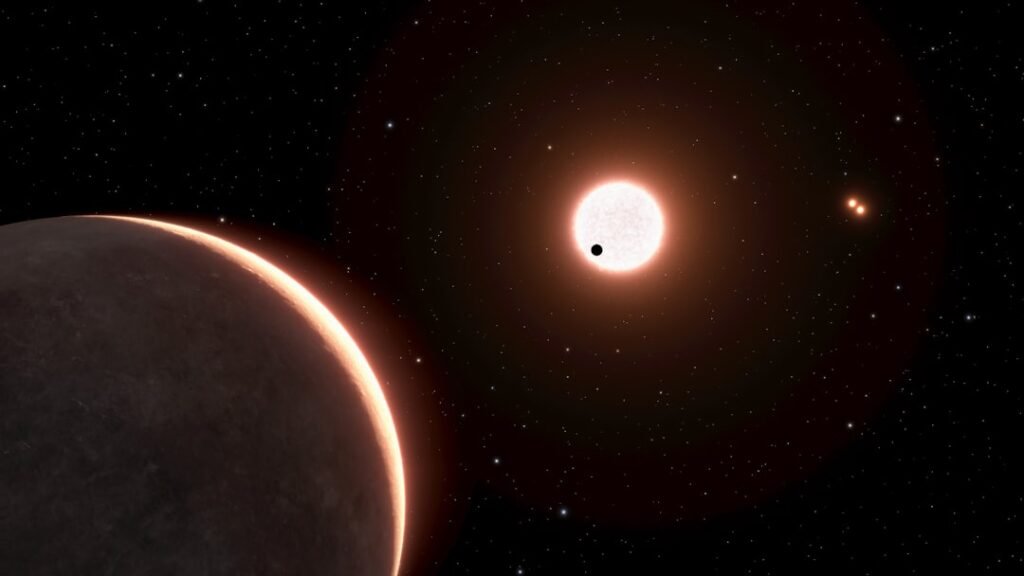
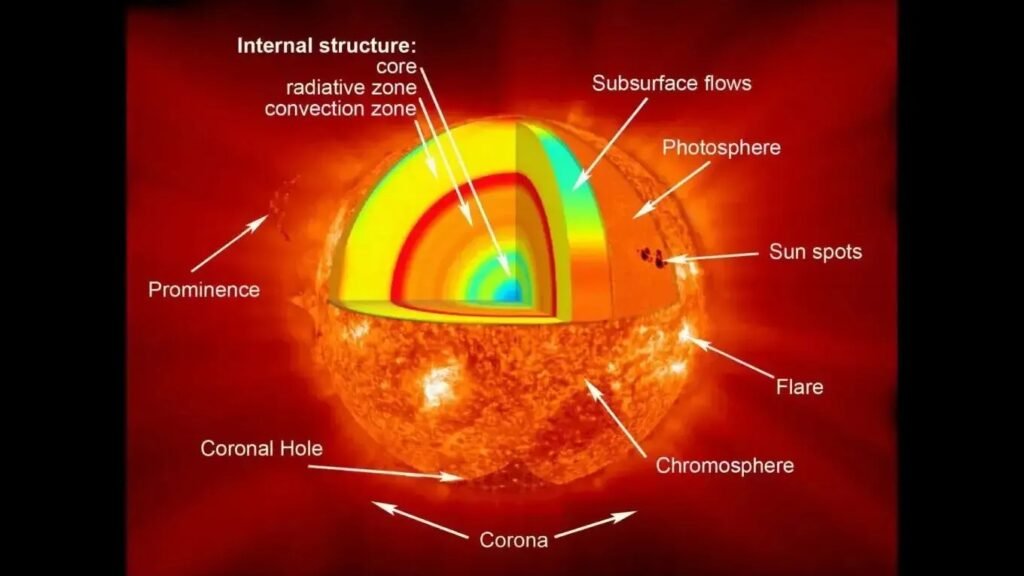
Walk outside on a clear night, look up, and remind yourself of this unsettling fact: almost everything you can see is the cosmic equivalent of a rounding error. Stars, planets, glowing gas, galaxies, you and me – all of it together makes up only a tiny sliver of the universe’s true contents. The rest is made of invisible “ghosts” that do not shine, cannot be touched, and are still not directly detected, yet they sculpt the cosmos on every scale. This article unpacks those ghosts – dark matter and dark energy – in plain language, without dumbing down the wonder or the weirdness. By the end, you will never look at the night sky the same way again, because you will know that the real universe is hiding in plain sight.
The Cosmic Accounting Problem: Where Did All the Mass Go?
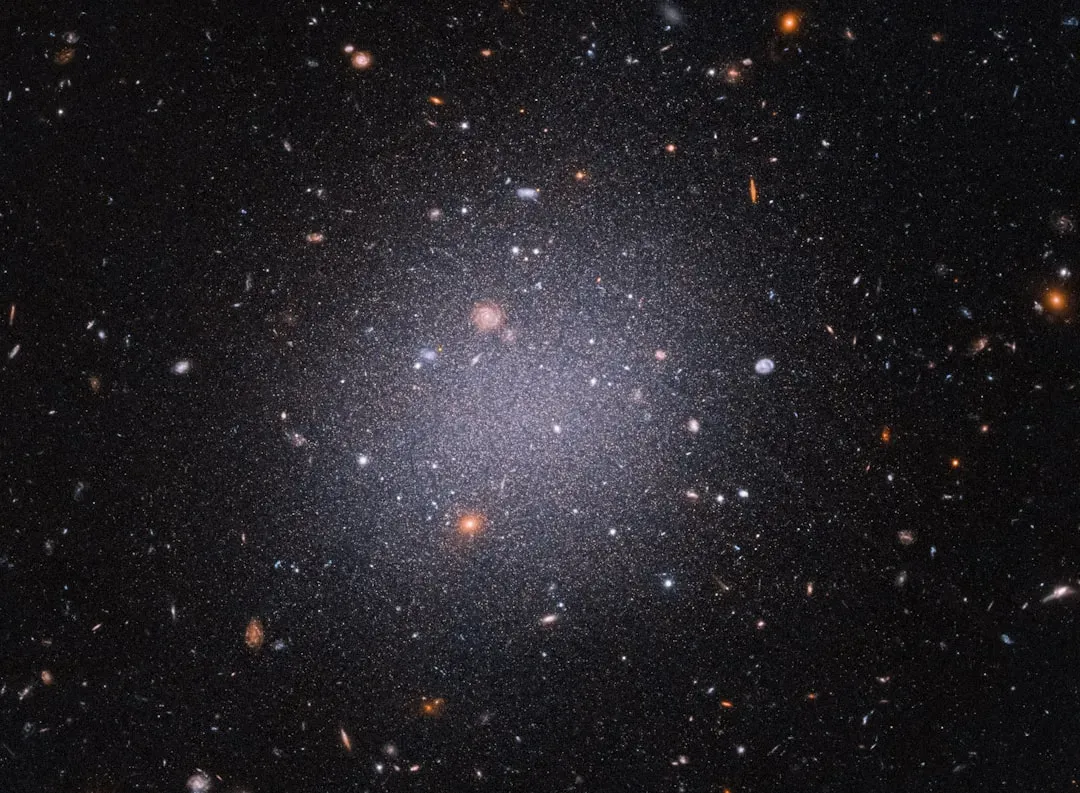
Imagine running a business where the numbers never add up, no matter how many times you check the books; that was astronomy in the mid‑twentieth century. When astronomers measured how fast stars orbit around the centers of galaxies, the speeds were so high that the galaxies should have flown apart long ago if only visible matter were holding them together. It was like watching children whirl on a carousel that should break apart at that speed, yet somehow it stays solid. The only way to make the physics work was to add an enormous amount of invisible mass to the galaxies, a hidden ingredient that boosted gravity without giving off light. This was the birth of the modern dark matter problem: galaxies, clusters, even whole cosmic structures seem to be wrapped in massive, unseen halos that keep everything bound.
Over time, similar discrepancies showed up in other places, from how galaxies bend light from objects behind them to the way hot gas sits inside galaxy clusters. Each new measurement told the same story: the universe is heavier than it looks. Astronomers realized they were missing not a few percent, but several times more mass than all the stars and gas combined. That is like discovering that nearly all the money in your bank account is invisible, yet it still pays your rent and buys your groceries. The universe clearly works, but our inventory of what is in it was radically incomplete.
Dark Matter: The Invisible Scaffold of Galaxies
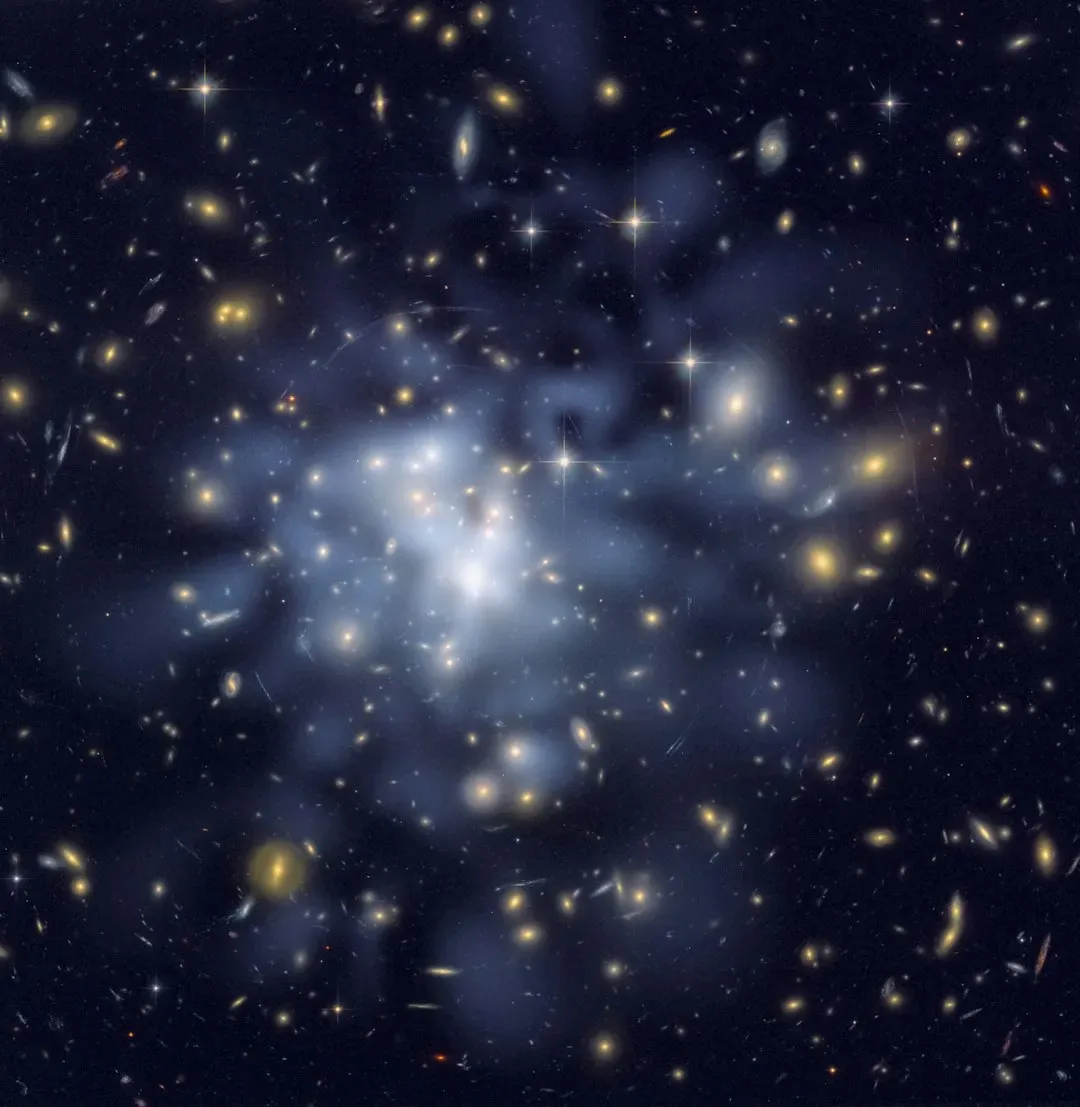
Dark matter is the name we give to whatever provides this extra gravity without shining or absorbing light in any detectable way. Think of it as a transparent scaffold or skeleton that galaxies build themselves around, shaping where stars form and how galaxies dance through space. Computer simulations that include dark matter show that galaxies naturally grow along giant filaments, like dewdrops forming on spiderweb strands that span hundreds of millions of light‑years. When astronomers map the real universe using galaxy surveys and gravitational lensing, the large‑scale pattern they see looks strikingly similar to those simulations, strongly hinting that dark matter is indeed the hidden framework.
Crucially, dark matter is not just empty space or a trick of how we measure light; it behaves as if it is made of actual particles that have mass and respond to gravity. Yet those particles seem to barely interact with ordinary matter at all, which is why we have not spotted them directly in laboratory detectors so far. If dark matter did crash into us all the time with strong effects, the Earth’s interior, the Sun, and our detectors deep underground would behave very differently than they do. Instead, dark matter passes through us like a ghost drifting through walls, shaping our galaxy from afar while remaining eerily elusive up close.
Galactic Clues: Rotation Curves, Colliding Clusters, and Bending Light
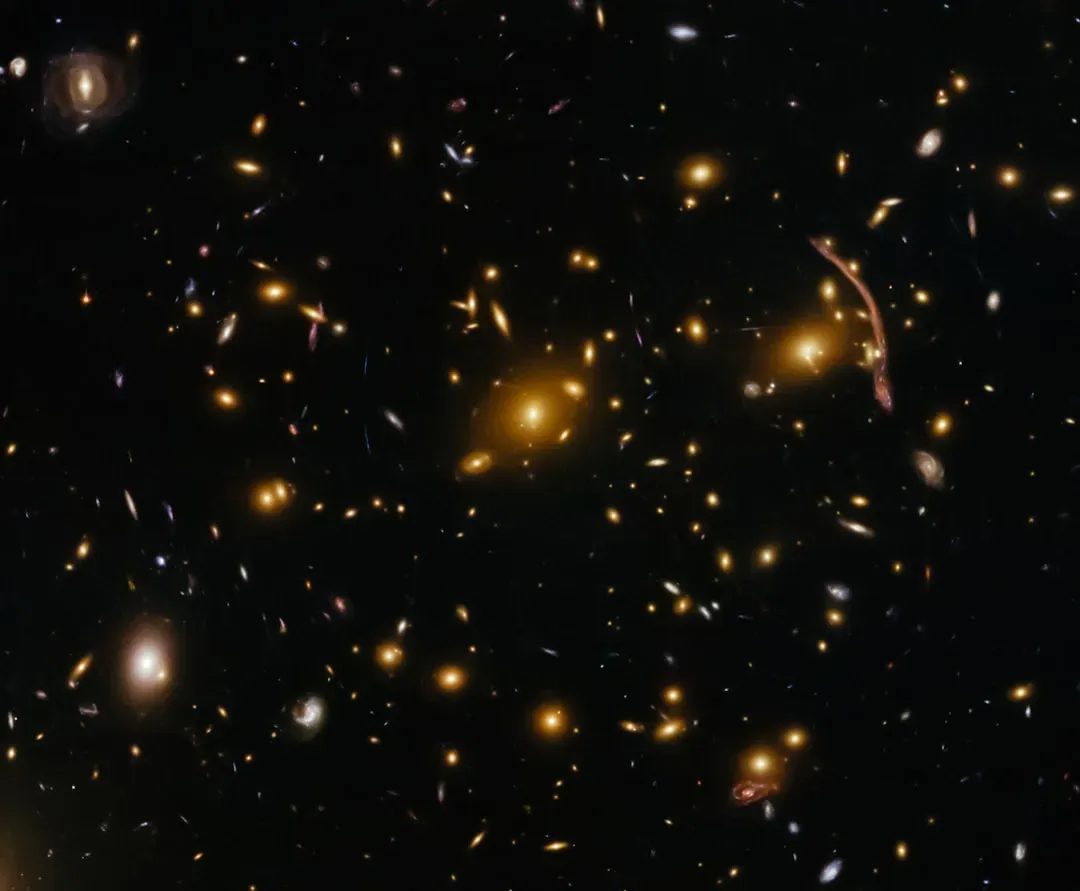
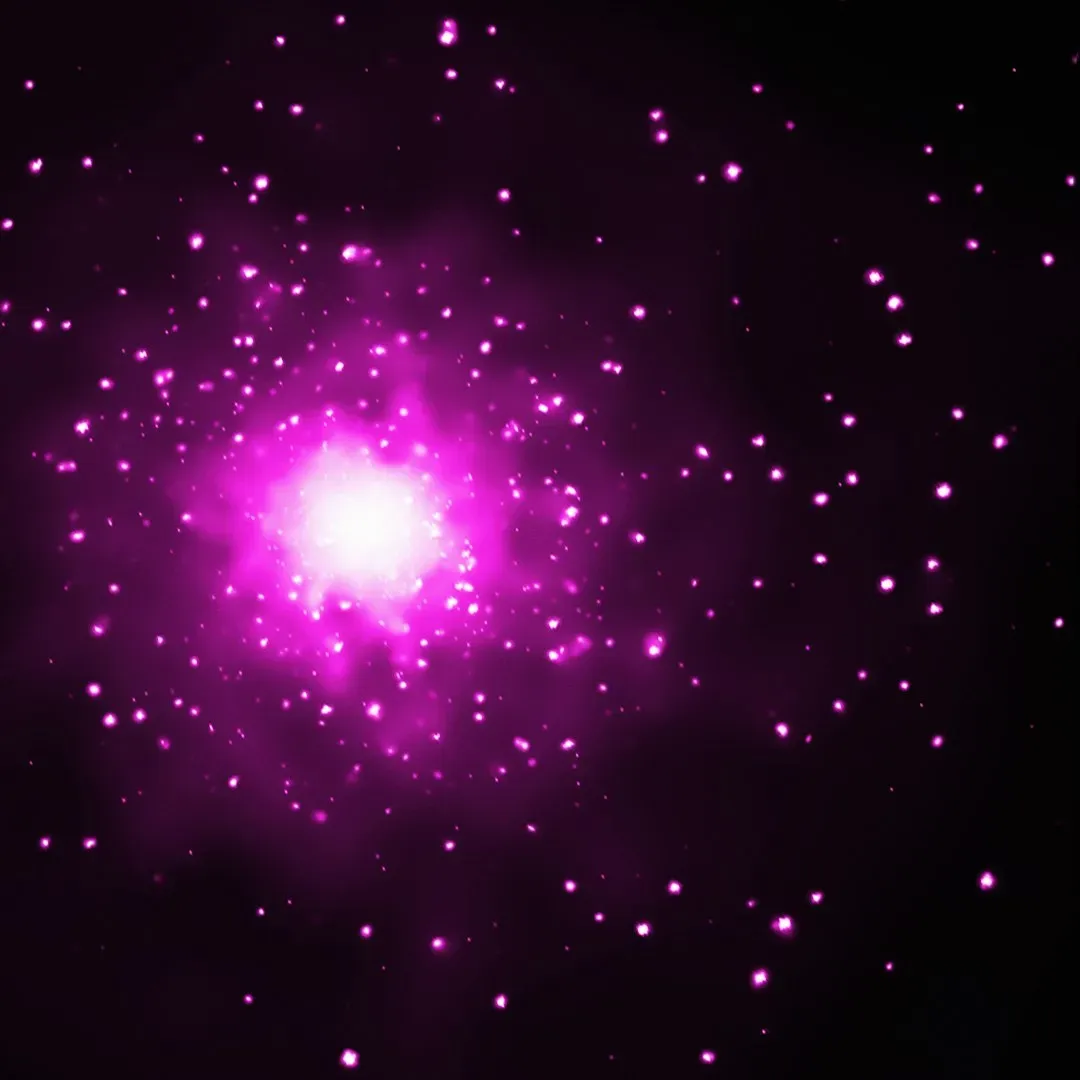
The case for dark matter is not based on a single odd measurement but on a whole stack of independent clues. One classic line of evidence comes from galaxy rotation curves: when astronomers plot how fast stars and gas orbit at different distances from a galaxy’s center, the speeds stay stubbornly flat instead of dropping off, implying a huge halo of unseen mass. Another dramatic piece of evidence comes from colliding clusters of galaxies, where normal matter, mostly hot gas, slams together and slows down, while something else races ahead. When observers map where the gravity is strongest in these collisions using gravitational lensing – how the cluster bends background light – they find the bulk of the mass has moved on, separated from the visible gas.
This separation suggests that most of the matter in those clusters interacts very weakly, passing through like crowds brushing by one another rather than crashing and sticking. It is hard to explain this behavior just by tweaking the laws of gravity; you need large amounts of extra, invisible stuff to get the maps to match what telescopes actually see. In many systems, from small galaxies to enormous clusters, the way light is bent traces out mass that simply is not there in the form of stars or gas. Taken together, these lines of evidence turn dark matter from a speculative idea into a central pillar of modern cosmology, even if its exact nature is still unknown.
What Dark Matter Might Be (and What It Probably Is Not)
Physicists have proposed a whole zoo of possible dark matter particles, but most fall into a few broad families. One long‑studied idea is that dark matter could be made of heavy, slow‑moving particles that rarely interact with normal matter, often called WIMPs, which would naturally arise in some extensions of known particle physics. Another contender is much lighter, wave‑like particles such as axions, which would change how light behaves in strong magnetic fields and might show up as subtle signals in specialized experiments. There are even more exotic ideas involving ultra‑light fields that behave almost like a cosmic fluid or condensate on large scales.
At the same time, many simple explanations have been ruled out. Dark matter is almost certainly not just faint stars, cold gas, or black holes formed from dead stars, because those would leave fingerprints in the light we see and in how elements were forged in the early universe. Large numbers of dark black holes would also cause telltale microlensing events as they pass in front of background stars, and surveys have not seen nearly enough of those. Physicists are now pushing highly sensitive detectors underground, under mountains, and even in space, hoping to catch a rare interaction between a dark matter particle and ordinary atoms. So far, the silence is deafening, which is frustrating but also thrilling, because it hints that we are missing something genuinely new about nature.
Dark Energy: The Weird Pressure Tearing Space Apart
If dark matter is the invisible glue holding galaxies together, dark energy is the strange pressure that is pulling the universe apart faster and faster. In the late nineteen‑nineties, two teams of astronomers measured distant exploding stars, known as supernovae, to track how the universe’s expansion had changed over time. They expected to see that expansion slowing down, dragged back by gravity, but the data showed the opposite: the expansion was speeding up. To make sense of that, cosmologists had to introduce a new component of the universe that acts like a built‑in repulsive pressure in empty space itself.
Today, dark energy is often described as a property of the vacuum: even “nothing” has energy and exerts a gentle push on the fabric of space‑time. Unlike matter, which clumps into galaxies and filaments, dark energy appears to be smoothly spread everywhere, dominating the universe on the largest scales. As space expands, there is more vacuum, and thus more of this mysterious push, so acceleration increases over time. This is not an explosive bang but a quiet, relentless stretching, like a very slow‑motion taffy pull applied to the entire cosmos. If nothing dramatic changes, galaxies will drift farther and farther apart until most of the universe becomes dark, cold, and unreachable from our corner.
How We Know the Universe Is Mostly Dark: The Precision Cosmology Story
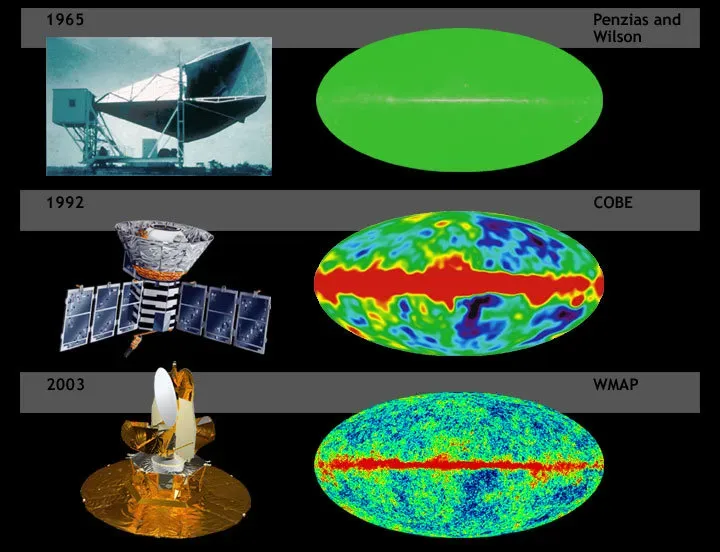
It is fair to ask how scientists can be so confident about things they cannot see directly, and the answer lies in a web of cross‑checked measurements. One of the most important comes from maps of the cosmic microwave background, the faint afterglow of the Big Bang, which carries a frozen pattern of tiny temperature ripples. Those ripples encode how much matter and radiation the young universe contained, and how fast it was expanding, allowing researchers to infer the relative amounts of normal matter, dark matter, and dark energy. When they fit those data with simple models, they consistently find that ordinary matter is only a small slice, while dark matter and dark energy make up the rest.
Independent tests come from counting how galaxies cluster on large scales, how galaxy clusters grow over time, and how light is bent as it travels through cosmic structures. Each of these observables reacts differently to changes in the universe’s recipe, but they all point to roughly the same breakdown: a small share of familiar atoms, a much larger share of dark matter, and an even bigger share of dark energy. It is like having multiple medical tests – blood work, imaging, and vital signs – all pointing to the same diagnosis from different angles. While some tensions and puzzles remain in the exact numbers, the broad picture of a universe dominated by dark components has stood up remarkably well over the past few decades.
Beyond the Numbers: Why These Cosmic Ghosts Really Matter
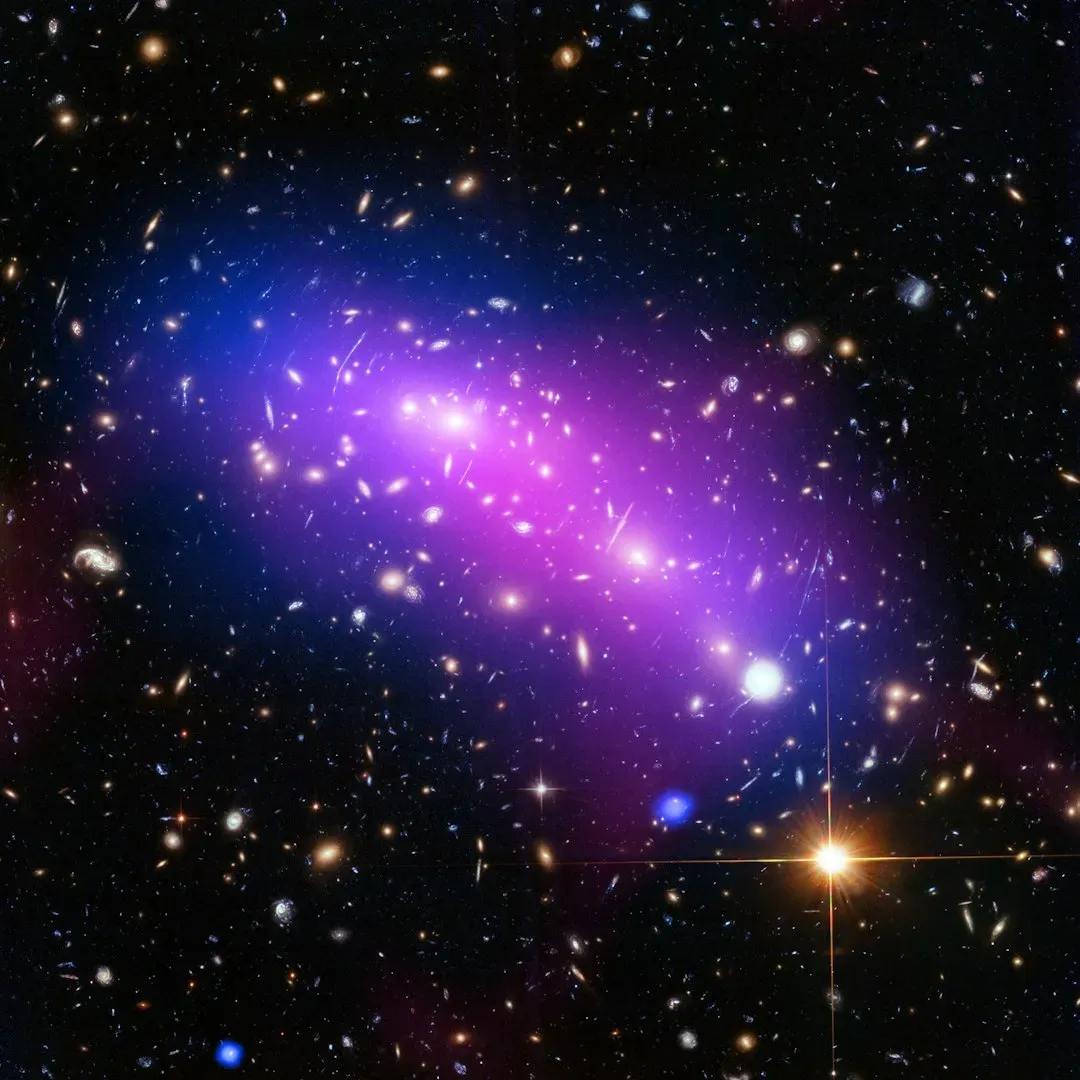
Dark matter and dark energy can sound like distant, abstract concepts, but they are central to why the universe looks the way it does and why we are even here. Dark matter’s gravitational pull helped tiny density wrinkles in the early universe grow into the vast cosmic web of galaxies and clusters we see today; without it, structure would form too slowly, and there might not be enough time for galaxies, stars, and planets like Earth to appear. In that sense, dark matter is part of the quiet backstage machinery that made our cosmic stage possible, even if it never steps into the spotlight. Dark energy, by contrast, controls the long‑term fate of the universe, setting the pace at which galaxies drift apart and history unfolds.
Comparing today’s picture to older ideas shows how radically our understanding has shifted. A century ago, many physicists imagined a static universe, with gravity and perhaps a carefully tuned “cosmological constant” keeping everything balanced. Then came the discovery of expansion, the realization that galaxies evolve, the rise of dark matter to explain their dynamics, and finally the shock of accelerated expansion demanding dark energy. What started as a simple question – how big is the universe and what is in it – has turned into a layered portrait where most of the key actors are invisible. The story of dark components is, in a way, the story of science learning to trust precise measurements even when they point toward an unsettling, ghost‑ridden cosmos.
Open Mysteries: Cracks, Tensions, and New Clues on the Horizon
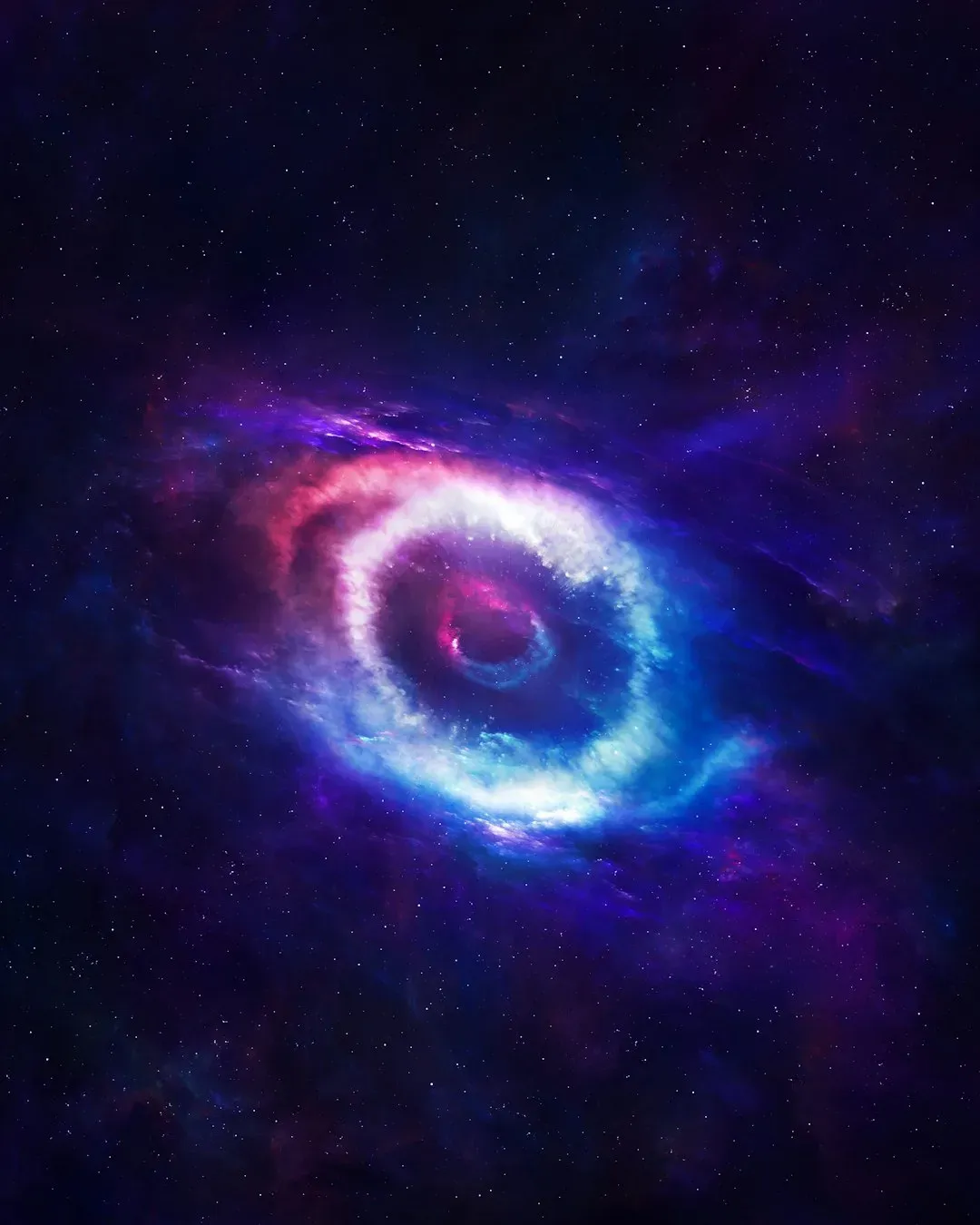
Despite the success of the standard cosmological model, scientists are not treating it as the final word, because several intriguing tensions have cropped up. Different ways of measuring how fast the universe is expanding today sometimes yield slightly mismatched results, raising questions about whether dark energy behaves exactly like a simple constant or whether new physics is hiding in the data. There are also galaxies whose internal motions and distributions of matter are hard to fit neatly into common dark matter simulations, especially on small scales. These discrepancies might be signs that dark matter has more complex properties than we assumed, or that our understanding of gravity needs refinement in certain regimes.
On the experimental side, upgraded telescopes, sky surveys, and particle detectors are coming online that could sharpen or overturn current pictures. New observatories are mapping gravitational lensing and galaxy clustering with unprecedented detail, providing sensitive tests of how dark matter and dark energy shape cosmic structure. Laboratory experiments on Earth continue to lower their thresholds, searching for incredibly rare interactions from hypothetical dark matter particles. It is entirely possible that the next decade will bring either a direct detection of dark matter, a clear deviation from the simplest dark energy models, or both. If that happens, it would feel like finally glimpsing the outlines of the ghosts that have haunted cosmology for so long.
What Curious Earthlings Can Do with a Ghost‑Filled Universe
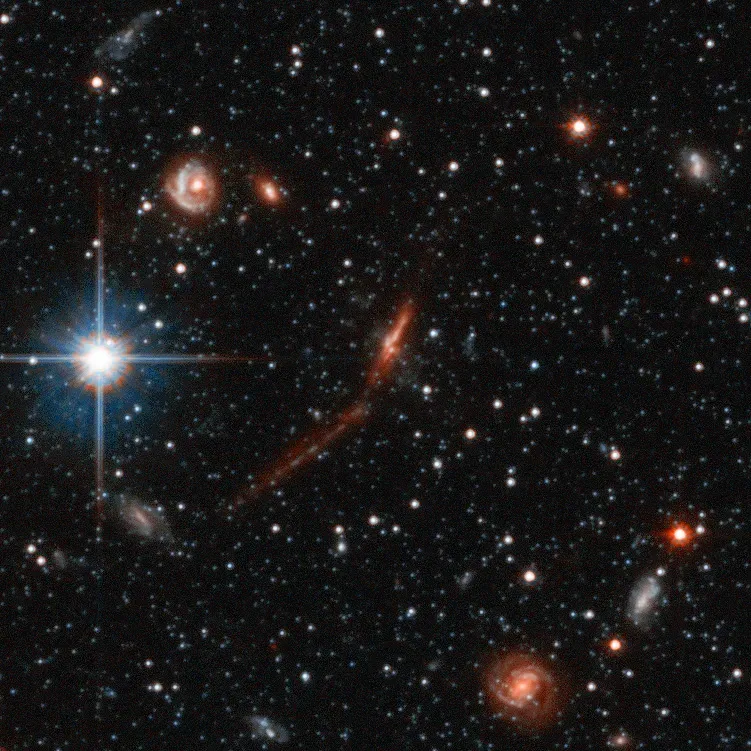
Even if you are not building detectors in an underground lab, you can still engage meaningfully with this strange, mostly invisible universe. Start by reclaiming your sense of cosmic scale: when you look up at the Milky Way or a NASA image of a distant galaxy, remind yourself that the visible light is just a tracer of vast, unseen halos shaping what you see. Following major sky surveys and space missions, through their public data releases and outreach materials, gives you a front‑row seat to how new evidence about dark matter and dark energy is gathered and debated. Many observatories and science organizations offer citizen science projects, where volunteers help classify galaxies or spot unusual gravitational lenses, and those efforts can feed into real research on cosmic structure.
You can also strengthen your own scientific literacy by paying attention to how ideas about dark components are presented in news stories, documentaries, and social media. Notice which claims are grounded in measurements and which drift into speculation, and get comfortable with the fact that “we do not know yet” is often the most honest and exciting answer. Sharing that mindset with kids, friends, or students helps build a culture that values curiosity over easy certainty. In a universe where most of the content is still unseen, humility and wonder are not just nice feelings; they are practical tools for navigating what we discover next.
Suhail Ahmed is a passionate digital professional and nature enthusiast with over 8 years of experience in content strategy, SEO, web development, and digital operations. Alongside his freelance journey, Suhail actively contributes to nature and wildlife platforms like Discover Wildlife, where he channels his curiosity for the planet into engaging, educational storytelling.
With a strong background in managing digital ecosystems — from ecommerce stores and WordPress websites to social media and automation — Suhail merges technical precision with creative insight. His content reflects a rare balance: SEO-friendly yet deeply human, data-informed yet emotionally resonant.
Driven by a love for discovery and storytelling, Suhail believes in using digital platforms to amplify causes that matter — especially those protecting Earth’s biodiversity and inspiring sustainable living. Whether he’s managing online projects or crafting wildlife content, his goal remains the same: to inform, inspire, and leave a positive digital footprint.