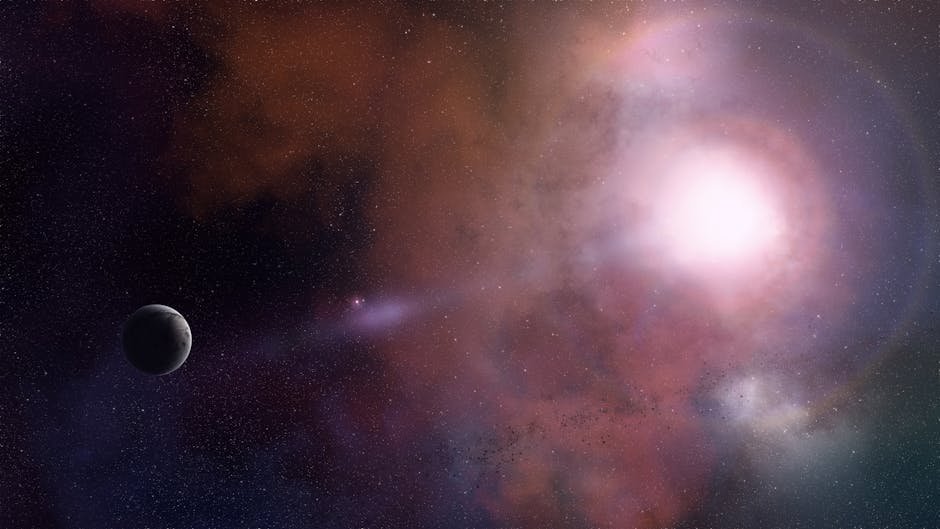

Close your eyes for a second and imagine the universe not as a silent black canvas, but as a vast, resonant concert hall. Instead of violins and drums, you’ve got vibrating gas clouds, pulsing black holes, and crackling magnetic fields, all humming and trembling in ways our ears were never built to hear. The wild part is: space really does have “sound” – just not in the way Hollywood makes you think when a spaceship explodes with a dramatic boom in the vacuum.
When scientists say the universe has a sound, they’re talking about waves and vibrations that can be translated into audio we recognize. It’s almost like the cosmos is constantly playing a symphony, but we need clever instruments and a lot of math to tune into the right frequencies. Once you hear it, it’s hard not to feel tiny, amazed, and a bit haunted. The universe isn’t quiet. We’re just late to the party.
The Myth Of Silent Space
We’ve all grown up with the idea that space is completely silent, and in one sense, that’s absolutely true. Sound, as we normally experience it, needs a medium like air or water for pressure waves to travel through, and the near-vacuum of space doesn’t provide that. A shout outside a spaceship wouldn’t just be quiet – it simply wouldn’t exist in the way we understand sound on Earth.
But that old phrase that “in space, no one can hear you scream” is only half the story. Space isn’t totally empty; it’s filled with thin gas, dust, plasma, and fields that can vibrate and ripple. Those ripples might not travel as familiar sound waves through air, but they still carry information in the form of waves, pressure changes, and oscillations. Once you accept that sound, at its core, is just vibration, the idea of a “silent universe” starts to feel a lot less accurate, and a lot more like a human limitation.
How Scientists Turn Space Into Sound
So if we can’t just stick a microphone in space and hit record, how do scientists actually “hear” the universe? They use a process called sonification, where they convert data – like variations in light, X-rays, or gravitational waves – into audible sound. Think of it as taking something invisible and remapping it onto a musical scale or a range of frequencies our ears can handle.
For example, a telescope might record changes in brightness from a star over time. Instead of plotting those changes on a graph, researchers can assign higher brightness to higher musical pitches or different instruments, effectively composing a soundtrack from raw data. Sometimes the results are eerie and alien; other times they’re oddly beautiful, like a minimalist piece of music. The key point is that we’re not listening to space with a microphone – we’re translating the universe’s behavior into sound our brains can latch onto.
The Deep Hum Of Black Holes
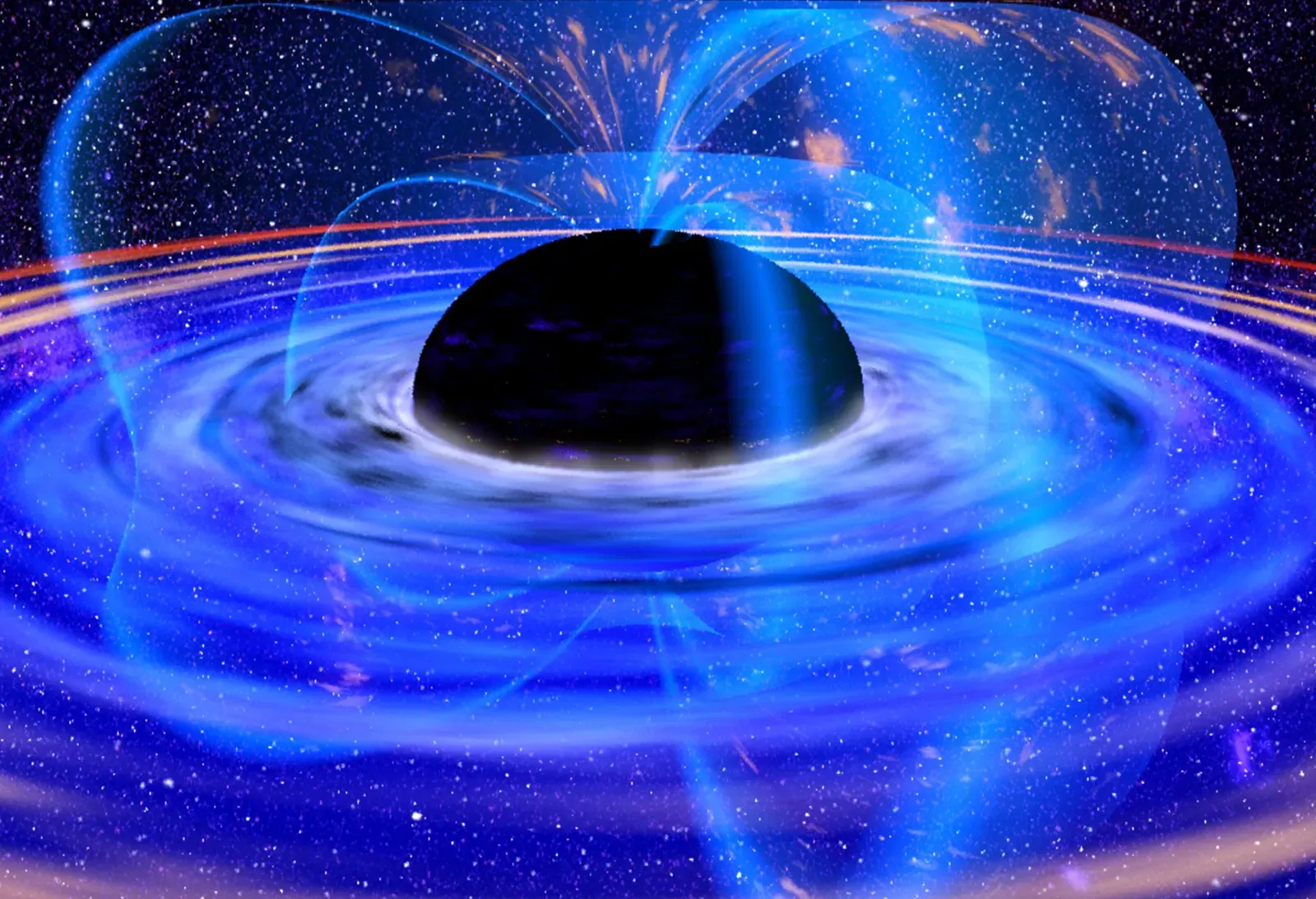
One of the most surprising “voices” in the cosmos comes from black holes, objects we once imagined as silent, light-swallowing monsters. In 2003, astronomers studying a supermassive black hole in the Perseus galaxy cluster found pressure waves rippling through the surrounding hot gas. When they calculated the frequency, it turned out to be equivalent to a sound that’s many trillions of times deeper than the lowest note a human can hear. It’s like the universe playing an impossibly slow, deep organ pipe.
More recently, gravitational wave observatories have been picking up ripples in spacetime produced when black holes collide, and those signals are also turned into sound. When you listen to them, they often come through as quick “chirps” that slide upward in pitch as the black holes spiral together. The first time I heard one of those chirps, I honestly got chills. It’s like overhearing the final breath of massive, invisible entities from billions of years ago, compressed into a tiny, digital heartbeat.
The Echoes Of The Big Bang
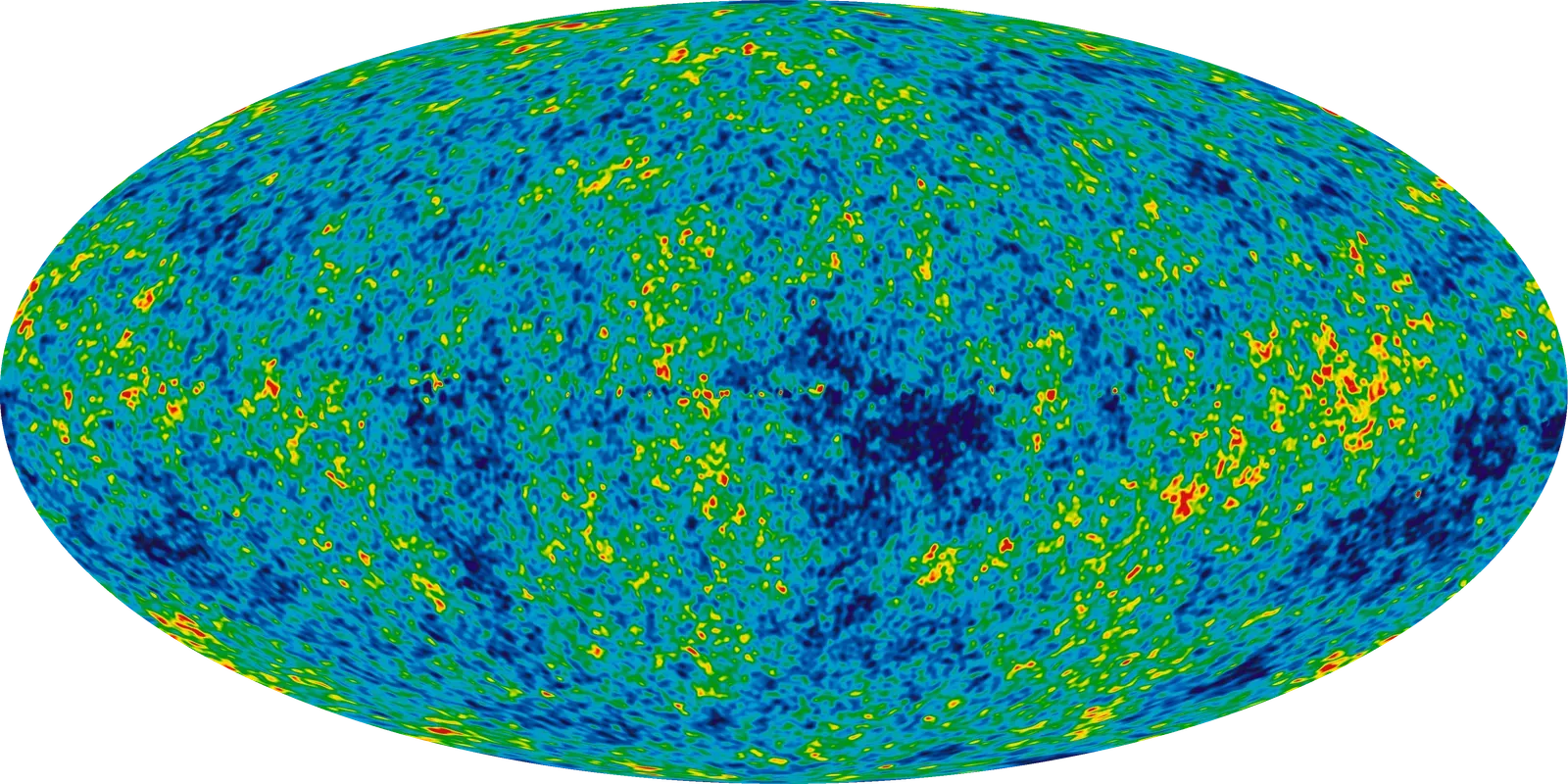
If the universe has a longest-running track, it’s the afterglow of the Big Bang itself. The cosmic microwave background – the faint radiation left over from the early universe – isn’t just a static snapshot. It contains tiny variations in temperature and density, like frozen ripples on a pond that was disturbed long ago. These ripples are essentially the fingerprints of ancient sound waves that once rang through the hot, dense early cosmos.
Back then, the universe was like a thick, glowing soup of particles and radiation that could carry pressure waves, similar to how air carries sound. Those early “acoustic oscillations” influenced how matter clumped together, shaping the large-scale structure of galaxies and clusters we see today. When scientists map and sonify that data, they’re effectively listening to the universe’s infant cries – a low, droning chorus that predates stars, planets, and anything resembling us.
The Whisper Of Planets And Stars
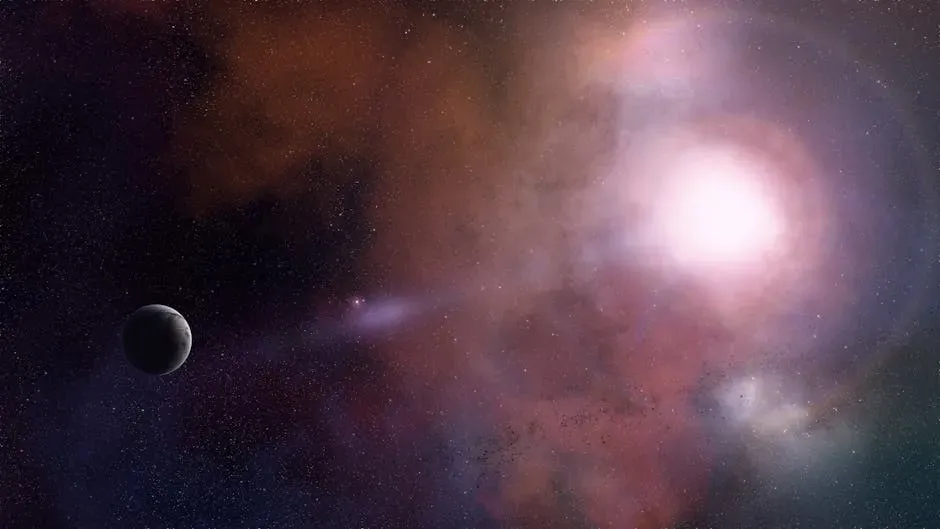
It’s not just the grand, dramatic stuff like black holes and the Big Bang that have something to say. Ordinary stars and planets also produce vibrations and waves we can turn into sound. Our own Sun rings like a gigantic bell, with waves bouncing around inside it, causing tiny changes in brightness and surface motion. By studying those oscillations – and sometimes sonifying them – scientists can peek inside the Sun’s interior, a bit like using sound to explore inside a musical instrument.
Planets with magnetic fields can also create radio emissions as charged particles spiral through their magnetospheres. Instruments aboard spacecraft have recorded these emissions at places like Jupiter and Saturn, and when they’re shifted into audio frequencies, they sound weirdly alive: crackles, howls, and whistles that feel more like an experimental electronic track than anything natural. Listening to those recordings, I’ve honestly thought, “If I didn’t know this was a planet, I’d assume someone was messing with a synthesizer.”
The Earth’s Own Cosmic Song
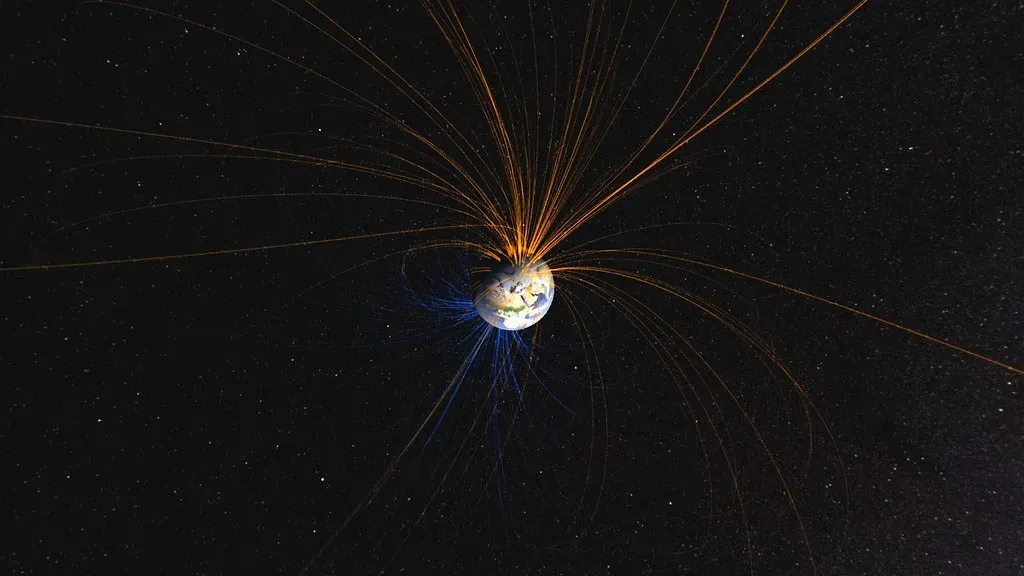
We tend to imagine the cosmos as “out there,” far from home, but Earth itself sings in quiet, persistent ways. Our planet’s magnetic field interacts with the solar wind, producing low-frequency electromagnetic waves that can be converted into sound. These have been recorded as strange whooshes and chorus-like tones, especially during strong solar storms, turning the space around Earth into a kind of restless, invisible instrument.
Even the atmosphere vibrates with infrasonic waves from storms, earthquakes, and ocean waves, some of which can propagate into space. We might not hear them directly, but sensitive instruments pick up these signals as a kind of background soundtrack to the planet’s daily drama. It’s humbling to realize that while we go about our routines, the Earth is constantly humming and crackling in frequencies beyond our senses, like a radio tuned just a little off station.
Why The Sound Of The Universe Matters To Us
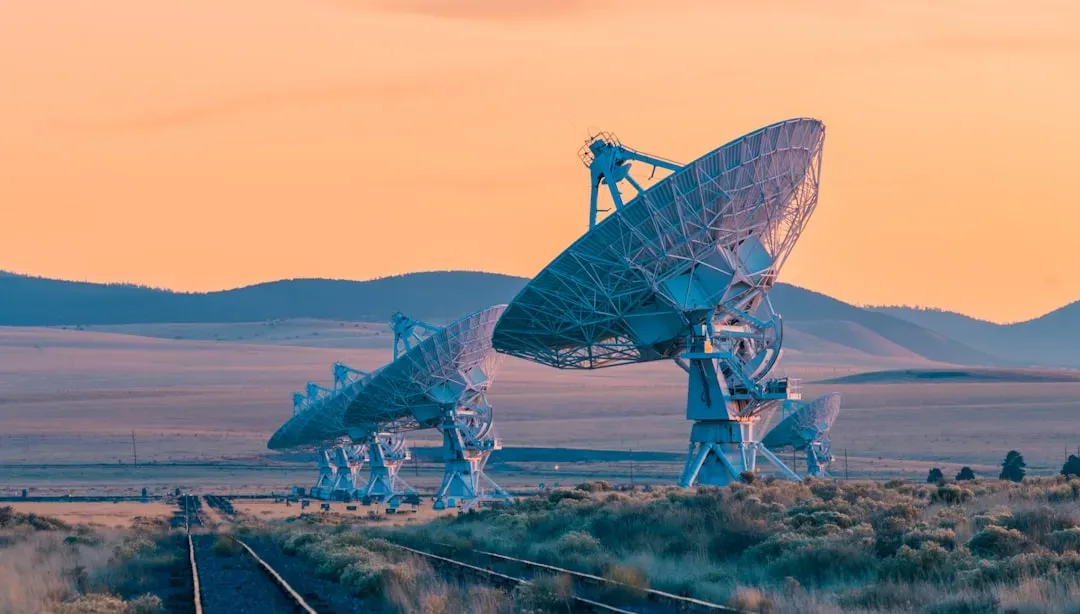
All of this raises a fair question: if we can’t naturally hear most of these cosmic sounds, why should we care? For one thing, turning data into sound gives us another way to detect patterns and make discoveries. Our ears are incredibly good at noticing changes in pitch, rhythm, and tone, sometimes spotting things that our eyes might miss in a chart or image. In that way, sonification becomes a powerful scientific tool, not just a cool science communication trick.
On a more personal level, hearing the universe makes it feel less distant, less abstract. When you listen to the warble of a distant pulsar or the chirp of colliding black holes, you’re not just looking at numbers and graphs – you’re experiencing an event that actually happened somewhere in reality. It turns the cosmos from a cold, silent void into something dynamic and oddly intimate, like learning that the night sky you’ve always thought of as quiet is actually alive with hidden music.
Conclusion: Listening To A Living Cosmos
The idea that the universe has a sound transforms the way we think about space. Instead of imagining a dead, lifeless silence, we start to see a universe filled with waves, pulses, and vibrations, each carrying a story about how things formed, collided, and evolved. From the hushed rumble of the early universe to the sharp chirps of merging black holes, the cosmos is constantly “speaking” in a language of frequencies and rhythms.
We’re still just scratching the surface of this hidden soundtrack, learning how to translate data into audio and train our ears to pick out meaning. As our tools get better, we’re likely to uncover even more surprising and subtle cosmic voices that were always there, just beyond our hearing. Knowing that the universe doesn’t just shine, but also, in its own way, sings, makes the night sky feel a little less cold and a lot more alive. What do you imagine it would sound like if you could hear it all at once?