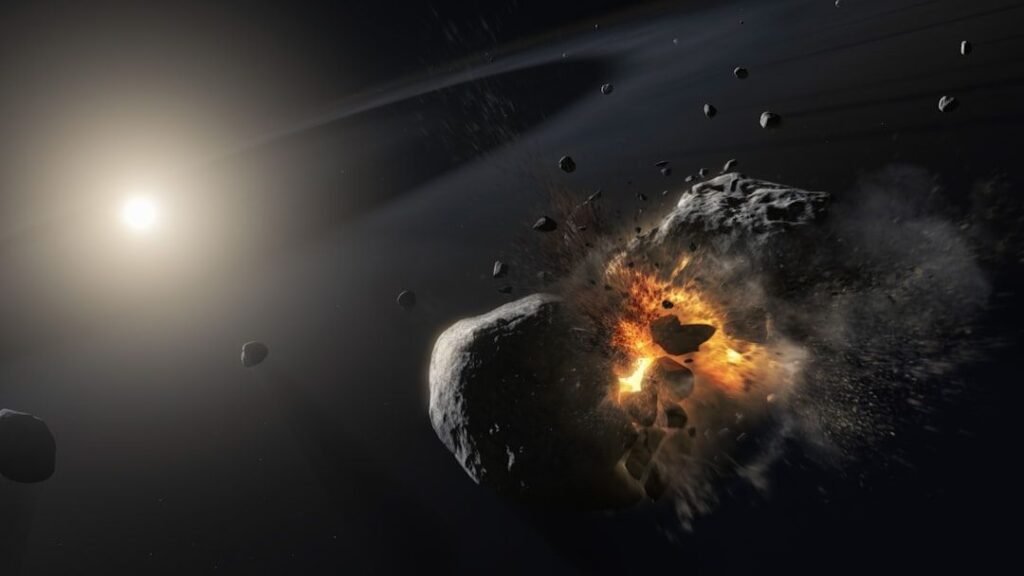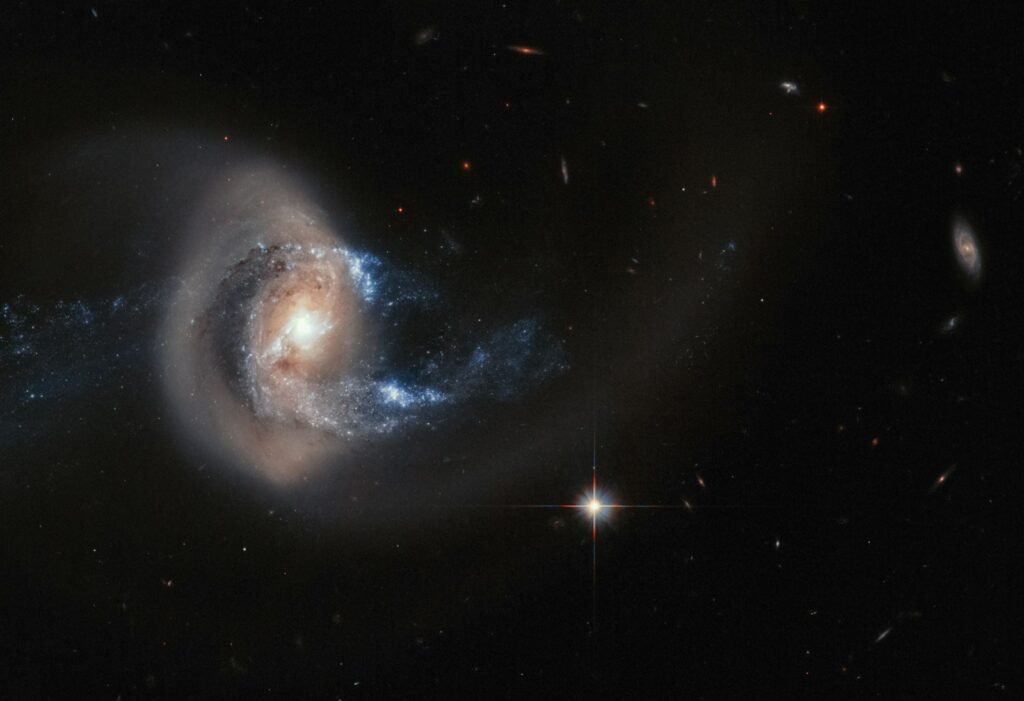

Somewhere beyond the edge of what our telescopes can see, there may be another universe that looks eerily like our own – same laws of physics, same cosmic ingredients, but running on a kind of mirror-time. In the last few years, a series of bold ideas in cosmology has revived an astonishing possibility: that our universe might have a hidden twin, born in the same primordial event but evolving in a perfectly balanced, opposite way. This is not just sci‑fi speculation; it emerges from attempts to solve real, stubborn problems in physics, from why time flows one way to why our cosmos seems so finely tuned. As researchers dig deeper into the earliest fractions of a second after the Big Bang, they are starting to imagine reality as less a lonely explosion and more a cosmic duet. The mystery is no longer just how our universe began, but whether it has always had a partner we can only see in the equations – for now.
The Hidden Clues in the Cosmic Background
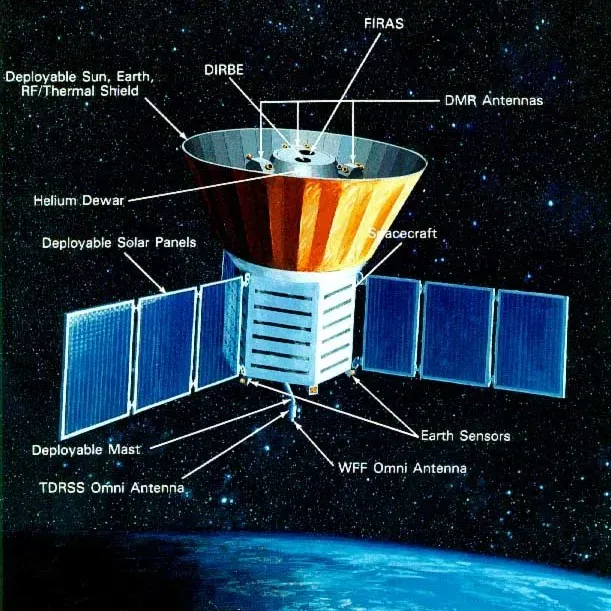
When cosmologists talk about the universe’s childhood, they are not being poetic; they are literally examining its baby photos in the form of the cosmic microwave background, the faint afterglow of the Big Bang. This glow is not perfectly smooth – it has tiny temperature ripples, like the texture of a lightly shaken blanket, and those ripples encode the seeds of galaxies and clusters. For decades, missions like NASA’s WMAP and the European Space Agency’s Planck satellite have mapped these subtle patterns with staggering precision, revealing a universe that is both remarkably simple and oddly asymmetric. Some of those asymmetries, such as a slight lopsidedness between different parts of the sky, have nagged at scientists who expected a more perfectly uniform cosmos. To some theorists, these weird features feel less like random quirks and more like fingerprints from a deeper, hidden structure.
This is where the idea of a twin universe starts to sound less like fantasy and more like a potential explanation. If our Big Bang created not just one expanding space‑time but a pair – ours and a mirror partner – certain imbalances in our sky could be the shadow of that twin’s influence on the initial conditions. The data does not shout this conclusion, but it also refuses to rule it out, and that tension is exactly what keeps cosmologists awake at night. Instead of endlessly patching our existing models with more exotic components, like invisible fields or extra parameters, a twin‑universe framework might offer a cleaner, more symmetric origin story. The universe, it seems, may be dropping cryptic hints in the faintest light we can measure.
From Time’s Arrow to a Mirror Cosmos

One of the strangest facts about everyday life is something we rarely think about: time only moves forward. Eggs scramble but never unscramble, glasses shatter but do not leap back together, people age and do not grow younger. Physics, at its core, is oddly indifferent to this; many fundamental equations work just as well backward as forward, like a reversible movie. Yet the universe as a whole clearly prefers one direction, from a hot, dense beginning toward a colder, more diffuse future. This mismatch between time‑symmetric laws and time‑one‑way reality is a deep, unsettled puzzle.
In the last decade, some researchers have proposed a striking resolution: our universe’s arrow of time is only half the story, because there is another universe on the “other side” of the Big Bang where time points the opposite way. In this picture, the Big Bang is not the start of everything but a kind of central bridge, with our cosmos expanding in one temporal direction and its twin expanding in reverse. To an inhabitant there, their time would feel as normal as ours, even though from our point of view it flows backwards. This mirror‑time idea does more than satisfy philosophical curiosity; it can help explain why the early universe started in such an extraordinarily low‑entropy, highly ordered state without invoking a wild coincidence. The hidden twin is not just a pretty metaphor; it becomes a necessary partner in making sense of why anything, including you reading this, can experience a “before” and “after” at all.
Anti-Matter, Missing Symmetry, and the Case for a Twin
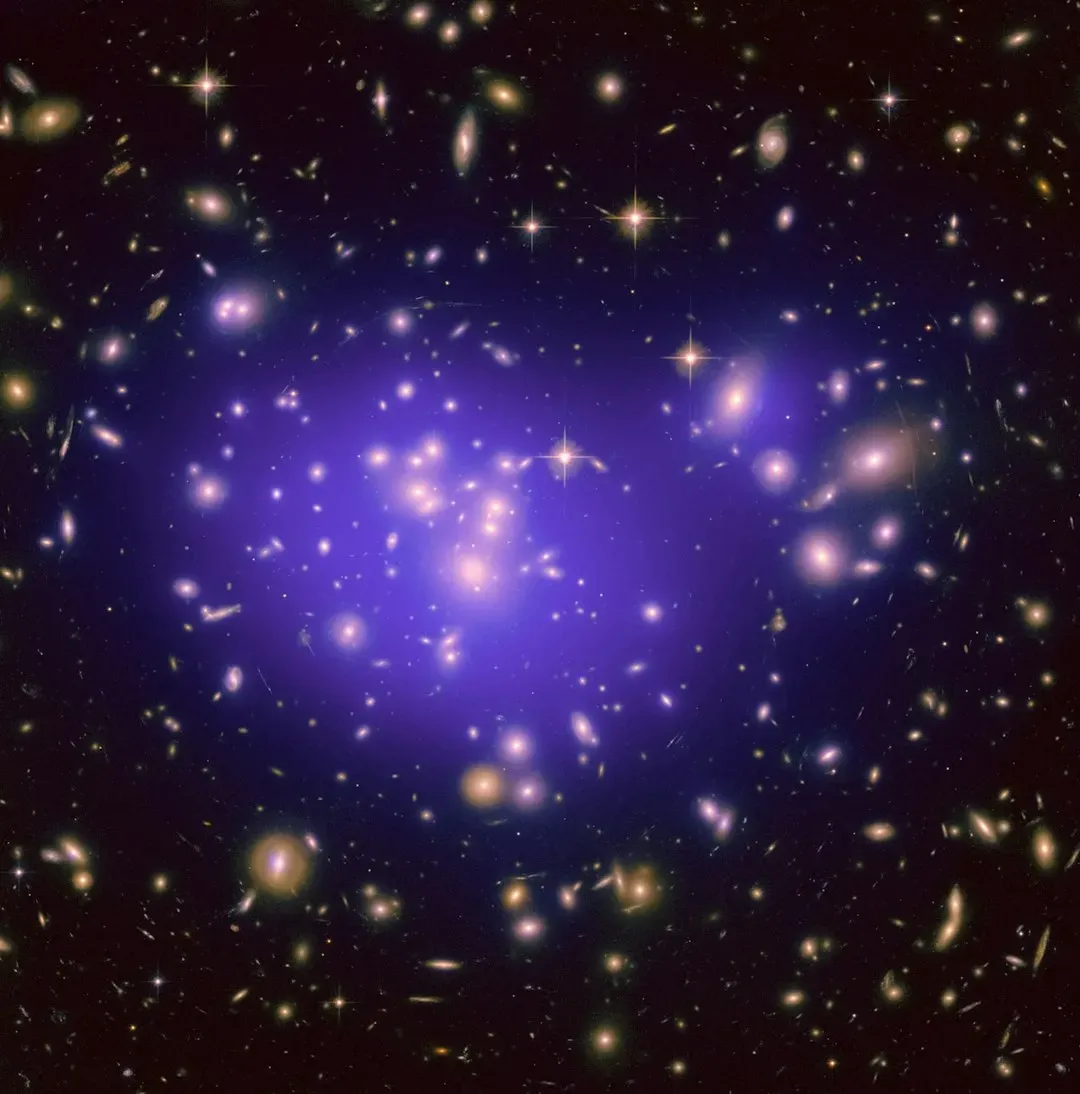
Beyond time itself, the universe hides another mystery: it clearly prefers matter over antimatter. According to basic physics, the Big Bang should have produced matter and antimatter in almost perfect balance, like pairs of dancers stepping onto a stage. Instead, nearly everything we see – stars, planets, you, your coffee mug – is made of ordinary matter, with antimatter reduced to rare and fleeting appearances in cosmic rays or particle accelerators. This imbalance is so extreme that even a small tweak to the early recipe would have annihilated almost all matter, leaving behind a universe filled with light and not much else. Scientists have long suspected some deep symmetry was broken in those first moments, but the details remain elusive.
Here again, the idea of a twin universe offers a compelling twist. Some theoretical models suggest that while our cosmos ended up dominated by matter, its hidden partner might be rich in antimatter, preserving the overall balance across the pair. Instead of symmetry being broken absolutely, it would be shared between two linked realities: ours leaning one way, the twin leaning the other. In that scenario, the grand cosmic books still balance, but only when you consider both universes as one extended system. It is a radical thought, yet it elegantly threads together clues from particle physics, cosmology, and the stubborn fact that something exists instead of a near‑perfect nothing.
Consciousness, Perception, and Parallel Realities
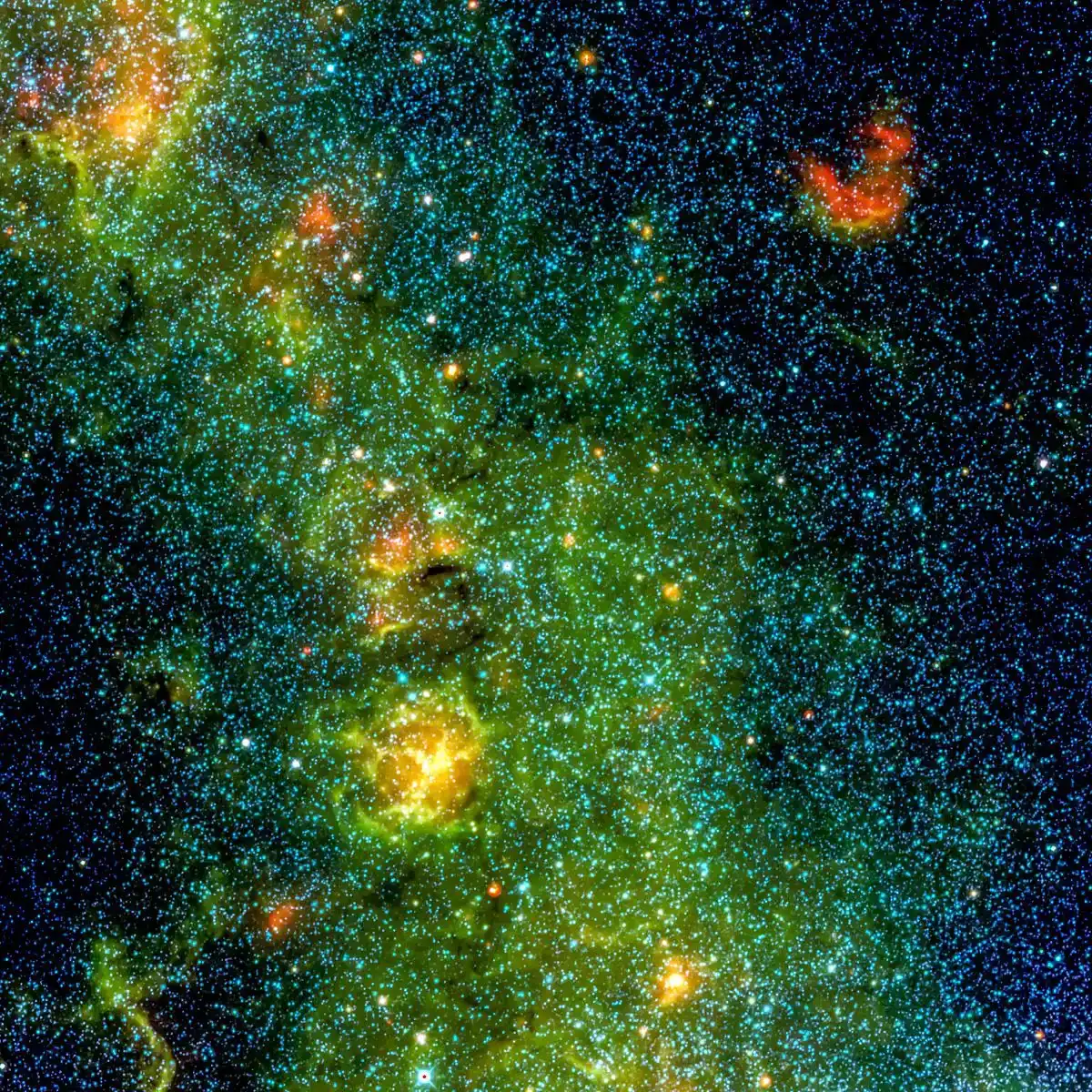
The notion that our universe has a hidden twin naturally invites a more unsettling question: what does that mean for us, as conscious beings trying to make sense of reality from inside the system? Neuroscientists and philosophers of mind already wrestle with the idea that our perception is a carefully constructed model, stitched together by the brain from limited sensory data. We do not see quantum fields or curved space‑time; we see tables, faces, and traffic lights, convenient summaries of something far more complex. If physics now suggests that even the universe we inhabit is only half of a larger, mirrored structure, then our everyday sense of reality starts to feel a bit like a tiny stage in a much bigger theater. That is not mystical hand‑waving; it is a sober recognition that our mental map is almost certainly missing entire continents.
Some researchers have tentatively explored connections between cosmology and consciousness, not by claiming that minds shape universes, but by asking how deeply our cognitive limits shape the theories we find acceptable. A universe with a hidden time‑reversed twin is profoundly counterintuitive, yet it may be no stranger than quantum entanglement, where particles separated by vast distances behave like parts of a single system. In everyday language, we talk as if there is one stable, shared world, but at the most fundamental levels, reality seems to be about correlations and relationships rather than solid objects. The twin‑universe idea pushes that relational view to a new extreme: what we call “the universe” might only be the half that our perspective can ever hope to access. The rest is not fantasy; it is simply out of reach, like a radio station broadcasting on a frequency our receiver was never built to pick up.
Why It Matters: Rethinking Our Place in the Cosmos
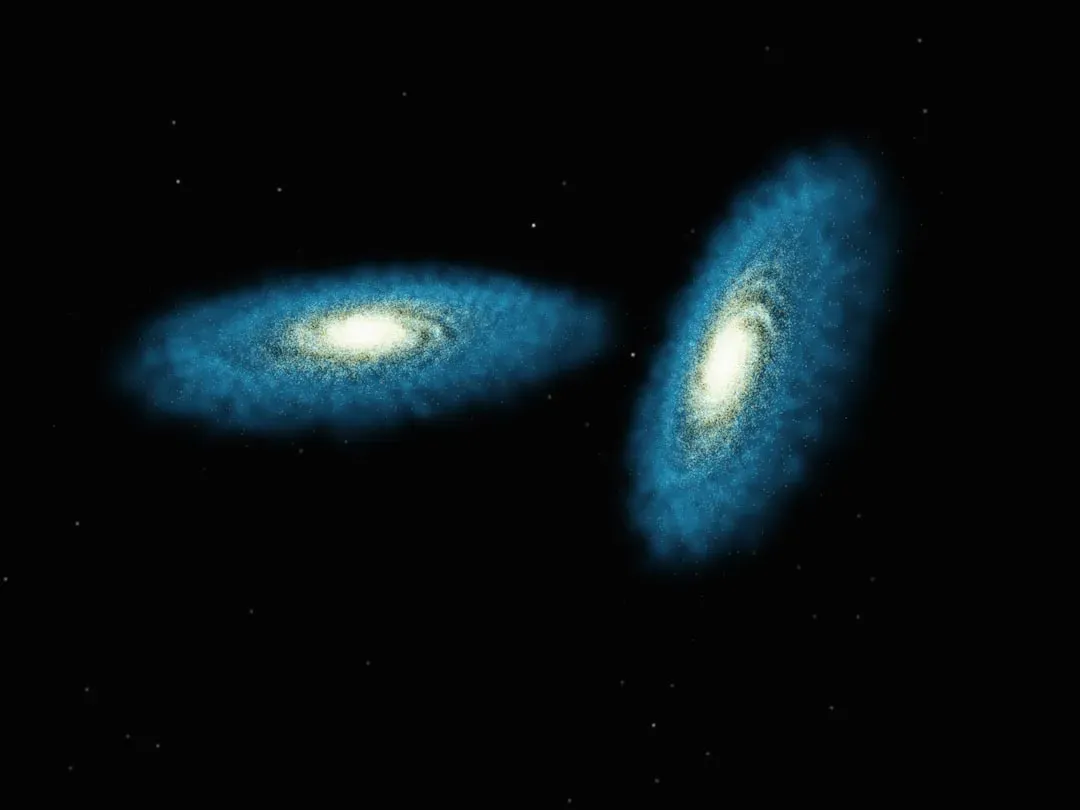
It is tempting to treat talk of twin universes as a harmless curiosity, the kind of idea you discuss late at night and then forget in the morning. But in science, big conceptual shifts often start exactly that way, as daring suggestions that gradually harden into testable frameworks. If our universe truly has a hidden twin, then many things we took as brute facts – why time flows, why matter dominates, why the cosmos seems finely tuned – could be reframed as consequences of a larger, symmetric structure. That would be a profound change, similar in spirit to when we realized Earth orbits the Sun, or when galaxies turned out to be just a fraction of a vast web of dark matter and energy. The story of “everything” would suddenly gain a second main character.
Compared to traditional cosmological models that focus on a single expanding universe, twin‑cosmos ideas emphasize balance and complementarity. They suggest that our reality may only make sense when paired with another, just as the positive and negative sides of an electric charge define each other. This matters not just for abstract theory but for how we frame questions going forward: instead of asking why our universe is this way, we might ask how our universe and its twin together satisfy deeper symmetries. Even if some of these specific models turn out to be wrong, pushing in this direction forces physicists to confront the limitations of long‑standing assumptions. In a field where progress often means swapping comfortable stories for stranger, more accurate ones, twin universes are a serious contender.
How Could We Ever Test a Hidden Twin?
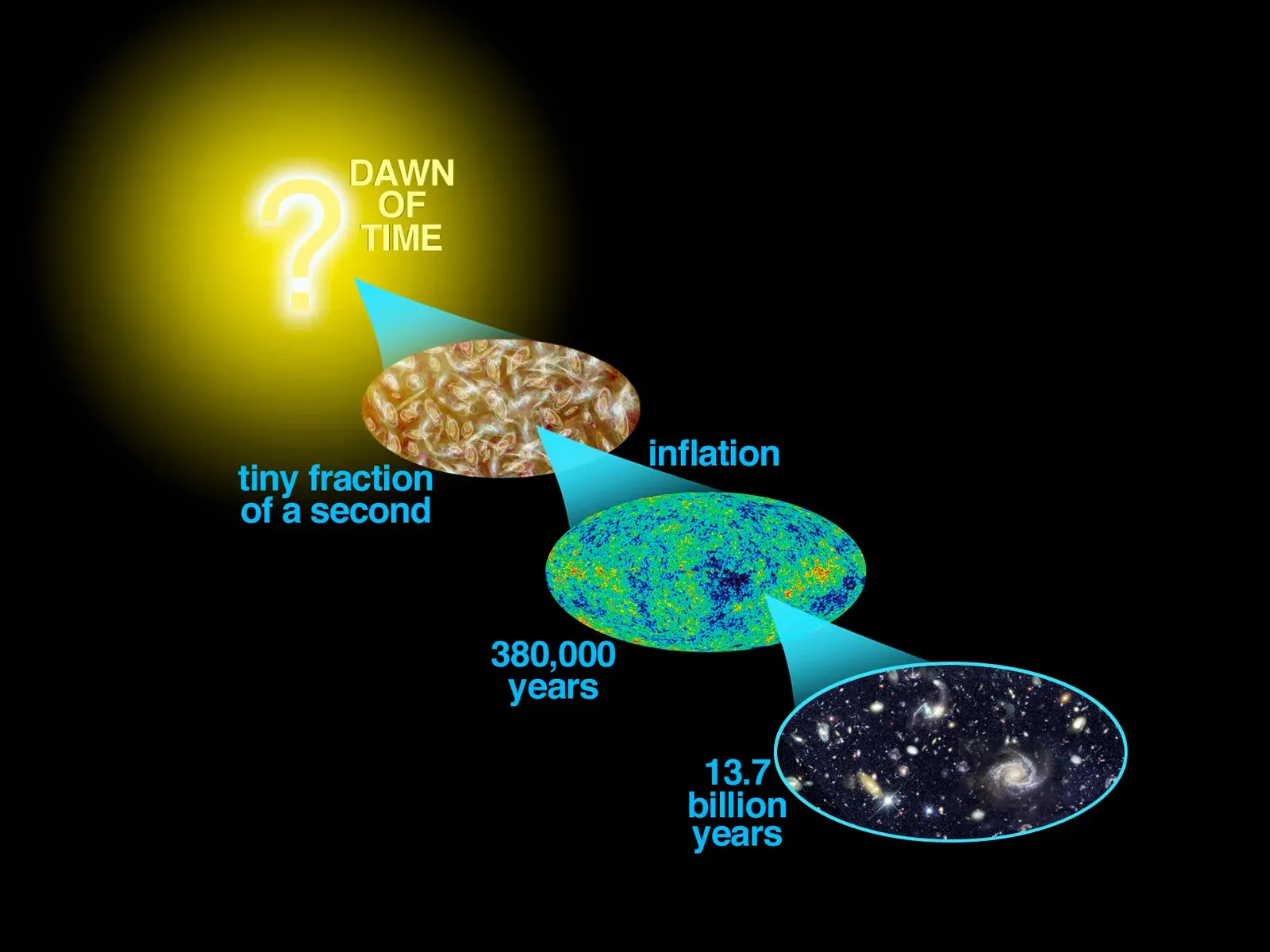
A natural reaction to all of this is skeptical and valid: if the twin universe is hidden, how could we possibly know it is there? Physicists are not content with pretty mathematics alone; they look for traces, however faint, that radical ideas leave in the data. In the case of a cosmic twin, those traces might appear as subtle fingerprints in the cosmic microwave background, such as patterns that are hard to explain with traditional Big Bang inflation but arise more naturally in symmetric models. Researchers also examine how a mirror component could influence the growth of large‑scale structure, the way galaxies and clusters clump together over billions of years. If certain observed distributions match the predictions of twin‑universe scenarios better than standard ones, that would be a small but significant nudge.
There are more speculative possibilities too, involving exotic particles or fields that might act as messengers between our universe and its twin. For instance, some theories of dark matter – the mysterious unseen mass that outweighs visible matter by several times – hint that it could be tied to a hidden sector with its own physics. While that does not mean we can send signals to a mirror cosmos, it does raise the prospect that our universe is already interacting with unseen counterparts in subtle ways. Testing these ideas demands enormous precision, gigantic surveys of galaxies, and new generations of detectors. The path from hypothesis to evidence is slow and uncertain, but that is how cosmology has always moved: from audacious claims down to the hard, unforgiving ground of measurement.
The Future Landscape: New Telescopes, New Physics, New Questions
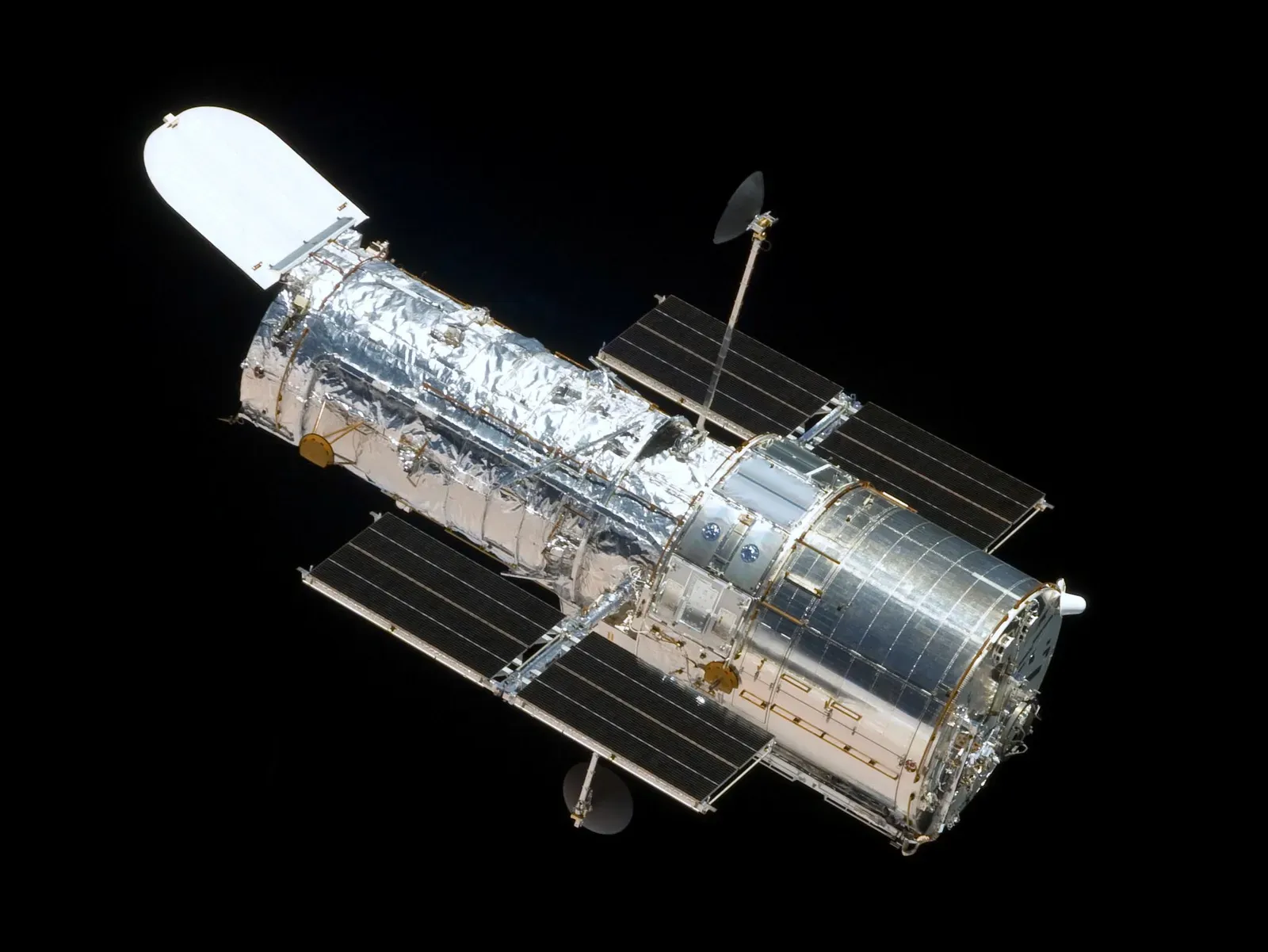
Over the next decade, the question of whether our universe has a hidden twin will be shaped not just by clever theorizing, but by the machines we build to look deeper into space and time. Space observatories and next‑generation ground‑based telescopes are pushing our view of the early universe closer to the Big Bang, capturing light from galaxies formed when the cosmos was only a small fraction of its current age. Meanwhile, gigantic surveys of cosmic structure are mapping how matter is distributed on the largest scales, offering new tests for any theory that tinkers with the early conditions. These projects are not designed solely to hunt for twin universes, but their data could make or break the most promising models. As resolution and sensitivity improve, small deviations from standard expectations could become impossible to ignore.
On the theoretical side, physicists are wrestling with how twin‑universe ideas fit into the broader framework of quantum gravity, the long‑sought union of general relativity and quantum mechanics. Some approaches, such as those that imagine space‑time emerging from more fundamental information‑like structures, naturally lead to paired or mirrored configurations. Others struggle to accommodate a second universe without adding too much complexity. The stakes are high: a successful theory might not only explain the origin of our cosmos but also tie together loose ends in particle physics, from neutrino masses to the nature of dark energy. If the twin‑universe picture survives increasingly brutal scrutiny, it could reshape the next era of fundamental physics – and if it fails, the attempt will still have forced us to sharpen our tools and our imagination.
What You Can Do With a Universe and Its Twin
At first glance, a hidden twin universe feels like the ultimate spectator sport: fascinating to hear about, but far removed from daily life on Earth. Yet there are simple, meaningful ways for curious readers to be part of this unfolding story, even if you never touch a telescope. One is to stay engaged with science reporting that goes beyond headlines and takes time to unpack the ideas, not just the hype; good explanations help sharpen public understanding and, indirectly, shape funding and policy priorities. Another is to support organizations that promote basic research in physics and astronomy, whether through donations, memberships, or simply amplifying their work. In a world where immediate problems always compete for attention, long‑horizon questions about the universe’s origin need voices willing to say they are worth asking.
You can also cultivate your own sense of cosmic literacy, the way you might learn a new language or instrument. Reading popular‑level books on cosmology, attending public lectures at local universities or science museums, and following missions and experiments as they unfold all help build a richer mental picture of the universe you inhabit. Sharing that curiosity with kids, friends, or online communities turns it into a small but real cultural force, one that says exploring fundamental questions is part of being human, not just something specialists do in distant labs. We may never visit a twin universe, but our choices today – what we value, what we fund, what we bother to understand – help decide how close we get to knowing whether it exists.
Suhail Ahmed is a passionate digital professional and nature enthusiast with over 8 years of experience in content strategy, SEO, web development, and digital operations. Alongside his freelance journey, Suhail actively contributes to nature and wildlife platforms like Discover Wildlife, where he channels his curiosity for the planet into engaging, educational storytelling.
With a strong background in managing digital ecosystems — from ecommerce stores and WordPress websites to social media and automation — Suhail merges technical precision with creative insight. His content reflects a rare balance: SEO-friendly yet deeply human, data-informed yet emotionally resonant.
Driven by a love for discovery and storytelling, Suhail believes in using digital platforms to amplify causes that matter — especially those protecting Earth’s biodiversity and inspiring sustainable living. Whether he’s managing online projects or crafting wildlife content, his goal remains the same: to inform, inspire, and leave a positive digital footprint.