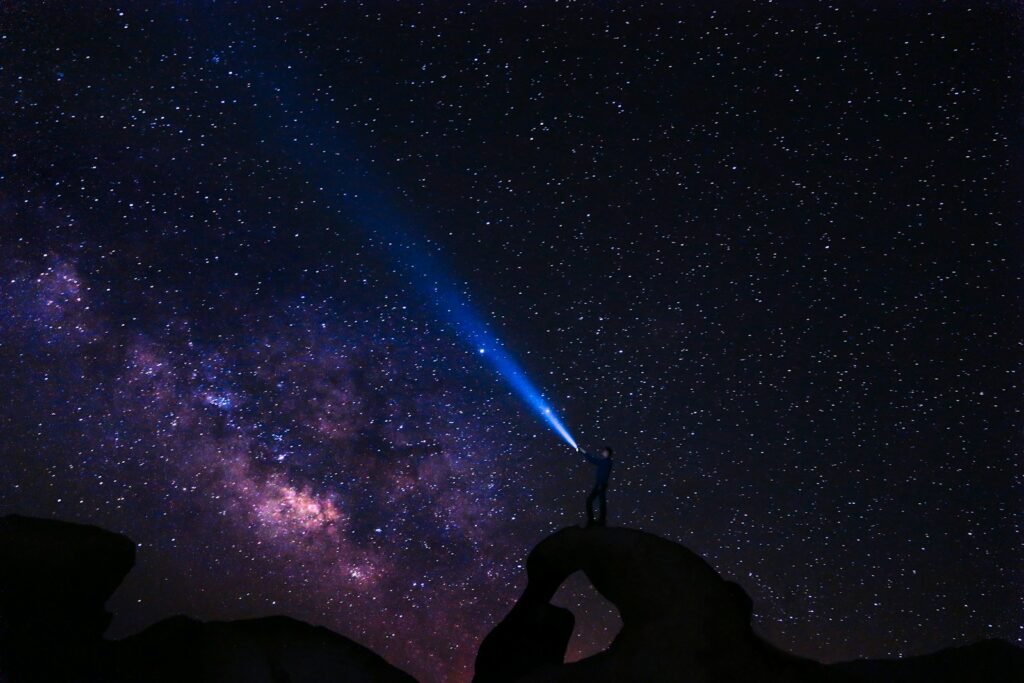

The universe, once imagined as eternal and unchanging, is now being recast as a story with a beginning, a middle, and, most astonishingly, an end. Over the past century, telescopes, satellites, and particle colliders have chipped away at the old dream of an infinite cosmos, replacing it with a narrative that starts in a hot, dense flash and ends in a cold, dark fade. At the same time, baffling discoveries about dark matter, dark energy, and quantum physics have raised unsettling questions about what “beginning” and “end” even mean. Are we hurtling toward a cosmic heat death, or could the universe reset itself in cycles beyond imagination? As scientists push their instruments and theories to the limit, they are finding that the universe is not just big; it is fragile, temporary, and deeply strange.
The Hidden Clues in a Fading Glow
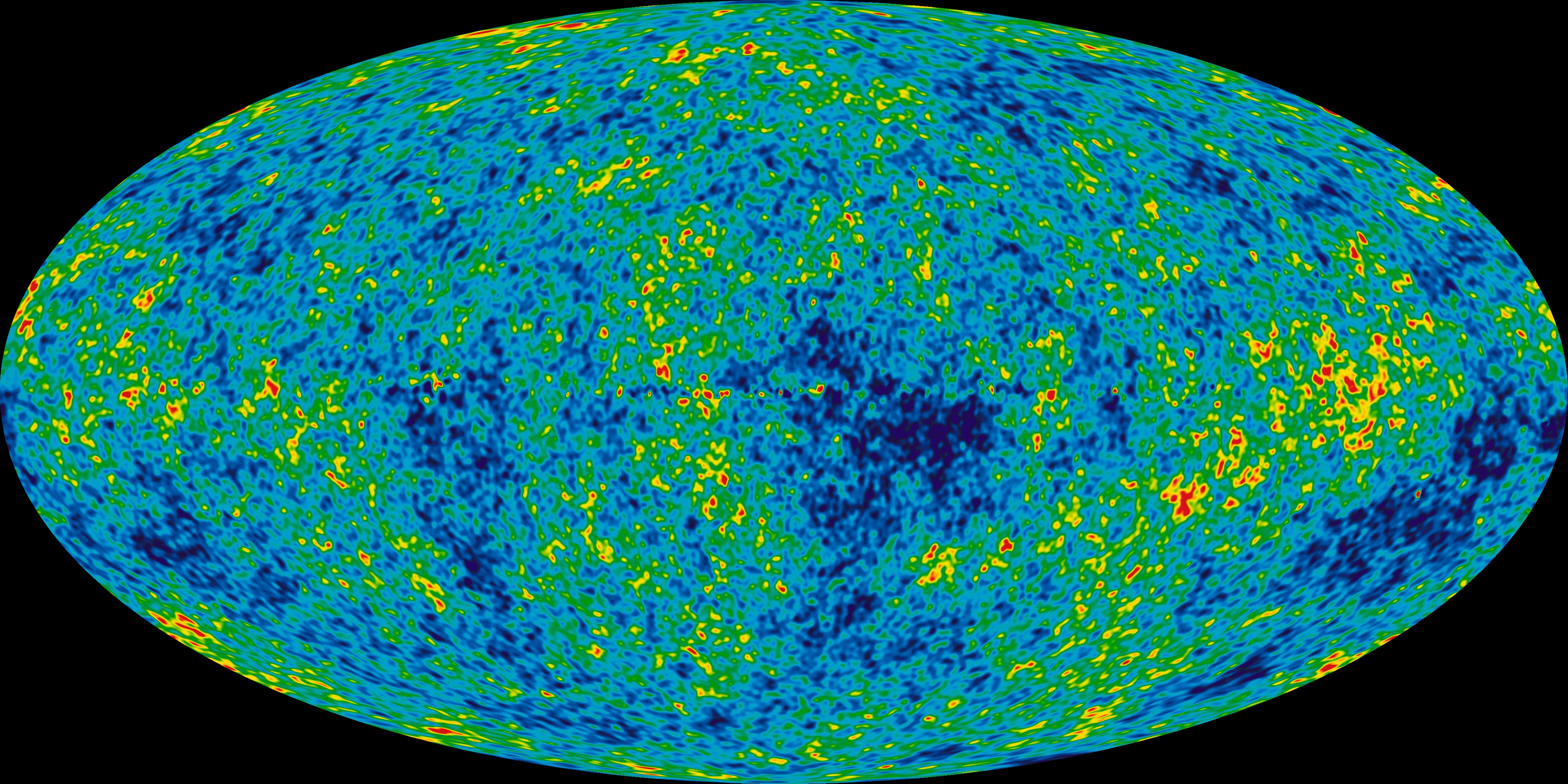
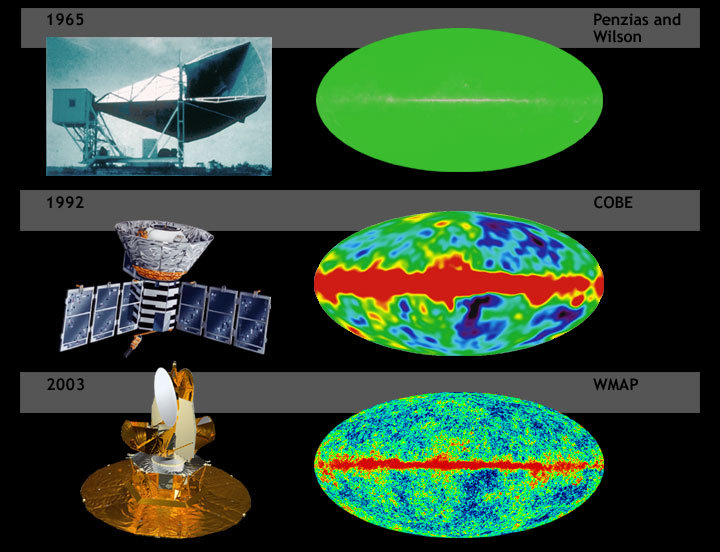
It is almost poetic that the strongest evidence that the universe had a beginning comes from the faintest light in the sky. The cosmic microwave background, or CMB, is a ghostly afterglow left over from when the universe was only about 380,000 years old, long before stars and galaxies formed. First detected in the 1960s and now mapped in exquisite detail by satellites like COBE, WMAP, and the European Space Agency’s Planck observatory, this radiation is astonishingly uniform, yet speckled with tiny temperature variations. Those small ripples are like fossil fingerprints, encoding how the universe expanded and cooled after an initial hot, dense state that we call the Big Bang. If the cosmos had no beginning, this pattern would look radically different – or might not exist at all.
What makes the CMB so compelling is how precisely it lines up with our best mathematical models of a universe that started small and has been stretching ever since. Measurements of its spectrum show that it matches, with remarkable accuracy, the glow expected from matter and light once packed together and then released into expansion. Subtle details in the CMB’s polarization – how the light waves are oriented – let physicists test inflation, a rapid burst of expansion thought to occur in the first sliver of a second. The more we refine the data, the harder it becomes to escape the conclusion that time as we know it emerged from a specific, physical event. The universe, in other words, is not an eternal stage; it is the performance itself.
From Ancient Myths to Modern Cosmology
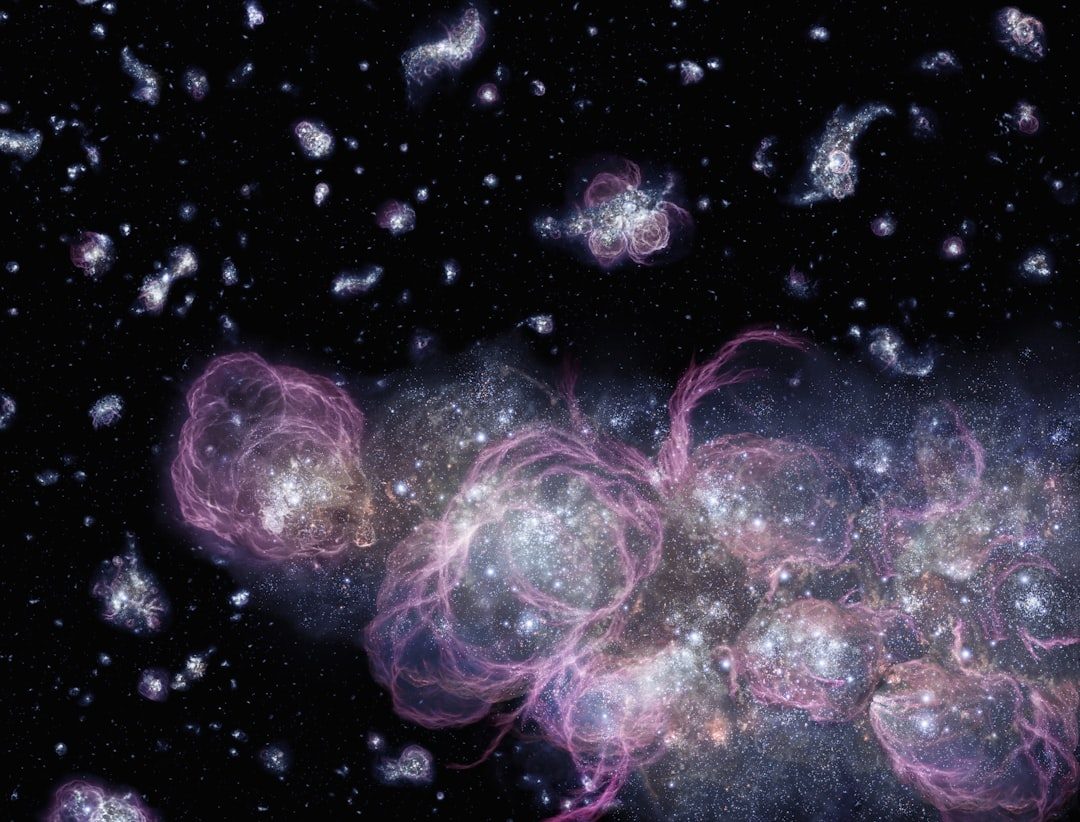
Humans have told stories about cosmic beginnings for as long as we have told stories at all. Myths from cultures on every continent describe worlds emerging from eggs, primordial seas, or the body of a slain giant, reflecting a deep intuition that reality itself must have an origin. For centuries, however, Western science leaned toward an eternal, static universe, a kind of cosmic background that had simply always been there. Even when Einstein developed general relativity in the early twentieth century, he initially added a mathematical term to keep the universe unchanging, because the idea of expansion seemed absurd. It took the stubborn combination of theory, observation, and argument to overturn that comfortingly timeless picture.
The turning point came when astronomers like Edwin Hubble showed that distant galaxies are not stationary but racing away from us, with more distant galaxies receding faster. That discovery in the late 1920s was like catching the universe in the act of stretching, a direct observational blow to the notion of a static cosmos. Over the decades that followed, competing models tried to reconcile the data: some, like the steady-state theory, proposed that new matter constantly appears to keep the universe looking the same. But the discovery of the CMB in the 1960s delivered a decisive strike against such ideas, strongly favoring a universe that started from a hotter, denser state. By the late twentieth century, the Big Bang was no longer a bold hypothesis; it had become the backbone of modern cosmology.
The Expanding Universe and the Question of the End
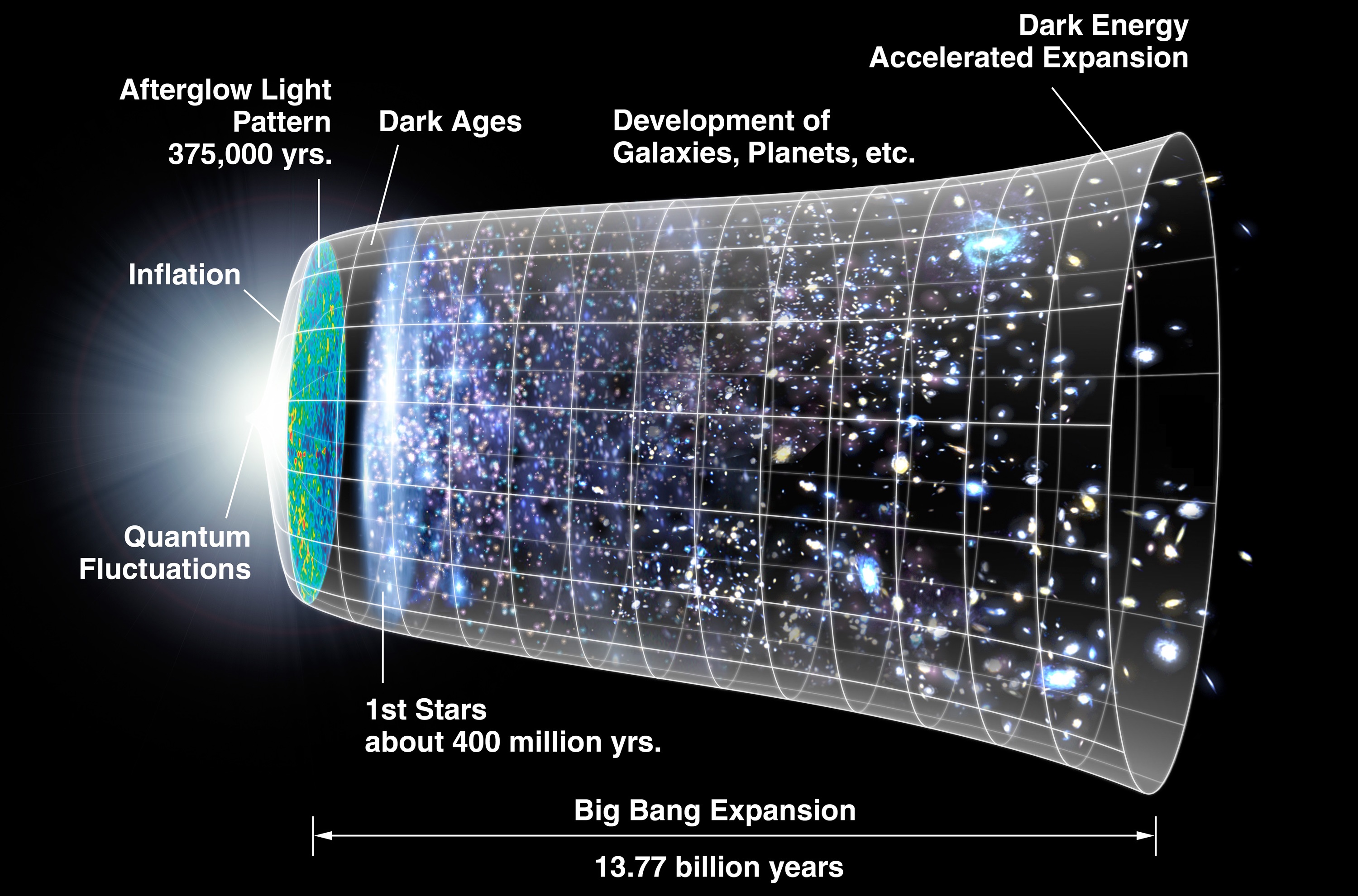
Knowing that the universe had a beginning immediately leads to a more unsettling question: how does it end? For a long time, cosmologists treated this as a tug-of-war between gravity and expansion. If there were enough matter, gravity could eventually halt the expansion and reverse it, leading to a “Big Crunch” in which everything collapses back into a dense state. If there were too little, the universe would keep expanding forever, slowing but never stopping, gradually thinning into a cold, dark emptiness. The fate of everything seemed to hinge on a cosmic density threshold that scientists desperately tried to measure.
Then, in the late 1990s, observations of distant exploding stars called Type Ia supernovae delivered a shocking twist: the expansion of the universe is not slowing down – it is speeding up. This acceleration forced scientists to resurrect an idea that had once been considered a mathematical fudge factor: a mysterious form of energy filling space itself, now known as dark energy. Current measurements suggest that dark energy makes up roughly about two thirds of the universe’s total energy budget, while ordinary matter is only a tiny fraction. If dark energy continues to dominate, the most likely future is a “Big Freeze” or heat death, where galaxies drift apart, stars burn out, and even black holes eventually evaporate over unimaginable timescales.
Quantum Gravity, Singularities, and the Meaning of a Beginning
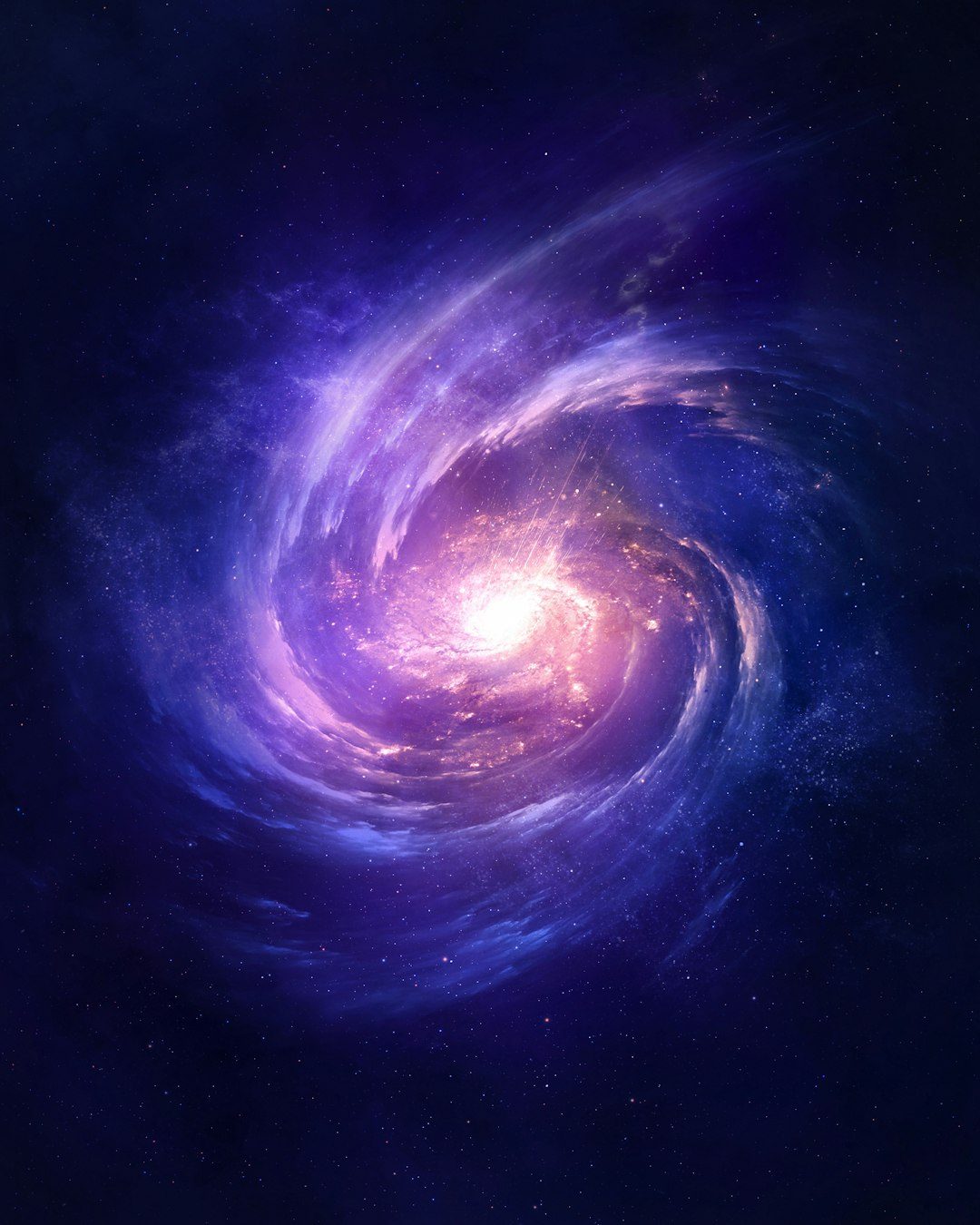
Even as observations solidify the idea of a cosmic beginning, the exact nature of that beginning remains one of the deepest puzzles in physics. The equations of general relativity, when run backward, point to a singularity: a point of infinite density, where our theories break down. Physicists generally agree that this singularity is a sign of missing physics rather than a literal infinite point. In particular, they suspect that a successful theory of quantum gravity – one that unifies quantum mechanics with general relativity – will replace the singularity with something more physical, perhaps a bounce or a transition from a prior state. Several candidate theories, such as loop quantum cosmology and certain string-inspired models, explore this possibility mathematically.
Recent theoretical work and simulations suggest that quantum effects could smooth out the singularity, turning the Big Bang from a creation-from-nothing event into a transformation in an ongoing, deeper reality. Some scenarios imagine a collapsing universe that rebounds, leading to cycles of bangs and crunches. Others propose that our observable universe could be a bubble that formed within a larger multiverse, where different regions experience their own beginnings and ends. None of these ideas are yet proven, and they are hard to test, but they matter because they change what we mean by “beginning.” Instead of a simple start line, the origin of our universe might be more like the visible crest of a wave in a far larger ocean.
Why It Matters: Cosmic Time and Human Meaning
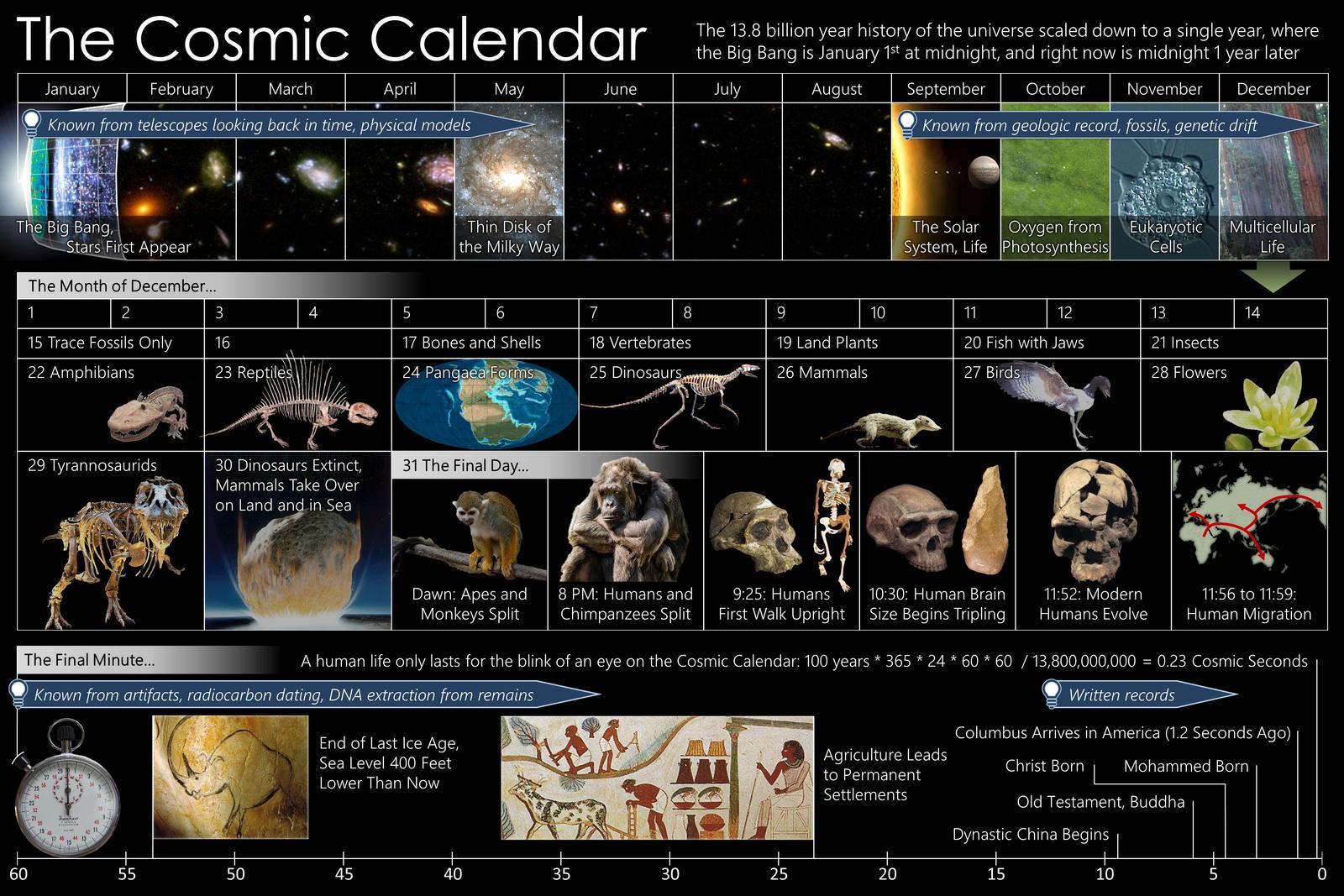
At first glance, the question of whether the universe has a beginning and an end might seem distant from everyday life, like a philosophical curiosity for late nights and long podcasts. But the story we tell about the cosmos quietly shapes how we think about purpose, urgency, and our place in reality. An eternal, unchanging universe suggests a backdrop where individual lives barely register, more like grains of sand in an endless desert. A universe with a beginning and an end, by contrast, feels more like a shared, finite story, where time is a scarce resource and events truly matter. The knowledge that even galaxies and stars are temporary can make human existence feel both fragile and astonishingly significant.
There is also a more practical reason this matters: the same physics that governs the birth and fate of the cosmos governs the particles, fields, and forces that underpin our technology. Understanding dark energy, for example, is not just academic; it tests our grasp of how space, time, and energy interact at the deepest level. The tools we build to study distant galaxies – sensitive detectors, powerful computers, new mathematical methods – often find their way into medical imaging, communication systems, and climate science. In a very real sense, when we invest in understanding the universe’s beginning and end, we are also investing in sharper tools for navigating our own limited section of time.
Experiments That Reach for the Edge of Time
The case for a universe with a beginning and a likely end does not rest on a single experiment or observation; it comes from a tapestry of evidence woven across decades. Satellites like Planck have mapped the CMB’s subtle temperature variations to higher precision than early cosmologists could have dreamed, confirming that we live in a universe that started hot and has been cooling as it expands. Large-scale galaxy surveys, using instruments such as the Sloan Digital Sky Survey and more recently the Dark Energy Survey, chart how galaxies cluster across billions of light-years. These patterns carry the imprint of acoustic waves rippling through the early universe, a kind of frozen record of its youth. Together, these data sets consistently point toward a cosmos that expanded from a dense early state and is now accelerating under the influence of dark energy.
On the more local side, particle accelerators like the Large Hadron Collider probe the conditions that existed in the first fractions of a second after the Big Bang. By smashing particles together at immense energies, physicists test theories about how fundamental forces behaved when the universe was young. Meanwhile, new observatories are opening fresh windows on cosmic evolution. The James Webb Space Telescope is already spotting galaxies from a time when the universe was less than a billion years old, and future instruments are being designed to measure the expansion history even more precisely. Each of these experiments is like another puzzle piece snapping into place, tightening the constraints on which cosmic stories are still possible.
The Future Landscape: Cosmic Fate and New Technologies
As we look ahead, the effort to understand the universe’s beginning and end is accelerating along with the cosmos itself. Upcoming facilities such as next-generation ground-based telescopes and space observatories will map ever-fainter galaxies, trace dark matter more precisely, and track how dark energy’s influence may change over time. There are also ambitious plans for new gravitational-wave detectors, both on Earth and in space, that could listen for ripples from the early universe – or from catastrophic events like the mergers of supermassive black holes. A clearer picture of how structure in the universe grows and decays will sharpen our predictions about its ultimate fate.
At the same time, theorists are pushing into more radical territory, exploring ideas like varying dark energy, modified gravity, and quantum cosmology. These concepts are not mere speculation; they generate testable predictions that future experiments can support or rule out. The stakes are high: different models imply very different endings, from slow heat death to more violent scenarios such as a hypothetical Big Rip, where space itself could eventually tear apart. Beyond the cosmic drama, these efforts will likely spin off new algorithms, materials, and technologies in the process. The more seriously we chase the edges of time, the more tools we gain for understanding – and potentially safeguarding – our own planetary future.
Living in a Finite Universe: What You Can Do
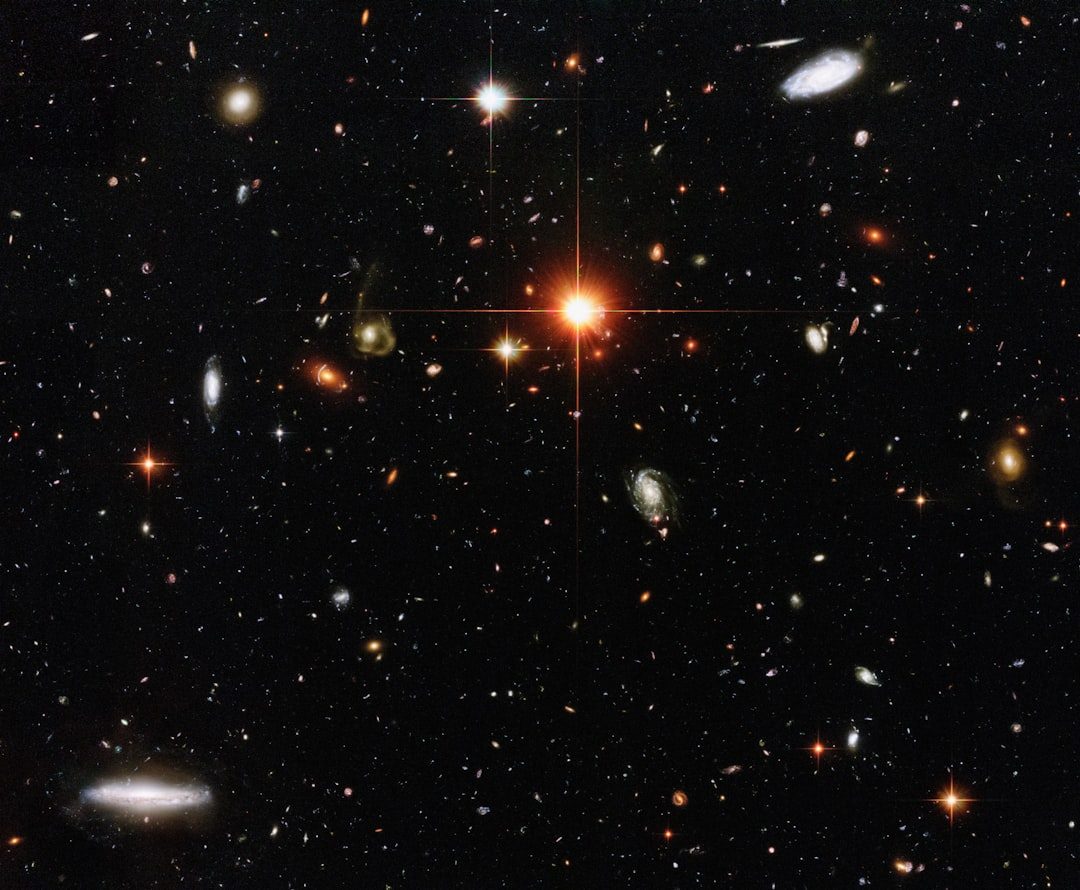
It might feel as though a universe-scale story leaves ordinary people with nothing to do but watch, but that could not be further from the truth. Scientific progress on these questions depends heavily on public interest, funding, and a steady stream of curious minds. If you feel tugged by the idea that the universe has a beginning and an end, you can turn that feeling into support for the institutions and projects that probe these mysteries. That could mean following missions from agencies like NASA or the European Space Agency, visiting local planetariums, or supporting science journalism that digs deep rather than skimming the surface. Even something as simple as sharing a clear explanation of dark energy or the CMB with a friend helps keep these ideas alive in the culture.
You can also engage more directly with the science itself, no PhD required. Many cosmology and astronomy projects run citizen-science platforms where volunteers help classify galaxies, spot gravitational lenses, or sift through data for unusual patterns. Universities and observatories often host public lectures, open nights, or online events where researchers explain their work and answer questions. By showing up, asking questions, and staying curious, you become part of the larger human effort to understand our finite, evolving universe. In the end, recognizing that the cosmos has a story – with a beginning and an eventual end – can be a powerful invitation to live more attentively in our brief but remarkable chapter.
Suhail Ahmed is a passionate digital professional and nature enthusiast with over 8 years of experience in content strategy, SEO, web development, and digital operations. Alongside his freelance journey, Suhail actively contributes to nature and wildlife platforms like Discover Wildlife, where he channels his curiosity for the planet into engaging, educational storytelling.
With a strong background in managing digital ecosystems — from ecommerce stores and WordPress websites to social media and automation — Suhail merges technical precision with creative insight. His content reflects a rare balance: SEO-friendly yet deeply human, data-informed yet emotionally resonant.
Driven by a love for discovery and storytelling, Suhail believes in using digital platforms to amplify causes that matter — especially those protecting Earth’s biodiversity and inspiring sustainable living. Whether he’s managing online projects or crafting wildlife content, his goal remains the same: to inform, inspire, and leave a positive digital footprint.