
Africa’s rivers, with their serene beauty and diverse ecosystems, are life-giving arteries to the continent’s landscapes. Yet, lurking beneath the surface of these waters is an unsung hero of the ecosystem – the Hippopotamus. Often perceived as bulky and aggressive, hippos hold a surprisingly vital role in maintaining the health and balance of Africa’s river systems. Their contribution goes beyond just being part of the food web; they are, in fact, key players in sustaining the delicate equilibrium of aquatic environments. Let’s delve into the unexpected and fascinating role that hippos play in protecting Africa’s rivers.
The Mighty Hippo: More Than Meets the Eye
When we think of hippos, images of enormous creatures wallowing in mud or lazily grazing on riverbanks often come to mind. However, these seemingly sluggish animals are ecological powerhouses. Hippos are known for their unique behavior of spending most of their lives in water, which might give the impression of passivity. Yet, their interaction with the river ecosystem is dynamic and essential. By defecating in the water, hippos introduce significant amounts of organic material that serve as nutrients for aquatic plants and microorganisms. This action helps maintain a thriving ecosystem that supports a variety of species, from tiny insects to large fish.
Natural Fertilizers: The Hippo’s Organic Contribution
One of the most fascinating aspects of hippos is their role as natural fertilizers. Their droppings are rich in nutrients that feed the aquatic plants and algae, forming the base of the river’s food chain. This nutrient cycling is crucial in areas where the surrounding soil may be poor in nutrients. By enriching the water, hippos indirectly support the growth of fish populations and other aquatic life forms that rely on healthy plant growth. Think of hippos as gardeners of the rivers, ensuring that the ecosystem remains lush and vibrant.
Creating Habitats: Hippos as Ecosystem Engineers
Hippos are often referred to as “ecosystem engineers” due to their ability to shape the environment to suit their needs. Their large bodies create trails and channels in the riverbeds as they move, altering the flow of water and creating new habitats. These changes can lead to the formation of pools and eddies that provide refuges and breeding grounds for many aquatic species. In a way, hippos are like natural architects, designing a diverse and complex environment that supports a multitude of life forms.
Controlling River Vegetation: A Balance of Power
The feeding habits of hippos play a significant role in controlling river vegetation. By grazing on land at night and returning to the water during the day, they help manage the growth of grass and other plants along riverbanks. This grazing prevents overgrowth that can lead to riverbank erosion and the loss of habitat for other species. The balance maintained by hippos ensures that riverbanks remain stable, providing a safe haven for countless creatures that depend on the river for survival.
Promoting Biodiversity: The Hippo Effect
Biodiversity thrives in environments where resources are abundant and ecosystem processes are balanced. Hippos contribute to this balance by supporting a wide variety of life forms. Their nutrient-rich waste nourishes plants and microorganisms, which in turn support higher trophic levels, such as fish and birds. The presence of hippos can lead to an increase in species diversity, as they create conditions that allow different organisms to coexist and flourish. It’s as if hippos hold a key to unlocking the full potential of river ecosystems.
Impact on Water Quality: A Natural Filter
Water quality is a critical factor for the health of any aquatic ecosystem. Hippos, through their defecation and movement, help maintain this quality by promoting nutrient cycling and preventing the buildup of harmful substances. Their presence ensures that rivers remain oxygenated and free from excessive organic matter that could lead to eutrophication. In essence, hippos act as natural filters, purifying the water and supporting the life that depends on it.
Challenges Facing Hippos: An Uncertain Future
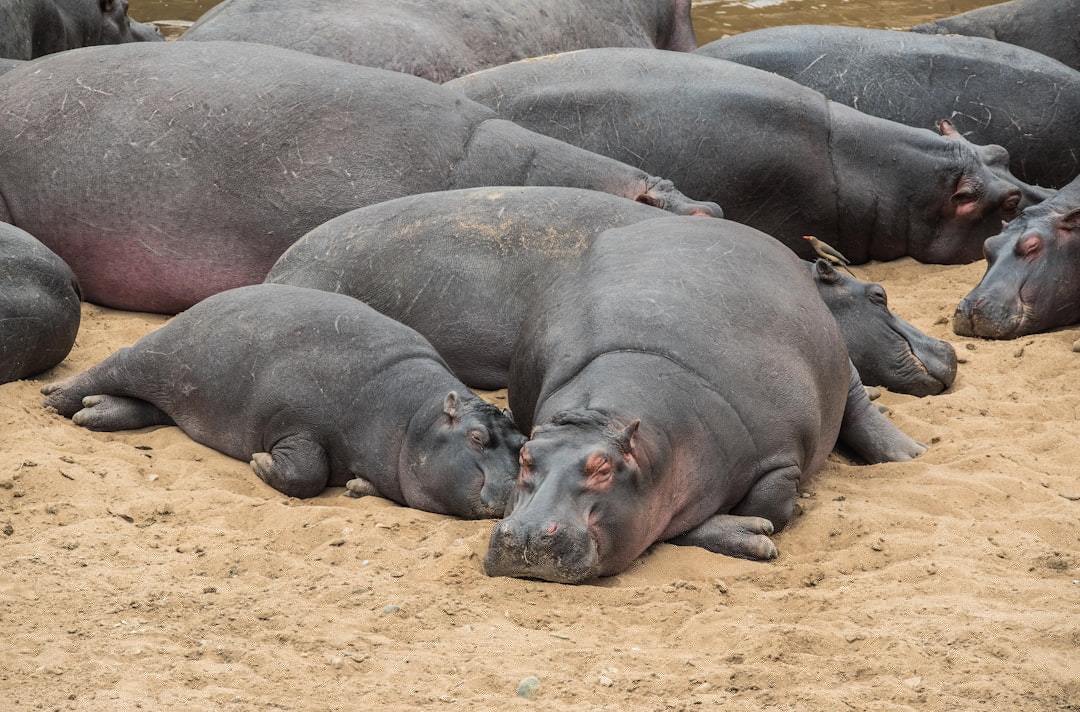
Despite their crucial role, hippos face numerous threats that could impact their ability to protect Africa’s rivers. Habitat loss, poaching, and climate change are among the challenges that threaten their populations. As human activities encroach upon their habitats, the delicate balance they maintain is at risk. Protecting hippos is not just about conserving a species; it’s about safeguarding the health of entire river systems and the countless species that rely on them.
The Ripple Effect: Hippos and Human Communities
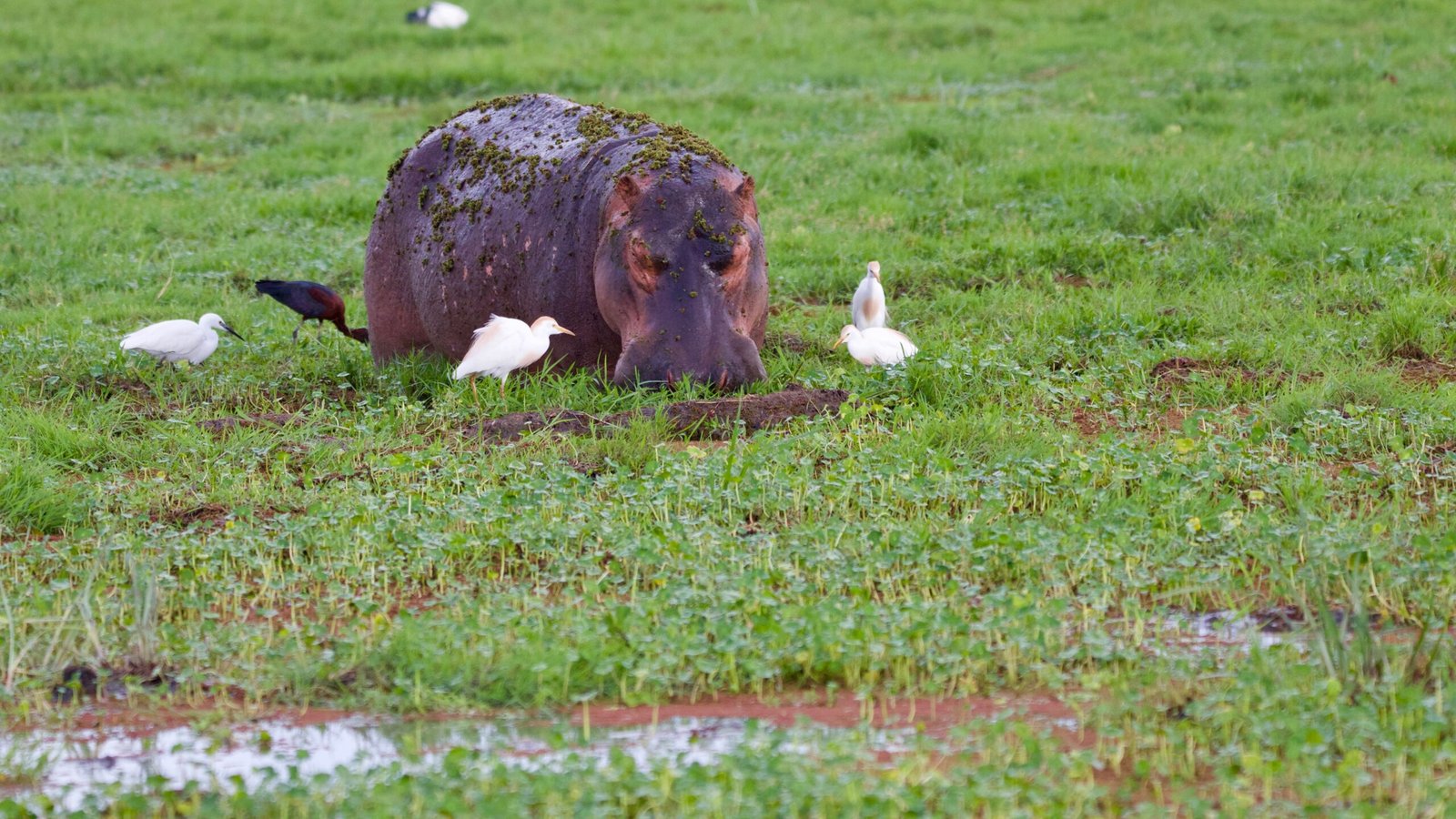
The benefits of hippos extend beyond the natural world and into human communities. Healthy rivers support fisheries, agriculture, and tourism, all of which are vital to the economies of many African countries. By maintaining the integrity of river ecosystems, hippos indirectly support the livelihoods of millions of people. Their role in sustaining natural resources is a compelling argument for their conservation and highlights the interconnectedness of nature and human prosperity.
A Call to Action: Protecting Africa’s River Guardians
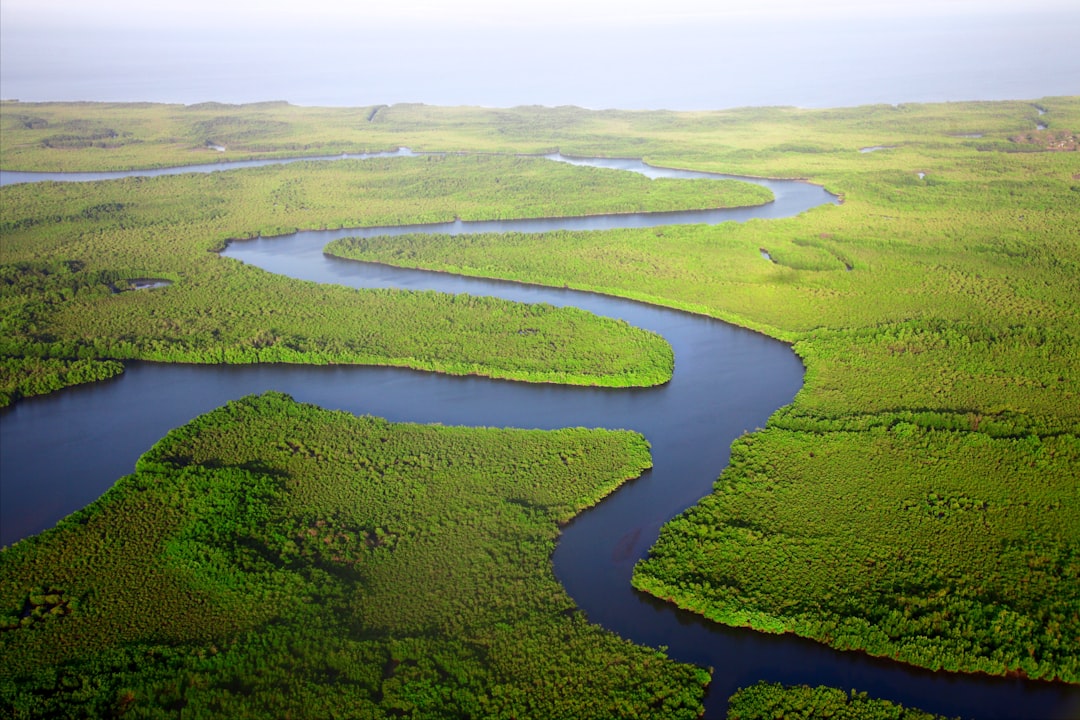
The time has come to recognize and act upon the vital role hippos play in protecting Africa’s rivers. Conservation efforts must prioritize their habitats and address the threats they face. By doing so, we not only protect a keystone species but also ensure the continued health of the ecosystems that sustain life across the continent. The unexpected guardians of Africa’s rivers deserve our attention and care, for their well-being is intrinsically linked to the health of our planet.