Ants, those tiny creatures that often go unnoticed, are more than mere insects. They are master architects, building intricate underground cities that rival human urban planning. These ant-built metropolises are not just a marvel of nature; they hold secrets that scientists are eager to uncover. By studying these subterranean wonders, researchers are gaining insights into the complex social structures and architectural genius of these insects.
The Intricate Design of Ant Cities
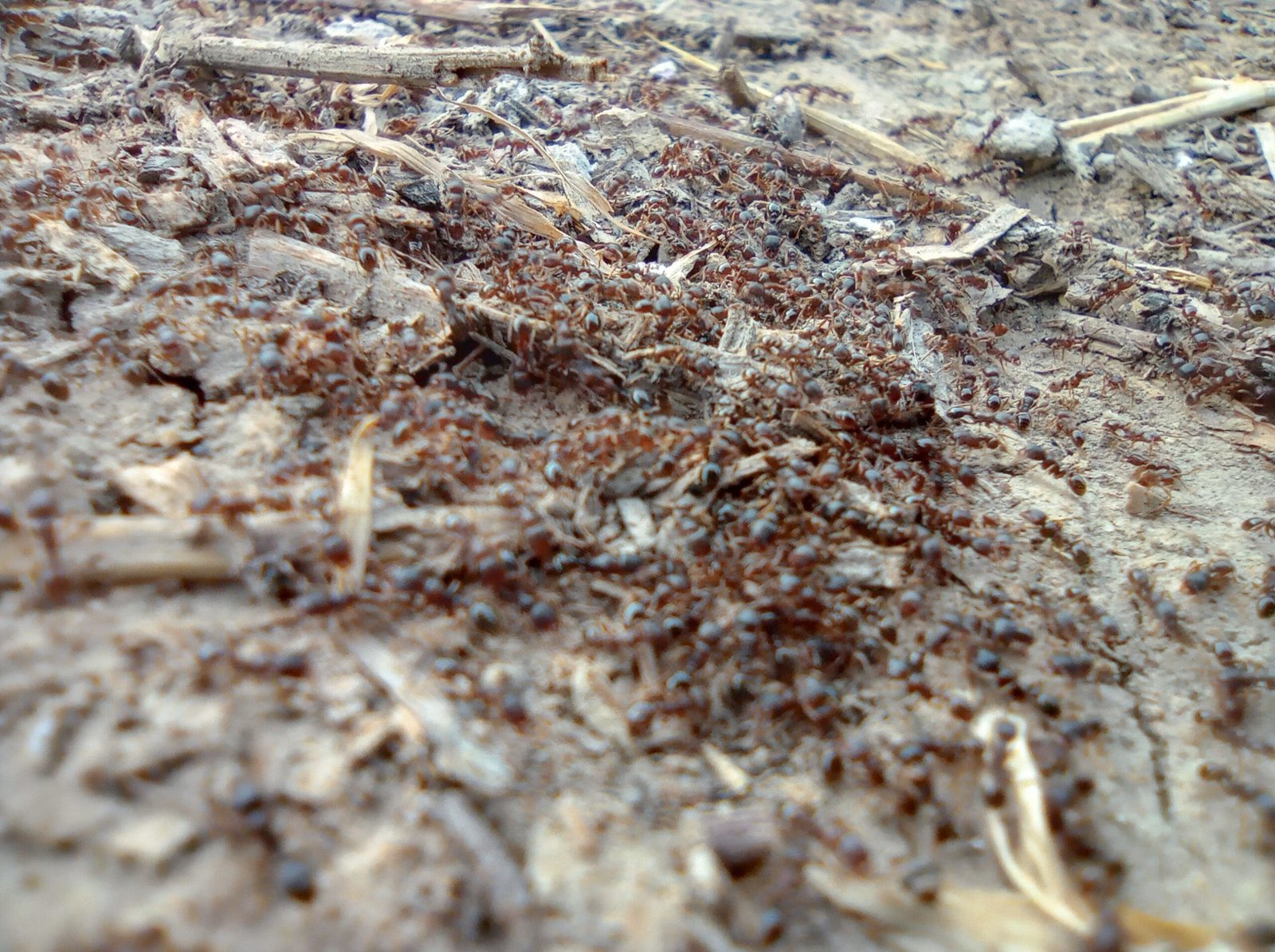
Imagine a bustling city, but instead of skyscrapers and subways, there are intricate tunnels and chambers. Ants construct their homes underground, creating a labyrinth of passages that serve various purposes. These tunnels are not haphazardly dug; they are carefully planned and serve specific functions such as nurseries, food storage, and even waste disposal. The architecture of an ant colony is a testament to their remarkable organizational skills, and scientists are using advanced imaging techniques to map these underground cities. It’s like peeling back the layers of an onion, revealing the complexity of a world beneath our feet.
Lessons in Sustainability
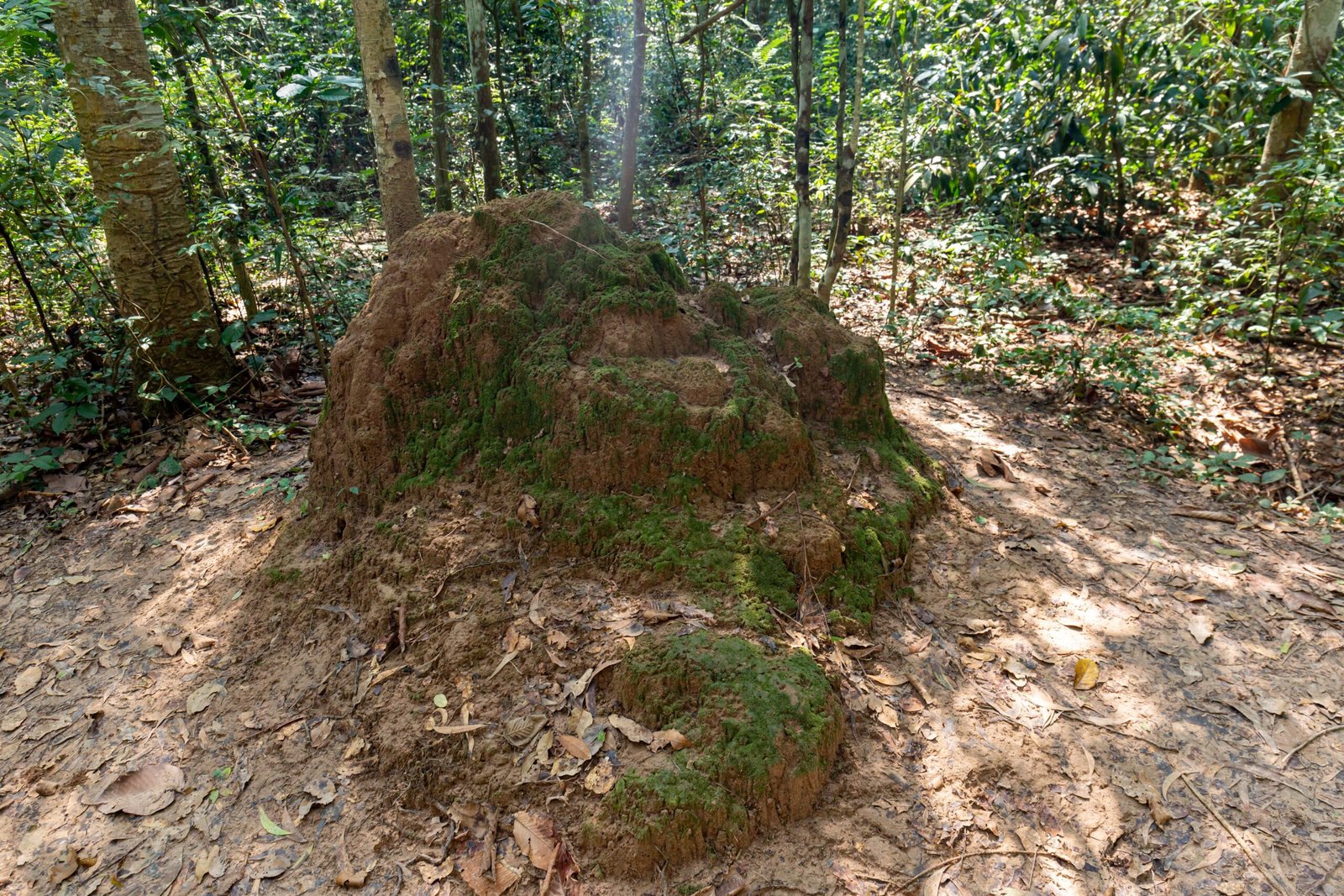
Ants have mastered the art of sustainable living. Their cities are designed to maximize efficiency and resource management. For instance, the placement of tunnels ensures optimal air circulation, reducing the need for additional ventilation. Ants also recycle their waste, using it to enrich the soil around their colonies. This sustainable approach is something that humans can learn from, especially in our efforts to create eco-friendly urban environments. Scientists are studying these practices to inspire new ways of designing sustainable cities for the future.
Social Structures and Hierarchies
The organization within an ant colony is a reflection of their social hierarchy. Each ant has a specific role, from the queen who lays eggs to the workers who tend to the young and forage for food. This division of labor is crucial for the survival and efficiency of the colony. Researchers are fascinated by how ants communicate and coordinate their activities without a central leader, relying instead on simple chemical signals known as pheromones. This decentralized form of organization offers insights into alternative ways of managing complex systems, both in nature and human societies.
Communication: The Language of Ants
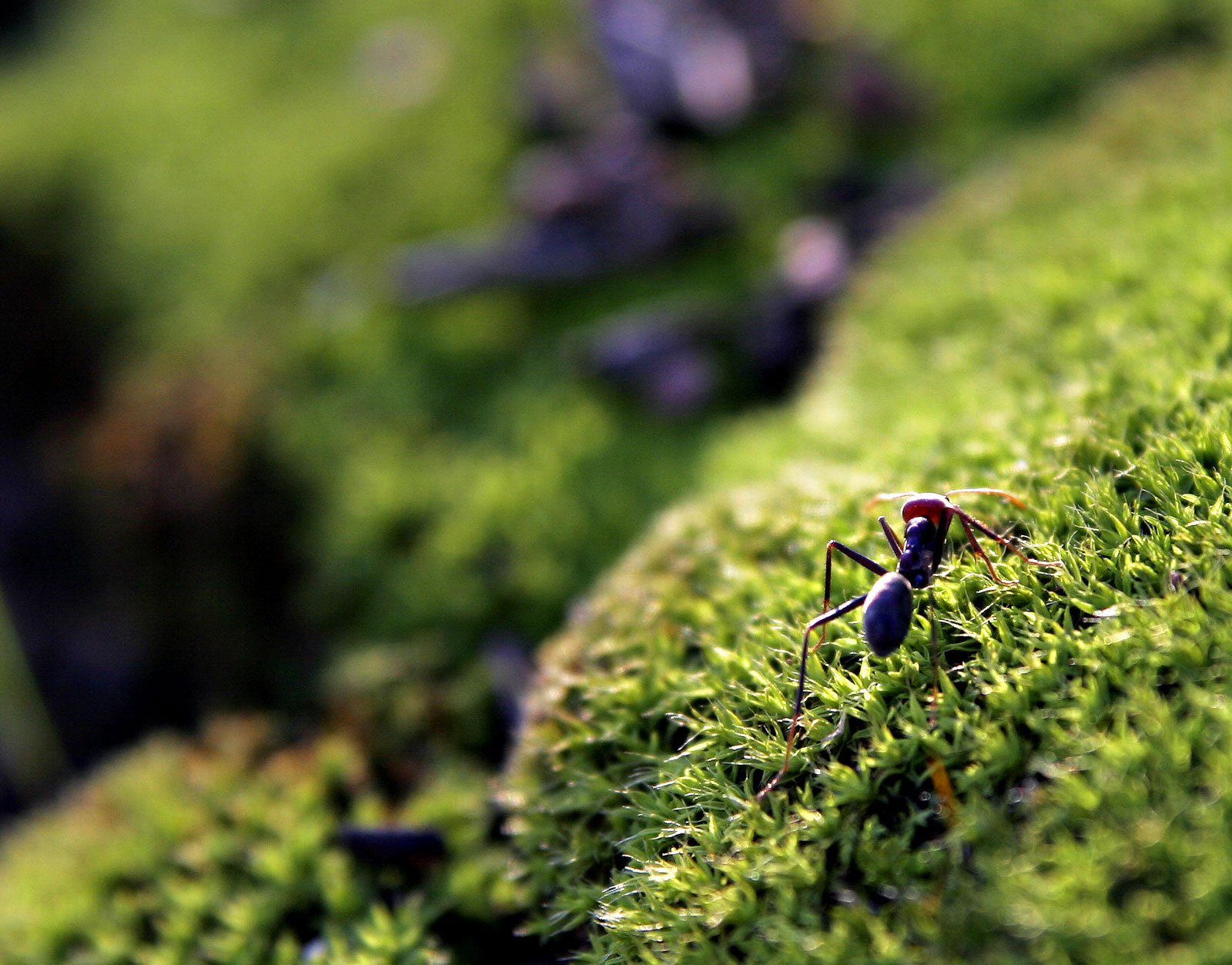
Ants may not speak in the way we do, but they have a sophisticated communication system. They use pheromones to convey messages, alerting fellow ants to food sources or potential threats. This chemical language is incredibly efficient, allowing ants to coordinate large-scale activities seamlessly. Scientists are studying this communication method to develop new technologies, such as swarm robotics, where machines can work together in harmony without direct human intervention. It’s a fascinating example of how nature can inspire technological advancements.
The Role of Ants in Ecosystems

Ants play a vital role in maintaining the balance of ecosystems. They aerate the soil, which improves its fertility, and help in seed dispersal, aiding plant growth. Ant colonies also provide food for a variety of other animals, creating a complex web of interactions. Understanding the ecological impact of ants is crucial for conservation efforts, as these tiny creatures contribute significantly to the health of our planet. Scientists are exploring how ant behavior can inform our efforts to preserve biodiversity and promote ecological balance.
Ants as Biomimicry Models

Biomimicry, the practice of drawing inspiration from nature to solve human problems, finds a perfect example in ants. Their efficient building techniques and resource management strategies are being studied to inspire innovations in architecture, engineering, and even robotics. By mimicking ant behavior, engineers are developing structures that are more resilient to environmental stressors. This approach not only leads to more sustainable designs but also fosters a deeper appreciation for the natural world and its ingenious solutions.
The Evolutionary Journey of Ants
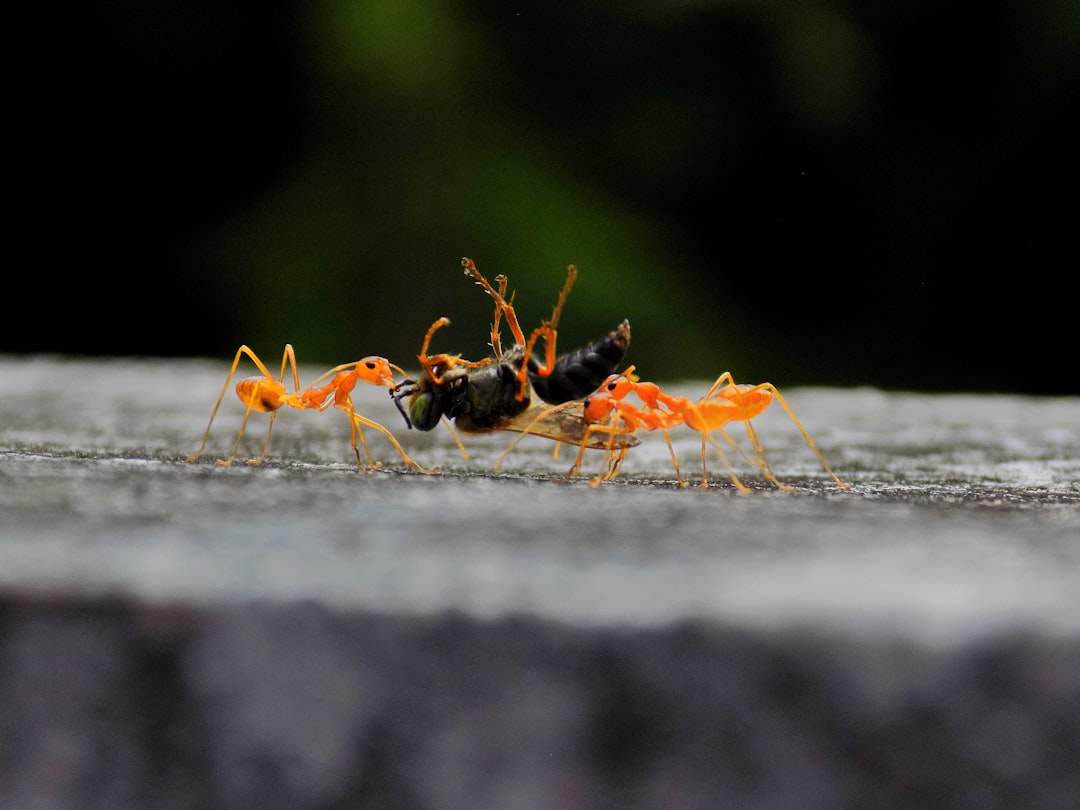
Ants have been around for millions of years, evolving alongside the changing world. Their ability to adapt to different environments is a testament to their resilience and ingenuity. By studying the evolutionary history of ants, scientists can gain insights into how species adapt to environmental changes, offering clues about the future of biodiversity in the face of climate change. The story of ants is a reminder of the power of adaptation and the importance of preserving the natural world for future generations.
Challenges in Studying Ant Cities
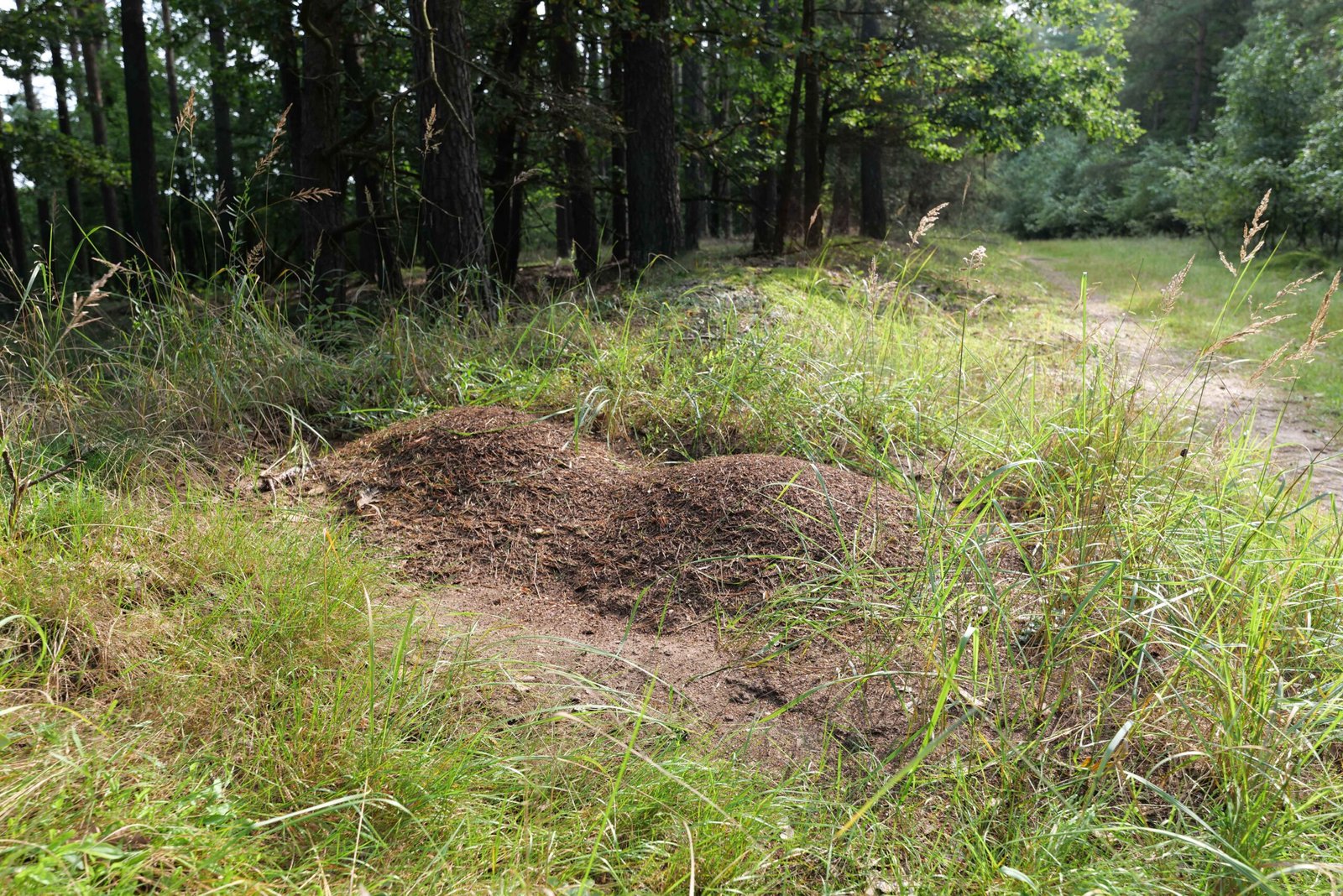
Despite their fascination, studying ant cities is not without challenges. The underground nature of these colonies makes them difficult to observe without disturbing the ants’ natural behavior. Researchers are developing non-invasive techniques, such as ground-penetrating radar, to study these structures without causing harm. These challenges highlight the need for innovative approaches in scientific research, pushing the boundaries of what we can learn from the natural world. It’s a testament to the determination of scientists to uncover the secrets hidden beneath the surface.
Future Research Directions

The study of ant cities is an ongoing journey, with many questions still unanswered. Future research aims to delve deeper into the genetic and environmental factors that influence ant behavior and colony structure. Scientists are also exploring the potential applications of ant-inspired technologies in various fields, from urban planning to agriculture. The possibilities are endless, and the continued study of ants promises to unlock new insights into the natural world and its potential to inspire human innovation.
Encouraging Curiosity and Conservation

The world of ants is a reminder of the wonders that lie beneath our feet, waiting to be discovered. By fostering curiosity and appreciation for these tiny architects, we can inspire a new generation of scientists and conservationists. The study of ants is not just about understanding their complex societies; it’s about recognizing the interconnectedness of all life on Earth. As we learn from ants, we are reminded of our responsibility to protect the natural world and its myriad of wonders.