
Britain is facing a monumental challenge in tackling ocean pollution, with plastic waste being one of the most significant contributors. Every year, millions of tons of plastic find their way into the oceans, wreaking havoc on marine life and ecosystems. The UK, an island nation with a rich maritime history, finds itself at the forefront of this crisis. This article delves into the heart of the UK’s efforts to combat this growing environmental threat, exploring innovative solutions, government policies, and grassroots movements working tirelessly to turn the tide on plastic pollution.
Understanding the Scope of the Problem
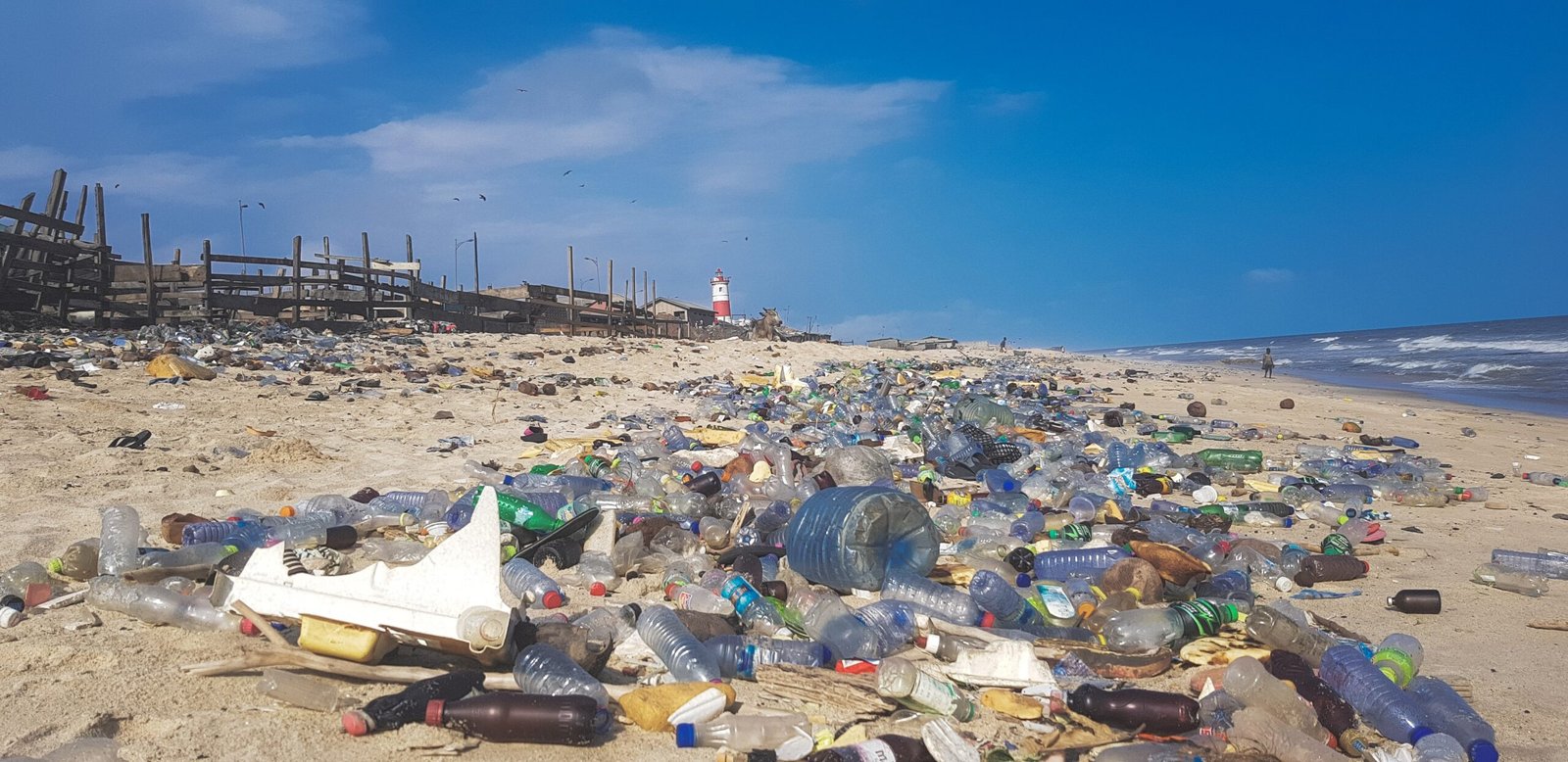
Plastic waste in the UK is a significant concern, with approximately 5 million tons of plastic consumed annually. Much of this waste ends up in landfills or, worse, the ocean. The problem is exacerbated by the fact that plastic takes hundreds of years to decompose. Marine life, from the smallest plankton to the largest whales, is affected by this debris, often mistaking it for food. This not only impacts the health of marine species but also the broader food chain, including humans. The UK is actively researching the extent of this issue to better understand the pathways through which plastic enters the ocean.
Government Initiatives and Legislation
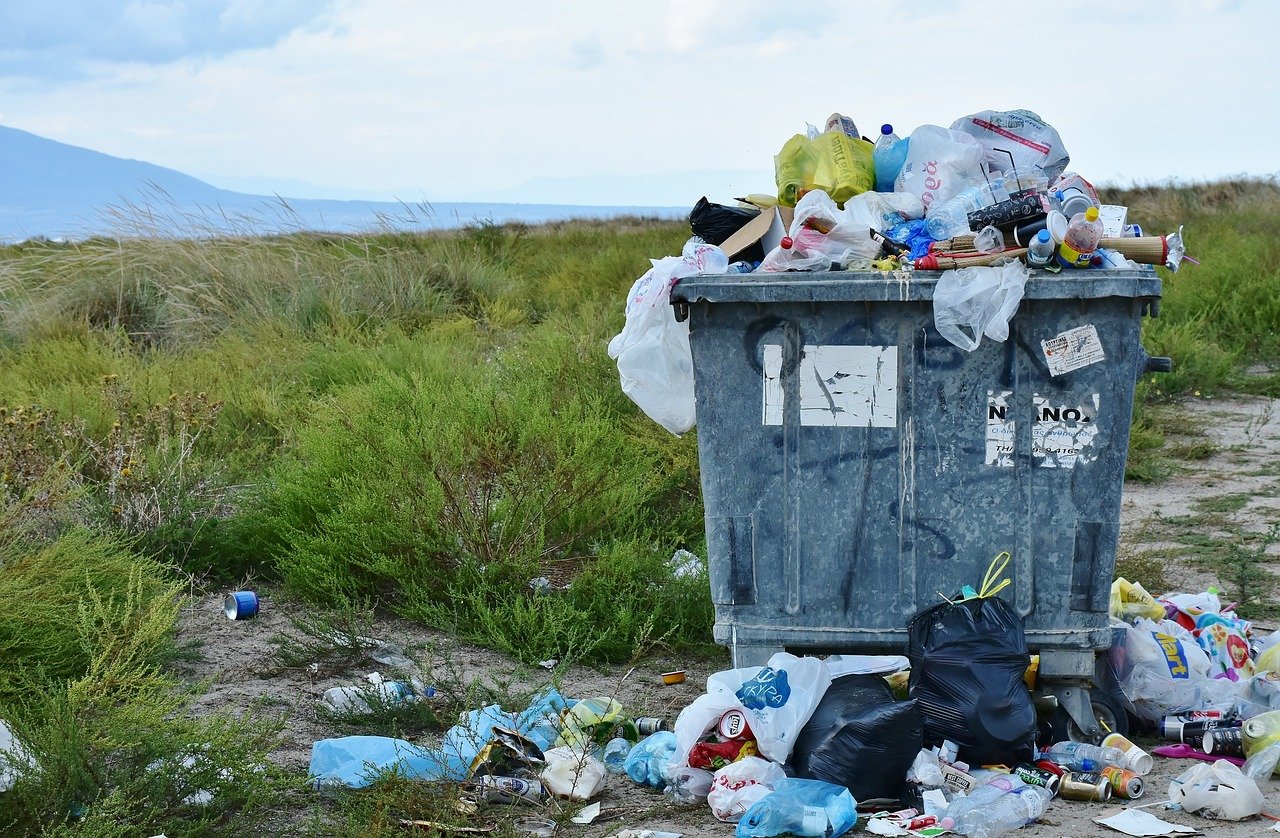
Recognizing the severity of the plastic crisis, the UK government has introduced several initiatives aimed at reducing plastic waste. In recent years, legislation has been enacted to ban single-use plastics, such as straws, stirrers, and cotton buds. The introduction of a plastic bag charge has also led to a significant reduction in their usage. These laws are part of a broader strategy to transition to a circular economy, where resources are reused and recycled rather than discarded. Furthermore, the government is investing in research and development to find sustainable alternatives to traditional plastics.
The Role of Technology in Waste Management
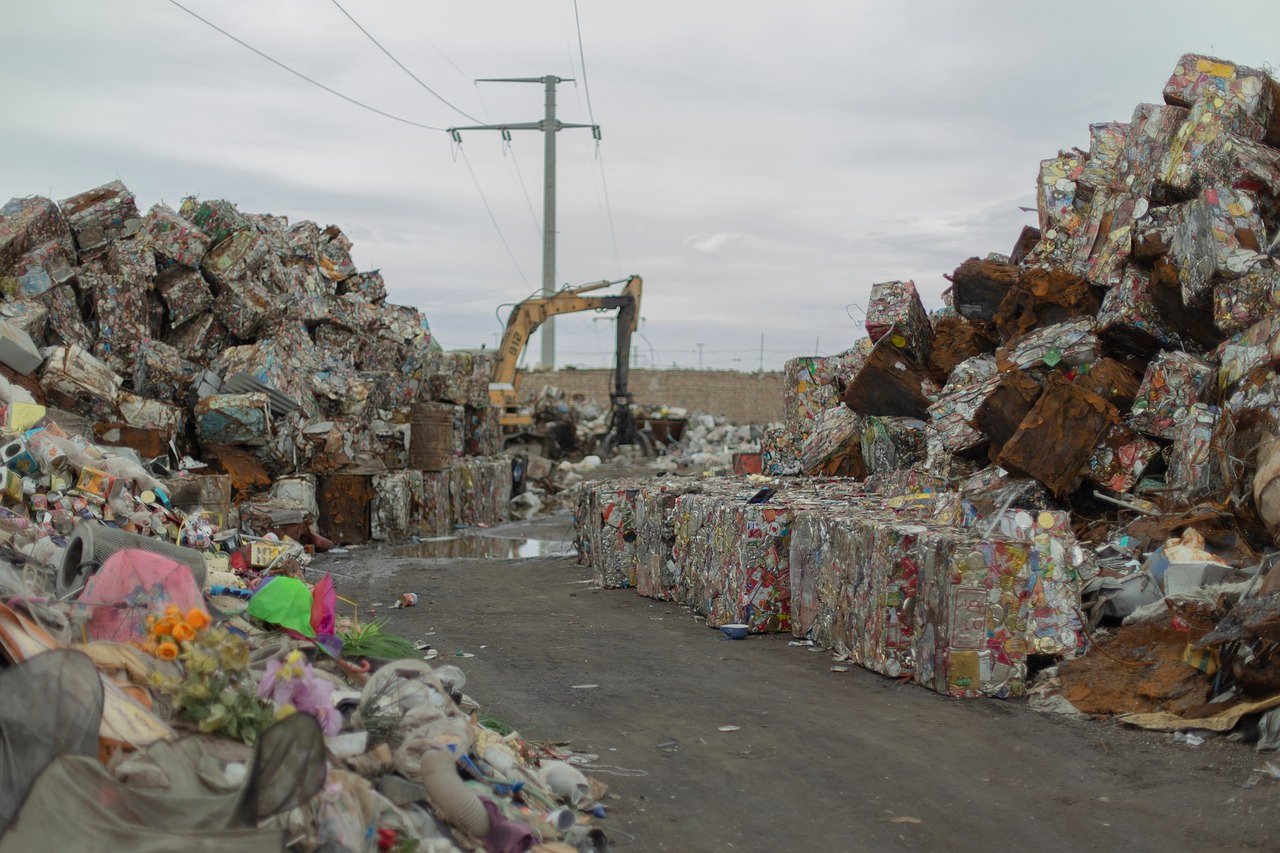
Innovative technologies are playing a crucial role in managing and reducing plastic waste in the UK. Advanced recycling techniques, such as chemical recycling, are being developed to break down plastics into their original monomers, allowing them to be reused indefinitely. Additionally, British companies are pioneering biodegradable and compostable plastics as an alternative to traditional materials. Drones and artificial intelligence are also being employed to monitor and clean up plastic waste from the ocean, providing real-time data on pollution levels and hotspots.
Grassroots Movements and Community Efforts

Grassroots movements have been instrumental in raising awareness about the plastic waste crisis. Across the UK, communities are coming together to organize beach clean-ups, educational workshops, and plastic-free initiatives. Organizations like Surfers Against Sewage and The Marine Conservation Society are leading the charge, inspiring citizens to take action and reduce their plastic footprint. These efforts not only clean up the environment but also foster a sense of community and shared responsibility for the planet’s health.
Educational Campaigns and Public Awareness

Education is a powerful tool in the fight against plastic pollution. The UK is investing in public awareness campaigns to educate citizens about the impact of plastic waste and the importance of reducing, reusing, and recycling. Schools across the country are integrating environmental education into their curricula, teaching students about the importance of sustainable living. These campaigns aim to change consumer behavior and encourage individuals to make more environmentally friendly choices in their daily lives.
Corporate Responsibility and Industry Efforts

The private sector is also stepping up to tackle plastic waste, with many companies in the UK committing to reduce their plastic use. Retail giants are redesigning packaging to be more sustainable, while others are investing in research to develop eco-friendly materials. Collaborations between businesses, government, and NGOs are fostering a culture of corporate responsibility, where environmental sustainability is prioritized alongside profitability. These industry efforts are crucial in creating a sustainable future and reducing the plastic burden on our oceans.
International Collaborations and Partnerships

Tackling plastic pollution requires a global effort, and the UK is actively participating in international collaborations to address this issue. Through partnerships with organizations like the United Nations and the European Union, the UK is working to develop comprehensive strategies and policies to reduce plastic waste. These collaborations facilitate the exchange of knowledge, technology, and resources, enabling countries to work together towards a common goal. By participating in global initiatives, the UK is demonstrating its commitment to being a leader in the fight against ocean pollution.
Innovations in Alternative Materials

The development of alternative materials is a promising area in the quest to reduce plastic waste. Researchers in the UK are exploring new materials, such as biodegradable plastics made from plant-based sources, which offer a sustainable alternative to traditional plastics. These innovations have the potential to revolutionize the packaging industry and reduce the reliance on fossil fuels. By investing in research and development, the UK is paving the way for a future where plastics are no longer a threat to the environment.
Impact on Marine Ecosystems
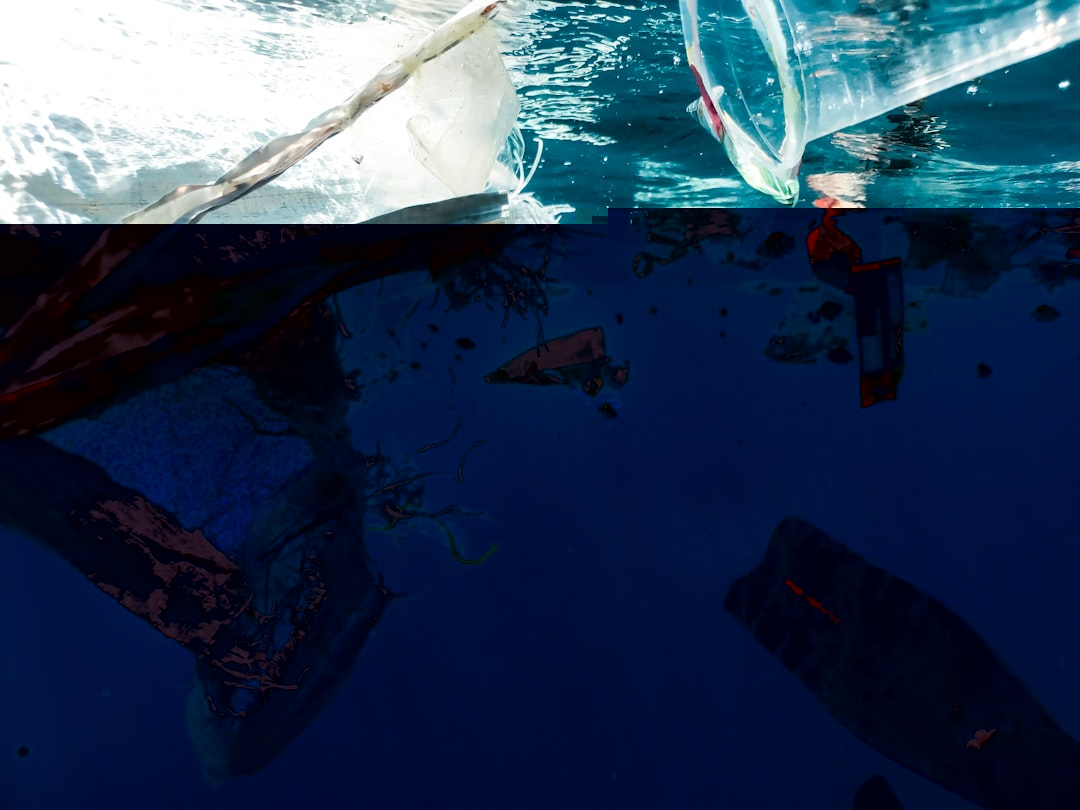
Plastic waste has devastating effects on marine ecosystems. Animals often ingest or become entangled in plastic debris, leading to injury or death. The presence of microplastics in the ocean also has far-reaching implications for marine life, as these tiny particles are ingested by organisms at the base of the food chain. This contamination can then move up the food chain, affecting larger species, including humans. The UK is conducting extensive research to understand the impact of plastic pollution on marine ecosystems and develop strategies to mitigate its effects.
Looking Ahead: A Sustainable Future

The UK’s efforts to tackle plastic pollution are paving the way for a more sustainable future. By implementing policies, investing in research, and fostering community engagement, the country is taking significant steps towards reducing plastic waste. The journey is far from over, but with continued commitment and innovation, there is hope for a cleaner, healthier ocean. As individuals, we all have a role to play in this endeavor, and by making conscious choices, we can contribute to a brighter future for our planet.