
Deep beneath the bustling modern world of upstate New York lies one of Earth’s most remarkable secrets. You walk past it every day without knowing it exists, but what you’re passing over represents a chapter of life so ancient it predates dinosaurs by hundreds of millions of years. This isn’t just any forest – it’s older than the Egyptian pyramids by an incomprehensible margin, existing when our planet looked nothing like it does today.
When you think about ancient forests, your mind might wander to majestic redwoods or towering sequoias. Those are certainly impressive, but what if I told you there’s something in a small New York town that makes those thousand-year-old giants seem like saplings? The story begins in an abandoned quarry where scientists stumbled upon the fossilized remains of what was once a thriving forest ecosystem. So let’s get started on this incredible journey through deep time.
Discovery in an Abandoned Quarry
In 2009, Charles Ver Straeten, curator of sedimentary rocks at the New York State Museum, stood on the crumbling stone of an old quarry when his eye caught a pattern. He was scouting out the area with colleagues Linda Van Aller Hernick and Frank Mannolini for a potential field trip – nothing unusual, since paleobotanists have been visiting the former highway department property since the 1960s. Something seemed different this time though – wandering patterns in the stone that didn’t quite match what should have been there.
His trained eye spied wandering gutters in the stone, a feature common to marine rocks. But even in the Middle Devonian period, the swathe of land that one day became Cairo wasn’t at the bottom of the sea. He traced eleven of the lines to a single point and then realized what they showed: the roots of an ancient and very large tree, at a time when forests were still new in the world. By tracing root impressions, researchers have been able to map out the world’s oldest forest tree by tree.
The Mind-Blowing Age Comparison
This fossil forest dates back 387 million years. The 387-million-year-old rocks contain the fossilized woody roots of dozens of ancient trees. To put this in perspective, you need to understand just how ancient this discovery truly is. It predates the time of the Dinosaurs (the Cretaceous, Jurassic, and Triassic periods). This is very early in the evolution of life on the earth’s land. It’s around 140 million years before the first dinos.
Compare this to the famous Egyptian pyramids, which were completed around 2560 BC, with the Great Pyramid of Khufu being around 4,600 years old. Given Methuselah’s age, the tree germinated sometime around 2832 BCE, making it older than the Egyptian pyramids. The Cairo Fossil Forest is roughly eight hundred and sixty thousand times older than those ancient monuments. While represent human civilization at its early peak, this forest represents life itself learning how to colonize the land.
A Forest From Earth’s Alien Past
In these times, the world was a very different place, and this area of land that is now New York would have been around 30 degrees south of the equator. The climate would have been arid and temperate. This forest existed during the Mid-Devonian period, when continents were arranged completely differently and the very concept of a forest was still revolutionary. The origin of trees and forests in the mid-Devonian (393–383 Ma) was a turning point in Earth history, marking permanent changes to terrestrial ecology, geochemical cycles, atmospheric CO2 levels, and climate.
When trees evolved these roots, they helped pull carbon dioxide (CO2) from the air and lock it away, radically shifting the planet’s climate and leading to the atmosphere we know today. You can imagine walking through this ancient landscape where giant trees were literally reshaping the planet’s atmosphere with every breath they took. As trees and forests, like the ones found in Cairo, evolved, their roots played a crucial role in absorbing carbon dioxide from the air and sequestering it. This process brought about a significant shift in the planet’s climate, eventually leading to the cooler atmosphere we experience today.
The Scientific Breakthrough That Changed Everything
In a study published in December 2019 in Current Biology, scientists discovered evidence of the oldest forest in the world right here in the Hudson Valley. Their report, which centers around a site in Cairo, is the continued effort of a research project that began in 1993. It commenced as a collaborative effort between Binghamton University’s William Stein (now retired), Cardiff University’s Dr. Christopher Berry, the New York State Museum, and the New York Paleontologists.
They published their findings in the peer-reviewed journal Current Biology. The study research team included William Stein, emeritus professor of biological sciences at Binghamton University; and Christopher Berry, a paleobotanist at Cardiff University in the United Kingdom. Dating back roughly 387 million years, the find has thoroughly rewritten the story of the origins of trees. One researcher called the discovery nothing less than “mindblowing”.
Walking Through Ancient Root Systems
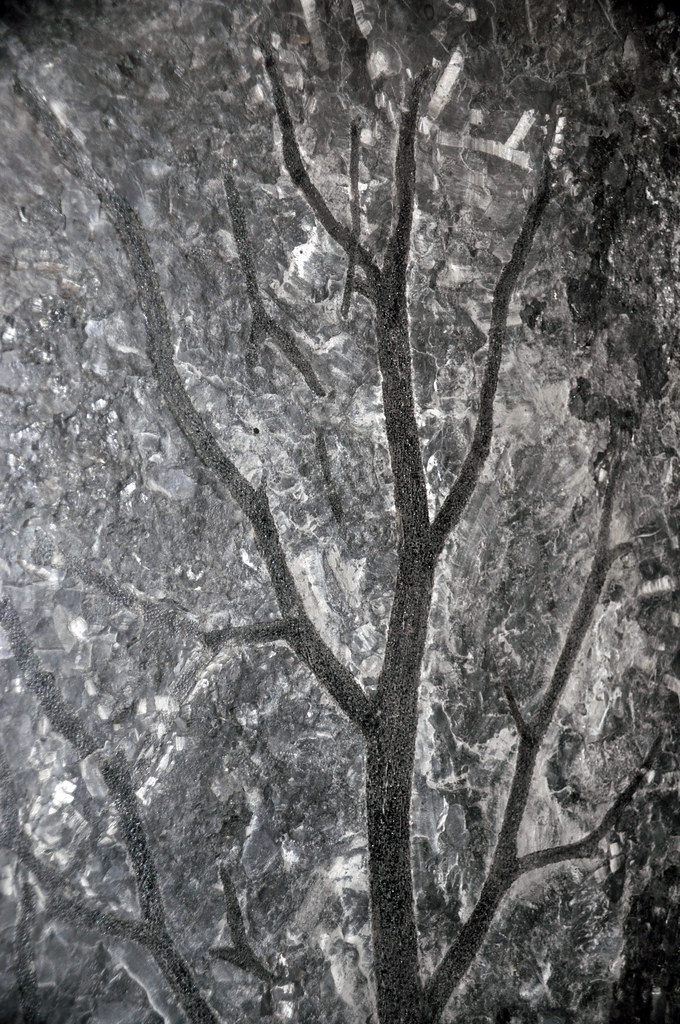
The quarry floor, about half the size of a U.S. football field, represents a horizontal slice through the soil just below the surface of the ancient forest. “You are walking through the roots of ancient trees,” Berry says. “Standing on the quarry surface we can reconstruct the living forest around us in our imagination”. Some of the fossilized roots there are 15 centimeters in diameter and form 11-meter-wide horizontal radial patterns spreading out from where the vertical tree trunks once stood.
This one-of-a-kind fieldwalk takes you across the quarry floor where scientists discovered fossilized root systems from three types of ancient trees dating back 387 million years and predating the dinosaurs by over 155 million years. Dr. Ver Straeten will lead participants through the fossil-rich terrain, sharing the groundbreaking scientific discoveries made by a team of international researchers and NYSM scientists. As you walk among the remnants of ancient trees, you’ll visualize how this Devonian forest once looked and functioned. The experience is described as walking through a fossilized network of ancient life itself.
The Trees That Rewrote Evolution
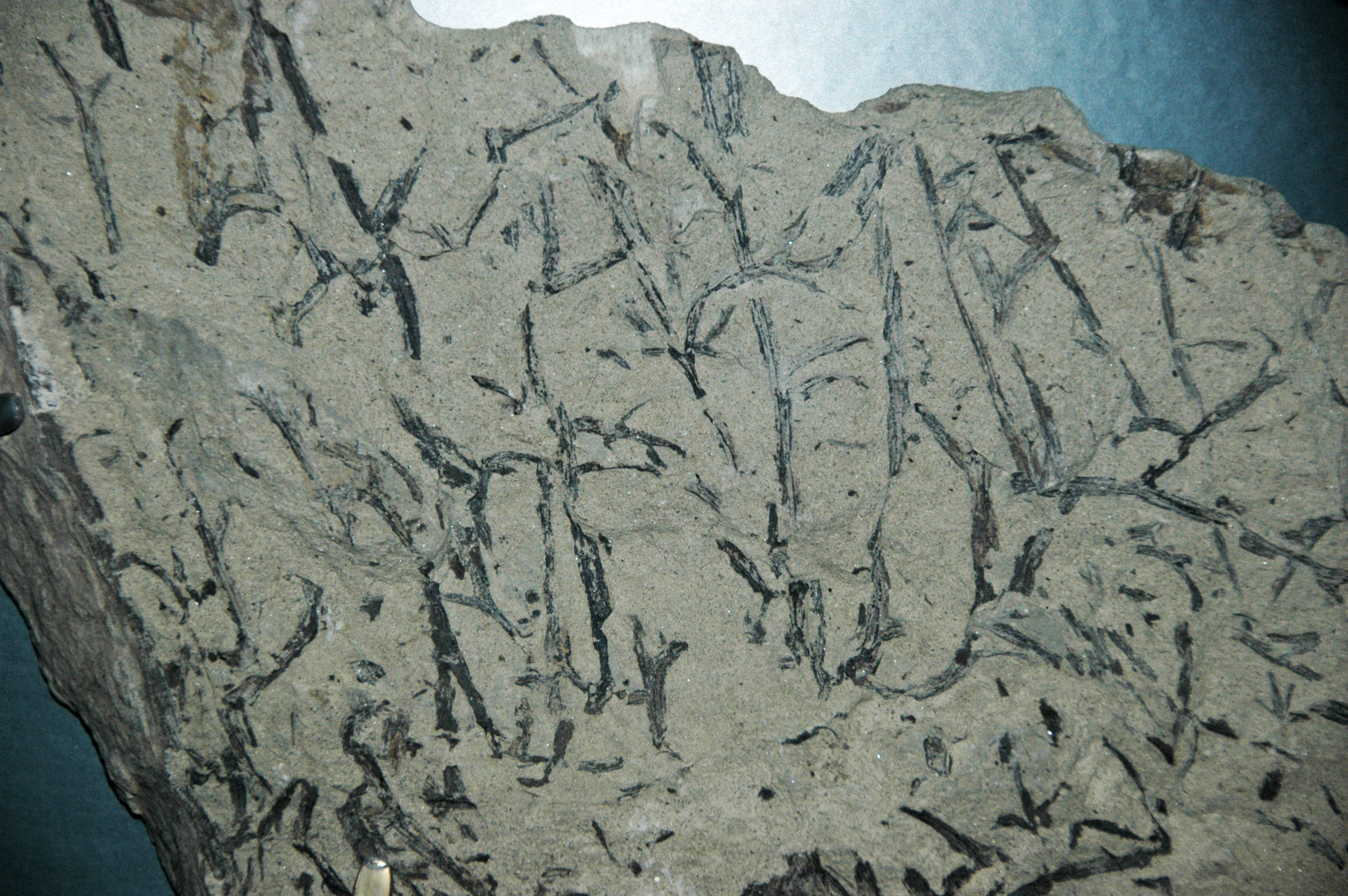
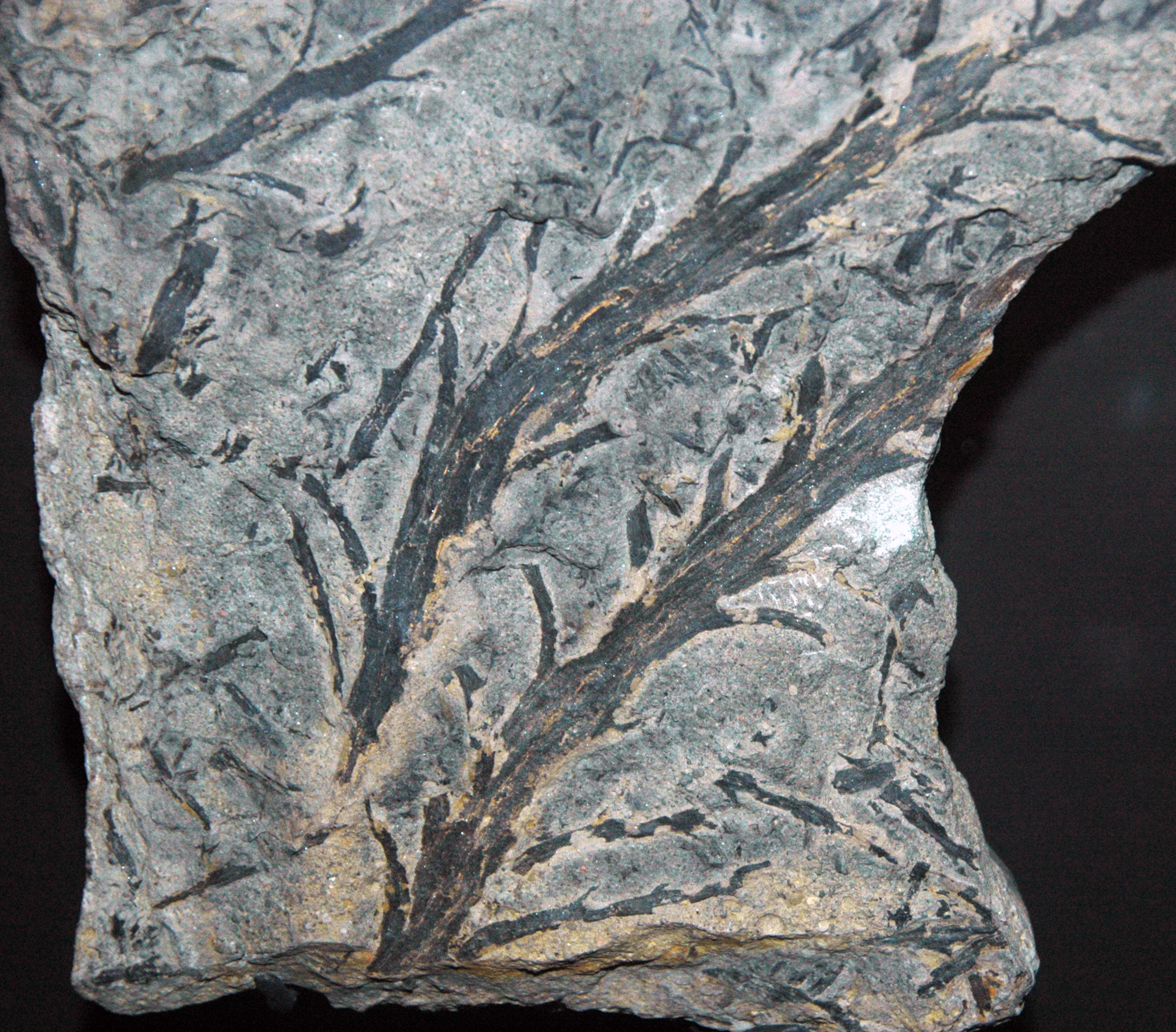
They seem to belong to Archaeopteris, a type of tree with large woody roots and woody branches with leaves that is related in some way to modern trees, the team reports today in Current Biology. Previously, the oldest Archaeopteris fossils were no more than 365 million years old, Berry says, and exactly when the tree evolved its modern-looking features has been unclear. The Cairo site suggests Archaeopteris did so 20 million years earlier.
The forest holds some of the oldest trees in the world, as well as the oldest known examples of trees with leaves and thick, woody trunks, researchers say. Before the Cairo Fossil Forest discovery, the oldest found Archaeopteris trees were 365 million years old, Berry said. The discovery of the Cairo Fossil Forest in 2009 suggests these prehistoric trees evolved at least 20 million years earlier than that. According to Berry, one is the large rooting system of the Archaeopteris tree, while the other is the dish-like imprint of the Cladoxylopsid tree, which contains hundreds of radiating roots. “These Cladoxylopsid trees had their origin a few million years earlier and are thought to be the first type of tree on the planet,” Berry explains.
How This Ancient Forest Was Preserved
It is believed that a flood killed most of the trees in the forest and preserved the root system as fossils. This catastrophic event, which would have been devastating for the living forest, turned out to be the very thing that allowed us to discover it hundreds of millions of years later. The flood waters buried the root systems so quickly that they were preserved in stunning detail, creating what amounts to a snapshot of an ancient ecosystem frozen in time.
This discovery is considered a turning point in the history of the formation of life on the planet. The origin of trees and forests in the Mid Devonian Period was a turning point in Earth history. It marks permanent changes to ecology, carbon dioxide levels, and climate. “The in-situ preserved forest floors such as the one in the Town of Cairo are the rarest fossil records. Its preservation is a great contribution to the study of the evolution of early trees, forest ecosystems, past climates and landscapes, and possibly the earliest land animals”.
Dethroning Gilboa’s Ancient Crown
While the group’s discovery in Cairo is significant in itself, it’s even more noteworthy because it refutes the previously accepted information that the site of Gilboa, a mere 40 minutes away, was the oldest forest in the world. In fact, the Gilboa forest is a few million years younger and had soil that was permanently wet. Unlike the Cairo forest, the Gilboa one saw Cladoxylopsids as the dominant trees, with nary an Archaeopteris in sight.
Similar plants to those found in southwestern England have been discovered just 25 miles (40 kilometers) away from the Cairo Fossil Forest in Gilboa, New York. The Gilboa Fossil Forest is 382 million years old and was first excavated in the 1800s. It held the title of “world’s oldest forest” until researchers discovered the forest in Cairo. This find in Cairo, New York predates what had previously been thought to have been the oldest fossilized forest in Gilboa, New York. Although in relative terms they are around the same age (with Cairo being two to three million years older). But these two forests are very different; the forests at Gilboa seem to have been more primitive trees and were likely related to ferns and horsetails instead of true trees.
The Environmental Detective Story
Together, the research from Gilboa and Cairo help scientists understand more about the evolution and conditions of the Earth’s early flora. The sites are similar, but have small differences – the one at Cairo seems to have been “periodically drier,” for instance. Thanks to those details, researchers are closer to understanding what was happening to the ecology and climate in these areas at a time when the Earth underwent a seismic environmental shift.
“What we are really seeing here, taking into account all the evidence, is that there were different types of forests growing in different types of environments on the Catskill Delta during this time,” Berry explains. It is no exaggeration to say that this is one of the most important things that has happened in the history of the world. The ancient forests in the Catskills also played a vital role in facilitating the transition of fish to tetrapods, which eventually led to the emergence of dinosaurs and other land animals.
Future Plans and Protection
Currently, the fossil forest in Cairo is closed to the public and reserved exclusively for scientific research. However, there are plans to establish an educational center and working laboratory at the site in the future, allowing public access. Through New York State Senator Michelle Hinchey, the town received a $170,000 grant to construct specialized fencing around the property, supported by concrete barriers to protect the fossil forest below. The next step would be a feasibility study to explore the possibility of an educational center and working lab on the site, which would serve not only researchers and students, but the public at large.
Last year, the state government passed a law that established a New York state geological trail and geopark system; Cairo is slated to be one of the first of these parks. “There are plenty of unanswered questions that need to be investigated by current and future scientists, and such preservation attempts are definitely a great gift to future generations. The public doesn’t have to wait for a future educational center to learn about this ancient forest”.
Conclusion: A Window Into Deep Time
Standing in that abandoned quarry in Cairo, New York, you’re literally walking through the roots of trees that helped create the world as we know it today. This ancient forest witnessed the planet’s atmosphere transform from something utterly alien to the oxygen-rich environment that would eventually allow complex life – including us – to flourish. While the Egyptian pyramids represent humanity’s ancient achievements over mere thousands of years, this fossil forest represents life’s incredible journey across hundreds of millions.
The discovery reminds us that our planet has stories to tell that stretch far beyond human history, reaching into deep time when forests were still experimental and the very ground beneath our feet was being formed by processes we’re only beginning to understand. What fascinates you more – the idea that such ancient life existed, or that we’re still discovering it right under our noses? Tell us in the comments.
Jan loves Wildlife and Animals and is one of the founders of Animals Around The Globe. He holds an MSc in Finance & Economics and is a passionate PADI Open Water Diver. His favorite animals are Mountain Gorillas, Tigers, and Great White Sharks. He lived in South Africa, Germany, the USA, Ireland, Italy, China, and Australia. Before AATG, Jan worked for Google, Axel Springer, BMW and others.