Imagine a world where sunlight barely penetrates, where darkness reigns and strange, glowing creatures drift silently through an alien landscape. This is the mysterious “twilight zone” of our oceans, a realm between 200 and 1000 meters below the surface. In these shadowy depths, one small, shimmering hero quietly supports the very foundation of ocean life: the lanternfish. Though tiny and seldom seen by human eyes, lanternfish are the unsung powerhouses that keep marine ecosystems thriving. Their story is one of adaptation, survival, and a glow that lights up the darkest waters of our planet.
The Enigmatic Twilight Zone
The twilight zone, or mesopelagic layer, is a hauntingly beautiful stretch of ocean where light diminishes rapidly with depth. Sunlight here is too faint for photosynthesis, leaving a perpetual dusk that challenges life at every turn. Despite the darkness, the twilight zone teems with a surprising variety of creatures, perfectly evolved to survive in near invisibility. Here, the lanternfish reign supreme, darting through the water in great schools, their bodies flickering with bioluminescent light. Unlike the sunlit surface, this zone is a place of mystery and constant movement, where survival depends on adaptation and stealth. Every night, countless lanternfish rise from the gloom to feed closer to the surface, only to sink back to safety as dawn approaches. Their daily journey shapes the very dynamics of the ocean, influencing everything from nutrient cycles to the fate of larger predators.
The Lanternfish: A Shining Marvel
Lanternfish are small, typically just a few inches long, but what they lack in size, they make up for in numbers and importance. Their name comes from rows of tiny, light-producing organs called photophores, which line their bodies and create a dazzling display in the darkness. These glowing patterns are not random; each species has its own unique arrangement, like a secret code. The light helps them camouflage from predators below, a trick known as counter-illumination. Lanternfish are not just beautiful—they are masters of survival, using their glow to blend into the faint light from above, making them nearly invisible from below. This remarkable adaptation allows them to thrive where other fish might fall prey. Despite living in such extreme conditions, lanternfish are among the most abundant vertebrates on Earth, with populations estimated in the trillions.
Masters of Bioluminescence

Bioluminescence is the language of the deep, and lanternfish are fluent speakers. The light they produce comes from chemical reactions inside their photophores, often helped by symbiotic bacteria. This glowing talent serves many purposes. For one, it allows lanternfish to communicate with each other, potentially helping them find mates or coordinate group movements. It also helps them avoid predators, sending confusing flashes or blending in with the faint overhead light. Some species even use their glow to lure in tiny prey, turning the darkness to their advantage. The evolutionary arms race in the twilight zone has made lanternfish some of the most skilled light manipulators in the ocean.
A Vital Link in the Food Web
Despite their small size, lanternfish are the lifeblood of countless oceanic food chains. They feed on plankton, tiny crustaceans, and other drifting organisms, converting microscopic energy into a form that larger fish, squid, and whales can consume. By serving as a buffet for predators like tuna, swordfish, and dolphins, lanternfish help transfer energy from the lower rungs of the food chain all the way up to the giants of the sea. This makes them a keystone species—without them, the entire structure of ocean life could wobble or collapse. Their sheer numbers make them an irreplaceable resource, supporting not just predators but ultimately, even humans who rely on healthy oceans.
The World’s Largest Migration—Every Night
Lanternfish perform one of the most dramatic daily migrations on Earth. Every night, as the sun sets, billions of lanternfish rise from the safety of the twilight zone toward the surface, searching for food. This nightly ascent, called diel vertical migration, is the largest movement of biomass on the planet. When dawn breaks, they sink back down to deeper waters, evading daylight predators. This movement stirs up nutrients, helps regulate carbon cycles, and keeps marine ecosystems balanced. It’s a stunning example of how even the smallest creatures can shape our world in ways we’re only beginning to understand.
Adaptations for Life in the Deep
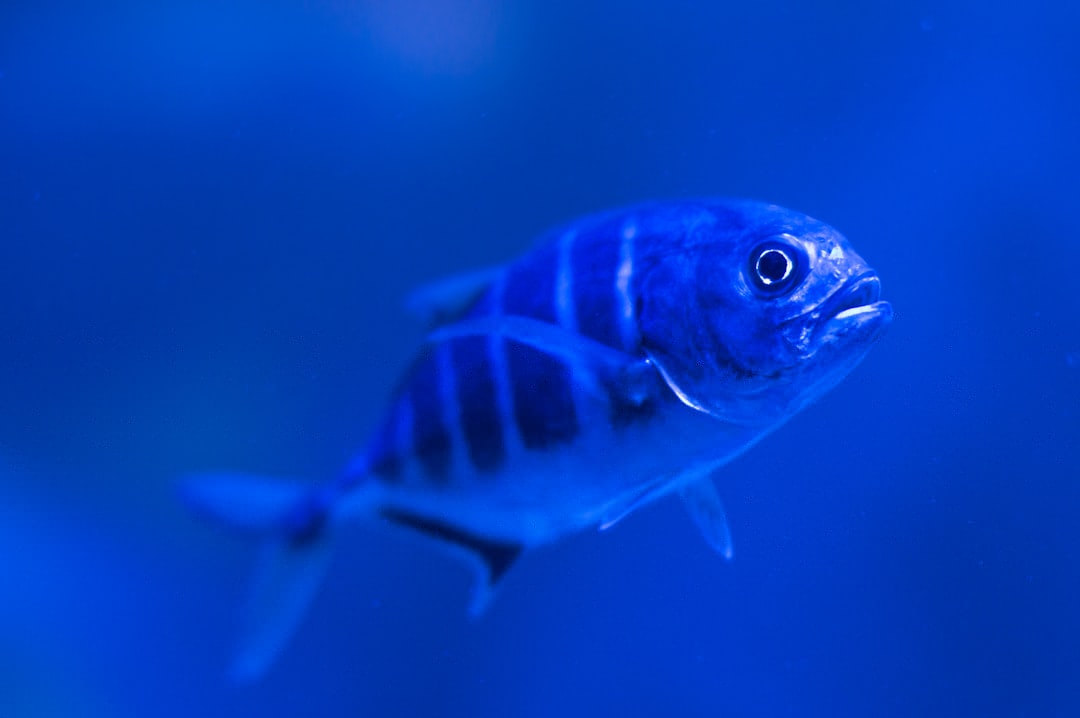
Surviving in the twilight zone requires extraordinary adaptations, and lanternfish have evolved some truly remarkable traits. Their large, sensitive eyes help them spot faint glimmers of light, crucial for finding food and avoiding danger in the perpetual dusk. Their bodies are flexible and streamlined, allowing quick bursts of speed to escape predators. Some species can even adjust the intensity of their bioluminescence, fine-tuning their glow to match their depth and surroundings. These adaptations make the lanternfish not just survivors, but specialists, perfectly tuned to the unique demands of their dark world.
Global Distribution and Incredible Numbers
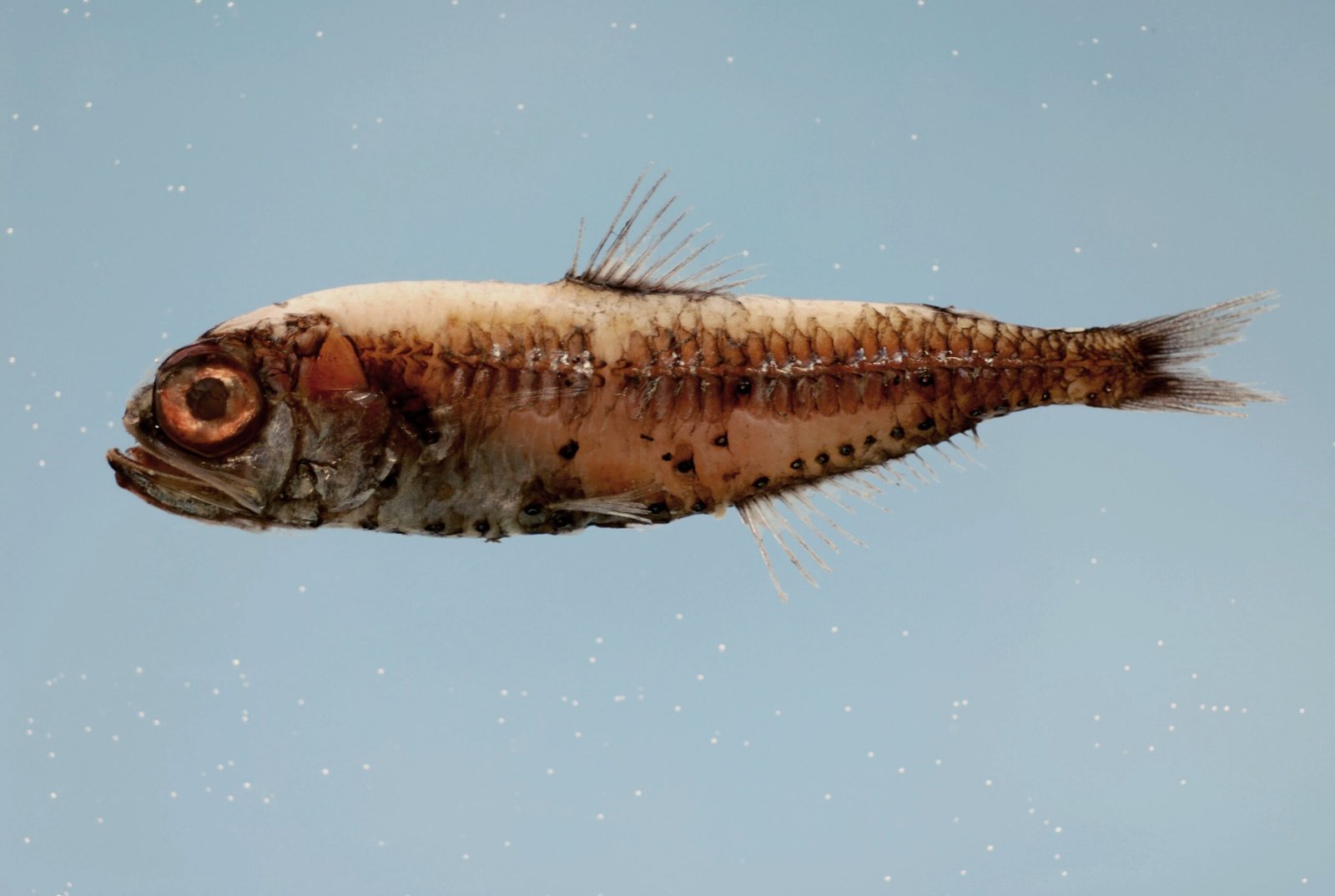
Lanternfish inhabit every ocean, from the icy polar seas to the warm tropics. They are one of the most widespread and numerous groups of fish on the planet, with estimates suggesting they make up as much as 65% of all deep-sea fish biomass. Their global presence means they play a pivotal role in marine ecosystems everywhere, connecting distant parts of the ocean through their movements and feeding habits. Despite their abundance, lanternfish often slip under the radar, only coming to human attention through the occasional strandings on shores or glimpses in fishing nets. Their hidden world is vast, and their impact is felt from the open ocean to coastal communities.
Guardians of the Carbon Cycle
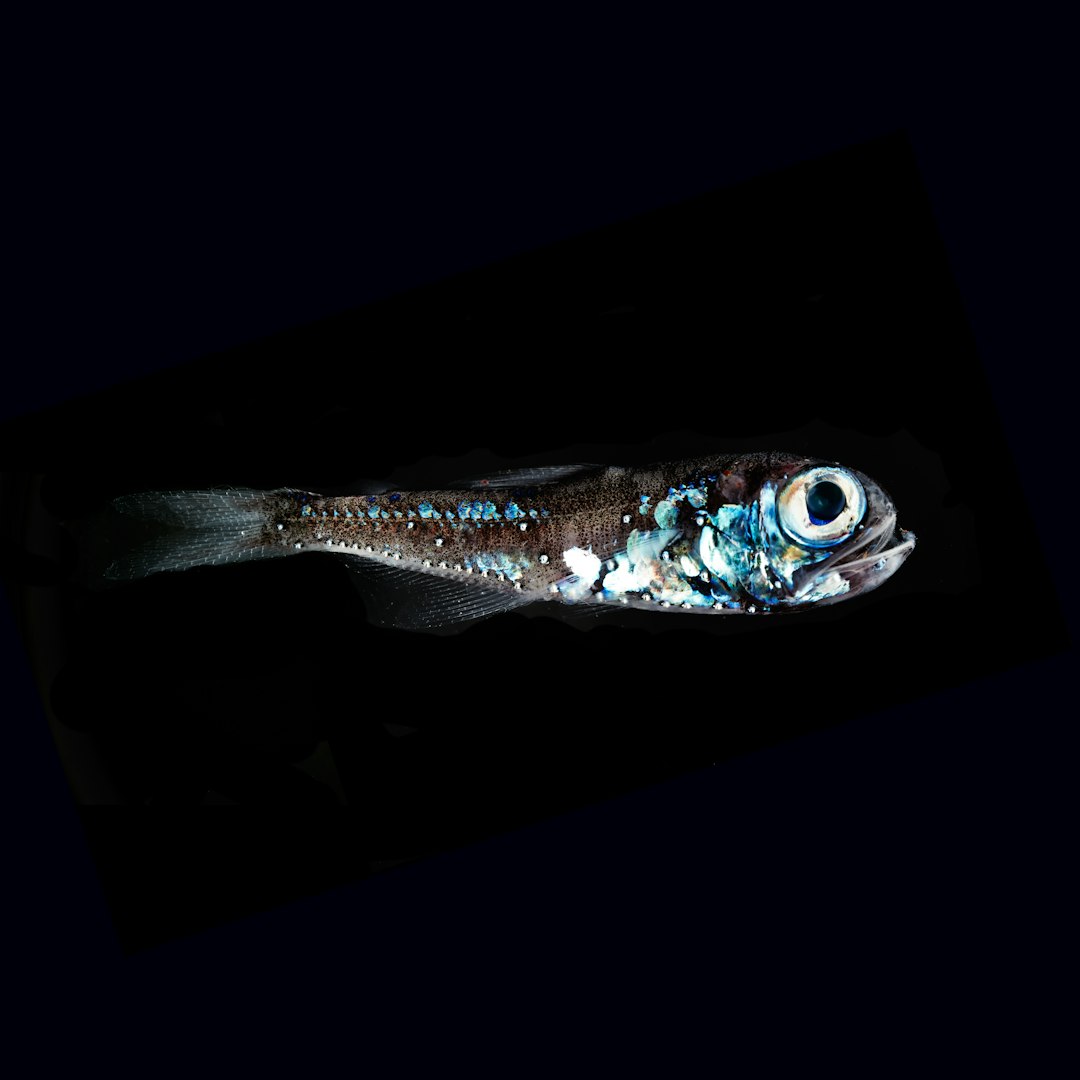
Every night, as lanternfish migrate up and down the water column, they help transport carbon from the surface to deeper waters. By eating near the surface and releasing waste at depth, they effectively move carbon away from the atmosphere, aiding in the global carbon cycle. This natural process is sometimes called the “biological pump,” and lanternfish are among its most important operators. Their actions help moderate the planet’s climate, showing that even the tiniest creatures can have planet-scale effects. In a world increasingly concerned with carbon emissions and climate change, the humble lanternfish emerges as an unexpected ally.
Facing the Threats of a Changing Ocean
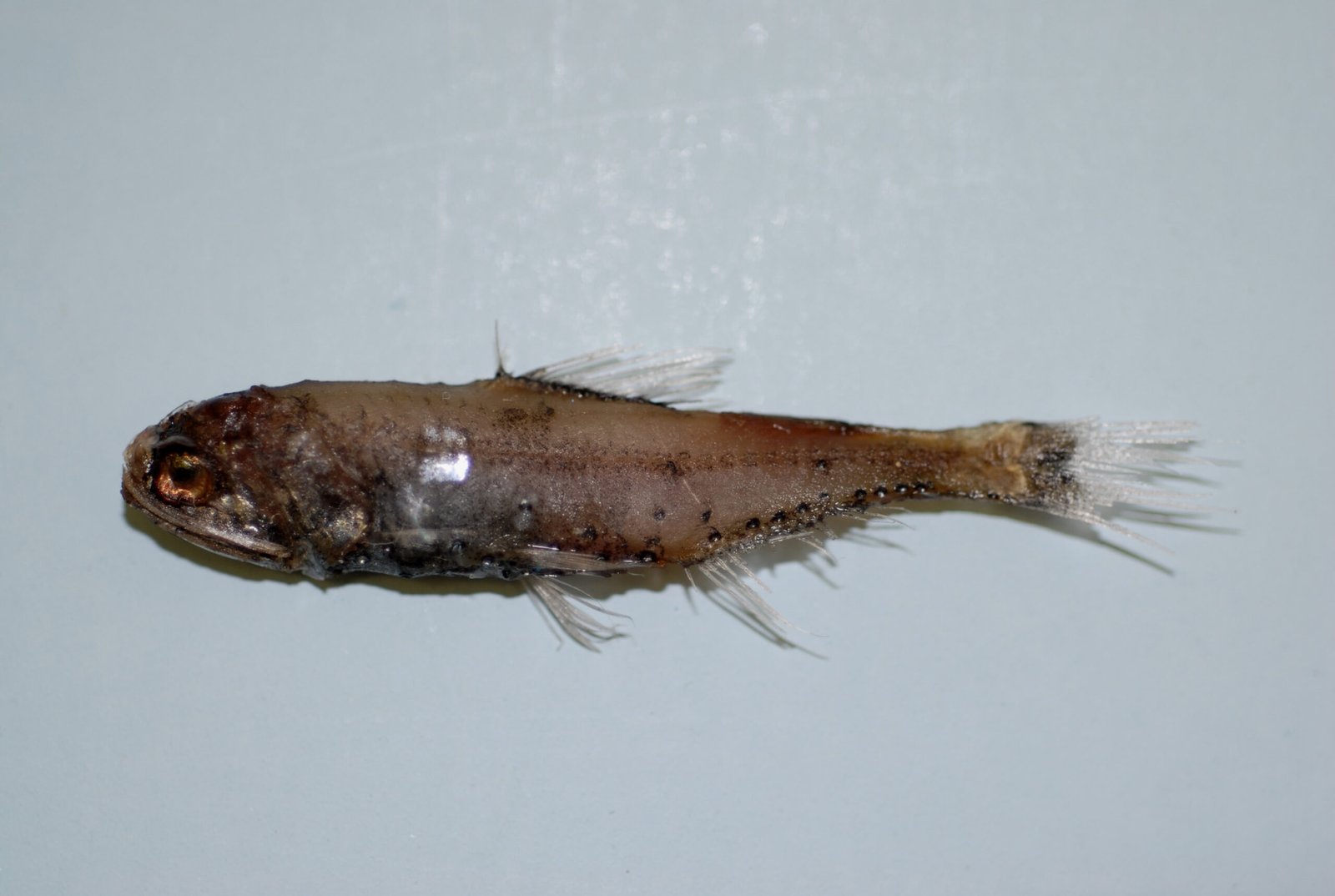
Like all ocean dwellers, lanternfish face growing threats from climate change, pollution, and overfishing. Warming waters and shifting currents can disrupt their migration patterns and food sources. Chemical pollutants and microplastics can enter their bodies, moving up the food chain to larger predators and even humans. As commercial fishing pushes deeper into the ocean, lanternfish face the risk of being caught accidentally in large numbers. These pressures make understanding and protecting lanternfish more crucial than ever. If these silent powerhouses were to vanish, the ripple effects could be felt throughout the entire ocean.
The Human Connection: Why Lanternfish Matter

Most people have never seen a lanternfish, yet our lives are more connected to them than we might think. Healthy lanternfish populations help keep the oceans balanced, which in turn supports fisheries, tourism, and the very air we breathe. The carbon cycling they facilitate helps regulate the Earth’s climate, benefiting every living thing on land. Their story is a reminder that even the most overlooked creatures can play crucial roles in the web of life. By learning about and appreciating lanternfish, we take a step toward valuing and protecting the complex, beautiful systems that sustain us all.
The Ocean’s Hidden Jewel
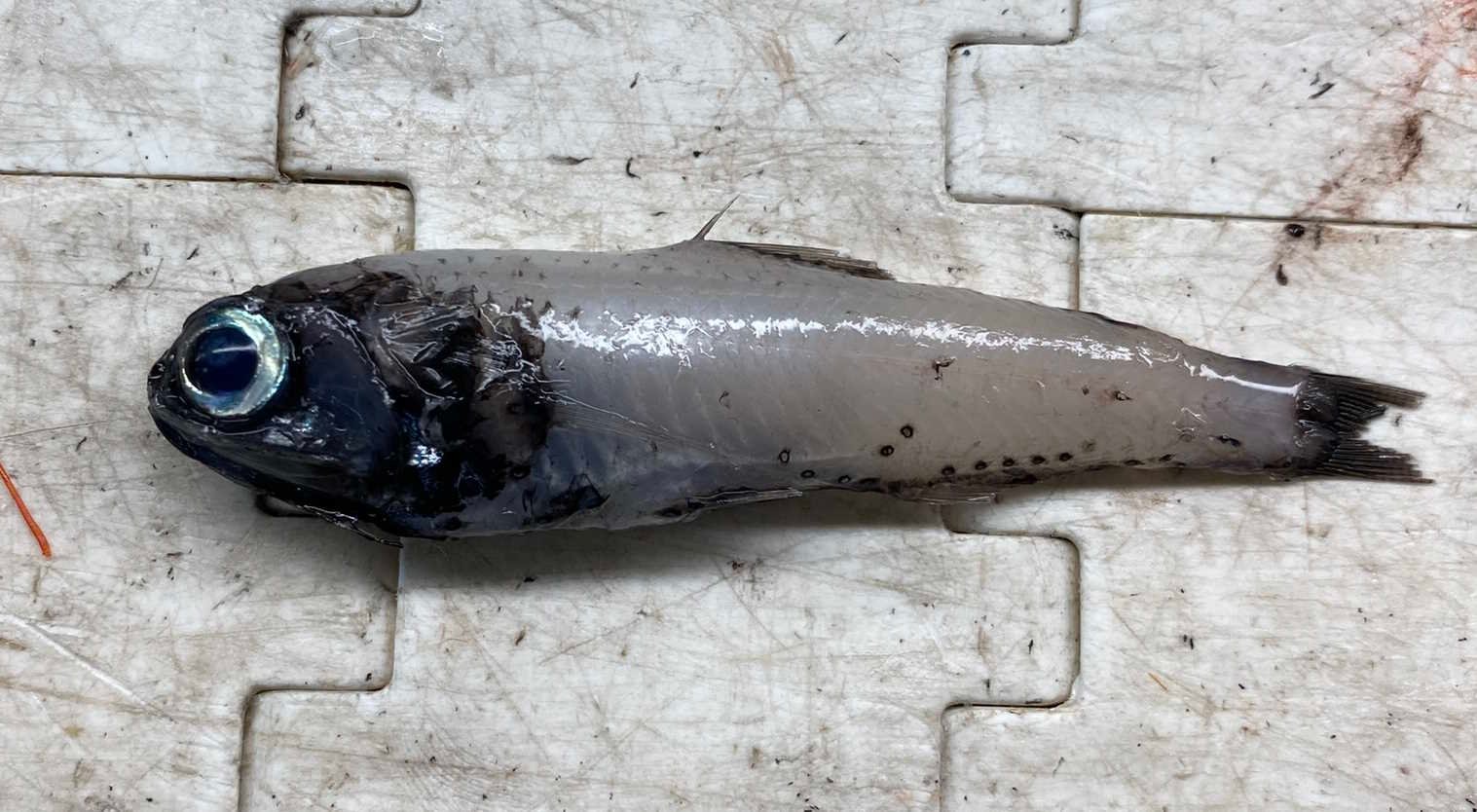
Lanternfish are more than just tiny, glowing dots in the deep; they are the pulse of the ocean’s twilight zone. Their nightly migrations and luminous displays are a testament to nature’s ingenuity and resilience. In a world filled with extraordinary creatures, lanternfish quietly power entire ecosystems, bridging the gap between darkness and life. As we continue to explore and learn about the ocean’s mysteries, perhaps the greatest marvel is how much the smallest beings truly matter.