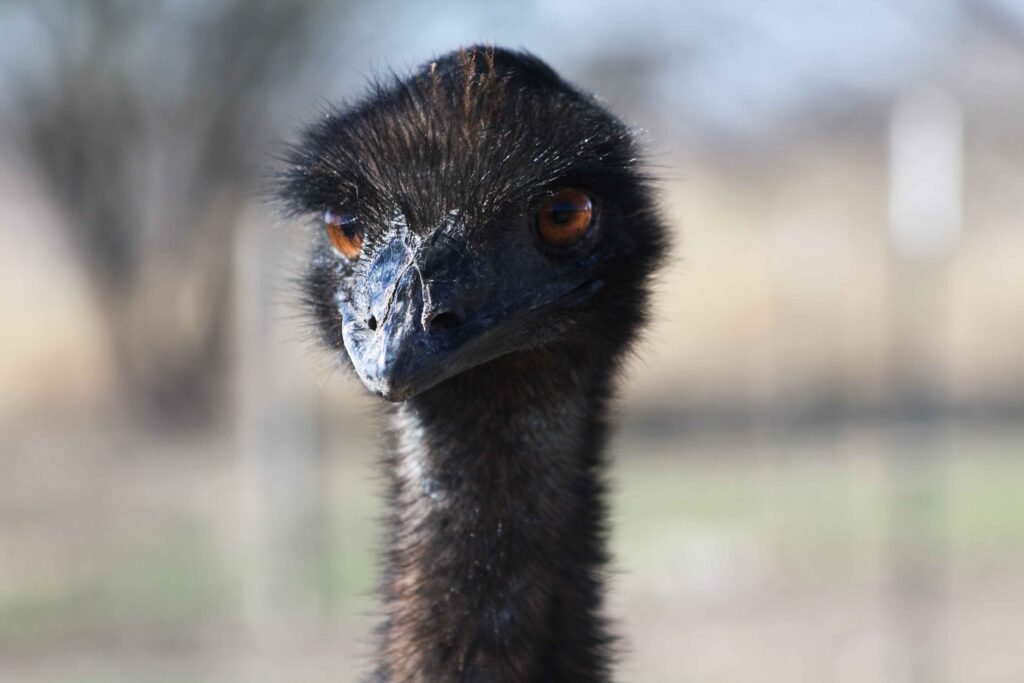
Wild animal habitats are the natural environments where species live and thrive. These ecosystems are crucial for the survival of countless animal species, providing food, shelter, and a place for breeding. From lush rainforests and expansive savannas to vibrant coral reefs and arctic tundras, each habitat supports a unique community of flora and fauna. Understanding these habitats is the first step toward their conservation.
Why Are Wild Animal Habitats Disappearing?

The rapid disappearance of wild animal habitats is one of the most pressing environmental issues today. Human activities, such as deforestation, urbanization, agriculture, and mining, are the primary causes of habitat destruction. Additionally, climate change is altering the natural environments, leading to unpredictable weather patterns and rising sea levels that further threaten these habitats.
The Importance of Preserving Wild Animal Habitats

Preserving wild animal habitats is critical not only for the survival of individual species but also for maintaining biodiversity and ecological balance. Healthy ecosystems provide essential services, such as air and water purification, carbon sequestration, and pollination. They also offer cultural, aesthetic, and economic benefits to human societies. Without the protection of these habitats, many species face extinction, leading to a cascade of effects on global ecosystems.
Effective Strategies for Habitat Conservation

Conservation efforts must focus on sustainable strategies that involve both local communities and global initiatives. This includes establishing protected areas and national parks, enforcing anti-poaching laws, and restoring degraded habitats. Sustainable land-use practices, such as agroforestry and responsible tourism, can mitigate habitat destruction while supporting local economies.
The Role of Technology in Habitat Protection
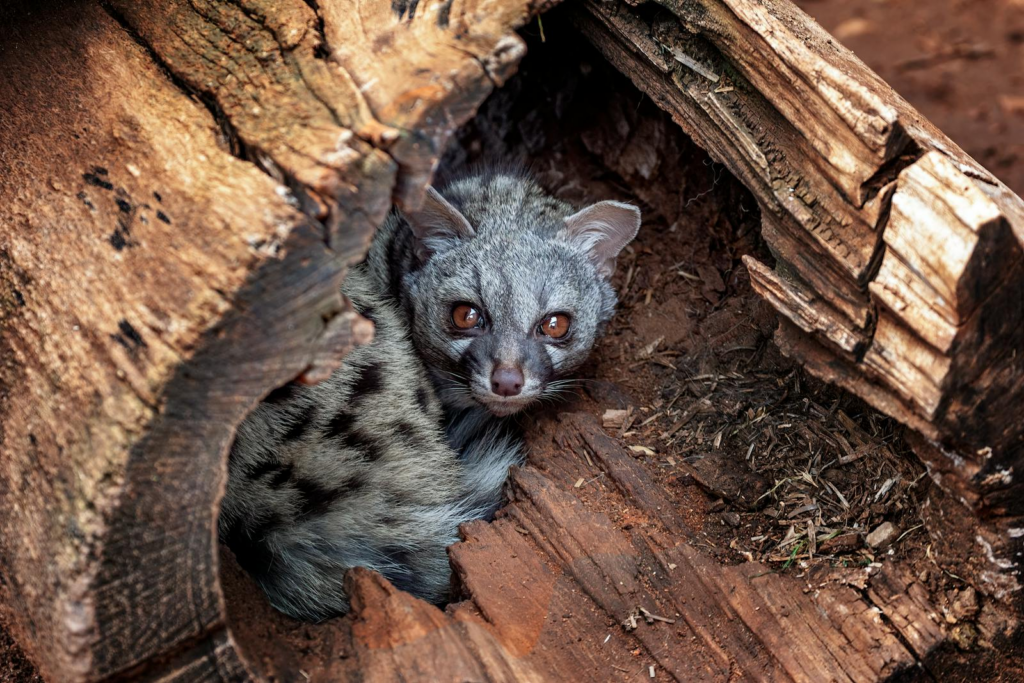
Advances in technology play a vital role in monitoring and protecting wild animal habitats. Satellite imagery and drones help track changes in land use and deforestation, while remote sensors can detect illegal activities like logging and poaching. Additionally, genetic research and wildlife tracking technologies provide crucial data for conservation biologists working to protect endangered species.
How You Can Contribute to Habitat Conservation

Individual actions can collectively make a significant impact on habitat conservation. Reducing your carbon footprint through sustainable lifestyle choices, supporting wildlife-friendly products, and donating to reputable conservation organizations are practical ways to contribute. Educating others about the importance of habitat protection and advocating for strong environmental policies can also drive positive change.
Inspiring Success Stories in Conservation

Many inspiring conservation success stories highlight the positive outcomes of dedicated efforts. For instance, the resurgence of the Bengal tiger population in India and the protection of the Great Barrier Reef through concerted efforts demonstrate that change is possible. These successful initiatives offer hope and serve as blueprints for future conservation projects worldwide.
Conclusion: The Path Forward

Protecting wild animal habitats is a shared responsibility that requires global cooperation and individual commitment. By understanding the challenges and actively participating in conservation efforts, we can ensure that future generations inherit a world rich in biodiversity. Our actions today will determine the health and vitality of ecosystems and the species that rely on them for survival.