
You have probably never paused mid-sentence to wonder whether the carbon atoms in your fingertips were once scattered across a dying star. Or whether the very first sparks of life on this planet happened not in a lush garden, but in a scalding, pitch-black crack at the bottom of a primordial ocean. These aren’t science fiction premises. They are actual scientific hypotheses debated by some of the world’s sharpest minds right now, in 2026.
The origin of life on Earth via the spontaneous emergence of a protocell prior to Darwinian evolution remains a fundamental open question in physics and chemistry. The story science has uncovered so far is more wild, more improbable, and honestly more beautiful than any myth humanity has ever told about itself. So let’s dive in.
A Planet That Barely Wanted You to Exist
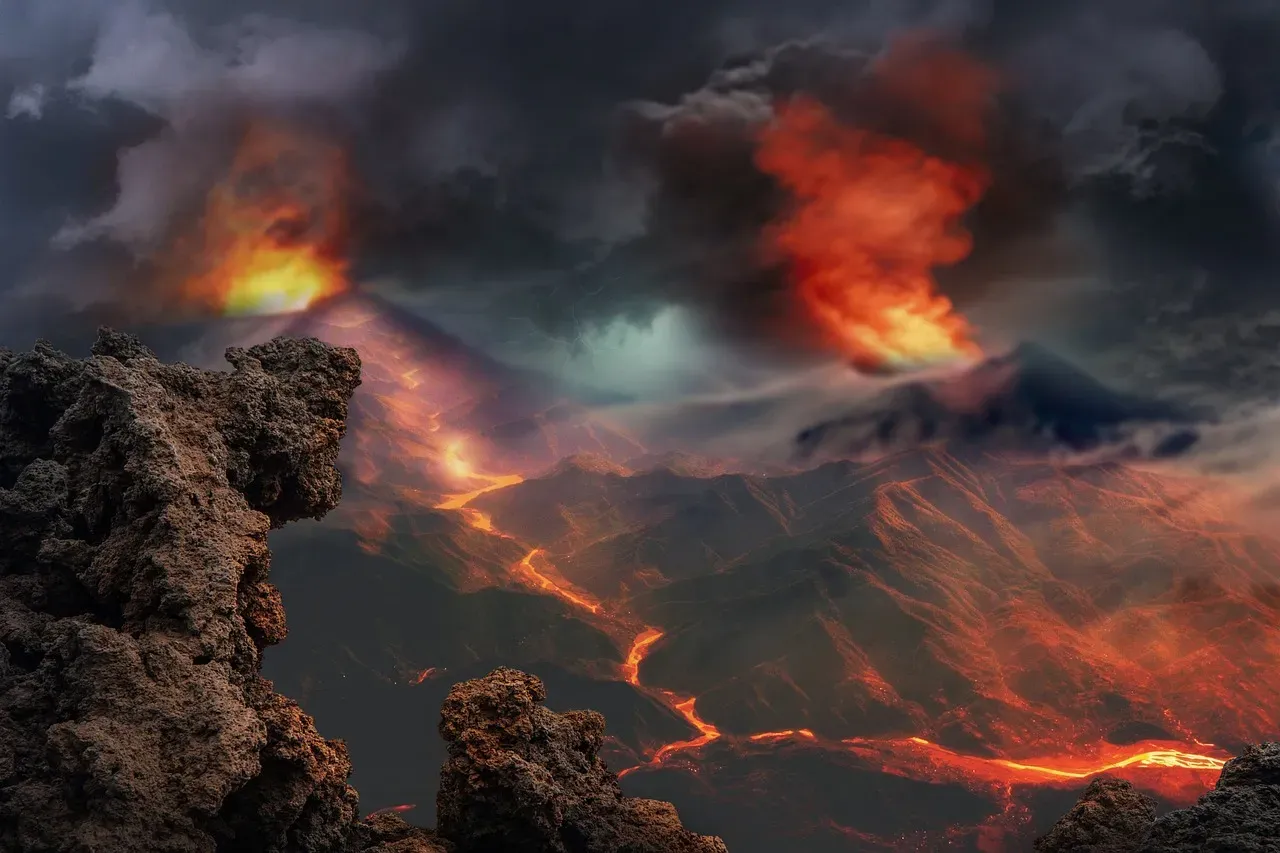
Let’s be real: the early Earth was not exactly rolling out the welcome mat for life. Earth, during the Hadean eon, from its formation until roughly four billion years ago, was at first inhospitable to life. You are looking at a planet being constantly pummeled by asteroids, cloaked in toxic gases, and seething with volcanic fury. Think less “garden of Eden” and more “surface of a perpetual explosion.”
This transition occurred during what scientists call the Hadean Eon, when Earth was a much different place than it is now, hotter, with a different atmosphere, and with oceans that possessed entirely different chemical compositions than today’s waters. The sheer hostility of this ancient world makes the emergence of life feel all the more astounding. Somehow, out of all that chaos, something impossibly delicate and organized began to take shape.
The Famous Experiment That Changed Everything
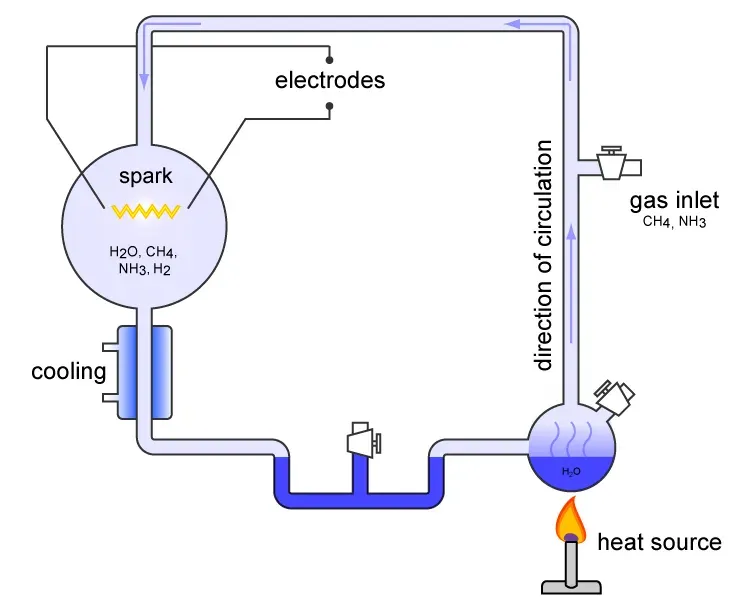
The Miller-Urey experiment was an experiment in chemical synthesis carried out in 1952 that simulated the conditions thought at the time to be present in the atmosphere of the early, prebiotic Earth. It is seen as one of the first successful experiments demonstrating the synthesis of organic compounds from inorganic constituents in an origin of life scenario. A graduate student named Stanley Miller, working under Nobel laureate Harold Urey, essentially cooked up the building blocks of life in a glass flask. The scientific world was stunned.
The experiment used methane, ammonia, hydrogen, and water. Applying an electric arc, simulating lightning, resulted in the production of amino acids. Here is what makes this even more jaw-dropping: after Miller’s death in 2007, scientists discovered that his original experiment had actually produced far more than he reported. Using modern techniques a billion times more sensitive than those used by Miller, researchers found that his original experiment had produced not six, but 14 amino acids. An unpublished experiment with higher air flow yielded 22 amino acids.
The RNA World: Life Before DNA
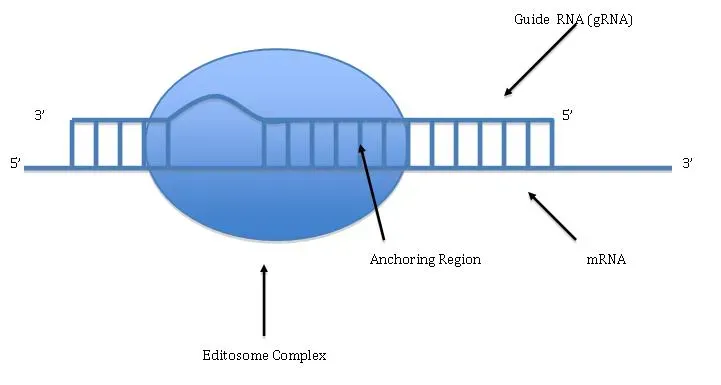
Here is the thing that blew my mind when I first learned it: DNA, the molecule we celebrate as the blueprint of life, probably wasn’t even there at the very beginning. Researchers think that life descends from an RNA world, although other self-replicating and self-catalyzing molecules may have preceded RNA. RNA is like the scrappy, multitasking older sibling that had to do everything before DNA showed up to specialize.
In addition to carrying and translating genetic information, RNA is a catalyst, a molecule that increases the rate of a reaction without itself being consumed, meaning that a single RNA catalyst could have produced multiple living forms, which would have been advantageous during the rise of life on Earth. Scientists have recently shown something remarkable along these lines. Chemists have shown how two of biology’s most fundamental ingredients, RNA and amino acids, could have spontaneously joined together at the origin of life four billion years ago. That single finding reshapes how you understand the whole story.
Deep-Sea Vents: Life Born in the Dark
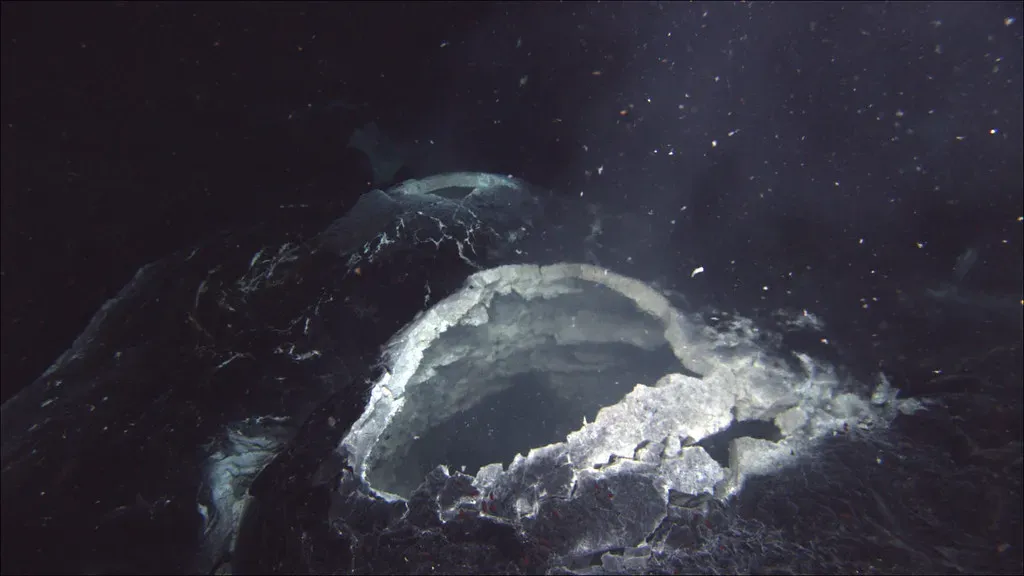
One of the most surprising origin theories takes you not to a warm sunlit pond, but to the crushing darkness of the ocean floor. The deep sea or alkaline hydrothermal vent theory posits that life began at submarine hydrothermal vents. William Martin and Michael Russell have suggested that this could have been in metal-sulphide-walled compartments acting as precursors for cell walls. These form where hydrogen-rich fluids emerge from below the sea floor, as a result of serpentinization of ultra-mafic olivine with seawater and a pH interface with carbon dioxide-rich ocean water. It sounds utterly alien, yet it may be where you come from.
Researchers recreated the spontaneous formation of fatty acid molecules by combining hydrogen-rich fluids, likely present in ancient alkaline hydrothermal vents, with carbon dioxide-rich water resembling the early ocean. This breakthrough aligns with the hypothesis that stable fatty acid membranes could have originated in alkaline hydrothermal vents, potentially progressing into living cells. It is a humbling thought: the ancestors of every creature that has ever lived might have first stirred to life in a lightless abyss, feeding off volcanic chemistry rather than sunlight.
The Iron Clue and the Krebs Cycle Connection
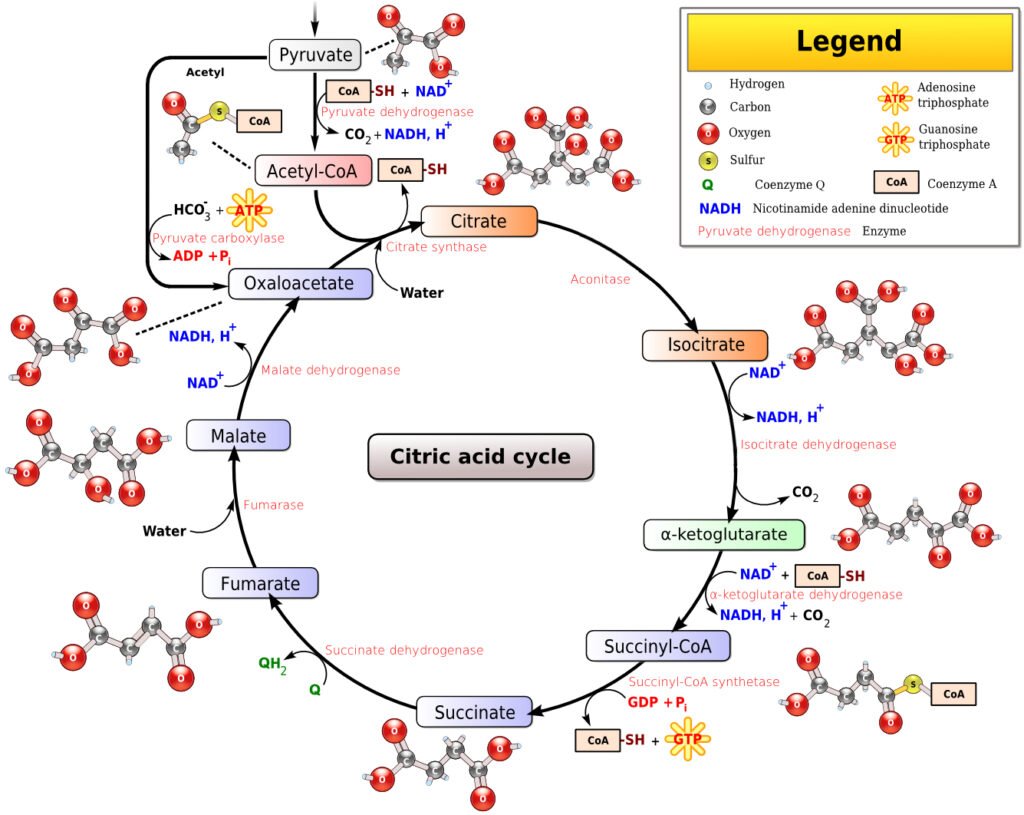
Another piece of the puzzle came from an unexpected direction: iron. In 2019, a team from the University of Strasbourg in France made a breakthrough. They showed that ferrous iron, a type of iron that was abundant in early Earth’s crust and ocean, could drive nine out of 11 steps of the Krebs Cycle. The Krebs Cycle, for those of you who slept through biology class, is the central engine of energy metabolism in most living cells today.
Ferrous iron acted as the electron donor for carbon fixation, which drove the cascade of reactions. The reactions produced all five of the universal metabolic precursors, five molecules that are fundamental across various metabolic pathways in all living organisms. Think of it as a prototype engine that was eventually upgraded by evolution into the sophisticated biological machinery you carry in every cell of your body. The same basic chemistry that rusts an old bicycle may have jump-started life on Earth. I know it sounds crazy, but that is where the evidence points.
Did Life Hitchhike Here from Outer Space?
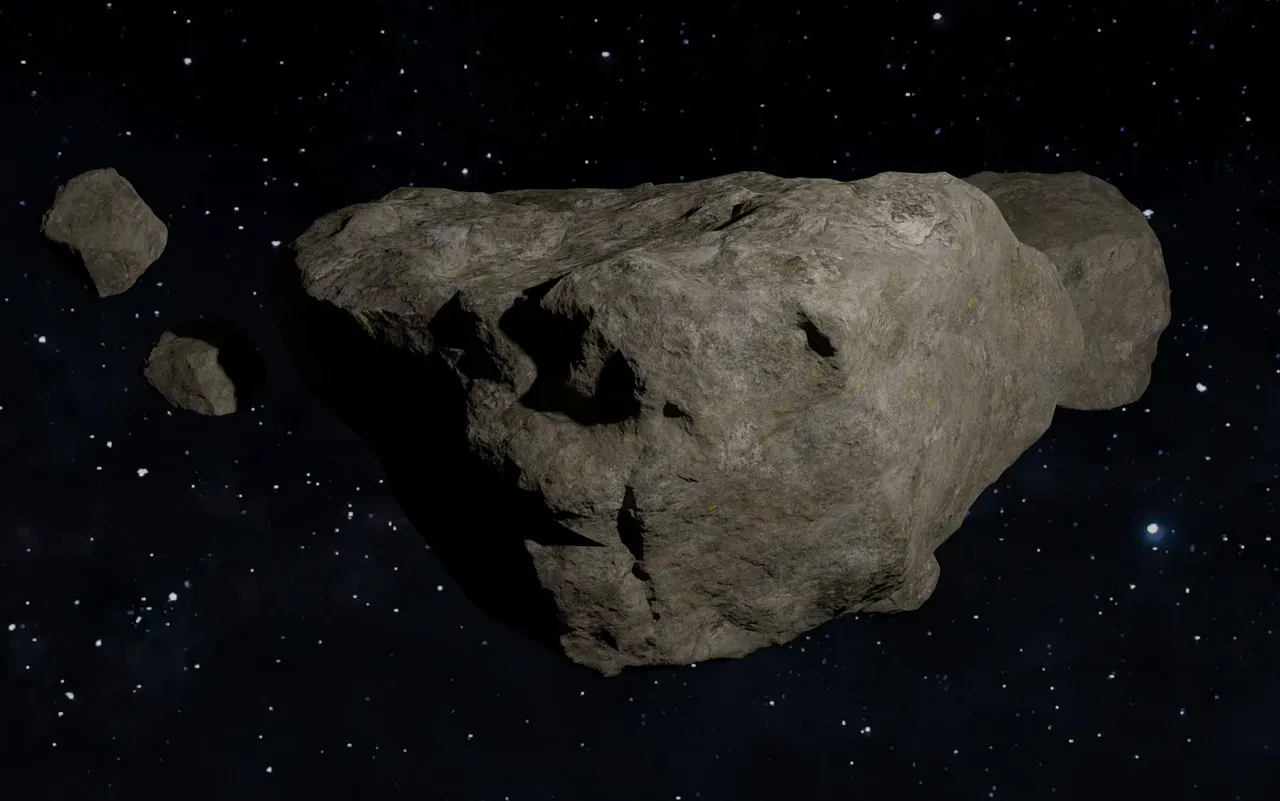
Now for the idea that really sends people sideways: what if life, or at least its ingredients, didn’t originate here at all? Panspermia is the hypothesis that life exists throughout the universe, distributed by cosmic dust, meteoroids, asteroids, comets, and planetoids, as well as by spacecraft carrying unintended contamination by microorganisms, known as directed panspermia. It sounds like science fiction, but it keeps accumulating scientific credibility.
New analysis of asteroid rocks brought back to Earth by Japanese and NASA-led space missions reveals the presence of amino acids, carbon, ammonia, salts, and the basic constituents of DNA and RNA. These findings suggest that the same building blocks, and perhaps even primitive microbial life, could have been delivered to Earth on meteorites, asteroids, or comets billions of years ago. Even more strikingly, the famous Murchison meteorite, which fell in Australia in 1969, contained over 70 different amino acids, including glycine, alanine, and glutamic acid. Seventy amino acids. Delivered by a rock from space. Still wrapping your head around that one?
The First Cell: The Most Difficult Leap of All
You can have all the amino acids and RNA you want, but the really baffling question is: how did it all get wrapped up inside a living cell? The central question revolves around how an abiotically formed mixture of non-living chemicals gave rise to the early self-reproducing and evolving living cells, called protocells. Scientists describe this as arguably the steepest cliff in all of origins-of-life research.
It is only lipids that can readily form labile multi-molecular ensembles, such as the membranes surrounding cells and protocells, as well as the much smaller micelle particles, which are known to be simple efficacious chemical factories, competing with present-life complex proteins. Primordial lipid ensembles thus provide both compartmentalisation and chemical specificity that might lead to self-reproduction capacities. Recently, a Harvard research team took this understanding further. A team of Harvard scientists brought us closer to an answer by creating artificial cell-like chemical systems that simulate metabolism, reproduction, and evolution. The results were published in the Proceedings of the National Academy of Sciences.
The Mystery That Science Has Not Solved Yet
Here is an honest admission: for all the stunning progress, nobody has a complete answer. A comprehensive understanding of how prebiotic chemicals assembled into stable, self-replicating cells on primitive Earth remains elusive for now, despite considerable progress in chemistry, molecular biology, Earth sciences, planetary sciences, astronomy, and the search for extraterrestrial life. The puzzle has many pieces, but the full picture still escapes us.
Far from bringing scientists together and settling the debate, the rise of experimental work has led to many contradictory theories. Some scientists think that life emerged in deep-sea hydrothermal vents, where the conditions provided the necessary energy. Others argue that hot springs on land would have provided a better setting because they are more likely to hold organic molecules from meteorites. The fact that brilliant researchers disagree so passionately is not a weakness of science. It is science doing exactly what it should.
Conclusion: The Greatest Story Never Fully Told
What you have just traveled through is not a settled history. It is a live, breathing, fiercely contested investigation into the most profound question a human being can ask: where did we actually come from? Regardless of one’s worldview, we all want to know something about where we come from, who we are, and where we are headed. Questions about the origins of life are not merely a matter of curiosity, but of human identity.
The science of life’s origins tells you that you are the product of chemistry that unfolded over billions of years, possibly seeded by the stars, sparked by lightning, nurtured in volcanic darkness, and refined through a process so improbable it borders on the miraculous. The questions of how life forms, whether life is an inevitable outcome and how diverse its presentation could be, remain some of the most profound in science. Investigations into the origin of life confront key issues such as uncovering key constraints and universal features of life, the plausibility of alternative biochemistries, and the transition from purely chemical systems to information-bearing, evolvable entities.
You are, at your most fundamental level, the universe attempting to understand itself. Does that not deserve at least a moment of silent awe? What part of this story surprised you the most? Tell us in the comments below.