Fast fashion has revolutionized the clothing industry with its ability to offer the latest trends at incredibly low prices. However, beneath the allure of affordable, trendy clothes lies a complex web of environmental degradation and human rights violations. This article delves into the true cost of fast fashion, shedding light on the hidden issues that consumers often overlook when purchasing that stylish dress or pair of jeans.
The Rise of Fast Fashion

Fast fashion is a business model designed to rapidly produce trendy clothing in response to the latest consumer demands. Retailers like Zara, H&M, and Forever 21 exemplify this approach, with collections turning over at a rapid pace, sometimes within weeks. This model relies on mass production and cost-cutting measures to ensure that clothing is not only fashionable but also affordable. However, this relentless pursuit of speed and low prices often comes at a significant cost to the environment and human rights.
Environmental Impact of Fast Fashion

The environmental footprint of fast fashion is alarmingly large. The industry is one of the leading contributors to pollution and resource depletion. The production of textiles requires vast amounts of water and energy, and the use of harmful chemicals is prevalent. For example, it takes around 2,700 liters of water to produce a single cotton t-shirt. Furthermore, textile dyeing is a major source of water pollution, as untreated toxic wastewaters are often discharged into rivers, contaminating water supplies and harming aquatic life.
Textile Waste and Landfills
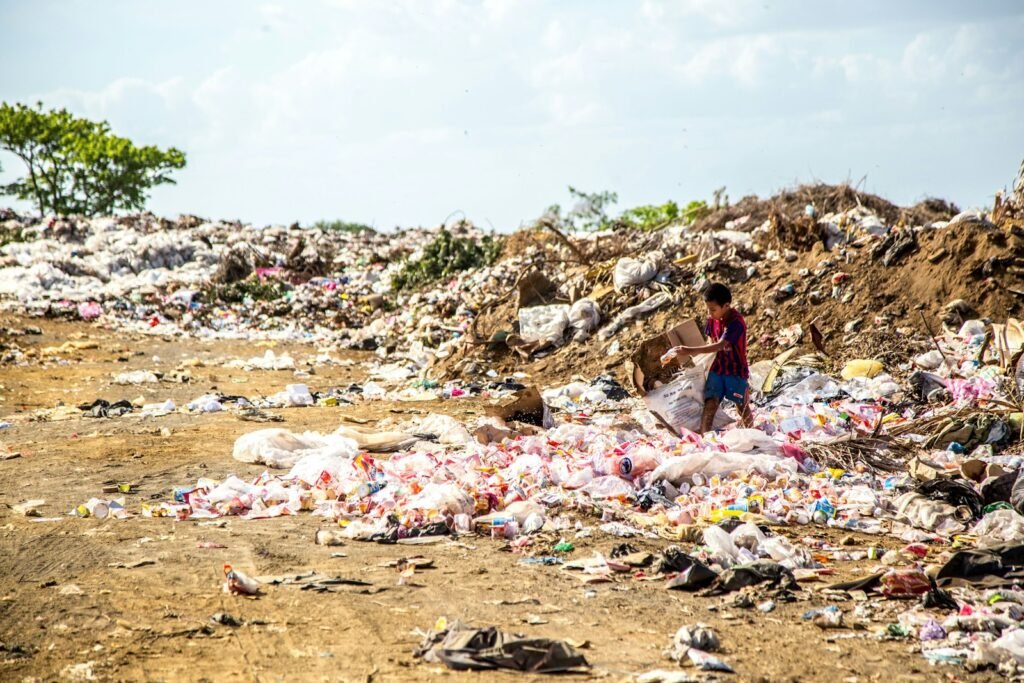
The fast fashion model encourages a ‘throwaway’ culture, where clothing is disposed of after only a few wears. This results in mountains of textile waste, filling up landfills and taking decades to decompose. According to the Environmental Protection Agency, textile waste occupies nearly 5% of all landfill space. As these textiles decompose, they release methane, a potent greenhouse gas that significantly contributes to climate change.
The Carbon Footprint of Fashion

The fashion industry is responsible for approximately 10% of global carbon emissions, more than international flights and maritime shipping combined. This is because the production, transportation, and distribution of fast fashion garments require tremendous amounts of fossil fuels. The carbon footprint is further exacerbated by the frequent air and sea transport necessary to maintain the fast fashion supply chain.
Exploitation of Workers

The human rights violations within the fast fashion industry are equally concerning. To keep prices low, many brands outsource production to developing countries where labor costs are minimal. Workers in these factories often face hazardous conditions and receive meager wages. Reports of child labor, forced overtime, and unsafe working environments are alarmingly common, with tragedies such as the 2013 Rana Plaza collapse highlighting the dire working conditions in garment factories.
Lack of Transparency and Accountability

Many fast fashion companies operate with little transparency regarding their supply chains, making it difficult to hold them accountable for environmental and human rights abuses. This lack of transparency allows unethical practices to persist, as consumers remain unaware of the origins of their clothing. Efforts to demand corporate accountability and ethical production standards are often met with resistance from brands prioritizing profits over people and the planet.
The Role of Consumerism

The relentless cycle of consumerism drives the fast fashion industry. Advertisements and social media endorse the idea that we constantly need new and trendy clothes to stay relevant. This culture of overconsumption not only leads to environmental harm and worker exploitation but also overlooks the value of durable and timeless fashion. Consumers play a crucial role in the fast fashion cycle, and shifting priorities towards sustainable practices can impact the industry positively.
Efforts Towards Sustainability
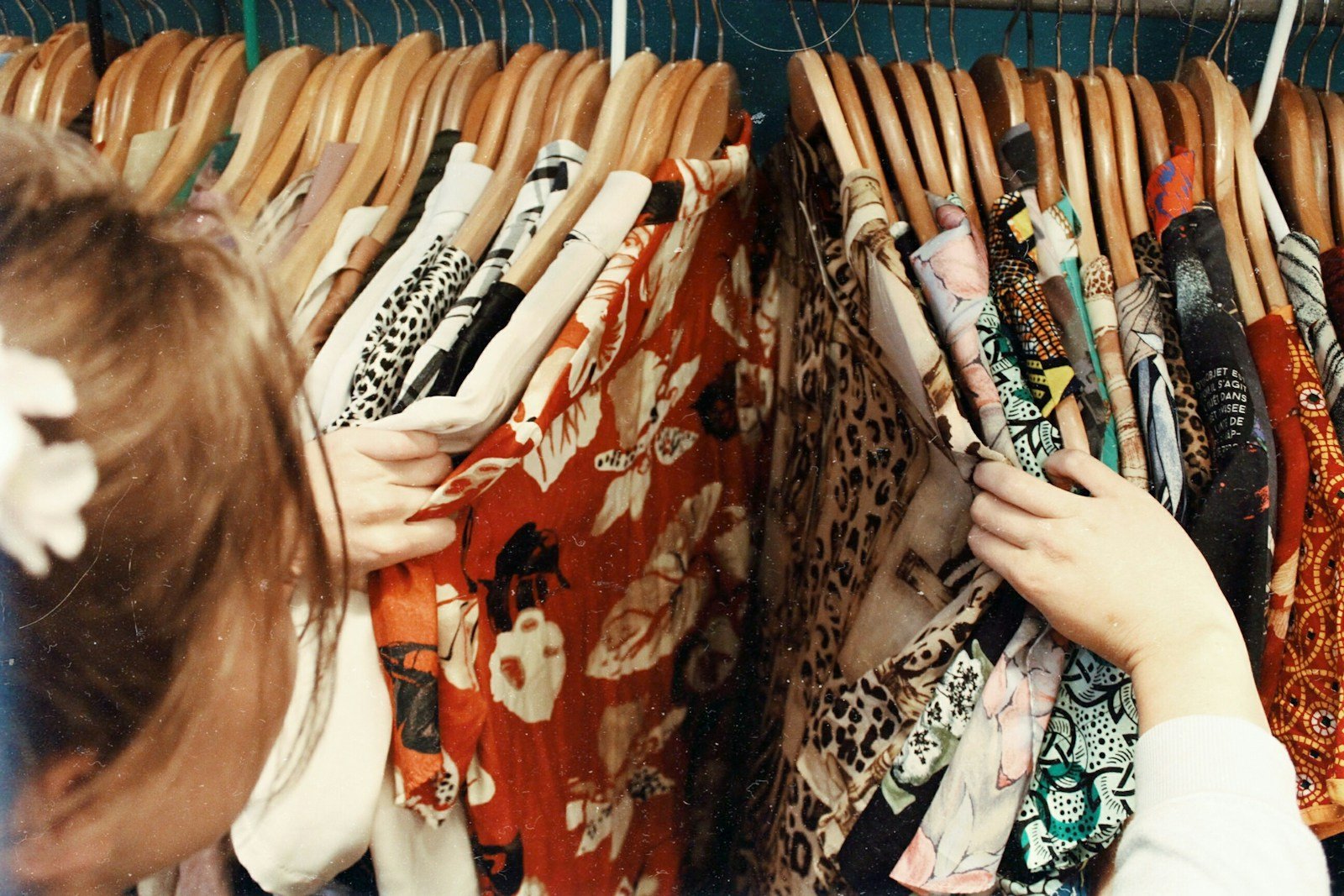
In response to growing awareness of fast fashion’s implications, many brands are starting to adopt more sustainable practices. This includes using eco-friendly materials, improving supply chain transparency, and committing to fair wages and safe working conditions. While these efforts are a step in the right direction, the industry still has a long way to go before it can be considered truly sustainable.
Consumer Responsibility
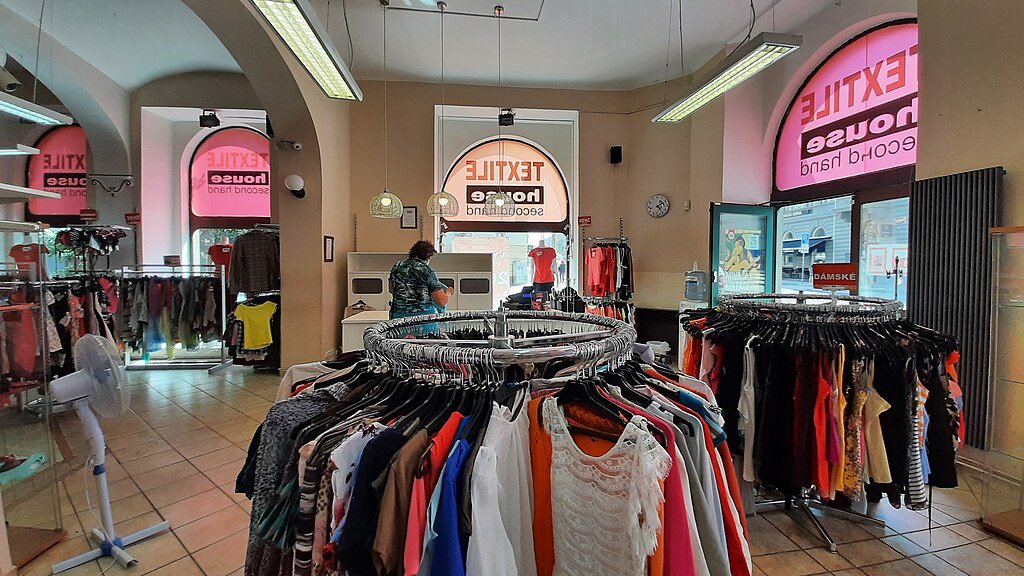
As consumers, we wield significant power to influence the fashion industry through our purchasing choices. By supporting ethical and sustainable brands or opting for second-hand clothing, we can reduce the demand for fast fashion. The rise of conscious consumerism, supported by initiatives like ‘slow fashion,’ emphasizes quality over quantity and encourages more mindful consumption patterns.
The Future of Fashion

The future of fashion should prioritize sustainability and ethical production. Innovations in textile recycling, the development of biodegradable materials, and the adoption of circular economy principles are promising trends that could transform the industry. Educating consumers about the impact of their fashion choices and encouraging a cultural shift towards appreciation for craftsmanship and durability are essential steps in redefining the industry’s future.
Conclusion: A Call for Change
The true cost of fast fashion extends far beyond the price tag on a piece of clothing. The environmental and human rights issues it perpetuates are significant, affecting ecosystems and communities globally. By becoming informed consumers, advocating for policy changes, and supporting brands committed to ethical practices, we can drive the fashion industry towards a more sustainable and just future. Fashion should not only be about self-expression but also about respecting the planet and the people who inhabit it.