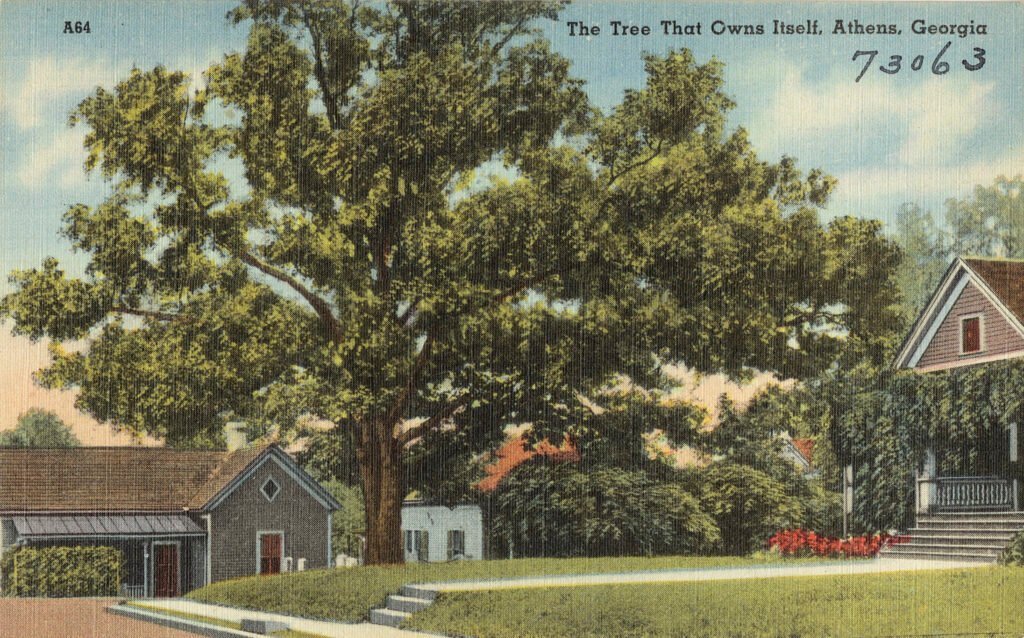

Imagine a tree so special that it’s not just rooted in the earth, but in the very heart of a legal legend—a living being that, according to local lore, owns itself. This isn’t the plot of a whimsical children’s book, but a real tale that has fascinated scientists, historians, and dreamers for over a century. Nestled along a quiet street in Athens, Georgia, stands the majestic white oak known as “The Tree That Owns Itself.” Its story blends law, nature, and human imagination in a way that challenges our understanding of ownership, rights, and the relationship between people and the natural world. For anyone who marvels at the mysteries of life or the possibilities of law, the tale of this extraordinary tree is one that promises wonder, debate, and inspiration.
The Birth of a Legend
The origin of the Tree That Owns Itself dates back to the early 1800s, with stories swirling around a man named William H. Jackson. According to local legend, Jackson, a professor and landowner, cherished this particular white oak so much that he deeded both the tree and the ground around it to itself. The idea was beautifully simple yet wildly complex: the tree, in theory, would be the legal owner of itself and the eight feet of land in every direction from its trunk. Whether or not the deed ever existed is a matter of heated debate, but the legend has become a cherished piece of Athens’ local folklore. This act was not just about protecting a tree; it was a poetic gesture that captured the imagination of generations, turning a simple oak into a symbol of love for nature and the power of human creativity.
The Legal Enigma
The notion of a tree owning itself is more than a quirky tale—it raises profound questions about the nature of legal rights and personhood. In American law, only “legal persons” (human beings or recognized entities like corporations) can hold property. A tree, by all conventional standards, doesn’t fit into this category. The supposed deed, even if it once existed, would have no legal standing in the eyes of the courts. Yet, local authorities and residents of Athens have honored the story, treating the tree and its plot as if the legend were true. This practice blurs the boundaries between law, tradition, and community values, prompting legal scholars and philosophers to ponder: Can the law adapt to new forms of respect for the non-human world?
A Living Organism with “Rights”
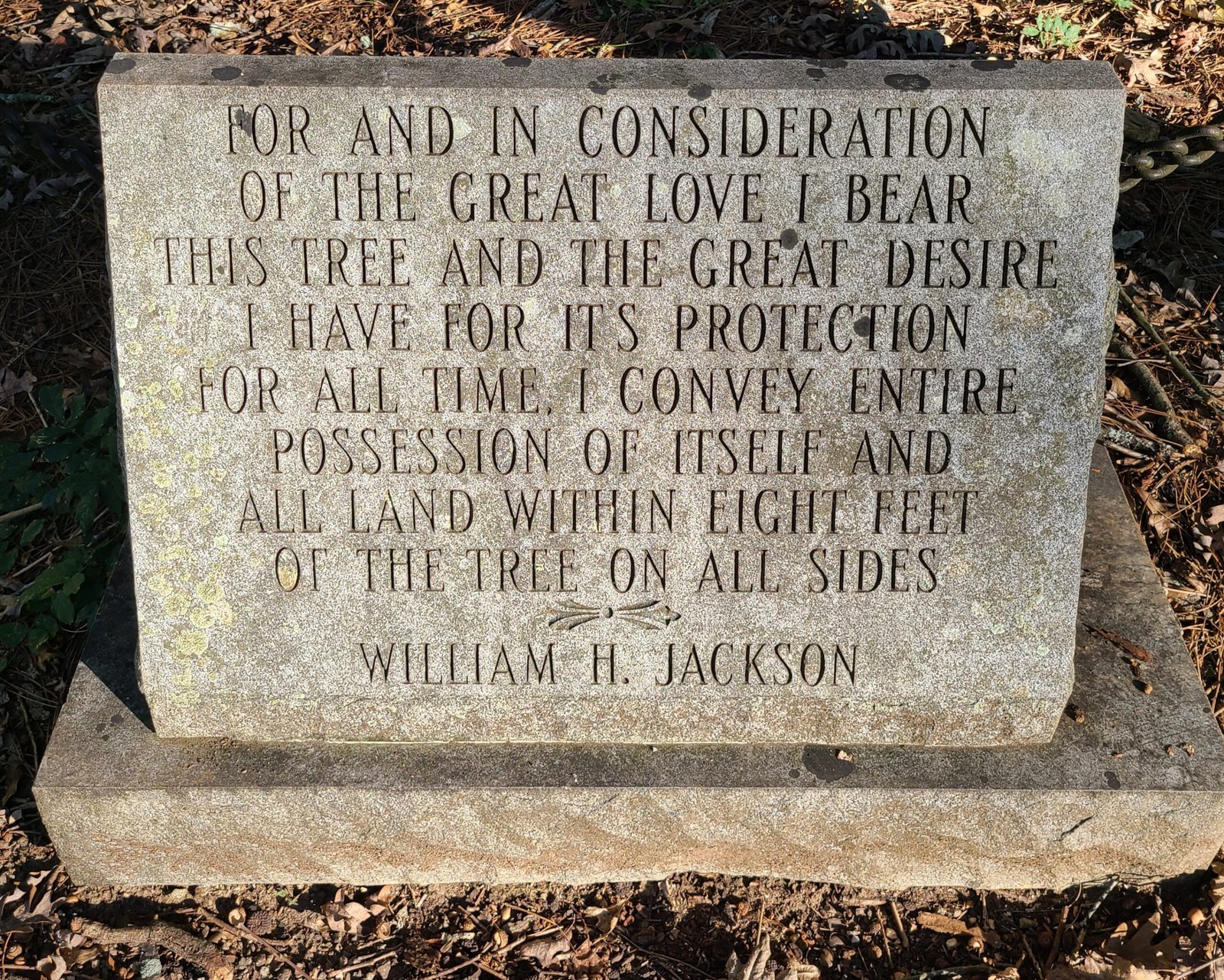
The Tree That Owns Itself has become a powerful symbol in debates about the rights of nature. Around the world, there is a growing movement to recognize the legal rights of rivers, forests, and even entire ecosystems. Countries like Ecuador and New Zealand have granted legal standing to natural entities, allowing them to be represented in court. The Athens white oak predates these legal innovations, serving as an early and imaginative example of what it might mean to treat a living organism as a rights-holder. While the tree’s “ownership” is not enforceable by law, its story invites us to dream of a world where nature has a voice, challenging us to rethink our responsibilities and relationships with the environment.
The Science Behind the Tree
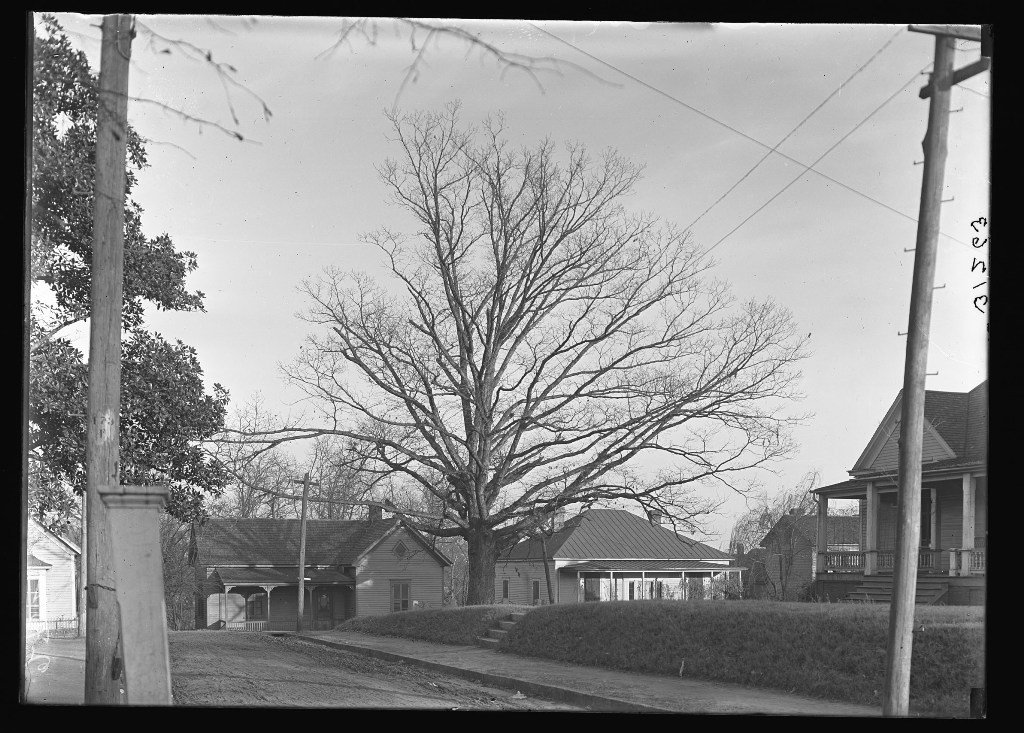
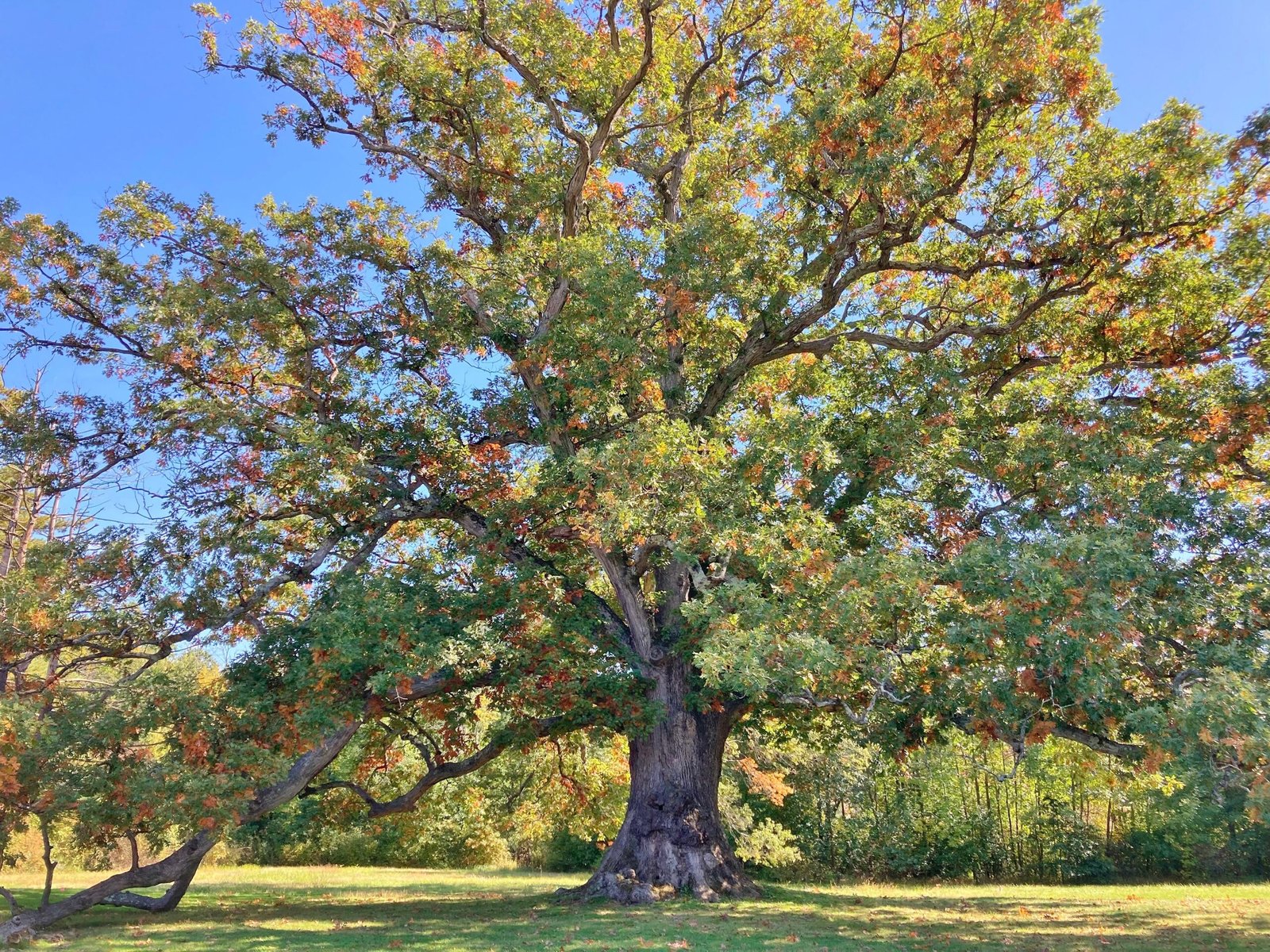
Scientifically, the original Tree That Owns Itself was a magnificent specimen of Quercus alba, the white oak species native to the southeastern United States. These trees can live for centuries, with some oaks reaching ages of 300 years or more. The Athens oak was estimated to be between 150 and 400 years old before it fell in 1942. White oaks are known for their strength, resilience, and role as keystone species in their ecosystems. They provide habitat for countless creatures, from squirrels and birds to insects and fungi. Understanding the biology of this tree helps us appreciate not just its legal legend, but its ecological significance as a living, breathing centerpiece of the community.
Death and Rebirth
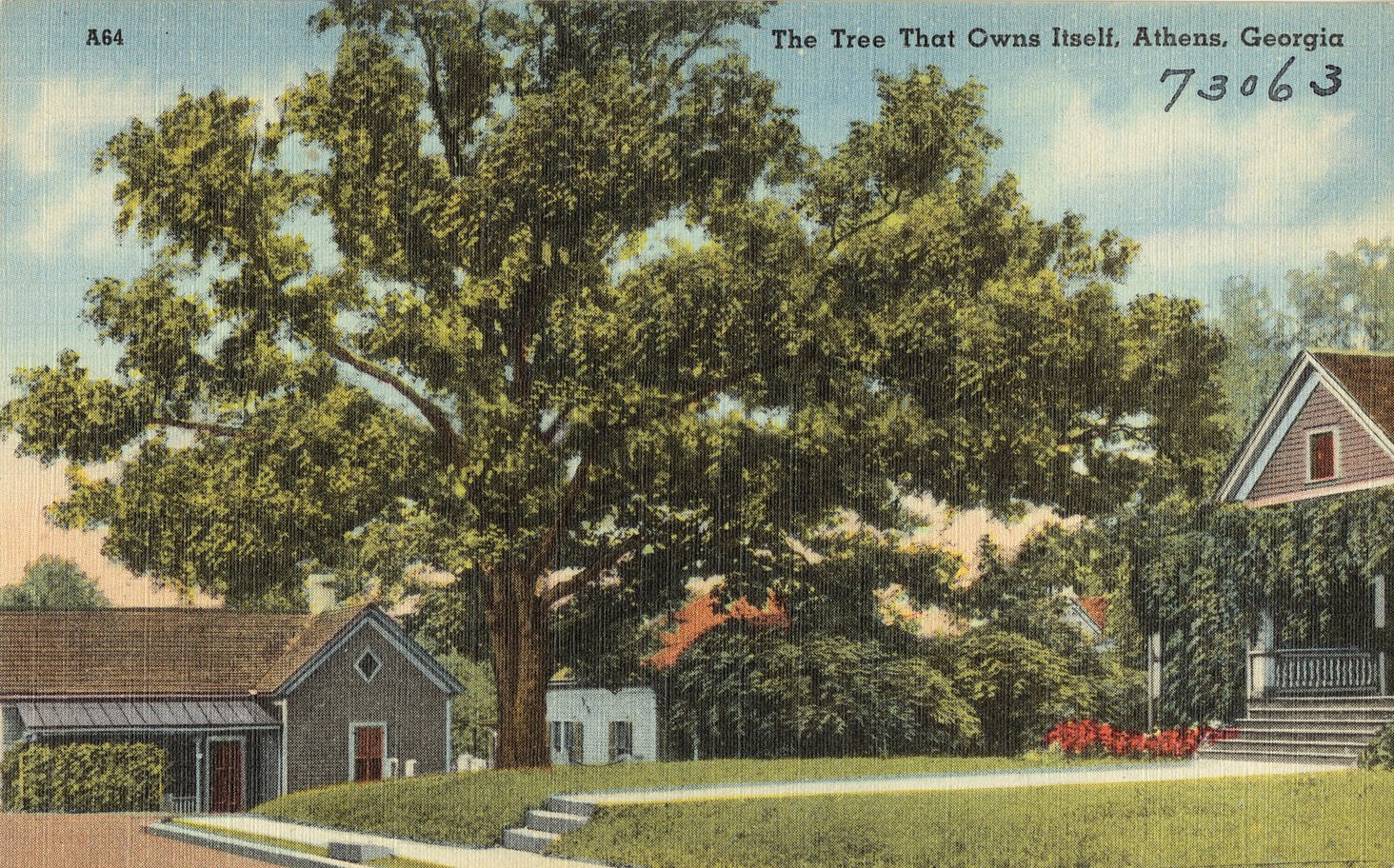
No living legend can escape the march of time. In 1942, the original Tree That Owns Itself toppled during a storm, its roots unable to withstand the weight of its own history. But the story didn’t end there. Local residents, moved by a sense of loss and duty, planted an acorn from the original tree in the same sacred spot. This descendant now stands tall, inheriting both the land and the legend. The community’s devotion to the tree’s legacy is a testament to the power of collective memory and the human desire to keep stories alive, even as nature’s cycles continue.
Community and Cultural Impact
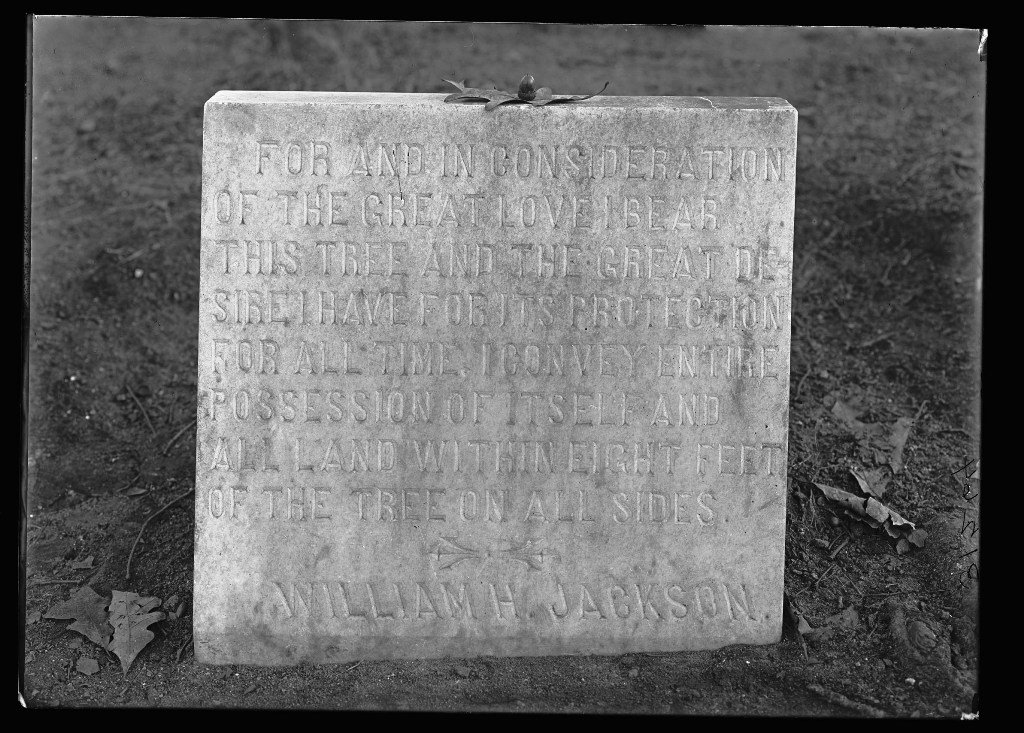
The tree’s legend has become woven into the identity of Athens, Georgia. It draws tourists, inspires artists, and serves as a subject for countless photographs and local celebrations. For many, the Tree That Owns Itself is not just a curiosity, but a beloved neighbor and a symbol of community pride. Annual events and educational programs revolve around the tree, teaching children and adults alike about the importance of conservation and the magic of local history. The tree’s story has sparked conversations about environmental stewardship and the unique ways communities can honor the natural world.
The Broader Conversation on Nature’s Rights
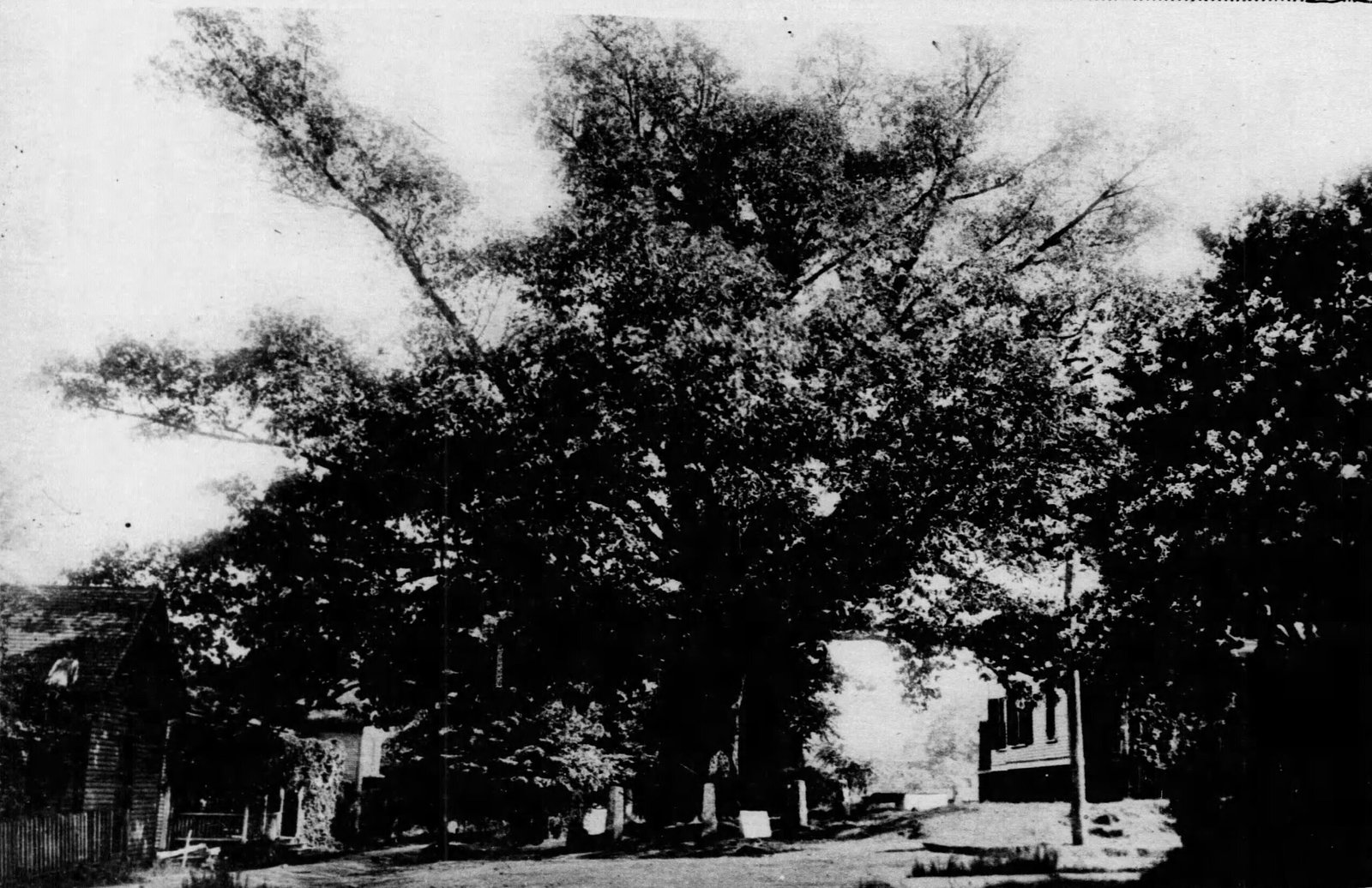
The tale of the Tree That Owns Itself echoes far beyond Athens, stirring debates about how society values and protects the natural world. The story is referenced in discussions about environmental law, animal rights, and even artificial intelligence. If a tree can “own” itself in the hearts and minds of a community, what does this say about humanity’s evolving relationship with nature? The legend has inspired legal scholars to reconsider the very foundations of property and personhood, and has become a touchstone in the global conversation about environmental ethics. By imagining new ways to honor and defend the rights of non-human entities, the story invites us to push the boundaries of what is possible in law and culture.
Symbolism and Inspiration
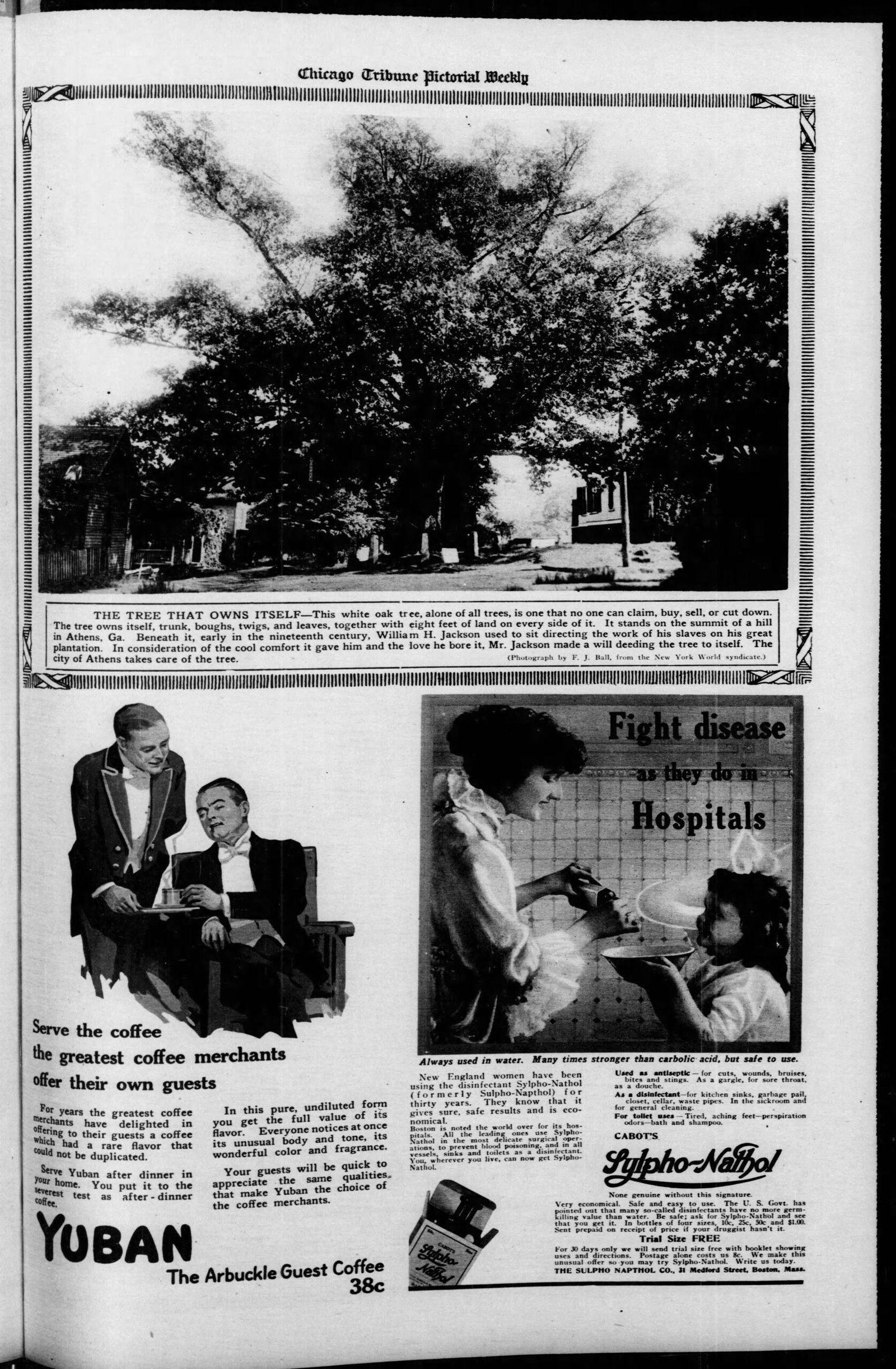
There is something undeniably poetic about a tree that stands as its own guardian. The white oak’s story resonates with the universal longing for freedom, protection, and belonging. For some, it represents the ultimate act of self-determination—a living being taking charge of its destiny. For others, it’s a gentle reminder that the boundaries between human and non-human are more porous than we imagine. The tree’s enduring presence, despite storms and centuries, offers hope and inspiration in a world facing ecological crises. It encourages us to look beyond the surface of legal documents and see the deeper connections that bind us to the earth and each other.
Scientific Curiosity and Public Engagement
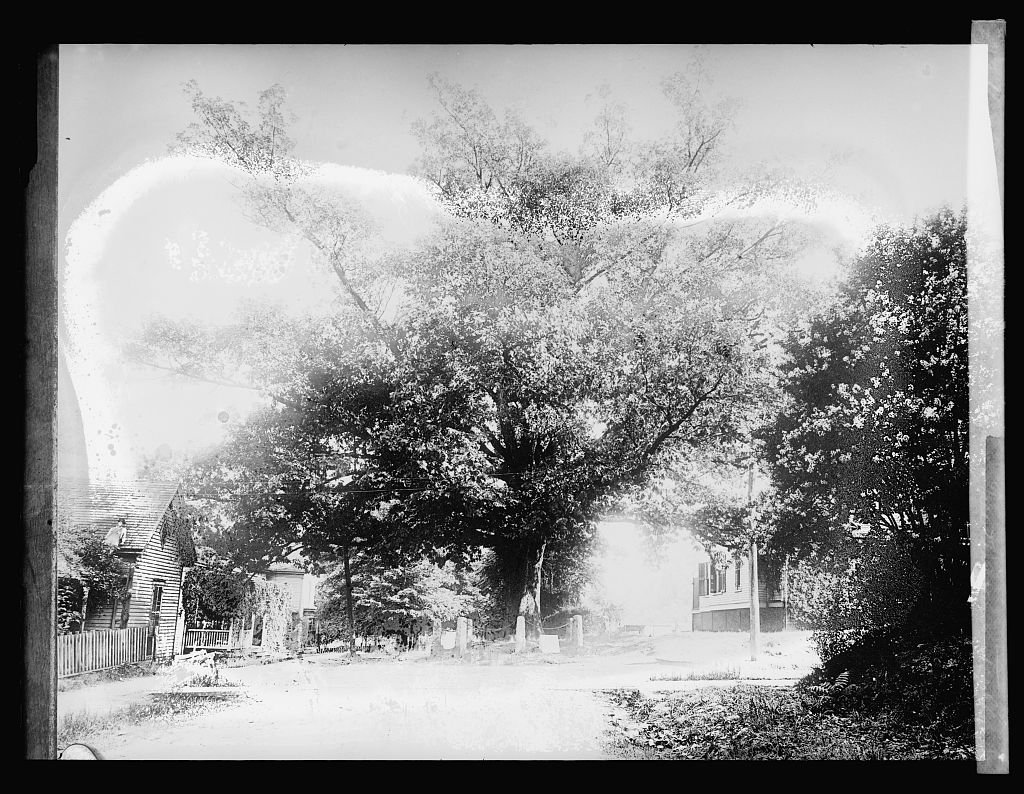
The Tree That Owns Itself has also become a catalyst for scientific curiosity. Botanists and ecologists have studied its genetics, health, and environmental impact, using it as a springboard for educational outreach. Schoolchildren visit the site to learn about tree biology, conservation, and the importance of urban green spaces. The tree’s legend sparks questions about plant intelligence, communication, and longevity, fueling further research and public interest. In a world where science and storytelling often seem at odds, the tree serves as a beautiful example of how myth and fact can work together to engage and inspire new generations.
Ongoing Debates and Future Possibilities
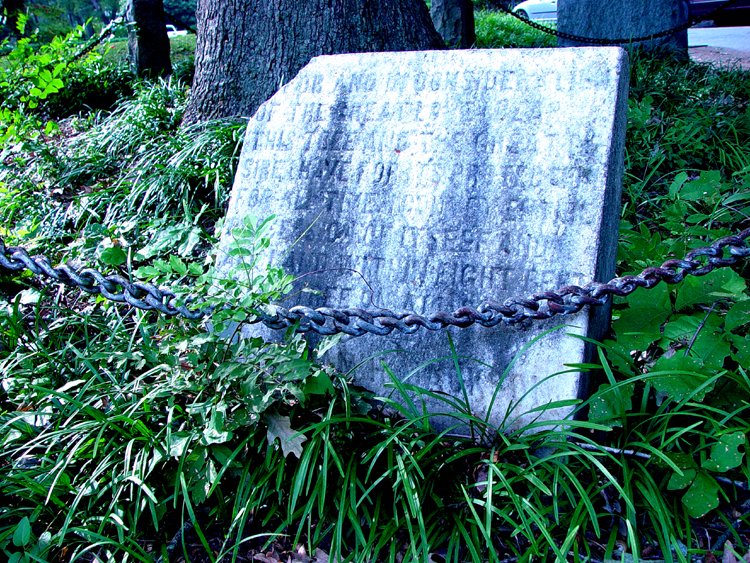
Even today, the story of the Tree That Owns Itself continues to evolve. Legal experts debate the plausibility and implications of the legend, while environmental activists use it as a rallying point for broader campaigns. As climate change and habitat loss threaten natural wonders around the globe, the tree’s tale reminds us of the urgent need to find creative solutions for conservation. Some visionaries imagine a future where legal systems recognize the intrinsic value of all living things, granting rights and protections that go beyond human interests. Whether or not the tree truly owns itself in the eyes of the law, its story plants seeds of hope and possibility for the world to come.
A Legacy Rooted in Mystery and Meaning
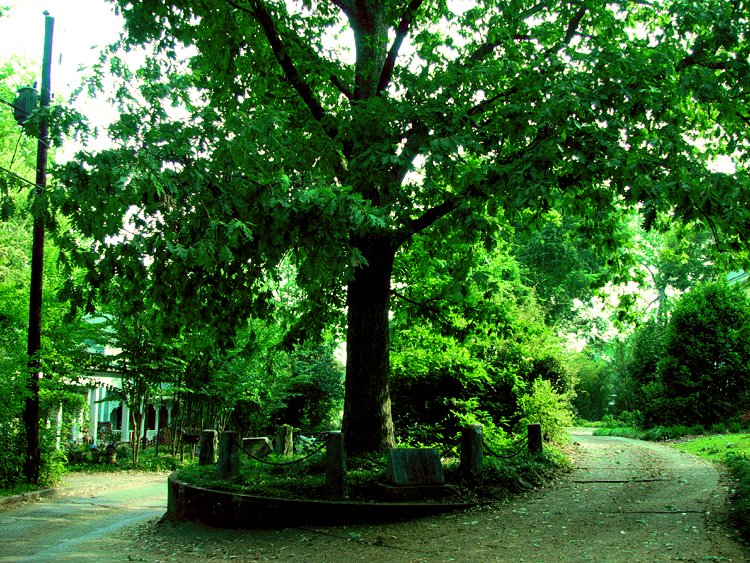
The Tree That Owns Itself stands as a living testament to the power of myth, community, and the enduring wonder of nature. Its roots run deep through the history and imagination of Athens, Georgia, and its branches stretch into the broader questions of law, science, and ethics. The legend blurs the lines between fantasy and reality, leaving us with a sense of awe and curiosity. The next time you walk past a tree, you might wonder: who really owns this living being? Or does it, in some mysterious way, belong only to itself?